


s you may recall, Part One of Hot Skin covered the reasons why hot-skin voltage conditions occur on an RV chassis and skin. This may happen more frequently than most RVers know, because it usually passes without anyone noticing and there can be normal electrical potential of up to 5 volts AC between the RV chassis and the earth caused by the power company.
Go much beyond that, however, and all sorts of things can happen. I consider a hot-skin condition to be any voltage potential beyond 10 volts AC between the RV chassis and the earth, but it’s possible that this can increase up to 120 volts AC under certain conditions.
Where does this voltage come from?
Let’s review the basics:
- All electrical appliances plugged into a wall outlet have some current leakage between the incoming line power and their own chassis.
- All “double-insulated” appliances (including cell phone chargers, slow cookers and double-insulated power tools) will have an ungrounded, two-prong plug and be almost completely isolated from the line voltage (more or less). According to NEC and UL standards, an appliance with a non-grounded plug must have less than 0.75 mA (milliamps) of line-to-chassis leakage current. Let’s call this a Very-Low Current Leakage.
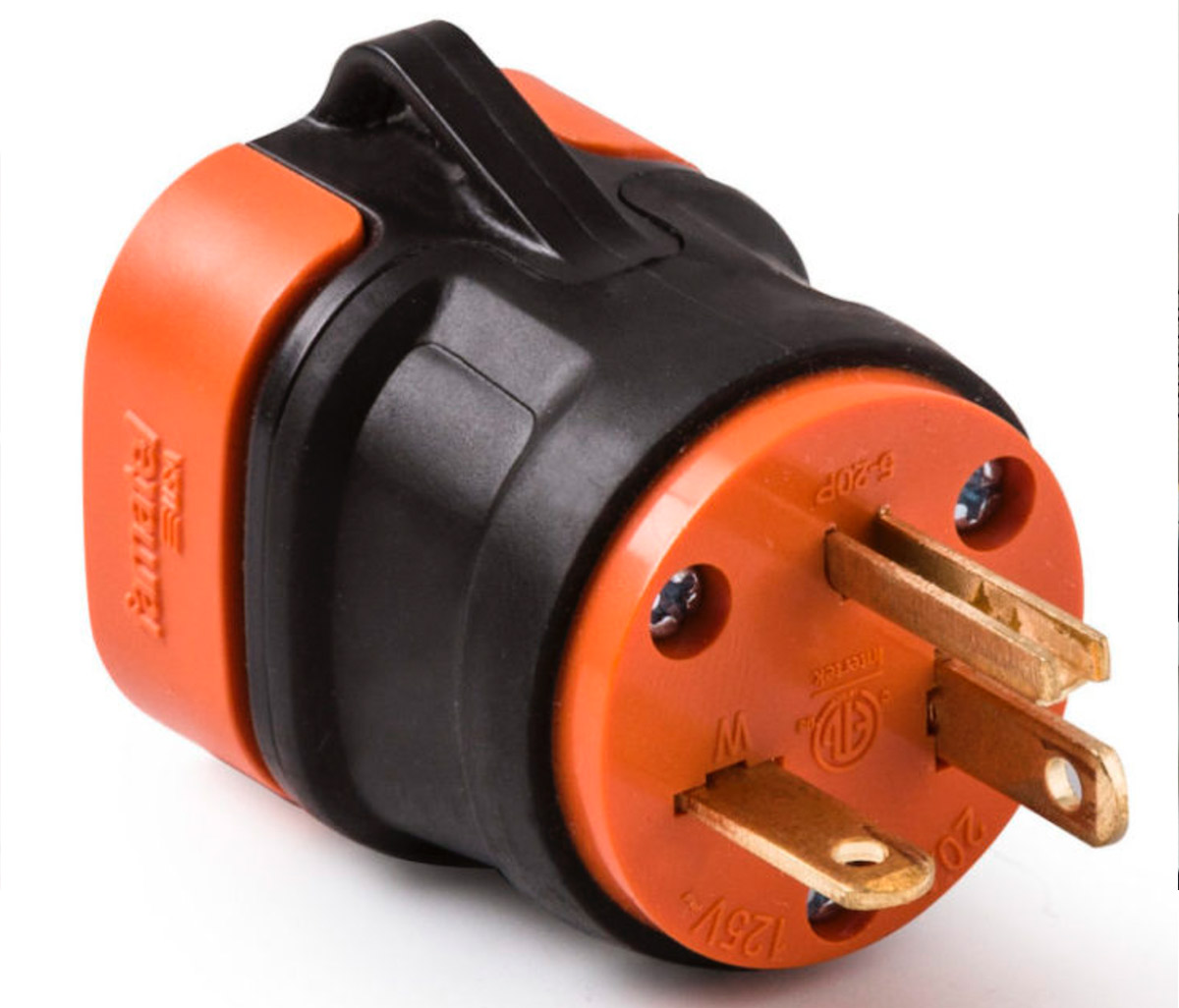
- Other appliances with a grounded, three-prong plug may have line-to-chassis leakage currents of up to 3.5 mA (milliamps) and still be within NEC and UL guidelines. Let’s call this a Low Current Leakage. The round prong or pin on the 120-volt AC plug is the “safety ground contact” which must have a low-resistance (impedance) path back to the service panel’s G-N-E (Ground-Neutral-Earth) bonding point to be effective.
- An appliance with a partial-shorting failure (such as a hot-water tank with a break in its hermetically sealed electric element) will leak 1 to 2 amperes of fault current from the AC line to the water supply (and your RV chassis). Let’s call this a Mid-Leakage Current.
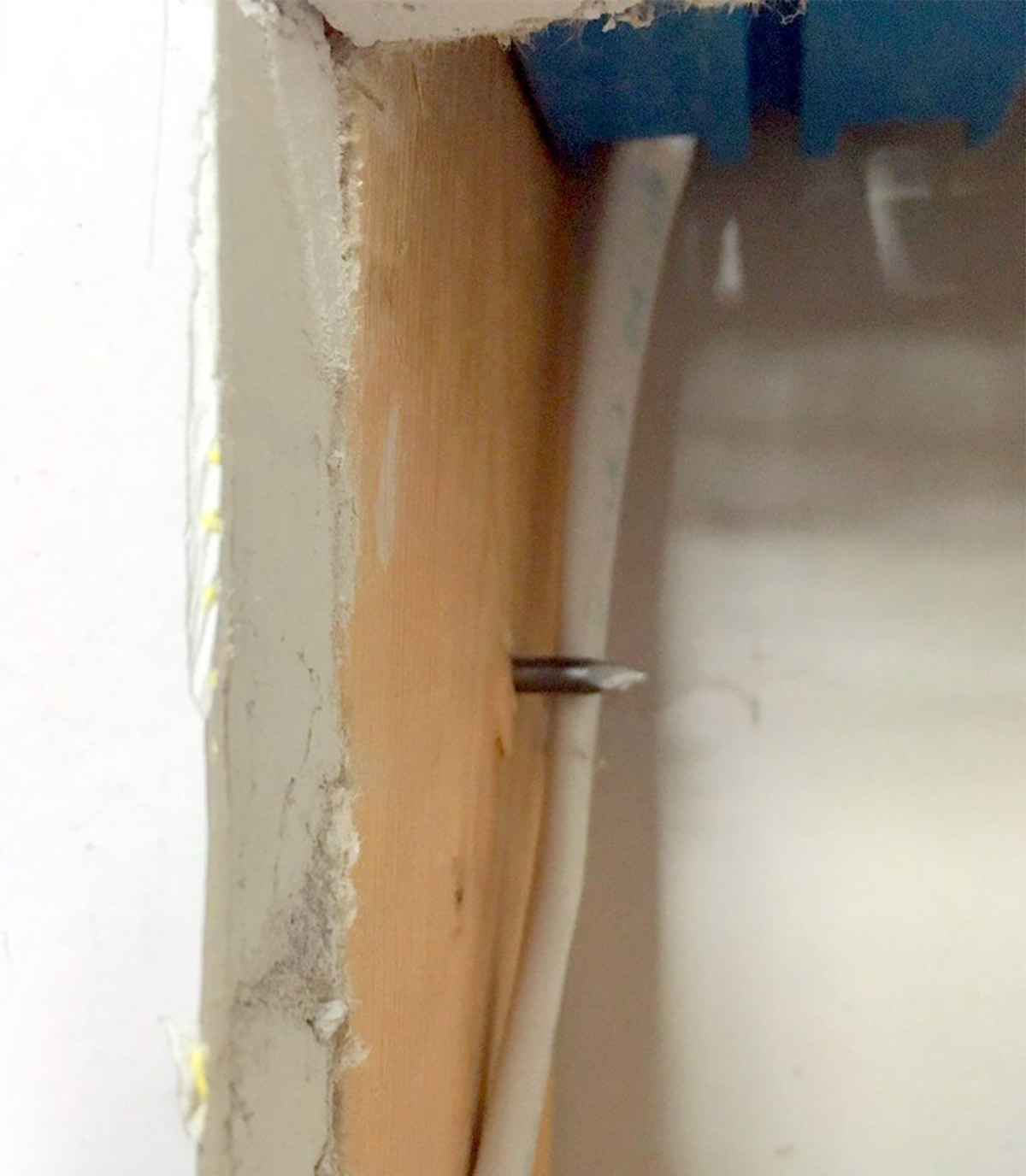
- An appliance or wiring box with a dead short between the line and the chassis (such as a pinched wire or a screw driven into the wall, which penetrates the wiring insulation), can provide full circuit breaker current between the line and the chassis, up to 20 amperes. Let’s call this High-Leakage Current.
- If that appliance chassis is bonded (connected) to the RV’s safety ground with a proper low-resistance (also called impedance) connection, and the RV’s safety ground (and chassis) is properly bonded to the G-N-E connection back at the entrance service panel, then all of the above fault currents will be returned back to the service panel (and the transformer on the pole) and be rendered harmless. Note that these fault currents do not return to the earth beneath your feet through the ground rod. A service panel ground rod’s job is to protect the system from lightning strikes and help maintain the local ground plane’s voltage close to earth potential.
What does this all mean in the real world?
The Very Low (0.75 mA) and Low (3.5 mA) Leakage currents will be easily drained away without you even knowing about it, probably without even tripping a GFCI. These ground fault currents are all within UL and NEC allowed leakage values and are quite normal.
The Mid Leakage Currents (think water heater failure) would certainly be more than enough to trip a 5 mA GFCI breaker, but not enough to trip any 15- or 20-amp circuit breaker or fuse. However, you will still not have any hot-skin voltage as long as the low-resistance safety ground path back to the service panel is intact.
A High-Current Ground Fault (20+ amps) should trip any circuit breaker instantly by returning the fault currents back to the service panel’s G-N-E bonding point.
A properly grounded RV will not develop a hot-skin under this failure condition since these High-Current faults should still be drained to the service panel’s G-N-E bonding point, thus tripping the circuit breaker.
So, while the potential for hot skin exists, there are numerous safety systems in place to circumvent it. You’ll notice there are two common points in all of the above scenarios: First, a proper (low-resistance) safety ground path between the chassis of the RV and the Service Panel’s G-N-E bonding point will not allow any dangerous hot-skin voltages to develop on your RV. So if you do have a hot-skin voltage situation, the low-resistance safety ground path has failed.
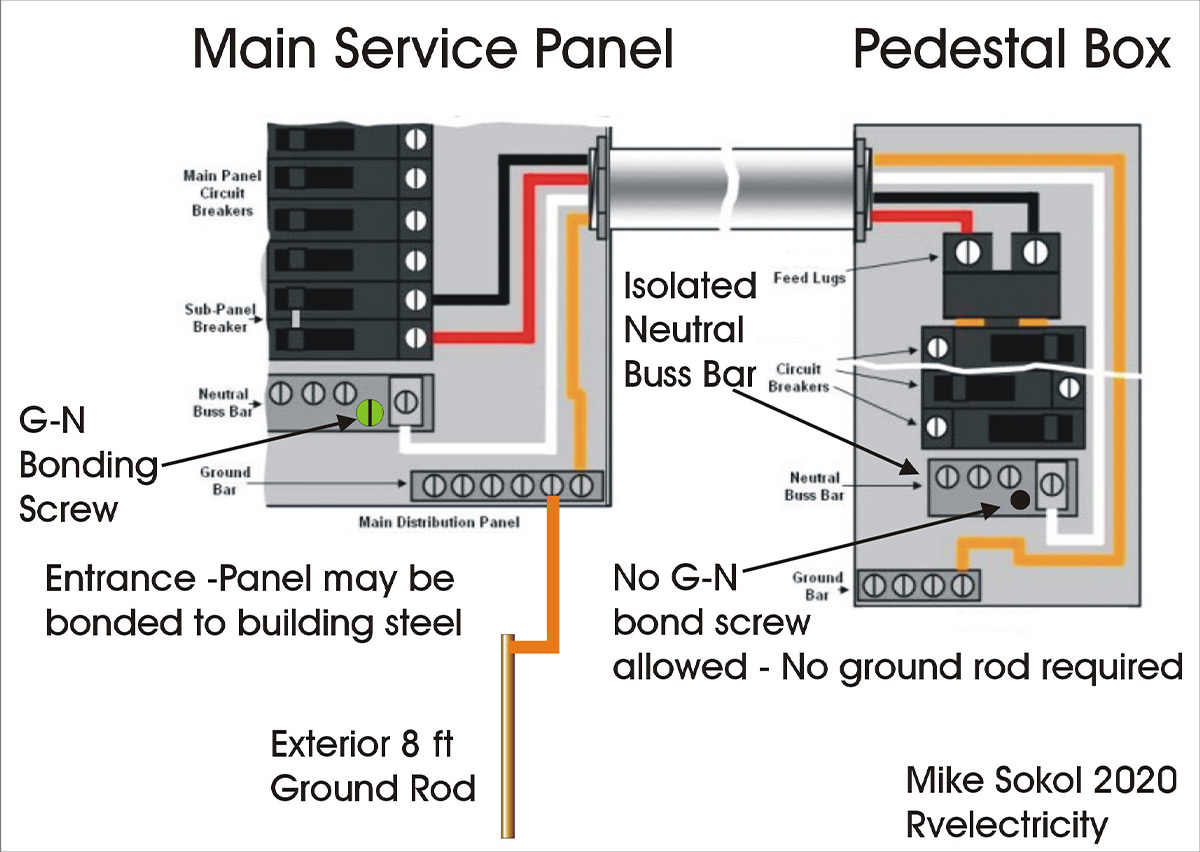
Secondly, the ground rod really has nothing to do with getting rid of these ground-fault currents. A ground rod connected to your RV or the campground’s power pedestal will not provide a low-resistance ground fault path and will allow hot-skin voltages to exist on your RV. And simply lowering the leveling jacks on the dirt definitely will not ground an RV.
Logic Alert
The simplest way to think about this is that anything you plug into an electrical outlet will leak a measurable amount of fault current to its own chassis, which is then connected to the RV chassis via the grounding pin in its power cord or physical mounting. All of these currents are additive and will end up in the same place (the RV chassis). If your RV is properly grounded (actually called bonded) back to the campground service panel, then these currents will never develop into a hot-skin voltage. In fact, most of these low-level fault currents will harmlessly return to the power company transformer via that service panel ground bond.
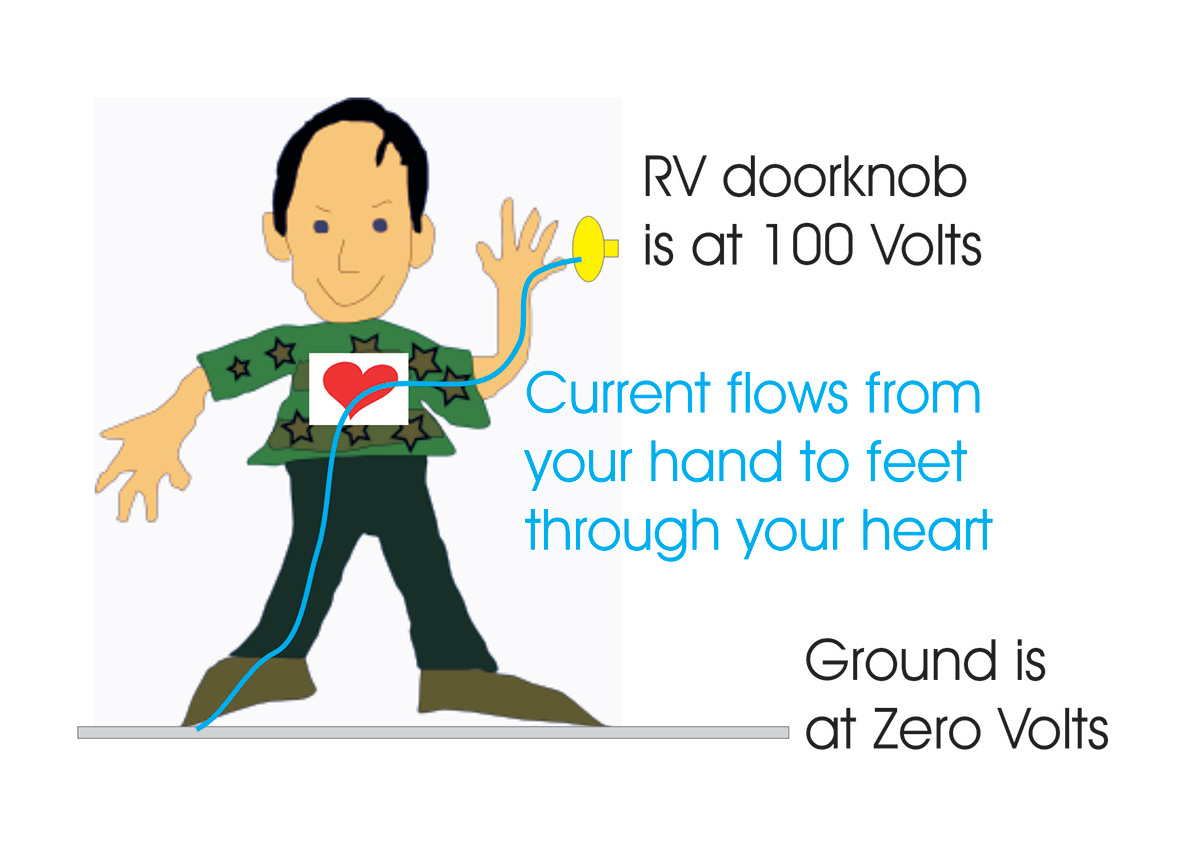
However, if your RV has lost the ground connection in its shore power cord, dogbone adapter or the campground pedestal, then that fault current potential will develop into a hot-skin voltage. In such cases, if people get between the RV skin or chassis and the earth itself, they will create a fault current path though their own bodies — with the possibility of being shocked or even electrocuted.
Hot Skin Testing – First Contact
As mentioned in Part I, the easiest and safest way to perform an initial Hot-Skin voltage test is using something called a Non-Contact Voltage Tester (NCVT). When you first turn it on, you should confirm it’s working properly by testing a known-live circuit such as the pedestal outlet. Then, simply move it close to the RV metal skin or anything metal (hitch, wheels, metal steps, etc.). If it beeps or alerts you, there’s some sort of hot-skin voltage.
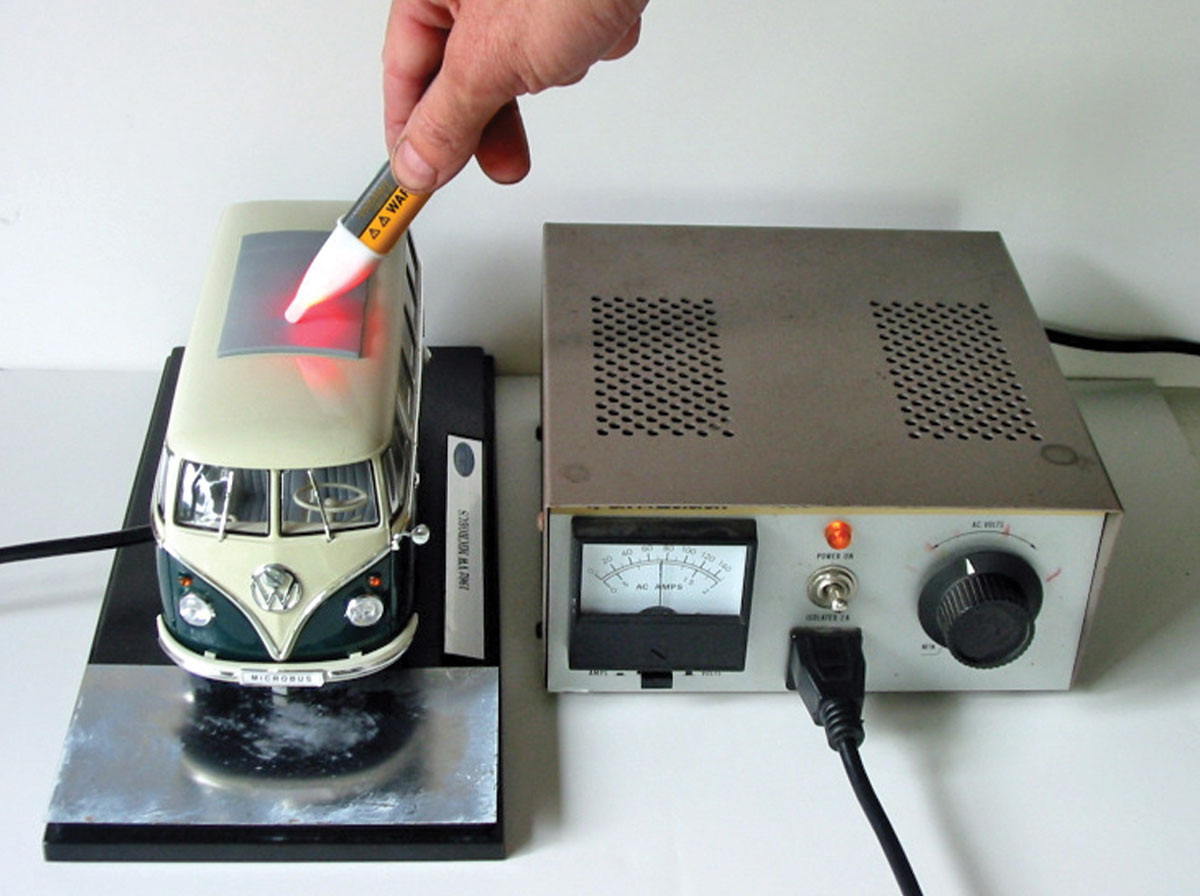
Various brands and models of NCVTs have different sensitivity, but all the ones I have tested that are rated for 90 to 1,000 volts AC will reliably trigger as low as 30 or 40 volts AC hot-skin. And 30 to 40 volts is where this hot-skin voltage becomes very dangerous. In fact, I recently found the new SouthWire 40150N tester, which not only has a 100-volt-to-1,000-volt test range, but also includes a 12-volt AC test range available at the touch of a button. This extends its ability to find RV hot-skin voltage as low as 10 volts in many cases. Note that all NCVTs only test AC, not DC voltage.
Testing for Hot-Skin Fault CurrentAfter all this discussion of various causes of hot-skin voltage, here’s a basic testing sequence to help determine what is causing it:
- If you feel the slightest tingle or shock from your RV while standing on the dirt and touching it in any way, immediately power off the pedestal and unplug from shore power.
- Get out your NCVT and test it on a known hot-power source. Turning the pedestal breakers back on and placing the tip of the NCVT in the hot contact will suffice for this.
- Turn off the pedestal circuit breakers, plug in your shore power cord and then test the RV for a hot-skin voltage using the NCVT on normal sensitivity (90 to 1,000 volts). If the NCVT beeps only when making contact with the RV steps, hitch or skin, then you likely have around 40 volts of hot skin. If it beeps from 6 inches away, then you likely have around 80 volts of hot-skin potential. And if it beeps from 2 feet away, then your RV likely has around 120 volts of hot skin.
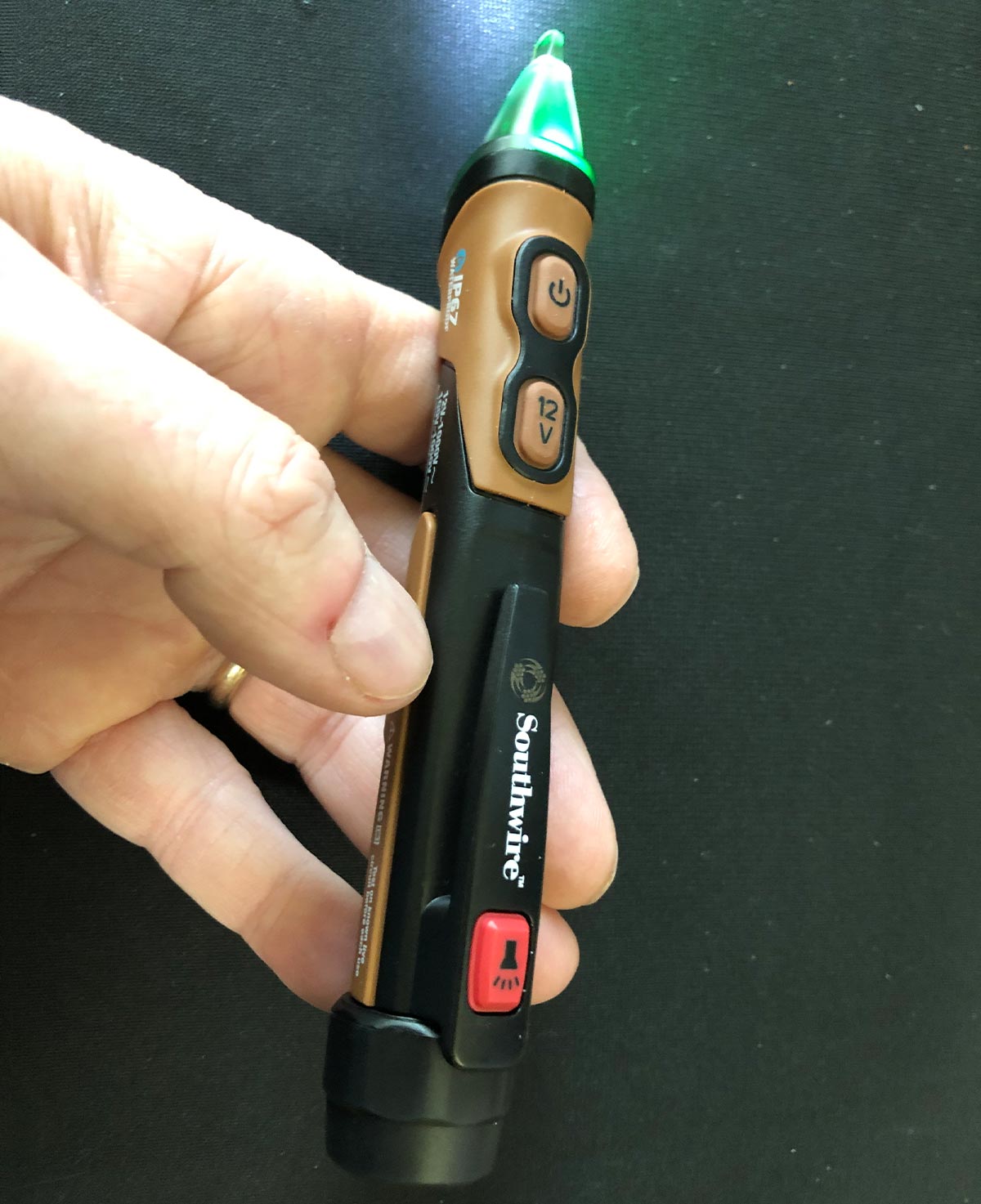
- Power down the pedestal circuit breaker and retest for hot-skin voltage. If the NCVT doesn’t beep, then the source of the current and voltage is your own RV. If the NCVT continues to beep, then the source of the hot-skin voltage is the campground grounding system, something I call a reflected hot-skin voltage.
- If you have a dual-range NCVT, repeat the test at the 12-volt AC setting. If it beeps when in 12-volt AC mode but not in the standard 90- to 1,000-volt mode, then you have a hot-skin voltage between 10 and 30 volts. This is still potentially dangerous since anything more than about 5 volts above earth ground potential indicates loss of your RV’s safety ground wire (called the EGC for Equipment Grounding Conductor) back to the campground service panel ground/bonding point.
- The next test is sticking a long screwdriver (12 inches or so) into the dirt beside your RV and wetting the dirt with a gallon of water if it’s very dry. Now use the AC scale on a digital multimeter to measure the voltage between bare metal of the RV (a lug nut works great) and the screwdriver metal shaft in the dirt. With a properly grounded RV, this should measure below 5 volts. However, it could measure between 10 and 120 volts AC, which indicates a lost ground connection as well as a source of ground fault current. This suggests you can easily develop a dangerous amount of hot-skin voltage.
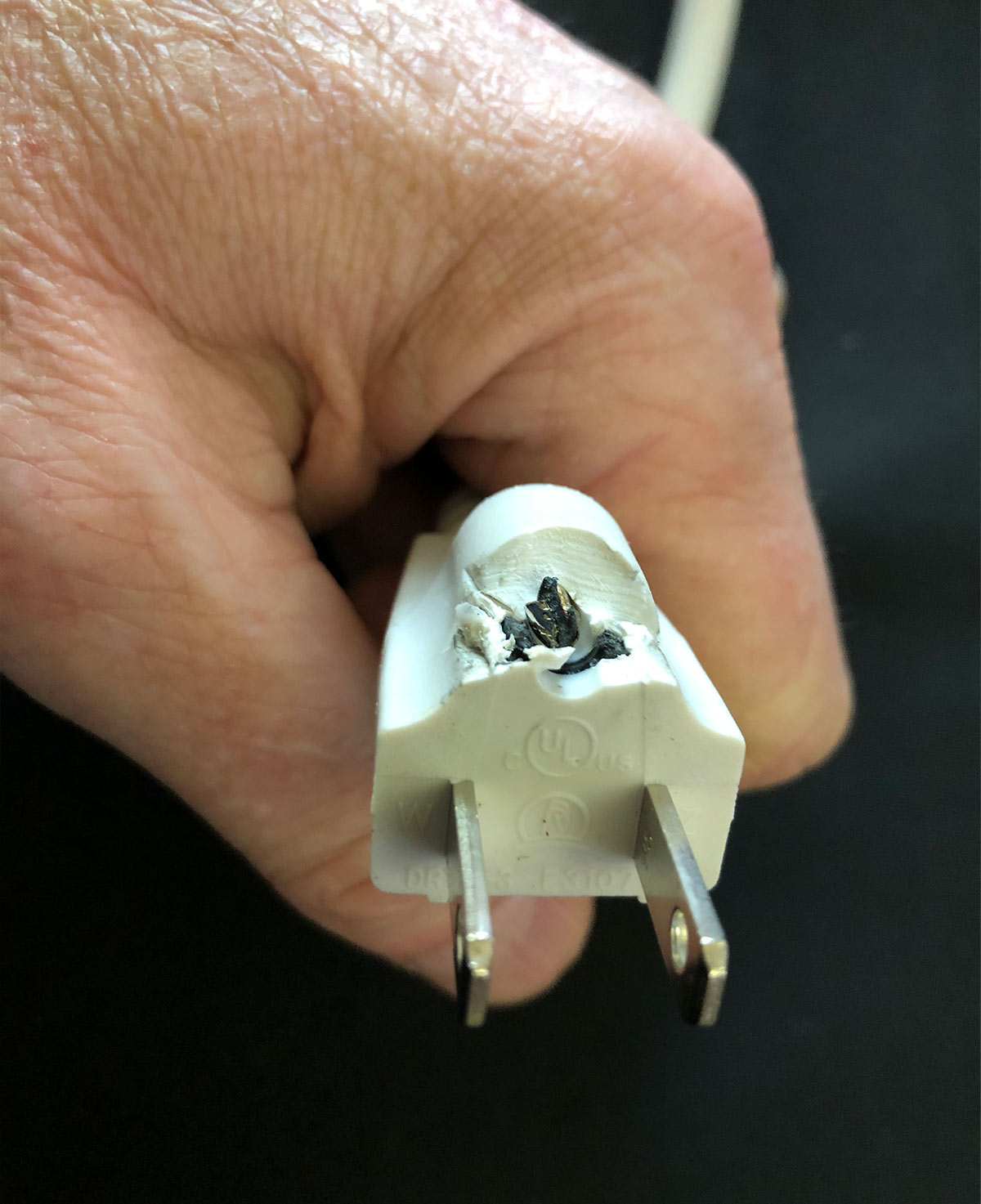
- Most hot-skin voltages occur due to a break in the RV’s shore power connection, which can be traced to a lost ground contact in an extension cord, dog-bone adapter or shore-power cord itself. Physically inspect all cords and adapter for intact ground pins. You can also measure them for continuity (when disconnected from your RV) using the ohms/continuity setting on any digital multimeter. A surprising number of RV hot-skin conditions are caused by using an extension cord with a broken off ground-pin. Never use this on your RV as it can create a very dangerous hot-skin voltage condition.
- If you find any damage to the shore power connection, replace the broken hardware and test again. If it now shows the voltage has returned to less than 5 volts, your ground connection is secure. But, you could still have a mid-current ground fault source.
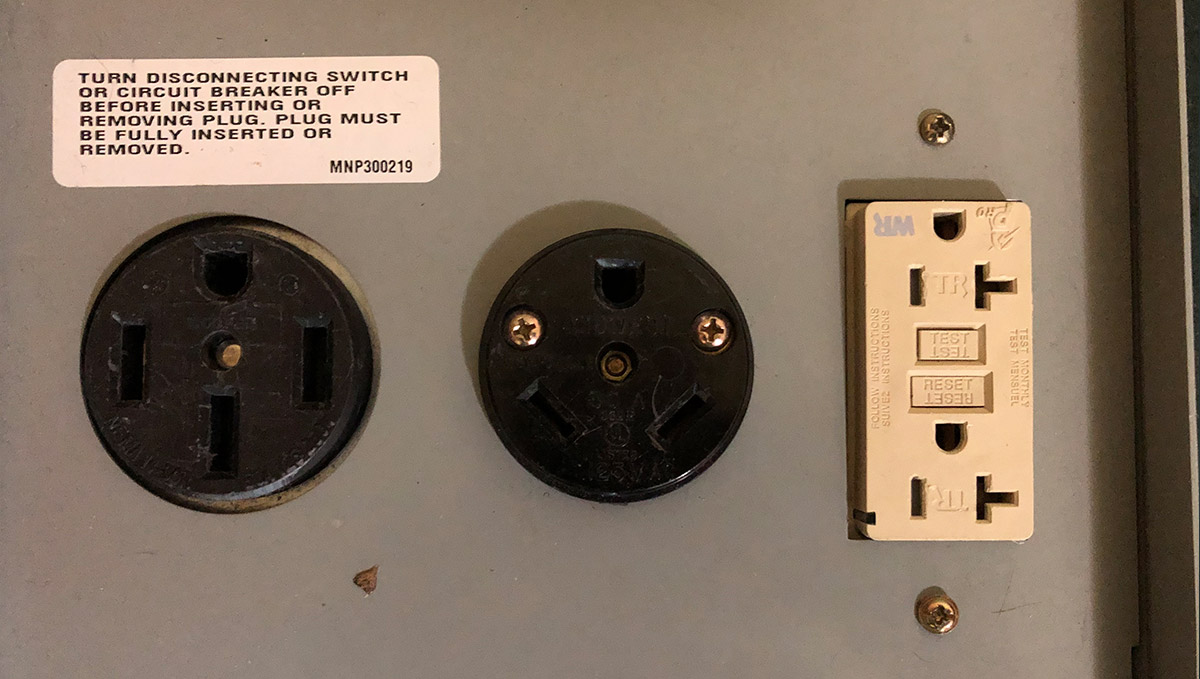
- Test for a ground-fault current over 5 mA by using a dogbone adapter to plug the RV into a GFCI receptacle. If it doesn’t trip the GFCI, then you likely have normal ground fault leakages of under 5 mA. If it does trip the GFCI outlet, then you have a medium-current ground fault source, most likely a corroded or melted water heater element that should be replaced immediately. If plugging in trips the 20-amp circuit breaker, then you have a high-current ground-fault in your RV, likely caused by a pinched wire or a nail, screw or staple that has pierced the wire insulation.
The good news? Even if you find a hot-skin condition, it can be rectified!
Note: to read “Hot Skin,” Part 1, go to: https://magazine.rventhusiast.com/issue/april-2021/hot-skin/