
photos by the author
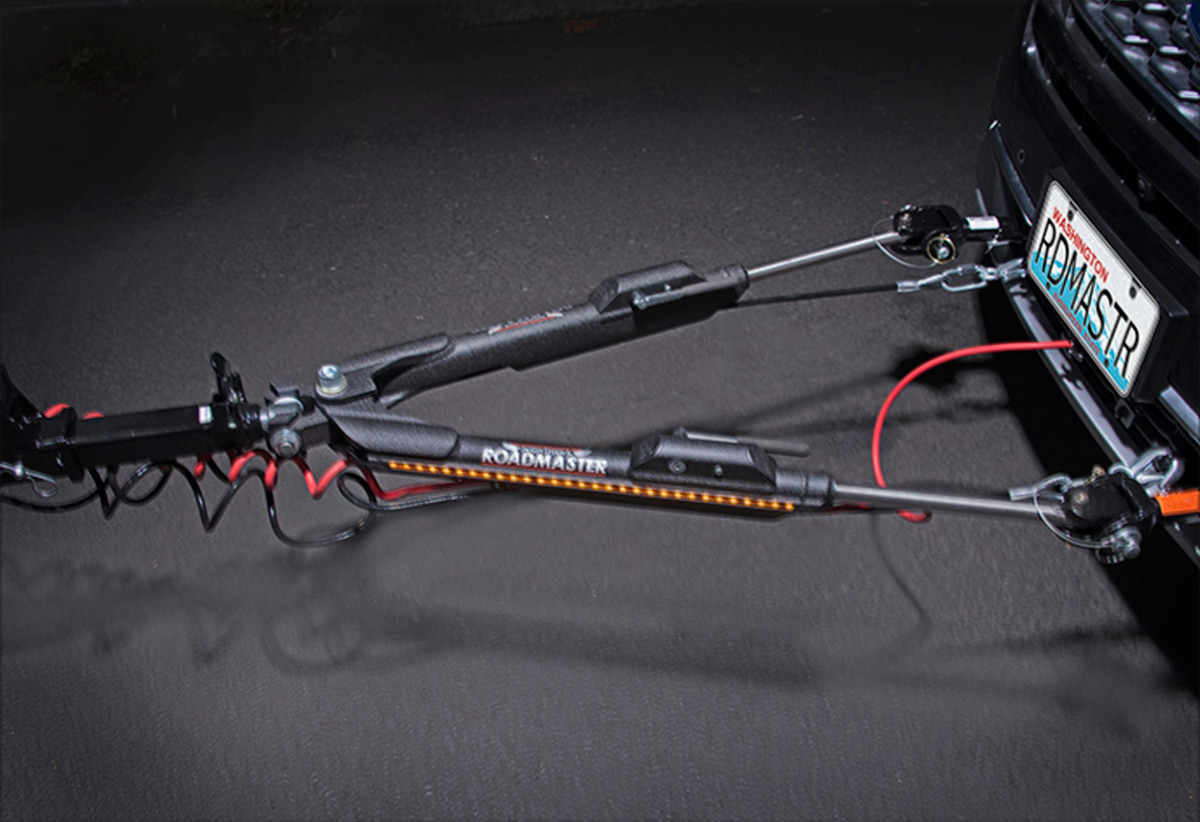
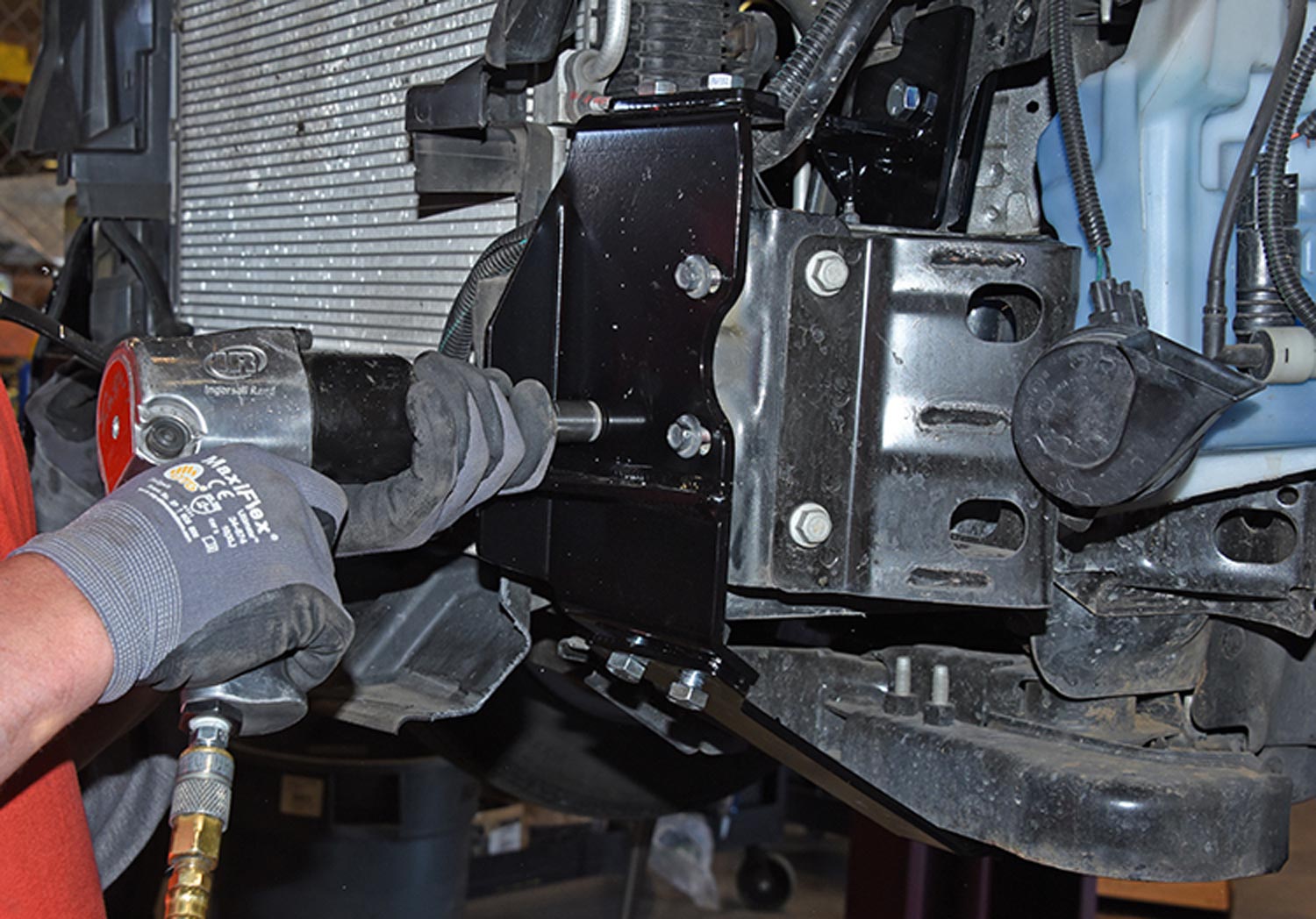
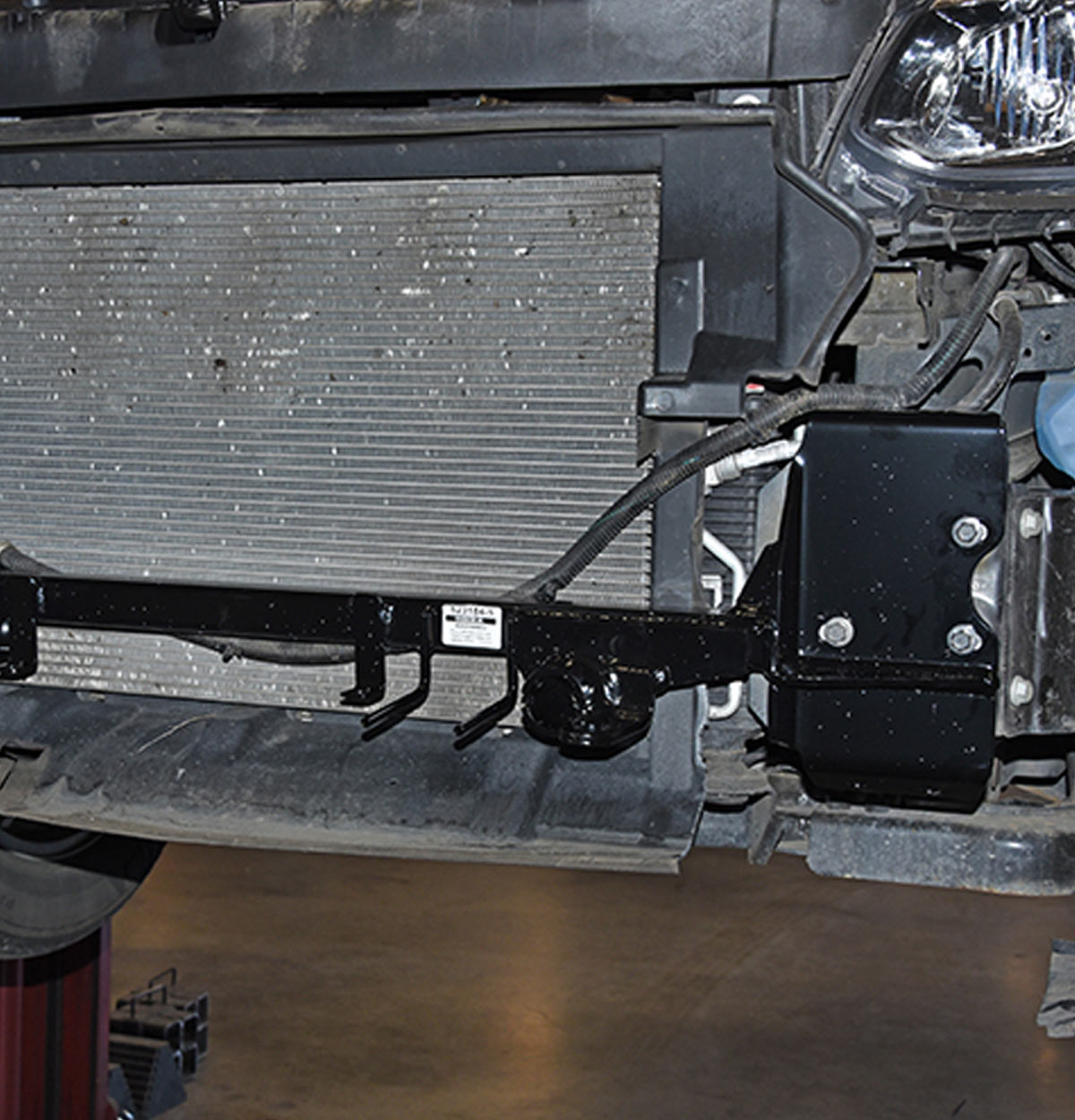
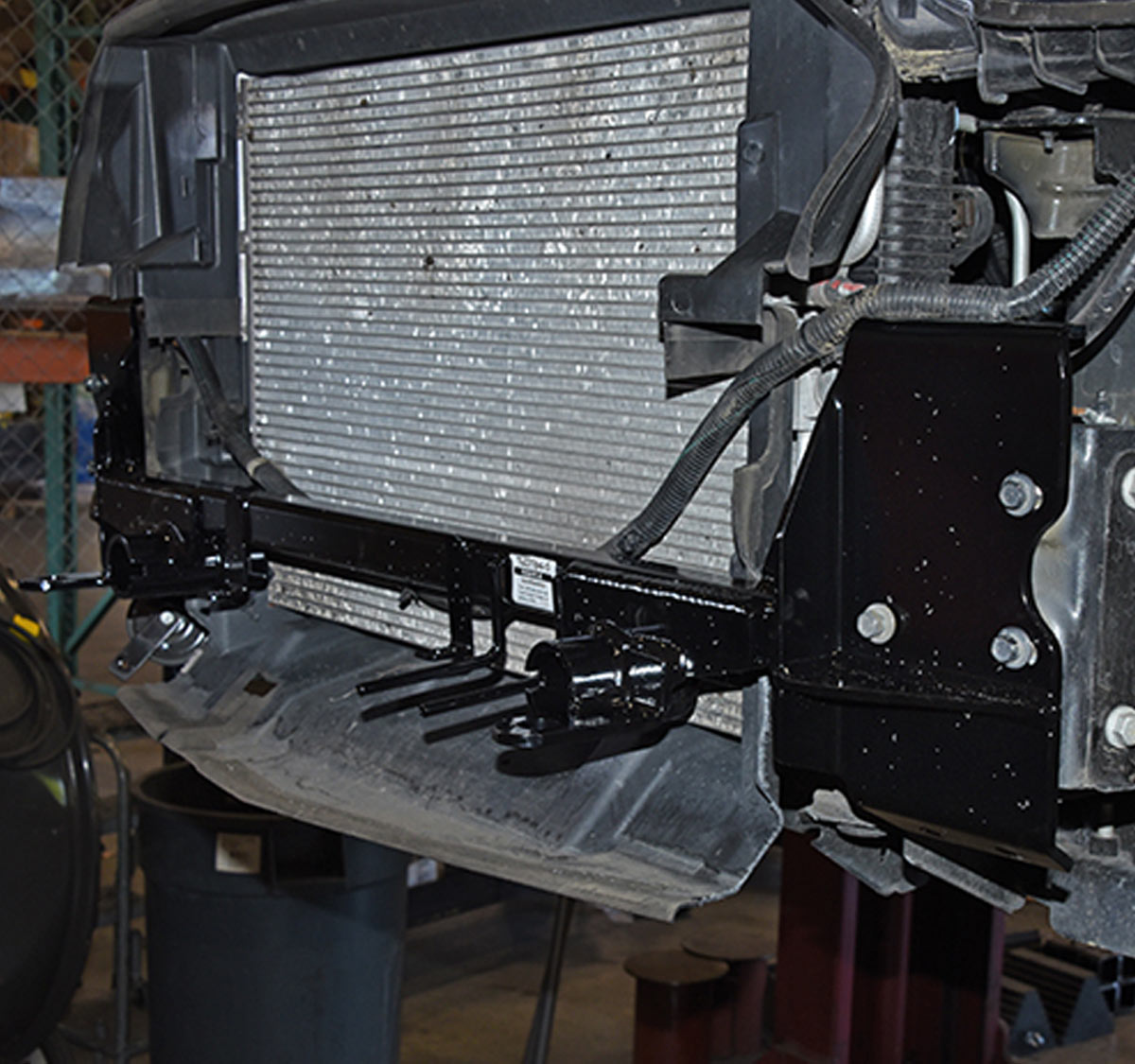
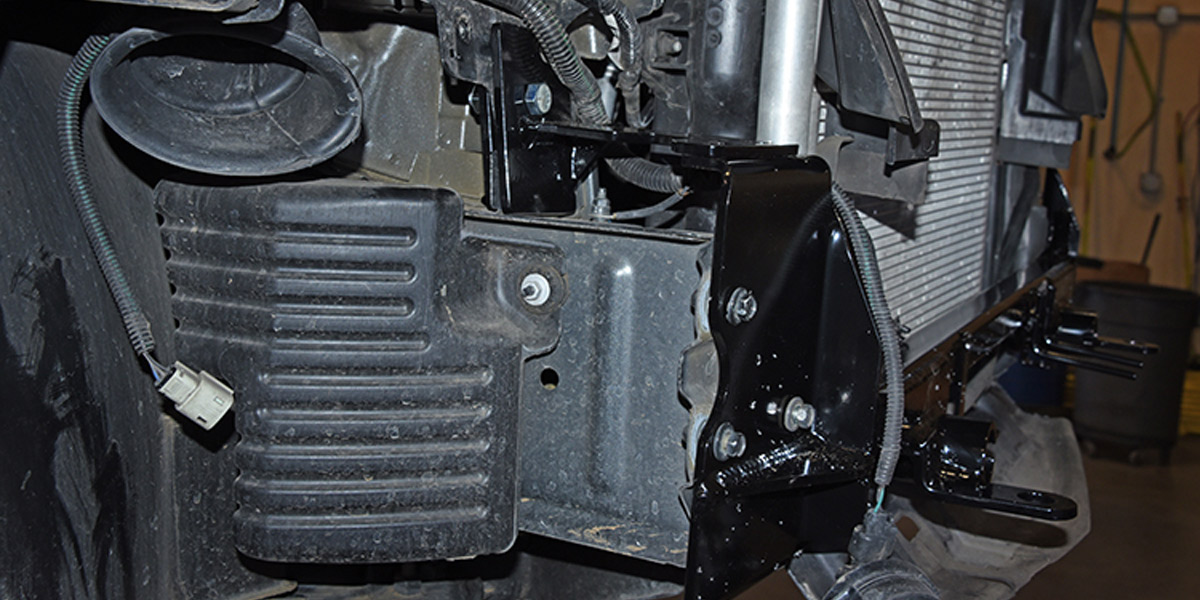
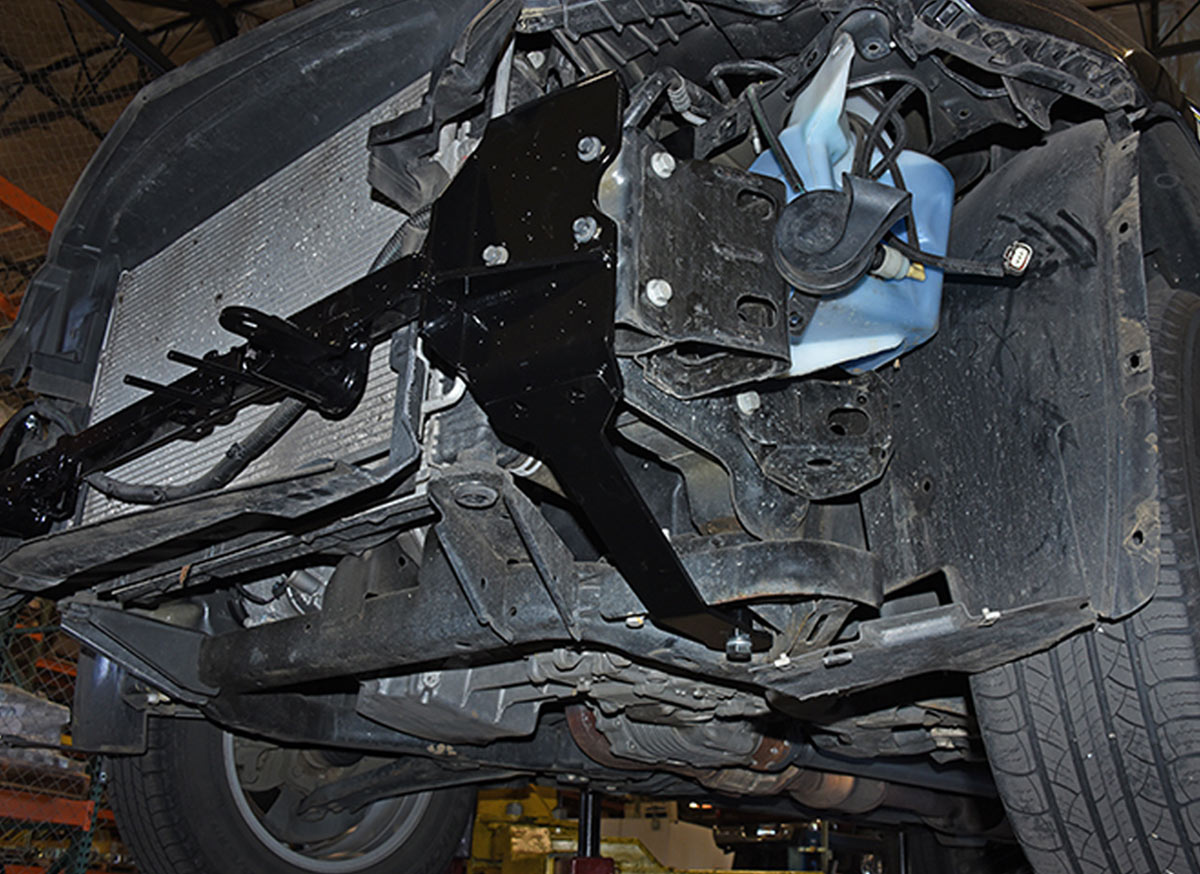
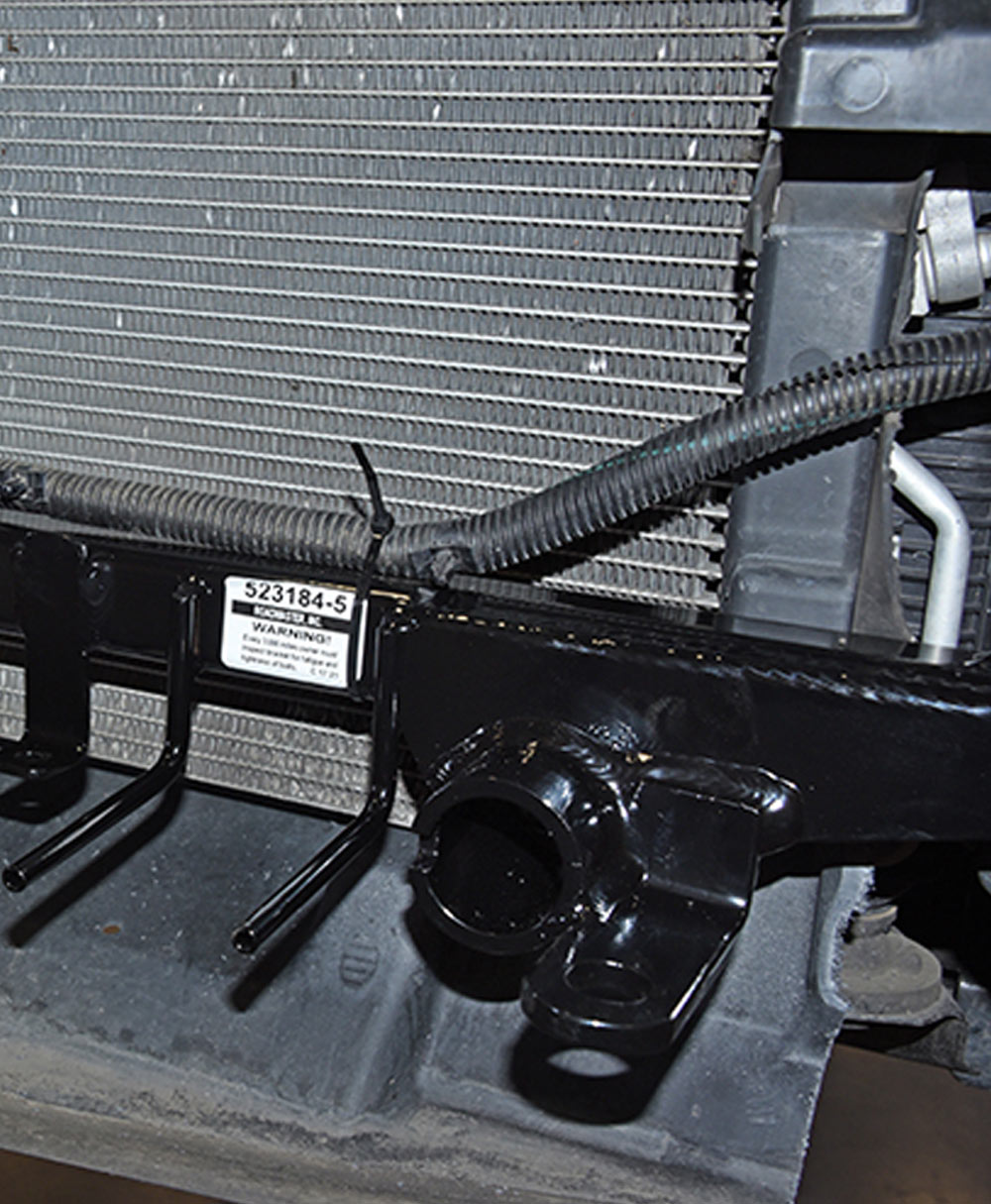
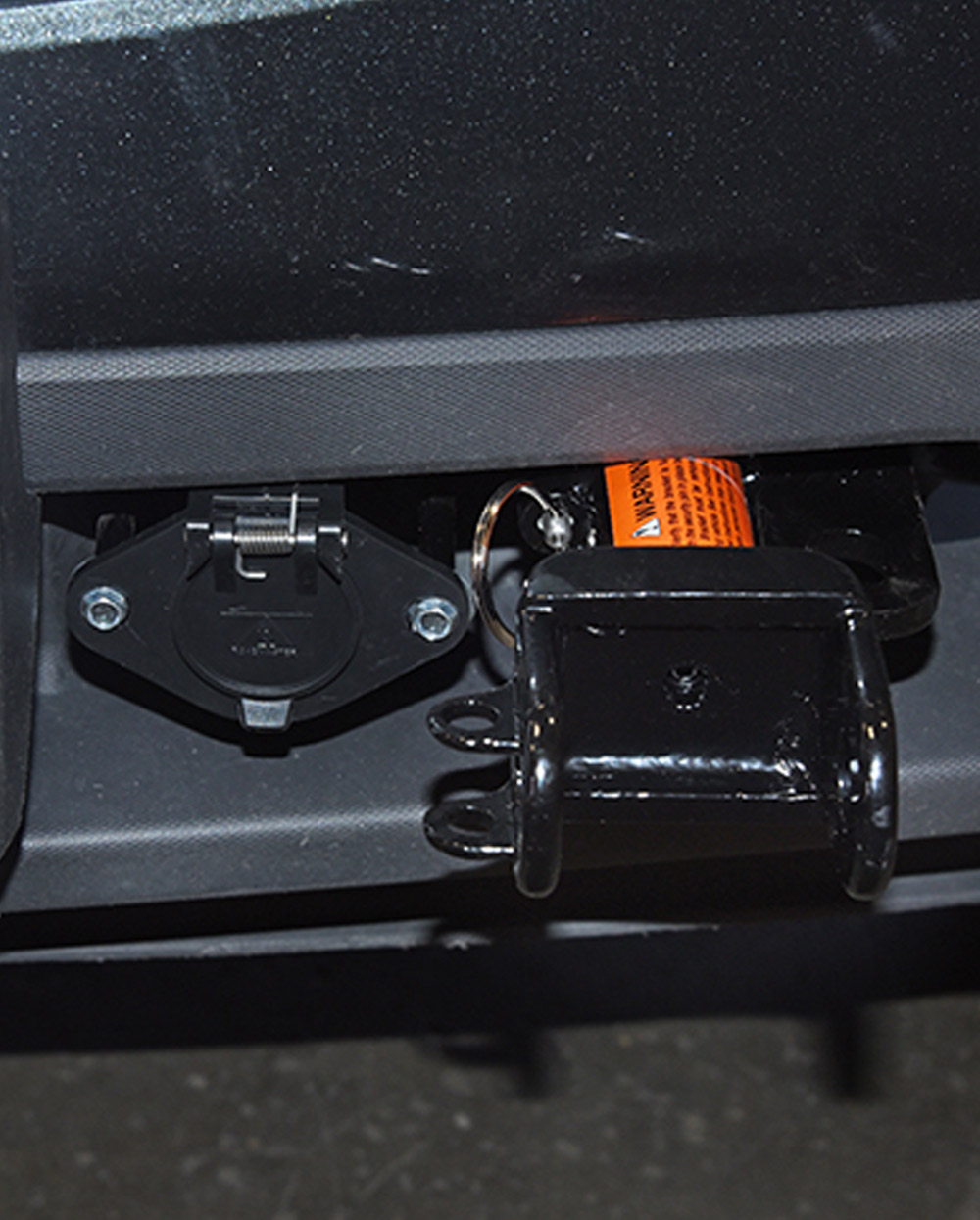
nce you have verified that the vehicle you plan to tow behind your motorhome is, in fact, towable, the first step toward outfitting it for dinghy duty is the base plate. Unlike a travel trailer — which was designed to be attached behind another vehicle — a car, truck or SUV was never intended to be towed for recreational purposes. So, the baseplate serves as the attachment point for a tow bar, which is most connected to the motorhome via its hitch receiver when you’re ready to tow.
photos by the author
nce you have verified that the vehicle you plan to tow behind your motorhome is, in fact, towable, the first step toward outfitting it for dinghy duty is the base plate. Unlike a travel trailer — which was designed to be attached behind another vehicle — a car, truck or SUV was never intended to be towed for recreational purposes. So, the baseplate serves as the attachment point for a tow bar, which is most connected to the motorhome via its hitch receiver when you’re ready to tow.
Once installed, keep in mind that a baseplate is a mechanical component that requires periodic checks, just like lug nuts, brakes and tire pressure. Because base plates are subjected to fore-aft loading, road impacts and vibration, they should be routinely checked for loose fasteners, stress cracks and other dangers that could cause the base plate to come loose or fail during travel. If you don’t have the experience or the tools to do this yourself, have the vehicle inspected by the installer (or some other vehicle technician) periodically. The baseplate manufacturer of your choice can provide you with inspection/maintenance guidelines.
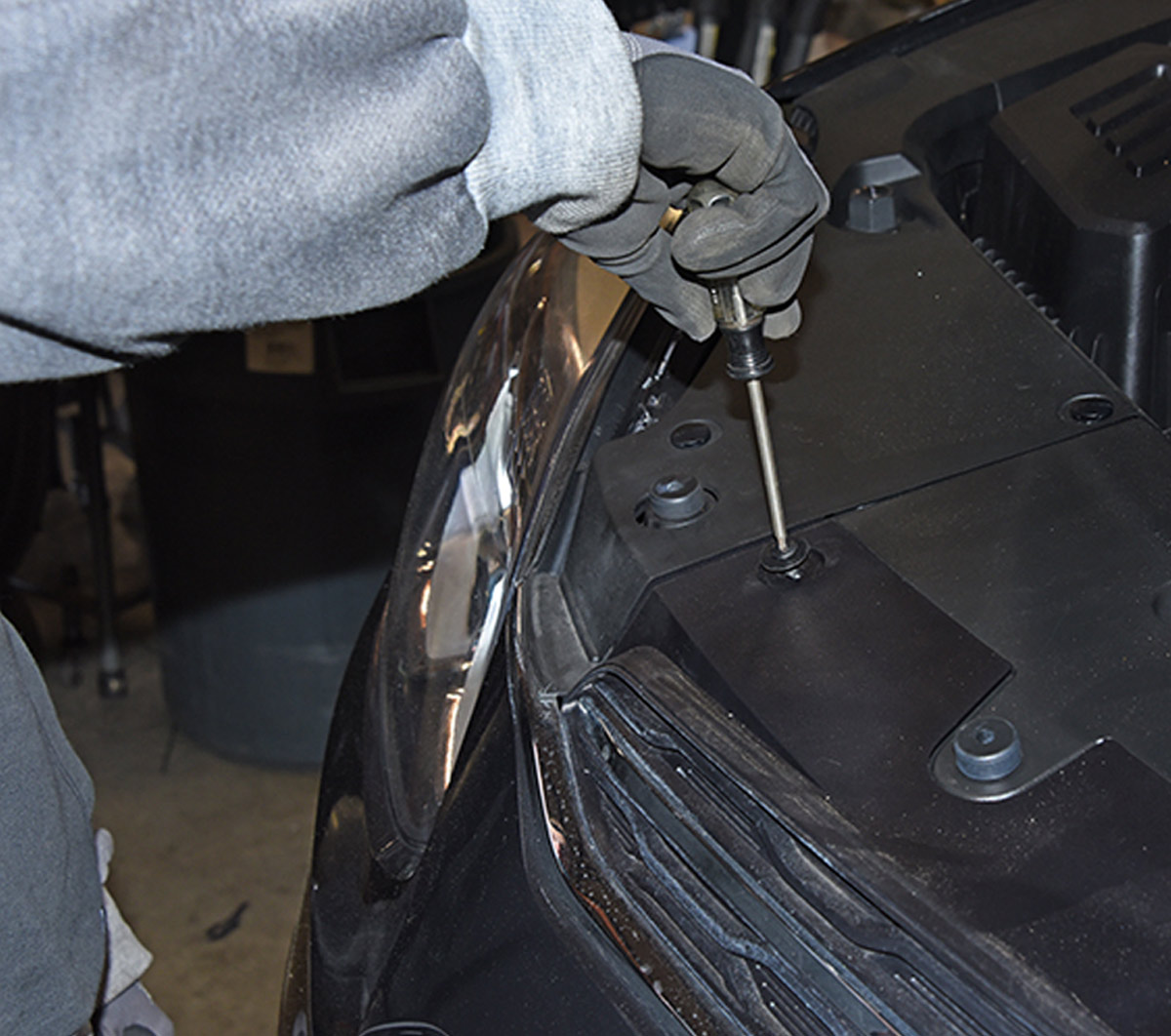
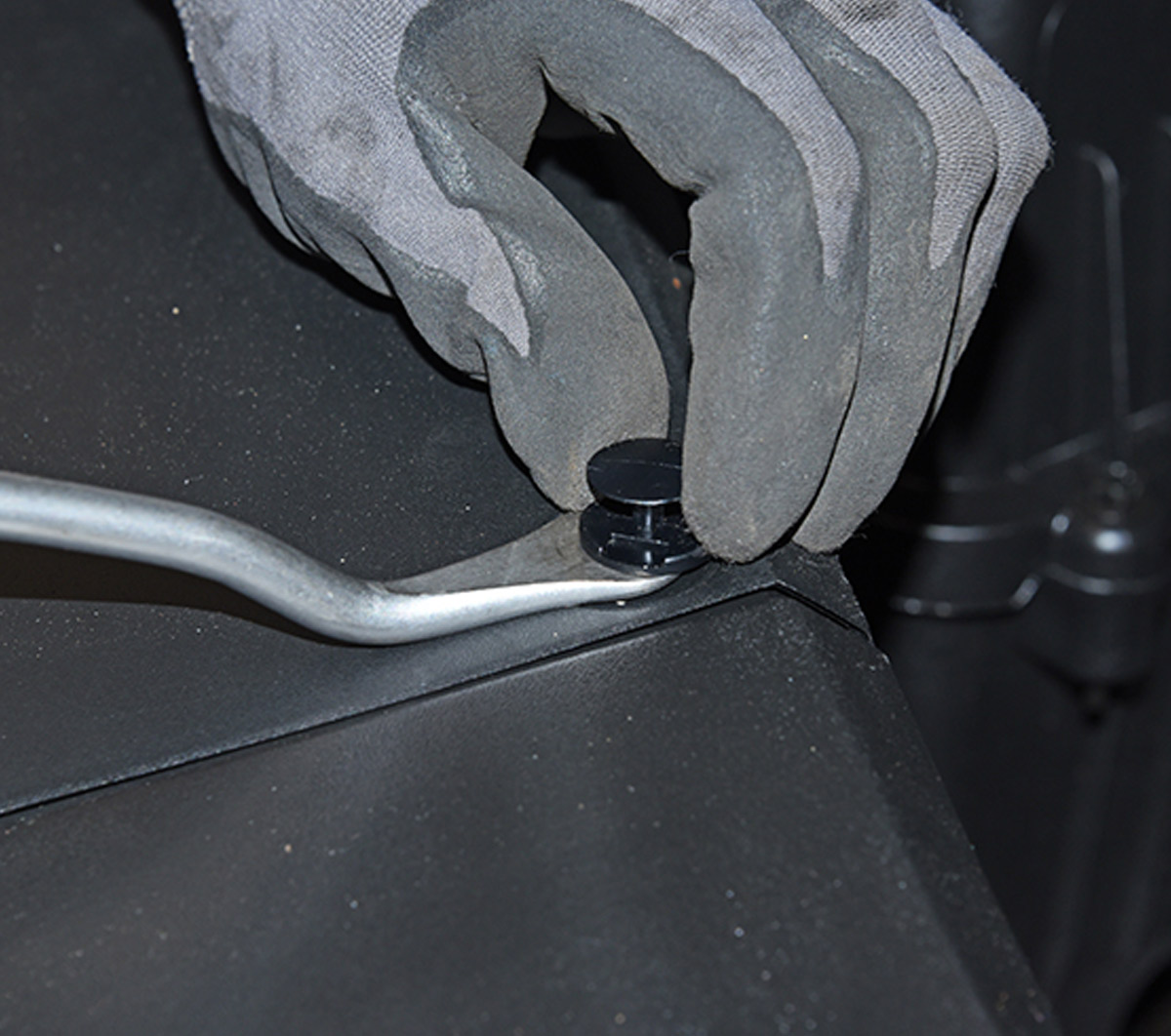
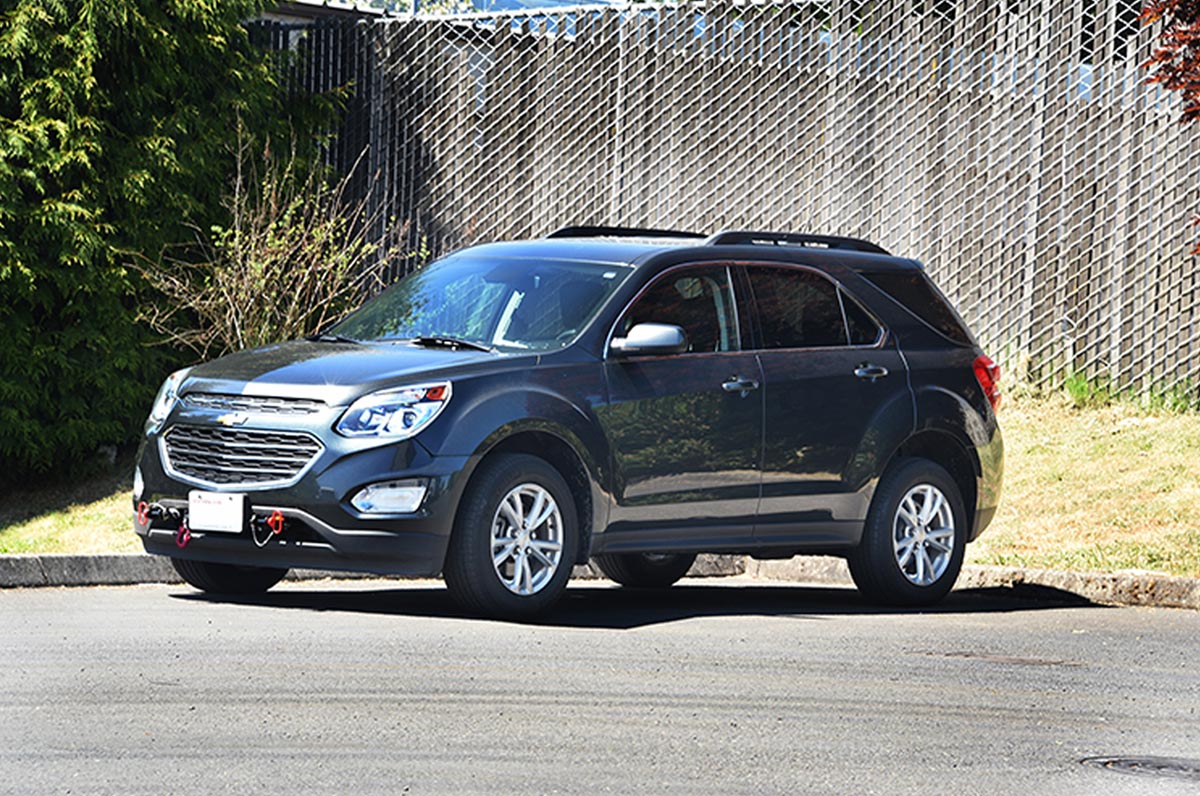
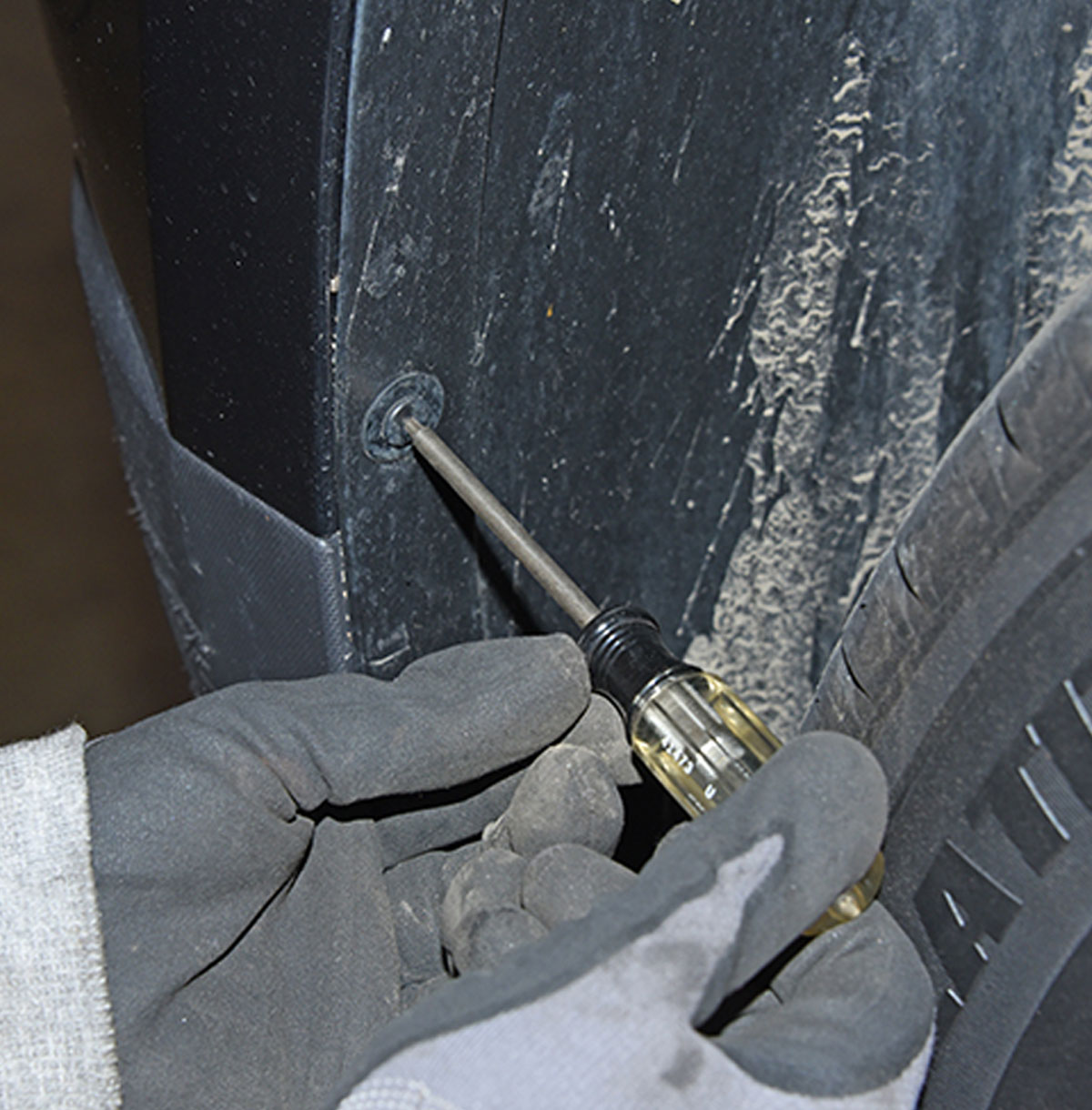
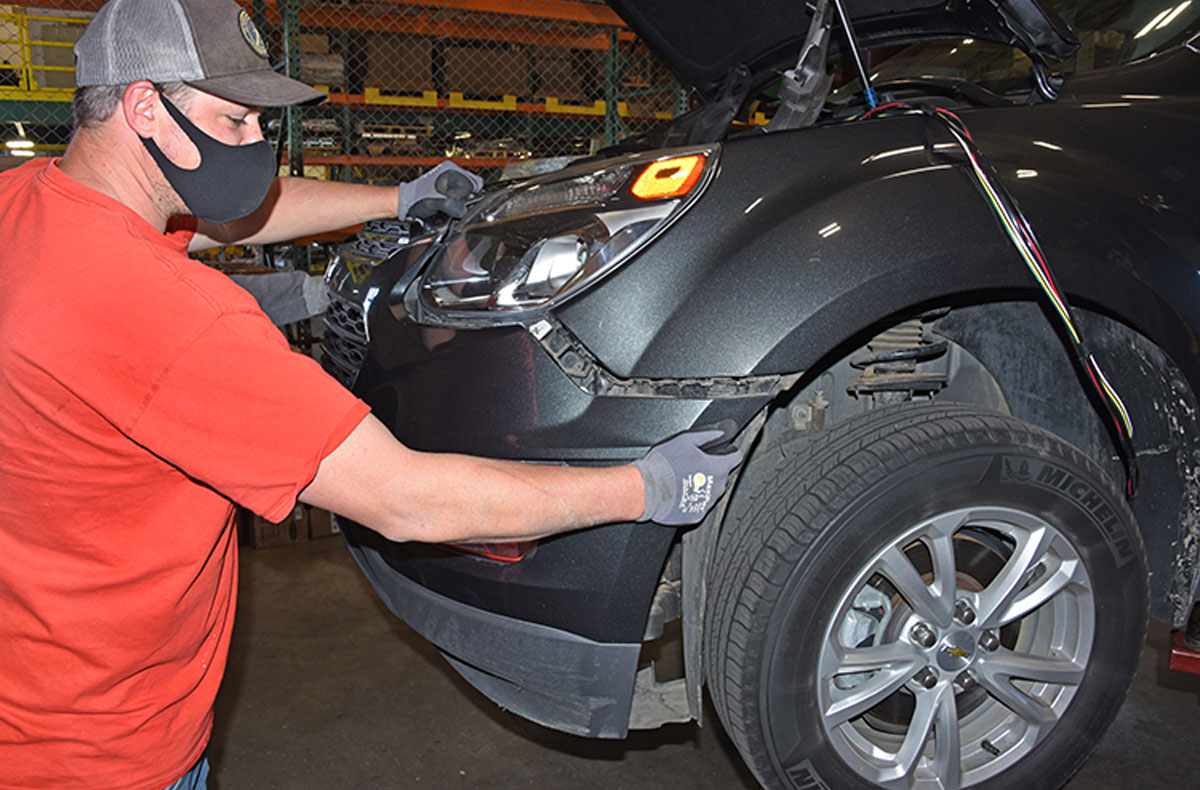
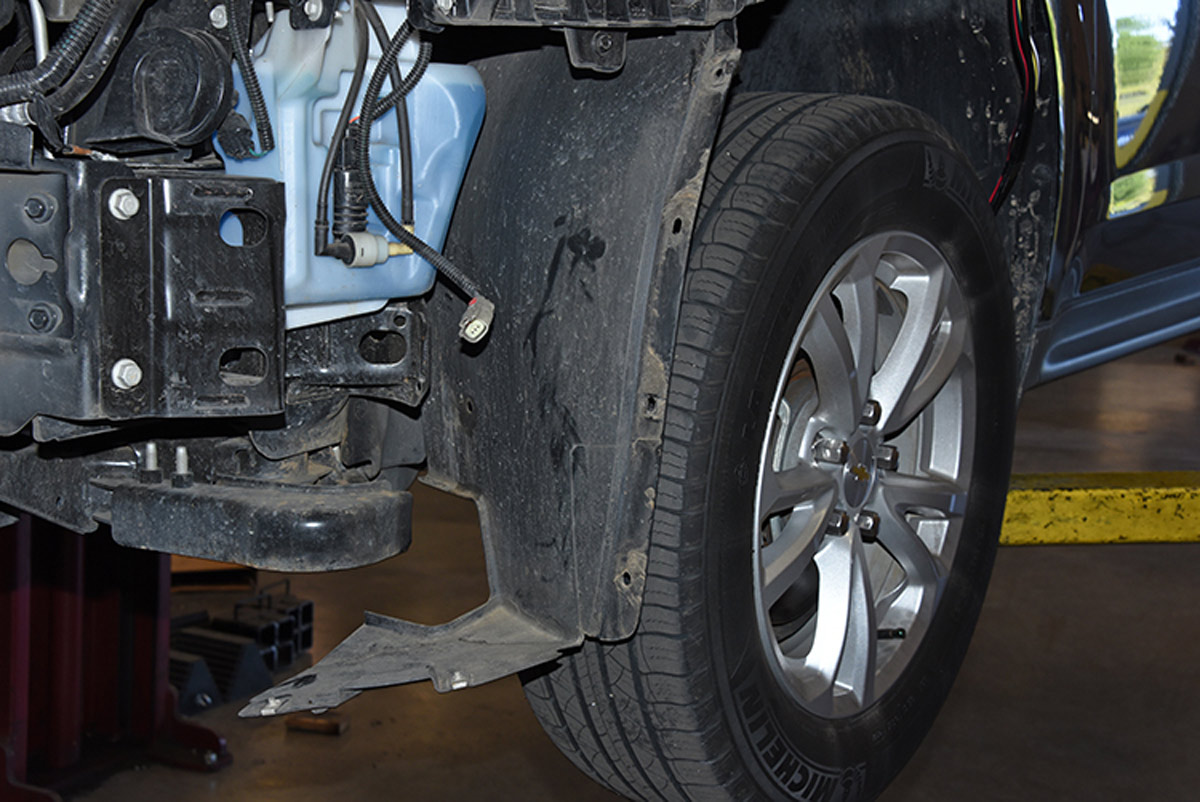
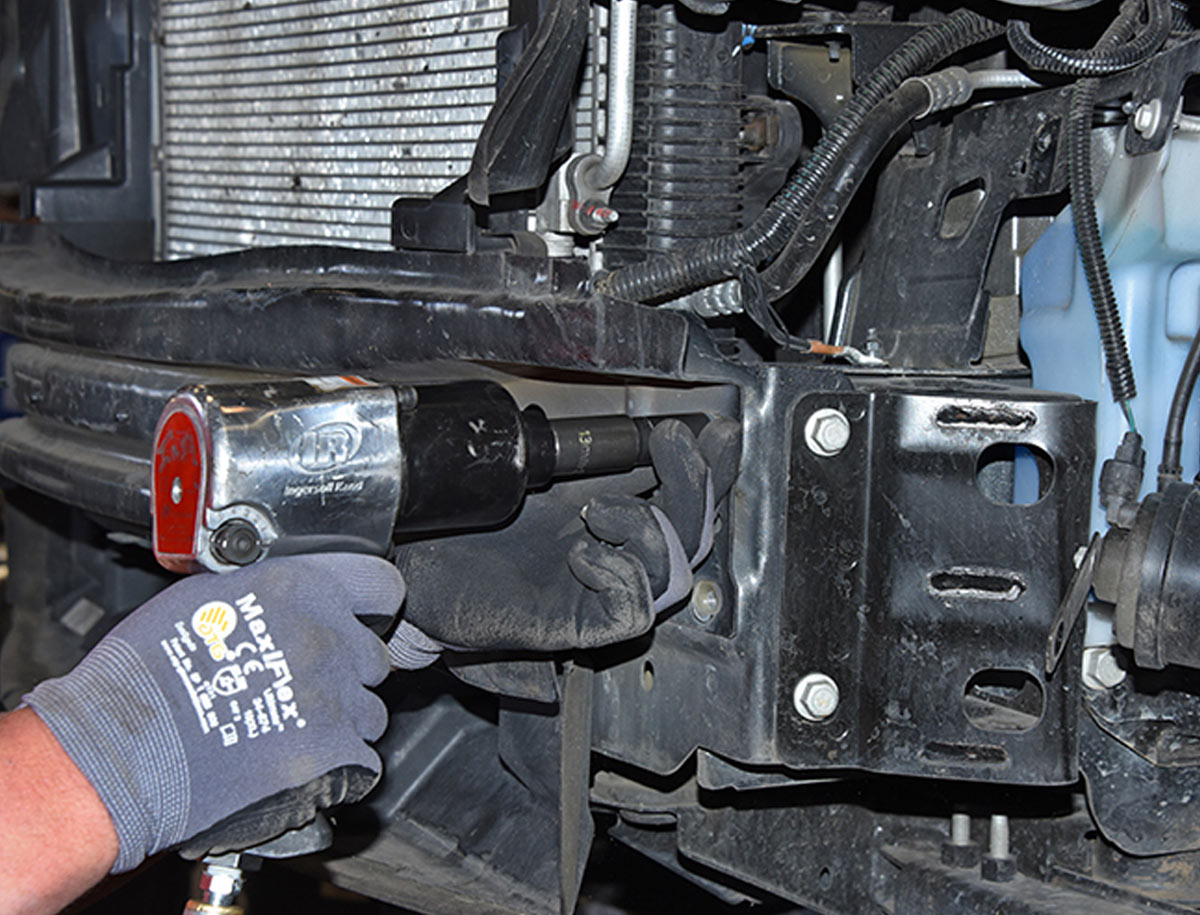
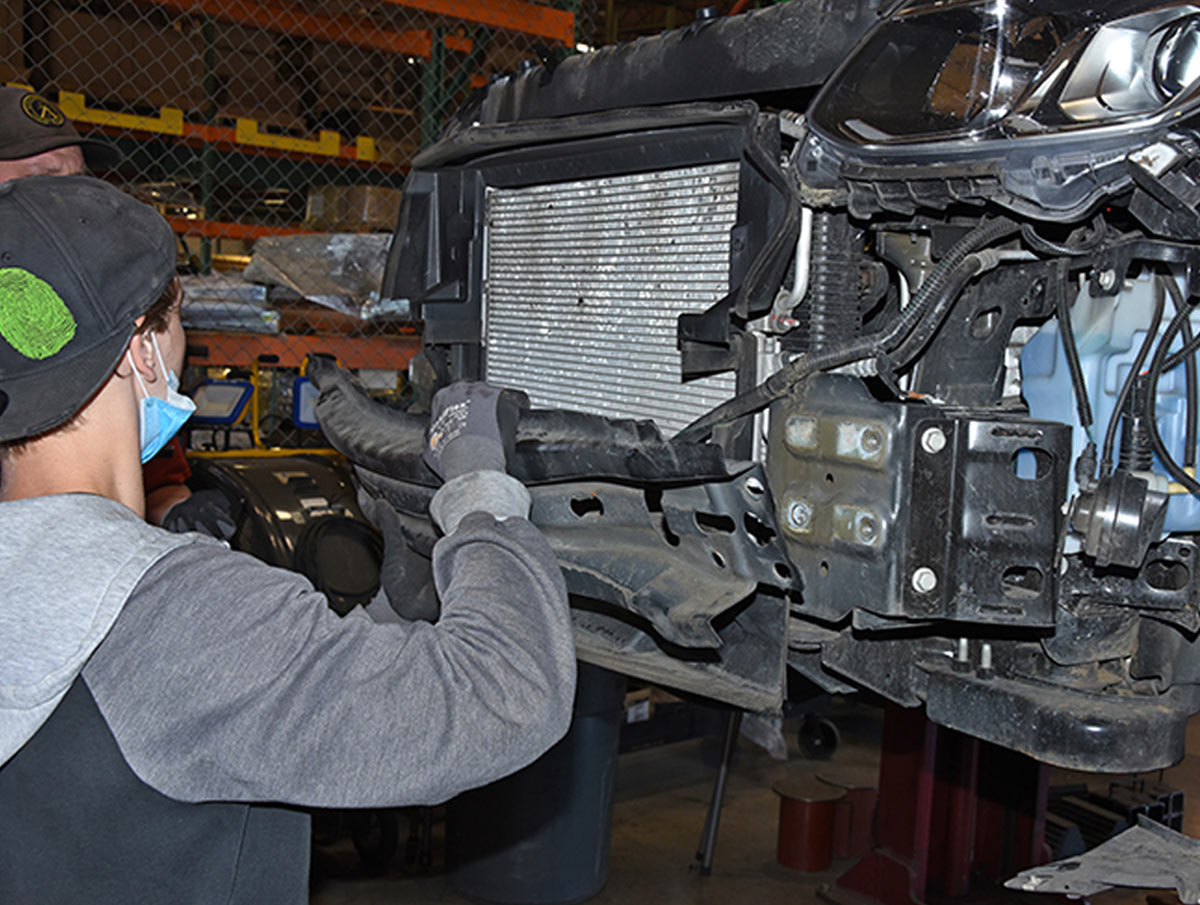
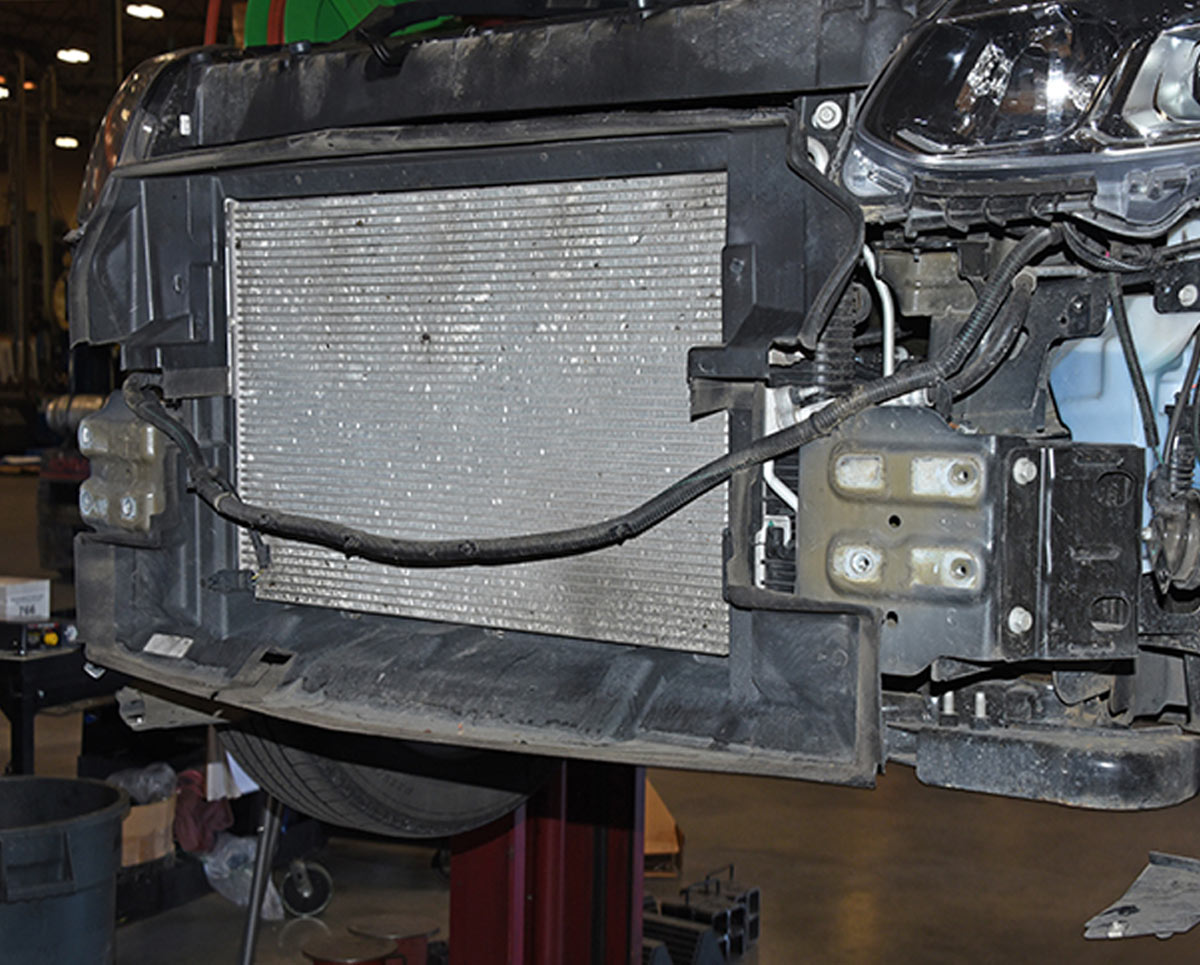
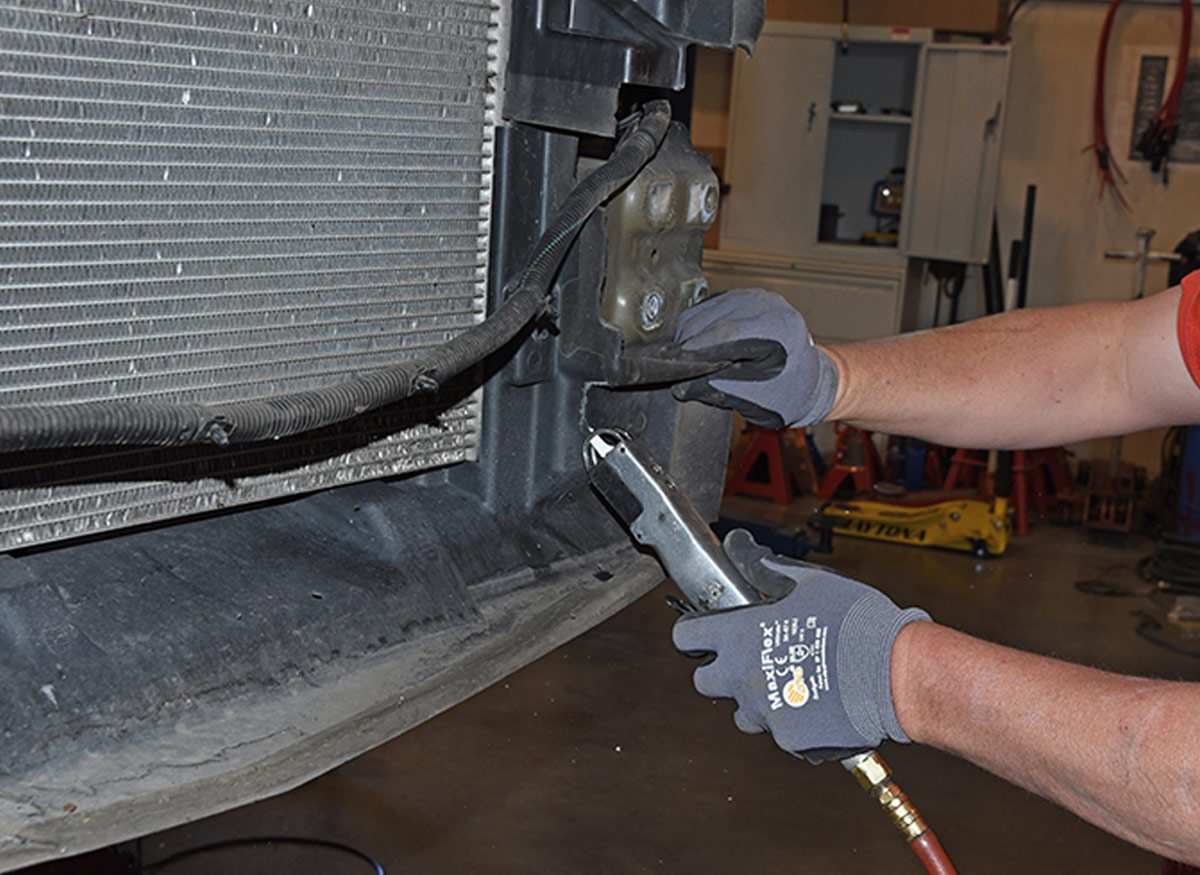
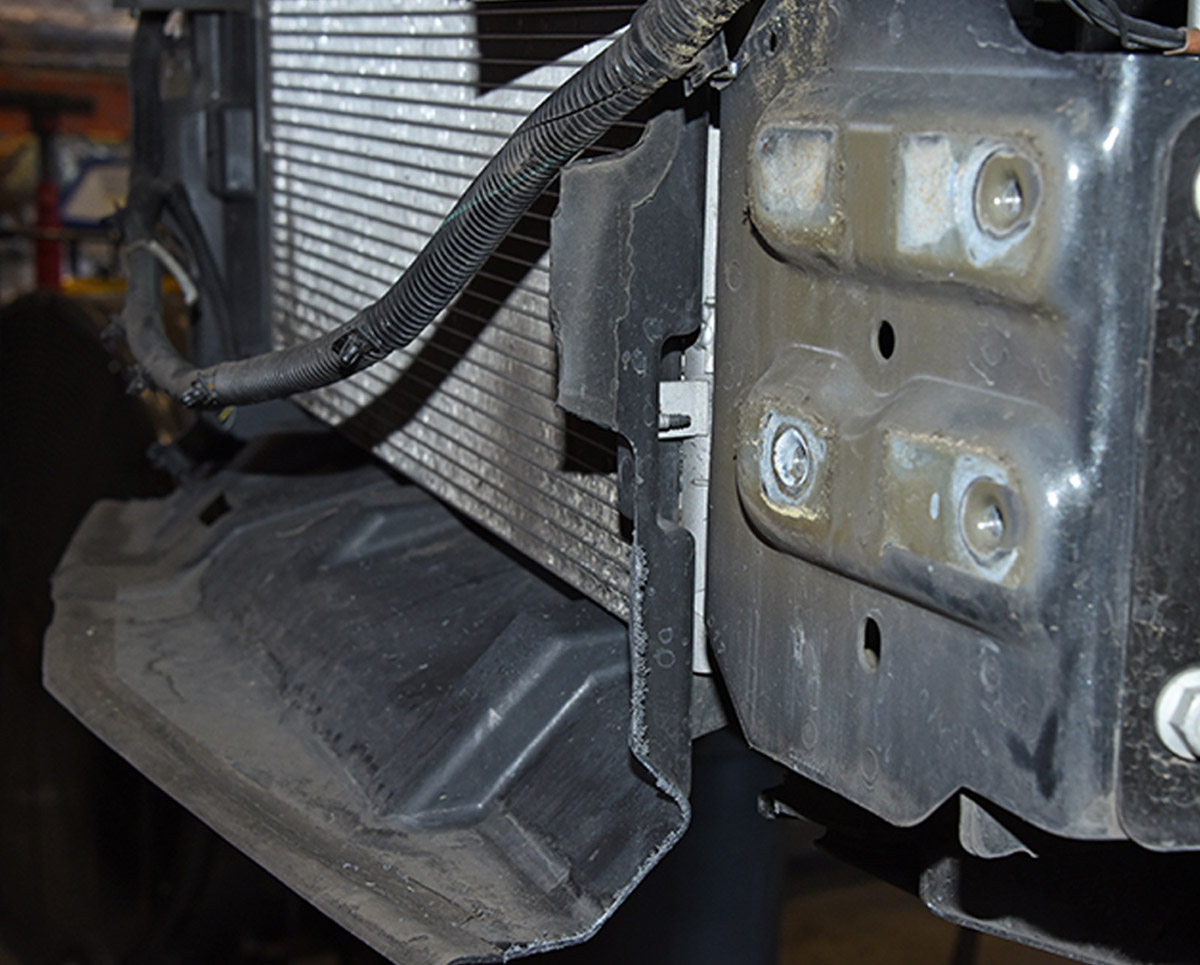
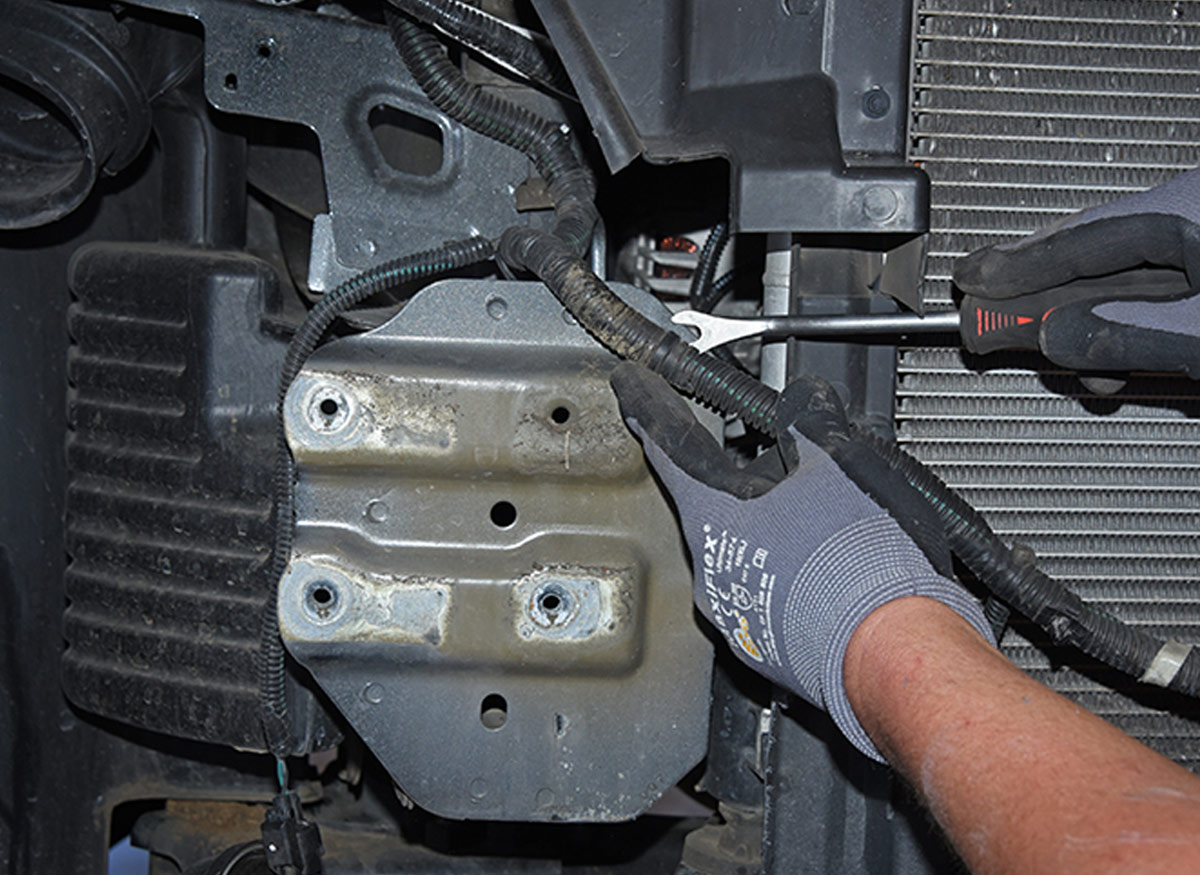
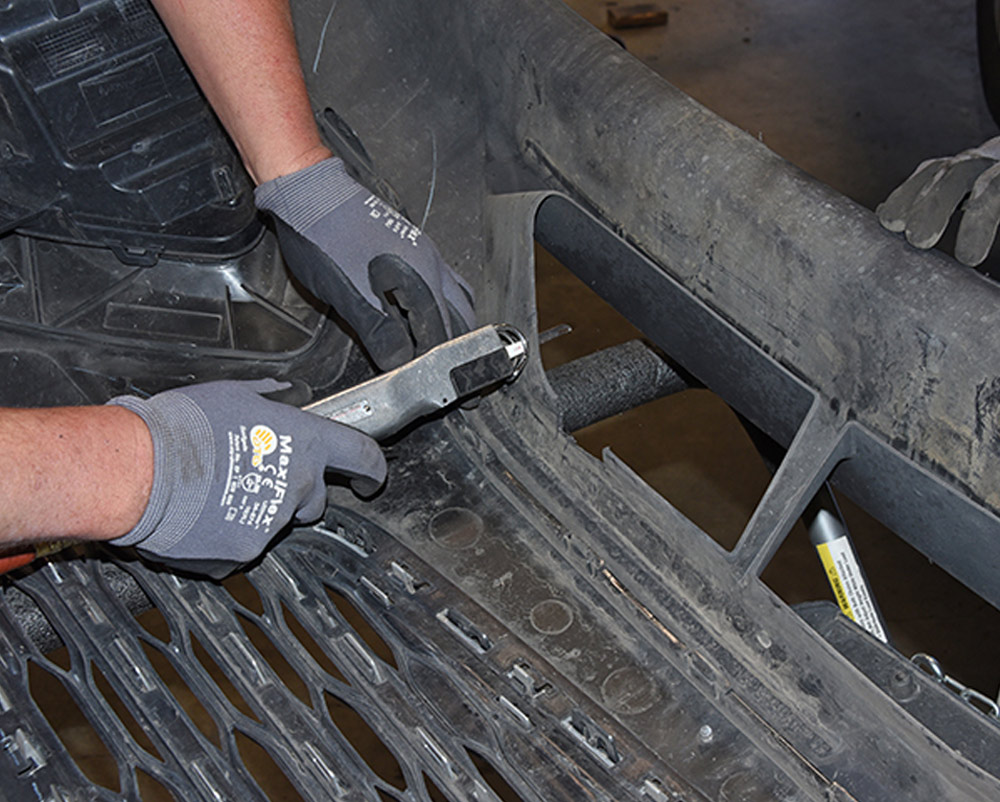
1a,b (7420,7421)The Equinox is one application that requires removal of the entire front fascia in order to fit the baseplate. This is not as hard as it seems, however, as the fascia is lightweight and held in place by small fasteners. First the screws along the top of the fascia are removed, followed by button fasteners that should be removed with a special tool. Trying to remove these with a flat-blade screwdriver will damage them and the probably the plastic surface as well. Google “plastic fastener remover” and you’ll find many choices for $10 or less.
Blue Ox: blueox.com/baseplates-sorting/
Demco Products: demco-products.com/rv-towing/baseplates
Roadmaster: fitmaster.roadmasterinc.com/
Tow Bars
Blue Ox: blueox.com/recreational-commercial-flat-towing/tow-bars/
Demco Products: demco-products.com/rv-towing/tow-bars
Roadmaster: roadmasterinc.com/products/towbars/index.php
(800) 228-9289
blueox.com
Demco Products
(800) 543-3626
demco-products.com
Roadmaster Inc.
(800) 669-9690
roadmasterinc.com
Like hitches, tow bars have weight ratings — so the first step is to determine how much your vehicle weighs when it is full of fuel and cargo. All of the tow bars on the market today are rated for at least 5,000 pounds, which covers just about every passenger car and small/midsize SUV out there, so from a capability standpoint even the least-expensive bar will do the job. However, many RVers load camping gear and other supplies into the vehicle’s cargo area, then may strap more gear to the roof rack — all of which can add several hundred pounds (or more) to the vehicle manufacturer’s “curb weight.” When in doubt, check the specifications of the vehicle you plan to tow and shop for an appropriately rated tow bar — or better yet, choose one that is rated for more than you plan to tow.
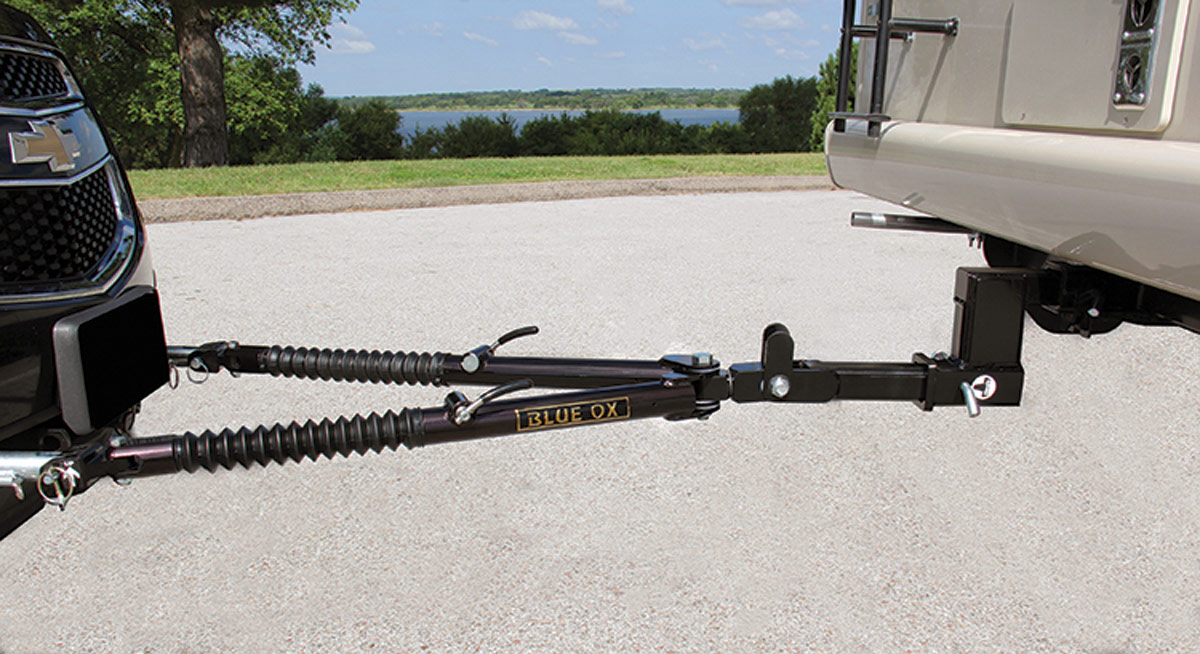
Next come the features. You might be thinking, “How many benefits can you pack into a bar that simply connects a vehicle and a motorhome?” You’d be surprised. Early A-frame designs required that you positioned the dinghy vehicle at a specific distance from — and parallel to — the motorhome so that it could be connected. Then, the ground had to be level or connecting would be difficult, while disconnecting could be near impossible if the dinghy and motorhome were off level at different angles. Today, there are bars with independently adjustable arms that allow you to connect your dinghy vehicle even if it’s not parallel to the motorhome, and so-called “non-binding” tow bars that (you guessed it) won’t bind on uneven ground.
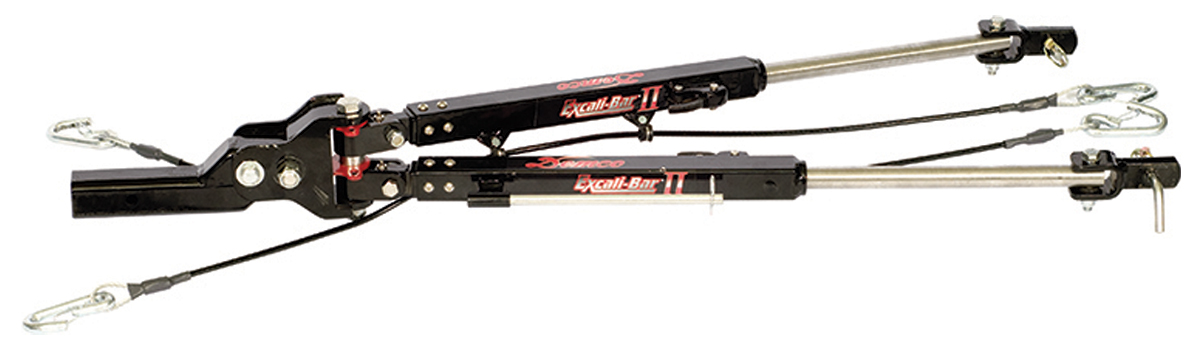
Keep in mind, too, that each manufacturer engineers its products to work with other products in the same family and aren’t necessarily designed to work with another manufacturer’s products. However, most manufacturers provide details on mounting considerations and available solutions. For example, Blue Ox, Demco and Roadmaster all offer adapters that make it possible to connect their tow bars to a competitor’s base plate; you’ll typically find these in the tow bar section of each company’s website.