
any of you remember studying U. S. History in school and learning about the discoveries of explorers like Lewis and Clark, but did you know that you can actually walk in their footsteps in Montana? Great Falls is a city with a rich history, grand traditions, superb recreational and cultural amenities — and visitors can follow Lewis and Clark’s portage route along the shores of the Missouri River.
Great Falls, the third-largest city in Montana, lies near the geographic center of the state, 90 miles north of the capital city of Helena on Interstate 15 — almost midway between the state capital and the Canadian border. The city straddles the Missouri River and was named for its close proximity to five waterfalls on this river, the largest being Big Falls (also now known as Great Falls). Over the years, dams have been built at the waterfalls, creating hydroelectric power for the city and surrounding county, which led to it being nicknamed “the Electric City.”
To truly appreciate this area, though, a quick recap of your high school U.S. history lessons is in order. The known history of Great Falls, Montana, dates back to the 1600s, when the Piegan Blackfoot Indians inhabited this area. The Blackfoot Tribe lived here for 200 years, until the United States claimed the area in 1803; the Great Falls area was part of the land included in the Louisiana Purchase when the U. S. bought the land from France. Just a year later, President Thomas Jefferson sent an expedition team captained by Meriwether Lewis and William Clark out to map the course of the Missouri River and to look for a river route to the Pacific Ocean. Included on the expedition team was a black man named York, a slave owned by William Clark; during the expedition’s winter stay in the territory of the Mandan nation, they met (and added) French-Canadian fur trapper Toussaint Charbonneau and his Shoshone wife, Sacagawea, who served as an interpreter. She also provided significant assistance by identifying edible plants and making moccasins/clothing for the explorers.


The Corps of Discovery team’s findings led to westward expansion and eventually to the development of Great Falls as a city. Great Falls lies on the Northern Great Plains of Montana and is surrounded by the Little Belts Mountain Range. Within a 30-minute drive from the city, you can reach the Little Belts mountains for a complete change of scenery. Big Baldy, the highest mountain peak, rising to 9,000 feet, is often snow-capped and is visible from Great Falls. Having the Little Belts mountains nearby also offers visitors the opportunity to participate in skiing, snowshoeing, snowmobiling, hiking and caving activities. Showdown Ski Area, for example, is a popular family-owned ski resort within a short drive from Great Falls and has 640 skiable acres for all levels of skiers.
Uniquely, Great Falls is known for having both the shortest and the longest rivers. The Roe River, called the shortest river in the world, flows a short 200 feet between Giant Springs and the Missouri River. Flipside, the Missouri River is the longest river (2,300 miles) in the United States.


The Lewis and Clark National Forest offers great outdoor opportunities, including a hike to these Memorial Falls in the Little Belts mountains.
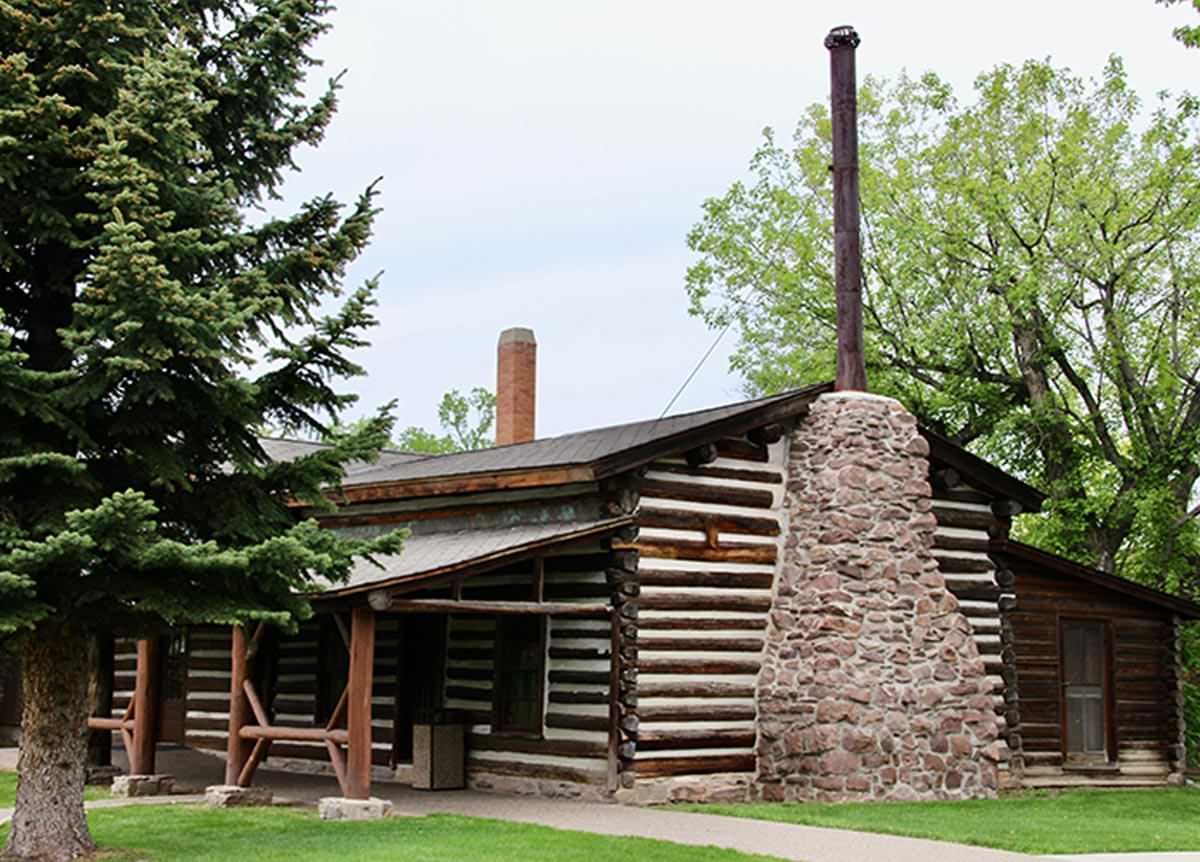
If you are an art enthusiast, be sure to stop into the C. M. Russell Museum, featuring the works of famed cowboy and Plains Indians artist Charles M. Russell. The museum boasts one of the largest collections of Russell’s paintings, sculptures, drawings and illustrated letters. On the same grounds as the museum, you will also find Russell’s original house and log cabin studio (the latter was designated a National Historic Landmark in 1965). The museum is open Thursday through Monday and one admission price ($11 for seniors and veterans; $4 for students) allows guests the chance to enter the museum, the original home and log cabin studio. A second art museum is the Paris Gibson Square Museum of Art. The city transformed a prominent piece of architecture into a museum in 1977, which features local, regional and international art exhibits on a rotating basis, ensuring something new to see with each visit. A unique sculpture garden can also be found outside this building. Admission to the Paris Gibson Square Museum of Art is free and it is open to the public Tuesday-Saturday.

Traveling north, just 12 miles outside the city of Great Falls you can also visit the Benton Lake National Wildlife Refuge. This refuge includes more than 5,000 acres of wetlands, attracting hundreds of thousands of birds and waterfowl every spring and fall. The refuge lies along the western migratory path for ducks, Canada geese, snow geese, tundra swans and thousands of shorebirds. There is a great nine-mile auto tour route through this refuge, allowing you viewing opportunities for wildlife observation and photography. Limited hunting and fishing are also permitted seasonally at the refuge. Admission to most national wildlife refuges is free, and they are open to the public usually seven days per week.
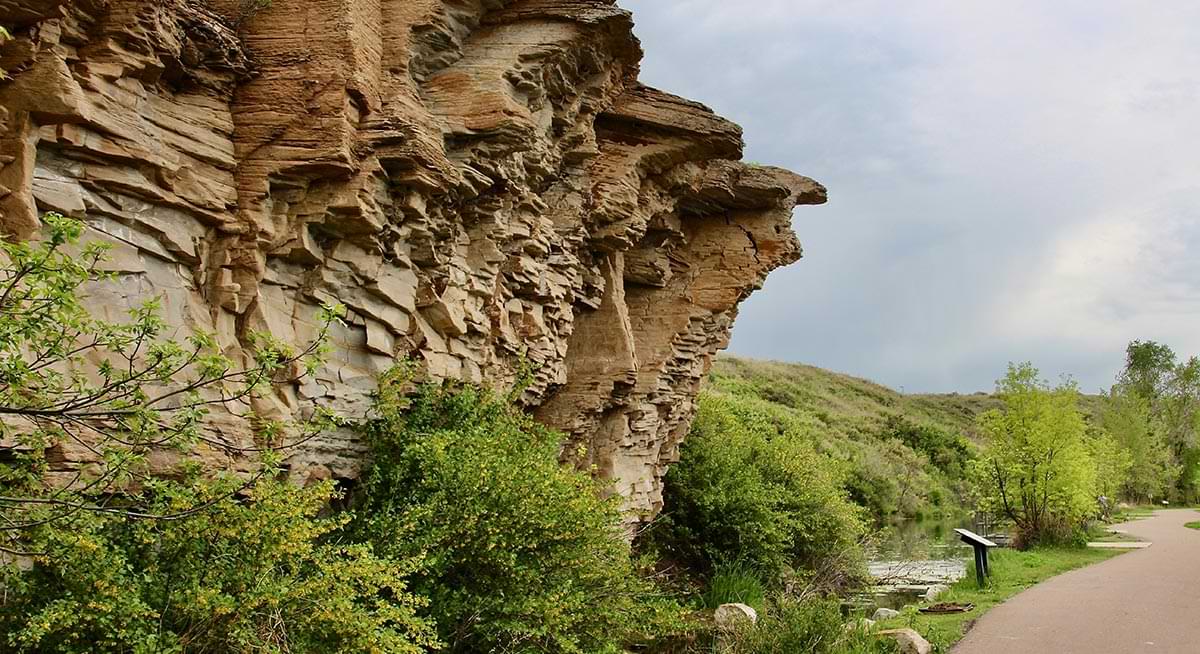
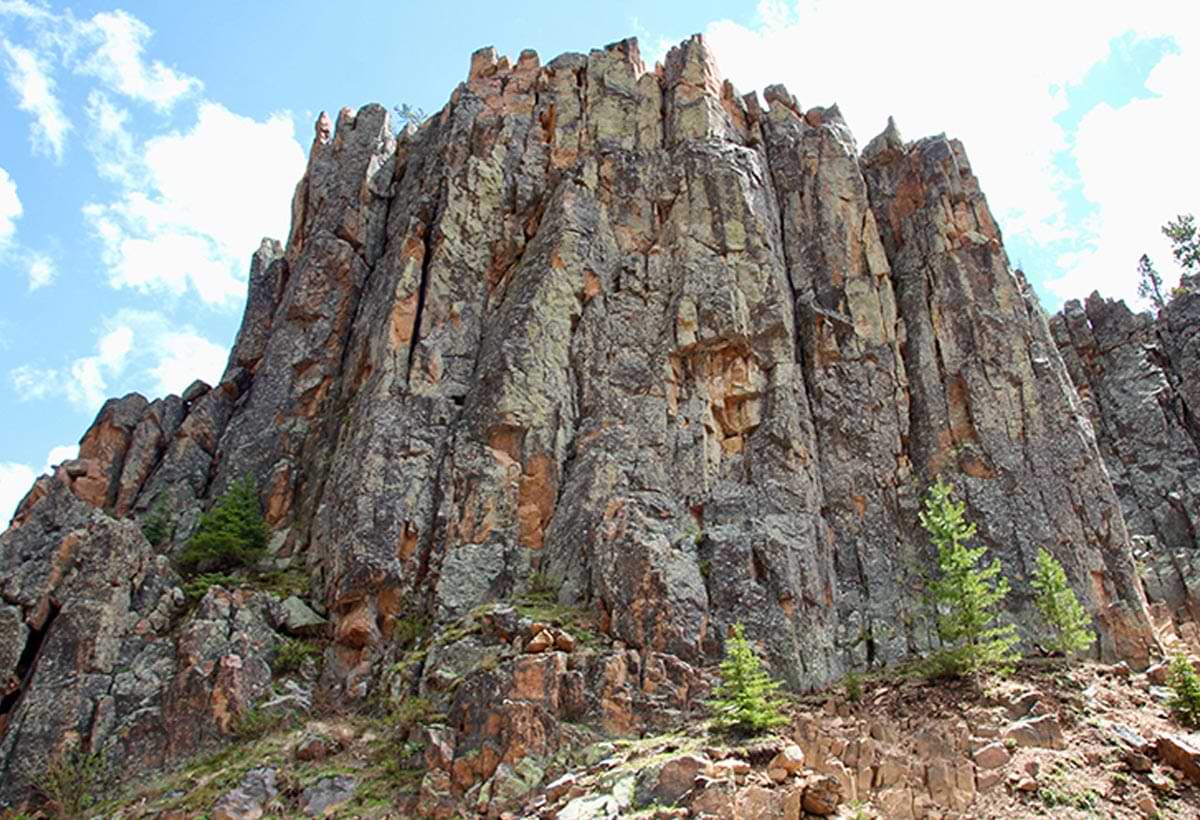
While traveling in central Montana, also plan a trip along the Missouri River — and take the “Gates of the Mountain Tour” just and hour’s drive south of Great Falls (go to gatesofthemountains.com for more details). This tour will take you on a boat tour following in the path of Lewis and Clark, who named the canyon “the gates of the rocky mountains.” As described in the journals of the Lewis & Clark Expedition, “The river is deep and between 100-150 yards. wide, with the most remarkable cliffs that we have yet seen. These cliffs rise from the water’s edge on either side perpendicularly to the height of 1200 feet. At each bend in the waterway, great stone walls seemed to block passage, only to open like gentle gates as the expedition drew near.” This area is said to be the “heart” of Montana, and you won’t want to leave the state without experiencing this tour along the Missouri River. The two-hour tour costs $16 ($14 for seniors). Seeing the Gates of the Mountains was a highlight of our trip to the Great Falls area.
Given all that there is to see in Great Falls, you might want to spend several days in the area. There are two campgrounds in the city: Great Falls KOA Holiday (406-727-3191) offers large, pull-through full hook-up sites up to 80 feet; deluxe sites are around $62.60 per night and deluxe sites with patios are $100 per night; Wi-Fi is included. Dick’s RV Park (406-452-0333) offers pull-through, full hook-up sites for around $48 per night.
Lewis and Clark spent a long time in Montana. To truly follow in the footsteps of these famous explorers who traveled the mighty Missouri River, you should do the same. There’s easily enough to see and do to fill several days and nights.