

Sponsored Content

Unfortunately, with much of their focus on things like winterizing plumbing systems and “critter-proofing” their rigs, many owners overlook one critical component: the batteries.
Before the battery is put into storage, it should be inspected, cleaned, tested and charged. Always make sure to follow the battery manufacturer’s guidelines for proper maintenance and care and direct any questions to an appropriate battery professional. Here are a few basic steps anyone with a 12-volt battery system should be aware of and put into practice:
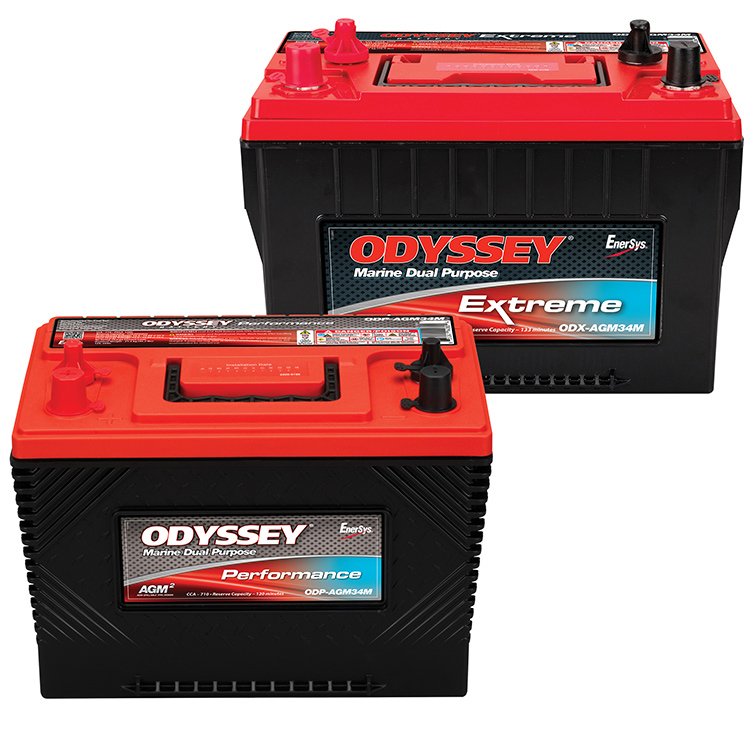
-
Inspection: Inspect the condition of the battery’s case, cables and connectors for any damage or corrosion. Replace frayed or worn cables and connectors — but if the case or terminals are damaged, also replace the battery itself.
RVs with Internal Combustion Engines (ICEs) are usually equipped with lead acid batteries, most of which use plates made of an alloy of lead and calcium or antimony for electrodes. The electrolyte is a solution of sulfuric acid and water, and in the case of conventional flooded lead acid batteries, is housed in cells. The electrolyte levels in these cells should be checked and, if low, filled with distilled water to the manufacturer’s specified level.
- Cleaning: Clean away dirt and corrosion from the terminals with a battery terminal brush or an emery cloth and wipe down the case with mild soap and water, rinse and dry.
- Testing: Load testing is one method of assessing the battery’s State of Charge (SOC). An auto parts store associate, mechanic or battery dealer can perform a load test at a service facility. Another method uses a digital voltmeter to measure the battery’s Open Circuit Voltage (OCV). The battery manufacturer’s specifications will indicate what OCV corresponds to 100% SOC. For a conventional flooded lead acid battery, a hydrometer will confirm the gravity of each cell, which should read 1.265 – 1.285 to indicate 100% SOC.
- Charge: A full charge is the most important precaution to help safeguard the battery’s performance when recommissioned and through its intended service life. For example, excessive discharge can cause the voltage to decline, which reduces the level of sulfuric acid in the electrolyte. Decreased sulfuric acid increases the amount of water in the solution and, with it, the risk of the electrolyte freezing in cold weather and damaging the battery case.

To prevent internal damage, the battery should not be discharged to less than 50% SOC. Different battery chemistries have their own charging requirements, which are available through the manufacturer or a battery specialist.
Regardless of the type of battery used in an RV, its proper decommissioning when being retired for the season will help ensure its needed performance when it is recommissioned in the spring.