

t’s no secret that the RV industry is growing by leaps and bounds — but we’re not necessarily speaking about its escalating popularity. The vehicles themselves — from travel trailers to diesel pusher motorhomes — have also dramatically expanded both in size and weight. Motivated by campers wanting, quite literally, an RV equipped with every residential feature they’ve come to appreciate, manufacturers are only too happy to oblige.
All that weight, however, has its drawbacks, not the least of which is usually the need for investing in a bigger and stronger tow vehicle. The venerable leaf-spring suspension — the default suspension of choice by towable manufacturers due to its simplicity and cost — does an adequate job, but all you’d need to do is ride in the trailer or fifth wheel while it’s being towed (definitely not recommended, even in states where it’s allowed) to understand the stresses created in the RV by irregular road surfaces. Most RV components and appliances don’t fail due to use, they break due to the continual jarring.
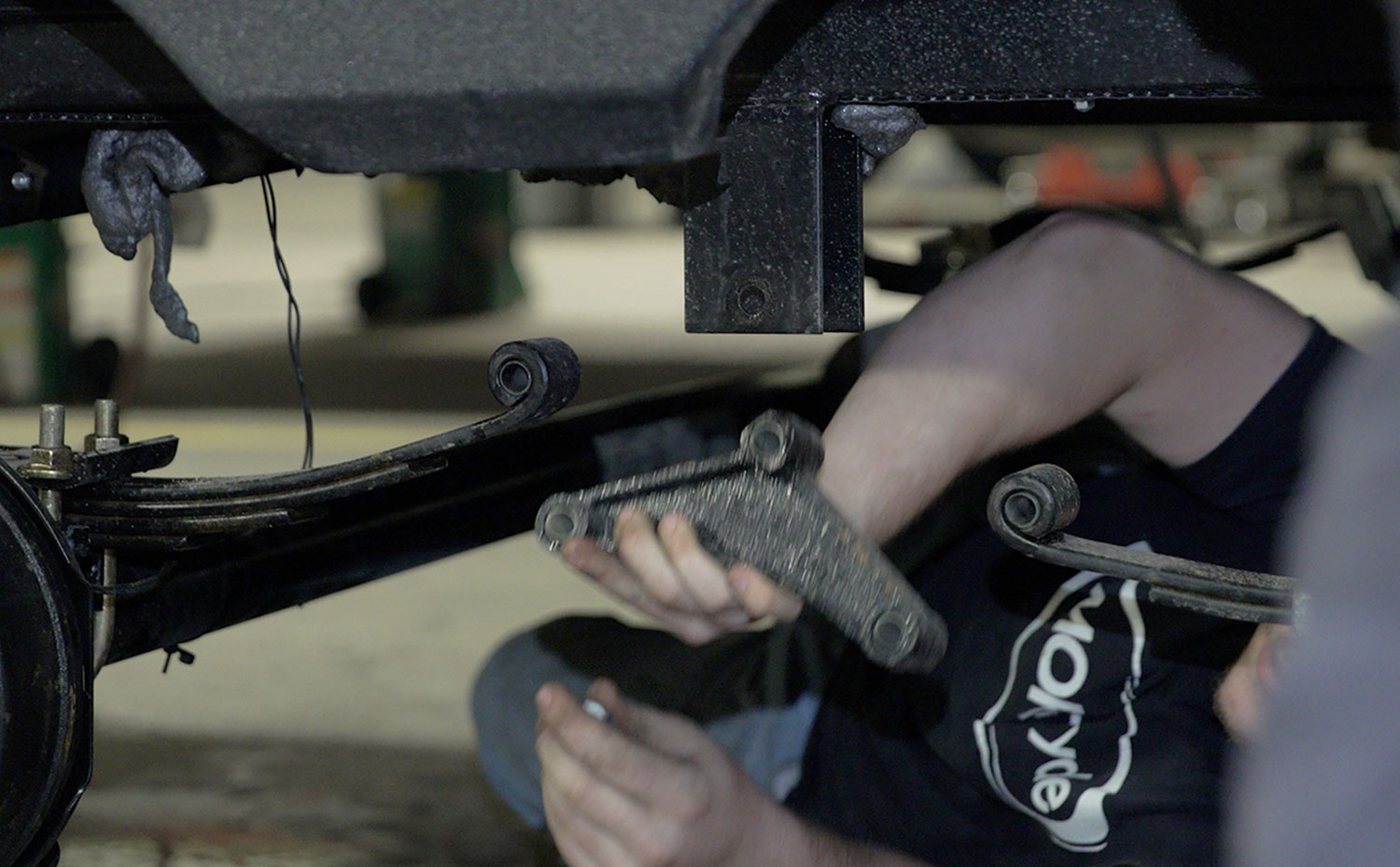
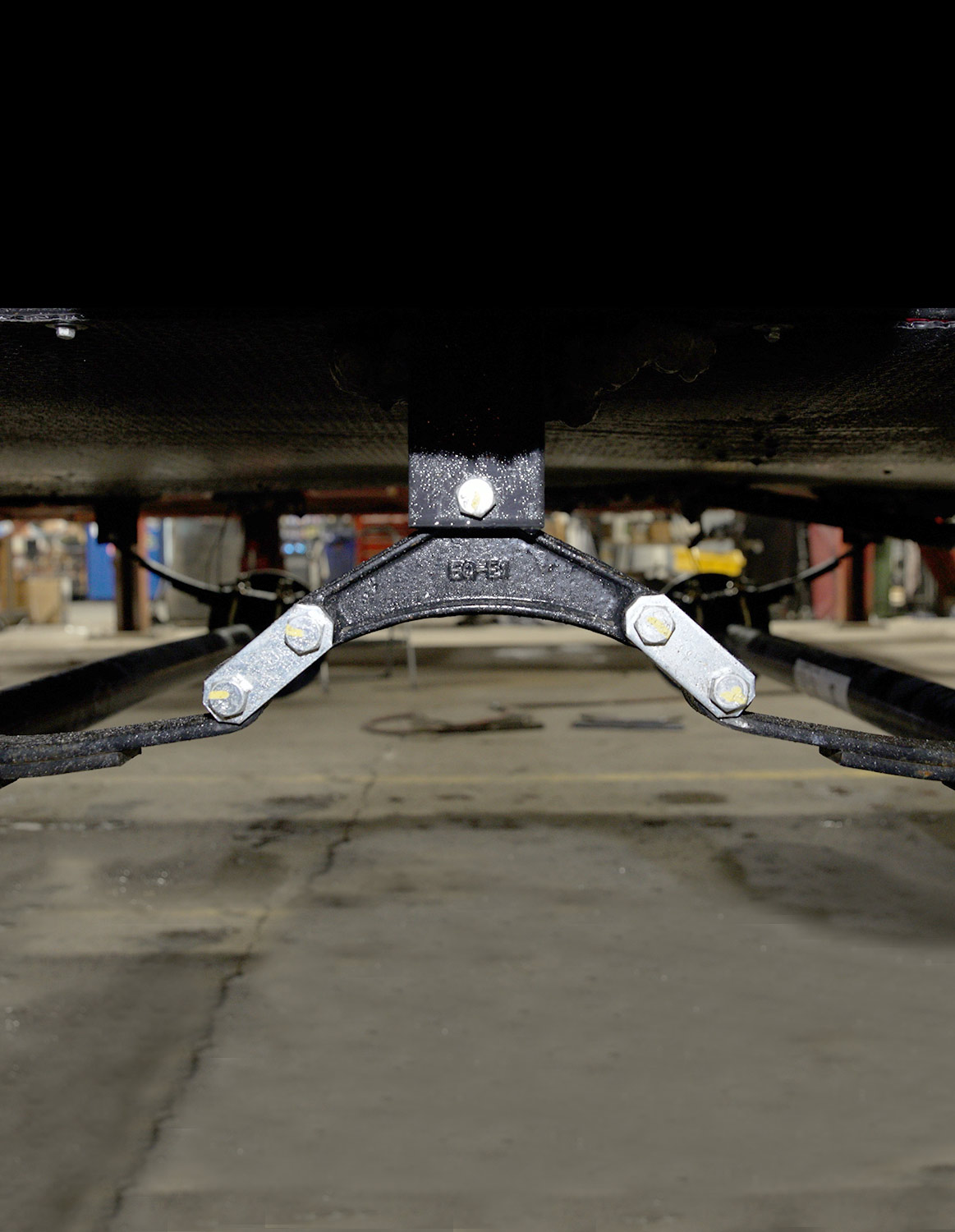
Usually, you won’t see this happen until something’s damaged — but there is one place you might be able to view the consequences of this constant pounding. If you’ve got tandem axles riding beneath your towable, look between the tires at the relatively thin shackle brackets connecting the fore-and-aft leaf springs to the equalizer. Those bolt holes are supposed to be round; if they’ve elongated due to the stress placed upon the suspension, they need to be replaced.
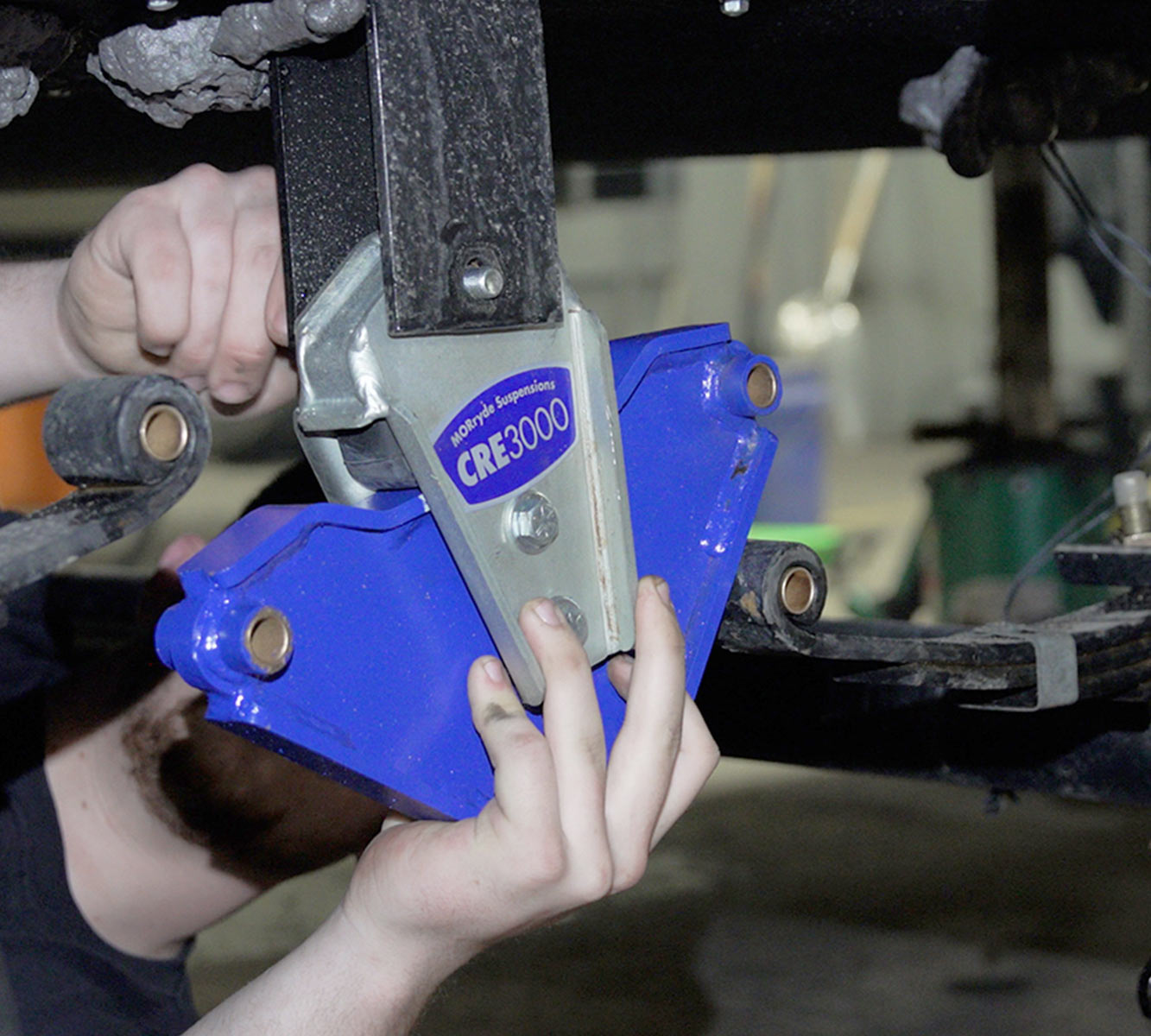
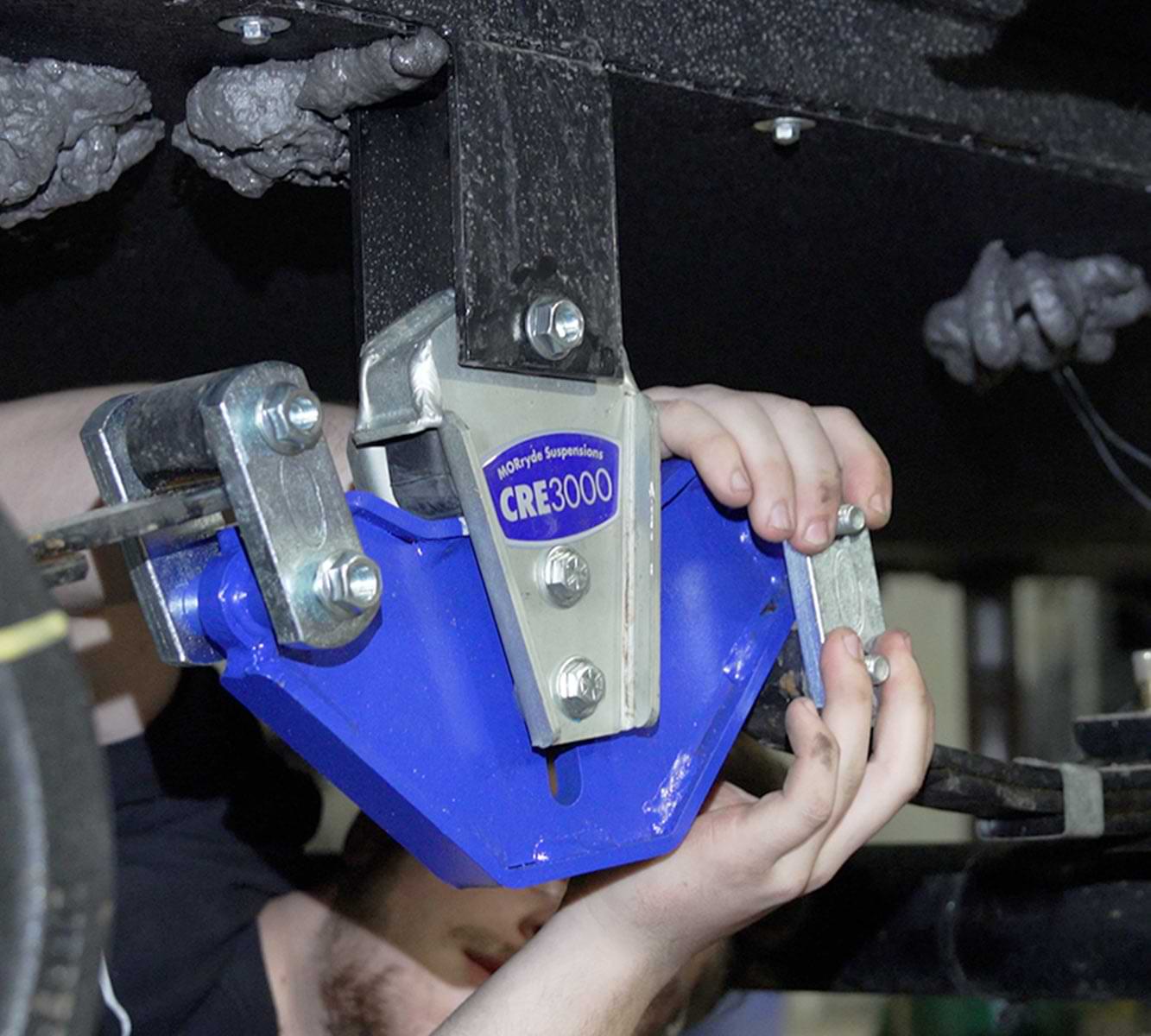
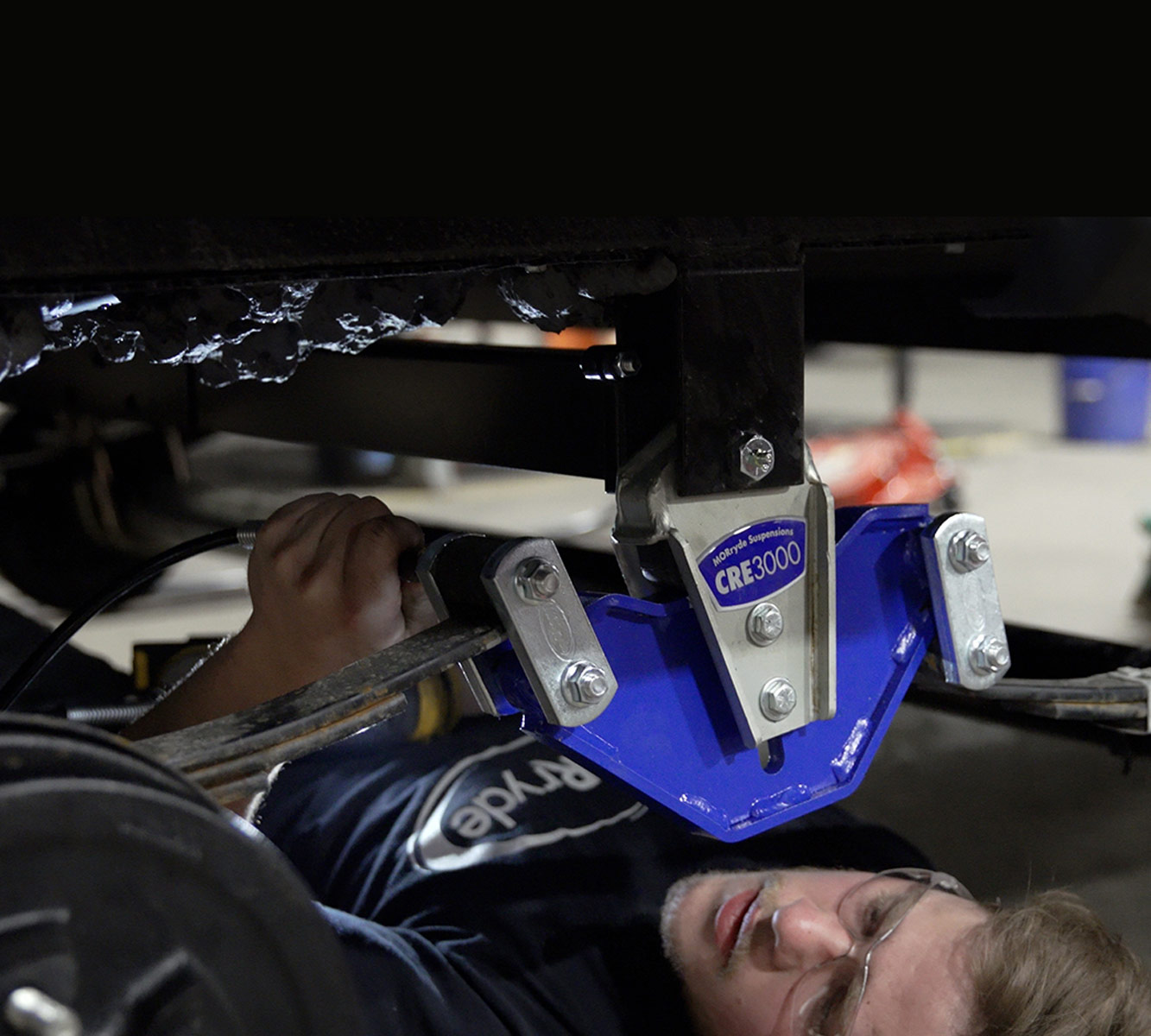
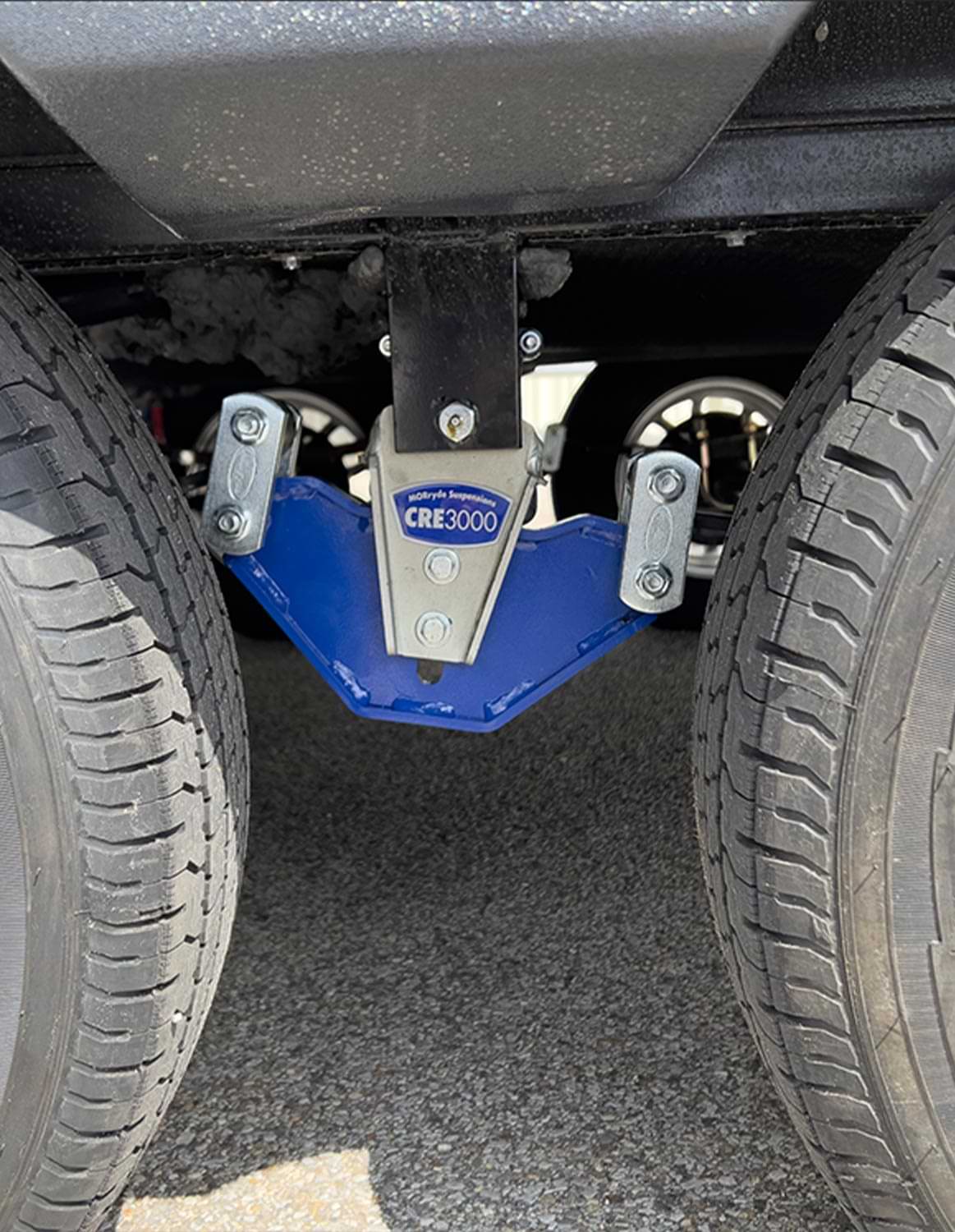
Actually, they should be replaced anyway — along with the equalizer, which in stock form doesn’t accomplish a great deal other than to channel a limited amount of axle motion. Elkhart, Indiana-based MORryde offers an equalizer replacement — the CRE3000 — that adds up to three inches of suspension travel to reduce stress on the frame while also incorporating a rubber insert and a travel slot to protect the trailer. Essentially, it introduces another level of flexibility to the suspension to make towing smoother while insulating the trailer somewhat from road hop.
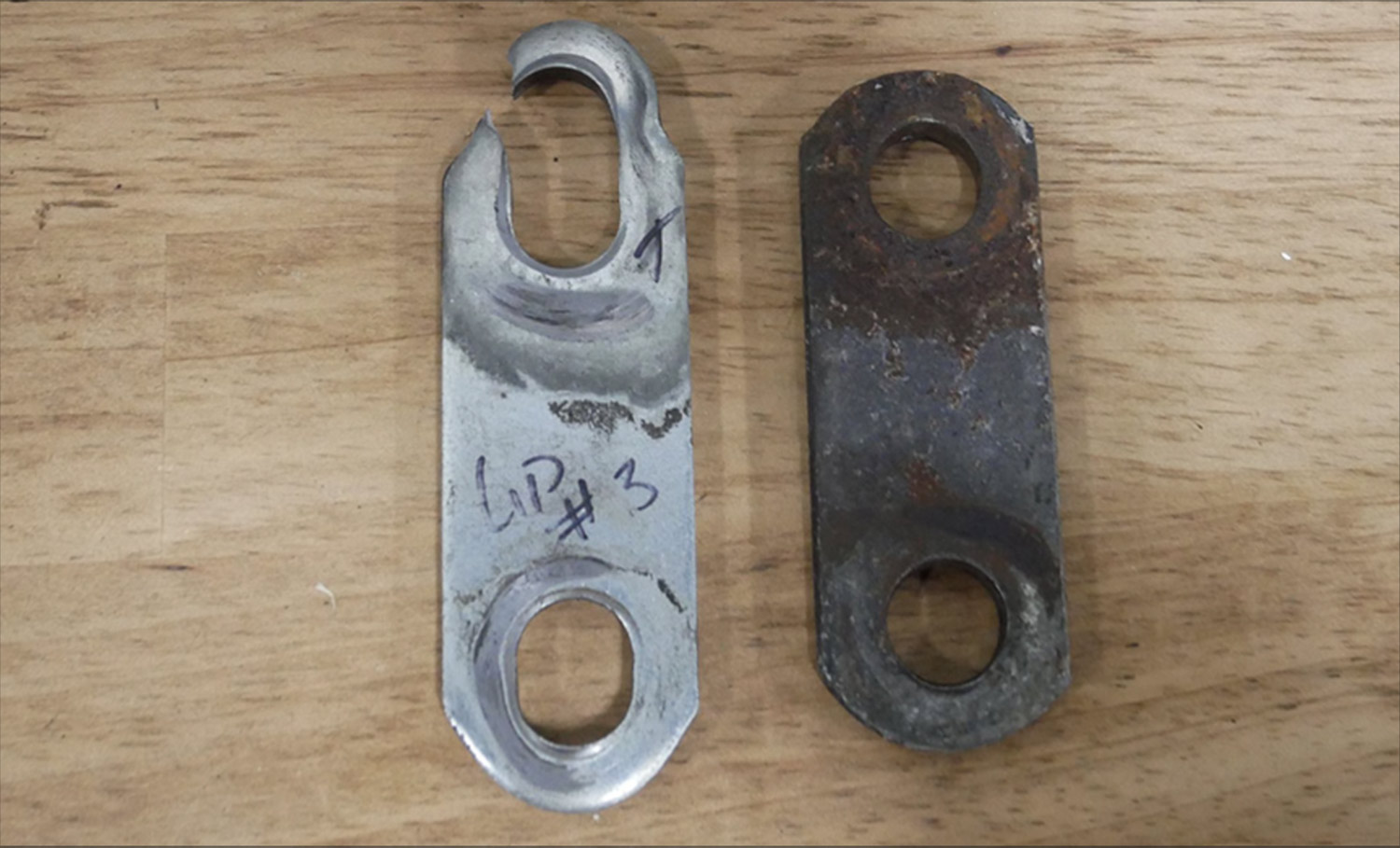
“It’s a really simple upgrade, but it’s one of the best things you can do,” said Jack Enfield, MORryde sales and marketing manager. “Most customers never have an issue, even though the brackets wear, but it can lead to bracket failure and leave the customer on the side of the road.”
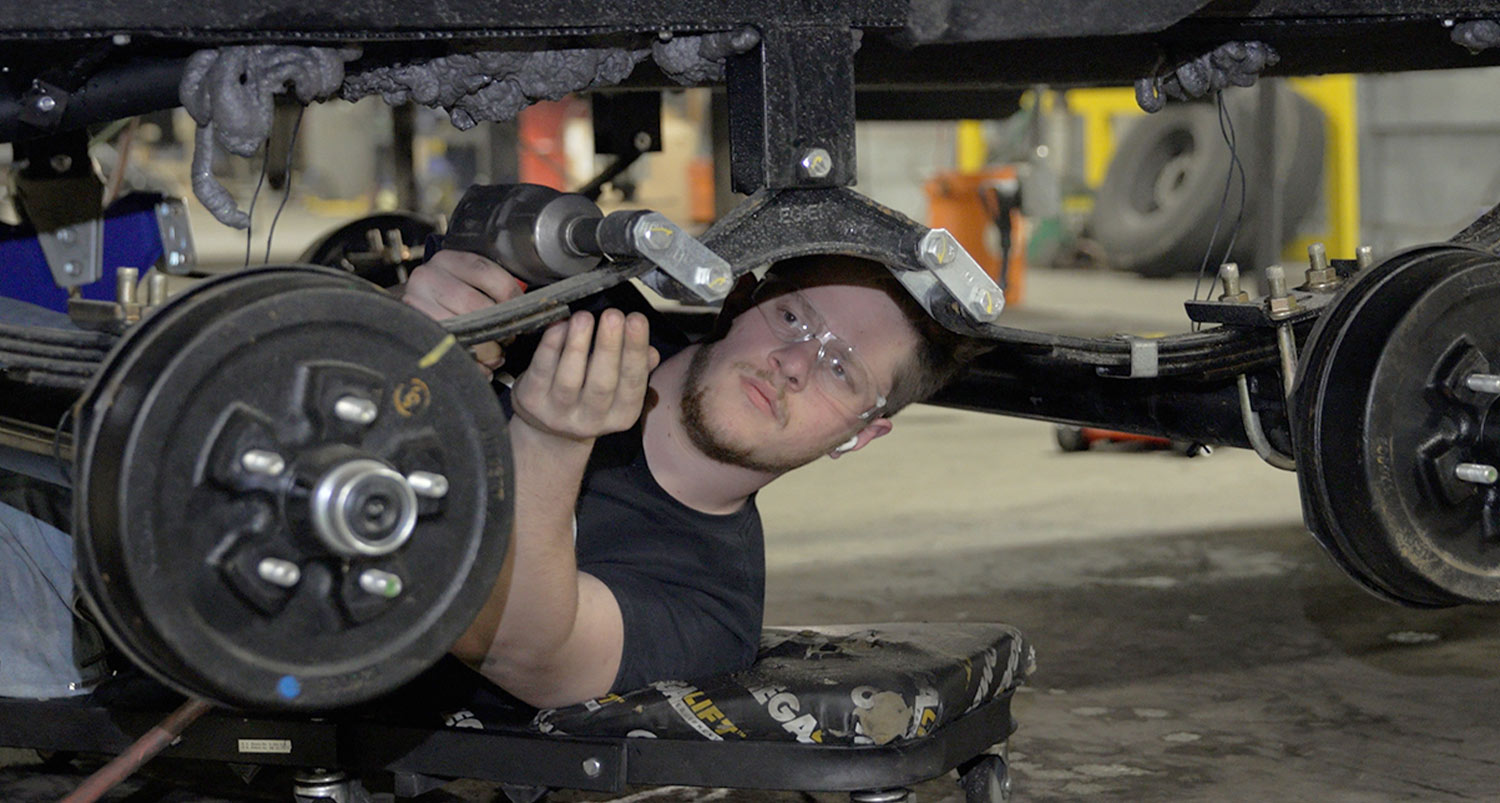
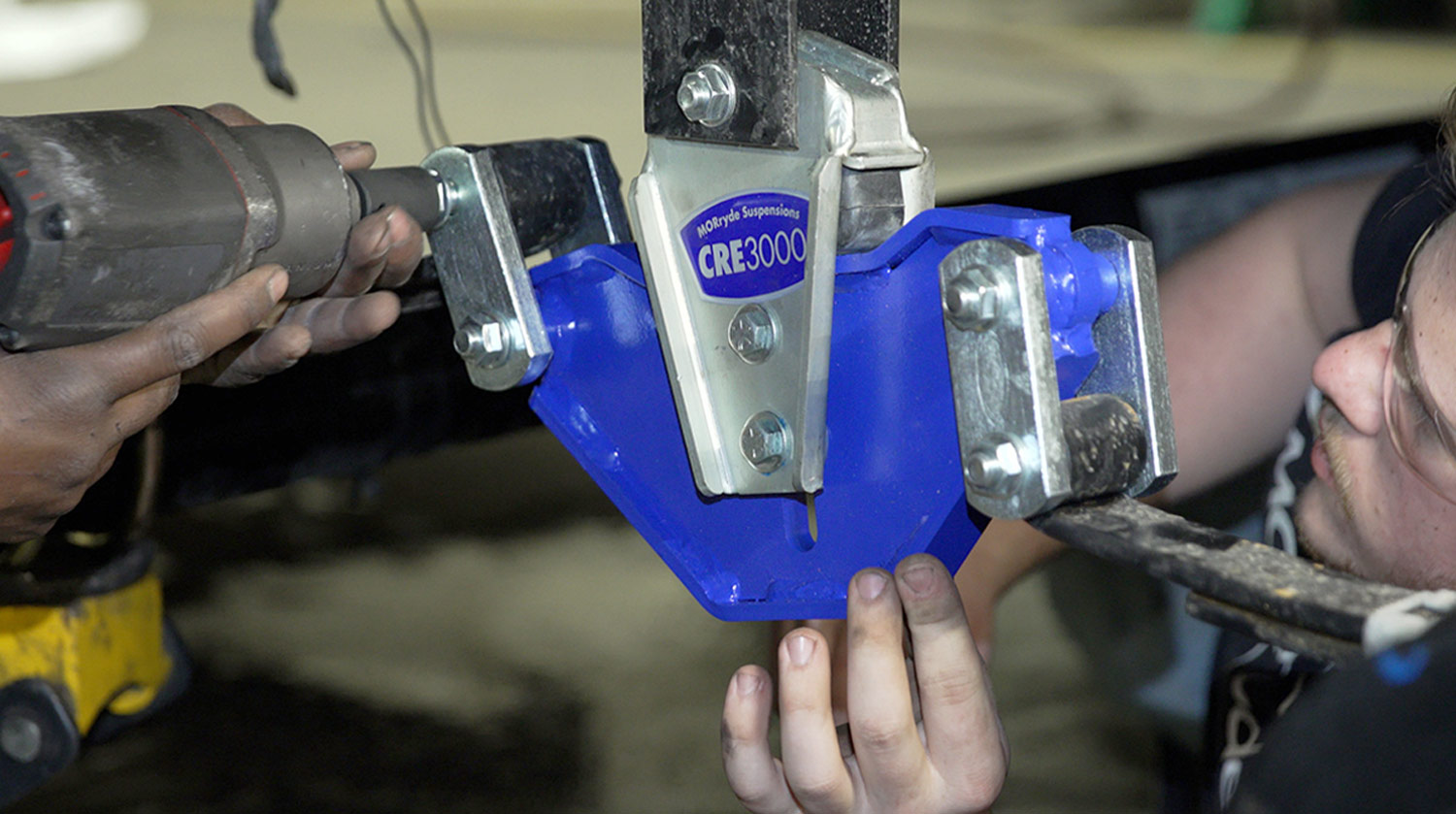
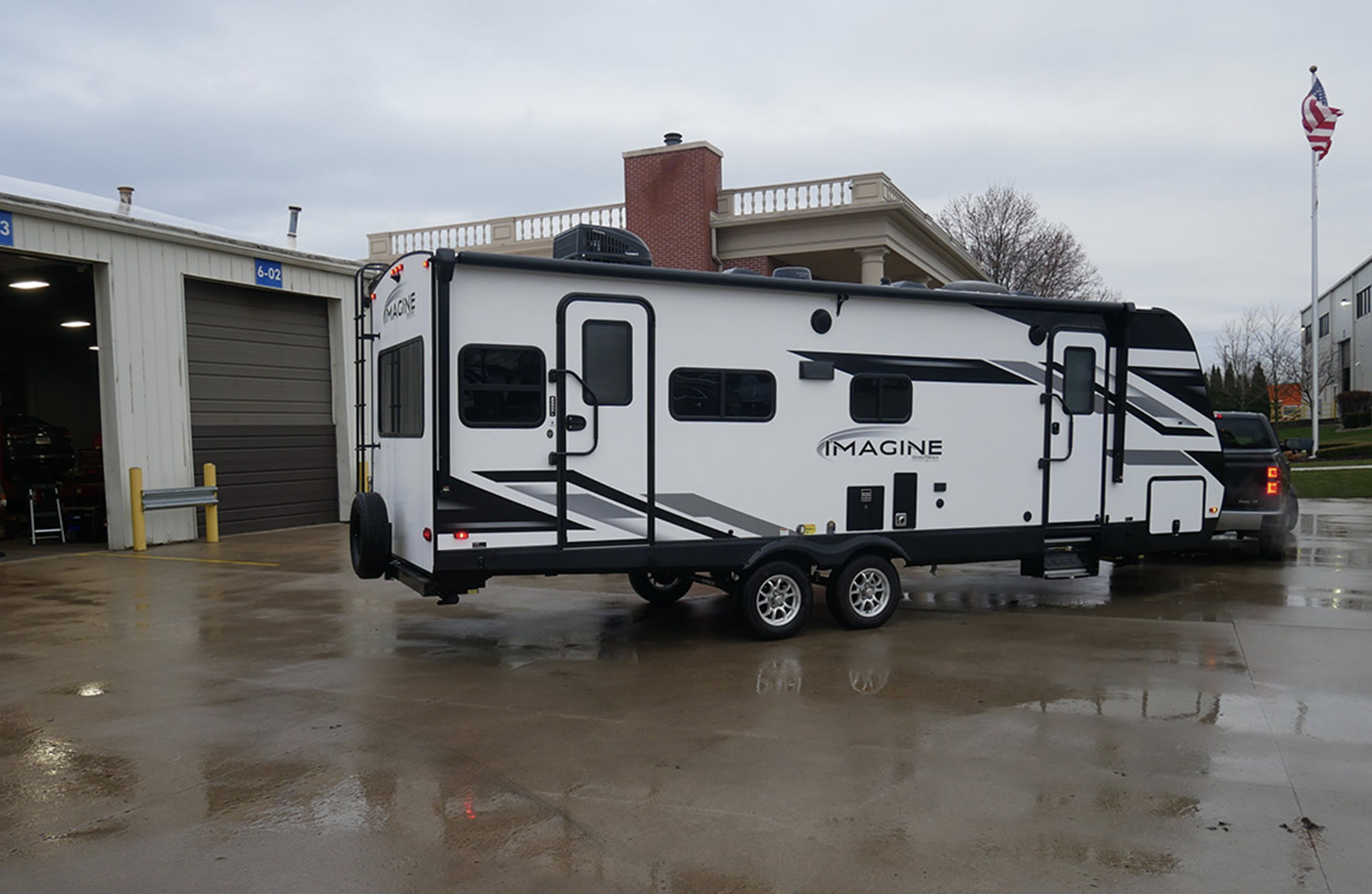
Installation can be done by just about anyone with a bit of mechanical knowledge and basic hand tools — an 11/16-inch socket, 13/16-inch wrench, ratchet, rubber mallet, drive punch, torque wrench and floor jacks and safety stands to support the springs. The installers we followed at MORryde during this upgrade to a 2022 Grand Design 2500RL Imagine also utilized an impact wrench; if you have it, use it. And while they made relatively quick work of the swap, set aside four to six hours if you’re doing it by yourself. You also may be more comfortable doing most of the work from the outside area of the unit, rather than working from beneath it.
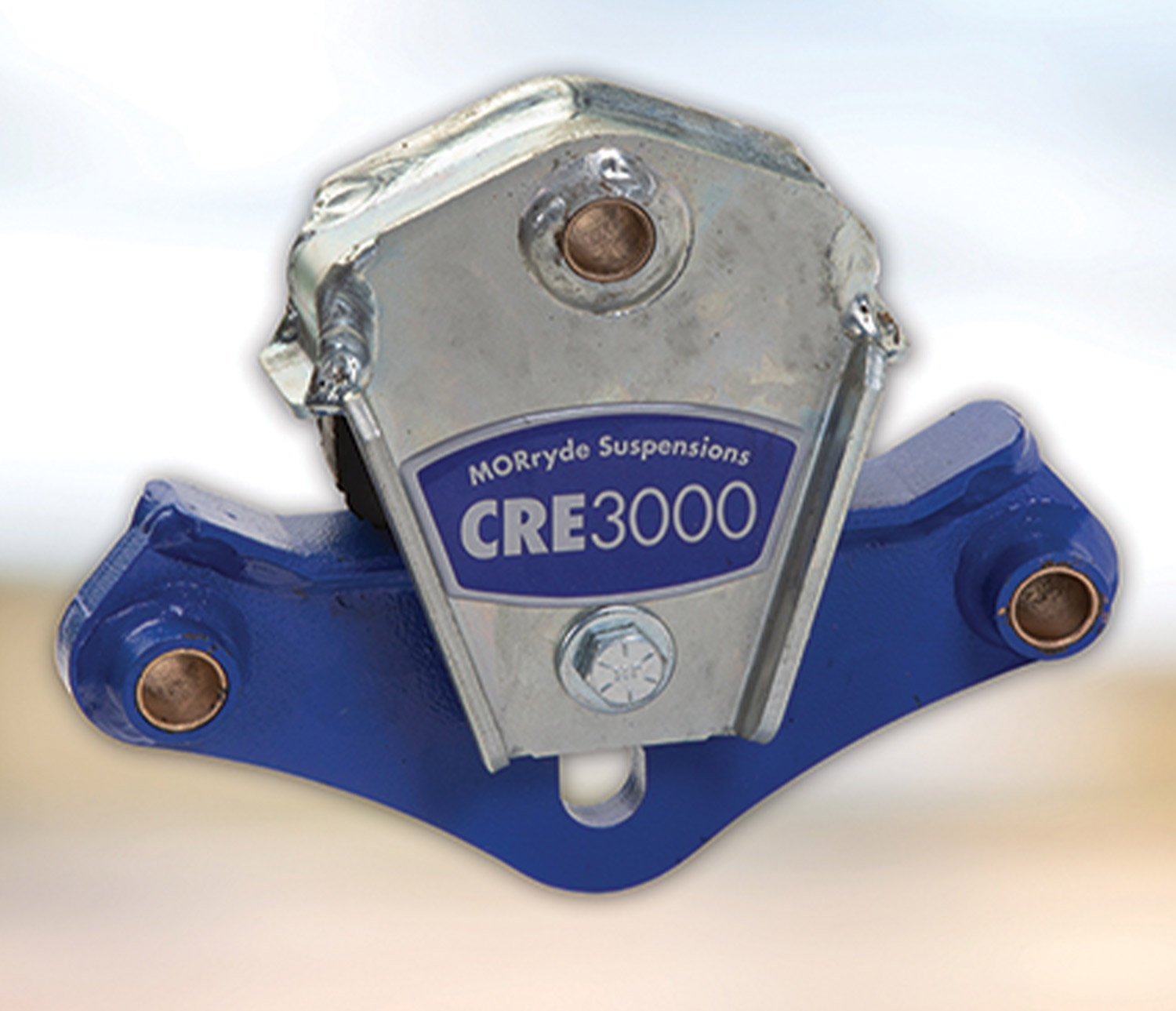
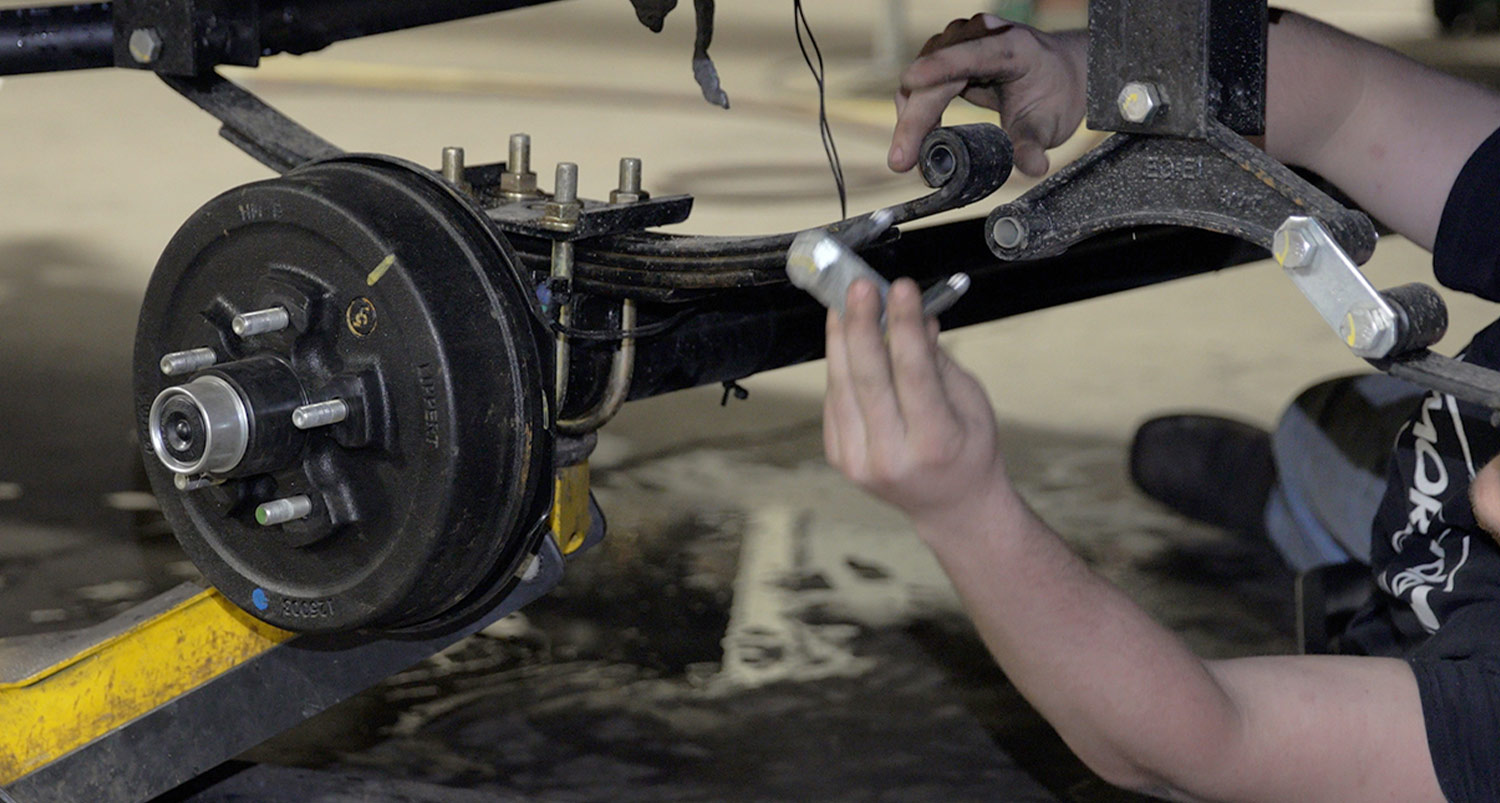
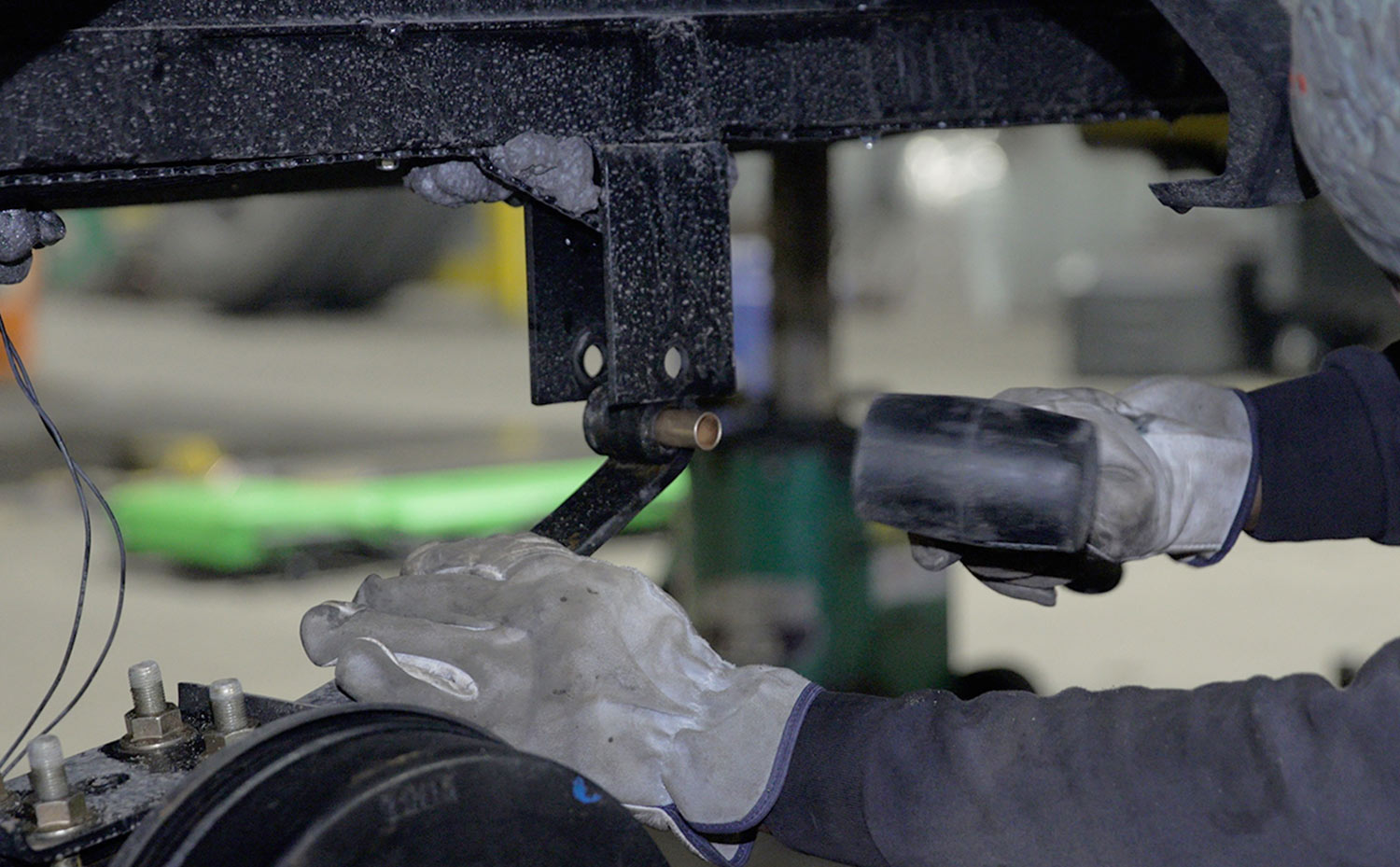
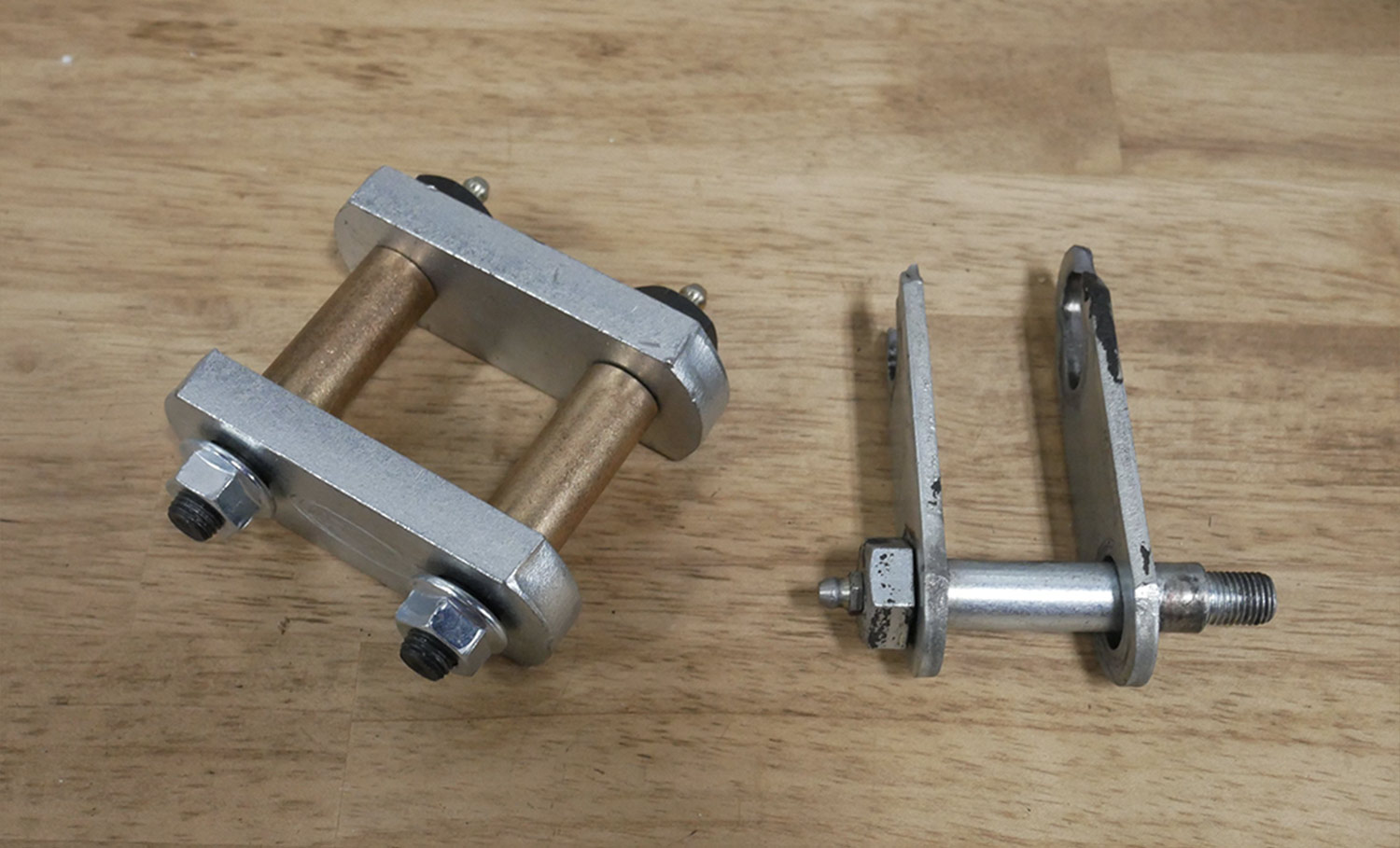
With all the bolts removed, push out the original plastic bushings in the eyes of the spring pack and replace them with the upgraded bronze bushings (they will need some persuasion). Attach the CRE3000 to the frame hanger and just finger-tighten the locking nut. This allows you to move the equalizer around when installing the fore-and-aft leaf springs.
When installing the wet bolts, make sure the grease Zerks are installed on the inside, away from the tires. Since the fittings are on the bolt heads, this means installing the bolts from beneath the trailer. This will simplify things when you need to add grease in the future. The serrated wet bolts, with the inside shackle attached, may need to rely on the mallet again to seat them into the springs. You might also find it helpful to move the safety stands around a bit to better position the leaf springs. Tighten all the nuts to 40 ft.-lbs. Replace the stock bolts from the outer perches of the leaf springs with MORryde’s wet bolts, and you’re pretty much done. Lube the wet bolts, put the wheels back on, torque down the lug nuts, lower the trailer and hit the highway.
We spoke with Rick Kessler, the owner of the Imagine, a few days after the installation (which also included the addition of MORryde’s X-Factor Crossmember), and asked about the handling of the upgraded trailer.
“Somewhat surprisingly, I have noticed a difference in how my Grand Design Imagine tows with the MORryde CRE3000 upgrade,” he reflected. “I say it’s ‘somewhat surprising’ because, while I fully expected the ride to be an improvement for the trailer, I really didn’t expect to feel that difference in my tow vehicle (a 2014 Chevrolet Silverado LT with Max Trailering Package). But now the trailer seems to better absorb the larger bumps — potholes and train tracks, especially — because I don’t notice it bouncing around hardly at all on those occasions. And it definitely doesn’t transfer those bumps to the tow vehicle, which it sometimes did before the MORryde upgrade.”
And he doesn’t have to worry about those stock shackle brackets breaking, either.