

Pedals & Power
[maghub_sidebar]
Pedals & Power
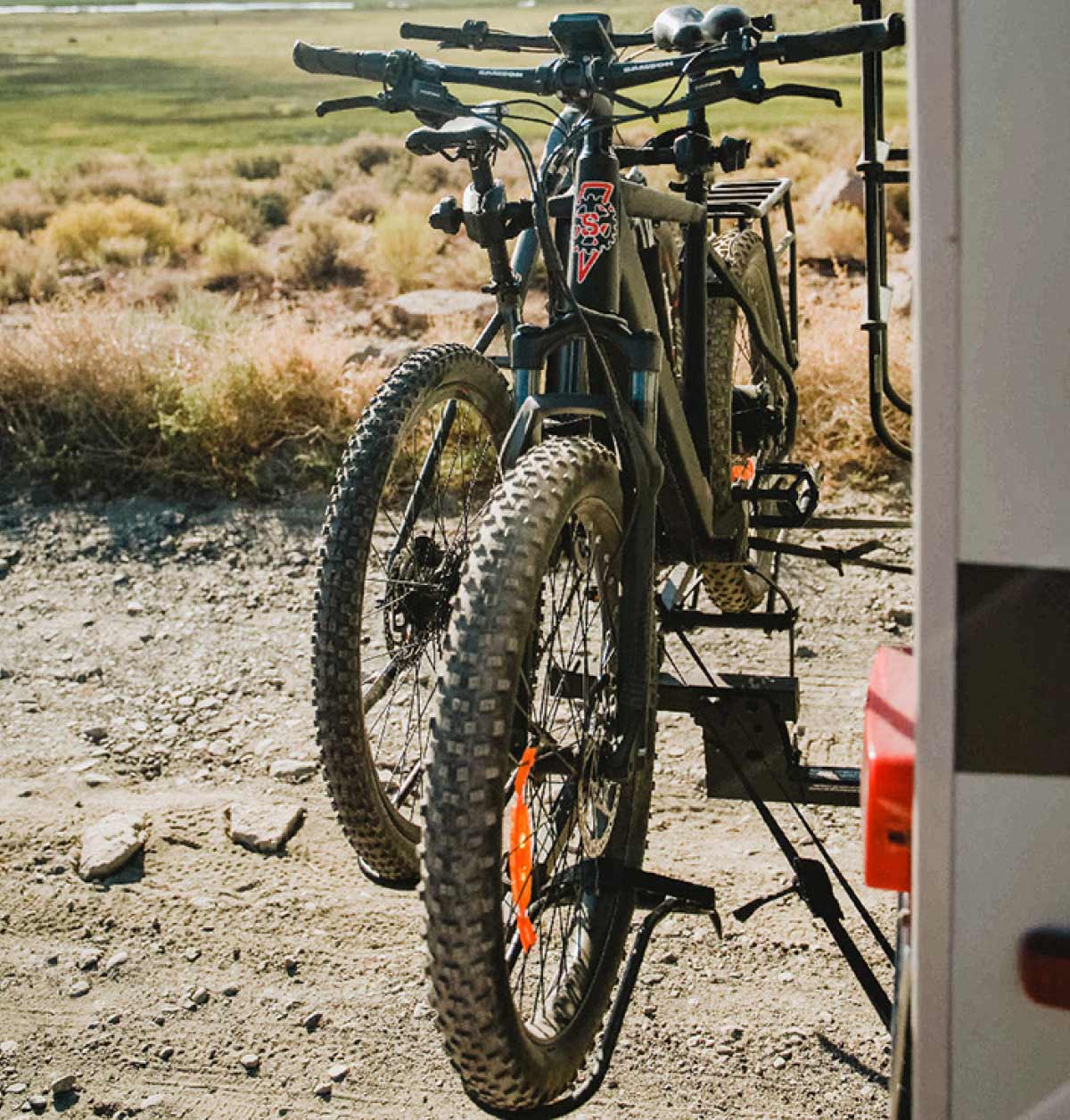
RVers ride eBikes to explore the areas where they are travelling, be that in an urban, suburban, rural or backcountry setting. QuietKat photo
eBikes are quickly gaining ground as the new mode of low-aerobic exercise and recreational transportation for RVers
By Bruce W. Smith
B

icycling is one of those recreational activities many of us have enjoyed since early childhood. Pedaling along on two wheels provides an inexpensive mode of transportation and a great form of low-impact aerobic exercise that contributes to a healthy lifestyle. That’s why bicycles are a common sight being carried on RVs and ridden around areas frequented by RV enthusiasts.

Another mode of pedal power that’s becoming increasingly popular among RVers, however, are electric (battery-powered) bicycles — commonly known as eBikes — because sometimes you just want to enjoy the trip. eBikes still can provide all the requisite exercise you want, while extending your range dramatically. Search the Internet, though, and it’ll be quickly apparent eBikes seemingly come in as wide a range of brands, models and prices as tow vehicles, trailers and motorized RVs.

Electric-power-assisted bicycles
Electric-power-assisted bicycles are becoming increasingly popular because of their efficiency. Schwinn photo
And there’s the rub. The number of choices can be a bit overwhelming. So, we did some of the homework for you, researching the important highlights that should help you gain a better understanding of how eBikes work and which of those elements are best suited for RVers. We’ll also provide some excellent links to websites that have in-depth reviews and technical (articles such as those found at Bike.com and Electric Bike Reviews). This information should make it a lot easier to shop for the eBike that best suits your RV lifestyle and budget.

“First-time eBike buyers are highly encouraged to begin their shopping experience at an eBike dealer,” says Chuck Hildreth, at Voltaire Cycles (vcoregon.com) in Bend Oregon. “Electric bikes are expensive, ranging in price from around $1,200 to more than $8,500 depending on make and model.

Ebikes are becoming increasingly popular
Ebikes are becoming increasingly popular with RVers who want to travel, and have the freedom to explore when they get to their destination. Radpower Bikes photo
“A popular model for RVers is probably going to be priced between $1,500-$3,500,” Hildreth told us. “Because of that investment, most reputable eBike dealers have demo models for customers to try out before buying. A good dealer can also give important advice on eBike sizing, safety, accessories and maintenance.”

The heart of an eBike is the electric motor that provides the assist to pedal power. There are typically three types of electric motors use to provide motive power: front-, rear- and mid-hub. These motors have a very wide range of power consumption and power output. Power consumption is in watts, while output is listed in Newton Meters (Nm), which would be the gas/diesel engine’s equivalent of lbs.-ft. of torque. The higher those numbers, the more powerful and more responsive the eBike will be.

Gear Icon Electric Motor — The Heart of an eBike
Electric Motor
Electric bicycles powered by front-hub motors are the least expensive — and least powerful — of eBikes. Jeff Allen/Cycle Volta photo
The least expensive units — and least desirable for RVers, according to eBike experts we relied upon — are those powered by electric motors on the front wheel. Front-motor eBikes also have the smallest motors, batteries and driving range because of the limitations of the motor mount location. That’s primarily because a front-hub design “pulls” rather than “pushes” the bike along, which changes the way the bike handles, especially during cornering and riding on sand/gravel surfaces.

The most popular style of eBikes for RVers are those equipped with the motor in the rear-hub. Rear-hub eBikes are more expensive than their front-drive counterparts, and much more popular because the electric motor on the hub of the rear tire pushes the bike along. Rear motor eBikes also tend to be the most powerful, with typical watt ratings in the 750-1000 range and Nm ratings in excess of 80 Nm.

eBikes driven by a rear-hub motor
eBikes driven by a rear-hub motor are the most popular power design on mid-priced models. They typically come equipped with throttles so you can ride without peddling if needed. Serial 1 Bikes photo
Higher torque/watt ratings means the eBike can accommodate heavier riders or a rider towing a specialized trailer behind the bike while climbing steep inclines, riding in the mountains or riding through sand. RV enthusiasts will find these models the most responsive and most fun. Rear-drive motors can usually be found with throttles, too, so you can use the electric power without peddling.

Another benefit of rear-drive eBikes is they are easier and less expensive to maintain than the mid-drive models because the rear hub that contains the electric motor is the only eBike-specific component. Chains break and other items eventually wear out on bicycles, so the rear-motor makes it easy to service and replace common wear items such as the bottom brackets, cranksets and chainrings.

Mid-drive motors provide the best pedal feel
Mid-drive motors provide the best pedal feel of a standard bicycle and the easiest to make flat repairs. They are also the most sophisticated of eBike motors, some combined with automatic shifting systems. Yamaha Bikes photo
The most expensive motors on eBikes are mid-drive (mid-hub) models, where the electric motor is integrated into the housing where the pedals (crankset) is located. They are the most sophisticated of eBikes, and the newest models from some high-end manufacturers can be found with automatic transmissions.

Many of today’s mid-hub motors come with a torque sensor — so the harder you pedal, the more power the motor generates. Back off peddling and the electric motor reduces power accordingly. Hence, they give the closest feeling of riding a conventional bicycle. Mid-drive motors also make it simple to swap out wheels and to make flat repairs.

Another cool benefit of a mid-drive motor design is its efficiency. Because a mid-drive motor’s power is leveraged through the drivetrain of the bike, the overall ride feel and performance of a smaller 250/350-watt mid-drive motor can be similar to a 500/750-watt hub motor as long as the rider is properly making the shifts to maintain an efficient ride.

Gear Icon Mid-Hub eBike Motors
Mid-hub eBikes are very popular with RVer
Mid-hub eBikes are very popular with RVers who enjoy a little more performance and the benefits having the electric motor integrated into the pedal assembly. Serial1/Harley photo
Some of the newest mid-drive motors can generate as much as 300 Nm torque, which translates into a ton of power for pulling long inclines. You’ll also find these high-output electric motors on some very high-end urban and commuter eBikes. All of these factors are why mid-bike-designed eBikes are favored by those who spend a great deal of time riding mountain, desert and off-road trails.

As we said, though, the downside to mid-drive electric motors is they can easily add more than $500 to the price tag of a similar style bike that has a rear-drive motor. Another aspect that could be a downside for some RVers is they don’t come with throttles like their rear-drive brethren.

Bicycle shops will also tell you the more powerful mid-hubs are also typically more expensive to service — and, because they provide so much torque, drivetrain wear components (such as the chain) wear quicker than they would on lower-power front- or rear-drive eBikes.

Gear Icon eBike Automatic Shifting/Anti-lock Brakes
eBike Automatic Shifting/Anti-lock Brakes
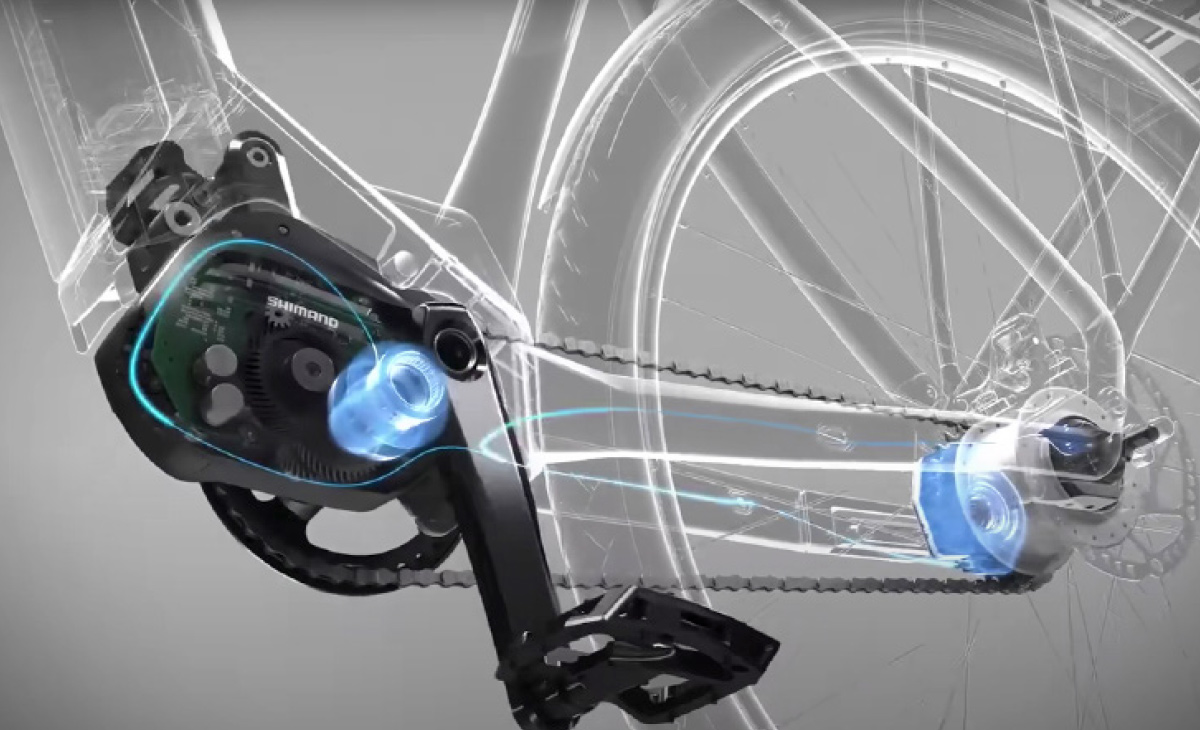
The newest innovation in eBikes is the integration of an automatic transmissions integrated into the mid-hub drives like this one offered by Shimano. Shimano photo
The technology front in eBike development is moving at a rapid pace as component makers work hard to make riding even more fun and improving rider safety. For example, automatic mid-drive multi-speed eBikes are on the rise. Valeo’s eBike automatic built-in mid-drive transmission can be found on a lot of eBike brands coming out of Europe, and on the Bosch eBike System shelves are automatic-shifting internally-geared drives available from Enviolo (AutomatiQ eShift), Rohloff (E-14 Speedhub), and Shimano (Nexus Di2).
Transporting & Protecting Your eBike
RVers need to be vigilant on protecting
RVers need to be vigilant on protecting their eBikes from theft. A strong bike rack and security measures deter thieves from riding off with thousands of dollars of bicycles. Hollywood Racks photo
Should you buy an eBike and have to keep it outside while using your RV, be very aware these are a high-theft target because of their price. Storing a bike inside the RV is far better than keeping it out in the open, but that’s not easily done while using the RV. While some folding eBikes can break down to fit inside a sizable storage compartment, not every RV is built with such accommodations — and not every RVer wants a foldable eBike.

Investing in a high-quality locking system is a necessity. Many eBike enthusiasts subscribe to the advice of spending about 10% of the eBike’s value on a locking system (be it a U-lock, chain lock or folding lock). Get the toughest cable/chain locking system money can buy, such as the Tex-Lock from Osloh, the New York Lock Kryptonite Evolution, or Pragmsis Protector from Lockitt. It’s good to have a vibration-activated alarm system, too, such as the wireless Fosmon Anti-Theft Burglar Bike Alarm with remote control and an ear-splitting 113dB siren.

The folks at Kryptonite also suggest locking the eBike in a well-lit area — to a solid object that the bike cannot be lifted over — making sure the frame and wheels are secure and, to further deter thieves, positioning the lock with the keyhole facing down and making access to the lock a tight fit. It’s also suggested that all accessories (battery, lights, GPS screen) are removed before locking up for the night to reduce the eBike’s value to scofflaws.

If you are going to transport (and possibly store) store the bike(s) externally on a bike rack, it’s important to make sure the bike carrier is stout enough to support the weight of the bike(s). Note the load rating of the bike carrier, keeping in mind the typical eBike can weigh 70-90 pounds.

RV you drive
Whatever type RV you drive, it’s really important to take eBike transportation and security as serious as the purchase of the bikes themselves. Kuat Bike Racks photo
Unfortunately, bike carrier manufacturers are behind the eight-ball when it comes to hitch-mounted bike carrier options for more than one eBike. Most hitch-mounted bike racks are barely rated to carry one of the lighter eBikes, let alone those that weight 70-90 pounds. The best ones we could find at the time of this writing include the Thule two-bike hitch-mounted T2 ProXTR ($900) rack designed for transporting lighter eBikes (60 pounds per bike); the Kuat Sherpa Piston Pro X ($1,389), which has a load capacity of 134 pounds (67 pounds per eBike); and the RV Rider E-Bike Rack ($600) from Hollywood Racks (80 pounds per bike).

If your RV doesn’t have a rear hitch receiver, an aftermarket “bolt-on” hitch receiver could be the solution. Again, pay very close attention to the rack’s maximum load-carrying capacity. Several companies on Amazon market bolt-on RV hitch receiver kits including Towever (PN 83803), Ohuhu (“bolt-on rv bumper hitch receiver adapter), Quick Products (PN QPDBAR) and Fultyme RV (1300 hitch mount 2-bike rack, 200 pounds capacity).

Don’t forget to also use a locking pin that holds the bike rack in the receiver hitch. BOLT Lock makes excellent locking hitch pins, as well as strong cable locks and a number of other locking devices for both the RV and eBikes. Rhino USA, Blue Ox, Curt Manufacturing also have robust locking hitch pins.

RVers should be aware that RV rear bumpers are neither designed nor intended to support the weight of a couple of eBikes — and the near-constant jouncing of the rear of the RV only magnifies this weight. Anyone contemplating adding a platform to carry their eBikes should either substantially reinforce the bumper or weld a hitch receiver directly to the RV’s frame.

There are also companies that offer hitch receivers for the front of motorhomes. Carrying bikes up front, however, can impede forward driver visibility (frowned upon by many states) and may even adversely affect/impede the air flow to your motorhome or tow vehicle’s radiator — especially during the summer months.

The Shimano internally geared, mid-drive automatic shifting Nexus Di2 are 10- and 11-speed drivetrains allow the rider to make shifts while coasting, through a mode called Free Shift, and an Auto Shift With Manual Override mode that automatically shifts gears based on the rider’s speed and cadence.

“Free shift technology allows you to make decisive gear changes while rolling through technical sections of trail, ensuring you’ll always be ready for the trail ahead,” said a Shimano representative. “Meanwhile, auto shift with manual override can make predictive shifts while you are coasting, always finding the optimal gear for every pedal stroke.”

Internal gears coupled with sophisticated electronic software
Internal gears coupled with sophisticated electronic software allow the automatic transmission on the newest eBikes to shift gears as the bike’s speed and pedal cadence changes per the rider’s needs. Anti-lock brakes are also being used on eBikes. Shimano photo
In addition to these innovative electronic drivetrains, Shimano brings anti-lock brakes via bicycle ABS pioneer Blubrake to the eBike market. This is a great safety feature for anyone riding on slippery surfaces be they covered in rain, snow, mud, sand or gravel. Statistics show 57% of eBike accidents happen during braking.

“Our ABS helps riders retain bike stability and stop safely on wet/dry pavement and rough surfaces by keeping both wheels on the road and rolling,” the Shimano rep added. “A speed sensor on the front wheel monitors wheel rotation and activates ABS if the wheel slows beyond what is expected for the bike’s speed. When ABS is activated, the system applies modulated braking force on the front wheel to reduce the chances of the front wheel locking up and/or the rear wheel lifting.”

These technological advancements are just another of the things to discuss and check out at your local eBike dealer when shopping gets serious.

Gear Icon eBike Battery Power
eBike Battery Power
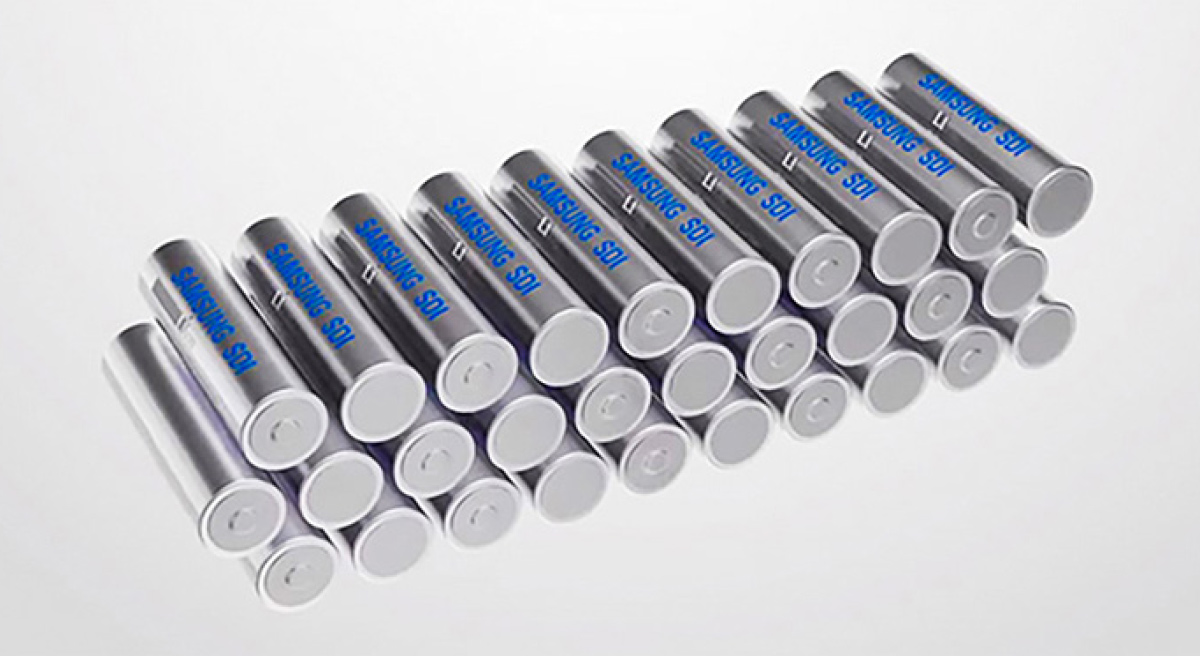
Battery power is key to any electric bicycle’s performance. An eBike battery actually contains a pack of small individual Li-Ion batteries, called cells, linked together. Samsung photo
The battery of an eBike is just as important as the motor — maybe more so. The battery, which is about 25% of the cost of an eBike, is both the equivalent of the fuel needed to power your tow vehicle or motorhome and the capacity of the fuel tank. The fuel is the battery’s watt rating and the capacity is the Amp-hour (Ah) number.

“A higher Ah number will give you more riding range,” Bagi Bike’s founder Erez Ekstein told us. “But it also depends on the motor power. If the motor is 750w or 1000w, it takes more Ah from the battery than it does to power a motor of 500w. For example, a 1000w motor with a 20Ah battery will have the same range as a 500w motor with a 10Ah battery.”

The cost of the battery you select to power your eBike depends a lot on the quality of the battery. Not all batteries are the same. Samsung, LG, Bosch, Shimano STEPS, Yamaha and Panasonic are considered among the best, according to Ekstein, whose international company is well-known for its folding bikes.

“The battery cost depends on the cell types’ quality and the electronic BMS board inside,” Ekstein said. “A battery manufactured with Samsung cells costs almost twice than a battery with the same capacity assembled with cells from a generic, off-brand, or lesser-known manufacturer.”

For the majority of RVers, the battery that comes with the bike from the manufacturer will probably be perfectly fine for normal riding while using the eBike during RV travel. If you are planning to ride daily, riding long distances or doing a lot of mountain biking, then upgrading to a battery with a higher watt-rating might be in order. But always check with the bike manufacturer or your local eBike dealer before plugging in a more powerful battery.

battery
The longevity and overall performance of a battery depends on the cell-types’ quality and the electronic BMS board inside. The better the battery, the higher the cost. Bosch photo
How long does an electric bike battery last? That’s a lot like asking “how long does a battery last in a vehicle?” It depends. The battery life depends on the battery, cell quality, how it’s stored, how low it’s drained before re-charging and the number of charges.

According to data sheets, a high-quality Li-Ion battery assembled with Samsung cells loses 20% of its capacity after 500 charge cycles. It still works, but the travel range between charges is 20% less than that of a new battery. That means a high-end, “name brand” battery can work great for two years with almost daily use. In an RVing situation, where the eBike might see much less frequent use, battery life could be more than double.

When it comes to upgrading or replacing an eBike battery, stay with one of the respected name brands. If you are trying to pinch pennies, this is neither the time nor place to skimp. Cheap batteries have a higher potential for fire hazard, poor performance and short life, according to the experts.

Gear Icon eBike Classifications
Bagi Bike B20
The folding Bagi Bike B20 has a top speed of 28mph, putting it in the Class III category of eBikes. Bagi Bike photo
Every RVer shopping for an eBike needs to make sure that the brand and model they choose is safe, legal, and appropriate for the places you plan to ride — be that city, campgrounds, BLM, Forest Service, state and national parks. Most states and municipalities have adopted the Class I, II, III eBike classification system.

In a nutshell, Class I eBikes use an electric motor to provide pedal assistance at up to 20mph and they can’t have a throttle. A Class II eBike is the same as a Class 1 (limited to 20mph) but it is equipped with an electronic throttle so the rider can propel the bike without pedaling.
Juiced Bike’s CrossCurrent S2
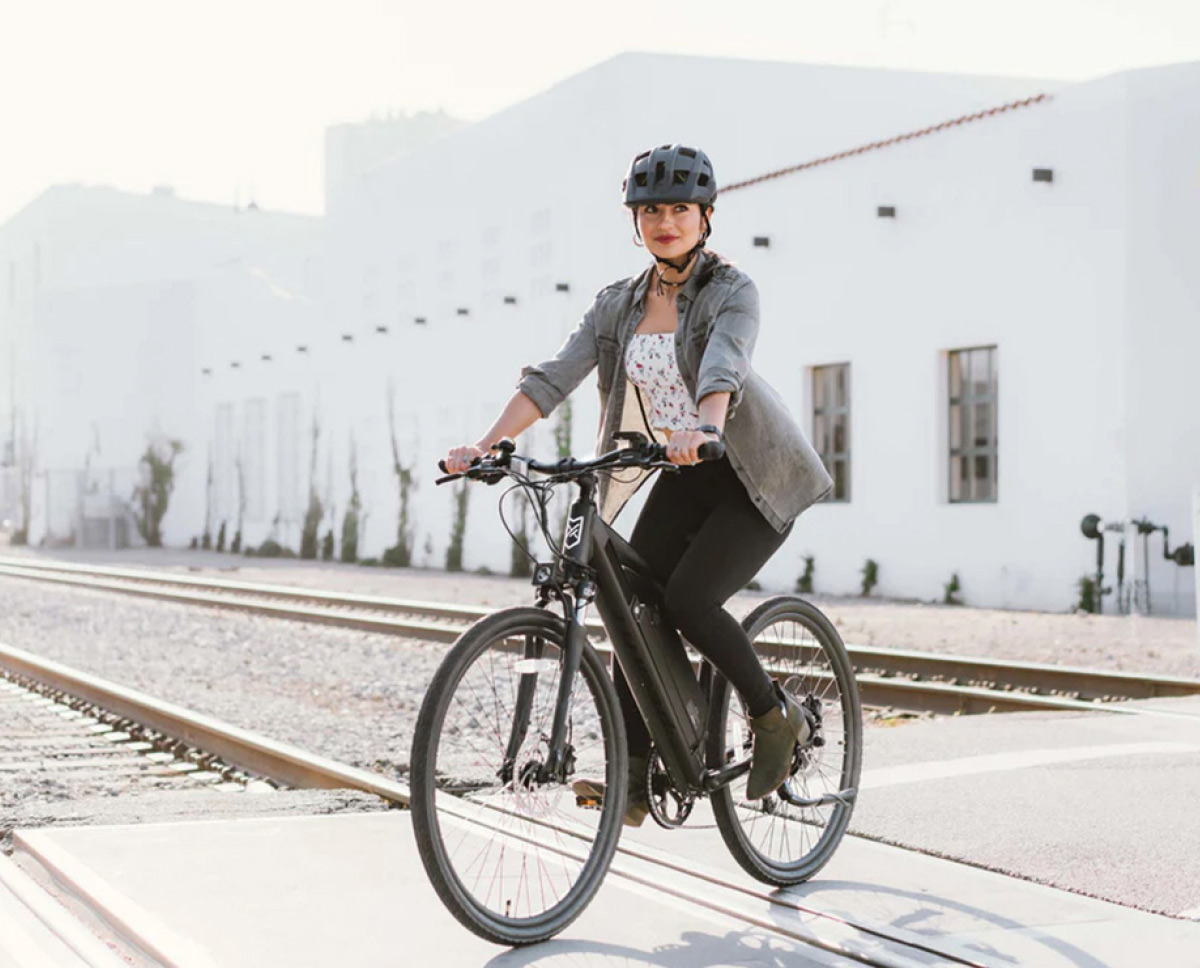
Juiced Bike’s CrossCurrent S2 is a Class III eBike that can reach 28mph and is equipped with a throttle. Juiced Bikes photo
A Class III eBike is one that is limited to reach a top speed of 28mph. eBikes with a throttle are usually banned for use on bicycle paths, trails, bikeways, horse trails and hiking trails. Some eBikes rated as Class III may have a throttle, such as the folding Bagi Bike B10/B20 and Juiced Bikes’ CrossCurrent S2, but most do not.

“Class III eBikes are primarily intended for higher-speed riding on streets and roads, making them ideal for bicycle commuters who want to arrive at work or school without breaking a sweat,” said Justin Christopher at Bike.Com. “They also often feature more powerful motors that produce more torque — ideal for handling headwinds and steeper hills.” To make it easier for the eBike buyer, the manufacturers of eBikes have them labeled for easy identification.

Electric bicycle classification chart
Electric bicycle classification chart. Shows how eBikes are segmented by speed. Graph courtesy of Juiced Bikes
Style in choosing an eBike is really a personal choice. Like regular bikes, eBikes come in both step-over and step-through models, single-speed and multi-speed. Younger RVers may like the step-over models while those not quite as limber will find the step-throughs a better fit. Gender doesn’t matter.

One advantage of the step-over model is frame strength due to the double-diamond design. This can be a big factor for those who do more “performance” bike riding over mountain trails or in other terrain where aggressive riding is part of the fun.

Gear Icon Which eBike Is Best For RVers?
Frame design in eBike choice is both a matter
Frame design in eBike choice is both a matter of personal taste and level of use. A step-over model, like this lightweight Propella 7S, will have a stronger frame than a step-thru design just because of the frame shape. Propella Bikes photo
Step-over frames are found on almost all types of eBikes such as eMountain bikes, eRoad, and eGravel models. Models that offer multiple speeds are, of course, easier on the body than single-speed eBikes when the terrain you are cycling on has hills and steeper inclines. But a lot of senior RVers will find the step-through eBikes will be easier to mount/dismount, and more favorable to their riding styles and needs.

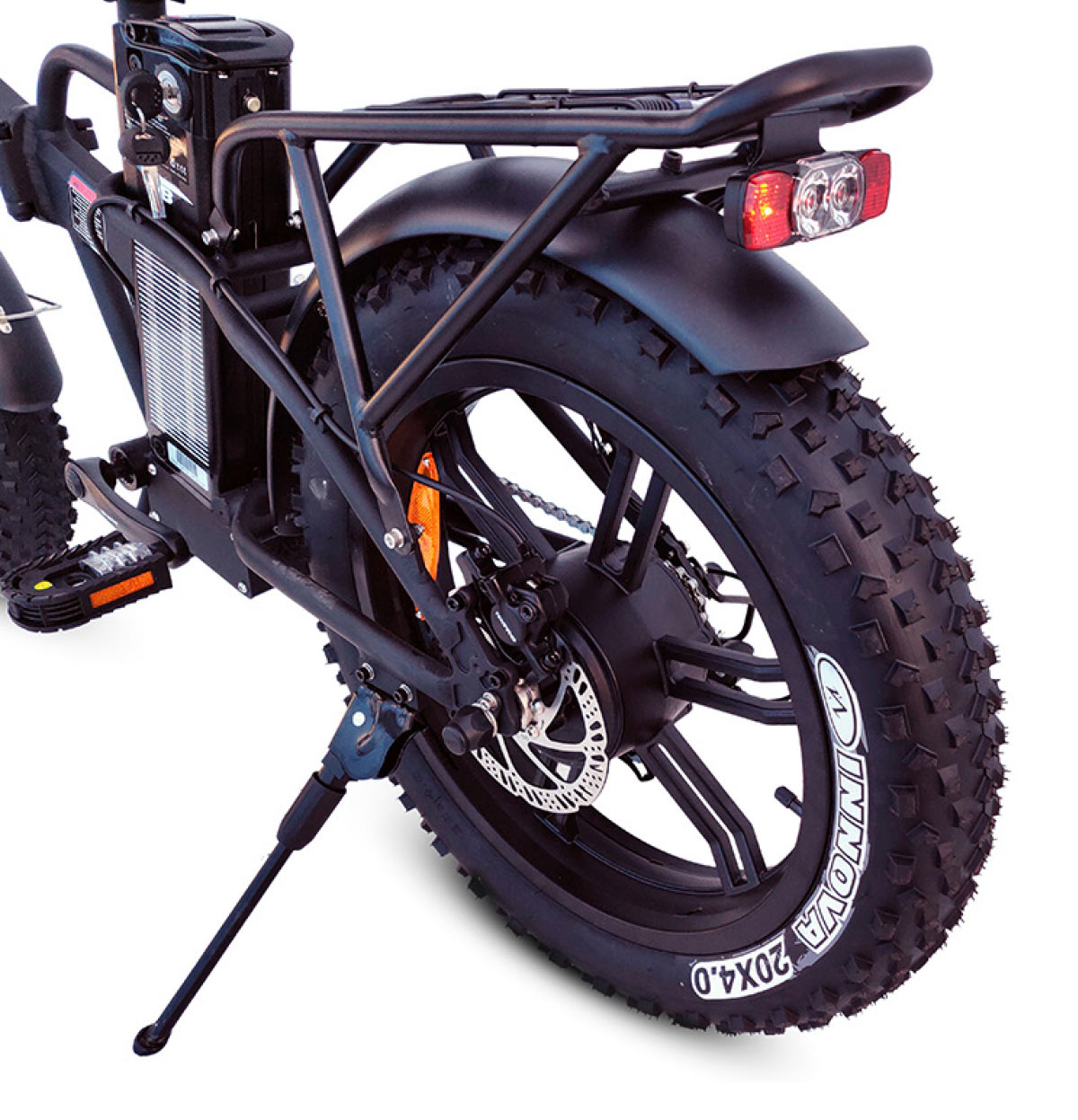
Fat tire or skinny? Again, personal taste. Many Rvers who purchase eBikes tend toward bikes with fatter tires. The reason is fat tires provide better traction and a more controlled ride in sand, gravel and off-pavement riding. They also absorb sidewalk and pavement cracks and uneven surfaces better than their skinnier-tire cousins. Again, stopping in at a local eBike dealer to take a demo ride will help you decide this aspect of the selection process.
eBike
If you plan to ride your eBike on gravel, sand, snow, or other terrain that’s loose and uneven, a fat-tire eBike will be a good choice. Wider tires give better floatation and control in such riding conditions than a skinnier-tire model. Bagi Bikes photo
Most RVers in the senior category will find their eBike of choice among the Class II touring, cruiser or commuter offerings. These models trend towards having a wider, more comfortable seat, easily adjustable handlebars and a more upright riding position. Hydraulic disk brakes (or ABS!), a high-quality battery, pedal-assist with torque sensor and a suspension built into the seat are great items to have when you are looking for an eBike suited for the RV life. So, for that matter, are fenders, lights, horn and even a rear cargo rack.
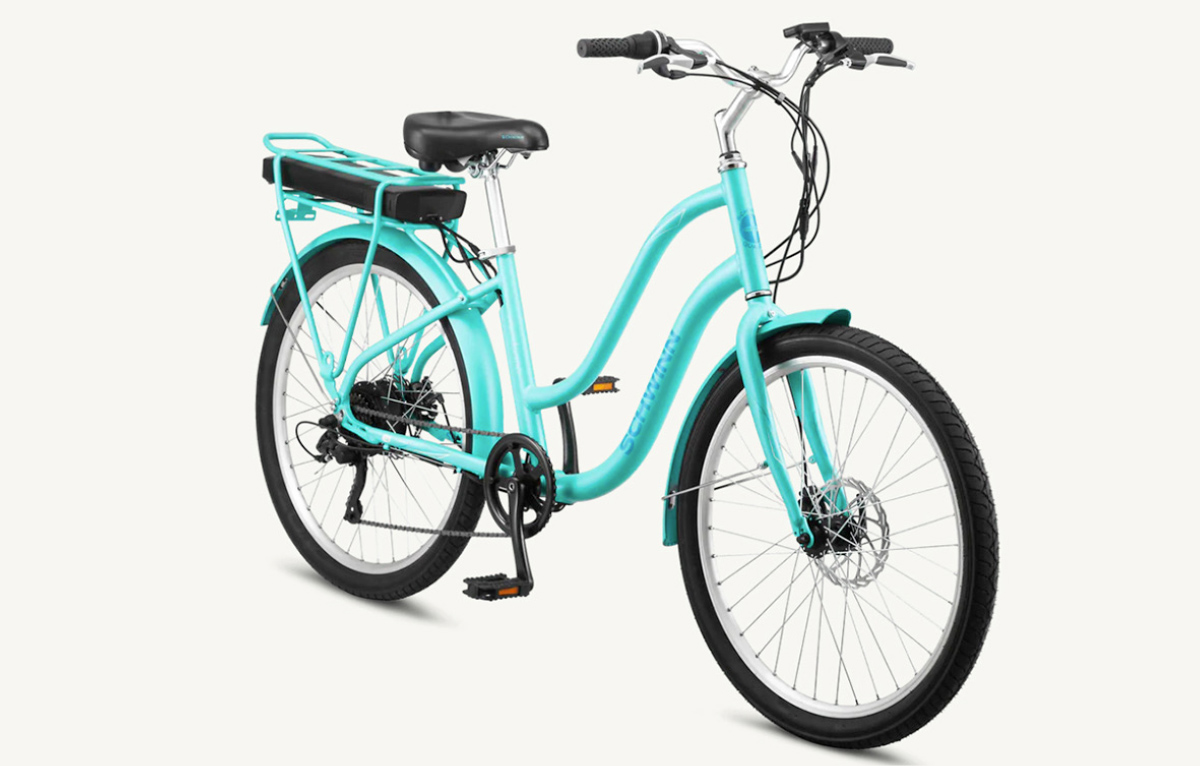
Rvers will be well-served riding eBikes
Rvers will be well-served riding eBikes equipped with lights, fenders, horn and a cargo rack. Some eBikes, like this Schwinn Medocino 2, have a a good array of accessories to fit personal tastes. Schwinn photo
As for the eBike itself, an eBike with rear hub is preferable over a bike with the motor in front — and if the purchase price isn’t a hindering factor, a mid-hub setup is an even nicer ride. As for weight, most of the eBikes weigh between 60-90 pounds, depending of course on the size and style of the bike. A few, such as the ultra-light eBikes from Propella, can weigh less than 50 pounds. Every RVer entering the eBike world should pay close attention to the quality of the individual components used to make the eBike when shopping and taking demo rides. The bottom line with eBikes is the more you pay, generally the higher the quality of the components, features and range of accessories. This is one of those products where you pay for what you get — and the higher the quality of the components used to make the bike, the more satisfied you’ll be with the investment.
Sources
Full-size eBikes

(Note: some of these sources also offer folding eBikes)

Ariel Rider: arielrider.com
Ariel Rider Ariel Rider Kepler eBike
Aventon: aventon.com
Bagi Bike: bagibike.com
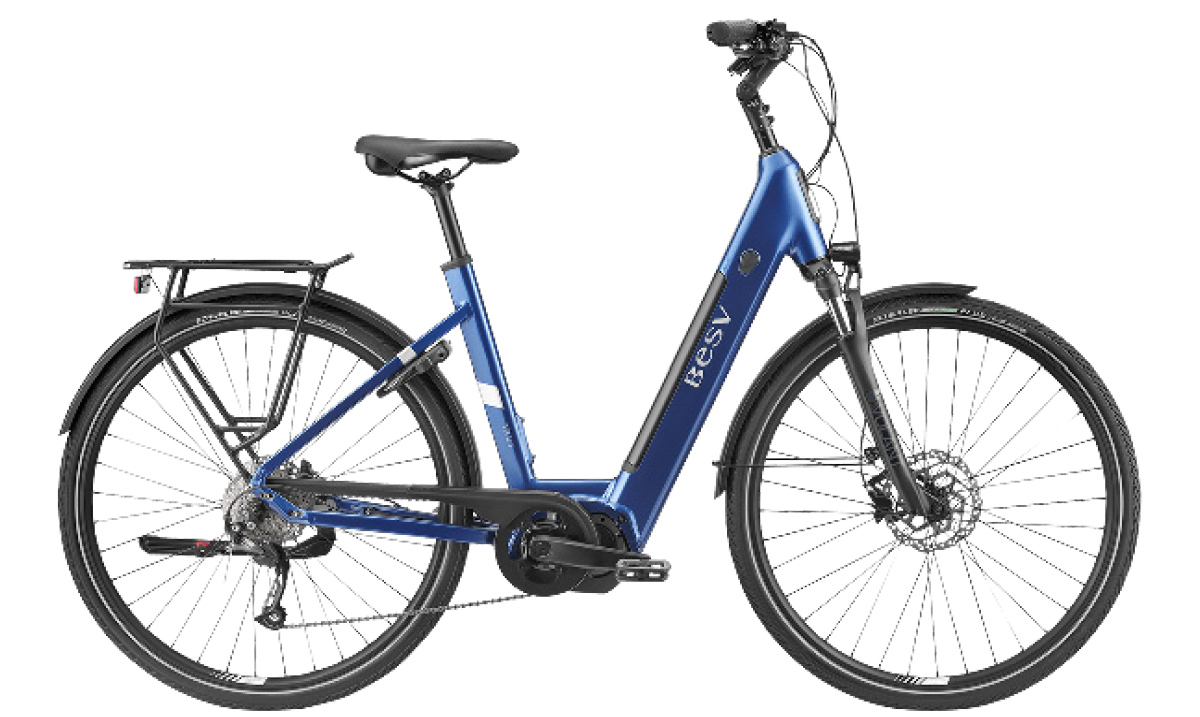
BESV: besv.com/us/
BESV 2022 TR-2
BESV 2022 TR-2
Connondale Tesoro Neo X MTG PD
Diamondback: diamondback.com
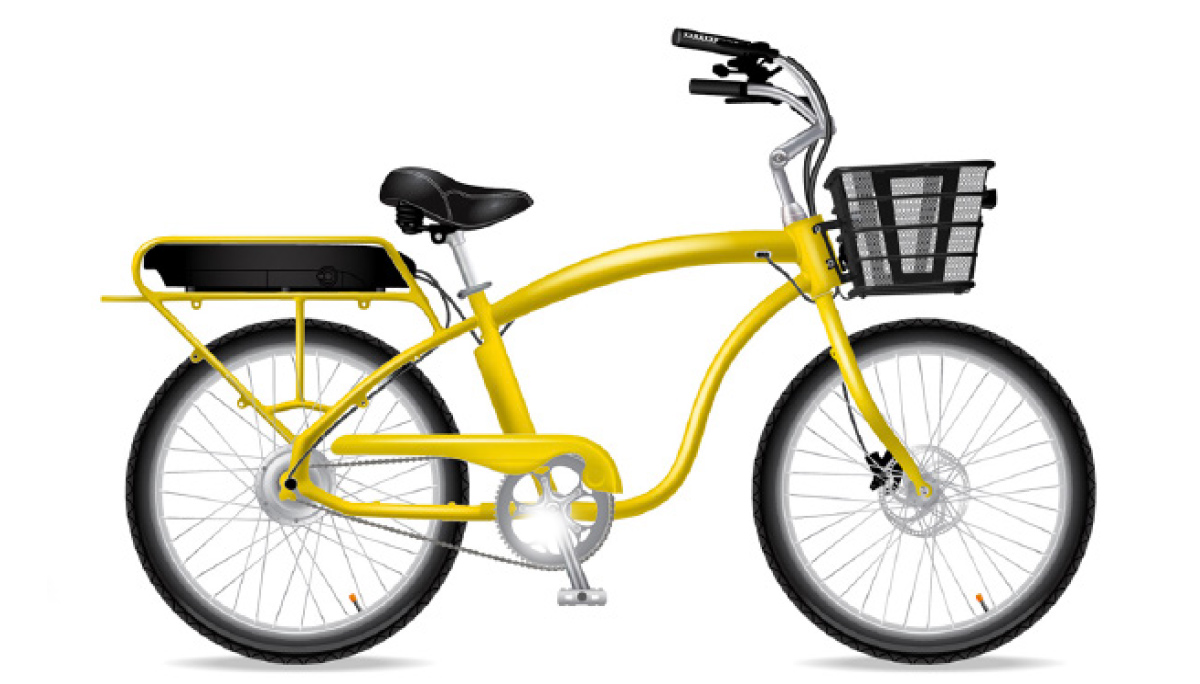
Electric Bike Company: electricbikecompany.com (Made in the USA)
Electric Bike Company Model C Custom
Gazelle USA: gazellebikes.com
Giant: giant-bicycles.com
Haibike USA: haibikeusa.com
Heybike: heybike.com
High-Power Cycles: hpcbikes.com (Made in the USA)
Juiced Bikes: juicedbikes.com
Lectric e-bikes: lectricebikes.com
Magnum: magnumbikes.com
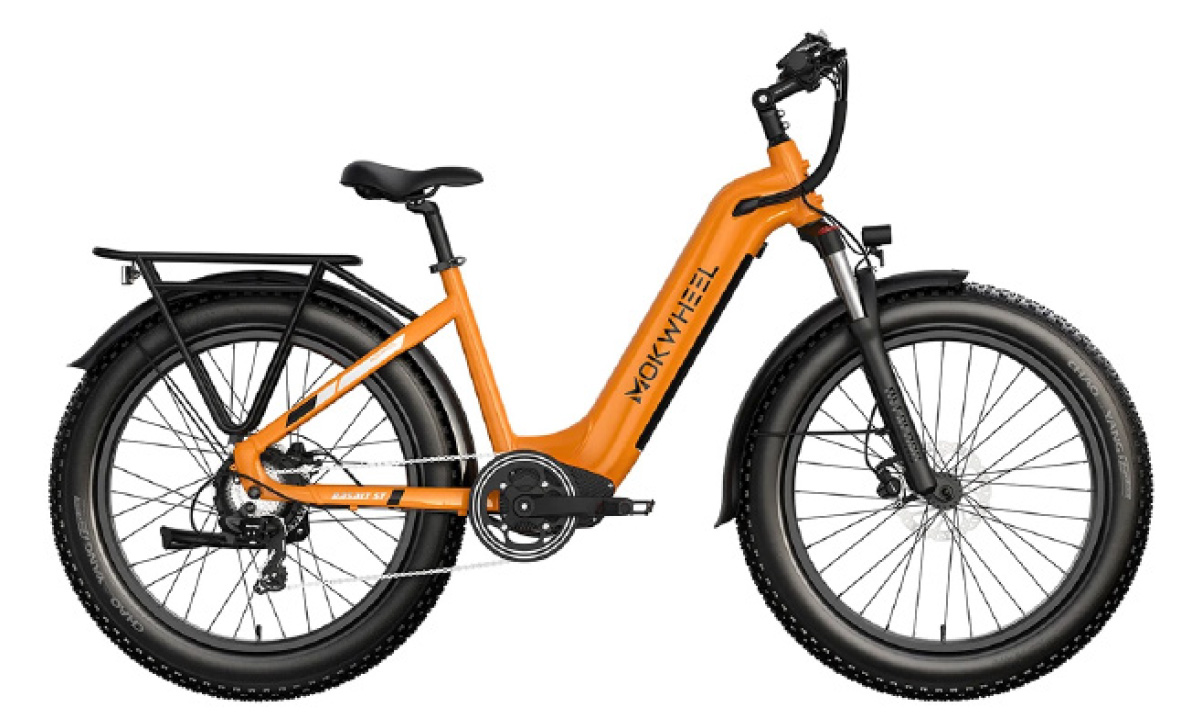
Mokwheel: mokwheel.com
Mokwheel Basalt
Mokwheel Basalt
Monday Motors: mondaymotorbikes.com/
Outrider USA: outriderusa.com (Made in the USA; four-wheel electric bikes)
Proplella Bike: propella.bike/bikes (Made in the USA)
QuietKat: quietkat.com
Rad Power Bikes: radpowerbikes.com
Rambo Electric Bikes: rambobikes.com
Rize Bikes: rizebikes.com
Schwinn: schwinnbikes.com
Serial1/Harley: serial1.com
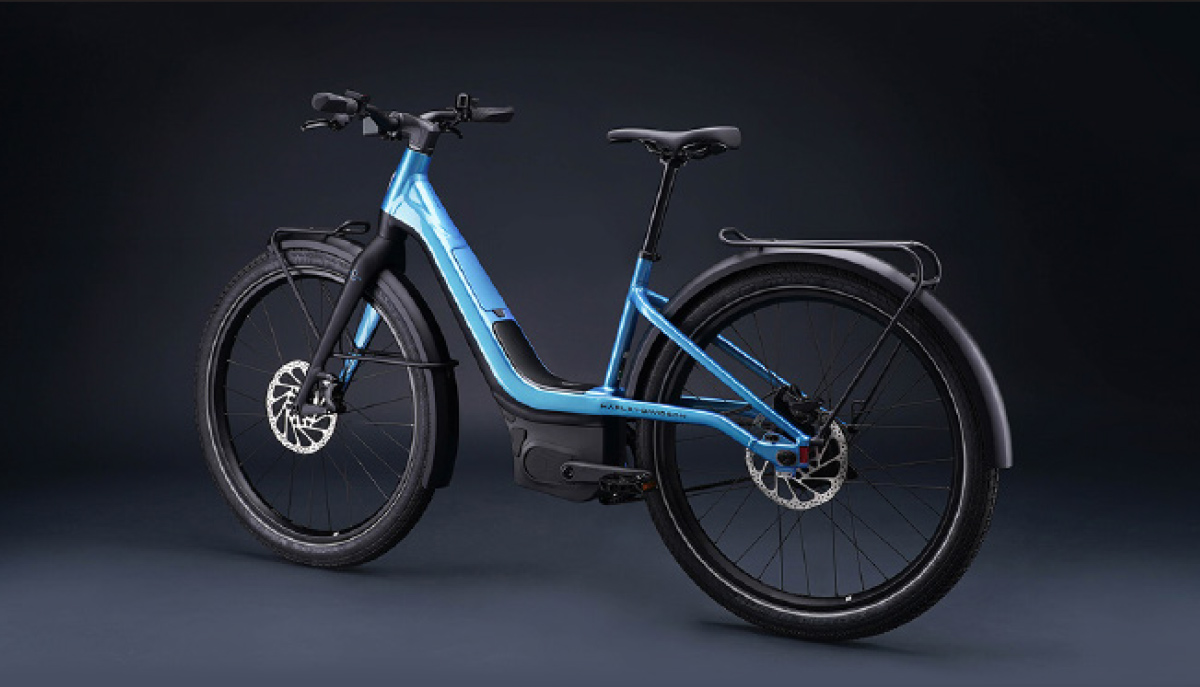
Serial 1 Rush-City-5K
Sondors – sondors.com
Specialized – specialized.com
Stealth Electric Bikes: stealthelectricbikes.com
Trek Bikes: trekbikes.com
Yamaha Bicycles: yamahabicycles.com
Yamaha CrossConnect
Yamaha CrossConnect
Folding eBikes
DJ Bikes: dj-ebikes.com
GoCycle: gocycle.com
Gocycle G4
Gocycle G4
Jetson: ridejetson.com
MagiCycle: magicyclebike.com