
ost of the unique and out-of-the-way places RVers visit can usually be found by searching for wildlife refuges, national monuments, historical sites or perusing sites such as Roadtrippers.com for new discoveries — but not all places to visit are described in tour books and Internet sites. Just about anywhere you travel, there are interesting things to seek out, even in the most unlikely locations. Recently we discovered a number of interesting sites while waiting for our motorhome to be serviced at Redlands Truck & RV in Redlands, California. We used the time that our motorhome was in the shop to explore the area around us, and really “discovered” the beautiful little town of Redlands, California — a place most travelers would not have on their bucket list.
As we learned, sometimes great locations are hidden in plain sight.
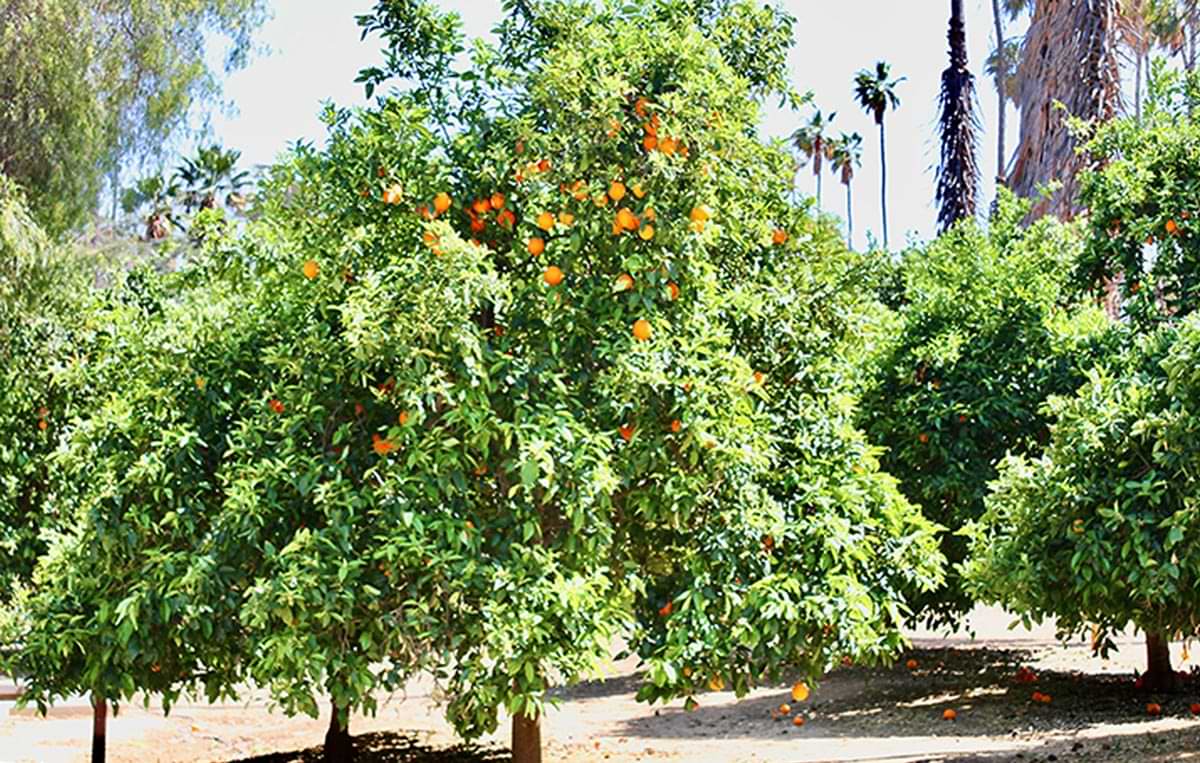
Redlands is a relatively “young city” dating back about 140 years, with a unique and interesting past. The extension of the Southern Pacific and Santa Fe Railroads into Southern California in the 1880s brought the first permanent settlers to the area. These new railroad tracks connected Southern California to San Francisco and Salt Lake City, Utah, and people who sought out land for farming, ranching or other purposes soon moved to this area. Founded in 1881, Redlands was named for the color of the adobe soil that the town was built on. The city of Redlands was established around the citrus industry; the hot, dry climate and easy accessibility to water made the area perfect for growing citrus and other fruit. As people settled in the area, they started planting fruit trees in their yards, including lemons, tangerines, oranges, persimmons, loquats, figs and avocados. These local “farms” actually gave rise to what would soon become the major industry in the area.

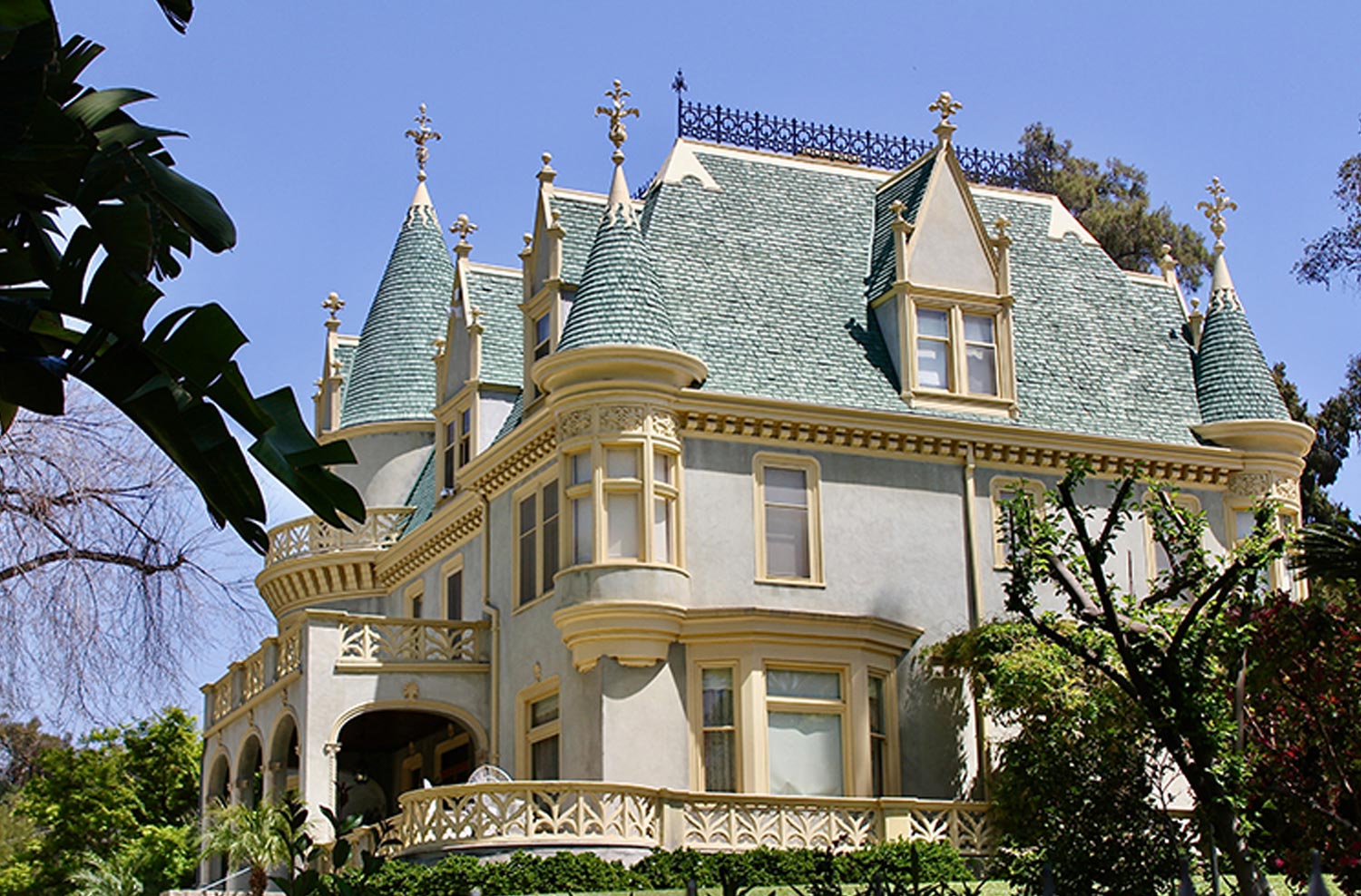
Two other noteworthy mansions in Redlands are the Morey Mansion and the Edwards Mansion, both built in 1890. These houses feature Victorian style architecture and were purchased using profits from the citrus industry. The Morey Mansion, a 4,800-square-foot house paid for with profits from the sale of a citrus ranch, was often referred to as the “Orange Empire House,” while the Edwards Mansion is a 14-room Queen Anne Victorian home built for James S. Edwards, a citrus grower and packinghouse entrepreneur. Neither mansion is open to the public; however, the latter location is available for weddings and other special events.
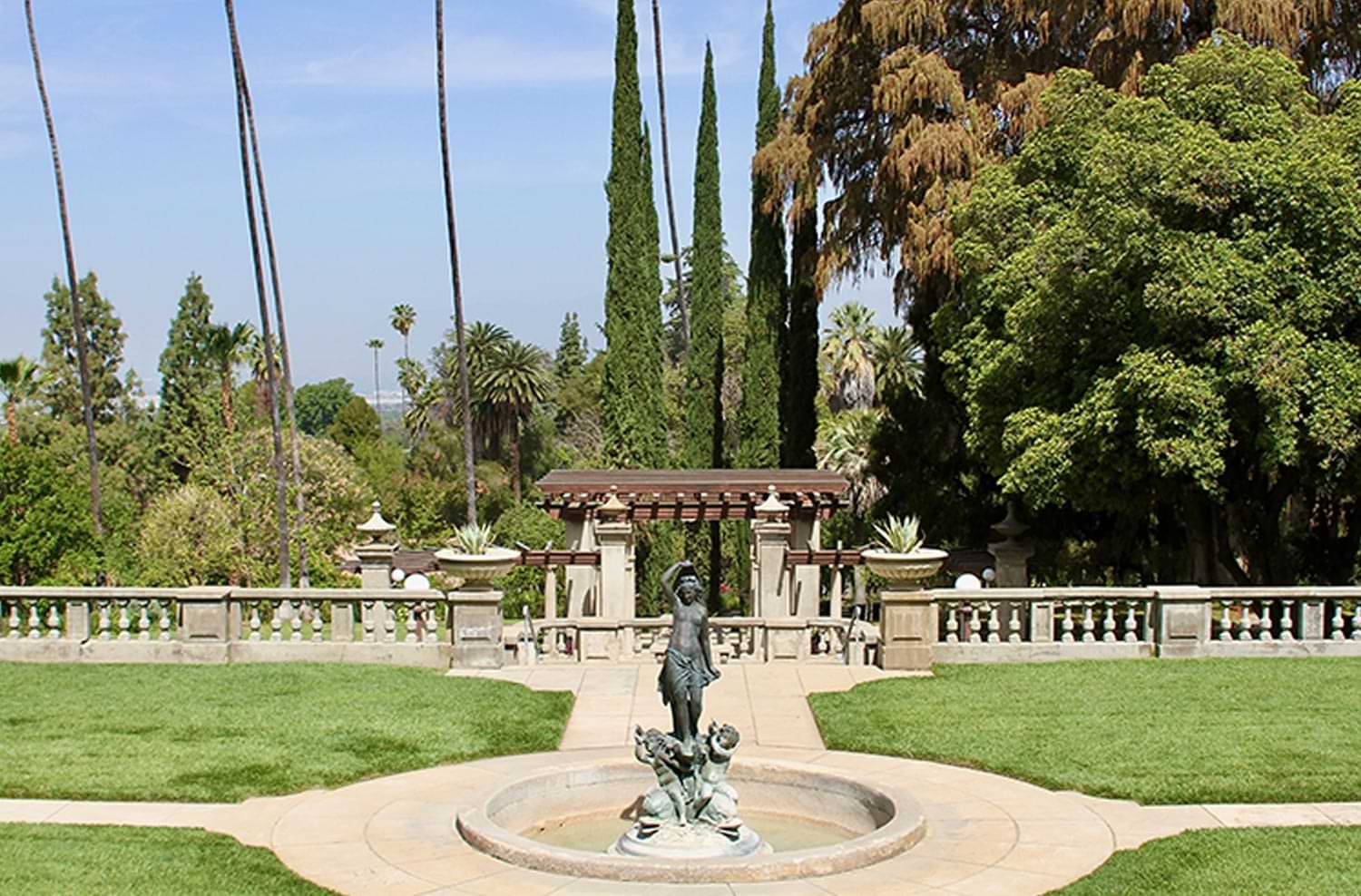
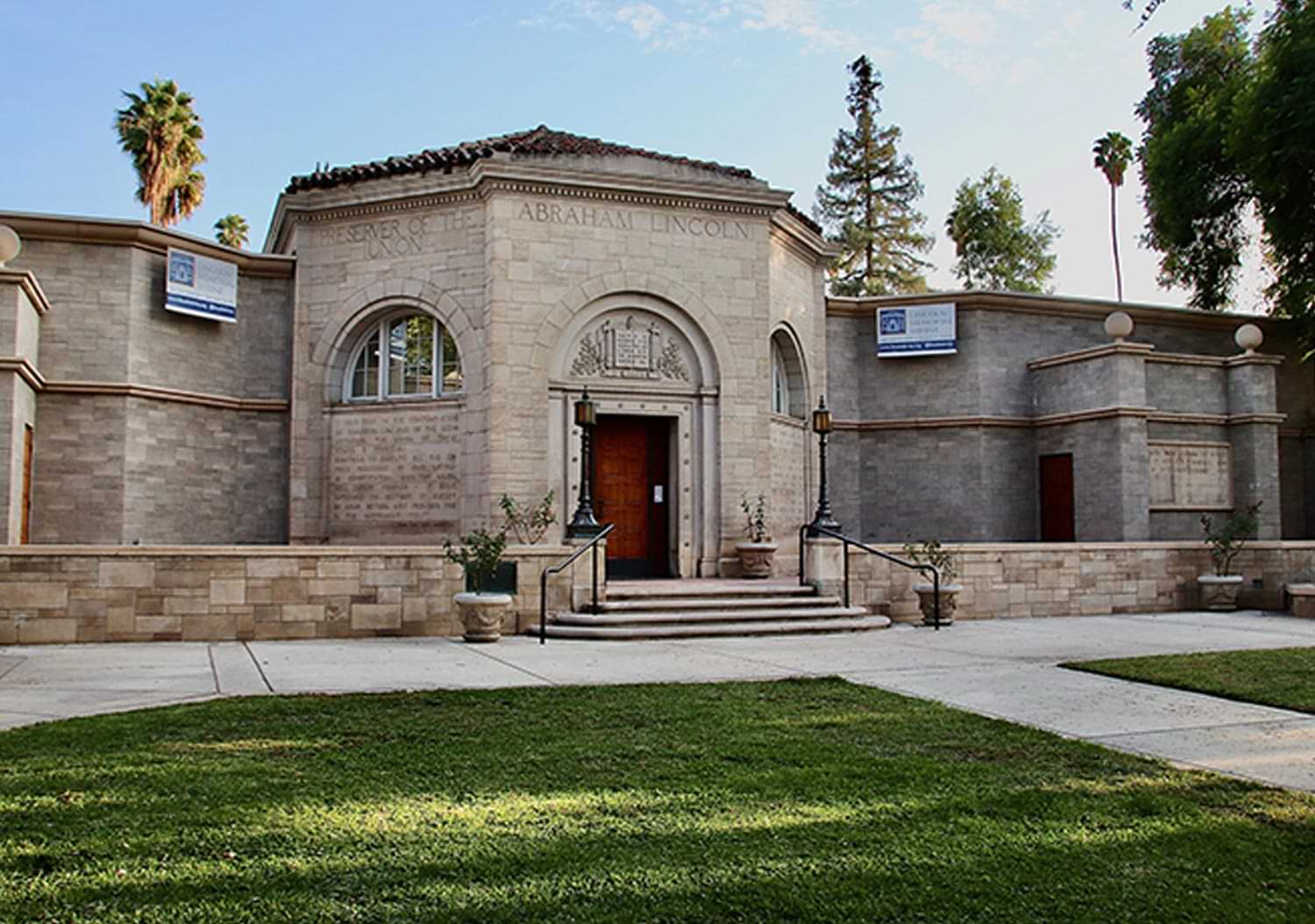
One other special museum that you should not miss while visiting Redlands is The Lincoln Memorial Shrine. This museum and research facility was gifted by Robert and Alma Watchorn in 1932. The original building was built in an octagon shape and constructed of concrete, faced with Bedford Indiana limestone plates upon which are inscribed excerpts from Lincoln’s speeches. A few years later, rectangular wings were added to each end of the building, increasing the museum space. The Lincoln Memorial Shrine is the only museum west of the Mississippi honoring the 16th president and commemorates the life of Abraham Lincoln with artwork and exhibits and contains numerous documents and artifacts from the Civil War. Admission to this museum is free (www.lincolnshrine.org).
While exploring the area, I also discovered a piece of history that pre-dates the establishment of the actual city of Redlands. This part of southern California was once territory of the Morongo and Agua Caliente Tribes of Cahuilla Indians. During the 1700s, Franciscan Friars established missions throughout California; the San Gabriel Mission, for example, was established in 1771 in an area that is now Los Angeles. Many years later, the Franciscan Fathers of Mission San Gabriel’s enormous land holdings stretched east to the area now knowm as Redlands, and an extension of this mission or sub-mission (asistencia) was created here. Asistencia San Gabriel Mission was completed in 1834 and the restored structures still stand. Today, the Asistencia Mission is operated by the Redlands Conservancy and houses a wedding chapel, bell tower, cactus garden and museum. This historic site is open to the public Tuesdays through Saturdays 10 a.m. to 3 p.m. and is well worth a visit.

Whether you are visiting Redlands for business or pleasure, you will find Redlands to be “a big town with a small-town feel.” The citrus industry is no longer a major industry in Redlands, but the geography of the area has not changed. Redlands still sits in the beautiful rolling hills of Southern California’s Inland Empire — offering those who seek out unexpected treasures in unlikely destinations a great place to visit.