


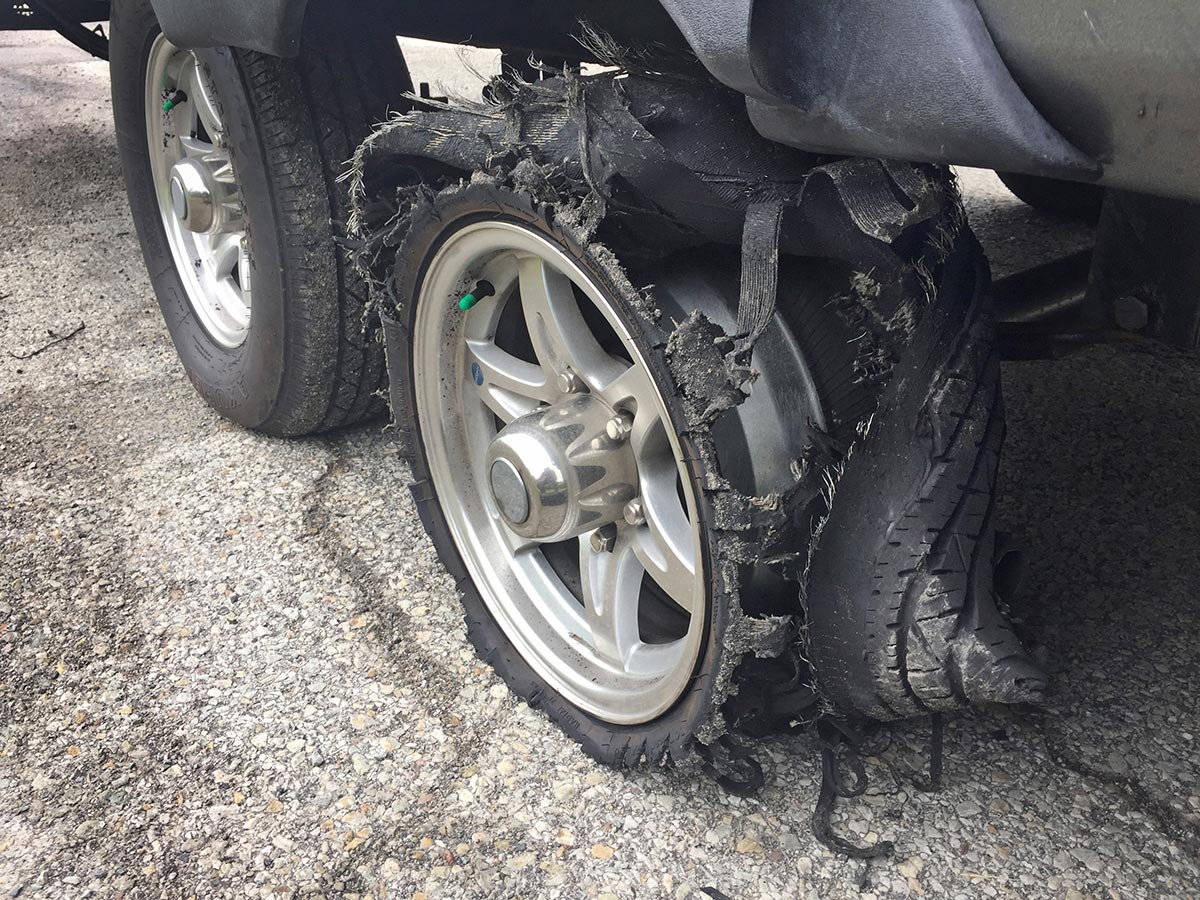
erhaps you’ve experienced it. But you’ve almost certainly seen it. A trailer parked by the side of the highway, emergency flashers on, a shredded tire being examined by one or more bewildered RVers whose travel plans have just come to an abrupt end. If you drive long enough along a major interstate during travel season, odds are good you’ll likely come across such a scenario at least once.
Why?
That’s a great question. For decades, the editors of RV Enthusiast (who were staff members of several reputable RV publications prior to this one) have attempted to drive home the importance of proper tire inflation pressure, weight/loading and storage practices (which from here on in we’ll refer to as “tire protocol”). Organizations like Mark Polk’s RV Education 101 and the RV Safety and Education Foundation have well-established programs to help RVers understand more about tire protocol. In fact, just about everything you need to know about RV tire care and maintenance is available with just a quick Google search.
And yet, trailer tires continue to fail — and if anything, the problem has gotten worse, not better. Are there really still that many RVers that are clueless about their tires? Is it because so many trailer tires are manufactured overseas? Or is it that there just aren’t adequate testing standards for trailer tires? That’s what we wanted to find out.
Kevin Rohlwing is the senior vice president of training for the Tire Industry Association (TIA), with more than 40 years in the business as of next year. The TIA represents commercial and retail tire stores and its board consists of a wide range of national and regional dealerships, including Discount Tire and Bridgestone Americas. “All tire manufacturers have to follow the appropriate FMVSS 571.139 [new pneumatic radial tires for light vehicles],” he said, “but this doesn’t apply to ST tires. These are not under FMVSS 139. In fact, I don’t know what standard applies to ST tires, but there is one,” he assured us. As we talked, he continued to look up other standards that might apply, eventually pointing us to FMVSS 110 and 120 and suggesting that we look at all the other standards as well. “Google ‘49CFR (code of federal regulations) part 571,’” he said. You’ll get all the FMVSS.”
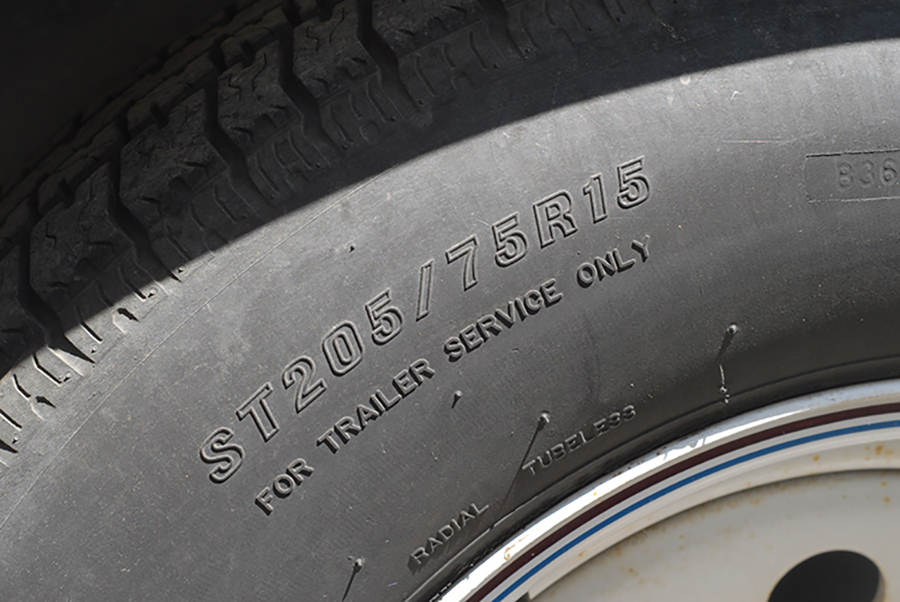
Of these, we found that only FMVSS 109 mentioned ST: “This standard applies to new pneumatic bias-ply and certain specialty tires, specifically new pneumatic radial tires for use on passenger cars manufactured before 1975, new pneumatic bias-ply tires, and ST, FI, and 8-12 rim diameter and below tires for use on passenger cars manufactured after 1948.”
Try as we might, we could not find any construction or testing language with regard to ST tires specifically, nor standards that differentiated them from other tires, in any of the FMVSS we were directed to. In addition, relevant FMVSS we reviewed were written years ago — some as far back as 1975, although they are apparently updated on the electronic Code of Federal Regulations website (ecfr.gov).
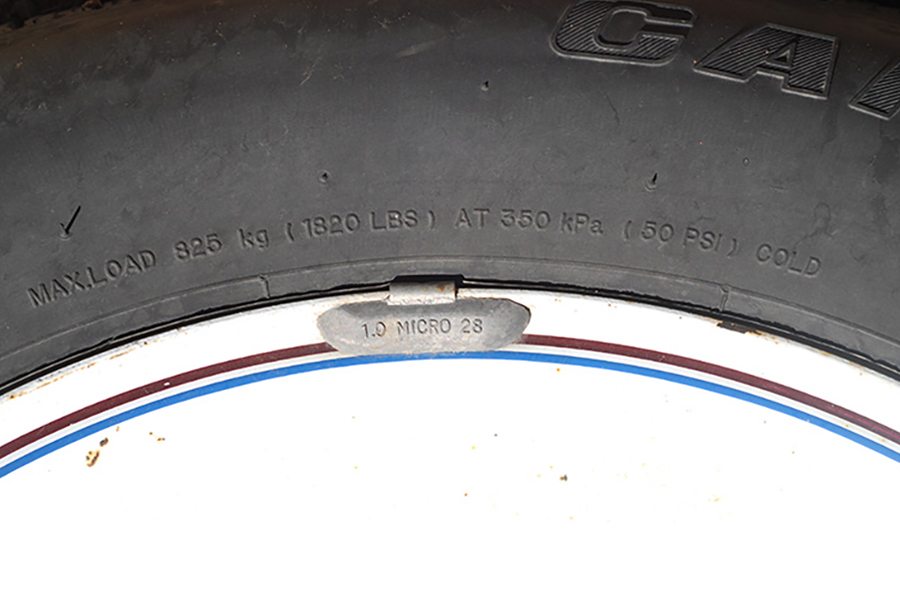
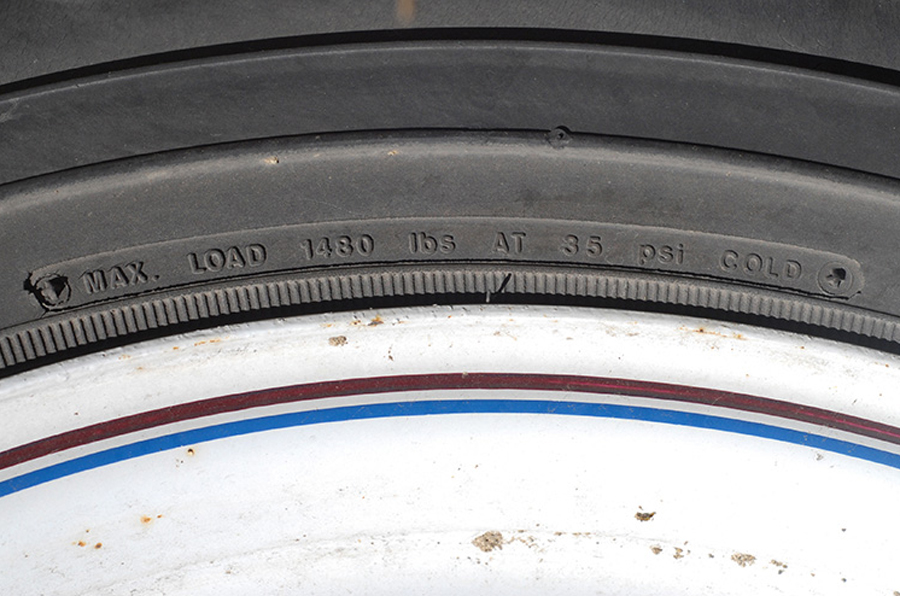
“The tire manufacturer just has to present data that it has complied,” Rohling said. “They have to test them where they are built, then submit the required data — and that goes for domestic and foreign manufacturers. They (NHTSA) may spot check here and there, but they can’t say that every tire is tested.” Nor, it would seem, can they specify or enforce a foreign manufacturer’s quality control processes once tires are in production.
“All new pneumatic tires for use on highway vehicles sold in the United States must meet relevant FMVSS established by NHTSA regardless of where a tire is made,” said Tracey Norberg, senior vice president and general counsel at the United States Tire Manufacturer’s Association (USTMA), the national trade association for tire manufacturers that produce tires in the U.S. “NHTSA enforces its regulations and can recall a tire for noncompliance or due to safety-related defect.”
It can. However, it stands to reason that with hundreds of brands and thousands of models to choose from globally, it simply can’t audit all tires sold in this country with any regularity. Add to this the fact that ST tire production (even total RV tire production) is only a fraction of passenger car/light truck tire production, and it’s hard to believe that ST tires get audited regularly (if at all). Granted, industry oversight (self certification) is a common practice in many industries, backed by standards and liability for companies not following those standards. We tried repeatedly to reach NHTSA for comment, but our requests went unanswered.
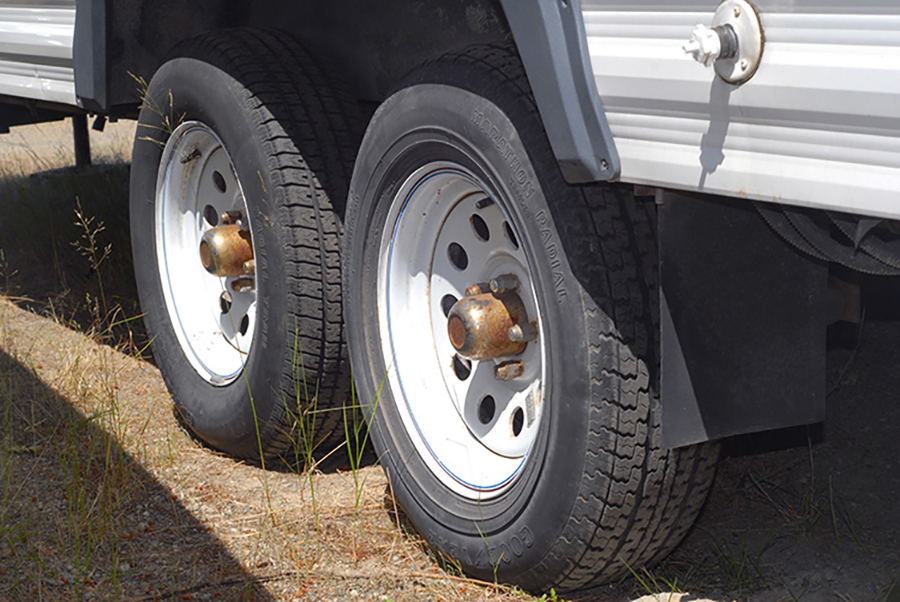
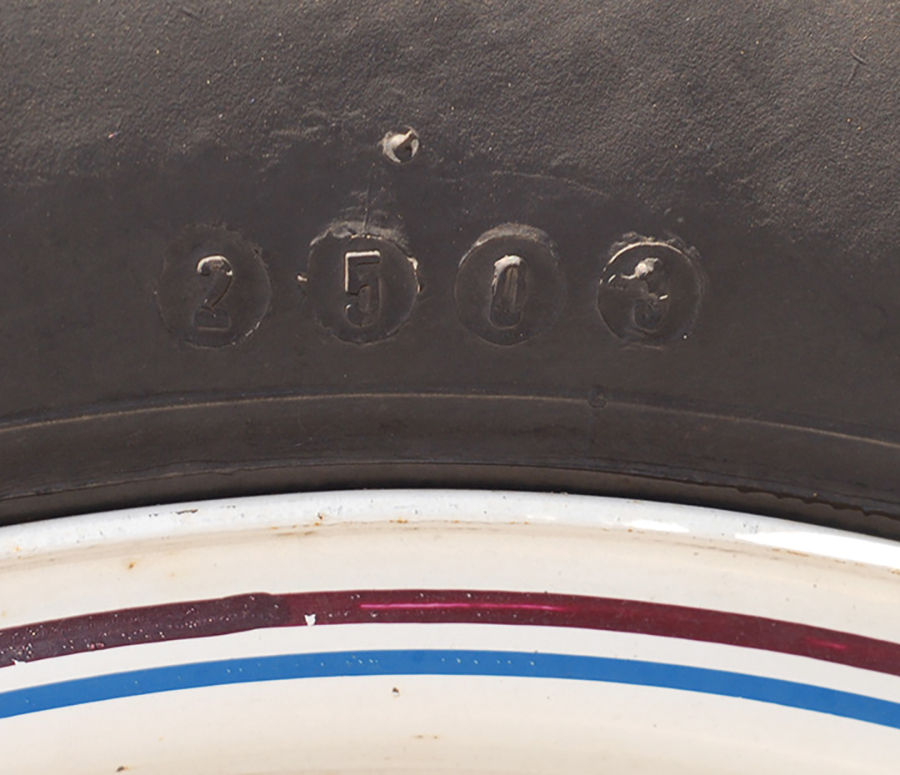
From our point of view, blaming vehicle operators for virtually all premature tire failures is an easy way to redirect attention from possibly poorly made, foreign ST tires and a self-certification system that seems in need of an overhaul. As long as it’s possible that the tire was underinflated, overloaded or improperly stored/maintained, then a defective tire can still be blamed on the consumer. Knowing that, an RV owner’s best protection is to take a strong pro-active approach to tire upkeep.
- Weight and loading: Keep your trailer tires inflated to the recommended pressure specified by the trailer manufacturer. Always weigh your trailer full of water, LP-gas and all supplies you would normally bring with you to make sure the trailer isn’t overloaded. You can do this at a public scale (as detailed in the May issue of RV Enthusiast, “Worth the Weight”) or better yet, at a shop that can provide individual wheel weights.
- Keep tabs on tire pressure: Most newer vehicles have a Tire Pressure Monitoring System (TPMS), but most trailers don’t. A good trailer TPMS will alert you when one or more tires is losing air, giving you a chance to have it repaired, or at least to pull over before it fails completely. Checking tire pressure manually with an accurate gauge before each travel day isn’t a bad idea, either.
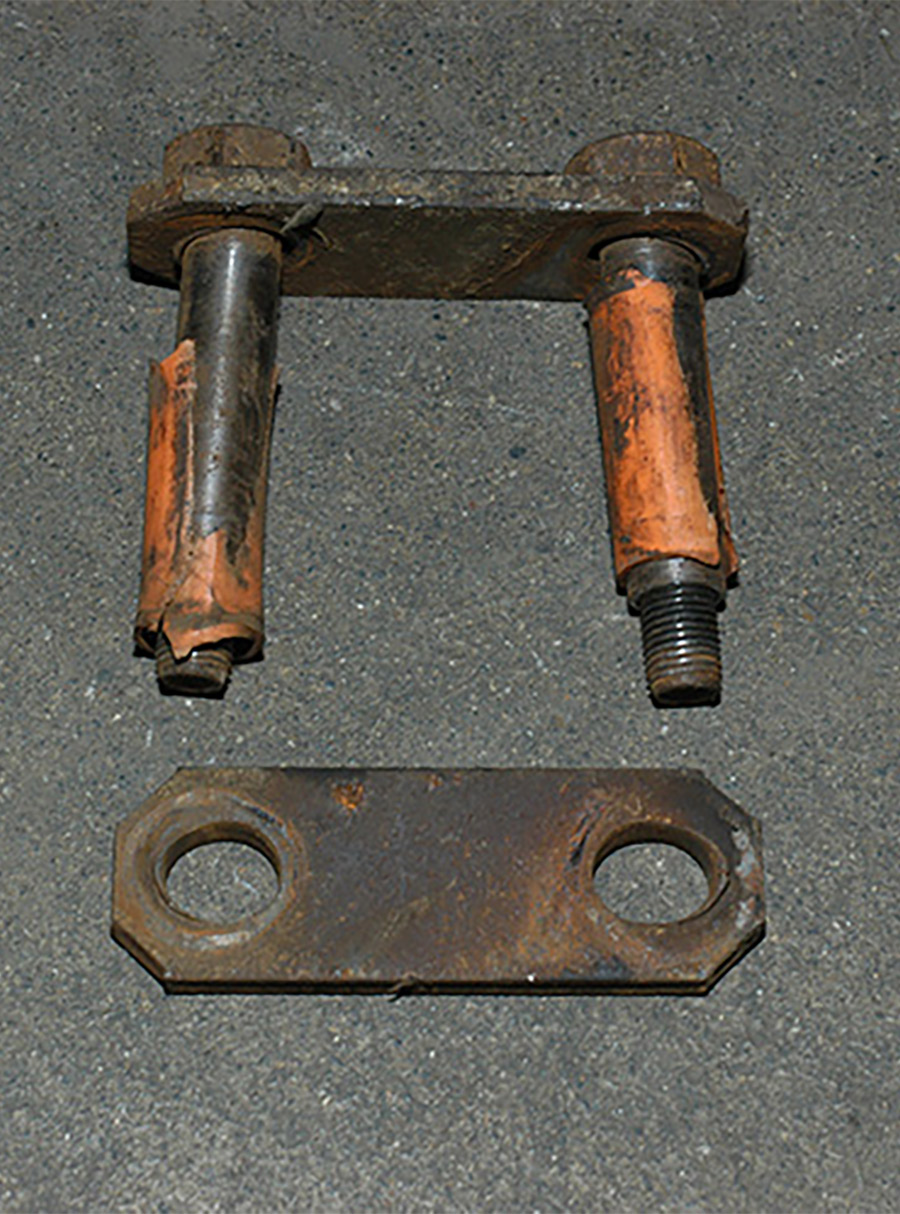
- Alignment: Most of us associate wheel alignment issues with the tow vehicle, not the trailer. However, trailers can also have poor alignment, and in fact, can suffer to a greater degree than the tow vehicle. Poor tracking, increased drag and accelerated wear on the tires (not to mention reduced fuel economy) can be the result. Incorrect trailer tire alignment can have many causes. One or more axles could be slightly bent, either at the factory, during delivery or by harsh impact on the roadway. It’s also possible that the trailer may not have been properly aligned at the factory, or the misalignment could be caused by loose or worn components. A bent spindle can also cause adverse tire wear. Seek a qualified alignment shop that can check the components and re-align the axles to the hitch point, whether that’s the hitch ball (travel trailer) or king pin (fifth wheel).
-
Balance: Unlike vehicle tires, trailer tires are usually not balanced at the factory — the prevailing wisdom being that no one rides in the trailer, so no one will feel the vibration. However, unbalanced tires can “cup” and wear excessively on their heavier side, so having your trailer tires balanced is another way to help improve longevity and reduce the odds that they will fail without warning.
Tires that are out of round can also cause irregular wear. An out-of-round condition can be caused by a bad rim, improper tire mounting or just a tire that was not correctly formed at the factory. While you’re having your tires balanced, have the technician check them for concentricity (roundness) at the same time to eliminate all possible variables.
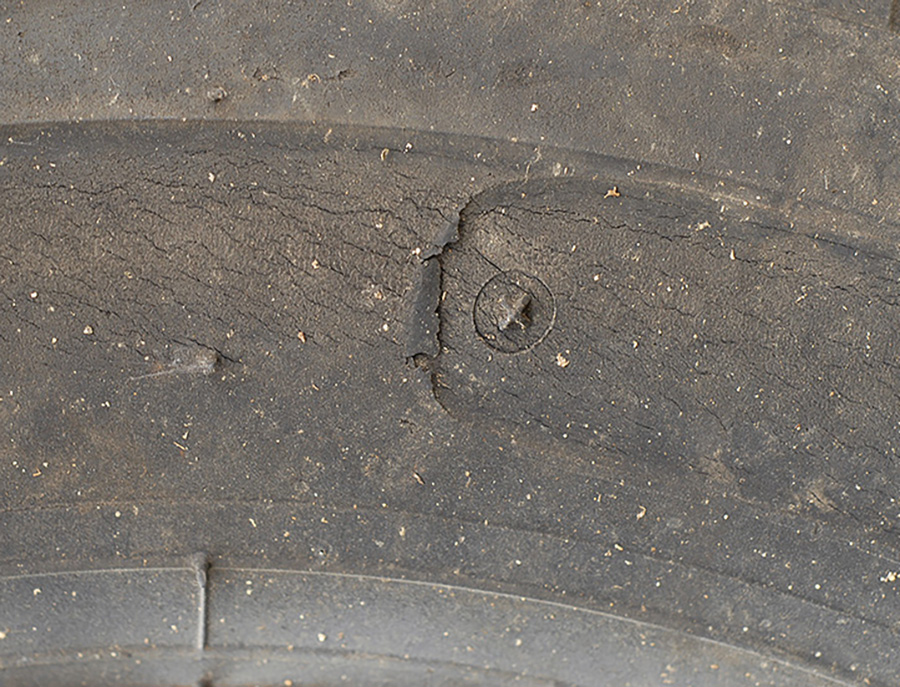
- Proper storage: The USTMA recommends that tires mounted on any stored vehicle be parked in such a way so that all weight is removed from the tires, which is a difficult proposition for a travel trailer or fifth wheel owner who may not want to risk axle or frame damage if the trailer isn’t lifted correctly. The next best option is to unload the trailer to reduce its weight, maintain the recommended tire inflation pressure and make sure that the surface where the trailer is parked is firm, reasonably level, well-drained and clean. Protect the tires with covers, particularly if they are exposed to the sun. If stored indoors, the tires should not be kept on concrete (consider plastic or plywood pads instead) and should be kept away from sources of ozone (electric motors, furnaces, etc). The trailer should be moved every three months (minimum) to prevent flat spots. Before returning the tires to service, the USTMA recommends that you inspect the tread and sidewalls for irregular wear, cracking, scrapes, bulges, cuts, foreign objects or other damage resulting from use. The USTMA also recommends that consumers have their tires periodically inspected by a tire service professional who is trained to see potential problems you may not even notice.
- Slow and easy: Most trailer tires are rated for 65 mph unless otherwise noted in the tire’s speed rating. While it may be tempting to drive faster (especially in higher speed zones), you’re putting your tires at higher risk when they are at or near maximum speed, particularly if they’re close to their load limit. Take it easy and enjoy the journey; driving more slowly nets better fuel economy, too.
Years ago, trailer tires were mostly bias ply, but today, travel trailers and fifth wheels leave the factory with radial ST tires. In addition, radial trailer tires have a more rounded shoulder design, which allows them to perform better in lateral scrub conditions such as turning and backing.
- Do your homework: If a tire fails, the TIA, USTMA and RV Industry Association (RVIA) recommend that you contact NHTSA directly through its tire complaint form https://www.nhtsa.gov/report-a-safety-problem#tire or by calling its Vehicle Safety Hotline (888-327-4236). Essentially, the NHTSA can’t act on what it doesn’t know about — and we’re told that it will pay attention if there are enough complaints, especially about the same tire brand. “Any time you have a tire fail, save it,” Rohlwing advised, “don’t throw it away. If you can’t produce the tire, you’ve got nothing. You have to have evidence. You’ve got to be able to produce the tire(s).” In addition, Rohlwing said you should take plenty of pictures and detailed notes — where you were, direction of travel, time of day, ambient temperature, data from TPMS (if you have one) and anything else you can think of. Make sure you record the tire brand, line, size, load index, speed rating and DOT tire identification number.

-
Alternative tires: If you have had problems with readily available ST tires, you still have options. One is commercial tires (designed for commercial applications like cargo trailers), which feature heavier construction. One popular commercial brand that we’ve had good luck with is Sailun, and these are being offered as an option on new Montana trailers as well.
However, these are not available for 15-inch wheels, which many trailers still have, so a wheel change would also be required (which could create clearance problems). Another popular choice are light truck or LT tires. In any case, always consult with a tire professional before considering a different type of tire to make sure the width, height and load/speed ratings are compatible, and that the new tires do not violate the rim’s pressure rating.
- Radical change: This may be a stretch, but one of the industry experts we spoke with offered another suggestion that was, at the very least, interesting: A consortium of trailer owners (perhaps in a Facebook group) who have experienced premature failure or blowouts who get together to establish a centralized location to have the failed tires shipped to. It could be as simple as a warehouse or barn belonging to one of the members. Each tire is shipped with detailed notes and any relevant images of the failure. Once enough tire carcasses and notes had been assembled (say 100 or more), the consortium could hire a forensic tire expert (with help from a local attorney) who could help expose the ST tire failure epidemic and get the attention of NHTSA. With enough proof that tire defects were to blame, maybe — just maybe — RVers could affect change. Just remember: The last time tire failures got the attention of NHTSA, it was the infamous Firestone vs. Ford fiasco of 2000. It’s not easy to change a federal standard.
nhtsa.gov
RV Industry Association
rvia.org
United States Tire Manufacturer’s Association (USTMA)
ustires.org