

Driving Deep into History
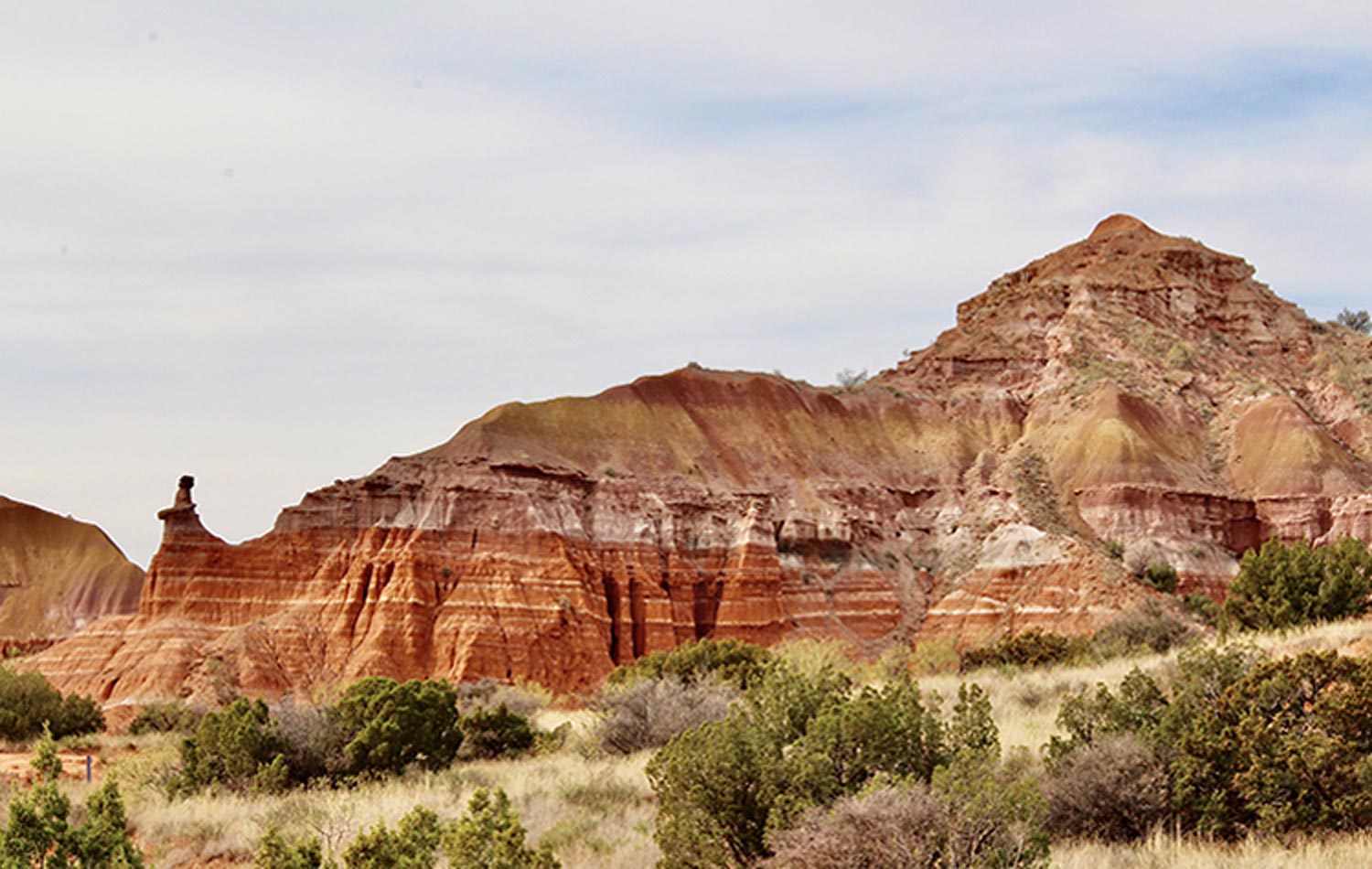
he Llano Estacado is a vast, dry plains area located in the southwestern United States, covering parts of eastern New Mexico and the panhandle of northwest Texas. The area is often described as being made up of “baked nothingness” — but within these arid plains, visitors will find a giant gap in the ground and soon discover this little-known canyon is the second-largest canyon in the United States. Palo Duro Canyon shares many similarities with the Grand Canyon, but has far less distinction — and, hence, crowds of people — than Arizona’s popular landmark, making it well worth a side excursion for anyone wanting to view the power and beauty of nature. Carved through millions of years of erosion, these canyons have similar geological features, including multi-colored layers of rock and steep mesa walls.
Palo Duro Canyon was shaped by the Prairie Dog Town Fork Red River that winds through west Texas and suddenly runs off the Caprock Escarpment; the river carving its way through the southern high plains of the panhandle created Palo Duro Canyon. Today, the canyon measures approximately 120 miles in length and up to 20 miles in width with an average depth of 820 feet; in some spots, the canyon measures as much as 1,000 feet deep. The canyon also has many notable features including caves and “hoodoos,” oddly shaped stone pillars formed by erosion. (Bryce Canyon National Park, in southern Utah, is said to be home to the largest number of hoodoos.)
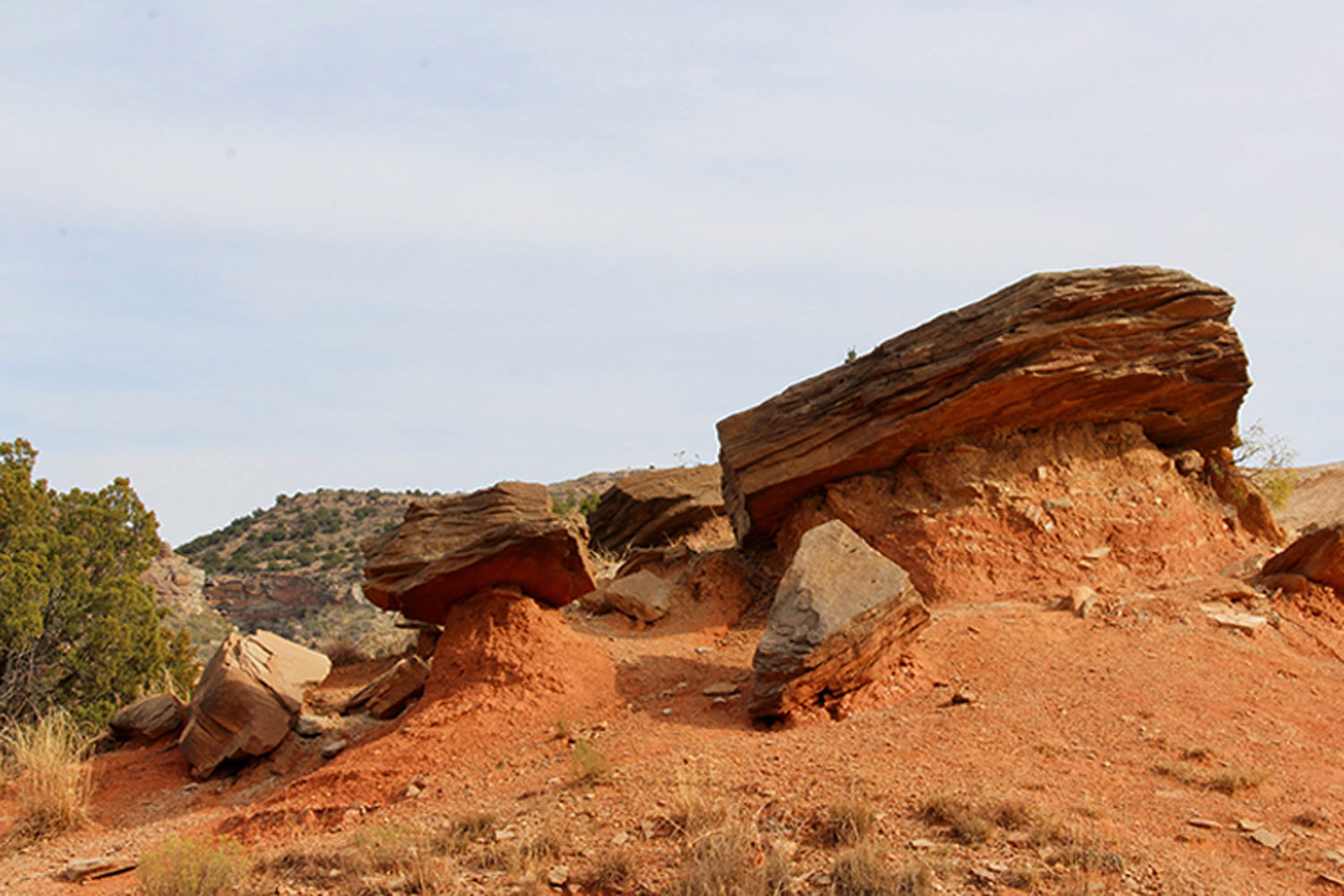
Hoodoos can be seen along many of the hiking trails in Palo Duro Canyon State Park. This mushroom-shaped hoodoo is on the Lighthouse Trail.
Though many travelers today may not be familiar with Palo Duro Canyon, there is evidence of human habitation in this canyon dating back 10,000 to 15,000 years ago. The first inhabitants of the canyon were primarily nomad hunters who inhabited the canyon because of the ample game and natural protection provided by the landscape. Native Americans of the Apache Tribe lived in the canyon in the 1500s and were eventually displaced by the Comanche and Kiowa Indians. In 1541, the Coronado Expedition brought the first European explorers into this canyon and introduced horses to the area, as well. Native Americans continued to inhabit the canyon for the next several hundred years, until 1852 when the U. S. military sent a team of men into the area to map the canyon. Approximately 20 years later, U. S. Army troops were sent to remove the Native Americans and forcibly move them to reservations in Oklahoma. The most significant military confrontation between the U. S. Army and an encampment of Plains Indians took place on September 28, 1874. Known as the Battle of Palo Duro Canyon of the Red River War, U. S. Army troops led by Col. Ranald Mackenzie attacked the Indian encampment. The Comanche and Kiowa Indians conceded and fled to Fort Sill Reservation in Oklahoma. A few years later, the J.A. Cattle Ranch was established in the canyon by two wealthy businessmen and operated for about 15 years. In 1934, Texas purchased 29,000 acres of land in Palo Duro Canyon and established it as a state park.
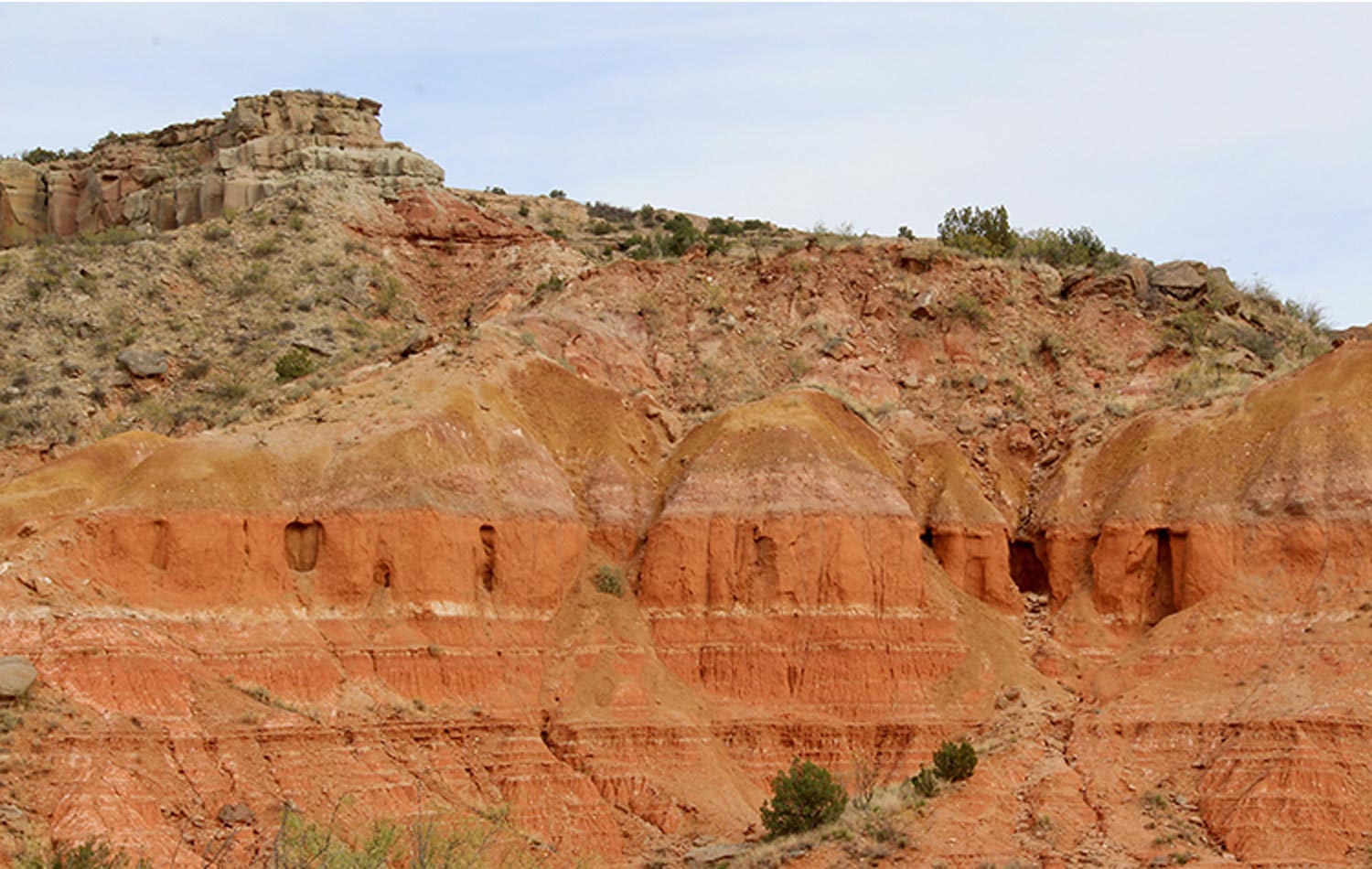
The high cliffs are pockmarked with caves. The rust and ocher-colored layers of sedimentary rock add beauty to this arid canyon.
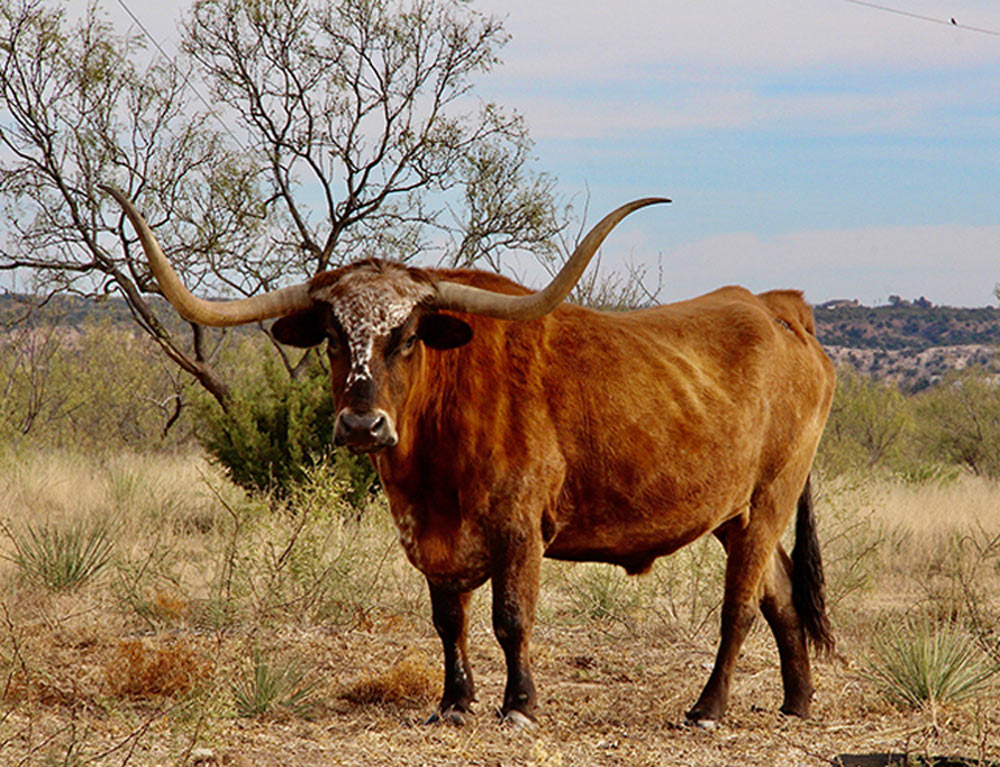
Texas Longhorns can often be seen grazing in the canyon. Texas maintains a herd of Longhorn cattle as a way of preserving part of its history.
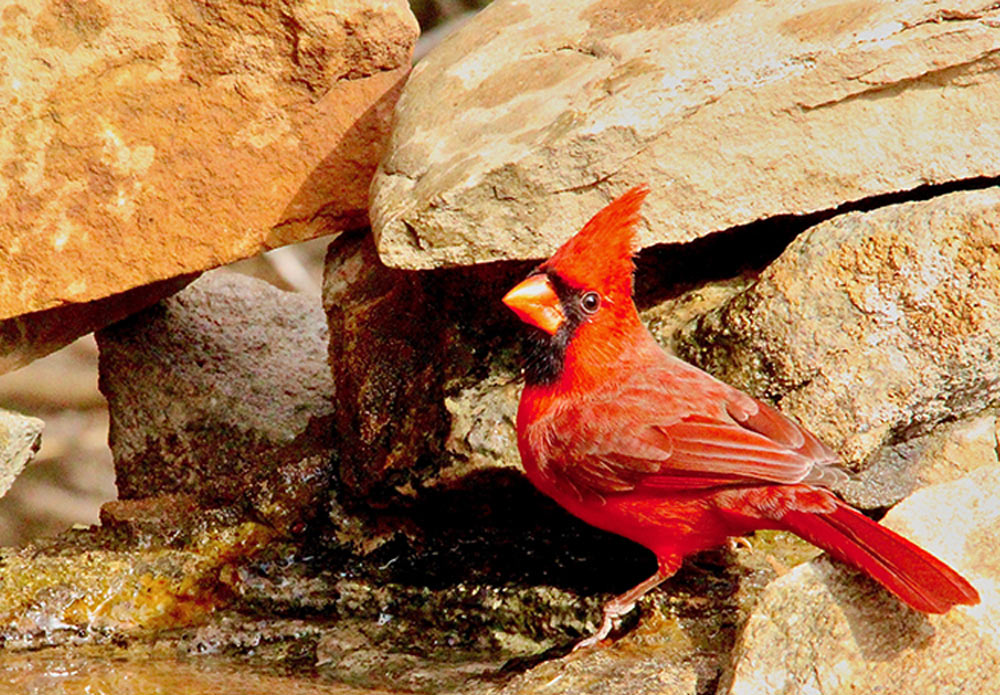
Palo Duro Canyon offers a variety of activities for visitors, including 36 miles of trails for hiking, biking or equestrian activities. Trails range from ½ mile to about 8 miles in length and can be found by going to www.alltrails.com. One of the most popular hiking trails is the Lighthouse Trail, a 6-mile roundtrip route, which takes you through the park’s signature geological formations. Go to www.tpwd.texas.gov to download a copy of the trails map for this park. If you are interested in horseback riding, Old West Stables offers horseback riding tours through the park on a daily basis. Birding is another very popular activity in Palo Duro, with more than 240 different species of seen in the park. Park management have actually built several “bird blinds” to allow visitors to observe birds and other wildlife without disturbing the animals. Geocaching, an outdoor recreational activity using GPS or other navigational techniques to hide and seek containers called geocaches, is another popular activity in the park. Photography, studying nature and stargazing can also be added to the list of activities. If you enjoy animals, you should check out the Texas Longhorns — several members of the official State Longhorn Herd live in the canyon and can often be seen along the rim near park headquarters or in Longhorn Pasture. The park cares for these Texas Longhorns as a way of preserving its state history. Park rangers also give daily talks and lead hikes and can provide more detailed information on any of the activities listed here.

Canyon is the closest town (about 10 miles away) and offers a few additional points of interest that you won’t want to miss. The Panhandle-Plains Historical Museum, located on the campus of West Texas A&M University, is the largest history museum in Texas. From dinosaurs to conquistadors, you will find it all on display in this museum. The museum also houses a life-size pioneer town to show visitors the struggles of the settlers that once lived in the panhandle area, and has one of the Southwest’s finest art collections. The museum is open Monday through Saturday, 9 a.m. to 6 p.m. and Sundays from 1 p.m. to 5 p.m. Admission is $12.50 for adults ($10 for seniors). You should allow yourself approximately half a day to visit this museum. While you are driving through Canyon, be sure to check out the Tex Randall, Big Texan statue on 3rd Avenue. This 7-ton slouching cowboy statue stands 47 feet tall and has become a Texas icon in Canyon since 1959.


One of Canyon’s more famous residents was the painter, Georgia O’Keefe. From 1916-1918, O’Keefe produced a multitude of paintings of Palo Duro Canyon, sharing her memories of this place on canvas. When asked about her canyon paintings, she is quoted as saying: “It is a burning, seething cauldron, filled with dramatic light and color.” I spent several days exploring Palo Duro Canyon and concur. This little-known canyon is sure to capture many memories of a natural wonder that that took millions of years to create.
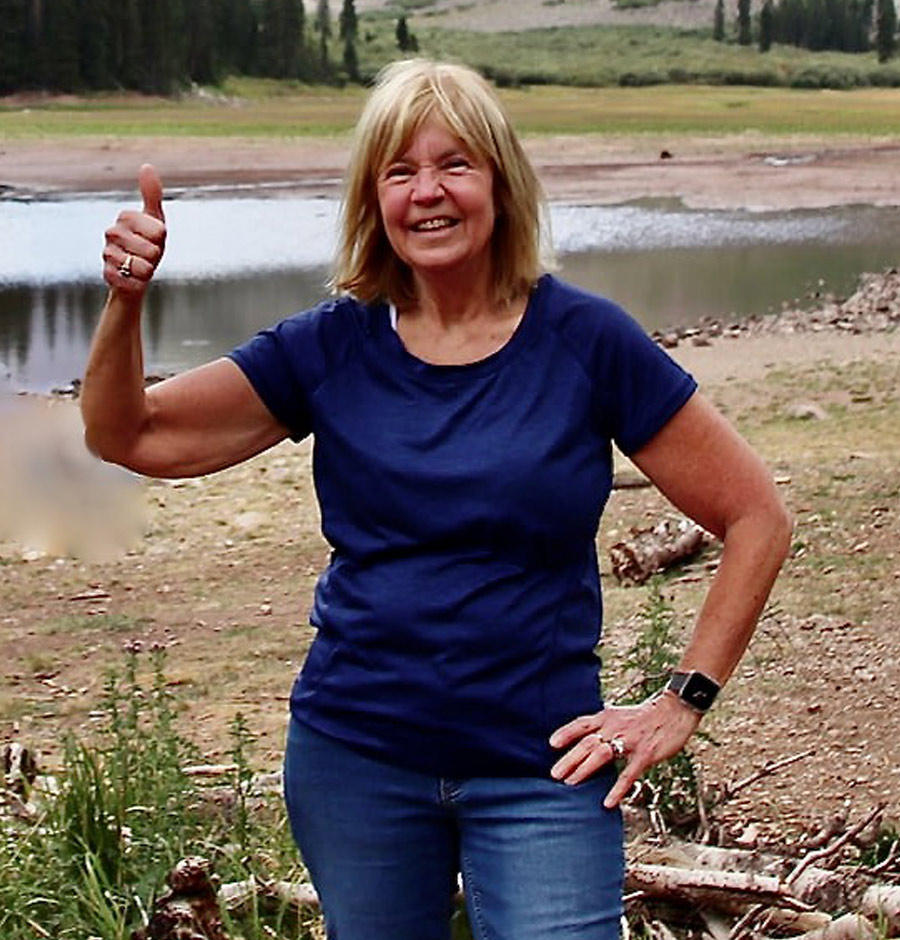
Suzanne Strauss and her husband, Rich, have been full-time RVers for about four years. They started out camping on weekends in a pup tent; eventually, they bought a small single-axle travel trailer to “test the waters” and fell in love with RVing. Now living full-time in a motorhome, they ply the roadways in search of interesting and “off the beaten path” places. She can be reached at: RStrauss22@gmail.com