

s the travel season comes to a close, now is a good time to think about detailing the interior of your RV before Old Man Winter comes rolling in. None of us particularly like the idea of housework, but cleaning the RV’s living space before putting the rig away for the season means you’ll return to a clean, fresh interior come springtime. Besides, keeping your carpet/floors, furniture and cabinets clean will keep them looking newer, longer.
RV interiors are different from many homes in that they can consist of multiple materials and surfaces, like carpet, fabric upholstery, leather/Ultraleather, tile, stone, fiberglass and wood — and each has its own cleaning regimen. The good news is that it only takes a few hours and a few common household and RV-specific solutions to make your RV sparkle like new inside.

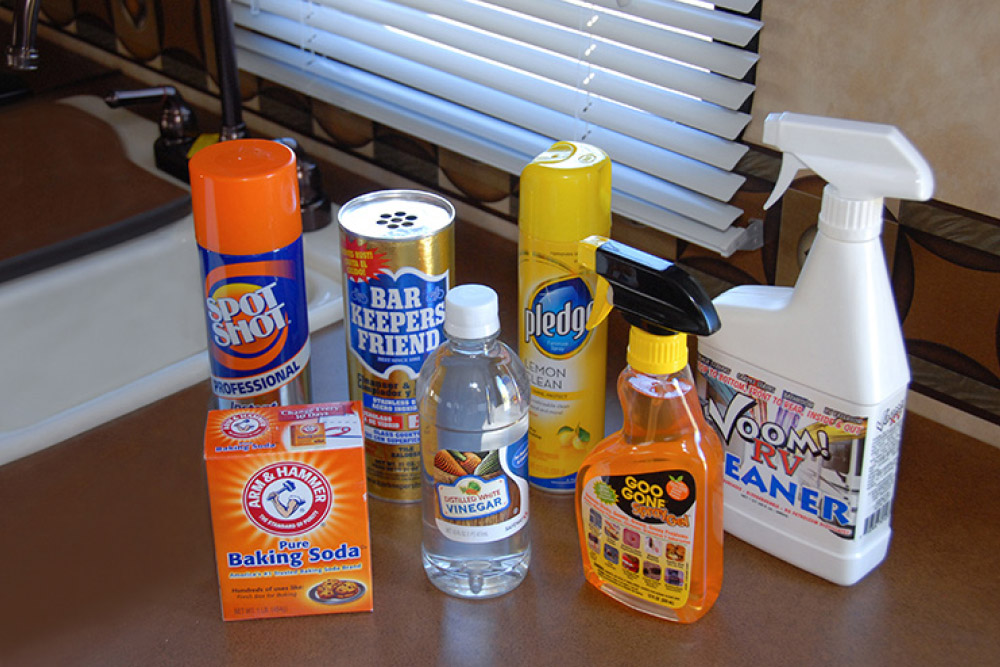


So how do you know what’s best for you and your RV? Look for products that have been awarded the Carpet and Rug Institute (CRI) Seal of Approval (SOA). The CRI tests an assortment of carpet cleaning solutions and equipment and has found a big difference in how well these products work. According to the organization’s website, the CRI is the carpet industry’s only scientific program designed to test and measure the effectiveness of cleaning products and equipment, helping consumers make informed decisions about the product(s) they use. Products are evaluated on seven performance attributes, which include soil removal efficacy, resoiling, residual moisture, surface appearance change, pH level and optical brighteners.
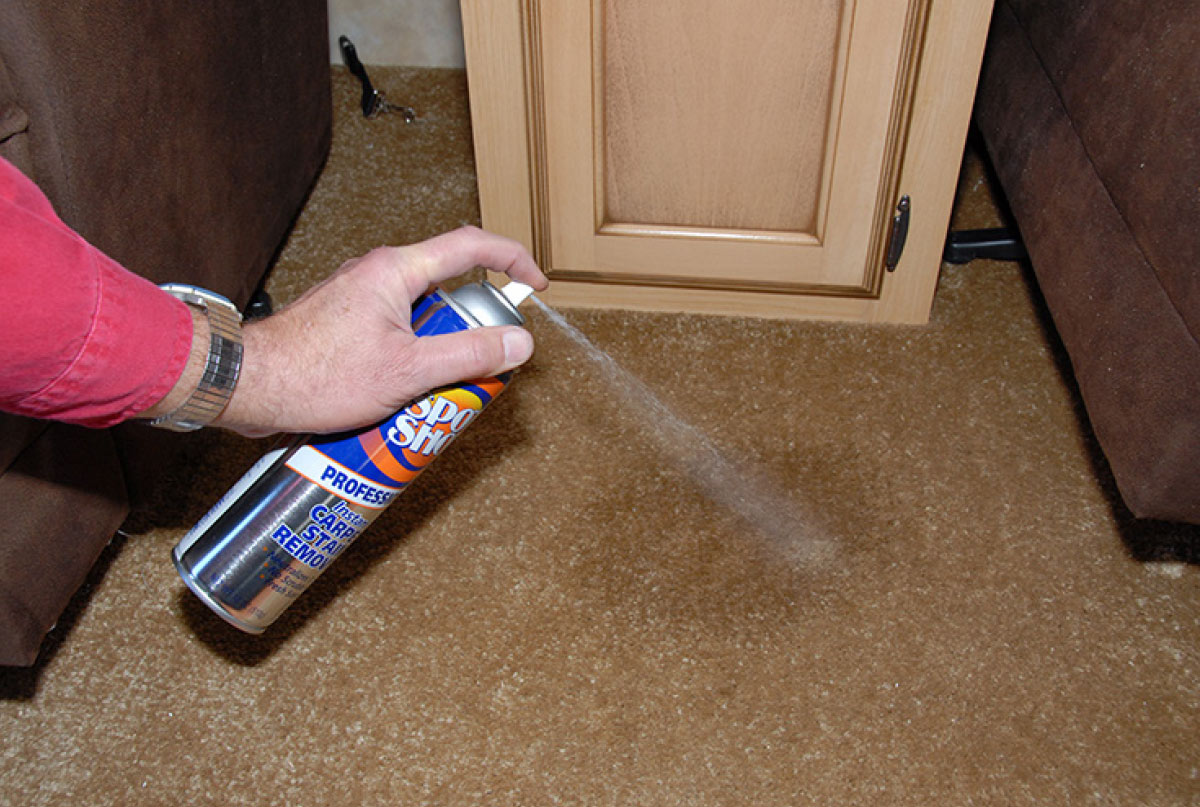
Spot Shot, a product of the WD-40 company, is one carpet cleaning product that is a recipient of the CRI SOA and has received rave reviews on the Internet. We’ve tried and continue to use this product ourselves on both carpet and fabric upholstery (always test any product in an inconspicuous area first before using as directed). Spot Shot has a mild scent and is non-toxic and biodegradable, so it’s safe for you, your pets and your kids. For pet stains, consider Spot Shot Pet Instant Stain and Odor Eliminator, or Nature’s Miracle.
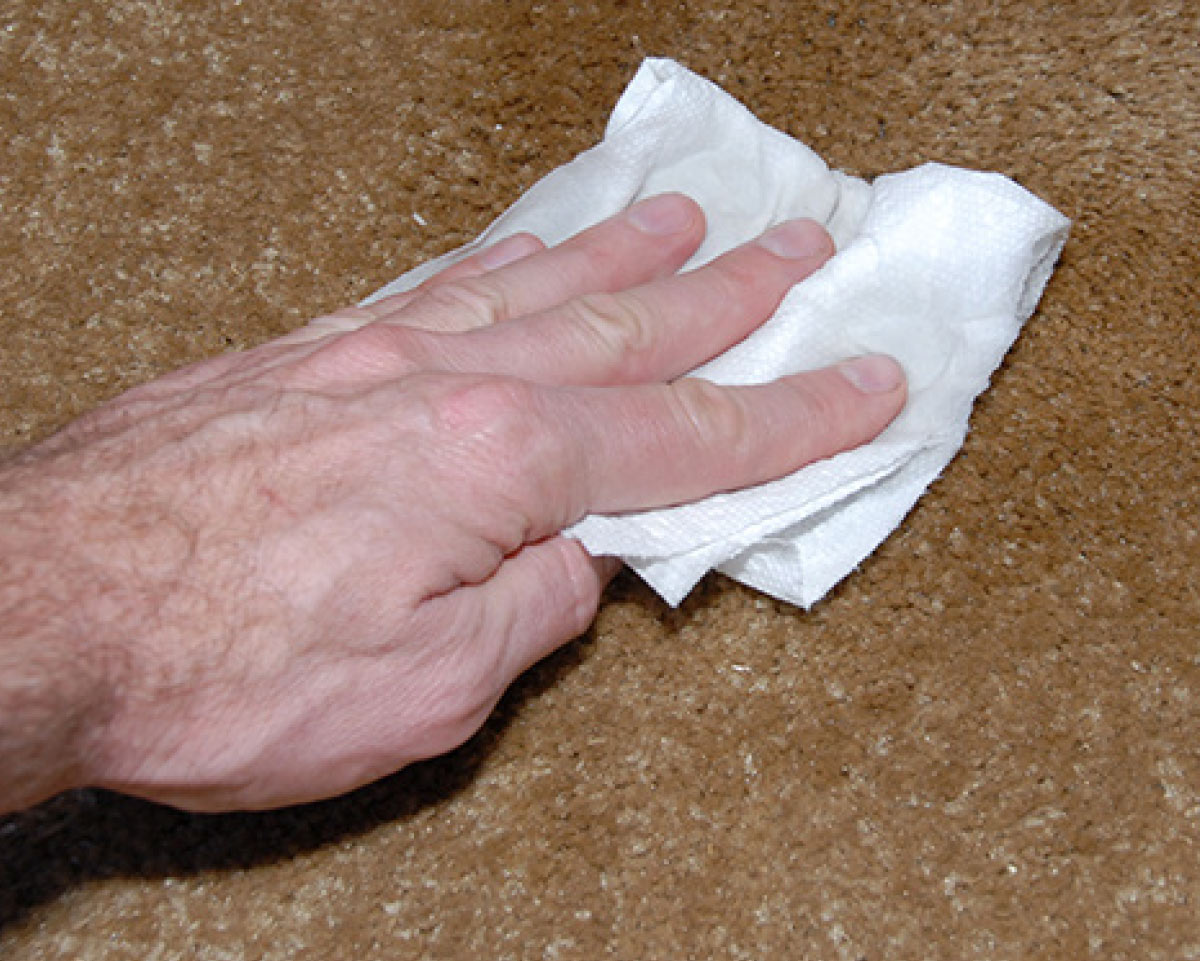
- Act quickly — delaying may cause the spill to become a permanent stain. Blot liquids with a dry, white absorbent cloth or white paper towels. Gently scrape up semi-solids with a rounded spoon. Break up solids and vacuum.
- Pretest any spot removal solution (for color transfer to the cloth or damage to the carpet) in an inconspicuous area. If a change occurs, select another solution.
- Apply a small amount of the solution to a white cloth and work in gently (don’t rub), working from the edges of the spill to the center to prevent spreading. Allow to remain on the spill a few minutes. Be patient. Blot.
- Continue to use the first agent as long as there is a transfer of the spill to the cloth. Complete removal may require repeating the same step several times.
- When the spill is completely removed, rinse the area with cold water; blot with a dry cloth until all moisture is removed.


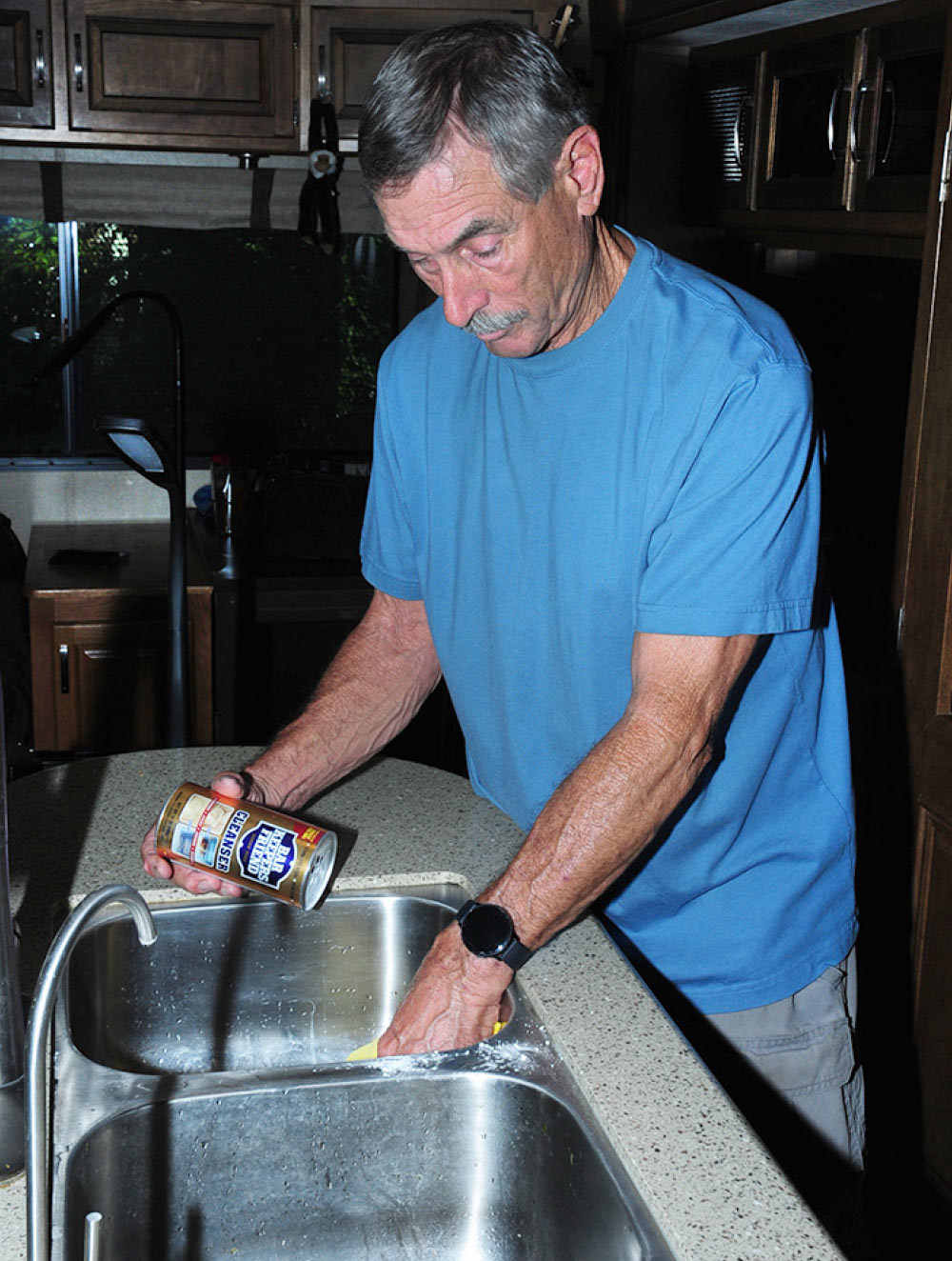
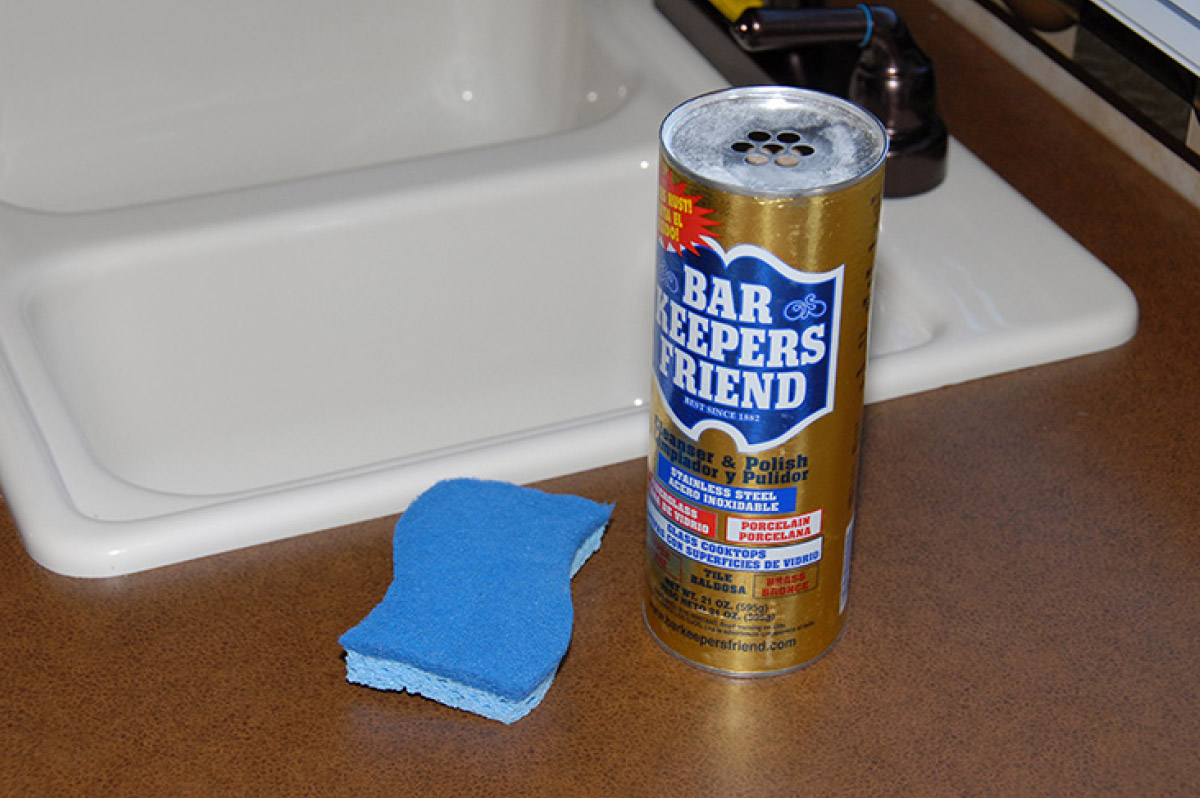
There are also a number of different companies manufacturing so-called “solid surface” products, which is pretty much any surface made from polyester, acrylic or, in some instances, a combination of both. These counters are easy to clean but can scratch easily if an abrasive is applied. Use only a non-abrasive cleanser like Bar Keepers Friend and a non-scratching scrub sponge on countertops to avoid damage (that goes for the solid-surface sink, too, if applicable). The good news is, solid surface products are all easy to repair, so if you do scratch it, the damage can usually be buffed out.
The last category is natural stone and engineered stone surfaces. The only thing to be aware of here is that natural stone is porous, even if a coating has been applied. That means there are tiny nooks and crannies in the surface that can allow bacteria to grow (which is why it’s not used in restaurant kitchens) — make sure you use an anti-bacterial cleaner on these counters, like the aforementioned Lysol or Clorox wipes, to be safe, and use non-scratching pads to remove tough stains. Engineered stone products look and feel like natural stone but are non-porous. If in doubt, ask your dealer/manufacturer what material was used in your RV, and recommendations for cleaning it.

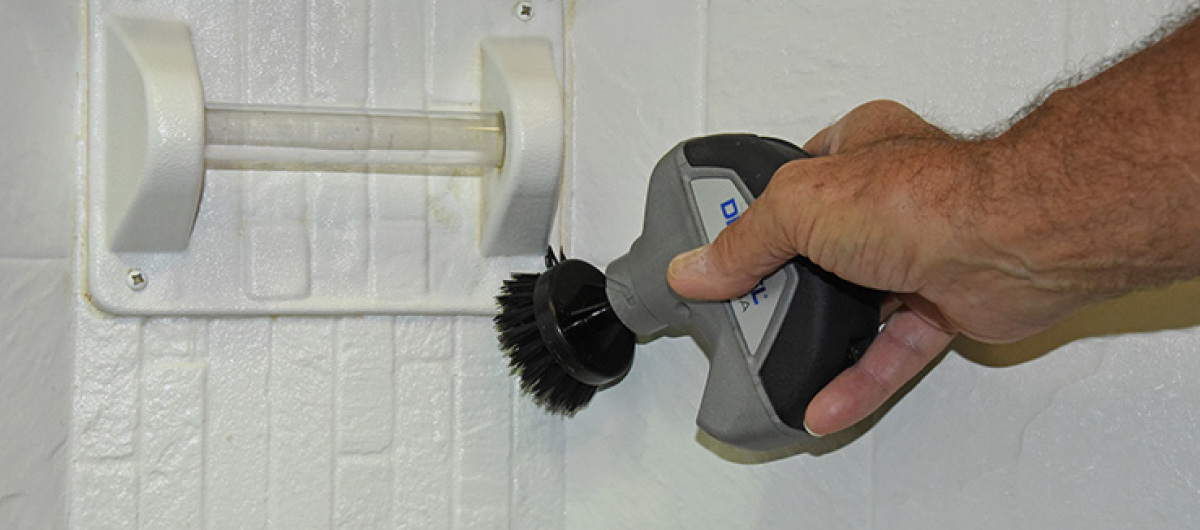
If you want to dial back on the elbow grease, one product we’ve used with a great deal of success is the Dremel Versa, a handheld, wireless cleaning device that makes easy work of removing grime and stains from various surfaces — and really works well in the bathroom with all its crevices. The Versa fits ergonomically in your hand, is lightweight and can be fully charged in around two hours. It typically sells for $40 on Amazon (https://amzn.to/3xCsiVw) and comes with an eraser pad, non-scratch pad, heavy duty pad, bristle brush, rubber splash guard (which sometimes gets in the way when working in tight areas) and the base for attaching the pads. Replacement pads are available in kit form or individually online and at home improvement stores.
Upholstery, though, is quite a different matter. As with carpet, there are dozens (perhaps hundreds) of different fabrics on the market today, not to mention leather, synthetic leather (aka Ultraleather) and synthetic suede (aka microsuede). Generally speaking, most of the techniques used to clean carpet will also work on fabric furniture, but it’s a good idea to find out how to clean your specific furniture — and what product to use — before an accident happens. For example, Ultraleather and microsuede have a reputation for easy clean up — but where the former cleans up with a sponge, mild detergent and water, the same isn’t necessarily true for the latter. There are actually different types of microsuede — some that clean up with water, some that don’t — and if you use water on the wrong type, you can cause a permanent stain.
Some microsuede materials repel liquid, while others can be stained by it — so the first step is to determine the type of microsuede used. Underneath the seat cushion or elsewhere, there should be a label that identifies the type of fabric, and how it should be cleaned. Furniture labeled “W” should be cleaned with a water-based solution, or just water. “S”-labeled furniture, on the other hand, will be stained by water and must be cleaned with a water-free dry cleaning solvent. There are consumer products designed for dry-cleaning, such as Woolite Carpet and Upholstery Cleaner, but it is probably best to seek professional help with this type of product. An “X” label means that you should vacuum clean only. For this type of fabric, make sure you attend to the spill right away — dab it lightly with white paper towel or cloth so that it won’t soak in, and sprinkle baking soda over larger spills. When it dries, use a vacuum on the area. In general, it’s always a good idea to vacuum before cleaning and perform a “spot test” with any cleaning product in an inconspicuous area (like the back of the furniture, for instance) to make sure it does not discolor the fabric.
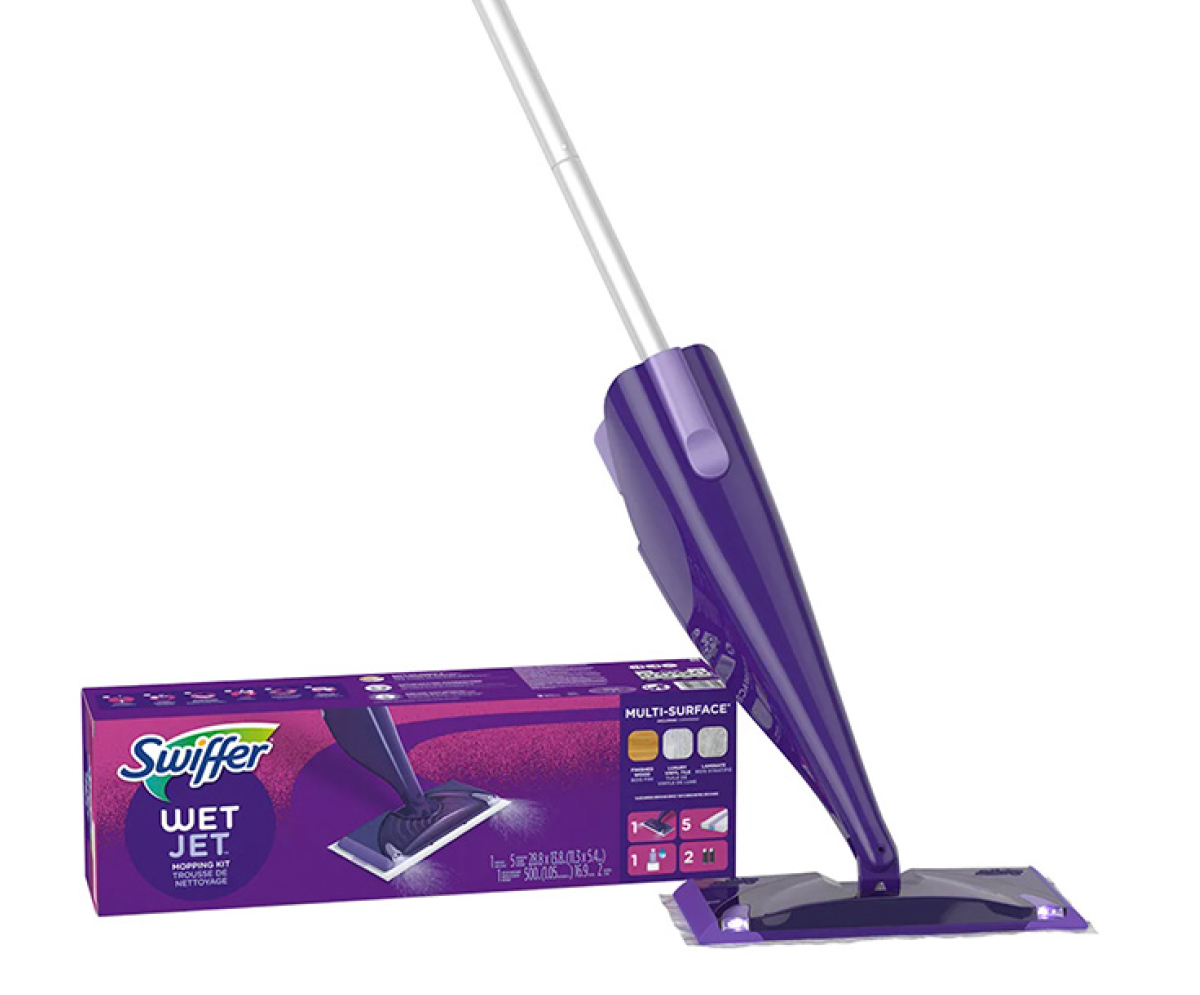
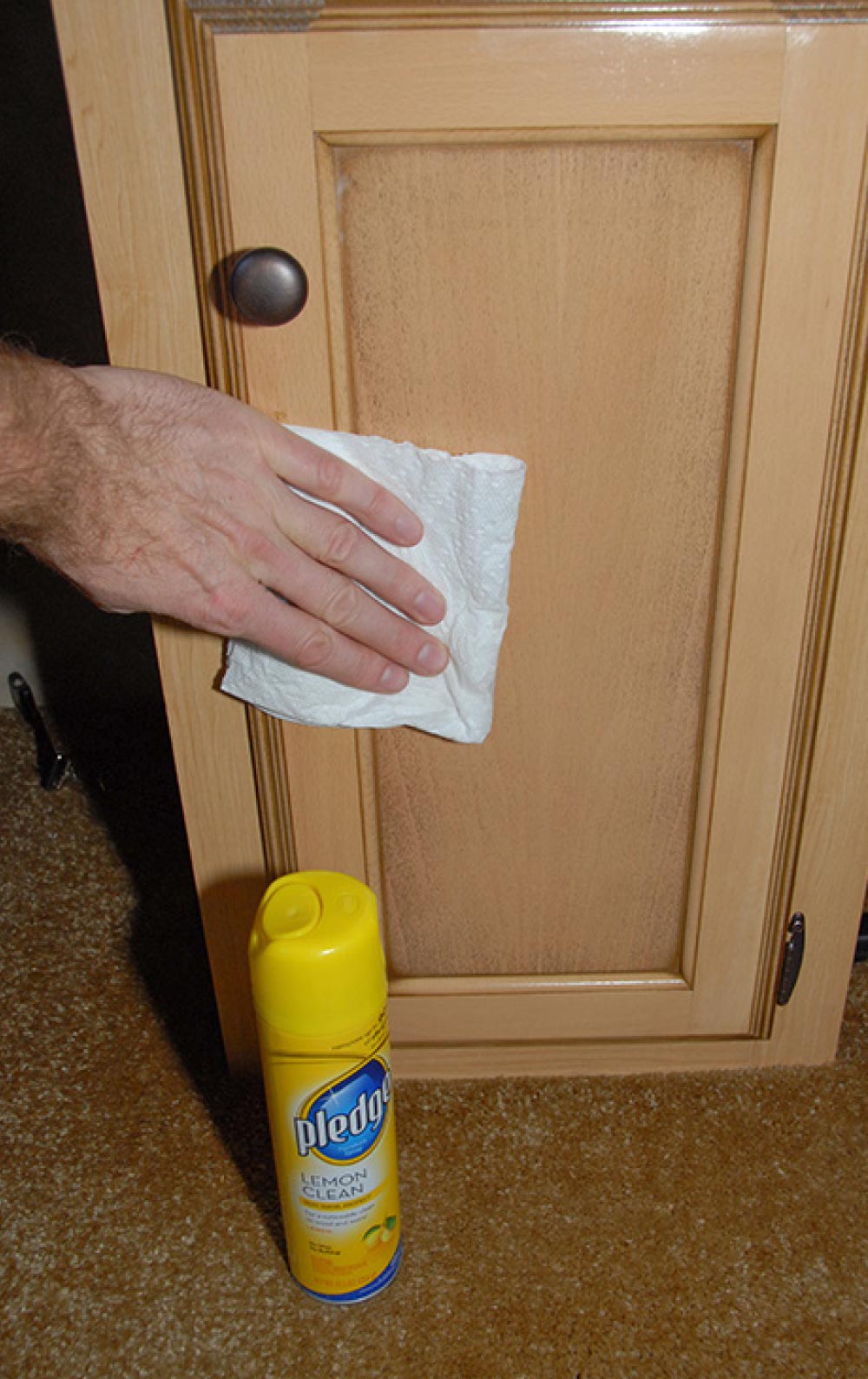
- Dust: A Swiffer duster is great for getting in between mini blinds; the California Dash Duster is perfect for removing dust from flat surfaces.
- Pet Fur: Using a vacuum to remove pet hair from furniture and bedding is almost futile. The best method we’ve found is to use a silicone pet hairbrush, or even a common rubber dishwashing glove, to rub the fur out of the fabric. Then you can vacuum it up. For smaller accumulations of pet hair, Scotch Brite 50% Stickier Large Surface Lint Rollers (https://amzn.to/3pkS5kb) work great on upholstery and other cloth materials.
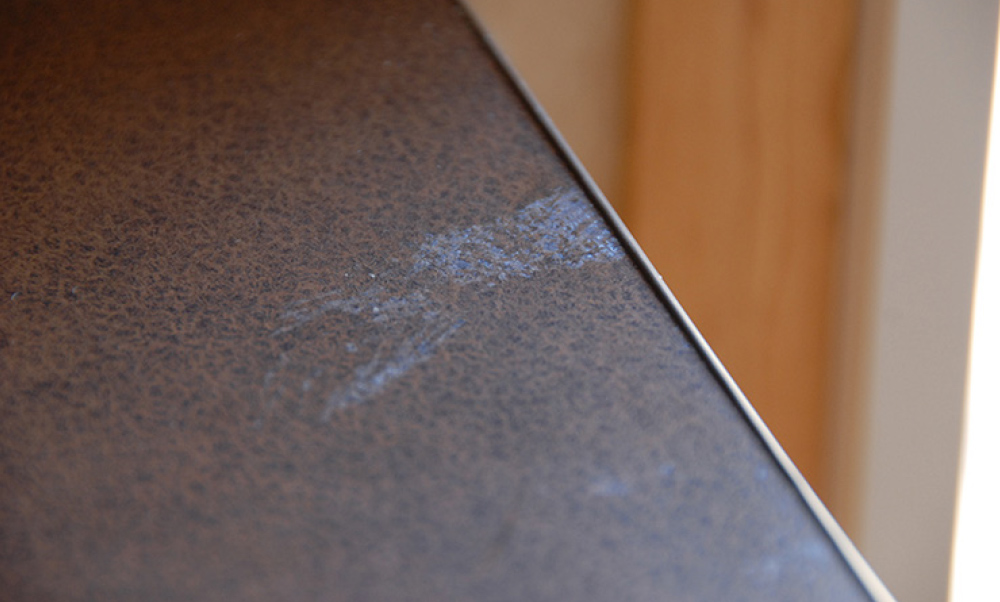
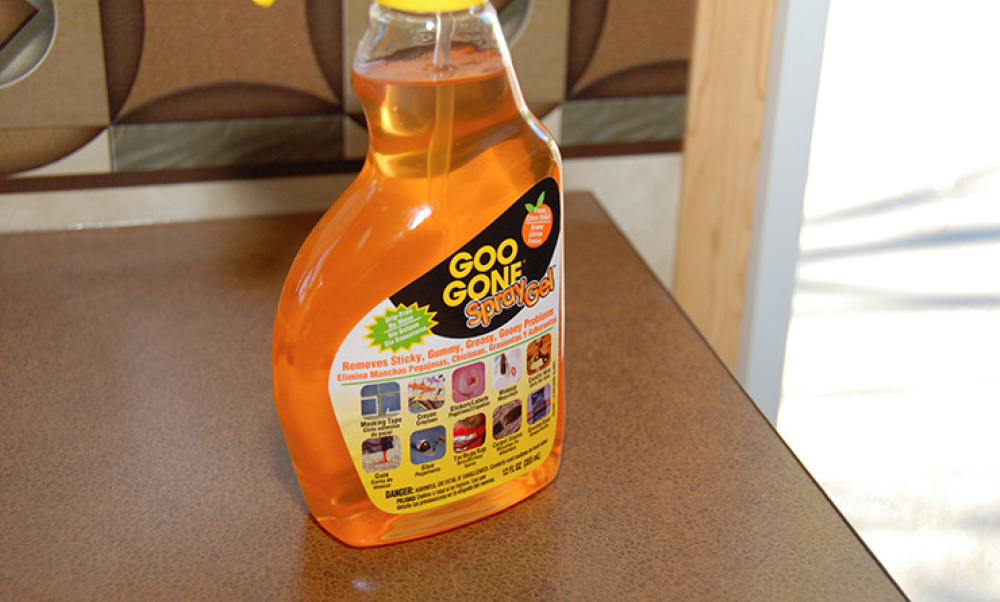
- Sticky Stuff: In our opinion, it’s hard to beat original Goo Gone. We’ve used it on a number of stubborn messes, such as tar, stickers, tape residue and Crayon marks — but the company also claims it can remove oil, blood, lipstick, mascara and shoe polish. It’s environmentally friendly and has a pleasant citrus scent.
- Dirty Fingerprints and Smudges: We have found that the original Mr. Clean Magic Eraser really does work like magic on a variety of surfaces. Made from melamine resin foam, these pads require only water to clean walls, doors, light switch panels and more — just be sure to test first on an inconspicuous spot to make sure it won’t cause scratch marks. There are also bath and kitchen variants available that make cleaning specific surfaces easier.
- Windows: Take your pick from any of the dozens of window-cleaning products out there and hope the one you choose really works. We found Invisible Glass (invisibleglass.com) to be one of the best window cleaners out there. Or, you can take a tip from old pros and use plain ‘ole white vinegar and newspaper.
