

t’s probably safe to say that RVers get into the lifestyle to spend time in natural environments — the outdoors, if you will. Yet, nature creates a long list of problems for RV owners as they struggle with issues caused by being where they love to be. Ironically, the same pleasures of nature that attract people to the outdoors can have a detrimental effect on how well an RV works over a long period of time.
Fortunately, RV owners are a patient lot — or maybe the lifestyle is so compelling that people simply take issues in stride just to be able to stay on the road and experience life to its fullest extent. No one ever said that RV ownership is free of stress, but neither is dealing with airports, airplanes, crowded hotels and lugging around all your stuff in suitcases. While there will always be components that need repair and maintenance, many problems are caused by critters and weather. And while rough roads wreak havoc on all vehicles, it seems RVs take the brunt of it.
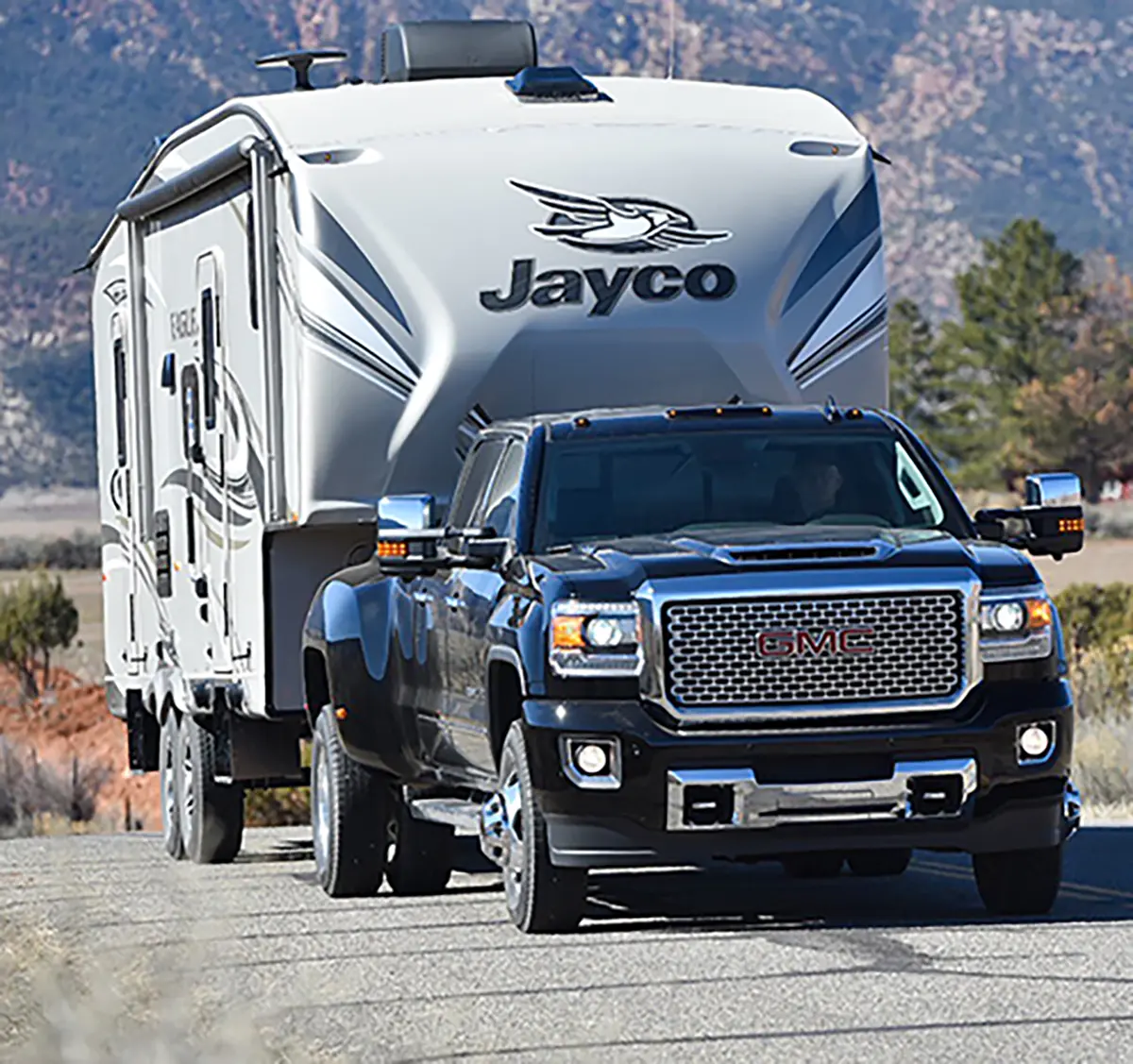
The industry has responded to social media and consumer response by looking at ride-quality improvement systems that can smooth out the bumps. Motorhomes have the edge in this department, but it’s nice to see that builders of towables are offering suspension upgrades, which are moving this segment of the industry into new territory. And as “Seeking a More Civilized Ride,” a story in this issue, attests, the aftermarket is only too happy to push them in the right direction.
No longer is price for these upgrades a roadblock as owners become educated on the long-term effects of improved suspension systems that temper the destructive forces and the subsequent damage of chassis, axles, structures and appliances. RVs are a substantial investment for most people and longevity — and fewer trips to the repair centers — are certainly strong selling points.
At the very least, upgraded leaf-spring equalizers like those offered by MORryde, Lippert and Dexter can soften the blows handed out by the road system. Today, owners of towables can opt for more elaborate air-suspension systems, slipper springs, shock absorbers or even independent suspension systems, which will undoubtedly become more commonplace as time goes on. And for motorhomes without the benefit of air springs, the LiquidSpring Smart Suspension upgrade is the holy grail for ride improvement. Just maybe, joking about suspensions that are comparable to those that were on buckboards of yesteryear may really become a thing of the past.
A big benefit of RVs that handle better on the road is the added safety in windy and adverse conditions. High-profile RVs typically get tossed around in the wind or when overtaken by fast-moving commercial trucks, but those that are loaded properly and fitted with upgraded suspension systems can better ride out strong winds without the “white-knuckle” syndrome. Wind events and highway conditions are top-of-mind these days and it’s nice to see that the industry is much more cognizant than ever.
Education is key and dealers should continue to stress safety and discourage overloading — as well as the continued practice of towing big trailers with unsuitable trucks. I still see so-called “three-quarter-ton” short-bed trucks towing triple-axle fifth wheels and barreling down the highway at unsafe speeds.
A few months ago, a truck towing a triple-axle fifth-wheel toy hauler passed me on the highway at probably 80 mph. Down the road, I passed him: the owner was off to the side fixing a blown-to-shreds tire. Back on the road, he passed again at high speed — only to find himself pulled over with yet another blown tire. I’m sure he was having a bad day, especially the second time without a spare. I think it’s safe to say that RV manufacturers are now paying special attention to higher-quality tires and wheels and using this feature as a great marketing tool. Even so, it’s hard to fix owner foolishness.
Enthusiasts who love nature will also have to commune with critters and bugs. Mice, rats and squirrels love to hang out in RVs. They munch on wiring, tubing and anything else that looks appetizing — leaving behind their telltale trail of droppings. Repairs can be very time-consuming and expensive. These animals can squeeze into the smallest openings, which means it behooves RV manufacturers — and owners — to make sure all holes and access points are closed off. Chassis LEDs are a nice touch and an unintended use is to ward off nocturnal critters that do their destruction at night. It worked for me, but I don’t think there are any clinical trials to confirm the effects of light on rodents. Still, maybe a standard LED strip for all RVs is in our future.
There are plenty of other measures that can be undertaken during the assembly phase, from the use of fire-retardant expanding foam to tighter seals and maybe even a dose or two of stainless-steel wool strategically placed to “uninvite” rodents.
Granted, it’s impossible to build an RV that’s impervious to many other maladies encountered by the typical RVer like tree damage (both sapping and low branches), wind damage, bird droppings, ants, water spotting, squashed bugs and more, but it is possible to educate owners and provide valuable insight on how to circumvent potential issues while on the road and when the RV is in storage. Annual inspections and subsequent maintenance are strategic and vital to not only maintaining your RV but extending its usefulness and longevity.
Mother nature doesn’t always have to win.