


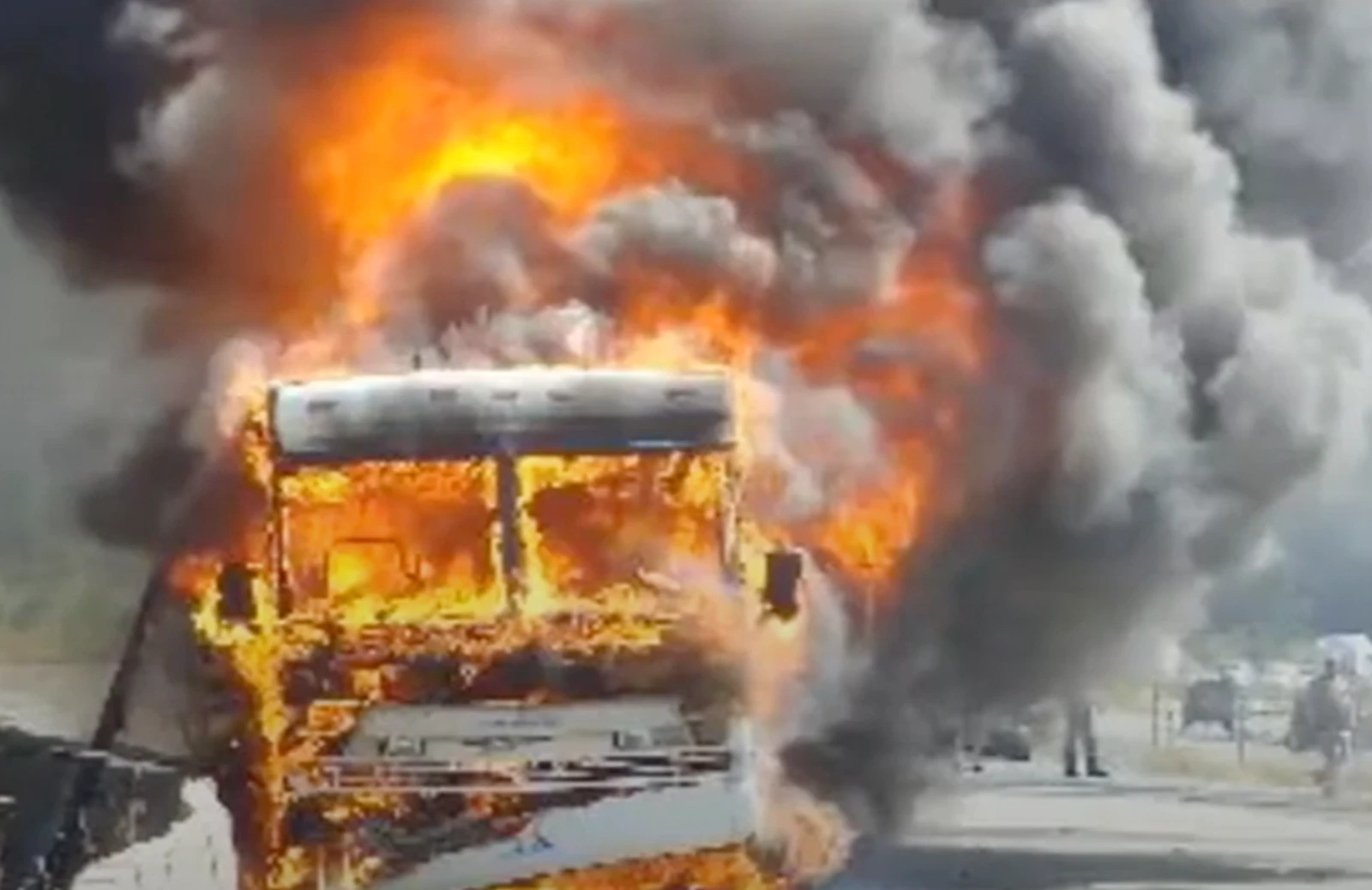
ires are scary business — and even more intense when an RV is involved. It behooves all RVers to plan for an escape in the event of a fire, knowing that’s their best — and often only — line of defense. Anyone who has witnessed how fast an RV burns can attest to the fact that trying to extinguish a fire with the puny extinguishers typically provided with a new or used RV is usually futile. You need to get out fast.
The good news is that emergency exits must comply with the National Fire Protection Association (NFPA) codes required of all RV builders. The better news is owners can up their line of defense with a professionally installed THIA by Proteng automatic fire suppression system (proteng.com).
Fire suppression systems have been around for a long time and commonly are found in race cars and other similar entities. Typically, they are expensive and complicated to install. Proteng’s approach is completely different — an offshoot of providing protection for expensive race cars — and although its simplicity is refreshing, it does take someone with expertise with these components and certification from Proteng to install the system.
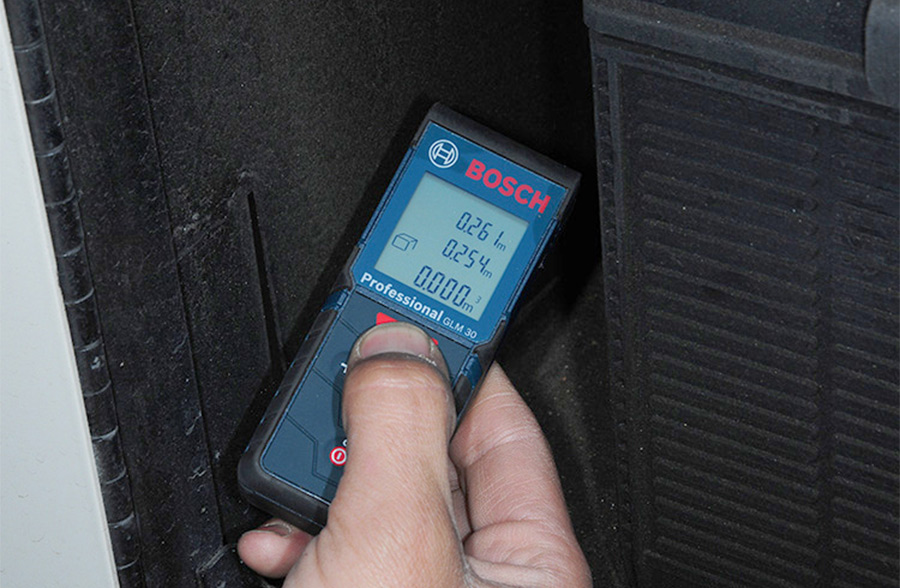
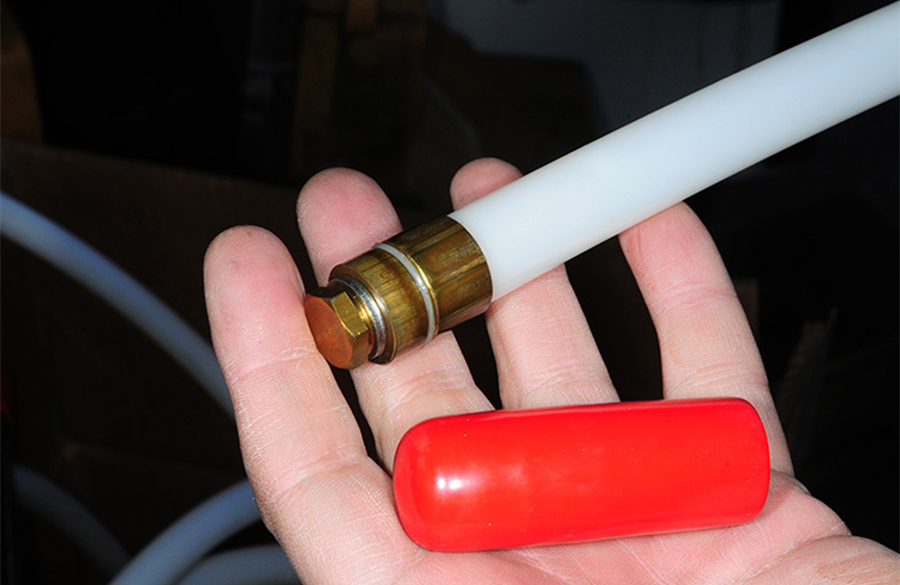
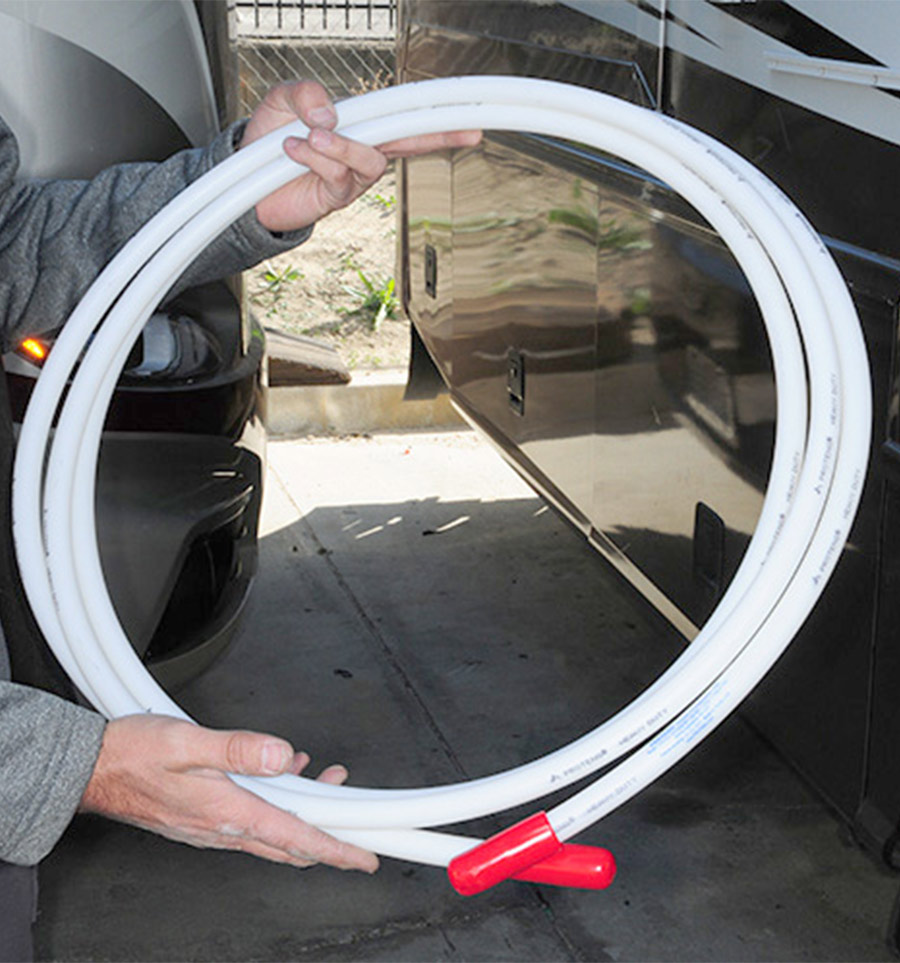
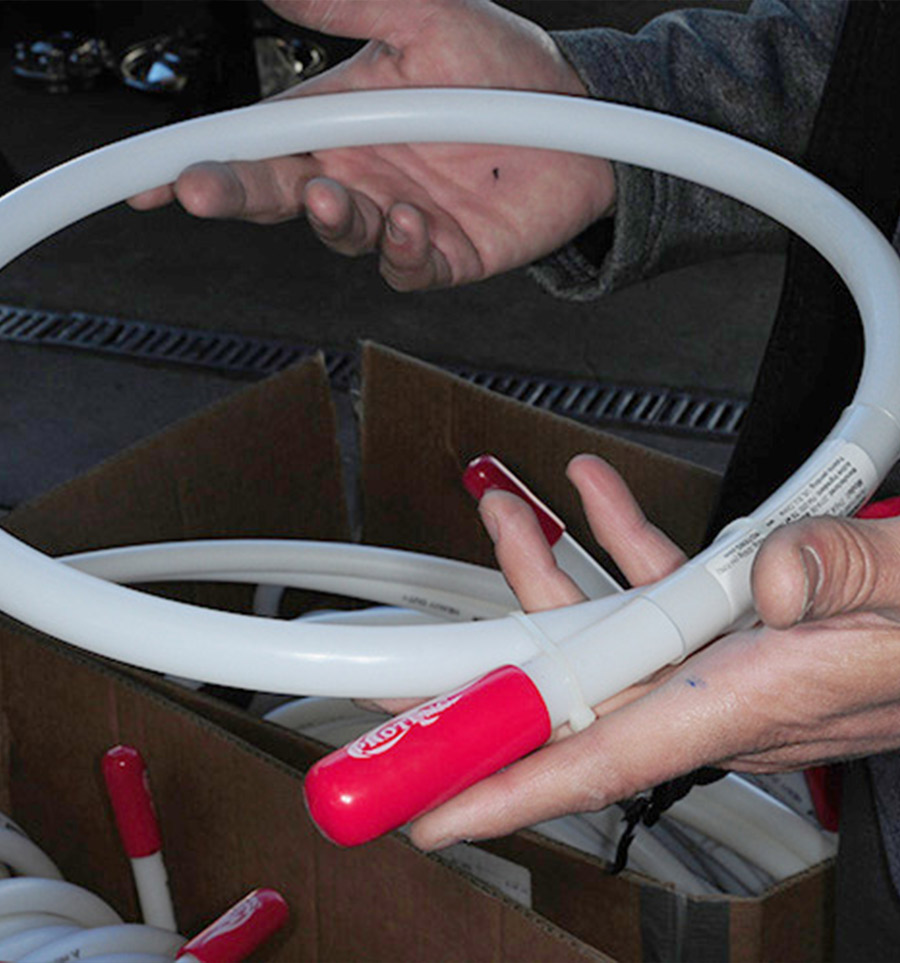
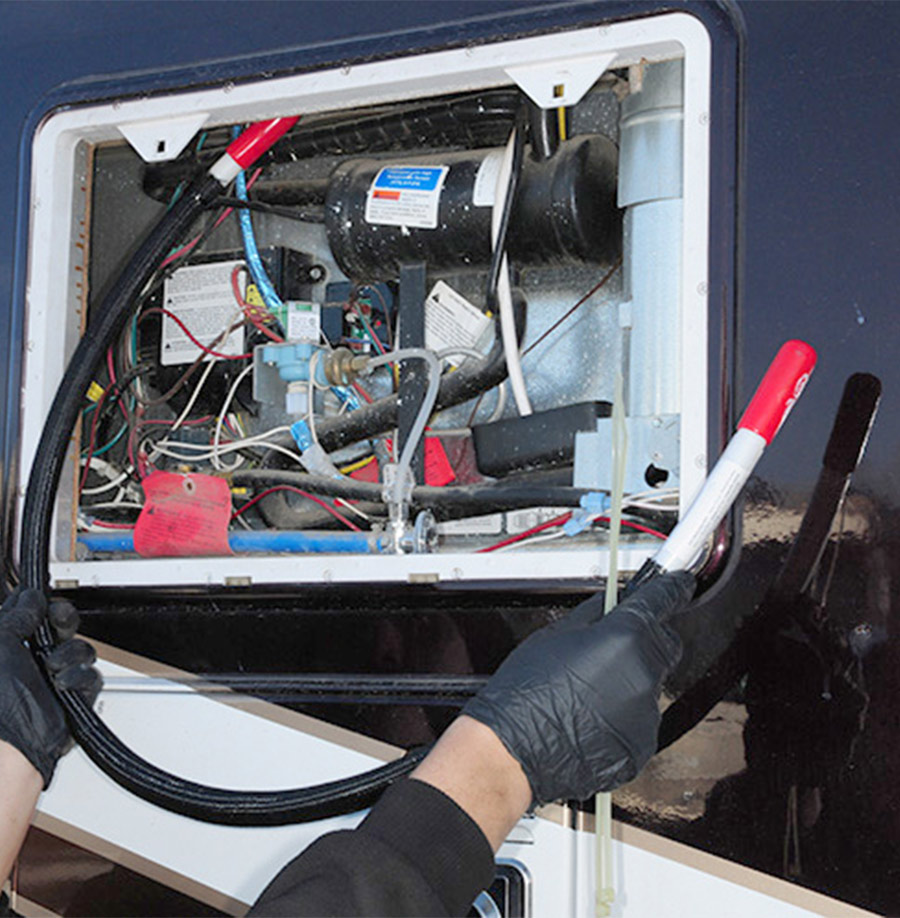

When the device activates — which sounds like a gunshot and is loud enough to wake sound sleepers and give them time to vacate the RV — the contents will detect, suppress, and/or extinguish the thermal events instantly, leaving no residue. The formula and delivery system are a closely guarded secret, but after personally watching live demonstrations, there’s no doubt any fire (classifications A, B, C) will be extinguished immediately, which is a godsend when it comes to dousing component fires like those that start in the refrigerator compartment.
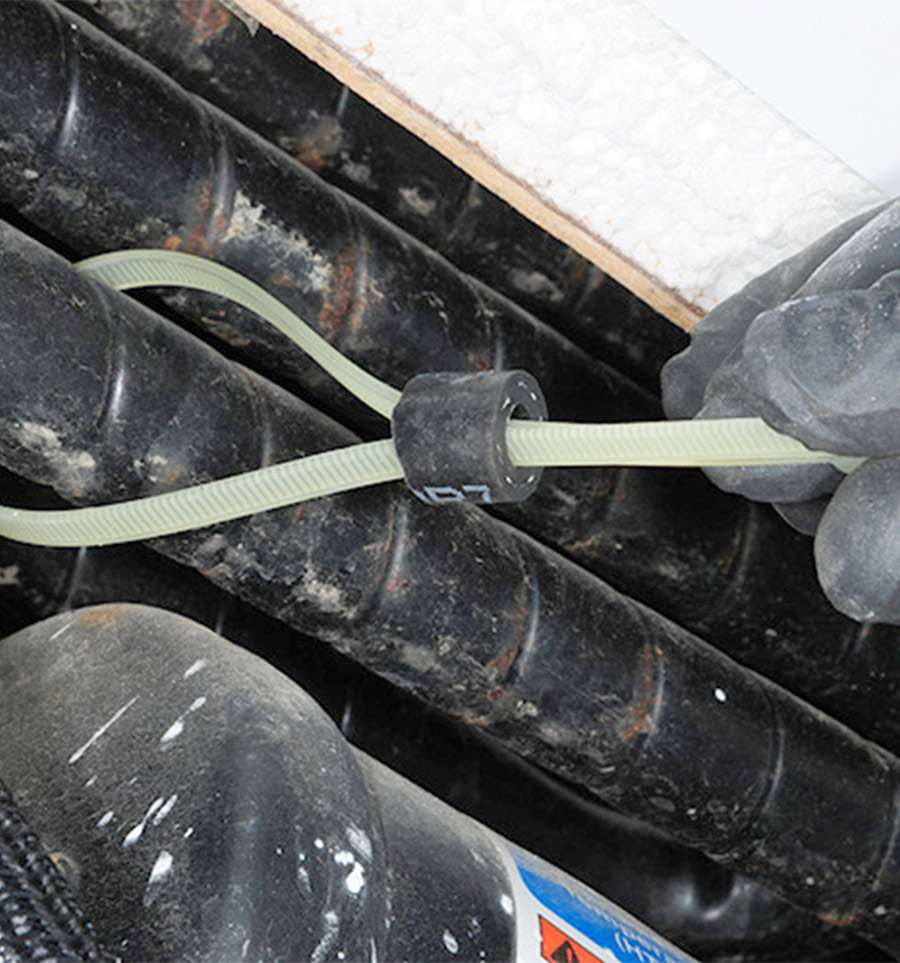
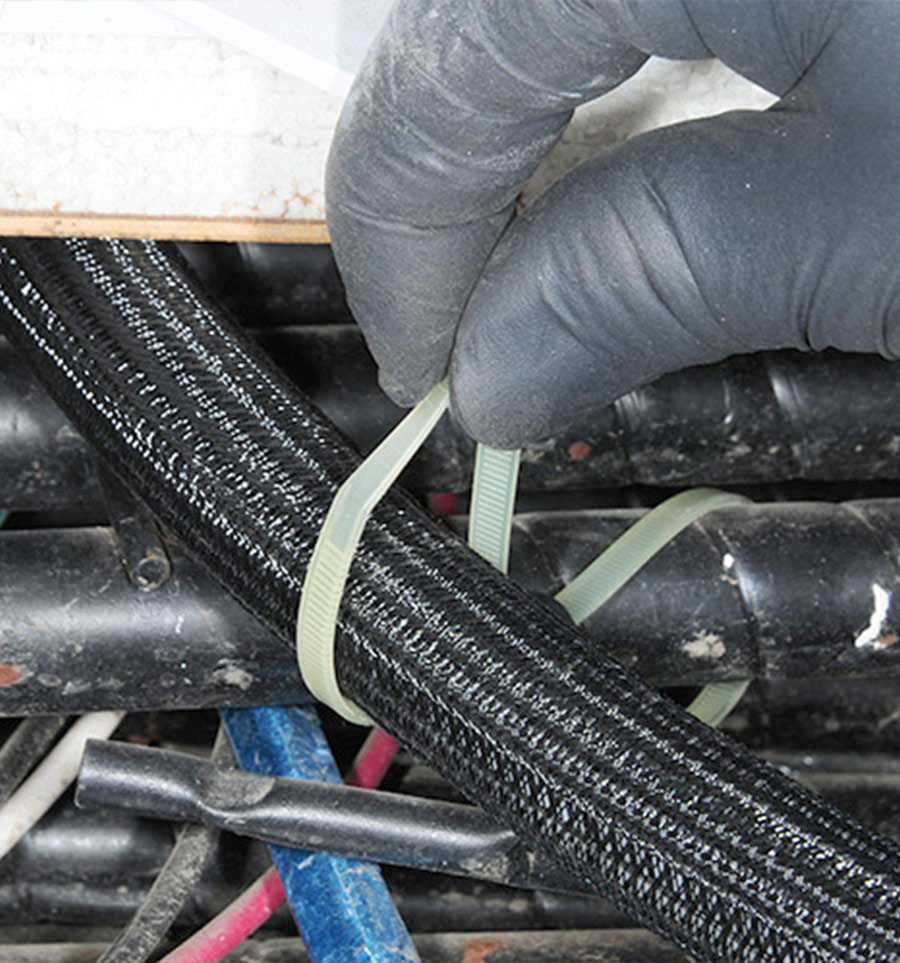

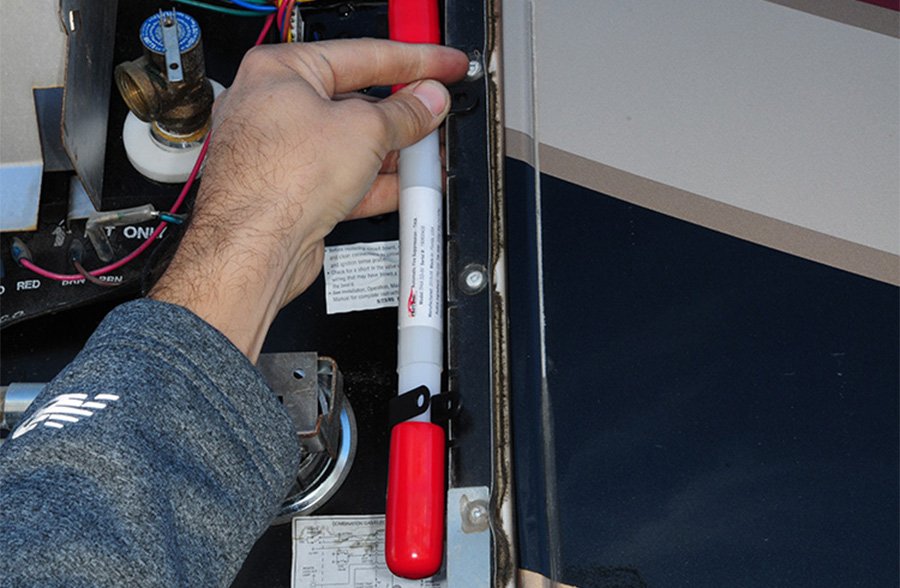
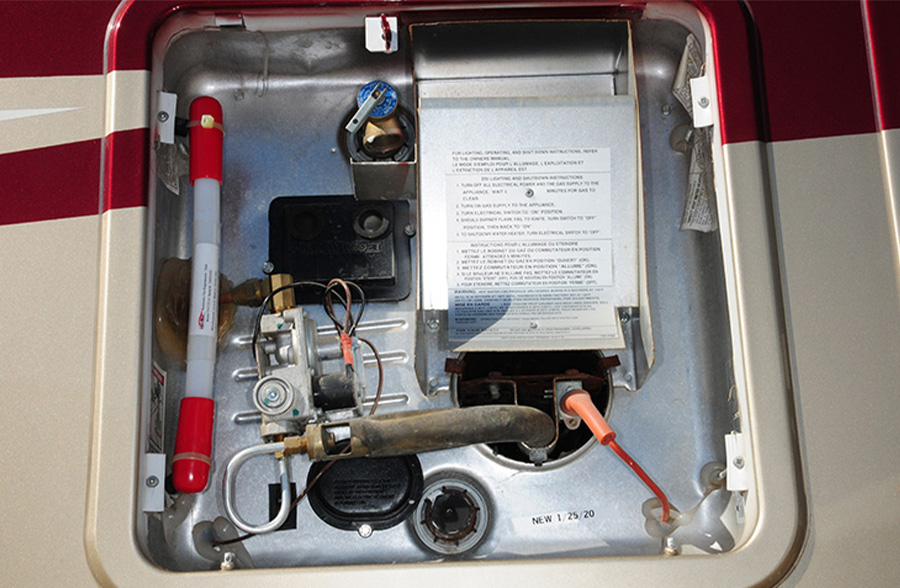
While the installation of this device seems simple, there are a few factors that require expert handling by certified service personnel. Technicians assess each area or compartment and determine the appropriate THIA by Proteng devices required for the volume and average ambient air temperature — more than 20 unique devices have been developed specifically for RVs. Once the proper devices are selected, installation protocols are further assessed to assure an optimal configuration and placement. It takes just a few hours to cover an RV completely and typically the cost can range, for example, from $2,500 to $7,000 for motorhomes. To protect a double-door refrigerator, plan on spending around $500. THIA by Proteng devices and all of the components are made in the U.S.A. and covered by a five-year warranty.
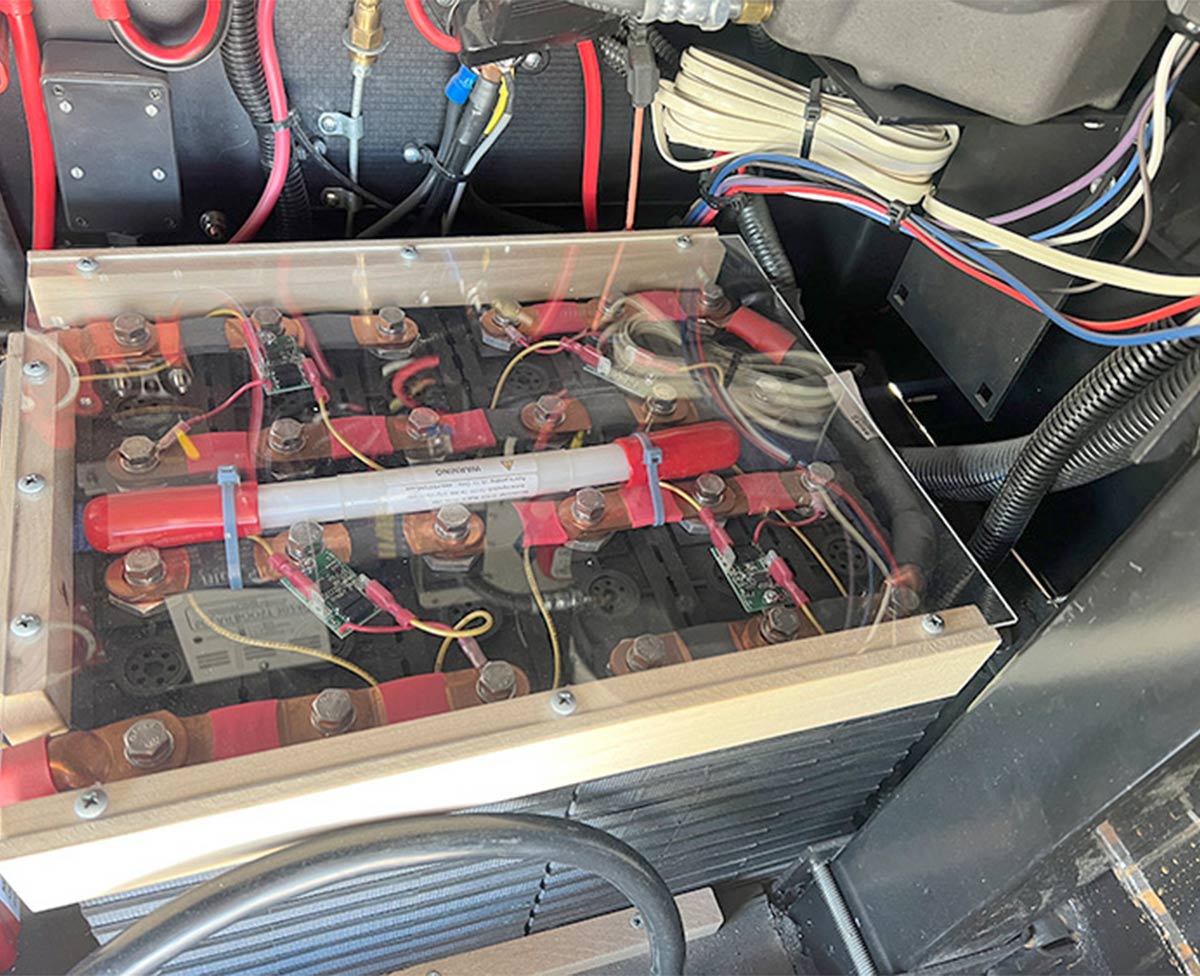
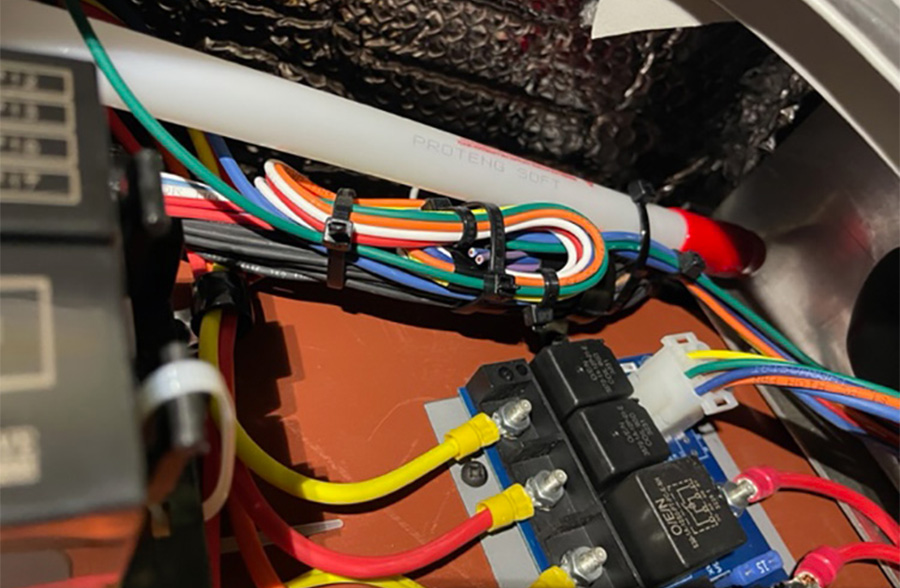
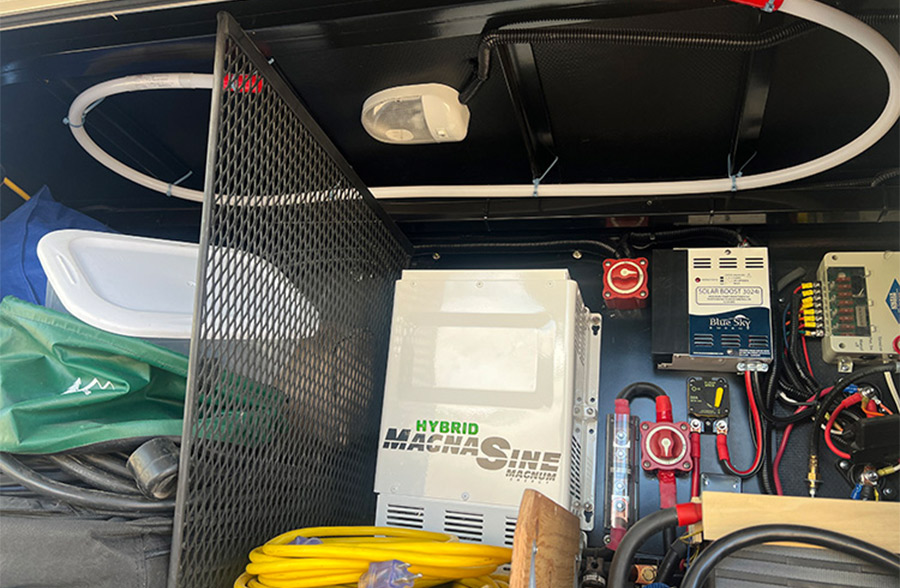


While the THIA by Proteng suppression system may seem like an added expense to RV ownership, it’s hard to place a value on saving lives in the event of a catastrophic fire and the protection from collateral damage that results.