

oday, there are more RV choices than ever — from well-equipped, versatile truck campers and vans to luxurious diesel pusher motorhomes costing more than a million dollars. It’s safe to say that there is truly something for everyone out there, but the most popular RV choice remains the travel trailer. It’s understandable: An outdoor enthusiast can buy one with “the basic necessities” for less than five figures or opt for every conceivable amenity — from slide out rooms and island kitchens to flat-screen televisions, theater seating and fireplaces — when using the proper tow vehicle.
Before you set out to find the perfect travel trailer for your needs, however, it’s important to understand the key component in towing: the hitch system. Let’s take a look at the various types of hitches, and how to set them up the right way.
Class is in Session
Part and parcel to a towing system is the hitch receiver — a tubular steel box located underneath the bumper that is attached to the frame or subframe of the tow vehicle. If your tow vehicle doesn’t have one, that doesn’t mean it wasn’t intended for towing; some models are only equipped with a hitch receiver if an available tow package was specified, while other small SUVs or crossovers may offer a hitch receiver as an accessory at the time of purchase. That being the case, the appropriate hitch receiver can often be added by the dealer or qualified towing/RV center, but check with the vehicle manufacturer to make sure that adding a hitch receiver to your vehicle is approved and is safe. Some vehicles don’t have adequate structure underneath to which a hitch receiver can be attached, or the vehicle’s suspension and drivetrain may not be up to the task of towing thousands of additional pounds.
That being said, hitch receivers are categorized in classes, with the smallest, light-duty receivers categorized Class I and the largest and strongest rated Class V. Looking at the accompanying chart, you’ll note that smaller, lighter receivers are designated weight carrying, meaning all of the trailer’s hitch weight (also known as “tongue weight”) is carried by the hitch itself. The larger hitch receivers (Class III and up) can either be used as weight carrying or weight distributing, meaning they are intended to be used with spring bars (or “draw bars”) to distribute some of the trailer’s hitch weight to the front of the vehicle and to the trailer axle(s).
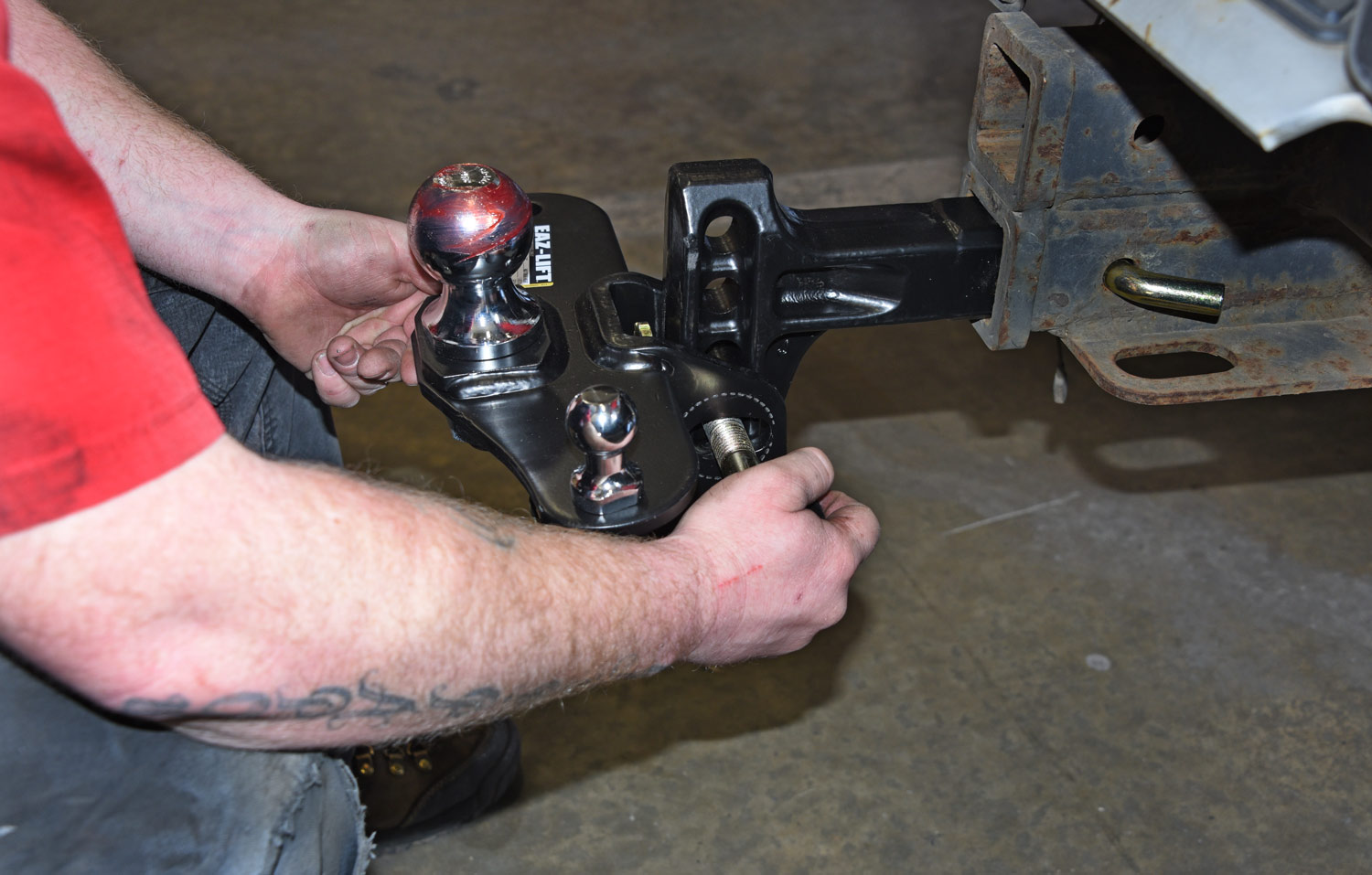
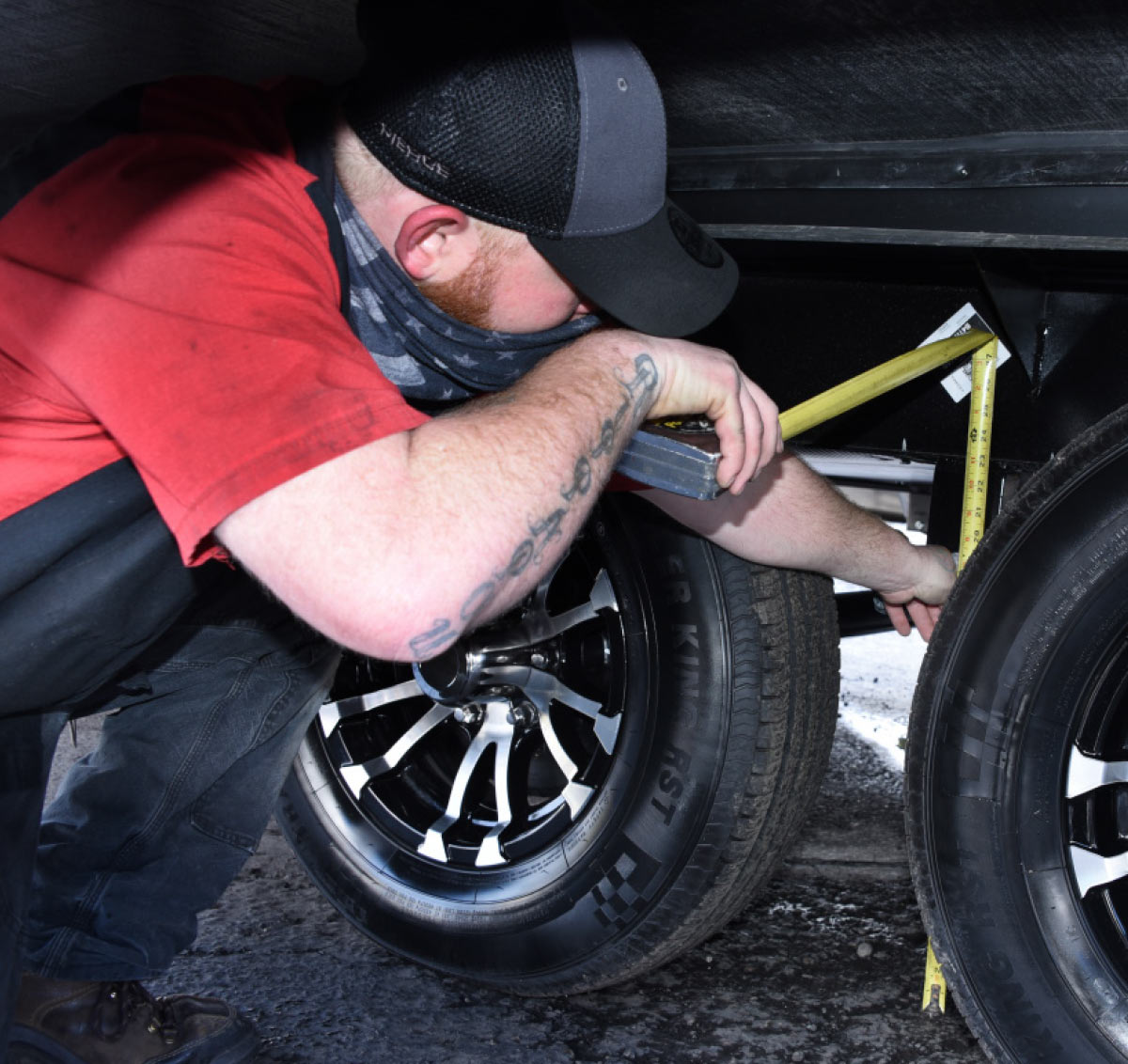
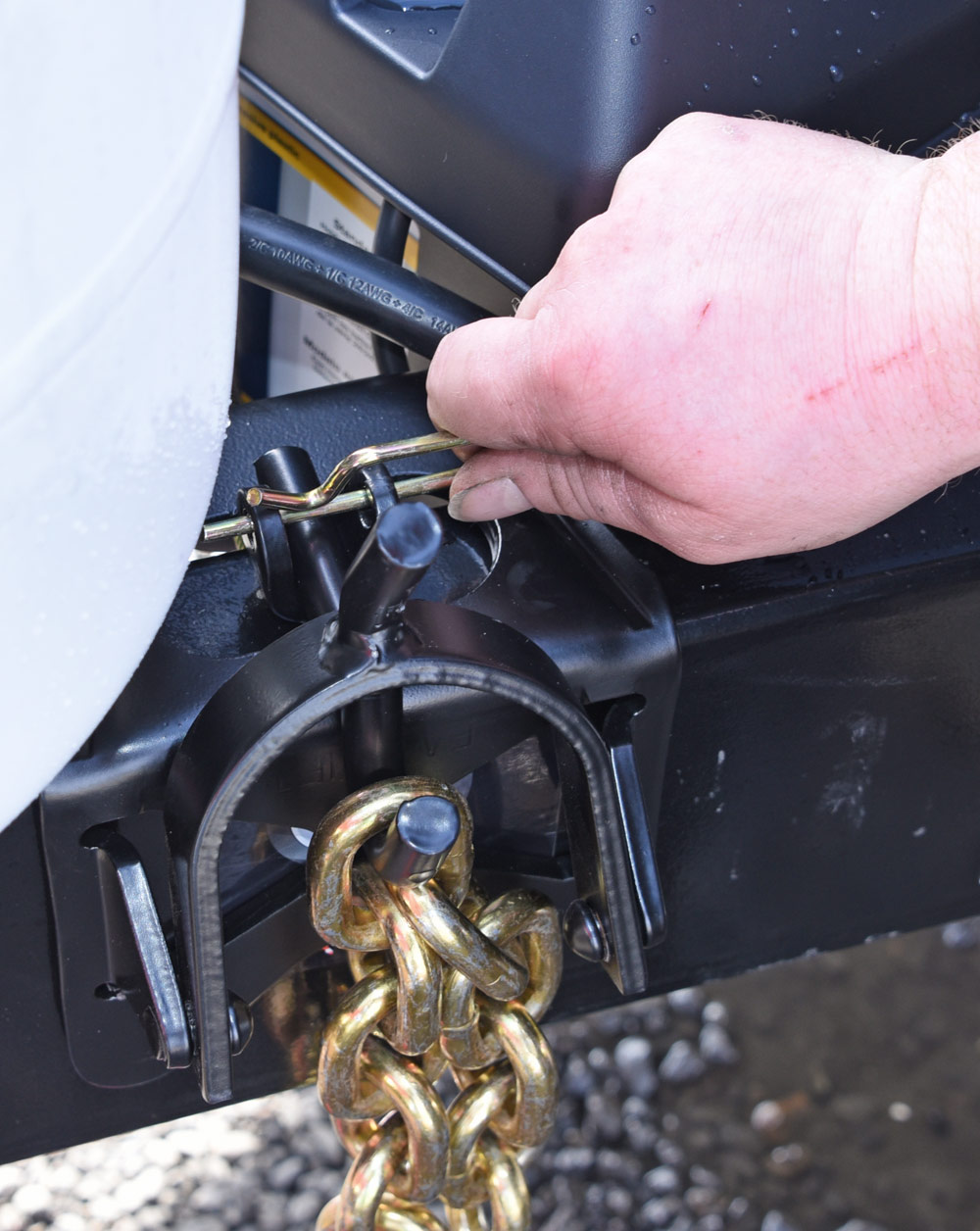
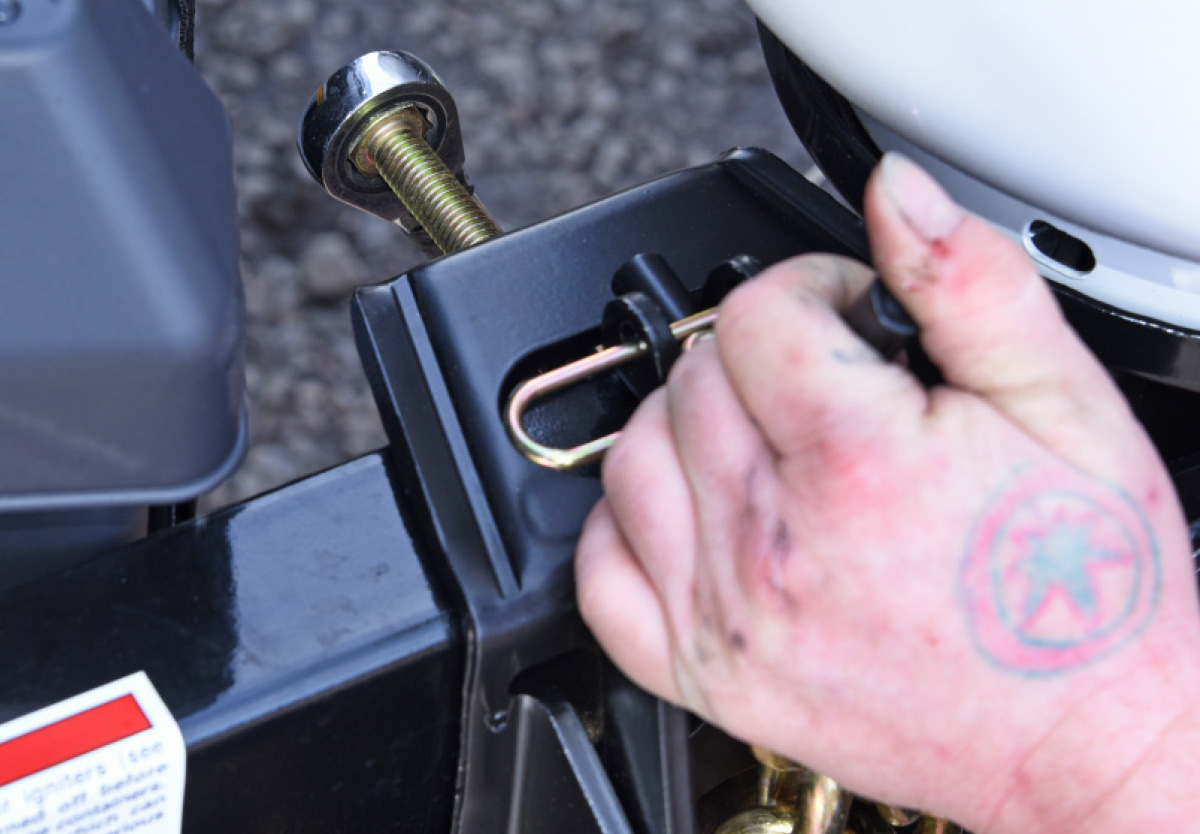
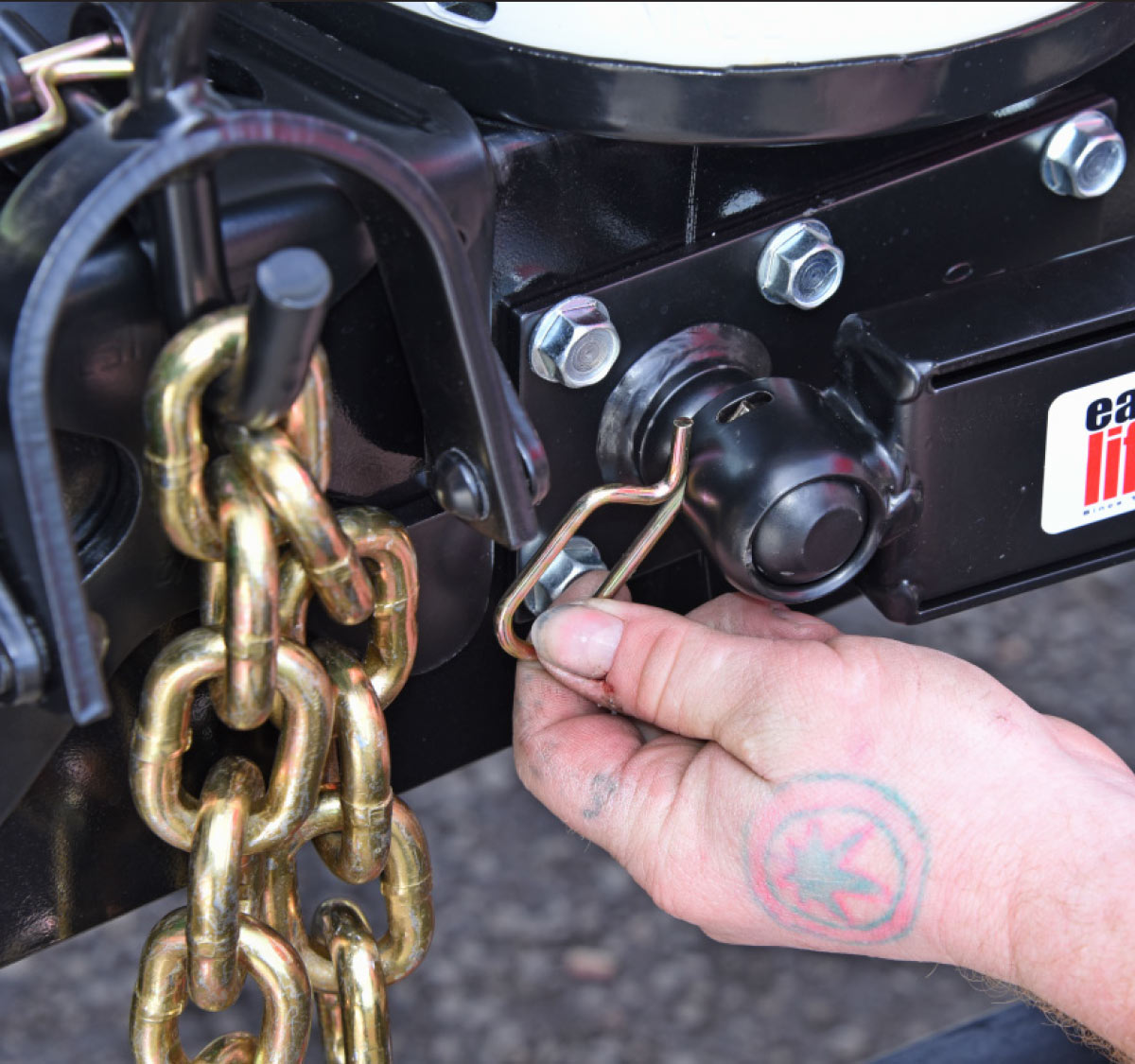
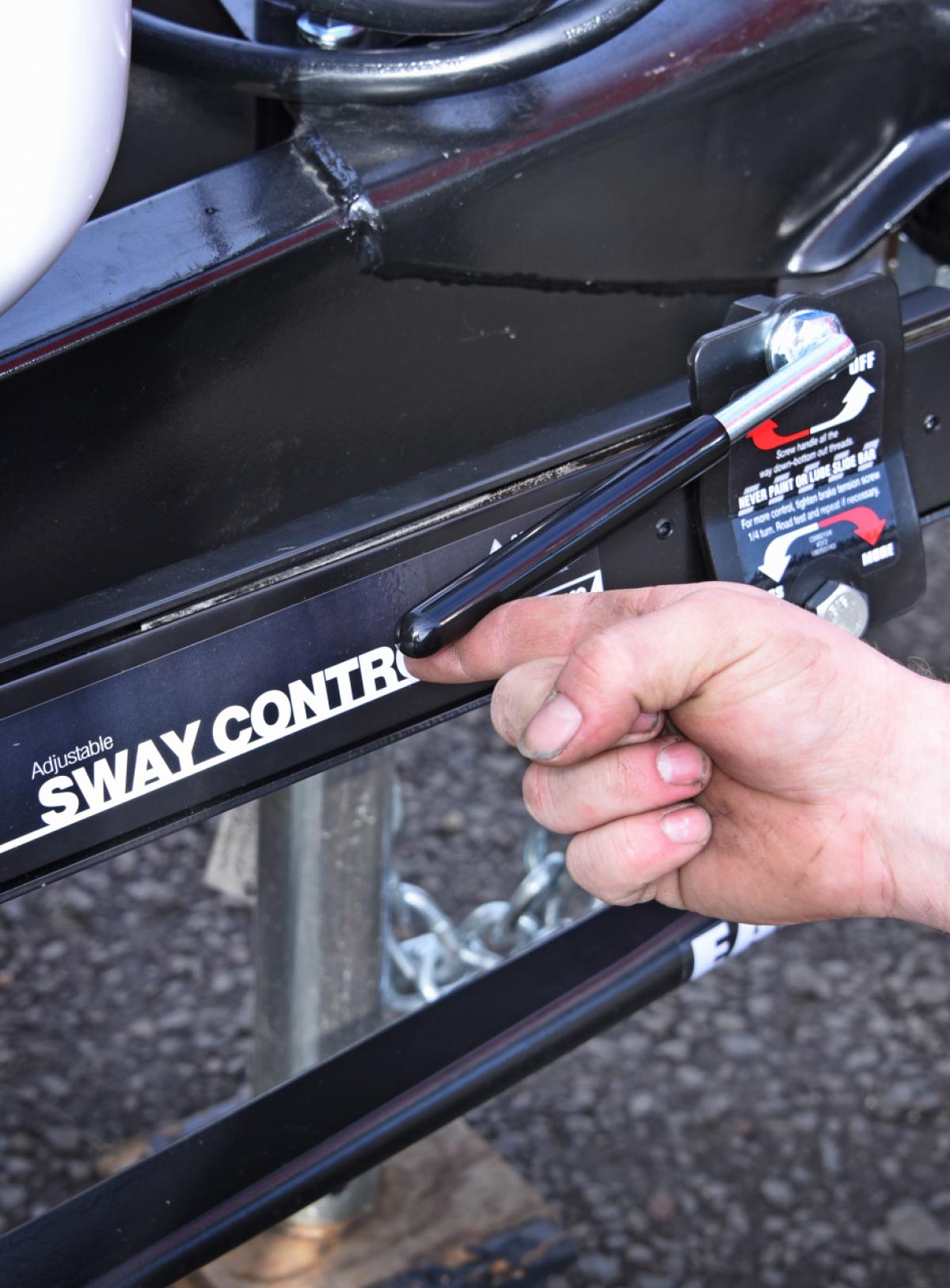
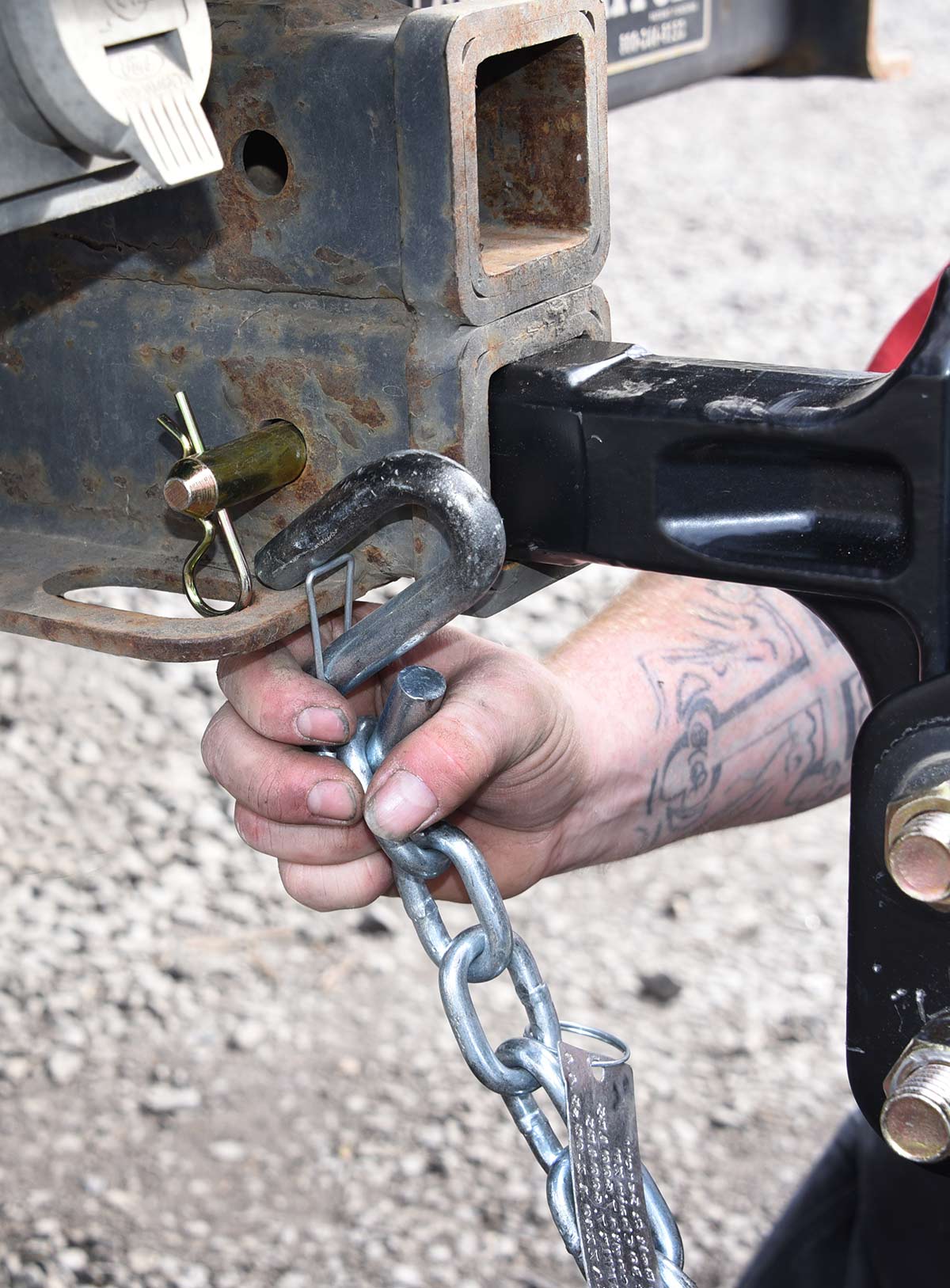
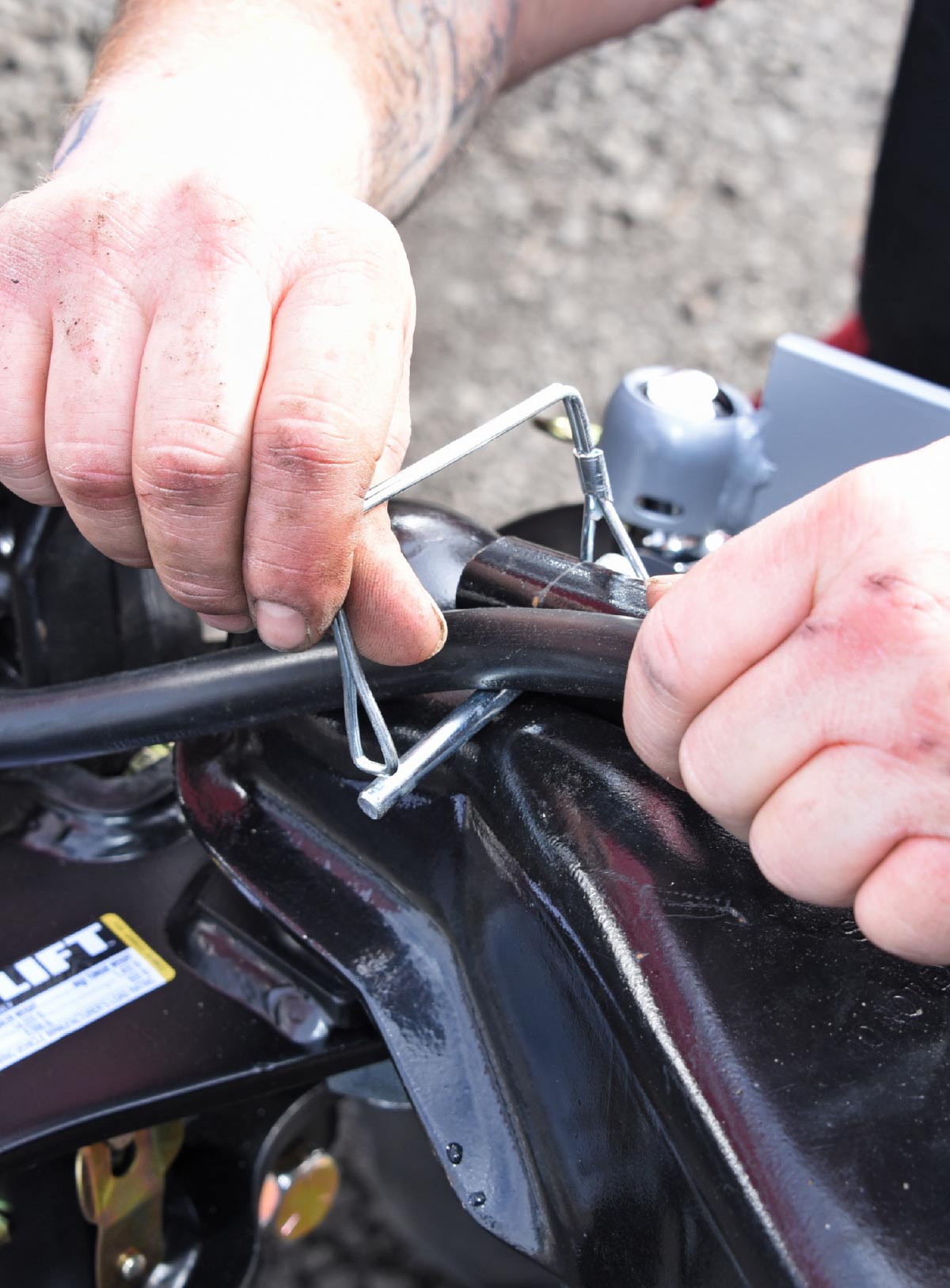
To visualize how a weight-distributing hitch works, consider that the car/truck/SUV and the trailer are two separate vehicles that are joined together via the hitch. The spring/hitch bars in a weight-distributing hitch platform function like a “bridge” between the two that effectively distributes weight from the trailer A-frame coupler across the tow vehicle’s frame to its front axle and to the trailer axle(s), hence the term “weight distributing.” The ball mount is equipped with sockets into which one end of the bars are inserted, while the other ends attach to the trailer’s A-frame typically via chains, but not in all designs. The bars can be adjusted upwards to increase tension, or downwards, to reduce it. In this way, the appropriate amount of tension can be created to keep the trailer and tow vehicle level when hitched up. An adjustable ball mount allows the user to modify the ball height, which is important if the tow vehicle is higher or lower than the trailer’s hitch coupler. Got all that?
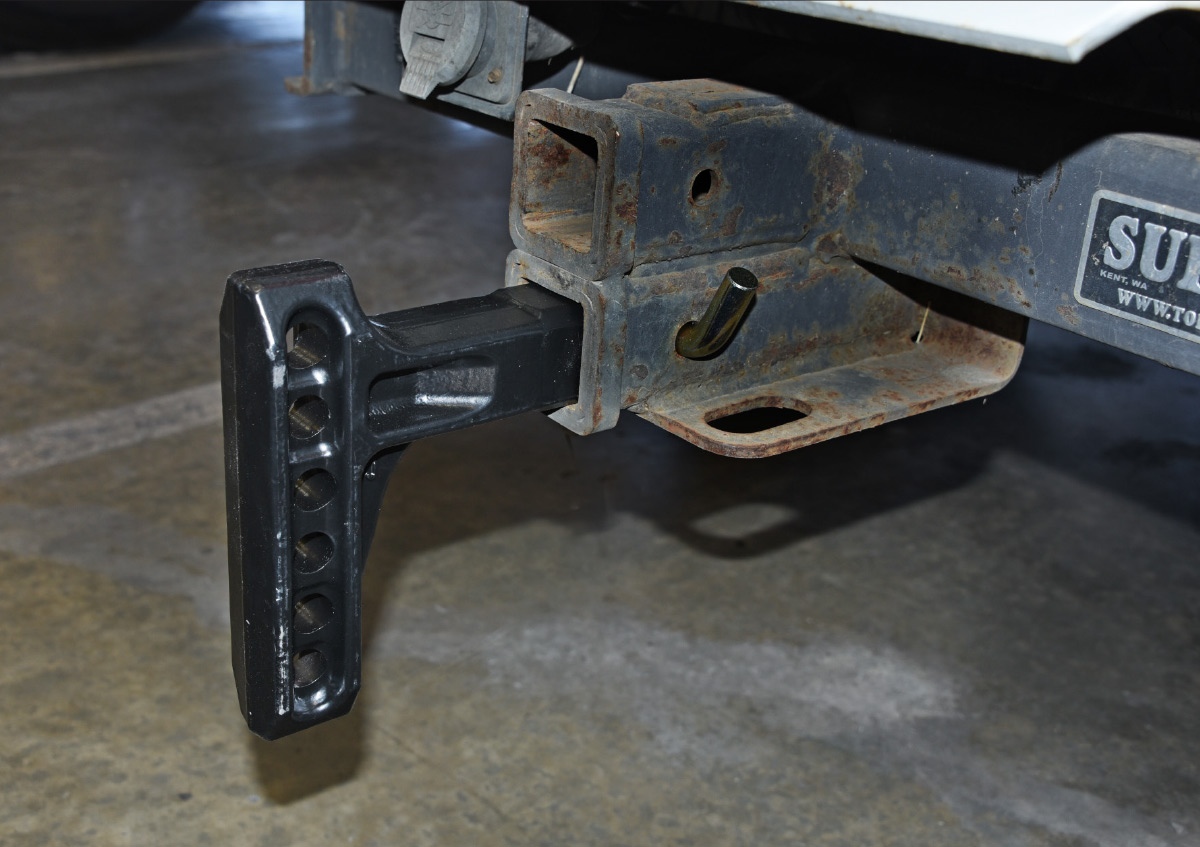
As you’ve likely surmised, there are more than a few weight-distributing hitch designs on the market. A traditional “trunnion” hitch incorporates square, solid-steel bars that taper at the trailer’s end. Other systems incorporate tubes instead of bars, which may be inserted on the bottom (typical) or top of the ball mount. At least one other design does away with bars altogether in favor chains that are tightened or loosened to increase tension. When shopping for a hitch system, keep in mind that they are rated for the gross trailer weight as well as the hitch weight, so it’s important to know these figures ahead of time. We’ve provided a comprehensive guide to hitches and hitch accessories elsewhere in this issue.
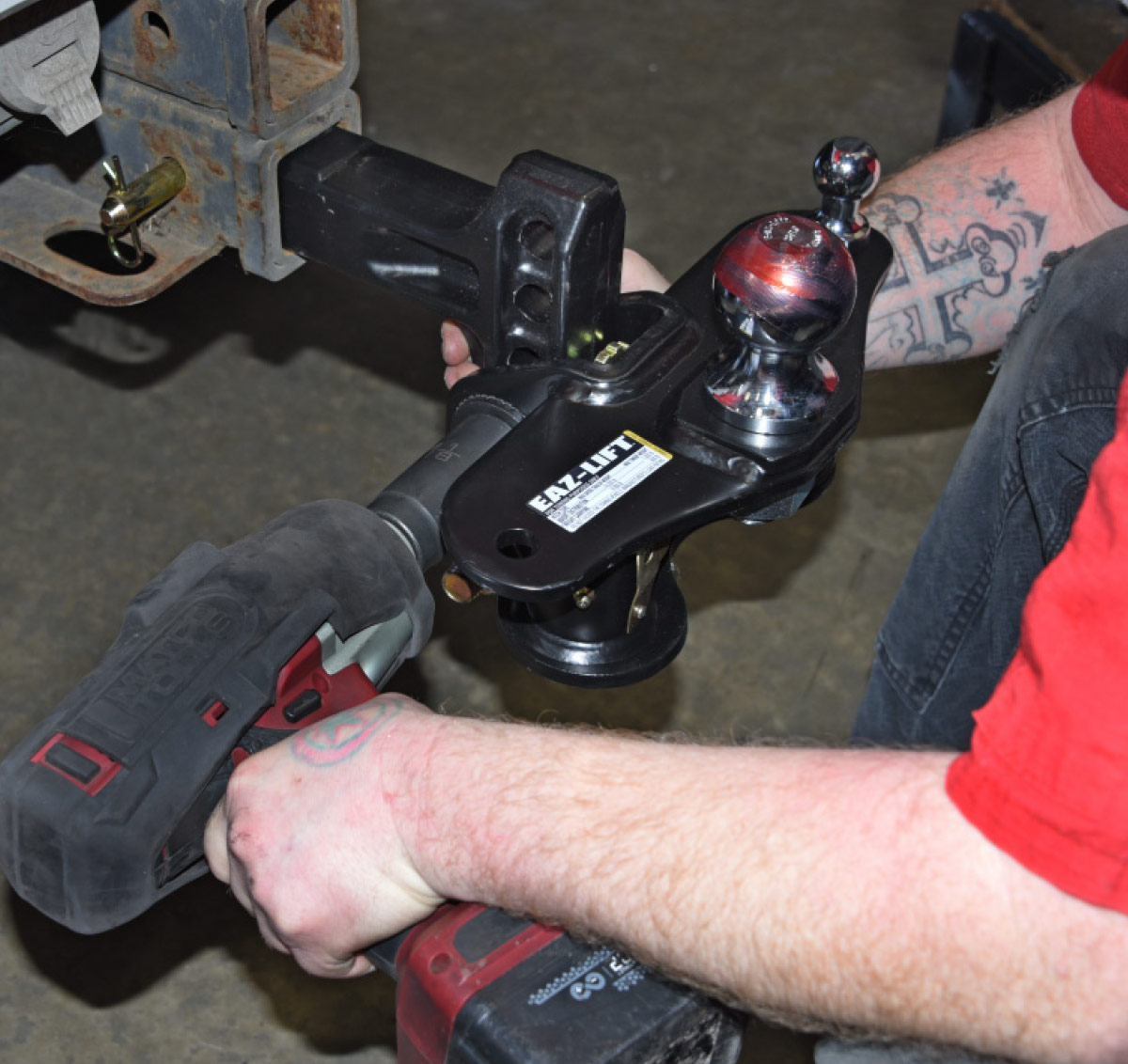
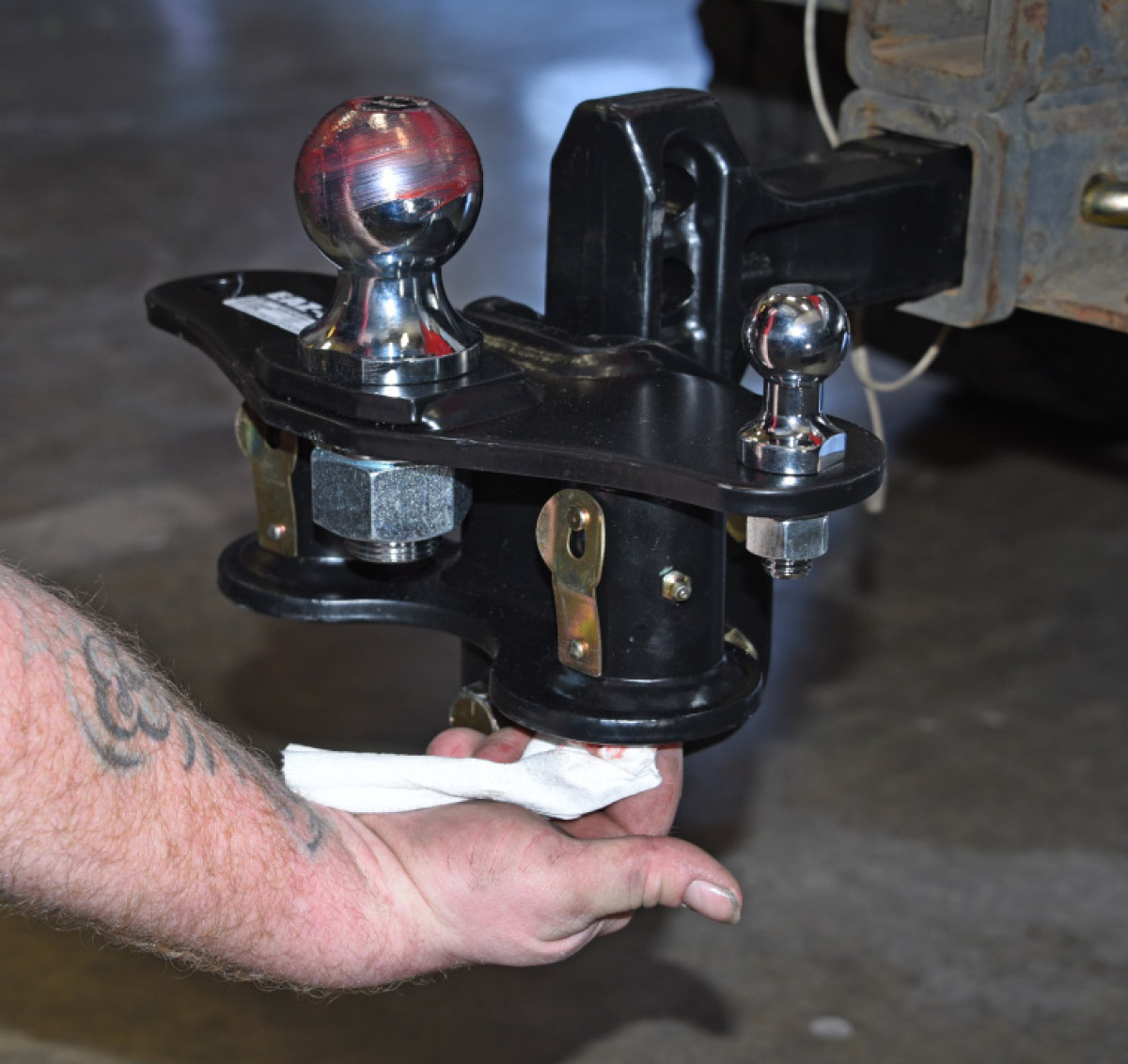


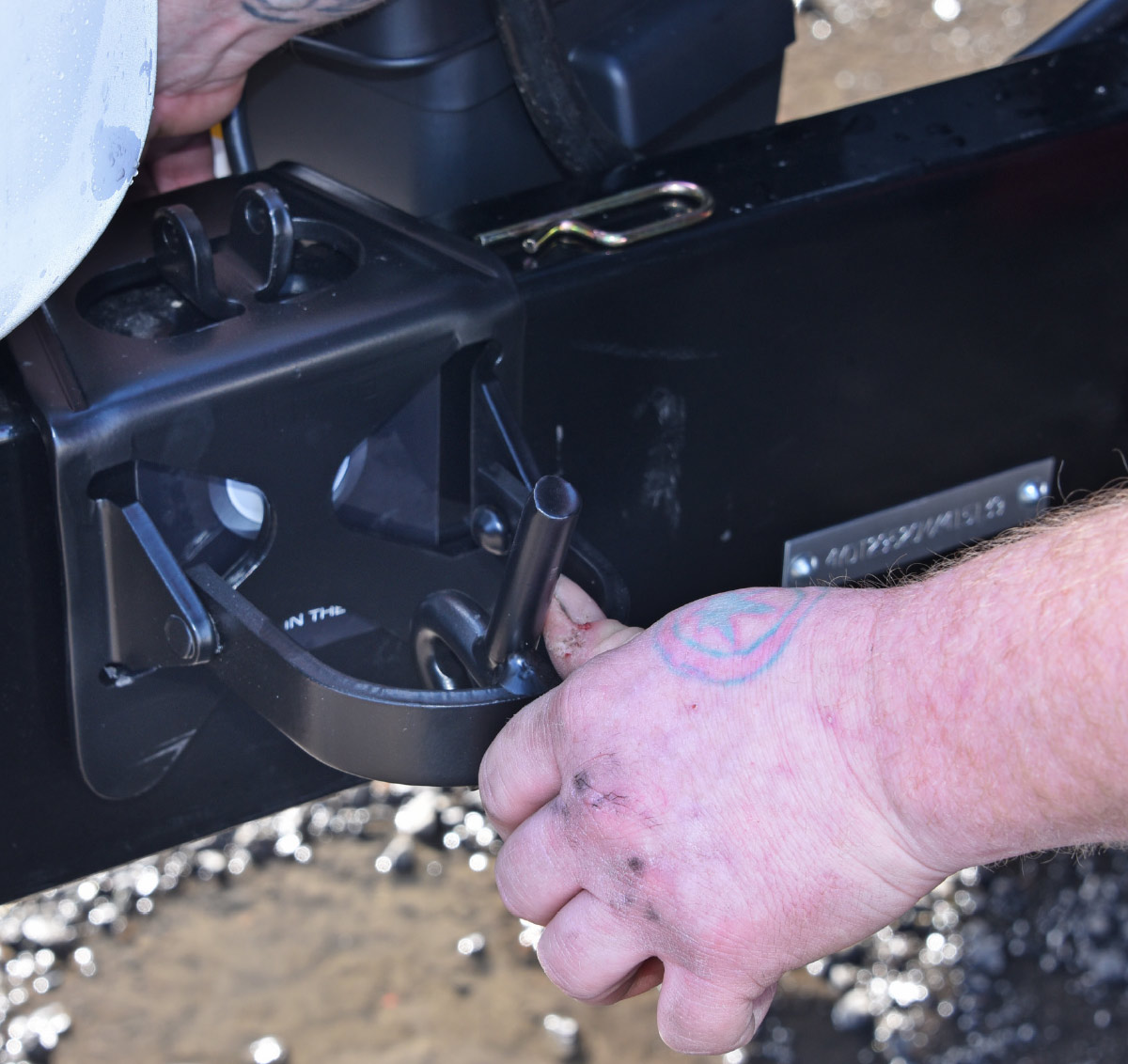
Installation for a professional takes less than an hour, but if you’re doing the job yourself, take your time and make sure you do it right. With a properly set-up weight distributing hitch, you’ll enjoy stable handling and remove the stress from your travel trailer towing experience.
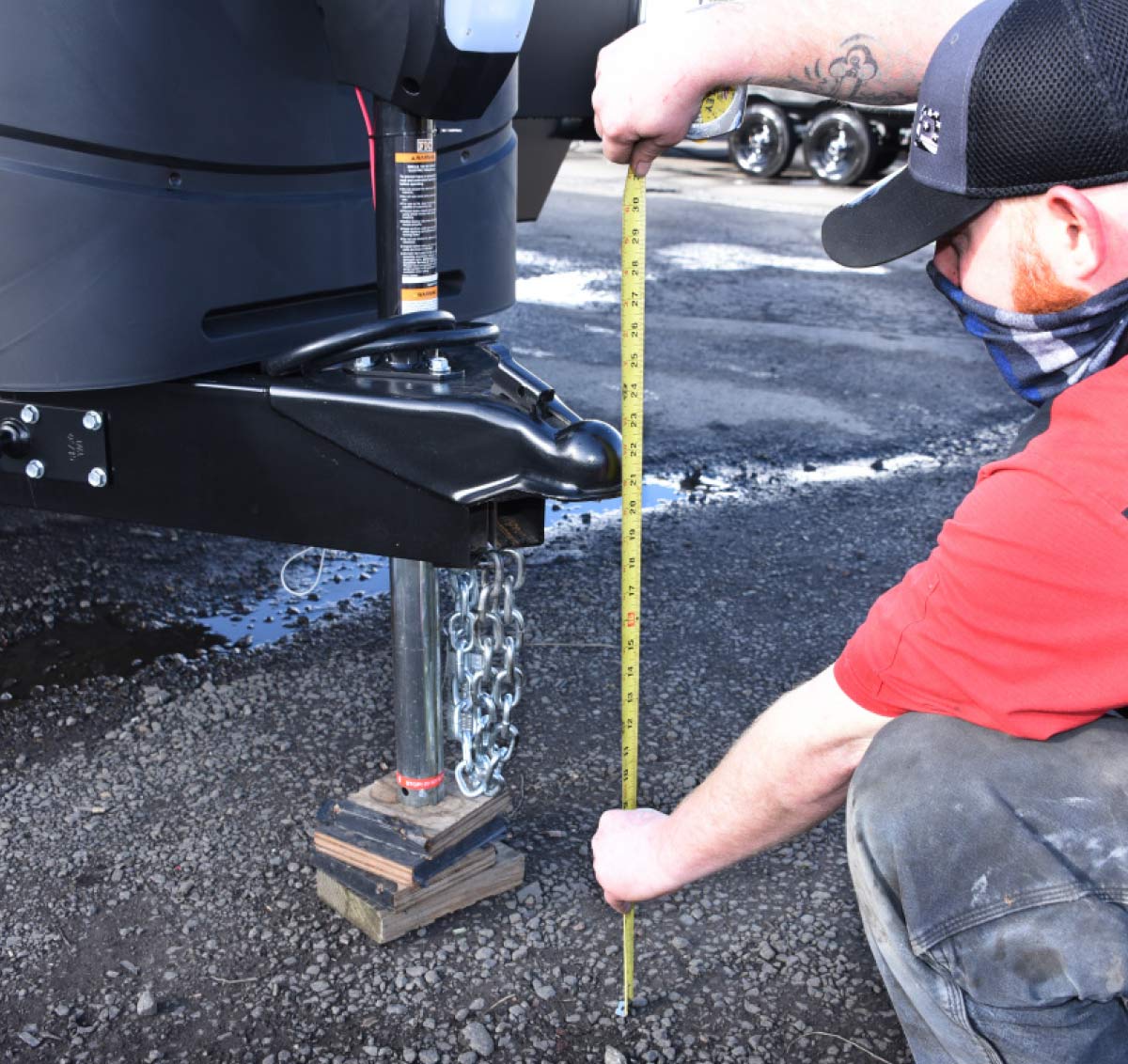
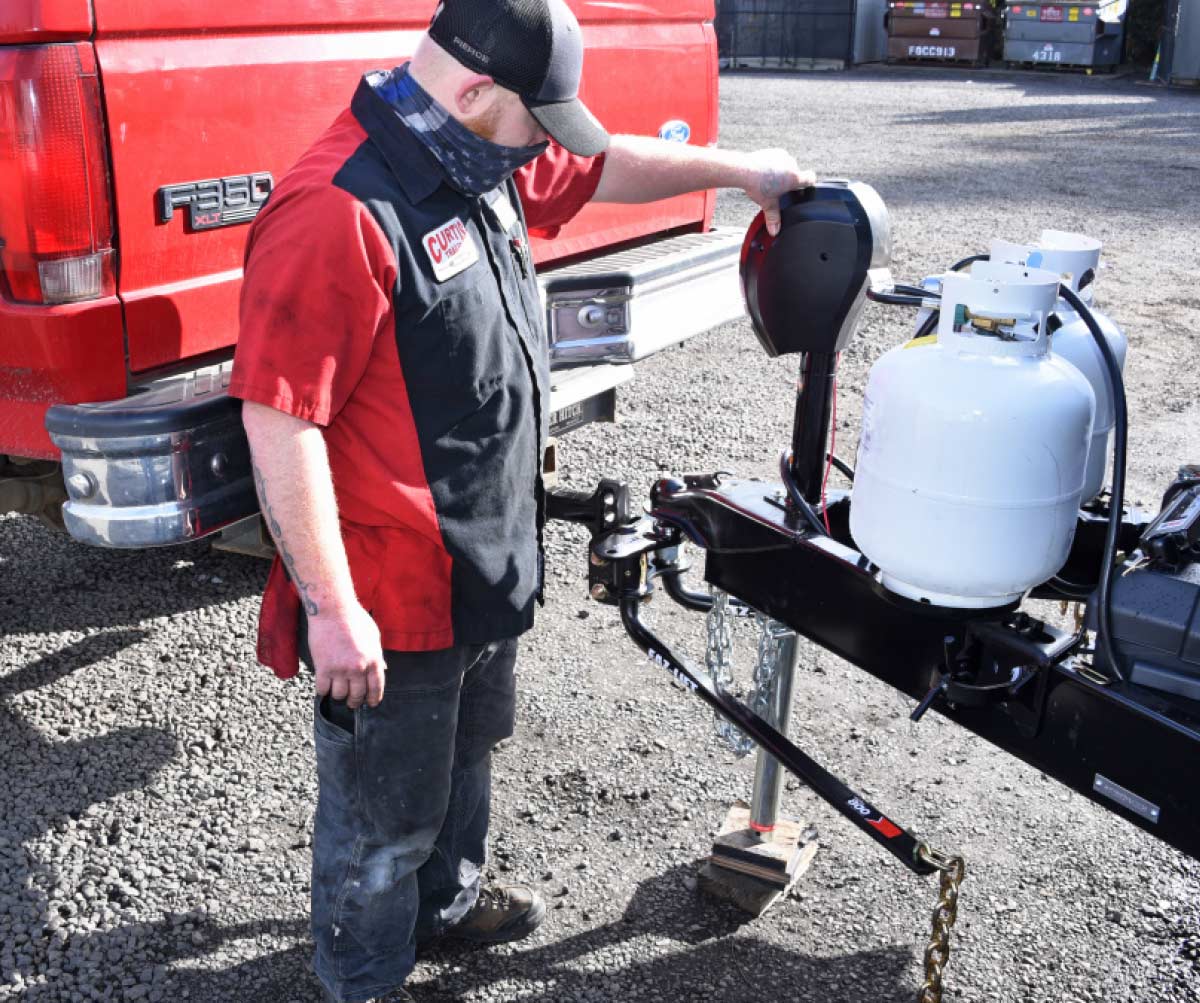
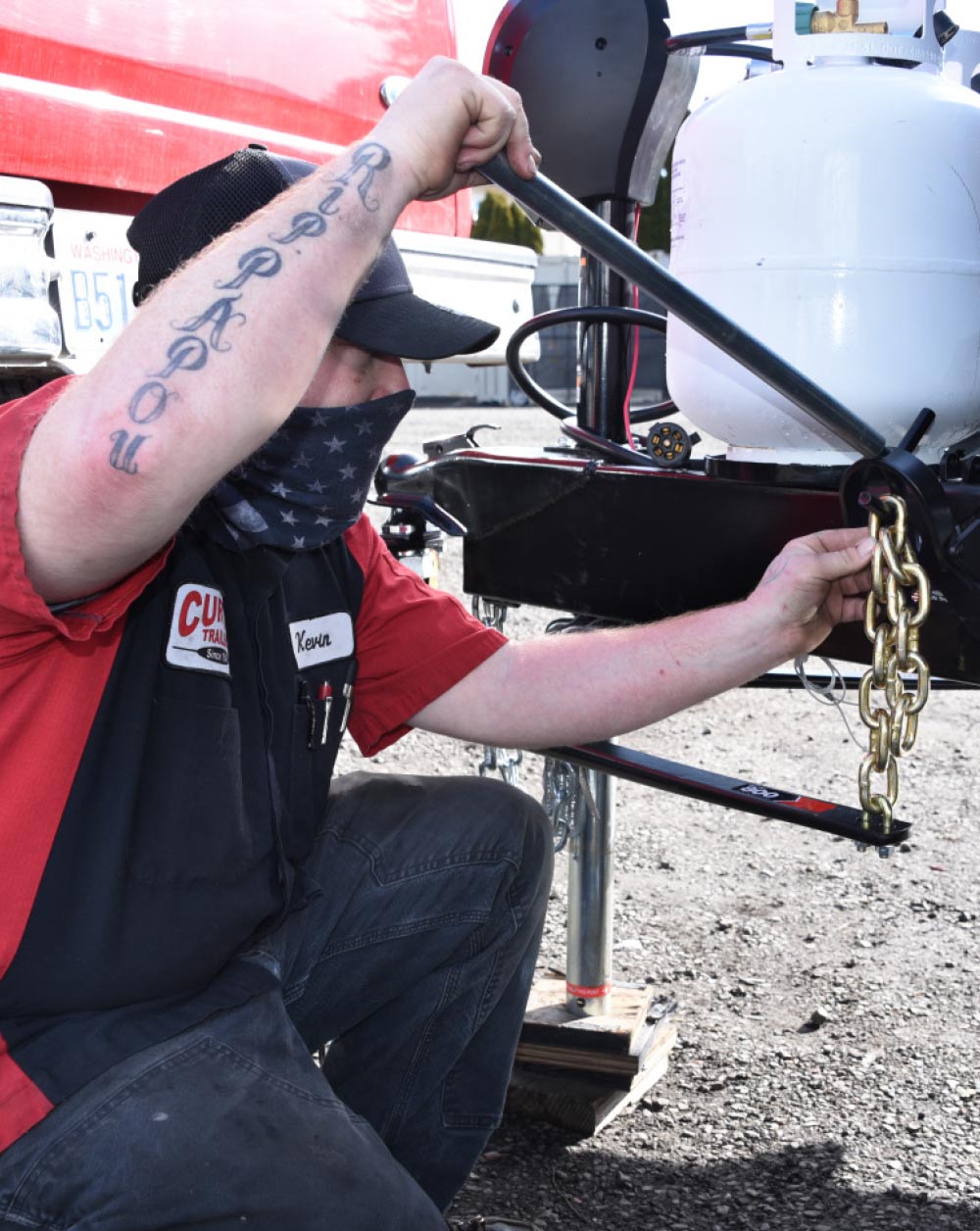
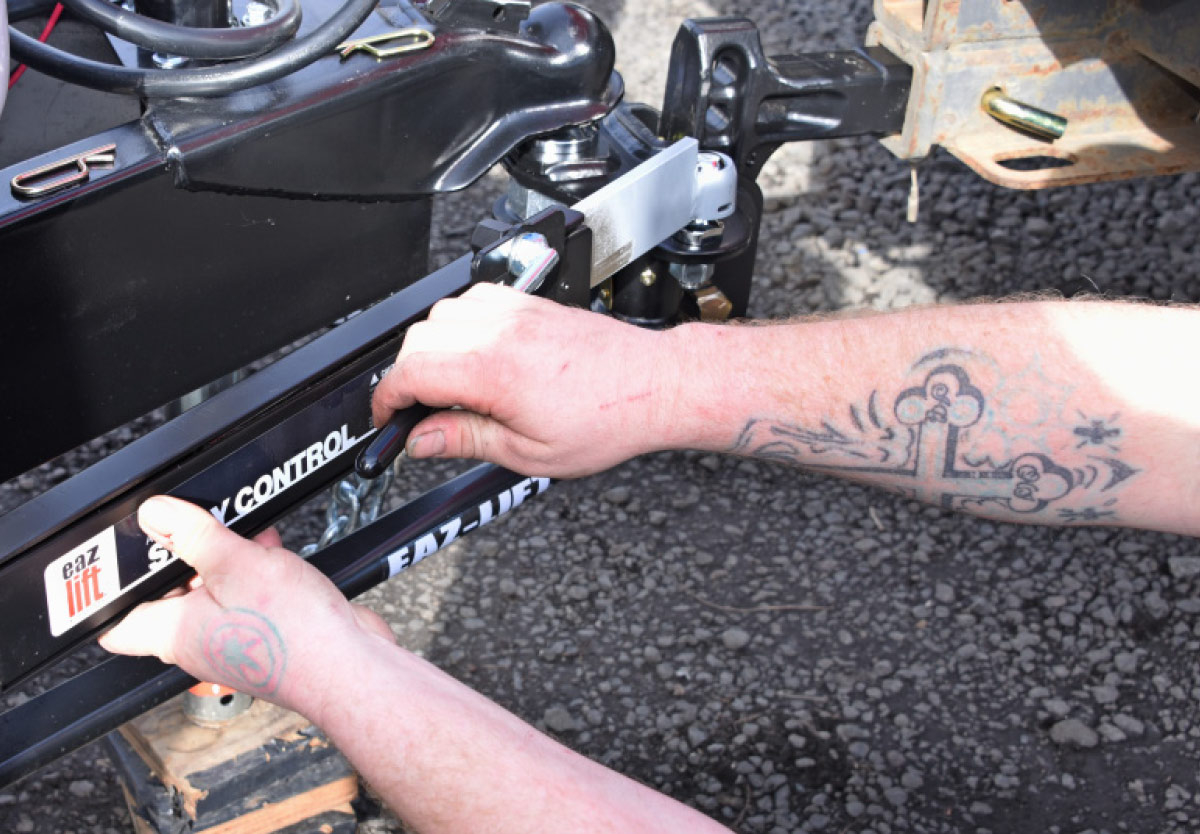
If your trailer A-frame jack post doesn’t have a foot (there are aftermarket jack foots available), place one or more wooden blocks underneath the jack post. Raise the A-frame jack until you can grab the hitch/spring bar chains and wiggle them — this is the best way to ensure there is no longer tension on the chains. Then — and only then — can you use the lift bars to lower the saddles and release the draw bars. From there, disconnect the draw bars and stow them in a cargo compartment or a storage solution like the Hitchport. Lower the jack back down until all of the trailer’s weight is back on the hitch ball, with the jack post just off the ground. Remove the safety pin and unlatch the coupler, then begin raising the jack until the coupler is clear of the ball. If it doesn’t want to release, try getting in the tow vehicle and simply put it in neutral — this should release any fore/aft tension on the hitch ball. Once the coupler is free of the hitch ball, raise the trailer until there is adequate clearance between the ball and coupler (a couple of inches should be fine). Pull the tow vehicle forward and you’re free to go!

Class II: Weight carrying, rated up to 3,500 pounds GTW with a maximum hitch weight of 300 pounds. A Class II hitch usually has a 1-1/4-inch square receiver opening.
Class III: Can be weight carrying or weight distributing, depending on the vehicle and hitch specifications (not all models are designed to be both). Weight-carrying designs are rated up to 6,000 pounds GTW with a maximum hitch weight of 600 pounds. Weight-distributing designs in this category are rated up to 10,000 pounds GTW with a maximum hitch weight of 1,000 pounds. A Class III receiver usually has a 2-inch square receiver opening.
Class IV: Can be weight carrying or weight distributing, depending on the vehicle and hitch specifications (not all models are designed to be both). Weight-carrying Class IV designs are rated up to 10,000 pounds GTW with a maximum hitch weight of 1,000 pounds. Weight-distributing designs for the class are rated up to 14,000 pounds GTW with a maximum hitch weight of 1,400 pounds. A Class IV receiver usually has a 2-inch square receiver opening.
Class V: These are weight carrying and weight distributing, depending on the vehicle and hitch specifications. Weight-carrying Class V designs are rated up to 12,000 pounds GTW with a maximum hitch weight of 1,200 pounds. Weight distributing designs are rated up to 17,000 pounds GTW with a maximum hitch weight of 1,700 pounds. A Class V hitch has a 2-1/2-inch square opening. Note that the ball mount and the hitch ball itself both need to be rated for this hitch class in order to safely handle the load.
NOTE: Some of the receivers listed above have the same size opening but are rated differently. When in doubt, take a closer look at the receiver; it should have a stamp or label on it that details its capacity(ies).




(503) 743-6758
(Beaverton, OR)
curtistrailers.com
Eaz-Lift
(800) 334-2004
eaz-lift.com