
f your enthusiasm for RVing is only equaled by your passion for great food, you’ve probably had to make a few concessions when it comes to life on the road. Even the largest Class A motorhome simply doesn’t have the room you’d need to recreate your fully equipped home kitchen.
That doesn’t mean you’re stuck grilling hamburgers and hot dogs, however — it just means that you have to broaden your horizons and get creative. Cooking well is a constant learning experience, and in an RV you learn to cook with less (hence the growing popularity of one-pot meals). But while you can’t tote all your pots and pans, there also are a number of pretty neat kitchen gadgets well worth considering. For those with room to store it, for example, an Instant Pot multi-cooker offers foodies the opportunity to do everything from steaming rice to pressure cooking. My favorite accouterment, though, only takes up the space of a wine bottle.
Sous Vide. Yea, it sounds fancy and a bit hoity-toity, but, really, sous vide (pronounced sue-VEED) is perfect for RV cooking.
I first saw sous vide demonstrated on an episode of Alton Brown’s Good Eats two decades ago. Brown’s approach to food science fascinated me, and sous vide was at the top of my list. That was well before I bought my first RV.
Sous vide is a method of cooking food that has been vacuum-sealed in a plastic bag and immersed in a regulated, low-temperature water bath. Restaurants have been using big, expensive sous vide machines for years.
When it comes to preparing RV meals, sous vide saves time, adds a bit of fun, and is nearly foolproof. Once you try it, you’ll find dozens of ways sous vide can improve your campsite dining. I know I did.
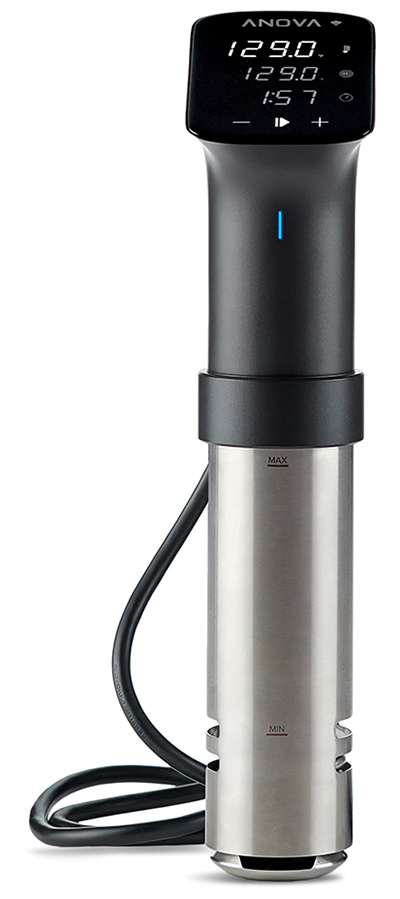
To start, you’ll need a sous vide appliance. Anova is the most popular sous vide brand, although there are others, with prices starting at around $80.
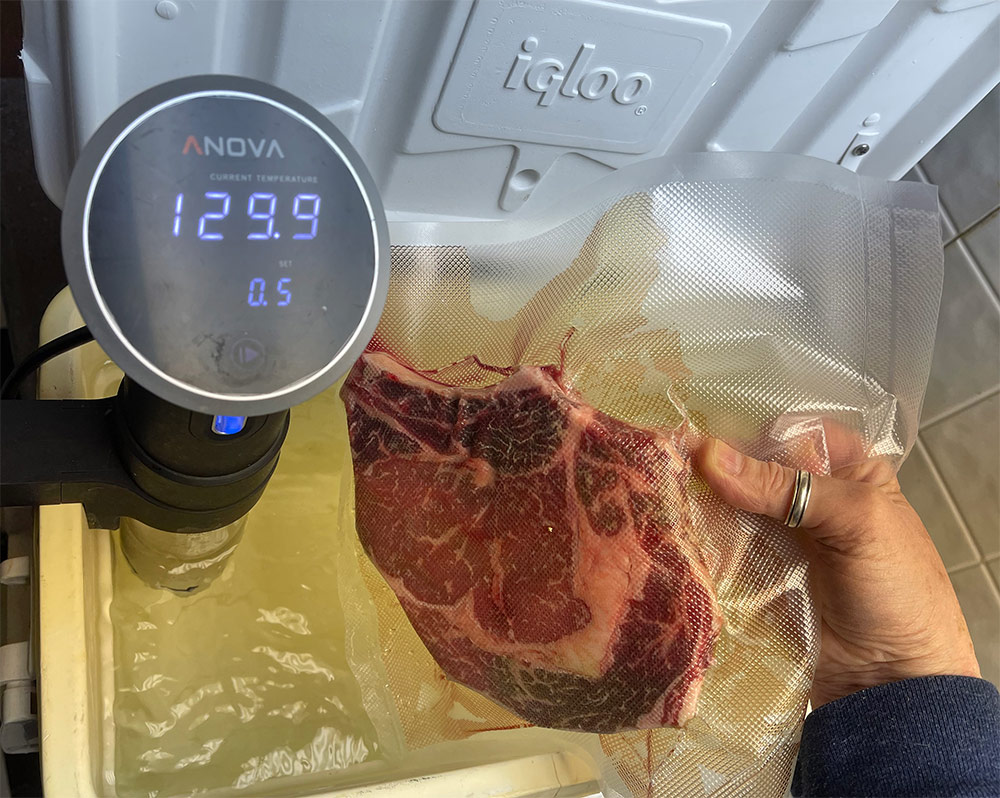
Place whatever you are cooking — vegetables, chicken, fish, steak, ribs, eggs — into a vacuum bag and seal it. (No problem if you don’t have a vacuum bag sealer, we’ll get to that in a bit.) Since different foods cook at different times and temperatures, you won’t want to mix, say, the chicken with the beef.
Using your sous vide appliance, preheat a vessel of water to the recommended temperature. I use a small, 12-pack-sized cooler as my immersion tank. Once the water reaches the set temperature, submerge the food bags into the vessel.
Surrounded by circulating water held at a constant temperature (within 1 degree), the food cooks evenly and really cannot be over or undercooked. This is a real plus when I’m camping because I’m busy doing other things like taking the dog for a hike or hanging at the campfire.
The Anova website lists hundreds and hundreds of recipes. The recipes spell out cooking time and temperature, so there’s no guesswork. And if you really get into it, the Anova sous vide online forum is extremely active.
No vacuum sealer? No big deal. Use heavy-duty zip-lock style freezer bags and remove most of the air, utilizing the water-displacement method shown here. You’ll want the bags to sink underwater as much as possible in the water bath.
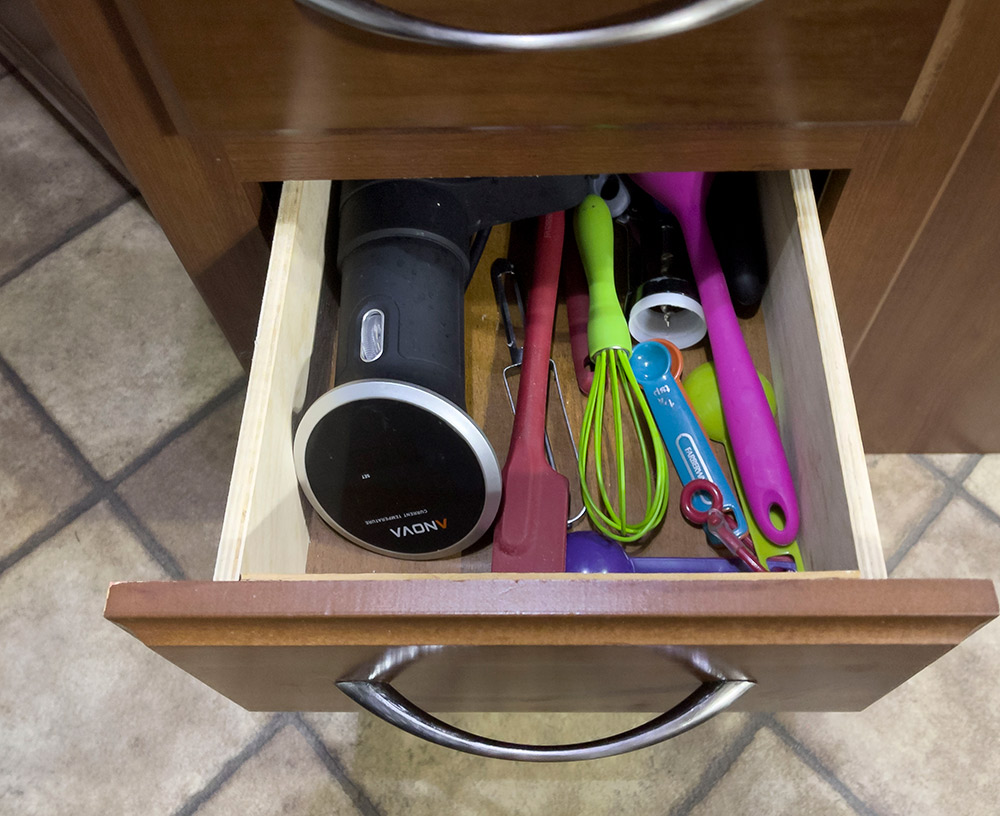
That lone drawback, though is overshadowed by all the benefits sous vide offers RVers.
Compact Size. The Anova sous vide appliance I have is compact, smaller than a wine bottle, and fits easily in the gallery space of my 26-foot Class C motorhome. In my opinion, there’s no better or easier way to prepare fish and shrimp, and the appliance is always in my RV when I head to the coast.
Prep Ahead. Sometimes you want to eat good food at the campsite but don’t feel like making an effort. No problem. Using the sous vide, prep meals at home ahead of time, then throw them in your RV freezer. The vacuum bags of sous vide goodness are so compact I can fit 10 meals inside my small Norcold freezer. After a busy day, simply quick thaw the sealed meal in some cold water and sear over the fire.
No Guesswork. Managing a cooking grate full of chicken breasts or chops is sometimes more than I can handle. I want to predict the time everything will be ready, but not over or undercook. With sous vide, it’s easy to hit the target every time since the food is pre-cooked to the circulating water’s temperature. Ten minutes before mealtime, simply pull the food out of the bags, throw it onto the grate or grill to brown, and there you are. Voila!
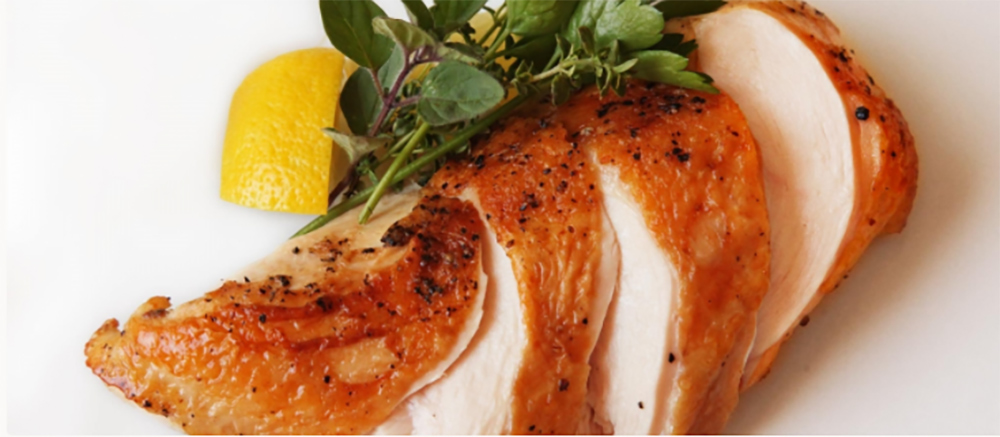
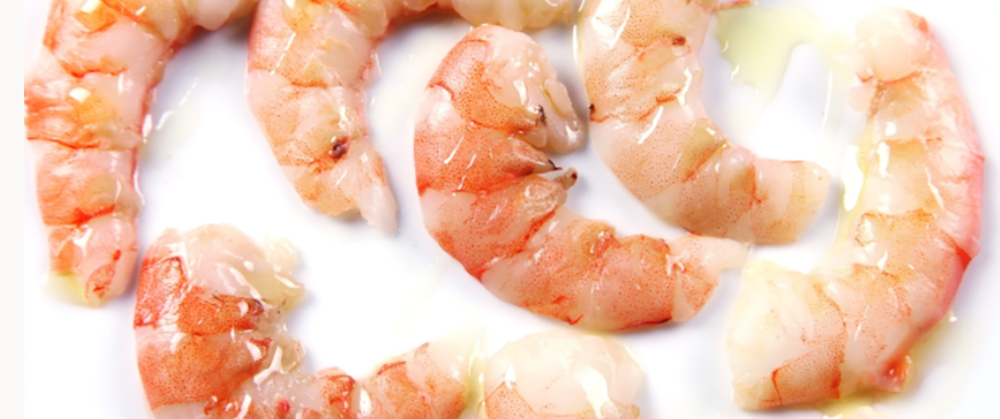
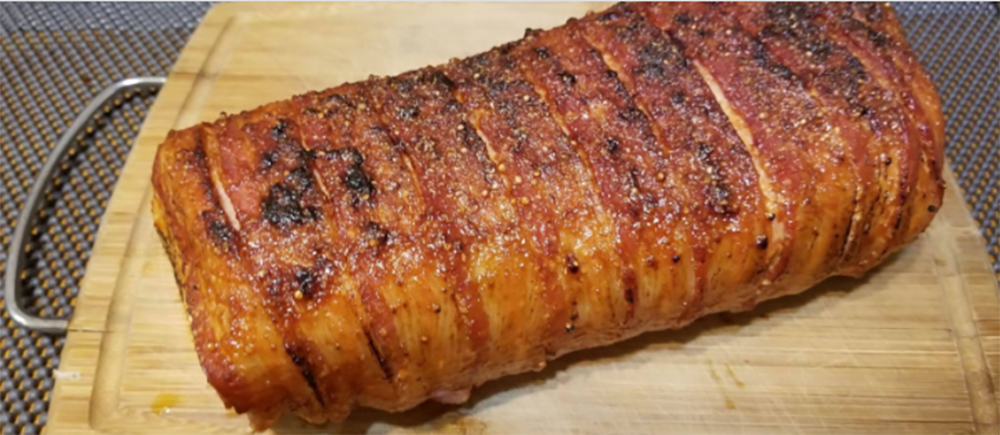
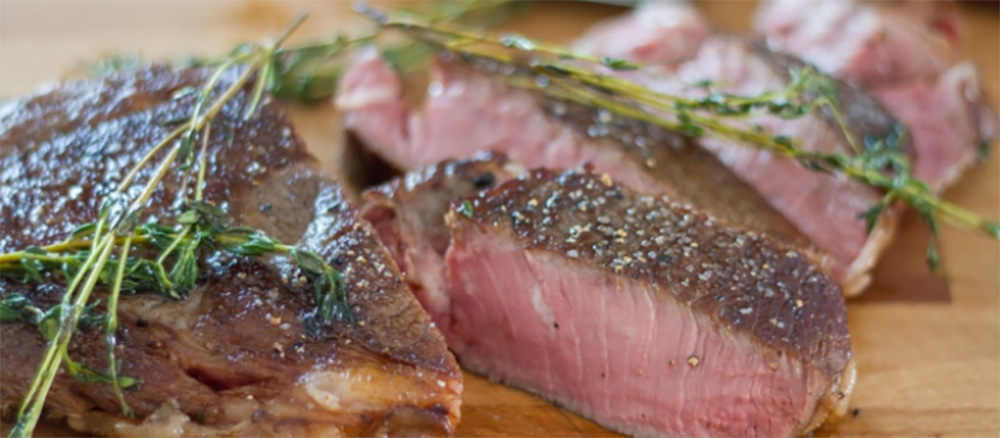
Plus, there are tons of good sous vide recipes to be found. Here are four of my camping favorites — click on the links for full recipe information. (Recipes and photos courtesy https://anovaculinary.com/.)