

On The Road Again
[maghub_sidebar]
On the Road typography
De-winterizing an RV requires more than simply flushing the water system. A detailed preventative maintenance schedule makes all the difference between frustrating repair stops and pleasant journeys
By Bill Gehr / Photos by author
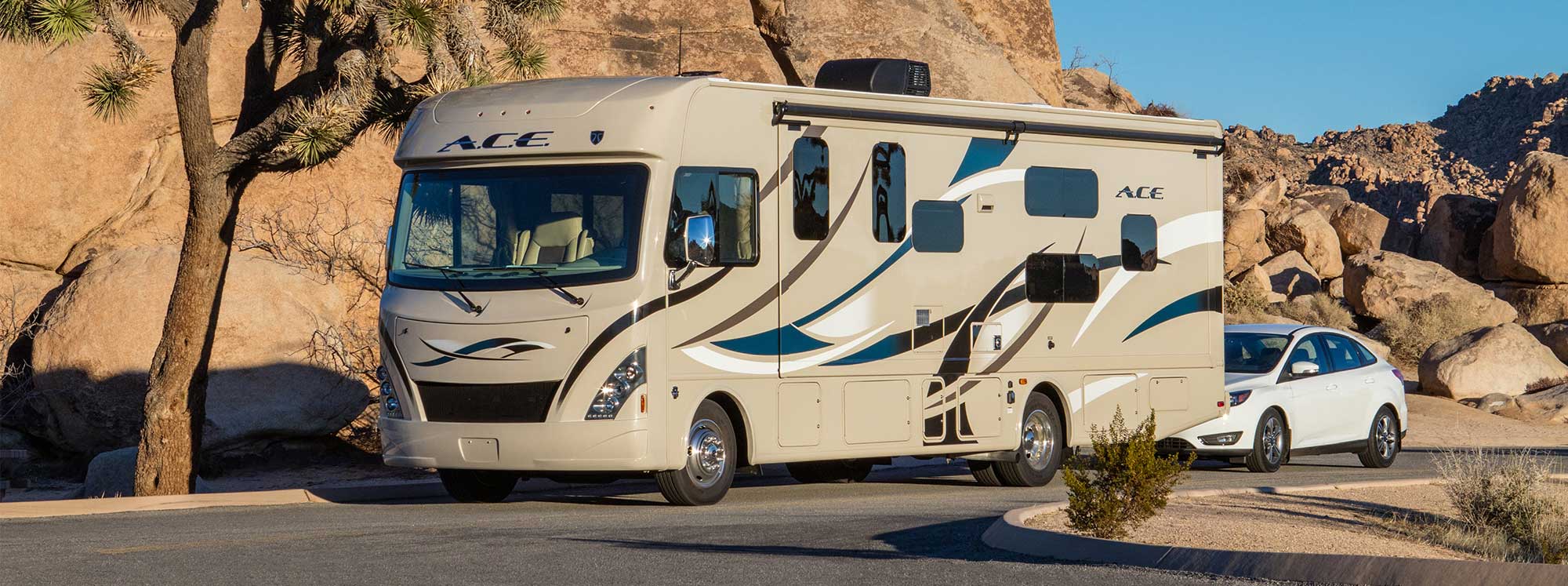
tan RV at Joshua Tree
F

or a large part of the country — meaning those not blessed with nearly year-round mild weather — May roughly translates into “It’s almost time to kick off the travel season” for those RVers who have stored their rigs during the winter and are anxious to hit the road. After a long hibernation, however, preparing an RV for travel requires more than just flushing the water system. Winter can be rough on everything from house batteries to door seals, and everything should be inspected before easing back out into traffic for another summer.

Following a few simple procedures will help ensure that your RV will perform as designed and expected, providing trouble-free travels from Day One. It should go without saying that, before starting this process, just be sure that freezing temperatures are in the rearview mirror for the season.

Uncover and Inspect
If the RV has been covered for the season, remove the cover and pack it away neatly for the travel season. Wash the RV and inspect the roof from front to back, paying particular attention to caulking, vents, antennas, satellite dish (if so equipped), air conditioner(s) and any other accessories installed on the roof.

Using the appropriate caulking for your roof material, seal any cracks that may have appeared during storage. Scrape and seal the caulking first if it has deteriorated beyond the point where another layer of sealant won’t be effective (for information on how to do this, go to https://magazine.rventhusiast.com/issue/march-2021/seal-the-deal/).

Starting at the entry door, carefully inspect the exterior, including the caulking around windows and accessories. Don’t forget the windshield wipers — it’s not a bad idea to replace them if they’ve been in service for more than a year. If possible, use wiper blades made of silicone material; they last longer and work more smoothly. Extend and inspect the awning(s) and slide toppers for tears in the fabric as well as broken or worn parts. Once the exterior is secure, apply good coat of wax to protect the RV from the elements. All RVs that are exposed to the elements throughout the year should be waxed at least every six months to protect the exterior and keep it looking nice.
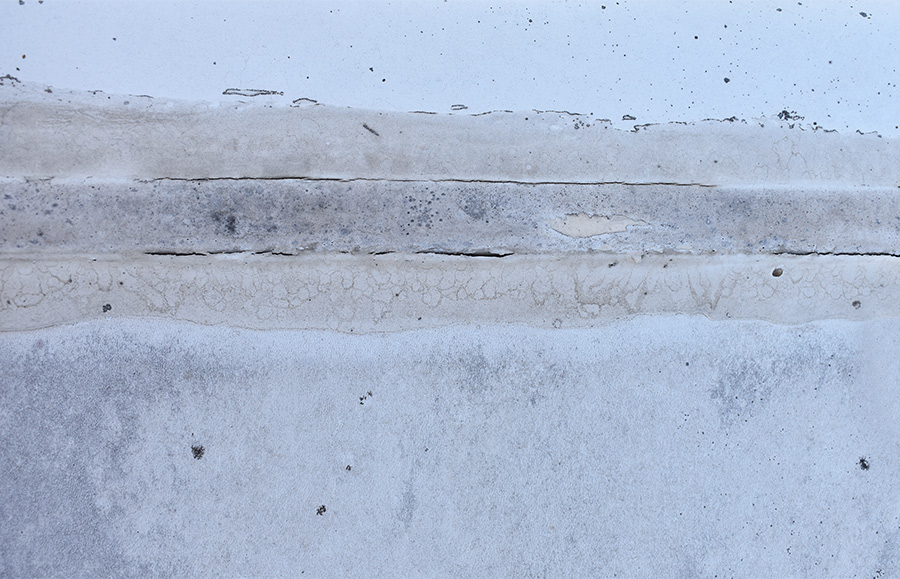
sealant on the transition seam gone
After examining the roof, it was clear that the sealant on the transition seam was just about gone. After cleaning, new sealant designed for the roof material will be applied.
Reinstall the batteries if they have been removed for the winter and check the electrolyte level (if applicable), the condition of the wiring, terminals and the age of the batteries. After initial charging, check the voltage or specific gravity after depleting the surface charge for a few minutes. Repair or replace any defective cables or terminals. Clean any corrosion that has developed on open-cell batteries with baking soda and water (or a commercial cleaner). Recoat terminals and cable clamps with a quality spray protectant — there’s nothing more frustrating than to experience failed batteries on the first trip.

Plug your rig into shore power to ensure the charging and electrical systems are functioning properly, including all appliances. If equipped, test the Aqua-Hot or Oasis hydronic systems found in higher end motorhomes and fifth wheels (propane, electric and diesel-fired). These systems should be serviced annually.

Run the slide out rooms in and out at least twice. Listen for unusual noises and make sure that they retract and extend evenly. Check between the slide-out roof and the topper for any debris that may create a problem when operating the room.

Flooded Lead Acid (FLA) batteries being checked
Flooded Lead Acid (FLA) batteries can be checked for specific gravity using a hydrometer. This can be a messy operation, so use care. Since electrolyte is acid, it’s best to wear gloves (unlike this person) and eye protection. Adding distilled water (only) to FLA batteries is a regular process. One way to make the job easier is to set up the battery bank with an auto fill system (https://amzn.to/3abftIu). Adding the cap replacements in the kit will allow the user to drop a tube into a jug of distilled water and pump water into each cell at the same time.
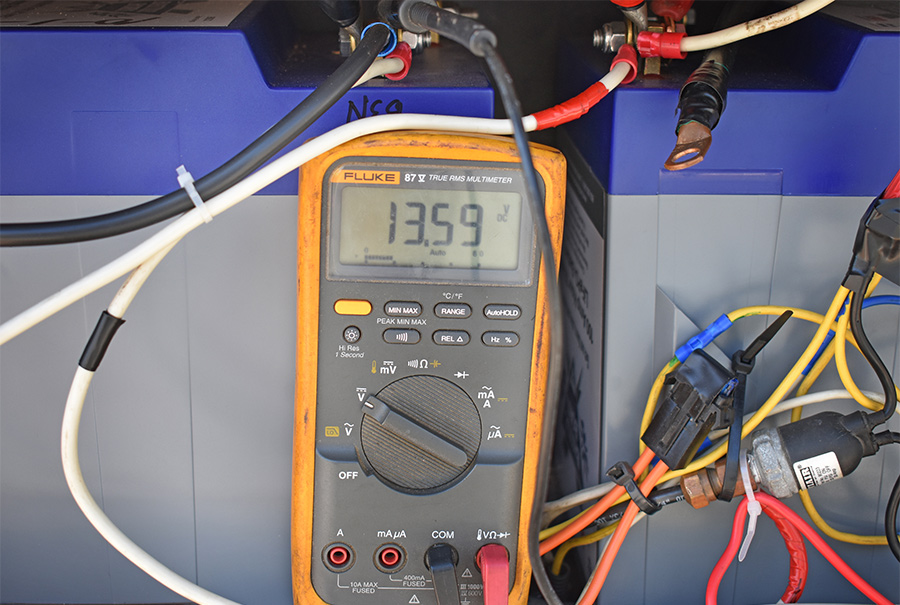
battery voltage being monitored using an accurate multimeter
Right from the get-go, it’s important to monitor battery voltage using an accurate multimeter. If the RV is hooked up to power during storage, battery voltage should be checked once a month. Over- or under-charging can lead to damaged battery cells.
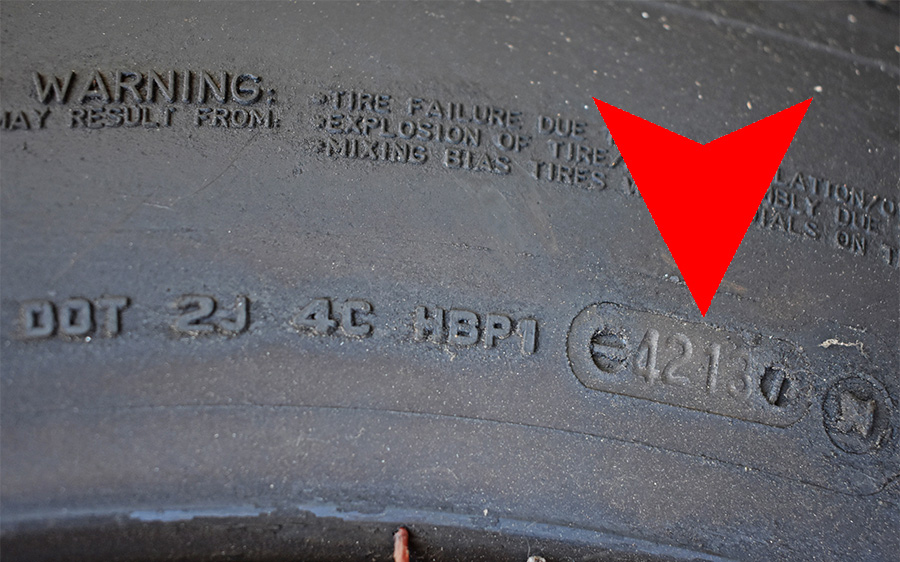
Inspect the tires for cracking, uneven wear and air pressure; consult your owner’s manual and inflate every tire to specifications provided on the required label on the RV, including the spare. If you are uncertain of the age of the tires, check the manufacturers date on the sidewall. The four numbers/letters branded into the tire after the D.O.T. (Department of Transportation) information will show the week and year the tires were manufactured. If the tires are cracked, crazed or more than 5-7 years old, replace them before heading out on the road. Timed-out tires are prone to failure, which is not only dangerous but also can cause expensive collateral damage to the RV. (Check for timed-out information provided by the tire manufacturer; some extend this term to 10 years if the sidewalls are not cracked, the tread is still good and the RV has been stored indoors.) Some cheap imported trailer tires fail much sooner, emphasizing the need for regular, careful inspection; it’s not a bad idea to check your tires quickly every time you stop on a trip.

Protecting the sidewalls with a product like Aerospace 303 (available at RV retailers and online) and tire covers will help extend tire life, especially when stored outdoors.

Make sure the travel trailer or fifth wheel lug nuts are torqued to specification before leaving the storage facility. A torque wrench is needed to accomplish this task. Lug nuts should also be checked frequently when on the road.

battery with corrosion buildup around the terminals
Batteries will last longer if they are kept clean. Shown here is a battery that has been void of maintenance for a long while. Corrosion buildup around the terminals is bad and should be cleaned with baking soda and water using a stiff bristle brush. Battery Terminal Cleaner Spray And Corrosion Cleaner (https://amzn.to/32dI4sj) can be used to mitigate some of the corrosion build up.
RV tires closeup
RV tires typically time out with decent tread life remaining. The code on this tire shows that it was manufactured on the 42nd week in 2013 and has timed out. Tires older than five to seven years should be replaced to avoid blow-outs that can cause expensive collateral damage. Some manufacturers extend the time-out term to 10 years if the sidewalls and spaces between the tread are not cracked, there’s adequate tread depth and the RV has been stored inside.
RVers, Start Your Engines
If you own a motorhome, be sure to check all fluids (transmission, engine oil, coolant) and top off if necessary before starting the engine. Make sure fluid change intervals have been followed per the manufacturer’s service schedule. Inspect the engine air intake filter and, if applicable, check your records for diesel fuel filter service. Carefully check the engine compartment for rodent nests or wiring where insulation has been chewed off. For some reason, rodents love the taste of wire insulation, although we can’t imagine it has any nutritional value.

After starting the engine, make sure the charging systems for both the chassis battery and house batteries is functioning properly. This can be done at the battery terminals using a multimeter. Check the radiator overflow container for proper fluid level; now is a good time to check your records and see if the radiator or antifreeze needs to be flushed and serviced. Generally, changing the coolant is done every 5 years or 60,000 miles; consult your owner’s manual for specific requirements. Using a bright flashlight, inspect the undercarriage of the motorhome from front to rear, checking for fluid leaks, damage to any components or anything that is broken or compromised. If there are any warning lights showing up on the instrument panel, take appropriate service action before leaving on any trip.
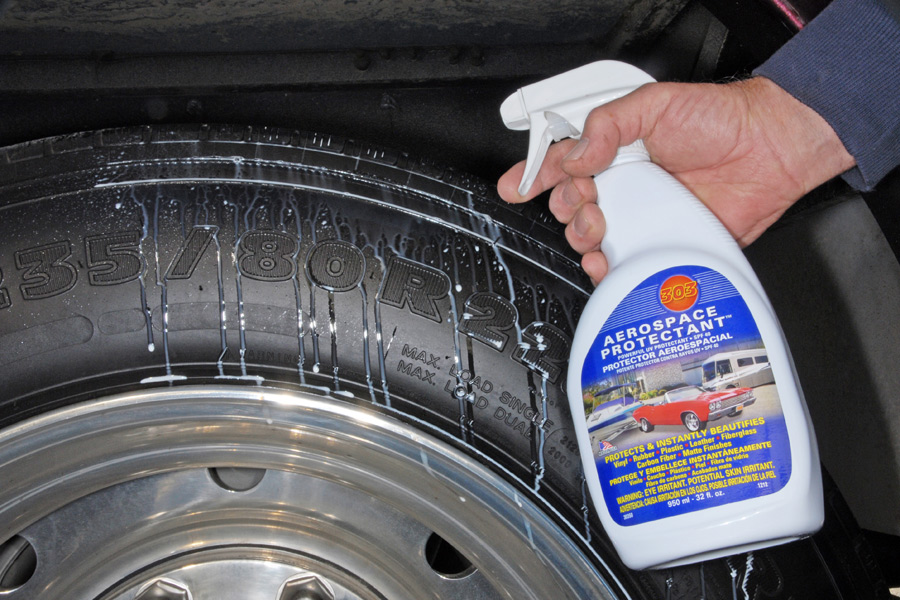
Aerospace 303 Protectant being sprayed on wheels
wheel with cover towel on it
Harsh sunlight is the enemy of any tire. Using tire covers when the rig is in storage or in an RV park site for long periods of time will help protect the rubber from early deterioration. Regular applications of a product like Aerospace 303 Protectant will help protect the tires from the elements.
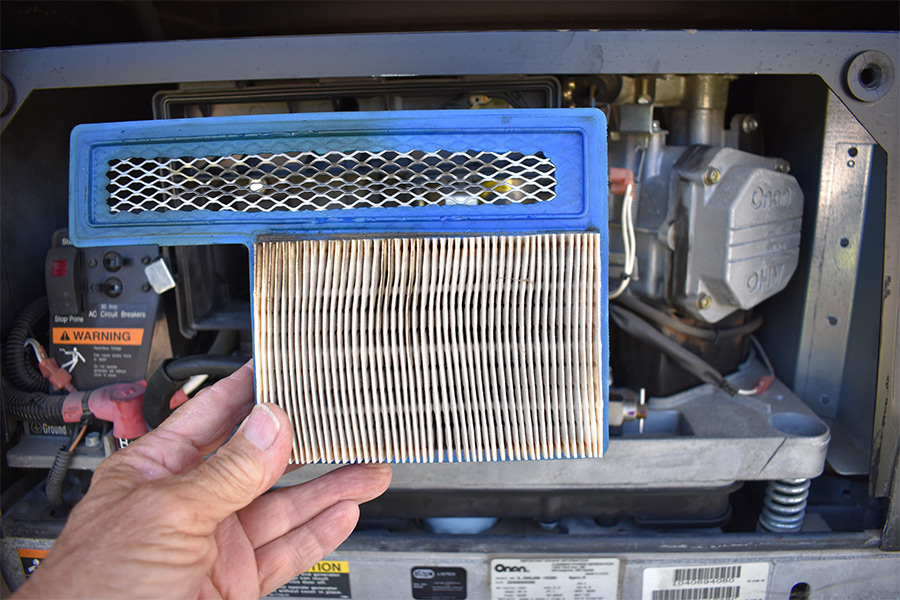
Before you pull out for your initial test drive, check the mirrors, lights, turn signals and emergency flashers for proper operation. Start out slowly while testing the brakes for proper operation. For diesel motorhomes, be sure to check your gauges for the proper air pressure. Start your test drive on a few city streets and then move onto the highway/freeway, drive for 10 to 15 miles, operate the cruise control and, for diesel motorhomes and tow vehicles, check the operation of the exhaust brake (if so equipped). If you tow a dinghy vehicle, be sure to bring it along on your test drive after inspecting the baseplate hardware and tow bar for any damage or worn components. If equipped, inspect and service the AC generator; do not forget the air filter. Start the generator and run it under a roughly 50-percent load for approximately 30 minutes — and don’t forget to check the output and function of all the appliances while the generator is running. For optimal performance, the generator should have been run under load for 30 minutes every month while the RV was in storage.

While motorhome drivetrain and suspension inspections are usually reserved for qualified technicians, it’s possible for do-it-yourselfers with moderate technical skills to inspect trailer components. Inspect the brakes and wheel bearings on an annual basis, or sooner if problems are suspected. Wheel bearing should be serviced annually or after 12,000 miles (see “Keep on Rolling” elsewhere in this issue). If the trailer is equipped with disc brakes, check the rotors for scoring and the pads for adverse wear. Be sure to check the disc brake fluid level in the hydraulic actuator and top it off with standard Dot 3 brake fluid. For trailers with standard electric brakes, check the linings, armature plate and wiring for proper function.
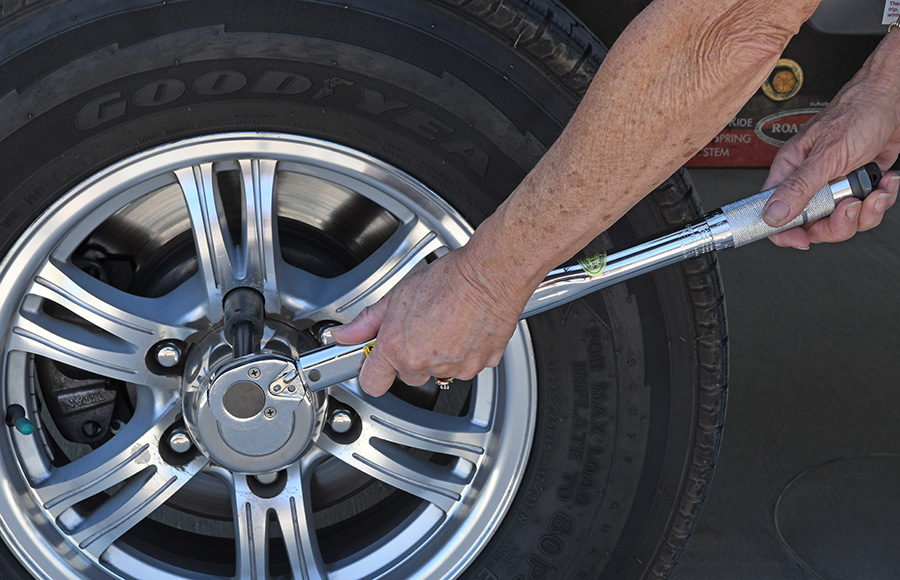
Trailer lug nuts being tightened
Trailer lug nuts should be torqued to manufacturer’s specifications before moving out of storage. It’s best to also frequently torque the lug nuts while on any trip. Detailed instructions can be found in your RV owner’s manual.
Under-hood inspections being done
Under-hood inspections should include changing the engine oil level, especially on high mileage rigs, before heading out on the first trip; transmission oil and coolant level should also be monitored. A dirty or clogged air intake filter can decrease engine performance and fuel economy. The filter in this 2017 Ram Cummins engine is ready for replacement.
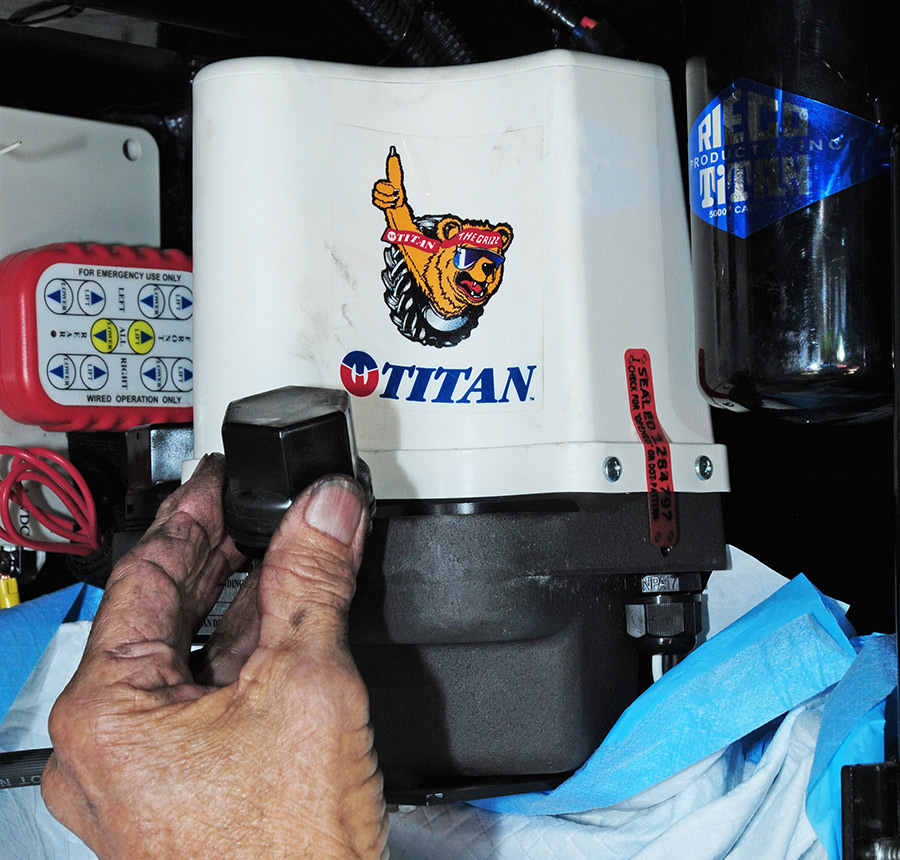
Trailer leveling and A-frame (tongue) jacks should be checked for proper operation. Hydraulic fluid for leveling jacks should be visually inspected for proper levels. Extend and retract the jacks a number of times to check for any fluid leaks.

Are All Systems Go?
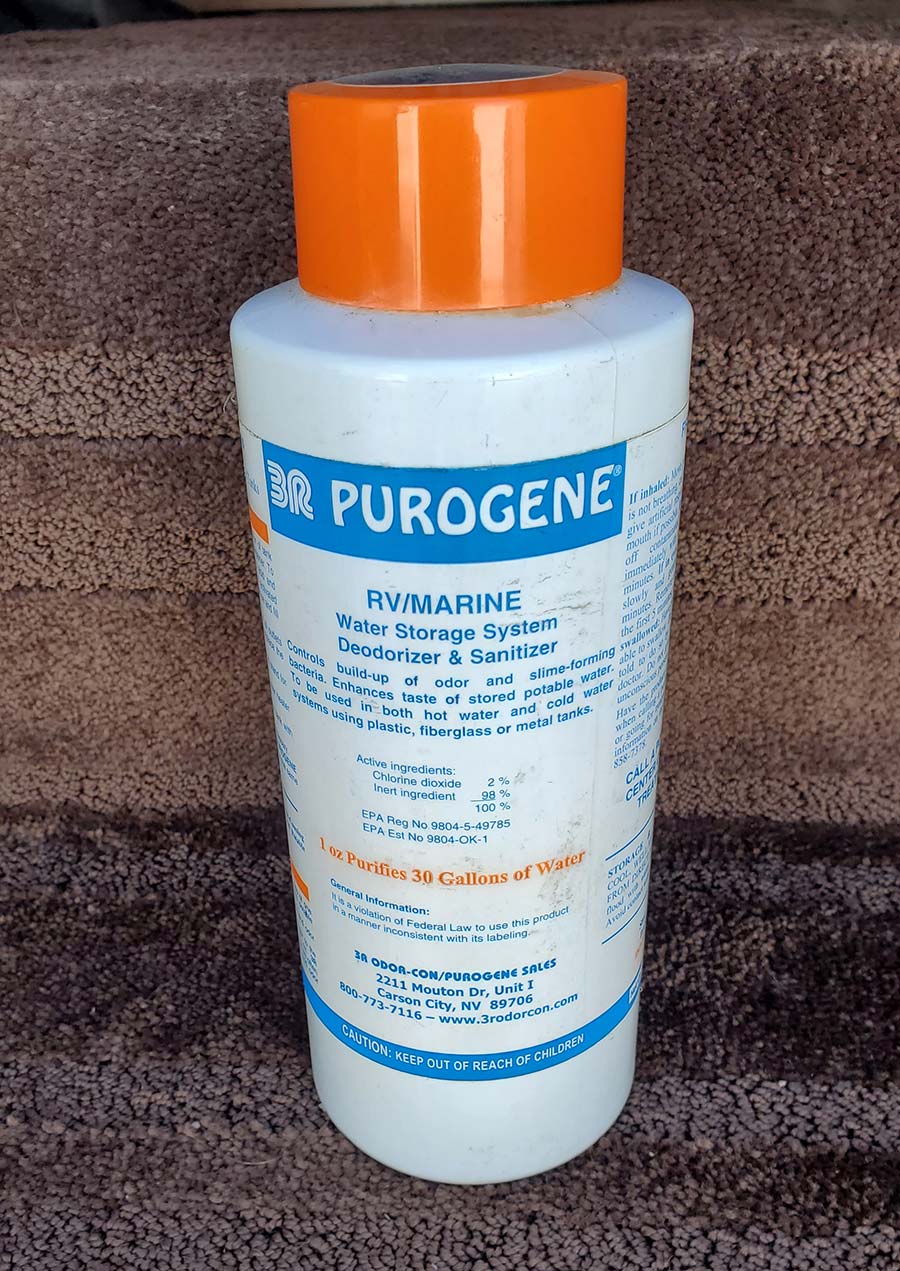
Those owners who store their RVs in cold climates will likely have to flush the non-toxic anti-freeze out of the freshwater system. This works best if you can be hooked up to city water. Make sure there are no signs of anti-freeze coming out of the faucets, toilet and washing machine/dishwasher (if equipped). If your water heater has a bypass, be sure to open the valves and run water out through the drain until it’s clear. Replace the drain plug or the anode rod, if necessary; if the anode rod material is at 50 percent or less, this will be required. Open the galley faucet to the hot side and wait for the water to flow from the water heater. During the process, don’t forget to flush the outside shower assembly, if equipped. Run the water pump and flush the antifreeze from the discharge and the supply line. Replace any water filter cartridges that should have been removed prior to winterization. If you’re not certain that your freshwater storage tank is clean, fill the water tank and add Purogene (https://amzn.to/3uOWifp), following the directions for use. I prefer this as opposed to bleach because it is non-toxic and can be left in the water tank to prevent any algae.

Check the LP-gas (propane) level(s) and top off if necessary before leaving for the first trip. Inspect all hoses pertaining to the propane system and the regulator. Most manufacturers recommend replacing the propane regulator every five years for safety. The generally accepted procedure is to perform a LP-gas leak-down test annually to check for leaks; freezing temperatures can compromise the regulator diaphragm. Open the LP-gas vessel valve(s) and test all appliances; wait until after the water heater is filled with water before running it on gas or electric.
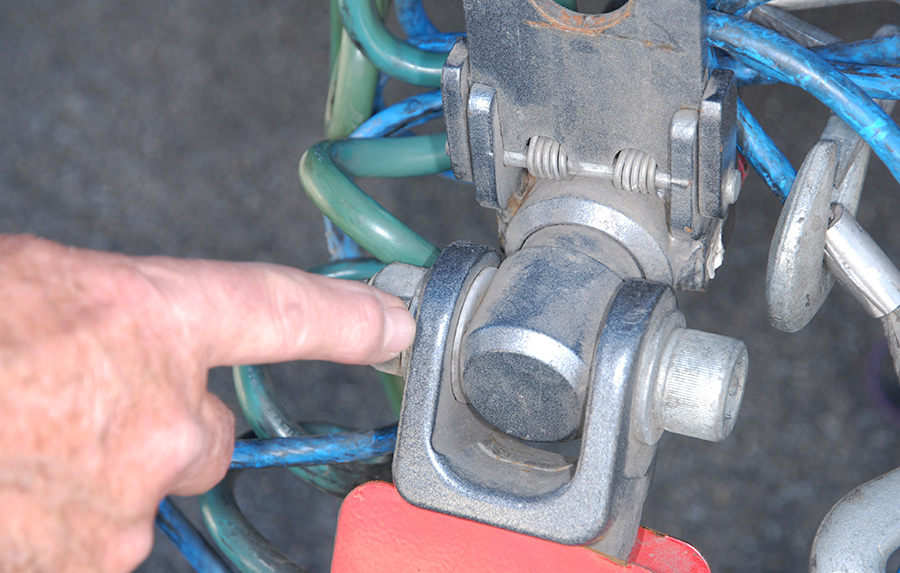
Dinghy towing bars and baseplates being inspected
Dinghy towing bars and baseplates should be inspected regularly for wear and tear. Equipment manufacturers typically recommend that tow bars be sent back to the factory for maintenance. Check with the individual tow bar manufacturer for recommended service.
Test the function of your smoke-, gas- and carbon monoxide detectors and replace if they are outdated. Batteries should be replaced annually; just make it a practice to do this before the first trip after storage or the first of the new year (or Fire Prevention Week), if the RV is used full time or during that time of the year. CO and smoke detectors with lithium batteries have a longer lifecycle. Most of the newer RVs will be equipped with hardwired carbon monoxide detectors. Generally, the smoke detectors themselves will be viable for roughly 10 years, while gas and carbon monoxide detectors usually last 5 to 7 years.
generator air filter being checked
oil filters also being checked
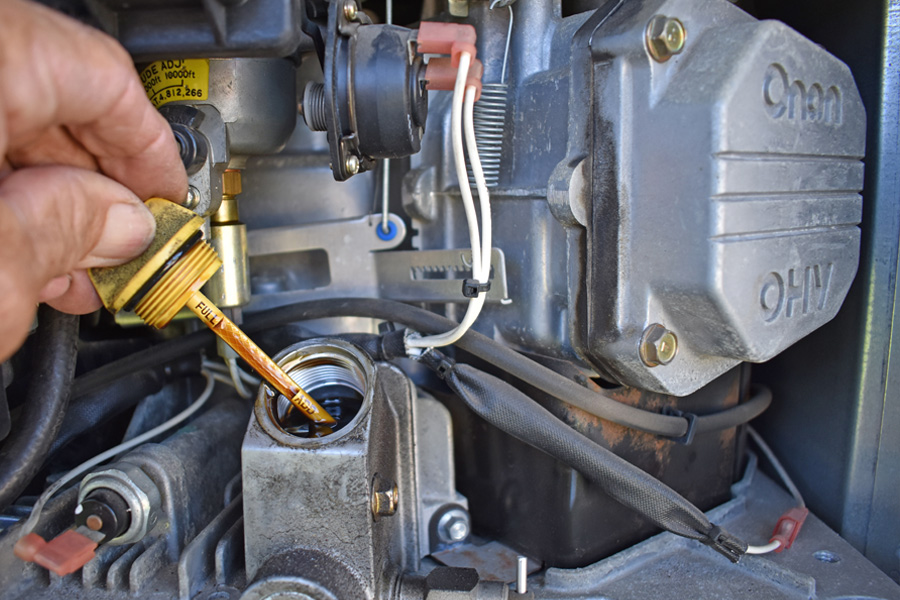
It’s also important to check the condition of the generator air filter. Generators with smaller carburetors require more frequent air filter service. Check with the generator manufacturer for its maintenance schedule. Generator oil level should be checked regularly (and more often in smaller units). Some generators do not have oil filters, so oil condition can be viewed from the dip stick. Oil must be changed at a minimum of every year regardless of use. This service procedure is often overlooked.
Now is also a good time to check your fire extinguisher’s expiration date; several models also have a gauge or a test button that will allow you to test them. Have a couple of 5-pound ABC fire extinguishers mounted in the living and sleeping spaces where they’re easy to access. It’s a good idea to have one in your tow vehicle, as well. Remember, life safety is always first; if you can catch the fire early when it’s small, extinguish the fire then call 9-1-1. Otherwise, get out of harm’s way and call 9-1-1 from a safe distance.

This maintenance overview may be more time-consuming than some RV owners might have expected — until you understand that you aren’t just inspecting a vehicle, you’re inspecting a house. Spending a little time to scrutinize and test the various systems and components on your trailer or motorhome will go a long way toward trouble-free trips — and prevent more serious and expensive repairs down the road.

trailer brake disc-brake rotor closeup
This trailer brake disc-brake rotor was scored because the brake pad dislodged from the backing plate (a good case for buying high-quality replacement parts). A deep groove on the entire surface rendered this rotor unusable.
DOT 3 brake fluid being used
DOT 3 brake fluid is used in trailer brake disc actuators and the level should be checked before any road trip. The actuator can be tested by pulling the breakaway cable, which will also confirm that the breakaway system is functioning correctly.
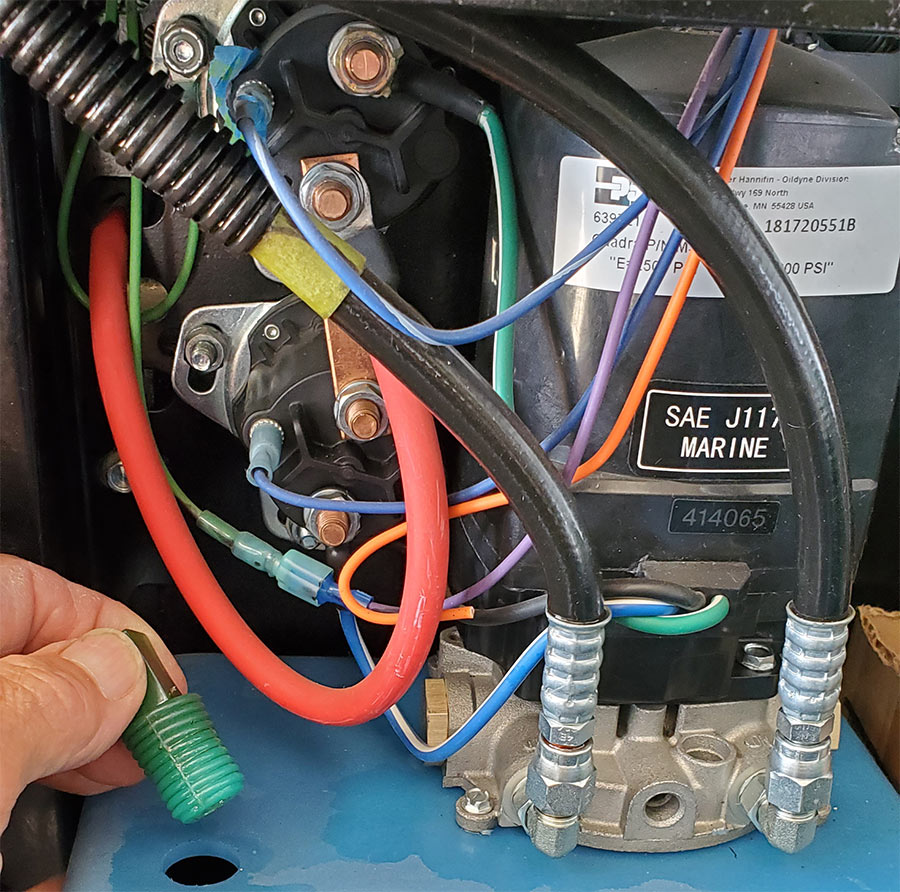
the ATF fluid level in a hydraulic leveling/slideout system reservoir
Determining the ATF fluid level in a hydraulic leveling/slideout system reservoir may require removing a plug and peering down through the hole. Systems with translucent reservoirs can be checked visually from the outside. Fluid level must be checked with all rooms and jacks retracted, or over overfilling and spillover can occur. If the fluid appears frothy or contaminated, ask a certified technician whether it’s a good idea to flush and refill the system.
Anode rods in hot water tanks
Anode rods in hot water tanks (if equipped with one) should be replaced when the material is about 50 percent consumed. The anode rod is sacrificial, preventing corrosion from attacking the tank.
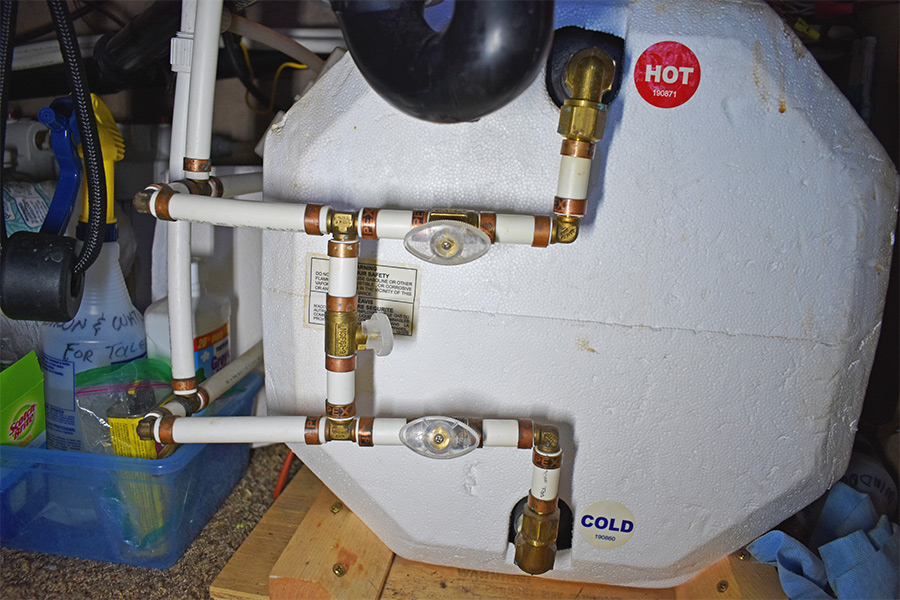
the hot water tank isolated
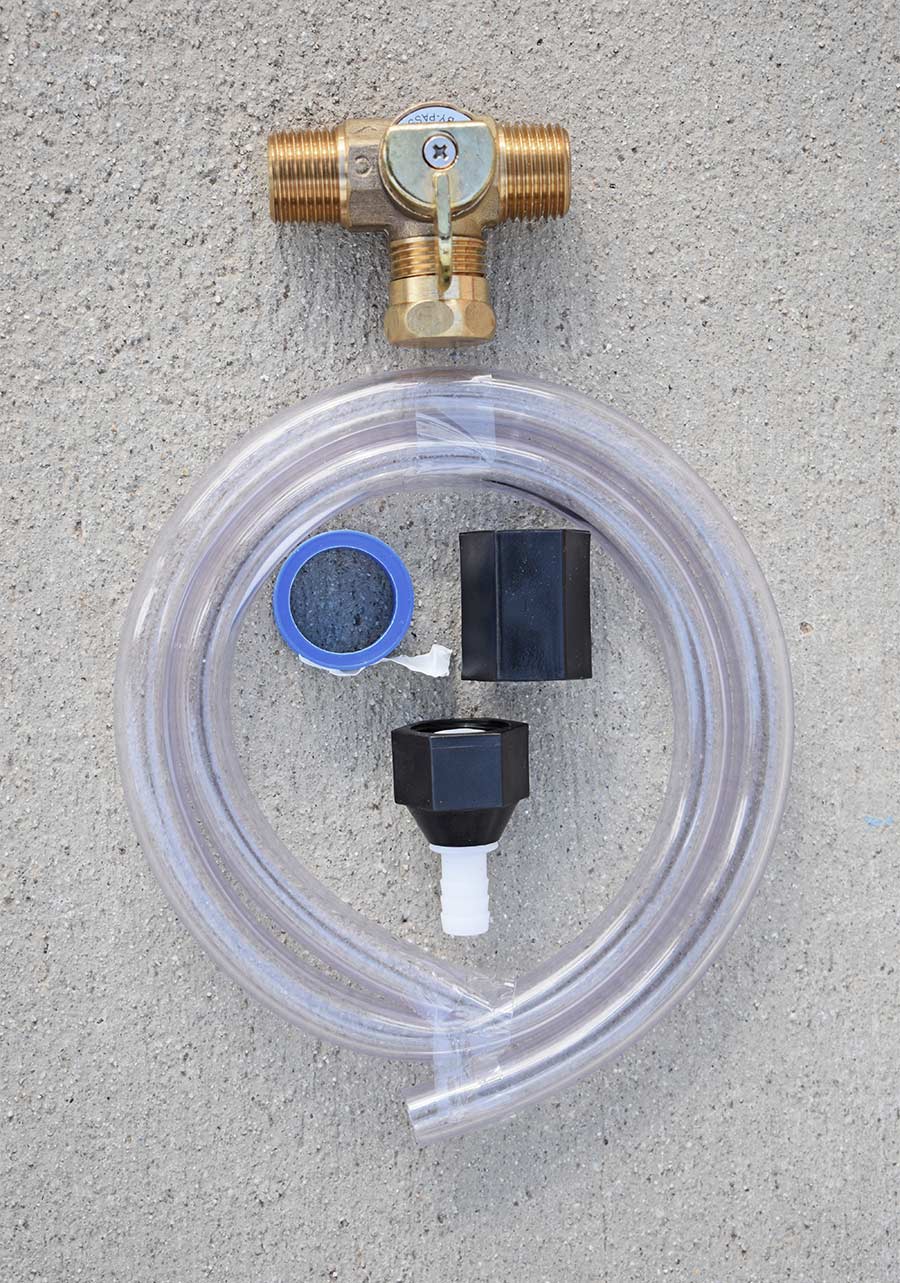
During storage in cold weather, the hot water tank is isolated from the water system to prevent frozen lines. Be sure to turn the valve out of bypass mode (as shown with the handles parallel to the lines) when flushing the system and getting ready for the road. Aftermarket kits (https://amzn.to/3e78kdz) are available for water heaters without a factory bypass.
non-toxic anti-freeze tube
After flushing the non-toxic anti-freeze, fill the freshwater tank and add Purogene (https://amzn.to/3aaiUPQ) to sanitize the water system. Working with chlorine bleach can be nasty; Purogene is non-toxic and does a good job of sanitizing the system.
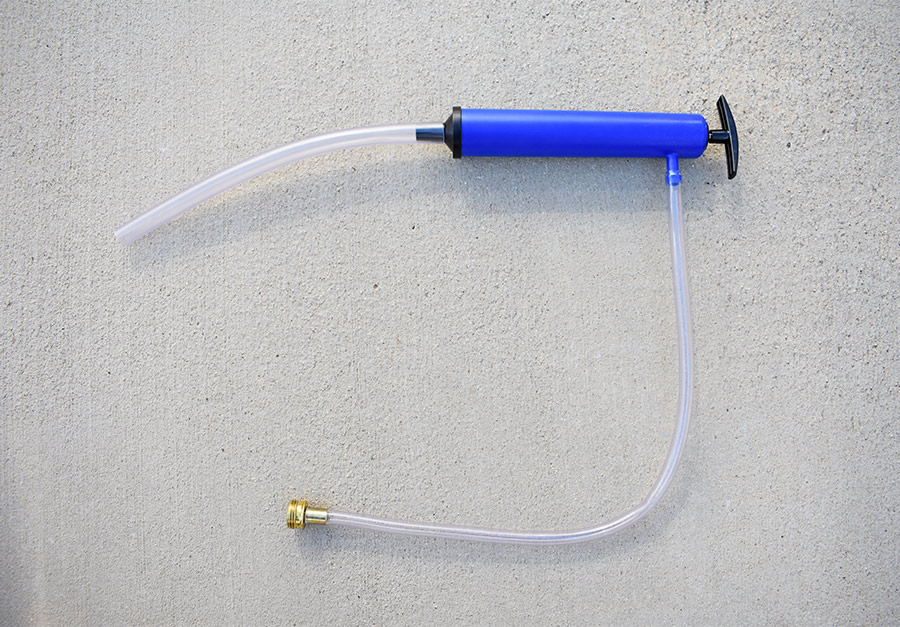
blue and clear Camco’s Anti-Freeze Hand Pump
copper and plastic Pump Converter kit
Camco’s Anti-Freeze Hand Pump Kit (https://amzn.to/3e1imN1) and Pump Converter kit (https://amzn.to/3wVfp9z) is designed for winterizing but can also be used to pump Purogene into systems without a gravity feed provision.
high-quality filter being replaced
Before pressurizing the system, it’s a good idea to replace the water filter(s). A high-quality filter can take out much of the contaminates, including chlorine, out of the water.
red and gold blow-out plug
A blow-out plug can be purchased online (https://amzn.to/3g9tU3y). It’s used to blow-out the waterlines, faucets and appliances when attached to compressed air. It connects to the city water inlet and an air hose is connected to provide no more than 120 psi of pressure (40-60 psi is ideal). Appliances and faucets must be open before subjecting the system to compressed air. This device can also be used to blow-out the anti-freeze when returning the RV into service.
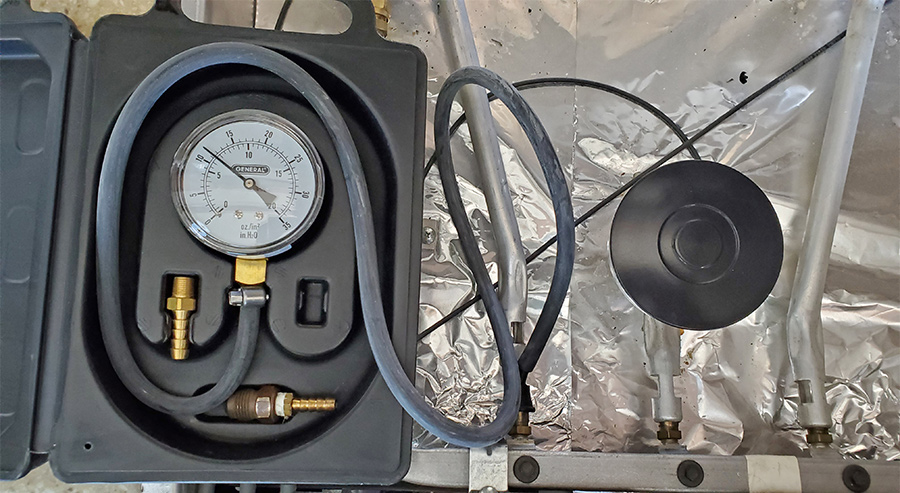
black and yellow dial manometer
A dial manometer (https://amzn.to/3uHJ8kq) is connected to the low pressure side of the LP gas (propane) system for performing LP-gas regulator pressure, leak-down and lock-up tests. The tests should performed annually by a certified gas or RV technician.
white and black Fire extinguishers
Fire extinguishers should also be checked annually. This model has a green button that is pushed and released to determine if it still has pressure. If the green button pops up quickly, then pressure is said to be OK. Prudent RVers should upgrade the fire extinguisher to one that is more effective and versatile.