

Photos by Bob Livingston
odern gas/electric absorption RV refrigerators are quiet and efficient. This technology has been around since 1850 and, more importantly for RVers, these refrigerators will operate on LP-gas — which, unlike compressor-type residential units, enhances the ability to park off-grid. These versatile refrigerators have a network of tubes that are filled with ammonia, hydrogen, water and sodium chromate, a chemical that coats the inside of the piping to prevent rust from attacking the steel.
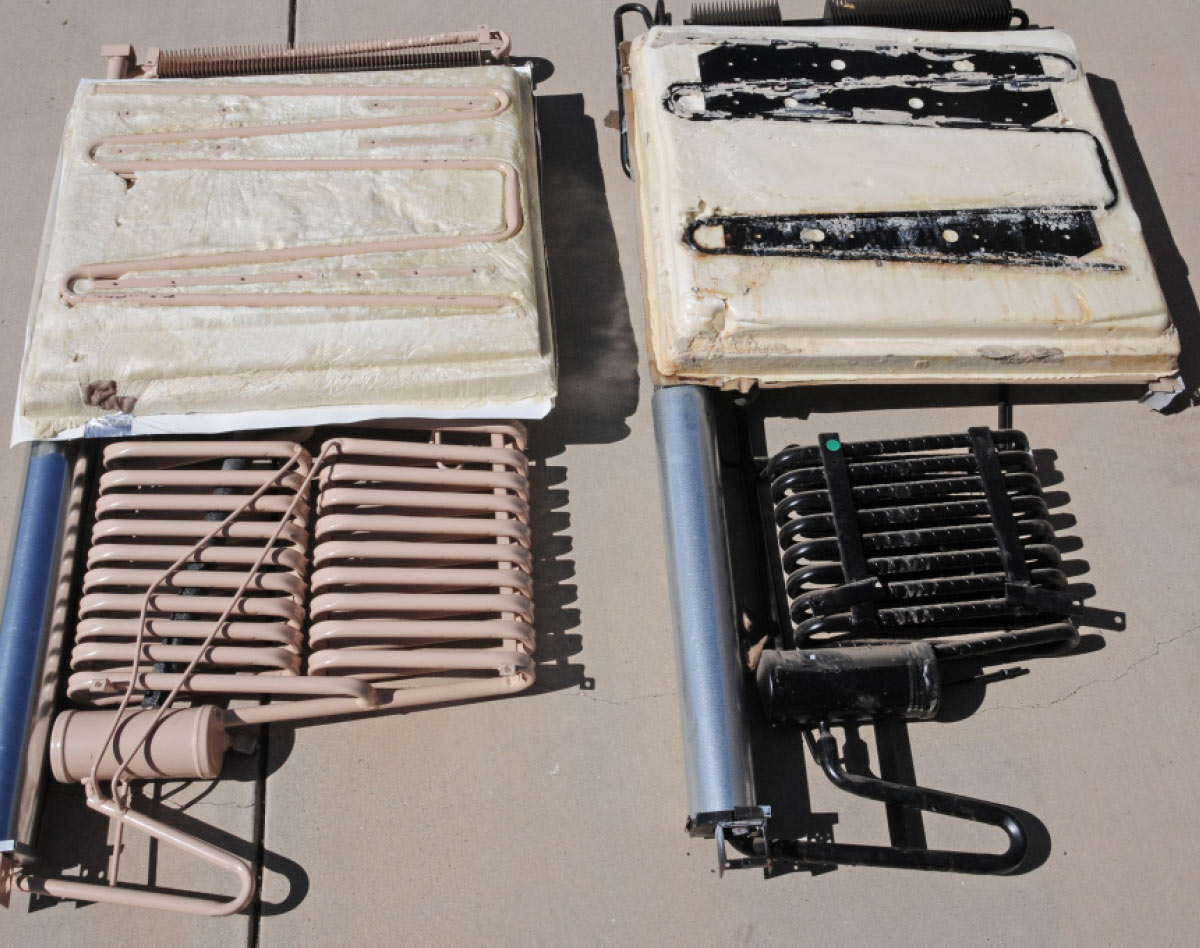
Like all refrigeration systems, there are many components that are needed to keep everything functioning properly. If you have owned an RV with a gas/electric refrigerator long enough, you may have experienced a failure of the cooling unit — which always seems to happen when fully loaded and on vacation. That invariably spurs a discussion on whether to repair the existing unit or buy a new one. Of course, there are factors to consider, including age, condition, technology and desire for a new refrigerator. Swapping the cooling unit will save quite a bit of money — whether installing a new or a rebuilt replacement — while opting for a new refrigerator will likely mitigate the risk of premature failure. Remanufactured cooling units can be cheaper, but quality is in the hands of the rebuild company.
New, upgraded cooling units, on the other hand, will be slightly more expensive; however, they are typically more efficient and will likely even outlast a rebuilt unit. For me, installing a new cooling unit in a 10-year-old Norcold 1210 series refrigerator was the best option, considering I plan to hold on to the fifth wheel for several more years and the refrigerator was in good condition overall. Keep in mind that, should you choose to replace the refrigerator with a new model, cabinet modifications may be necessary, although refrigerator suppliers typically offer direct fit replacements. Also, residential or 12-volt DC-compressor-powered units are viable options for those who always plug into power in RV parks, but anyone who spends a lot of time boondocking will have to look at increasing their battery bank, adding a power inverter and providing an adequate charging system such as solar panels.
The Root Cause of Failure
A major cause for early absorption refrigerator failure is off-level operation. Damage can occur in as little as 15 minutes and will accumulate over a period of time, leading to complete cooling-unit failure. Driving up or down steep grades for long periods of time, parking off-level while walking the dog or stopping for lunch and, of course, parking on off-level RV park sites all contribute to failure. Improper installation and poor ventilation can also lead to damage.
In a nutshell, when the refrigerator is run off level for extended periods of time, the boiler overheats and starts to precipitate out the aforementioned sodium chromate into solid crystals or flakes. Not only can this reduce the internal rust-preventive effect of the sodium chromate, but as happens with people’s arteries, the sodium chromate flakes can cause a permanent blockage of tubing. As time goes on, rust — attacking from both the outside and inside — will make its way through the steel tubing, resulting in a leak and imminent failure.
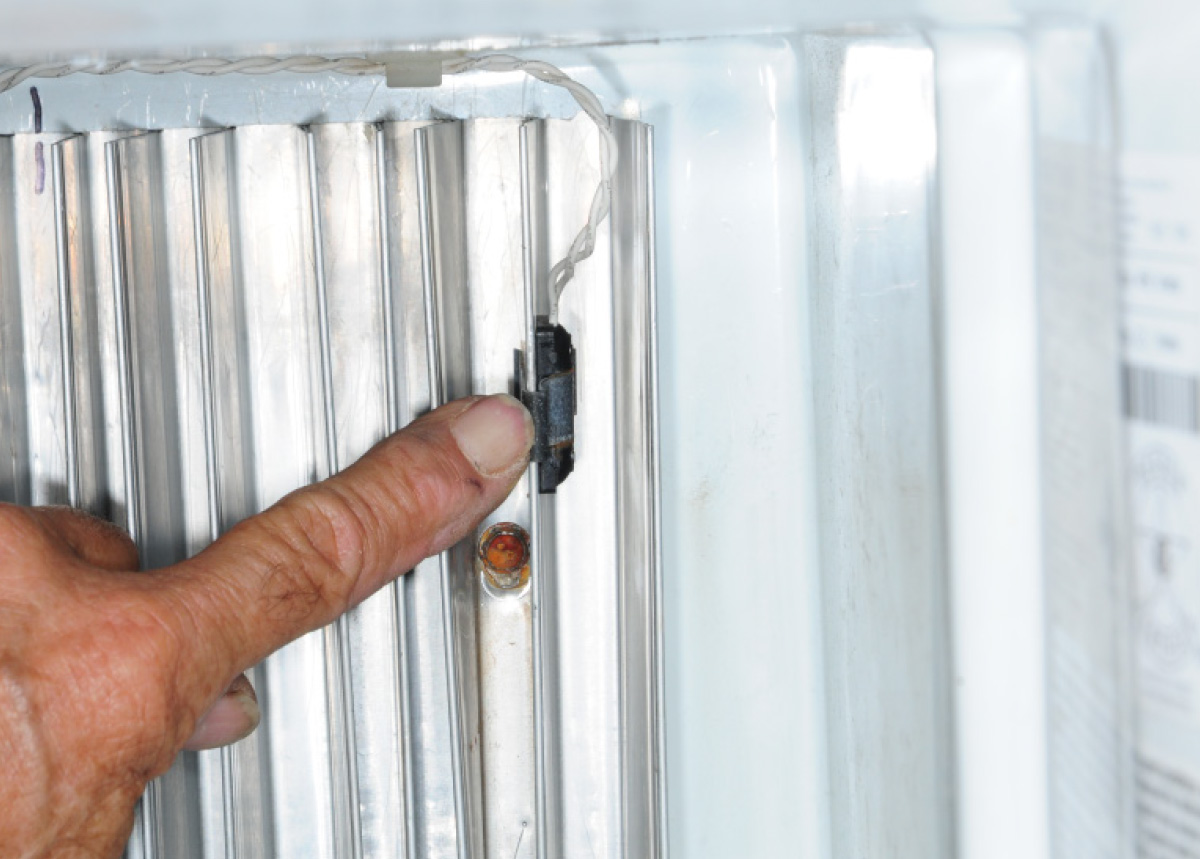
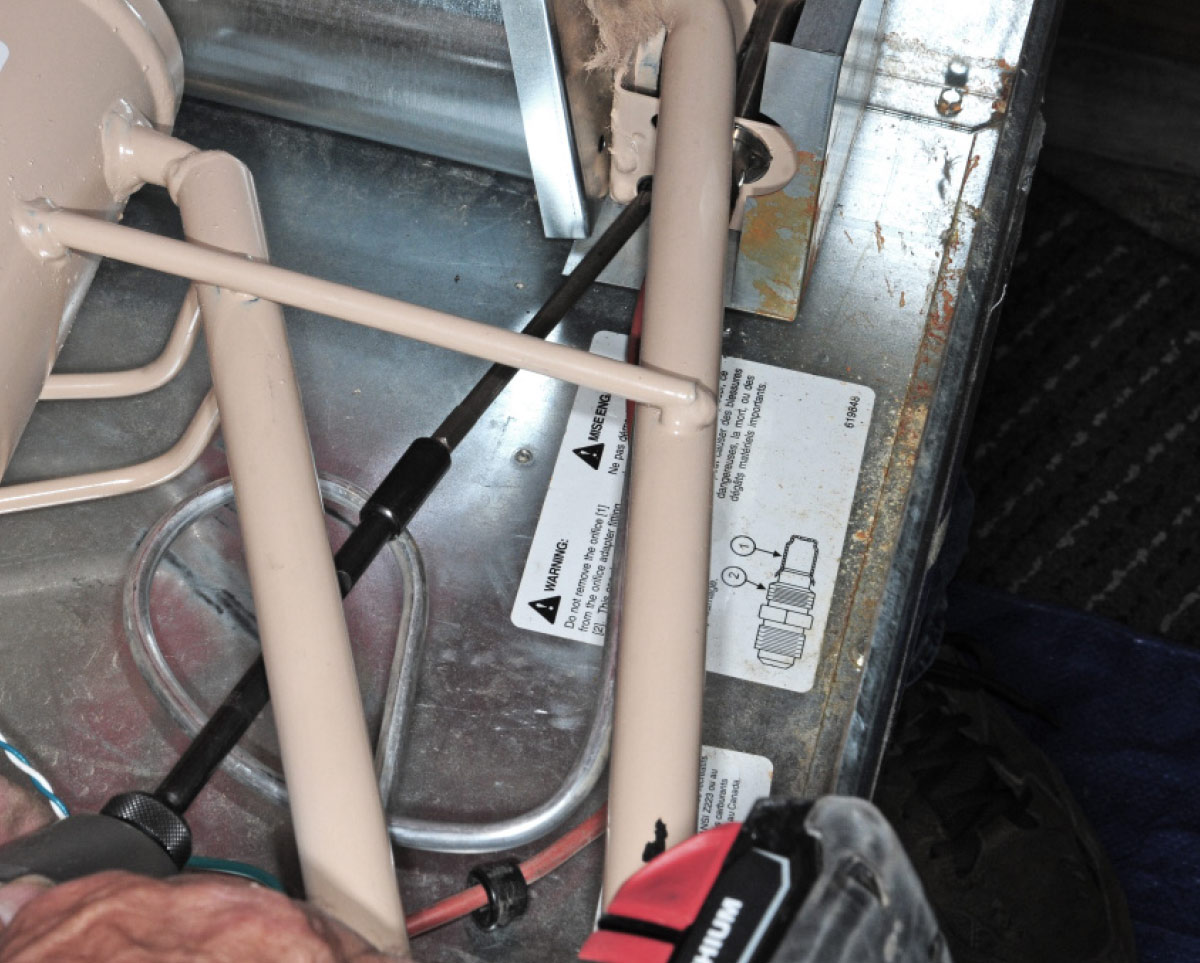
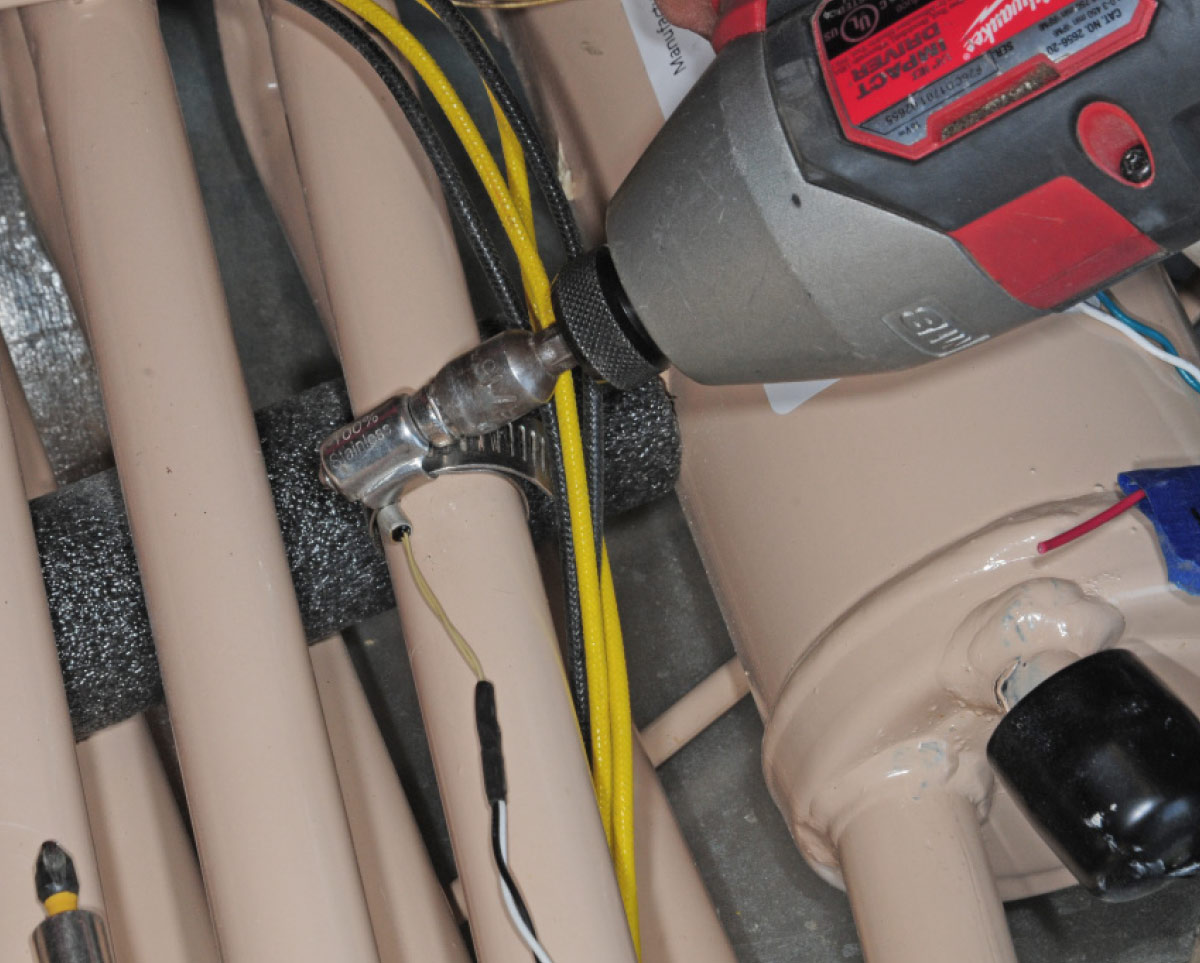
Since parking on a level surface may not always be feasible while on a trip, installation of a Fridge Defend device is a good way to protect the refrigerator from damage. This product is designed to be installed easily in any absorption refrigerator and protects against high boiler temperatures. The system’s automatic monitoring control uses a temperature sensor mounted to the boiler tube to send the control box a signal to shut down. After 10 to 30 minutes, depending on boiler temperature, the Fridge Defend starts the refrigerator back up. It is designed to shut down completely after 25 attempts at restarting before it goes into lockout. A readout in the Fridge Defend housing, mounted in the rear of the refrigerator, provides operational history.
The Norcold refrigerator for this project was shutting down two to three times a day, indicating abnormally high boiler temperatures even in cold weather. After a conversation with Fridge Defend owner Paul Unmack (when I sheepishly admitted I hadn’t installed a Fridge Defend device), it was determined that the cooling unit was likely damaged and failure was imminent. Figuring that the refrigerator would be out of service for a longer-than-expected time based on current supply chain shortages if I went the “new” route, the decision was made to replace the cooling unit.
All JC Refrigeration cooling units come with a three-year hassle-free warranty and a three-year extended warranty is available. Electric heating elements, burners and other parts/accessories are also available on the company’s website. The Dutch Aire cooling unit I chose for my fifth wheel sells for $1,075 (plus shipping); electric elements are $30 each. The Fridge Defend — which I added to my new unit, hindsight being 20/20 — can be purchased for $147.50-$225, depending on model.
Doing the Swap
Installation can be extensive; however, no special tools are required to complete the cooling unit swap. Seasoned Saturday mechanics can do the job, but the help of one or two assistants is necessary. Plan on most of the day and wear a back brace if lifting heavy items is an issue.
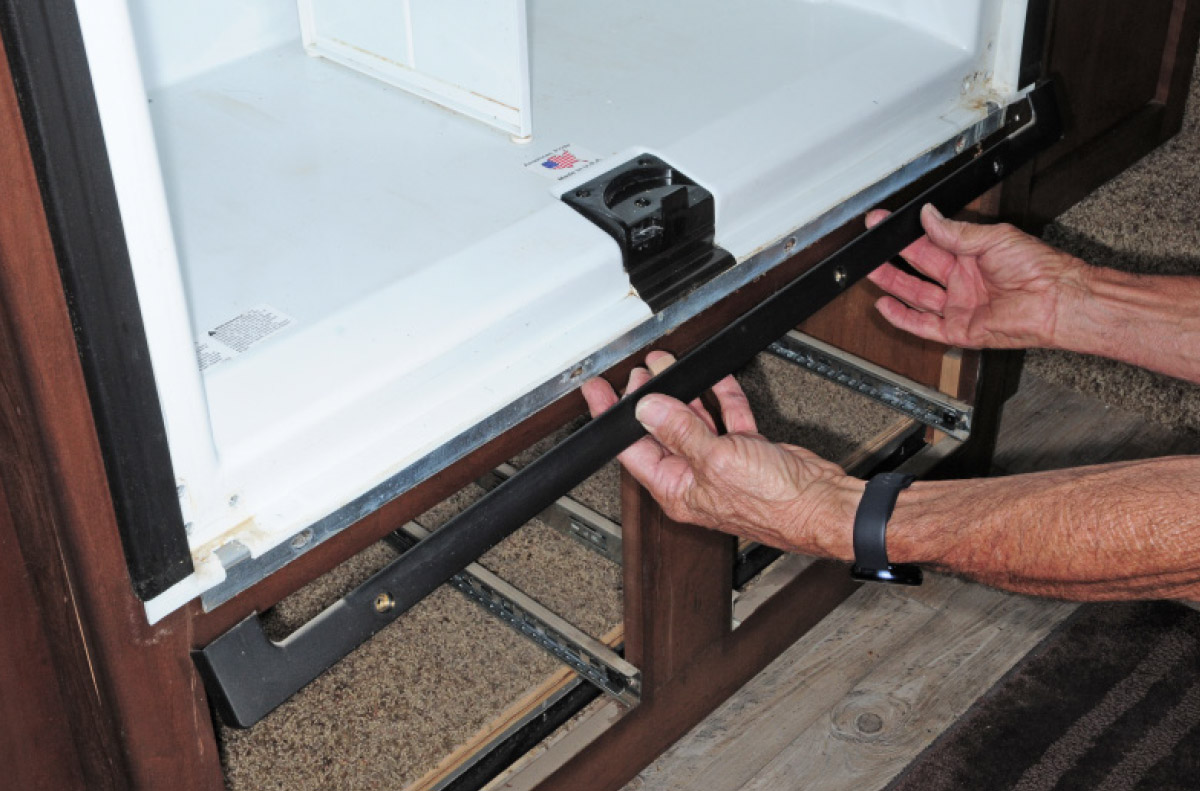
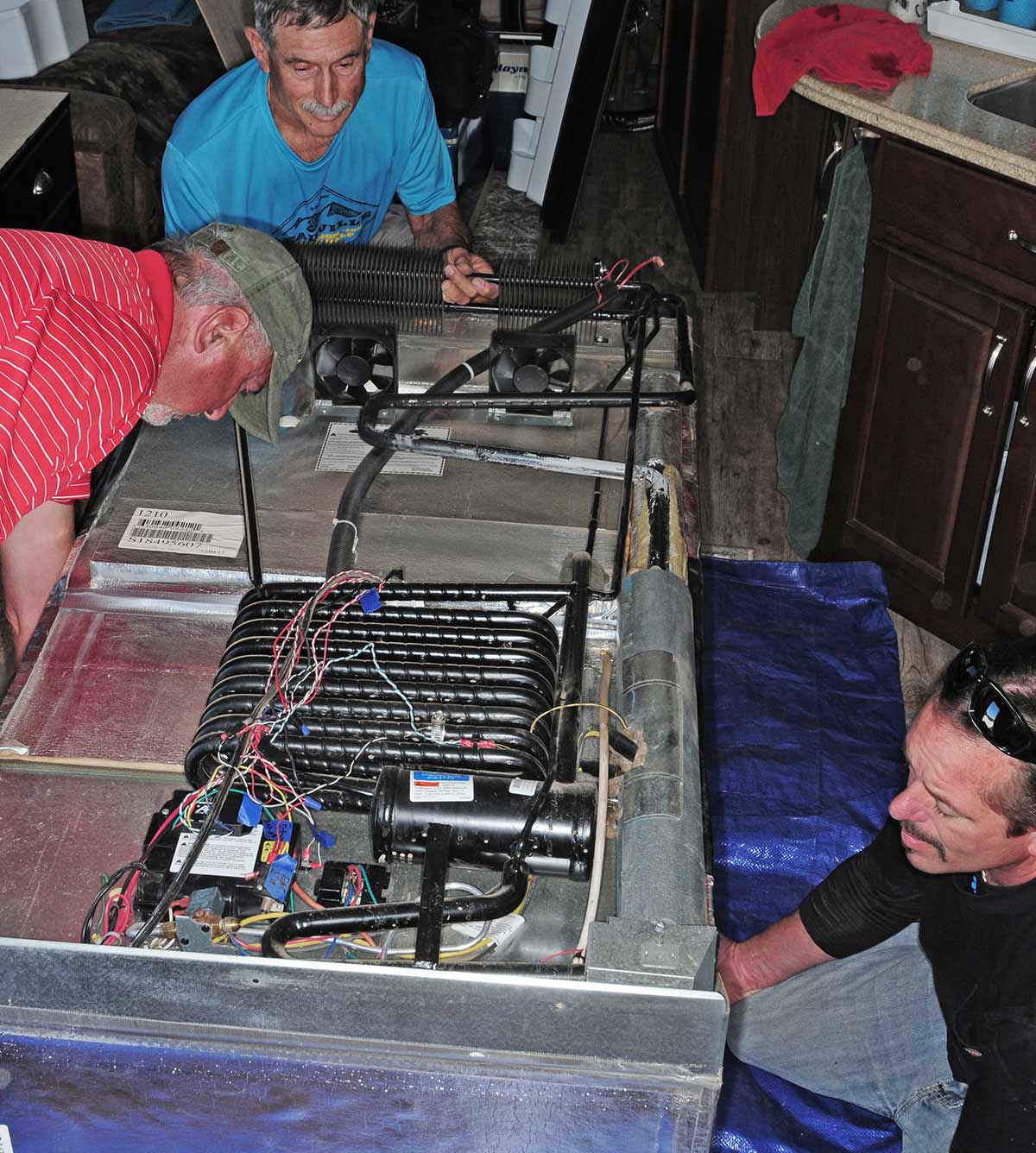
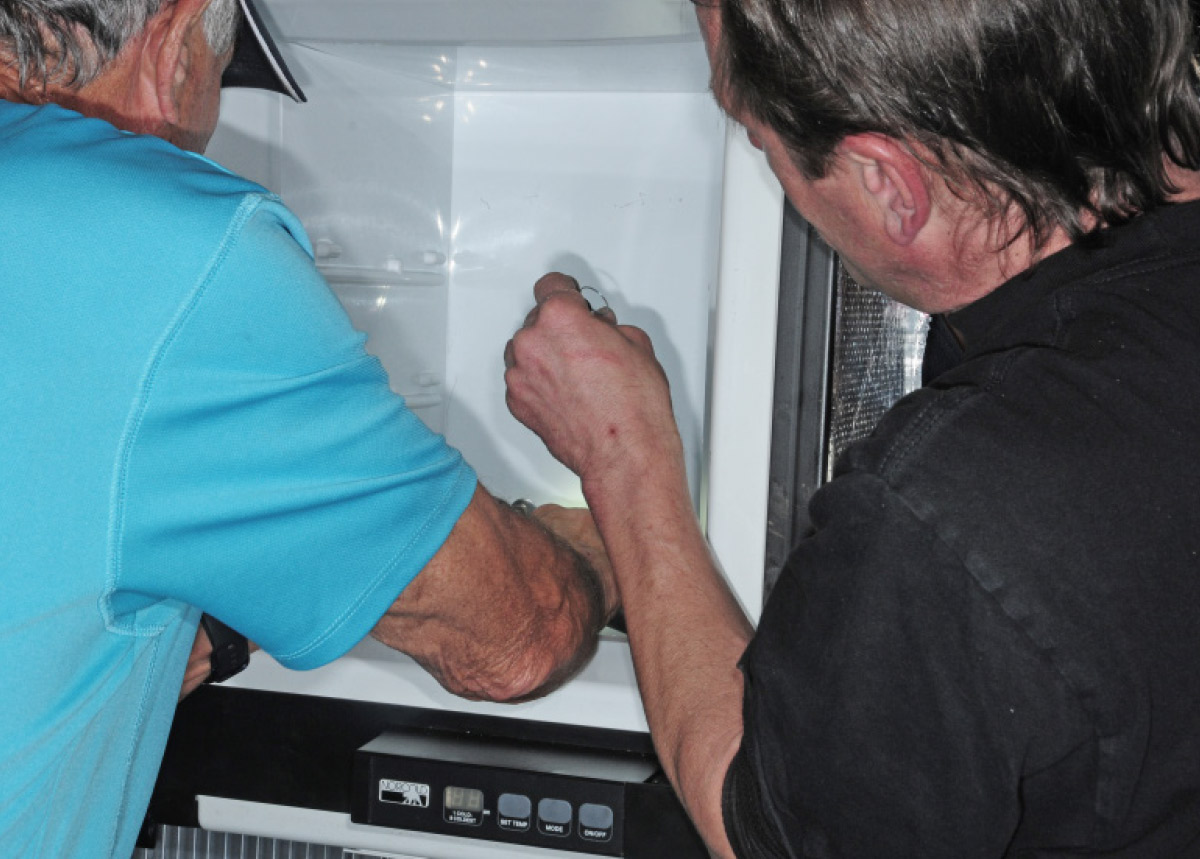
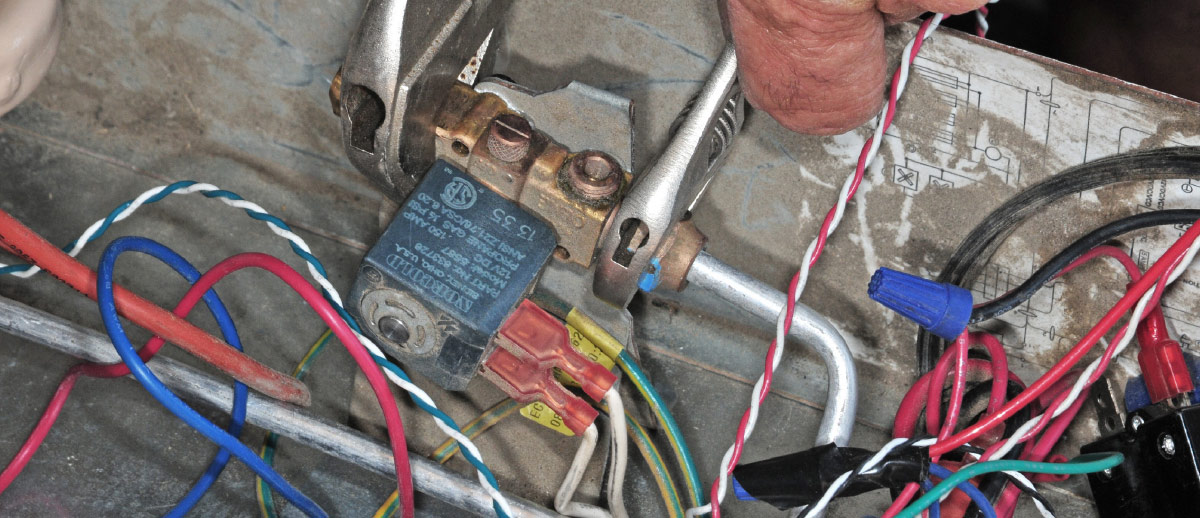
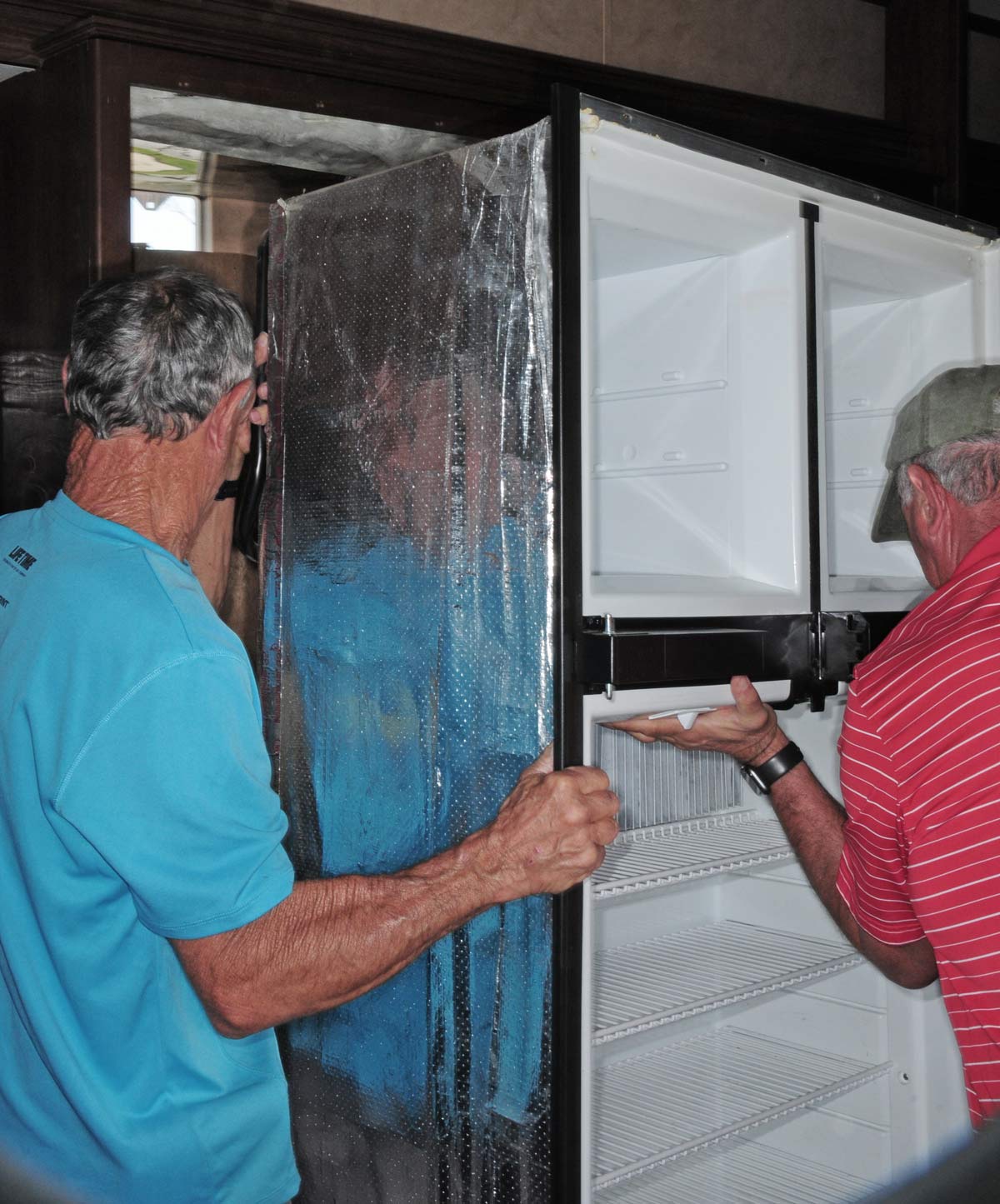
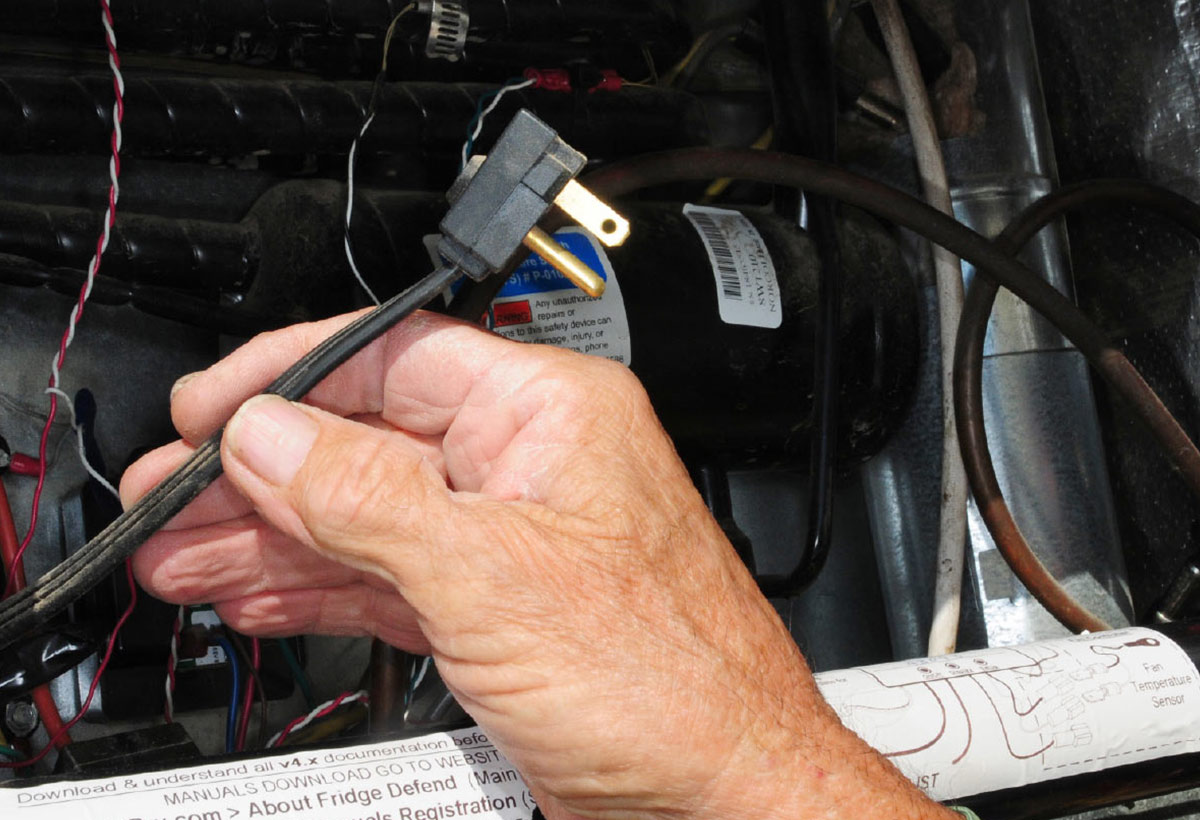
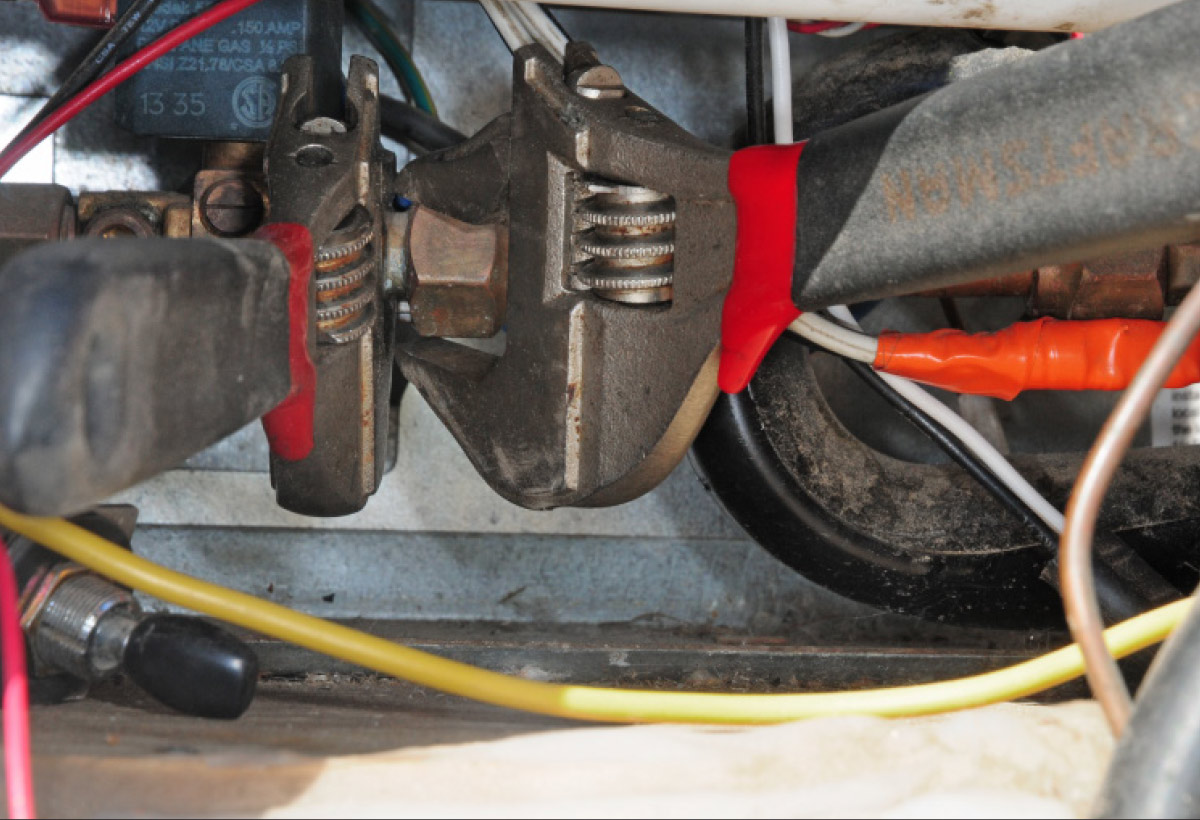
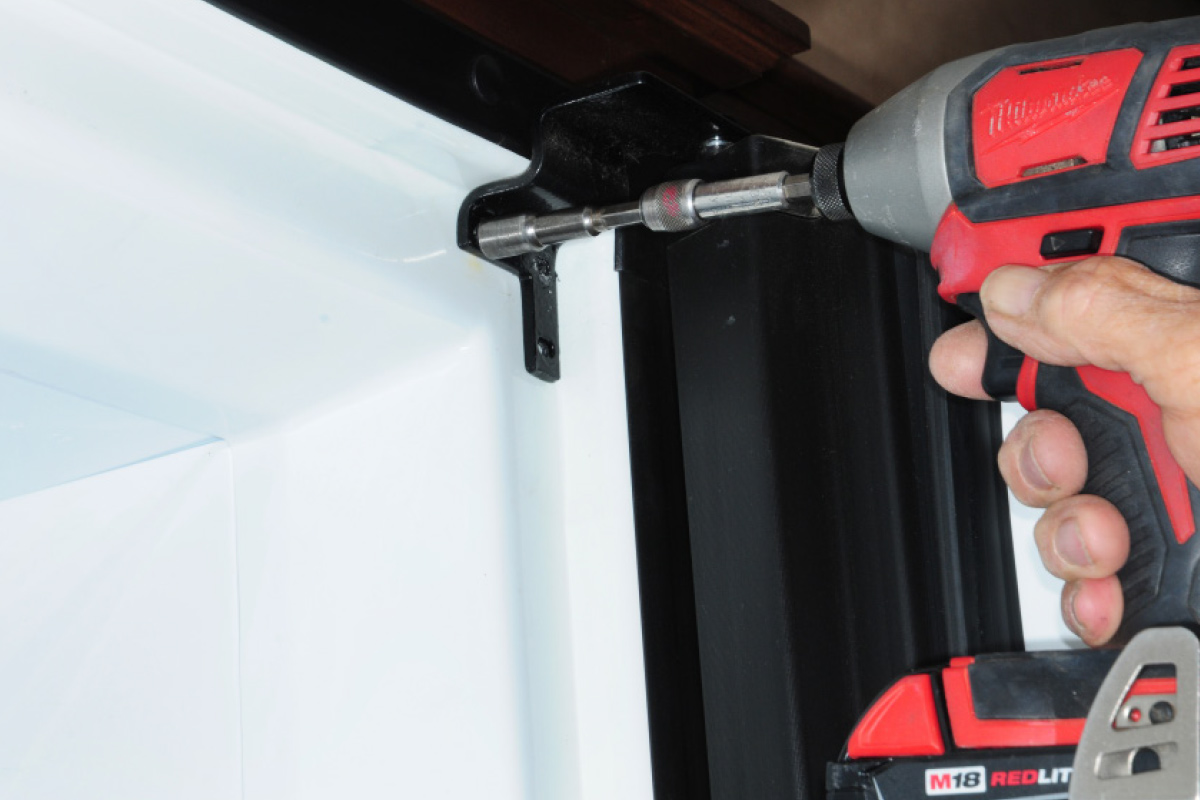
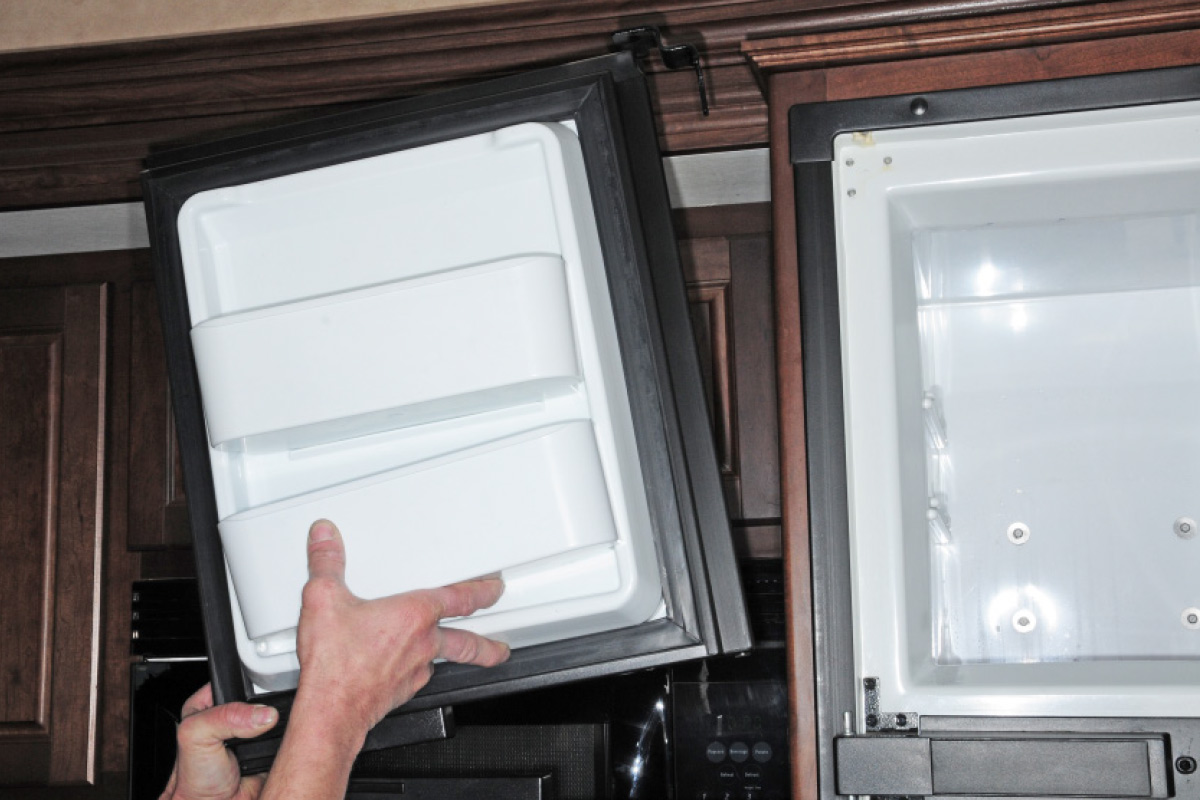
First, be sure the power (AC and DC) to the refrigerator is off and the LP-gas gas supply is turned off at the source. Then, remove all the doors (which will make it easier to hold on to the refrigerator while removing it from the opening and also reduce weight). Out back, remove the hold-down screws, disconnect the LP-gas line, unplug the refrigerator from the 120-volt AC source and disconnect the 12-volt DC power lines. The cooling unit swap can be accomplished indoors, if there is sufficient room; in our case, we removed the kitchen island to open up floor space, which was deemed easier than lifting the refrigerator through the entry door. Be sure to protect all interior surfaces with moving blankets, roll paper and so on as dings are sure to happen otherwise.
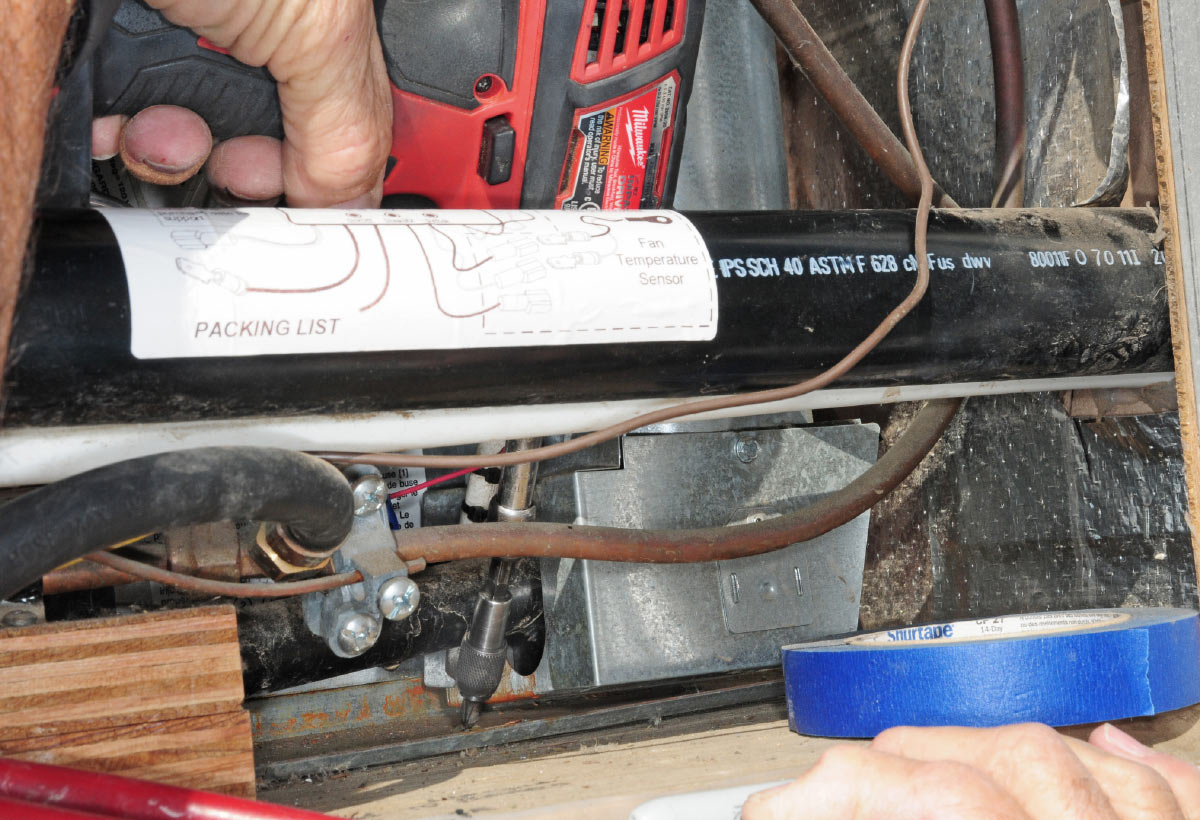
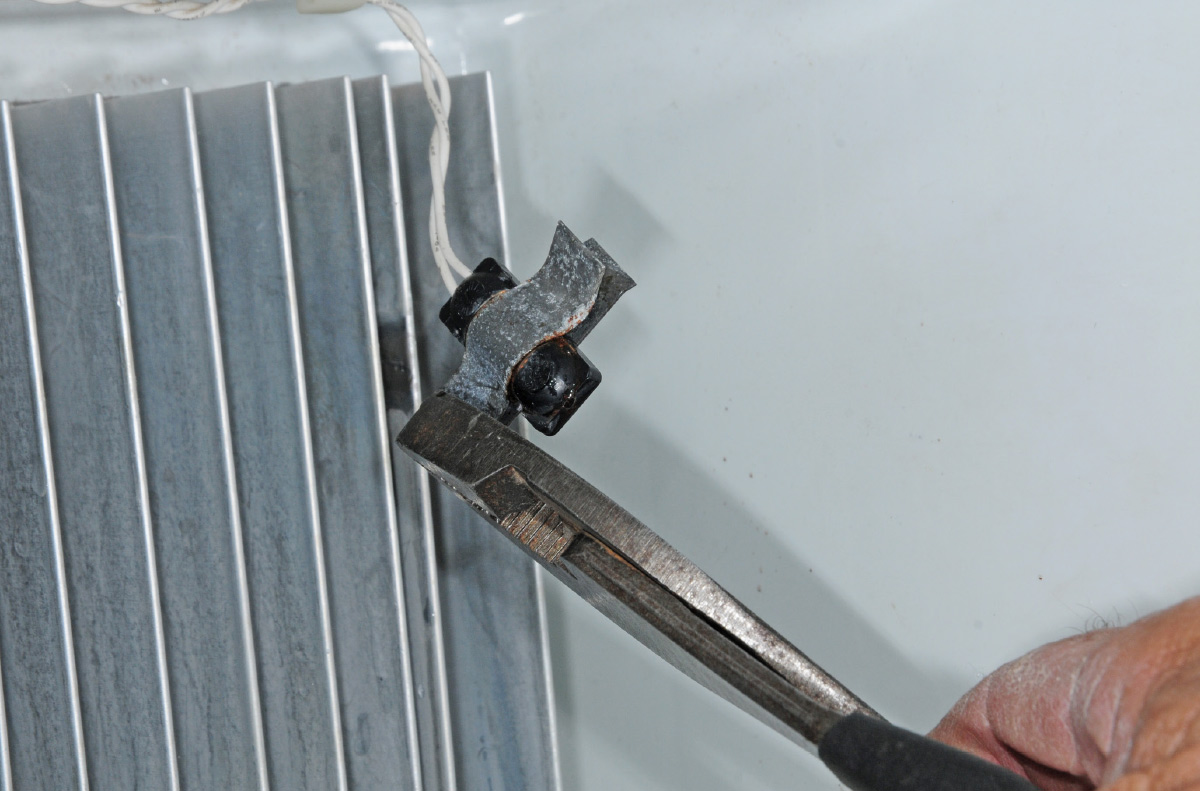
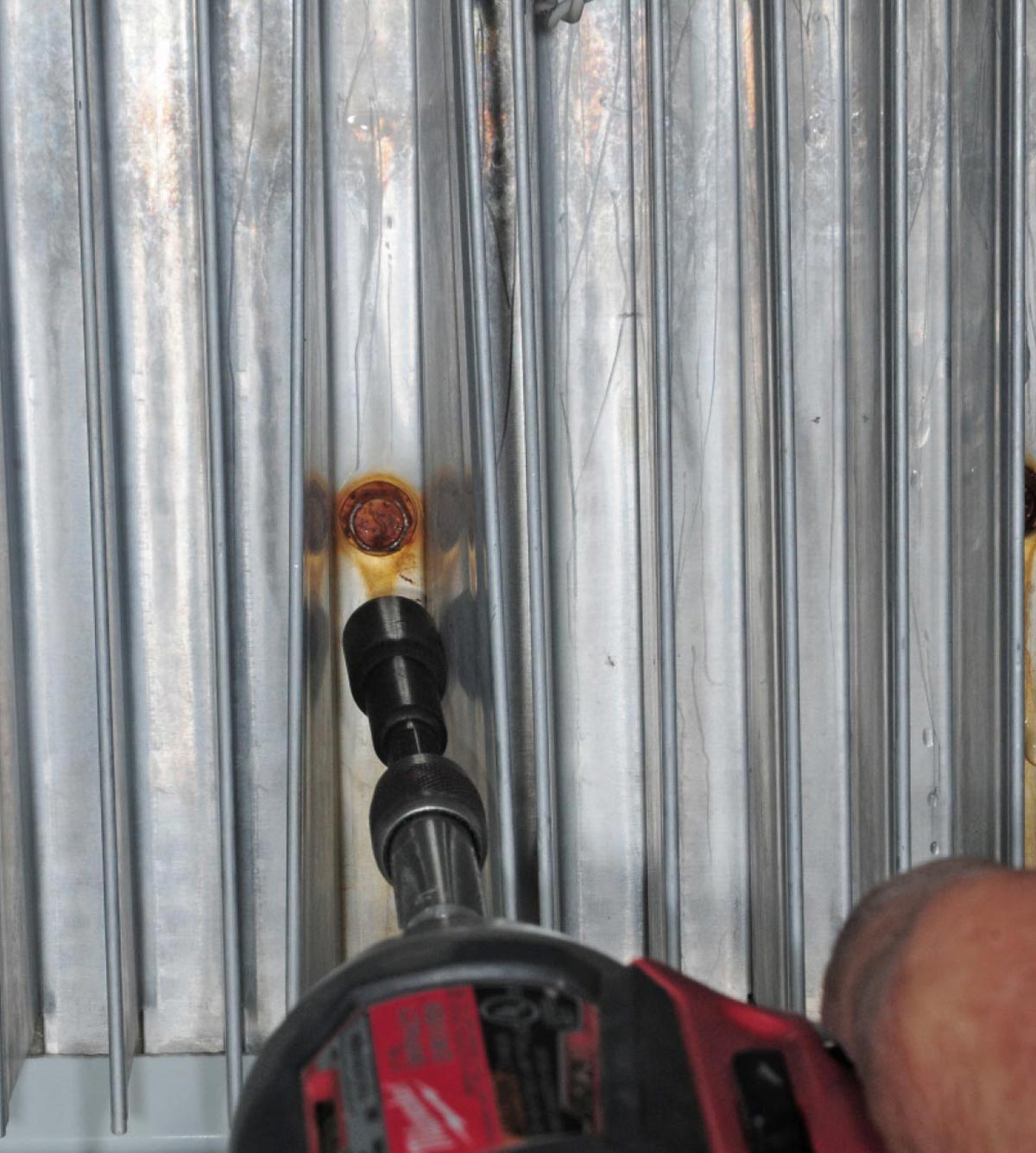
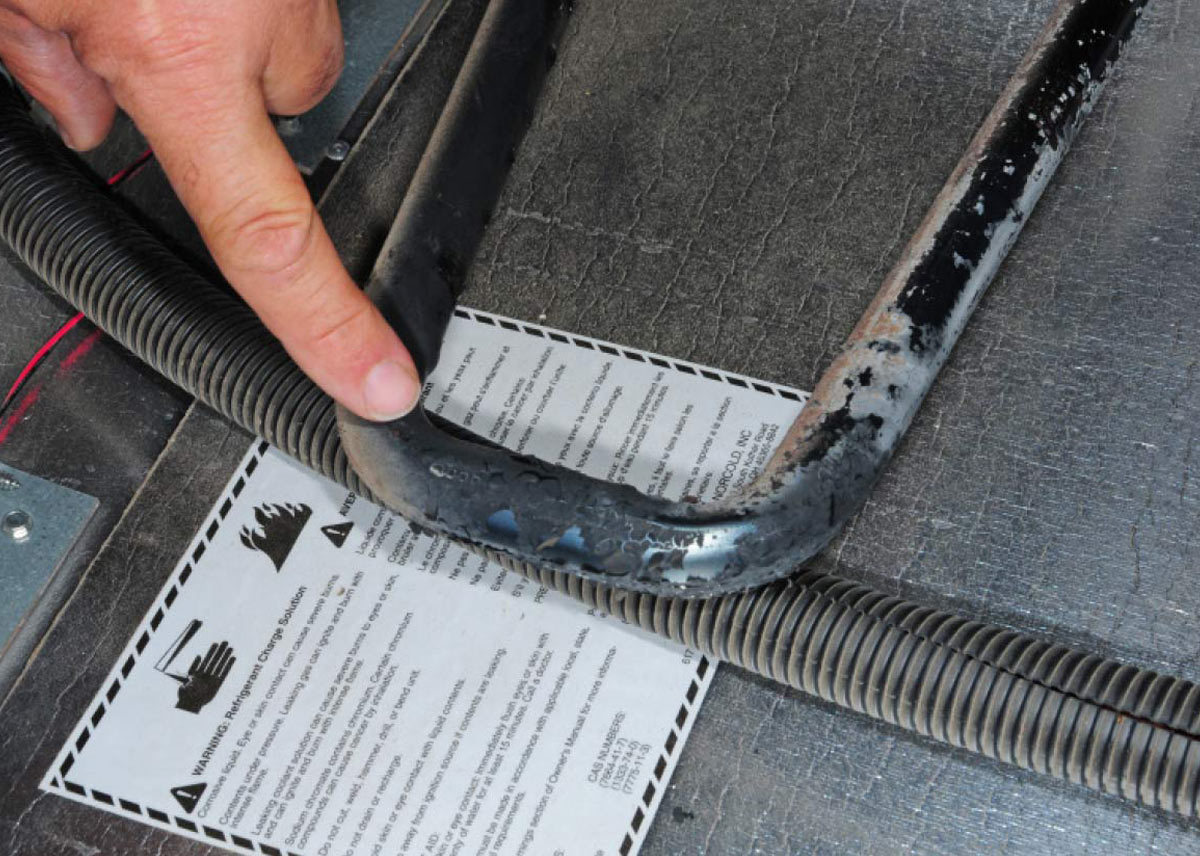
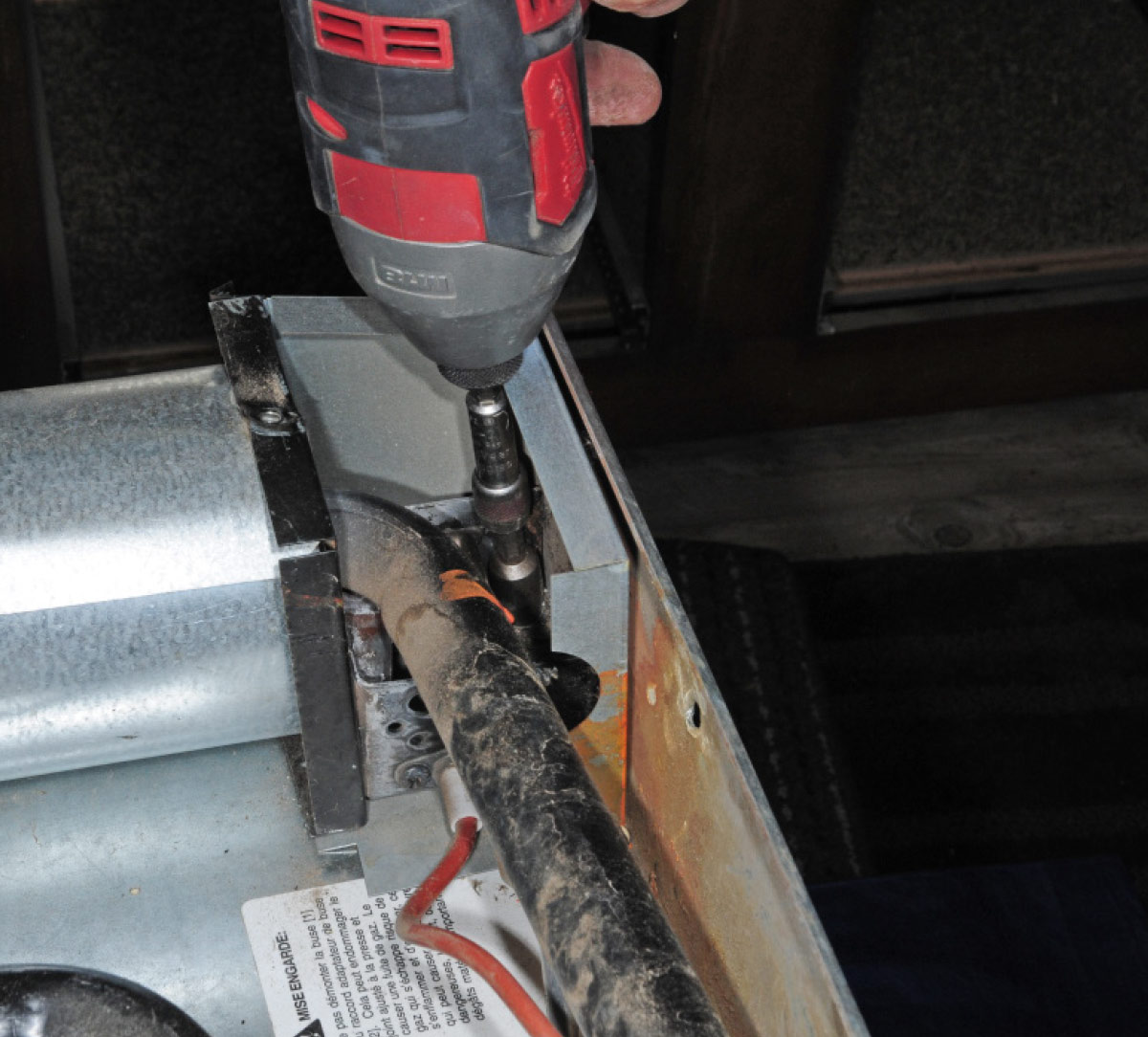
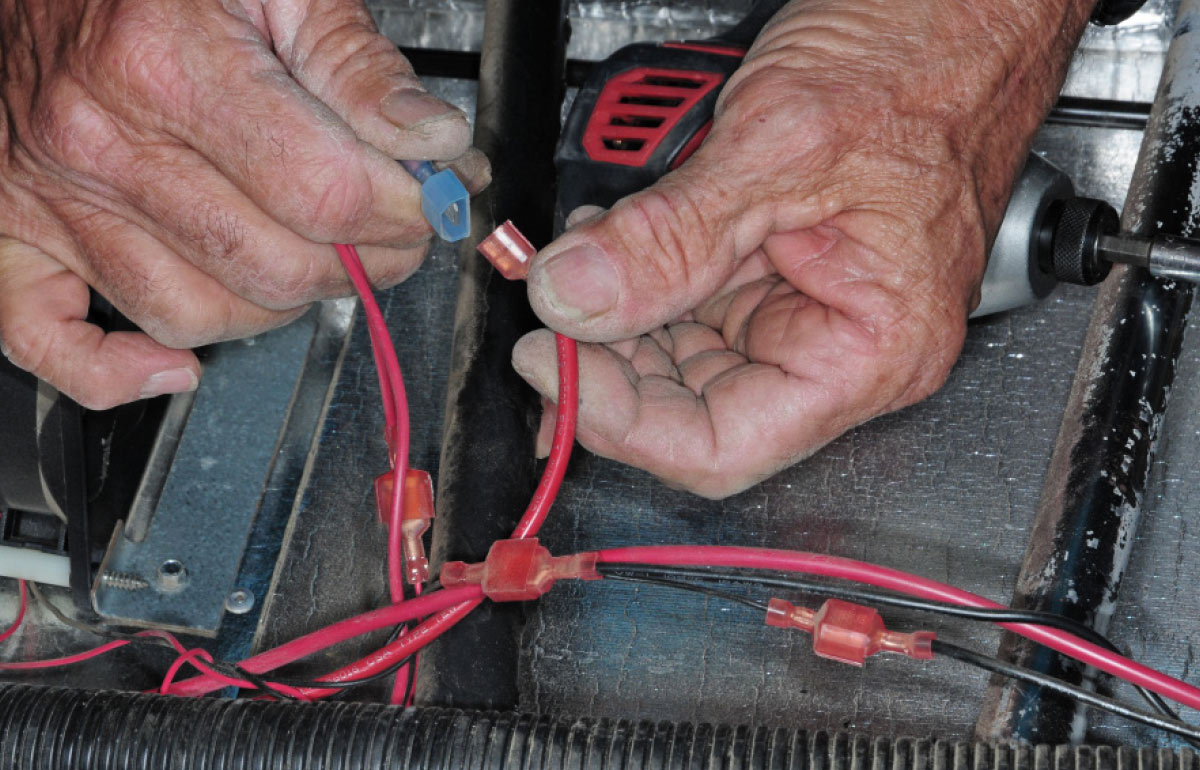
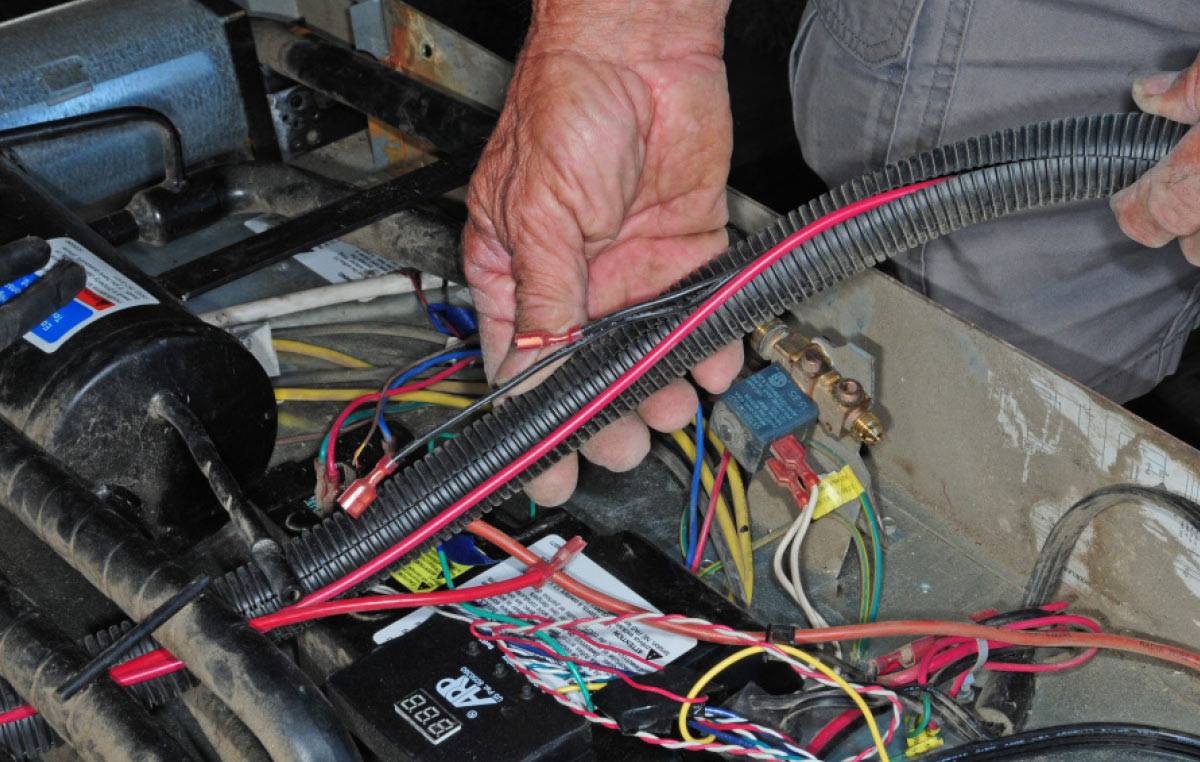
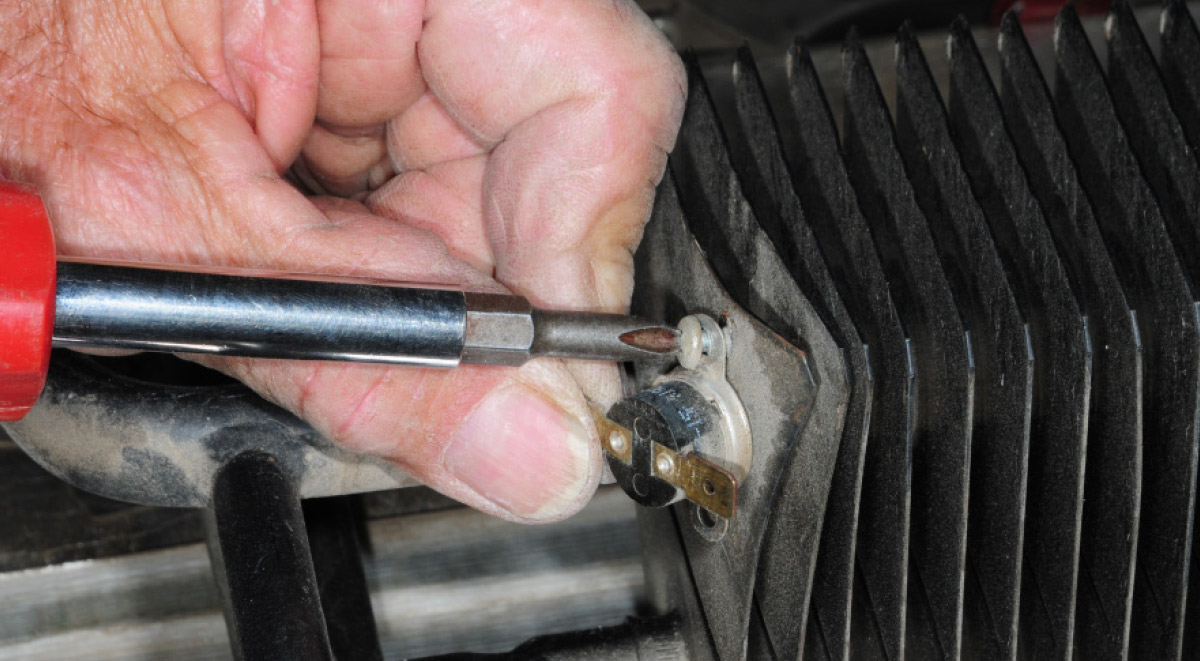
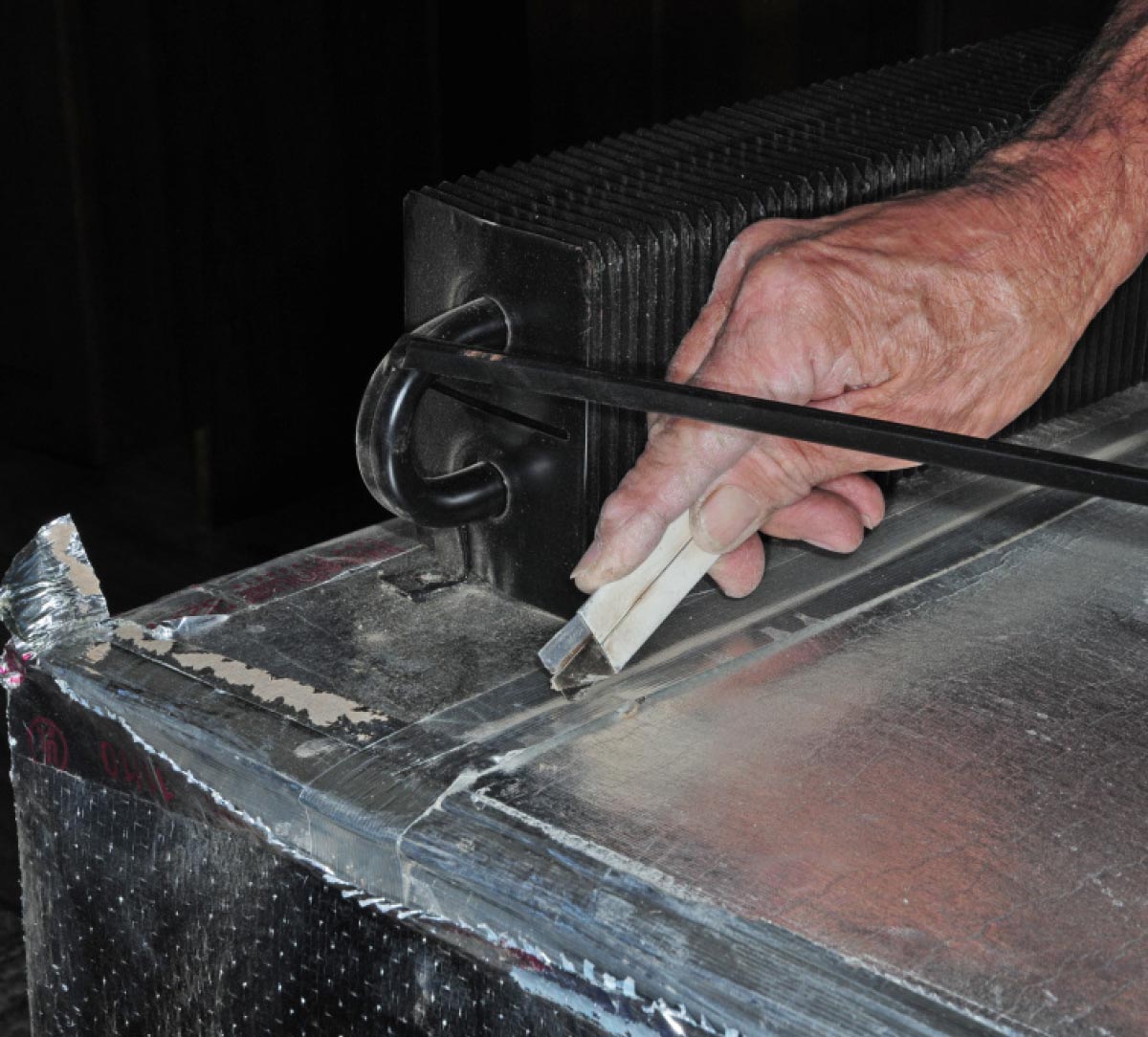
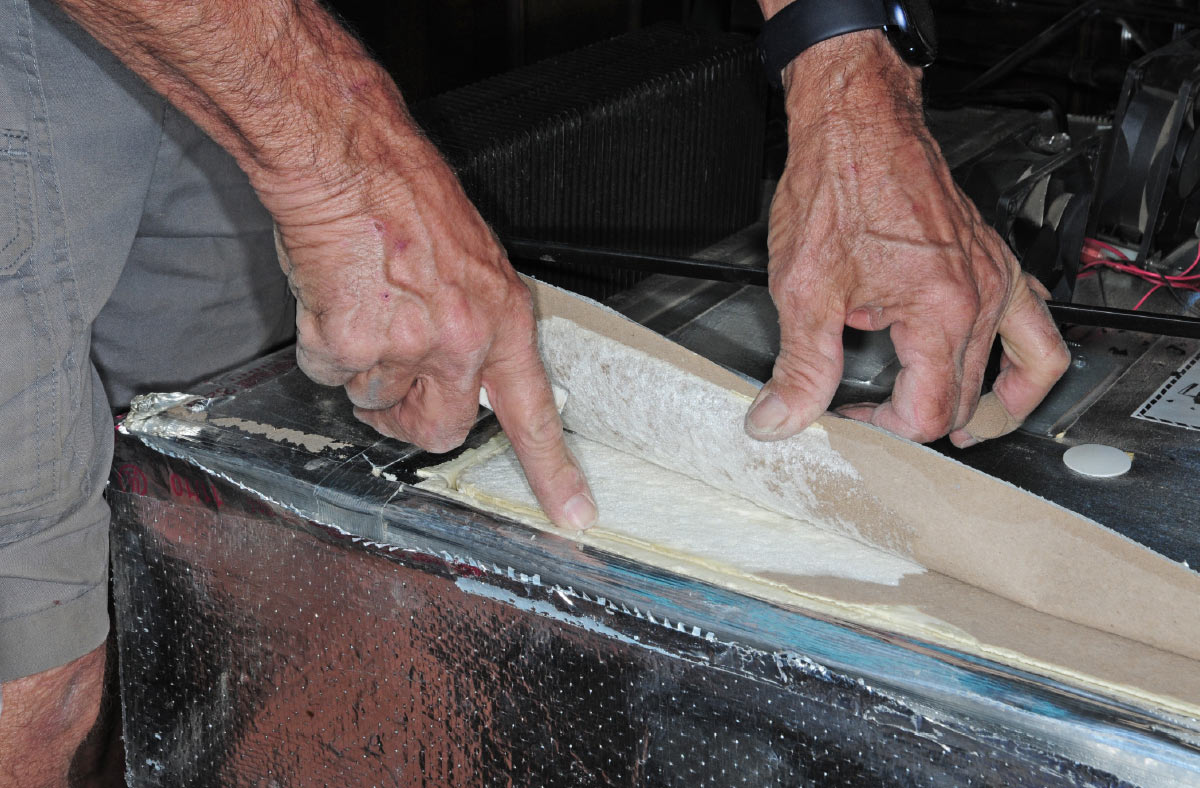
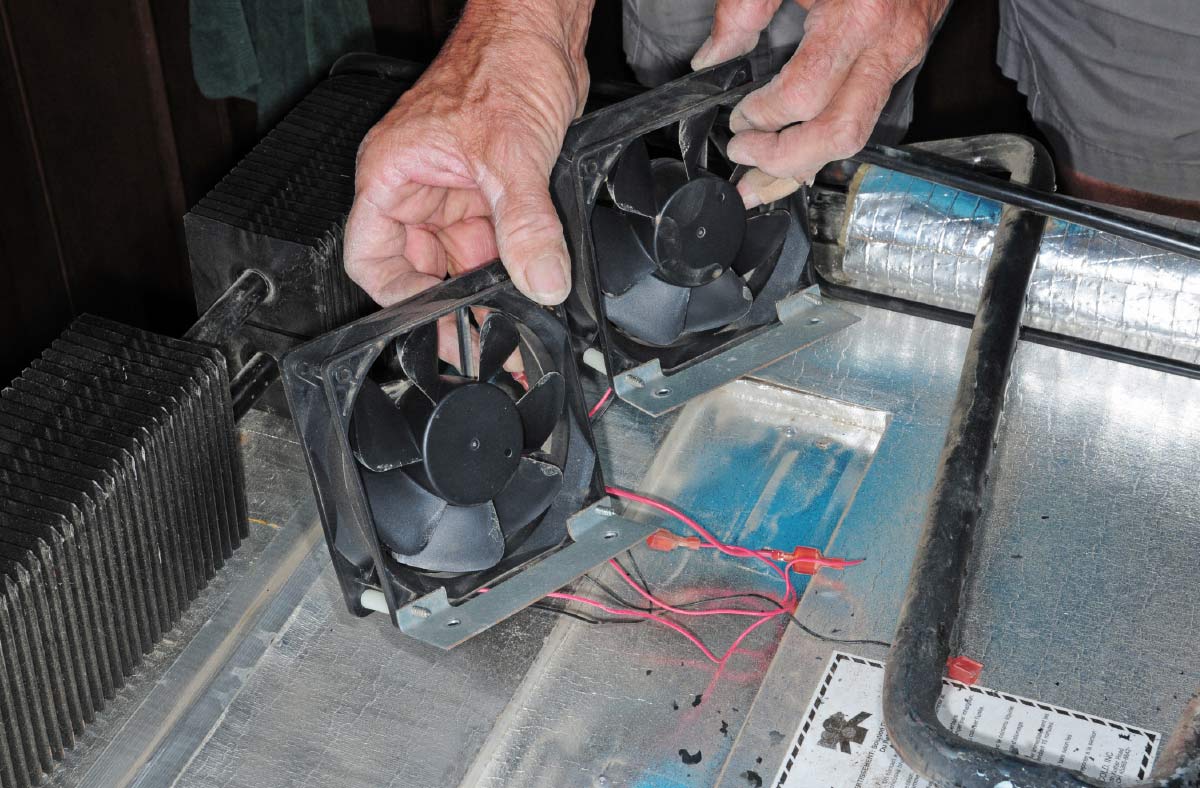
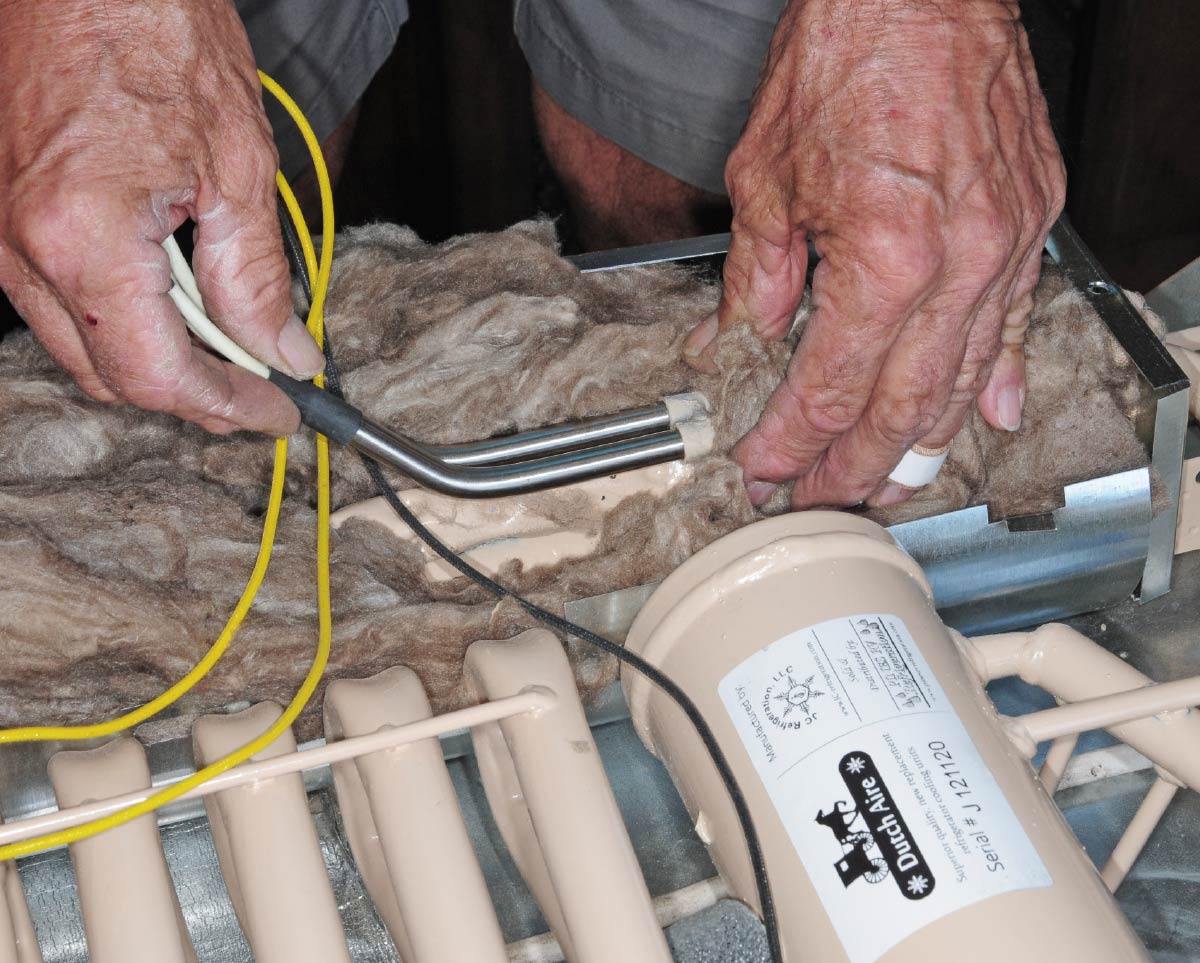
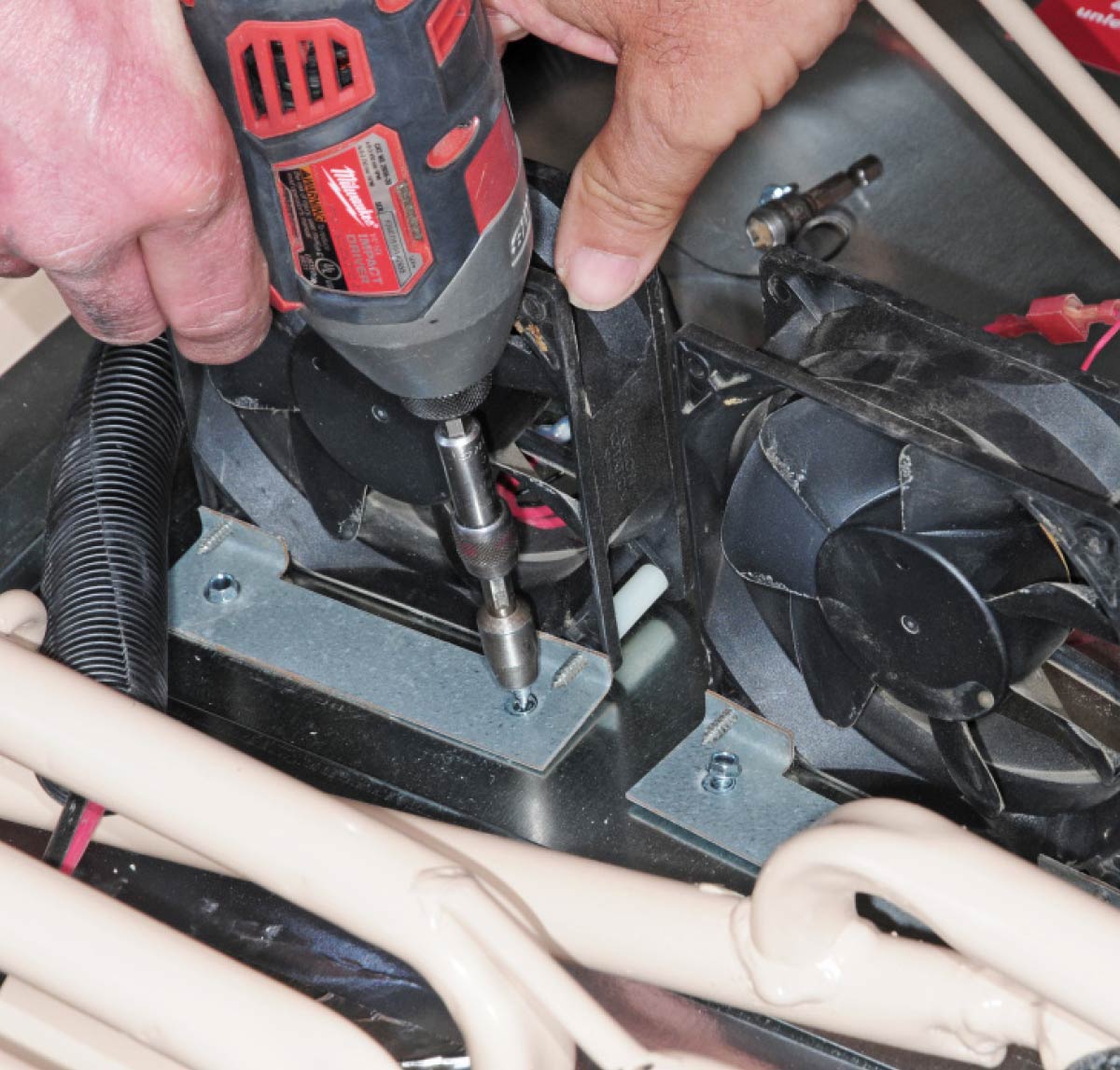
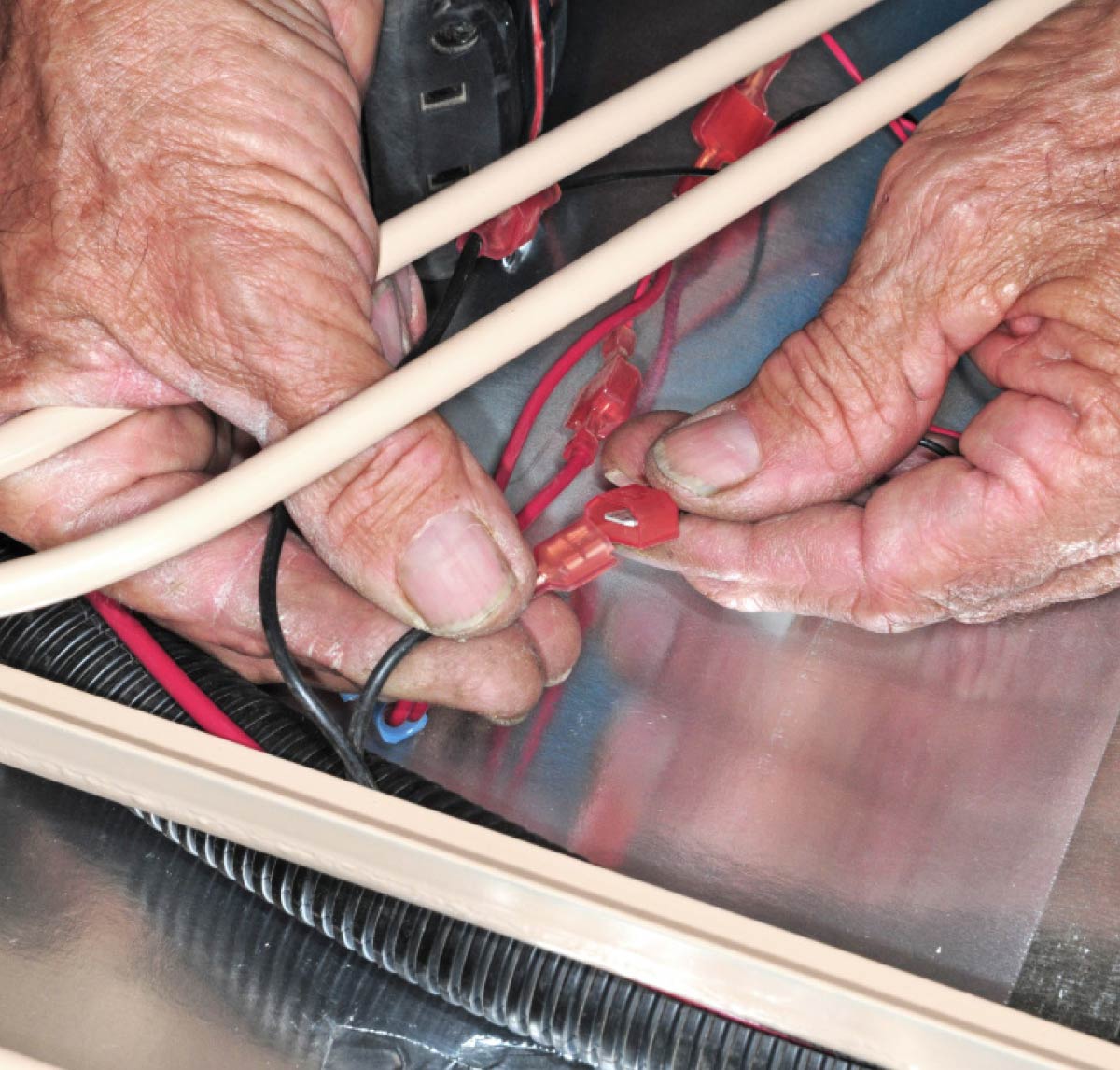
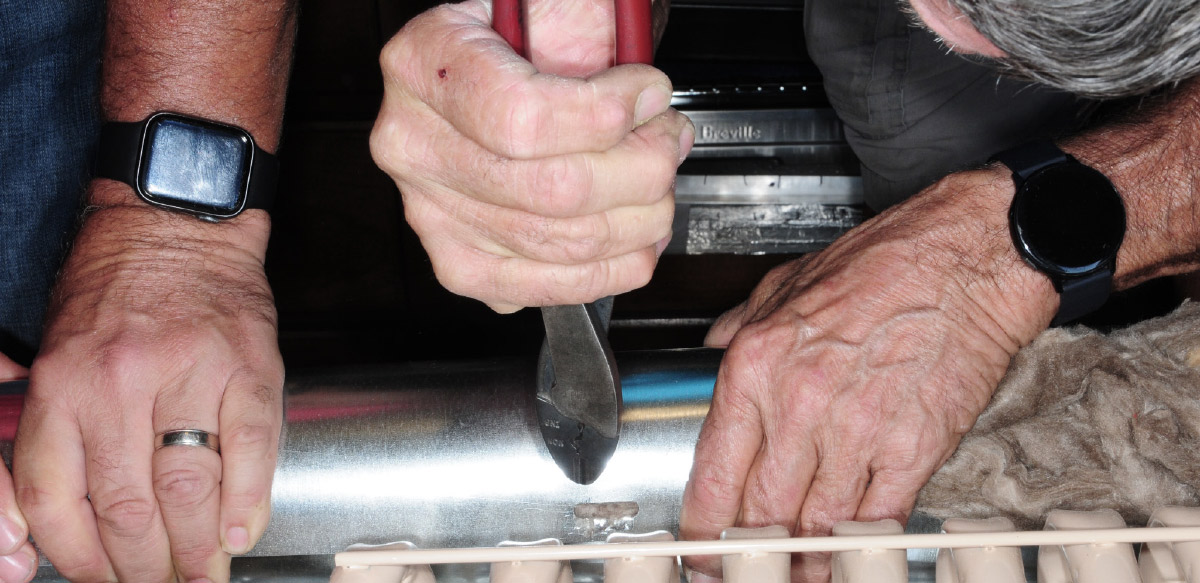
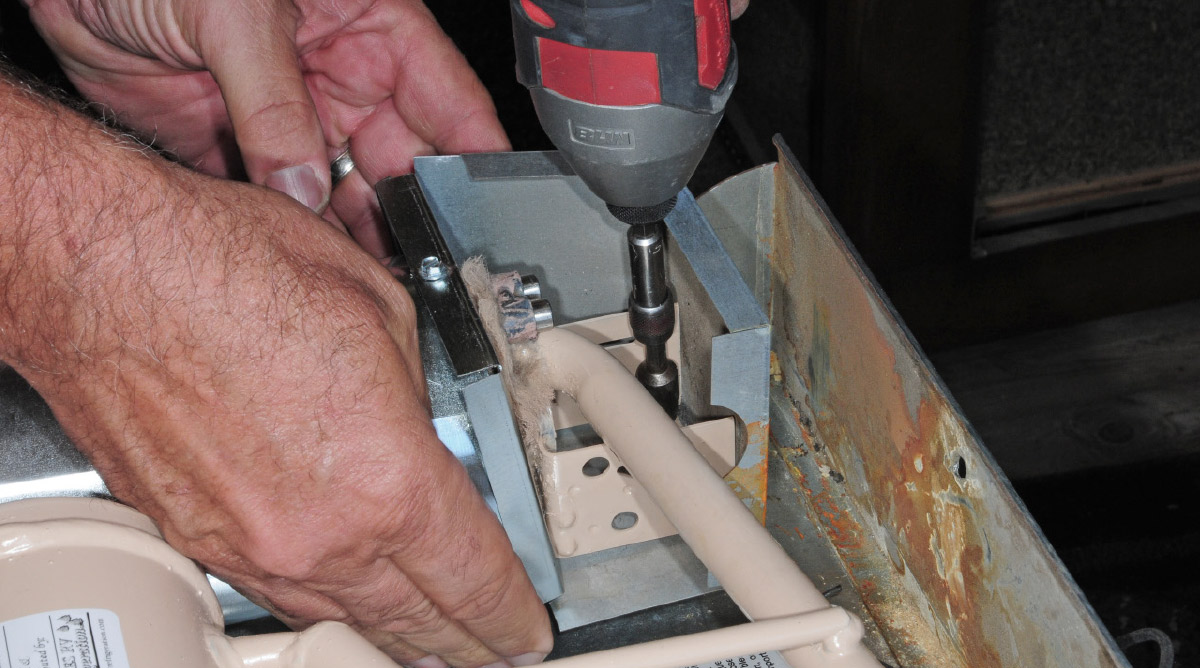
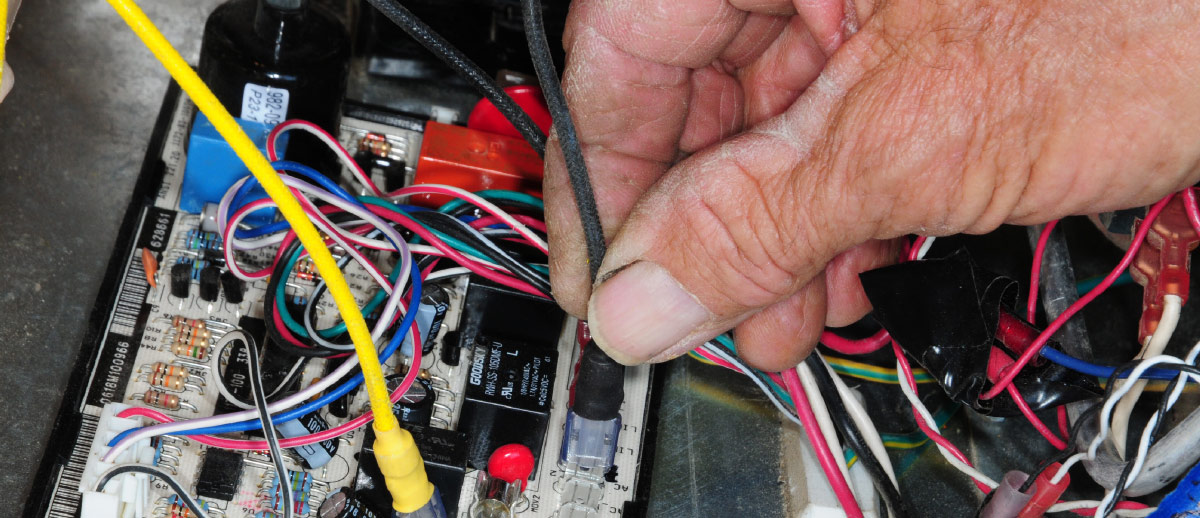
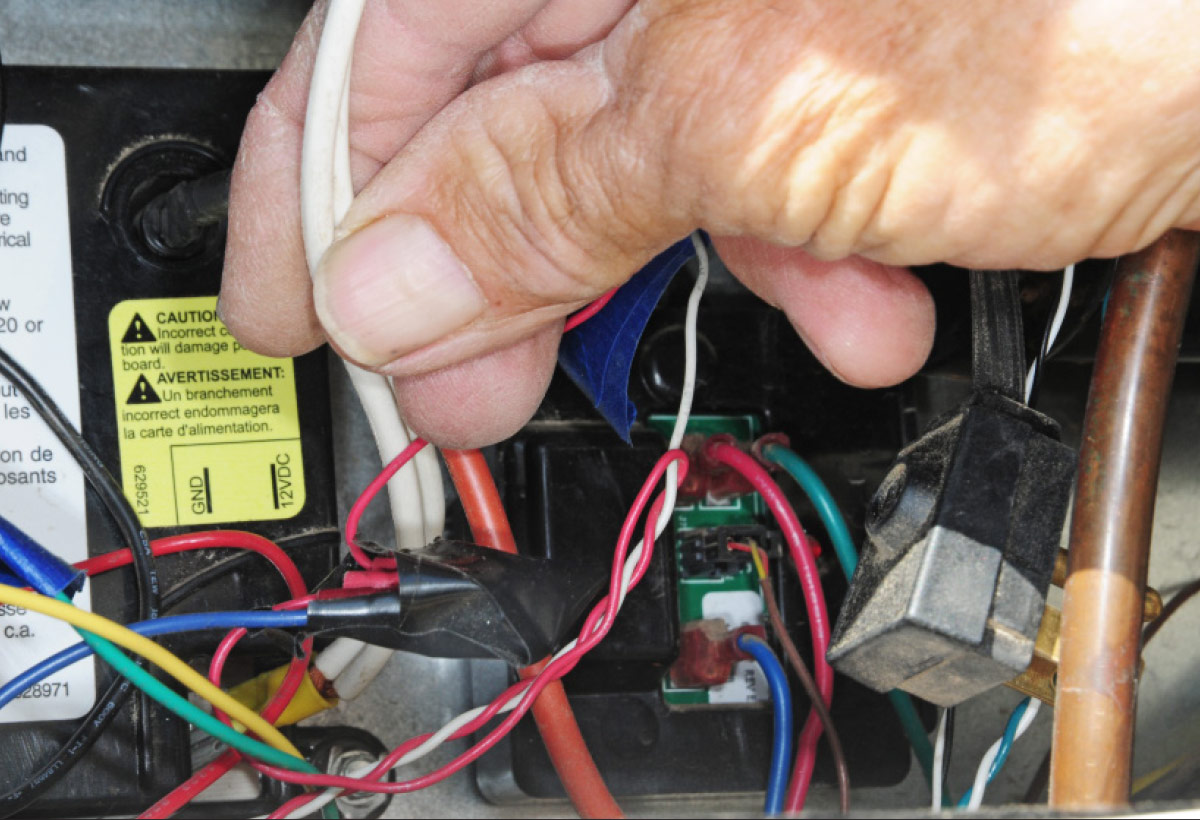
Remove all screws and components that are attached to the cooling unit including the AC (and DC if equipped) heating elements, unless new ones were purchased with the cooling unit. I recommend replacing the heating elements if the refrigerator is more than eight years old and operated under normal conditions or five years for full-time RVers. The electric heating elements are much easier to replace at this point than when the refrigerator is in the cabinet. It’s best to take a picture of how the wiring from the heating element is attached to the control board to consult during reinstallation; both heating element wires must go to specific terminals. You’ll also need to peel off the foil tape that seals the seam where the cabinet and the cooling unit foam meet. On some Dometic models, you may need to use a razor knife and slice down into the seam, making sure that you don’t poke a hole through the plastic liner in the interior of the refrigerator. Once the tape is off or cut, the cooling unit can be removed from the refrigerator.
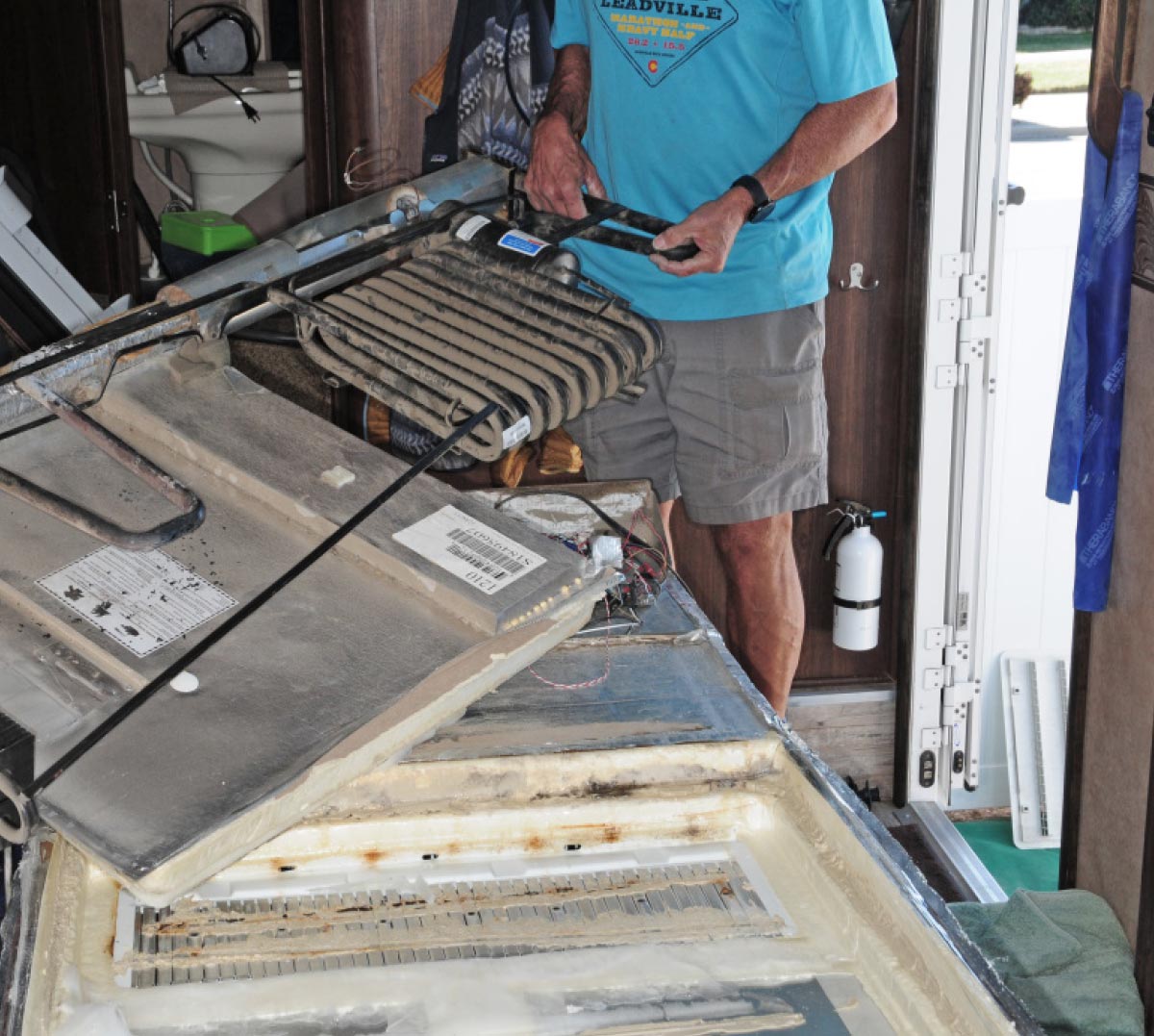
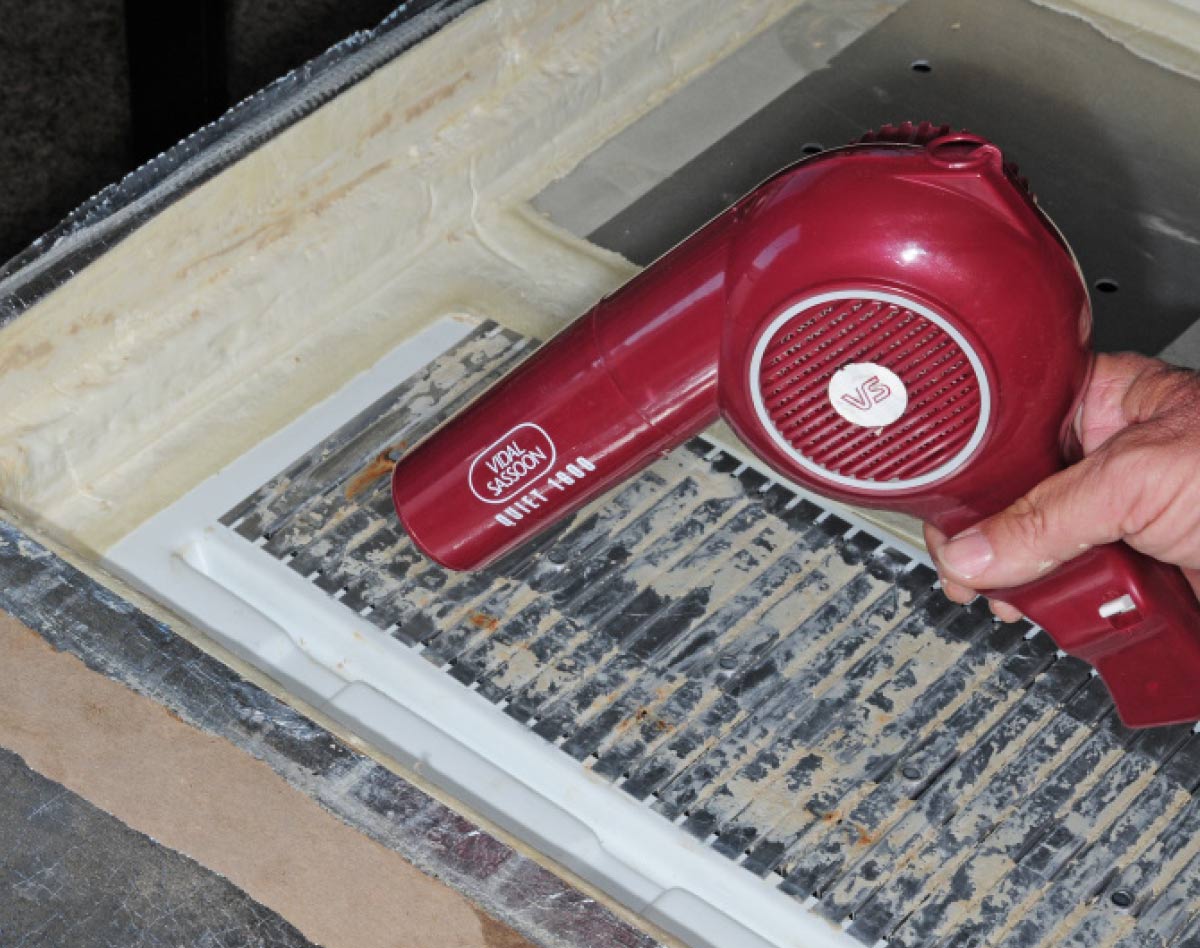
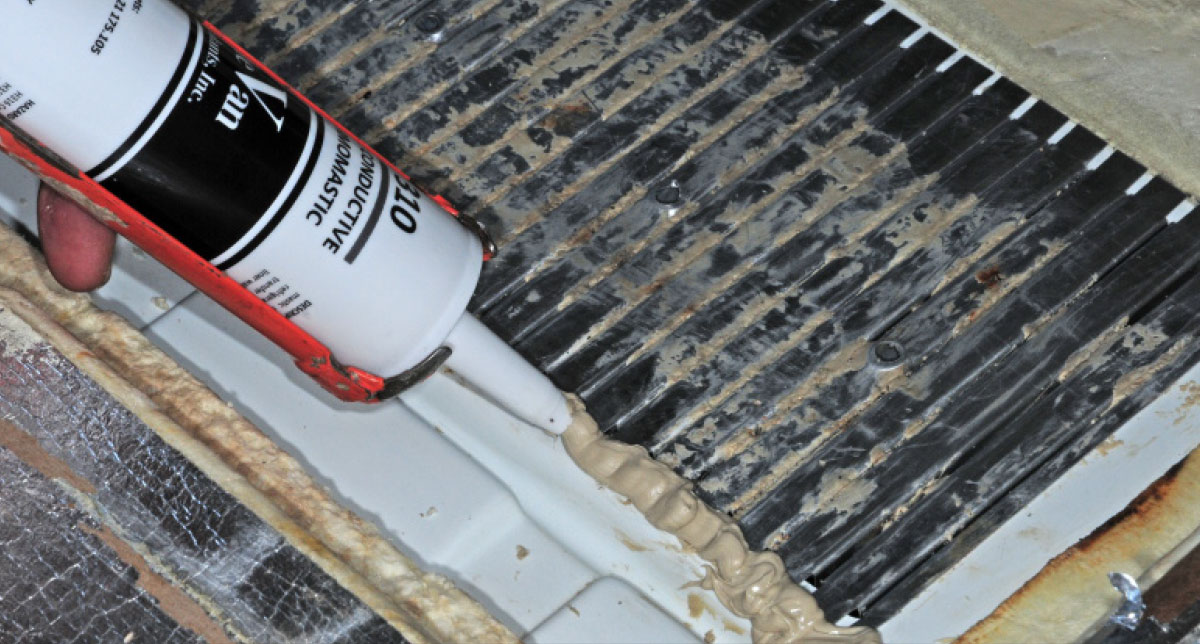
You will need two people to pull the cooling unit from the cabinet. After extraction, scrape off any areas where the old thermal mastic was applied. Examine the cavity and remove any debris or thermal mastic from the sides of the foam pack. If the foam in the refrigerator cabinet is wet, you might need to leave the cooling unit out for several days to allow it to dry. Doing otherwise will affect cooling efficiency.
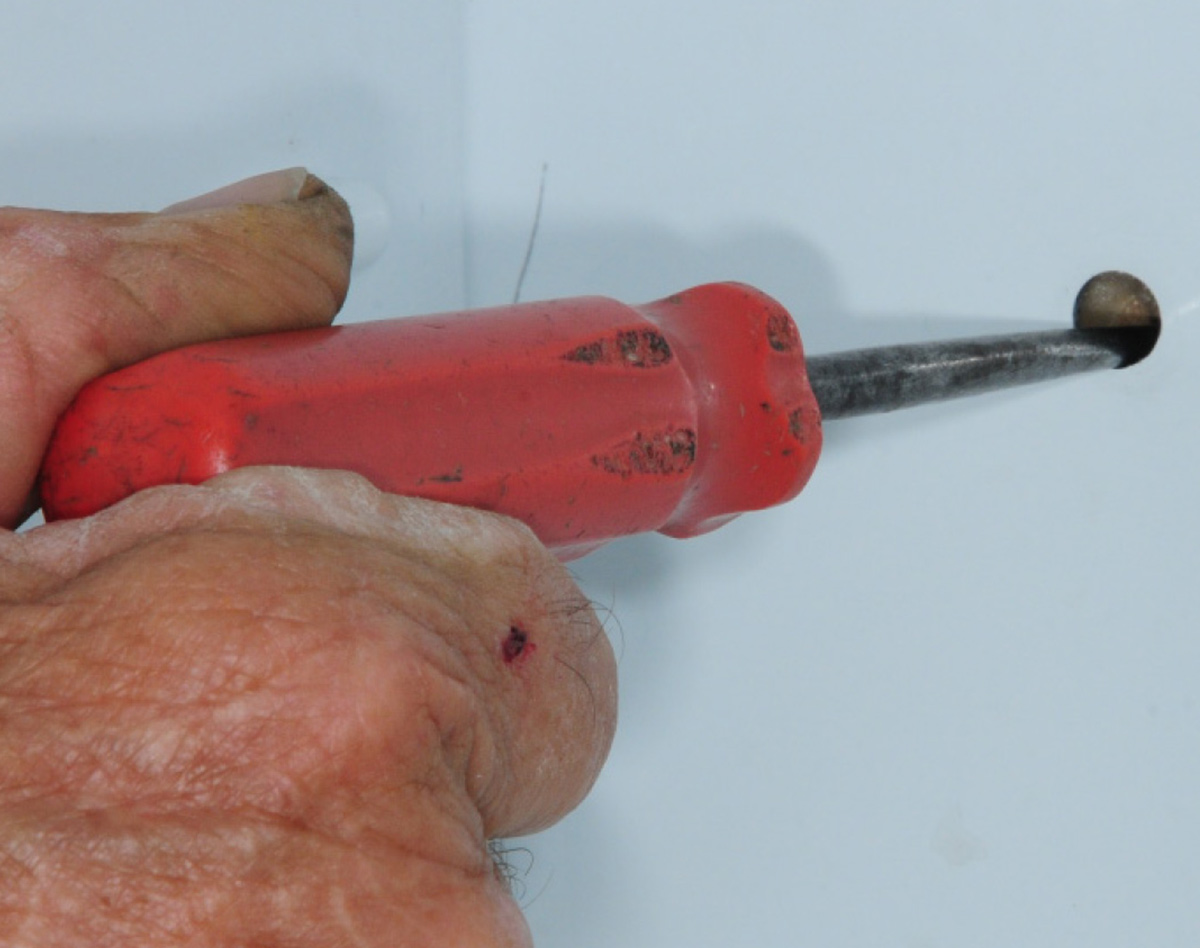
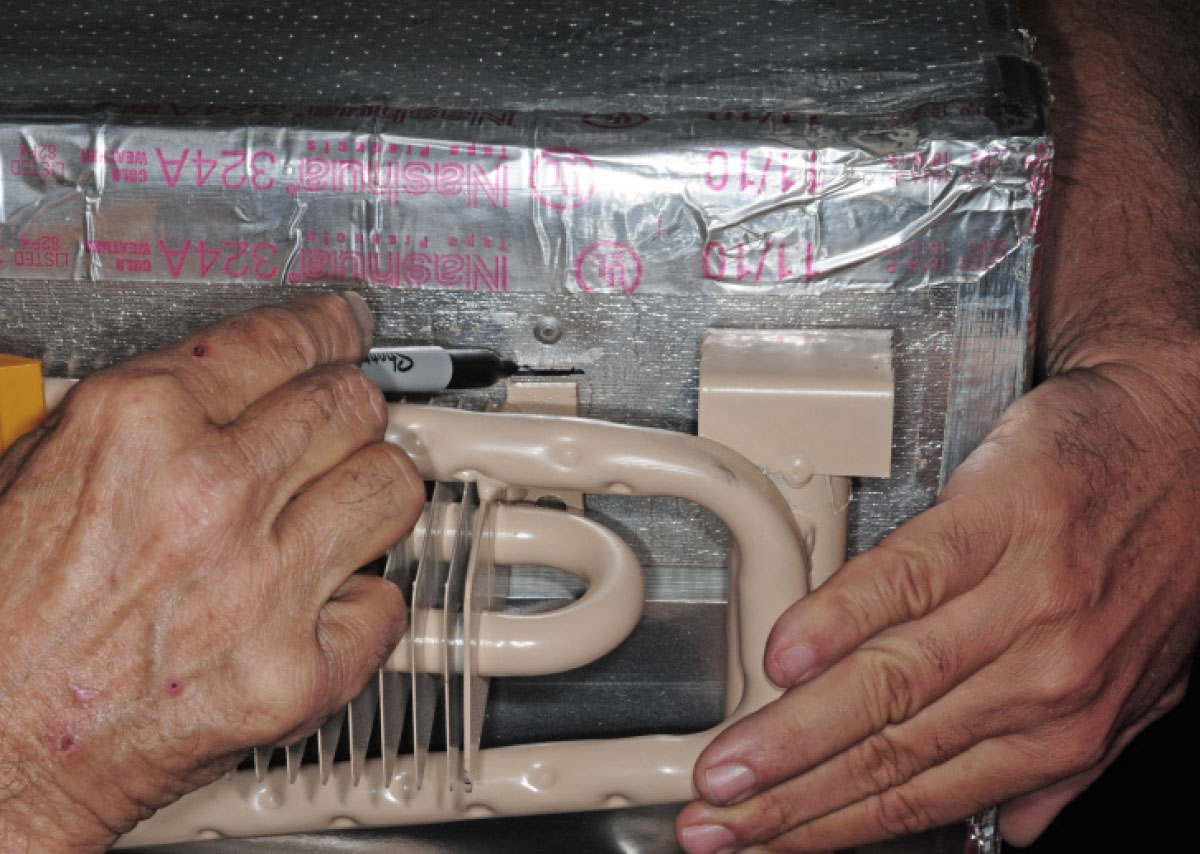
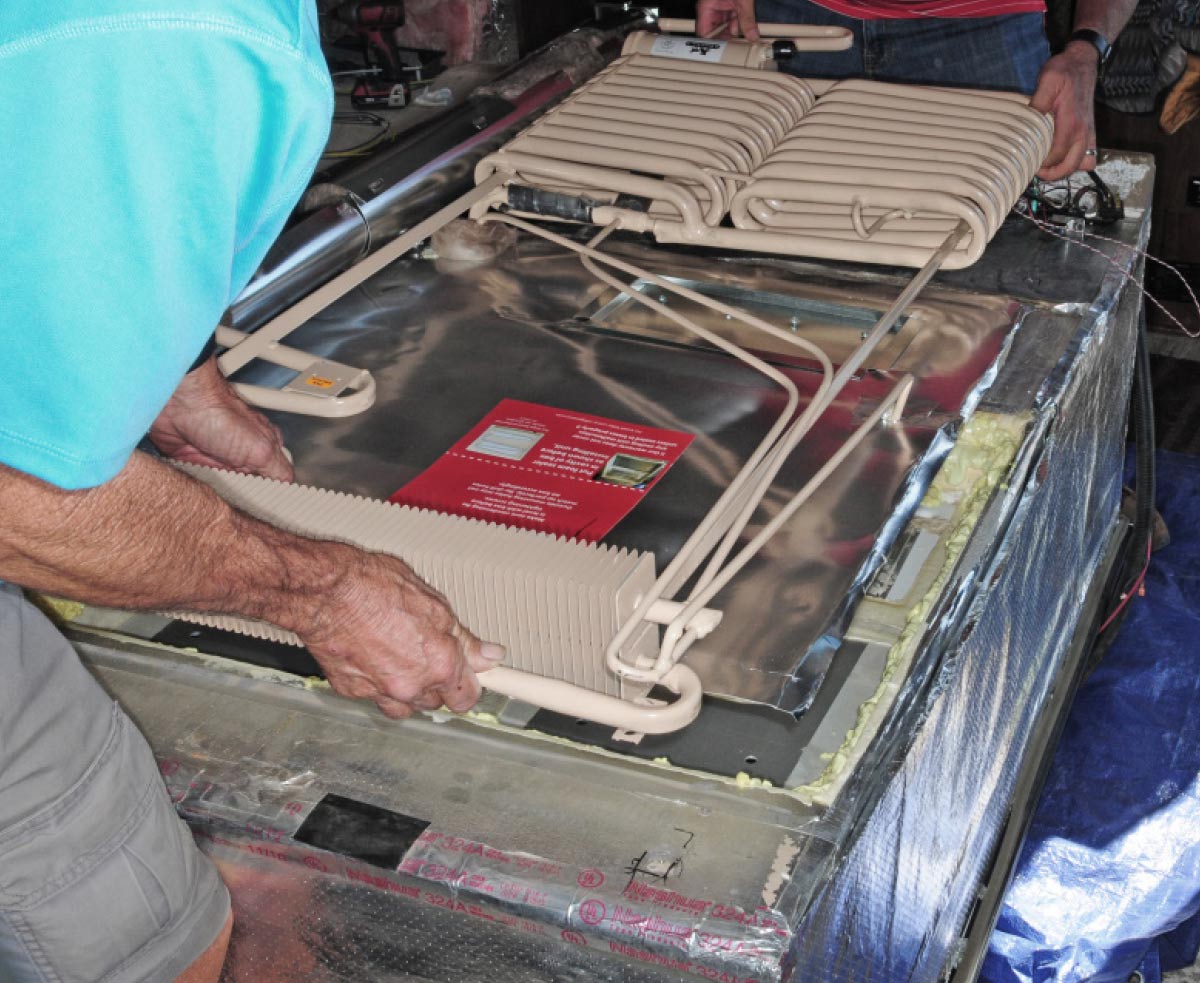
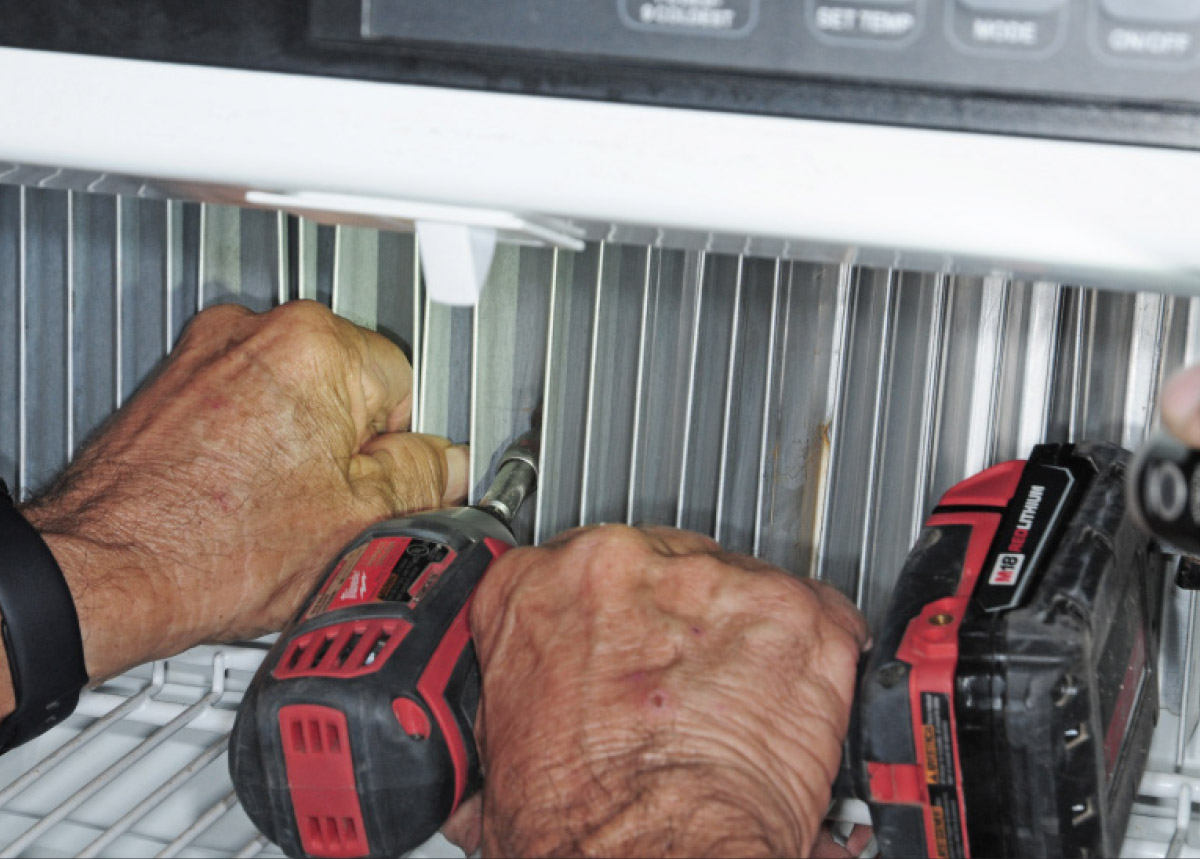
Test fit the new cooling unit: The new foam pack should be flush with the top of the cabinet. Install two or three screws to hold the cooling unit in place before setting the refrigerator upright. Check the holes in the freezer plate and the evaporator fins to make sure that they line up. If they don’t, remove the screws in the back and ask your helper to hold the cooling unit in place while you align the holes. Use a level across the condenser fins at the top before installing the top screw — it must be level with the top of the refrigerator for optimal performance.

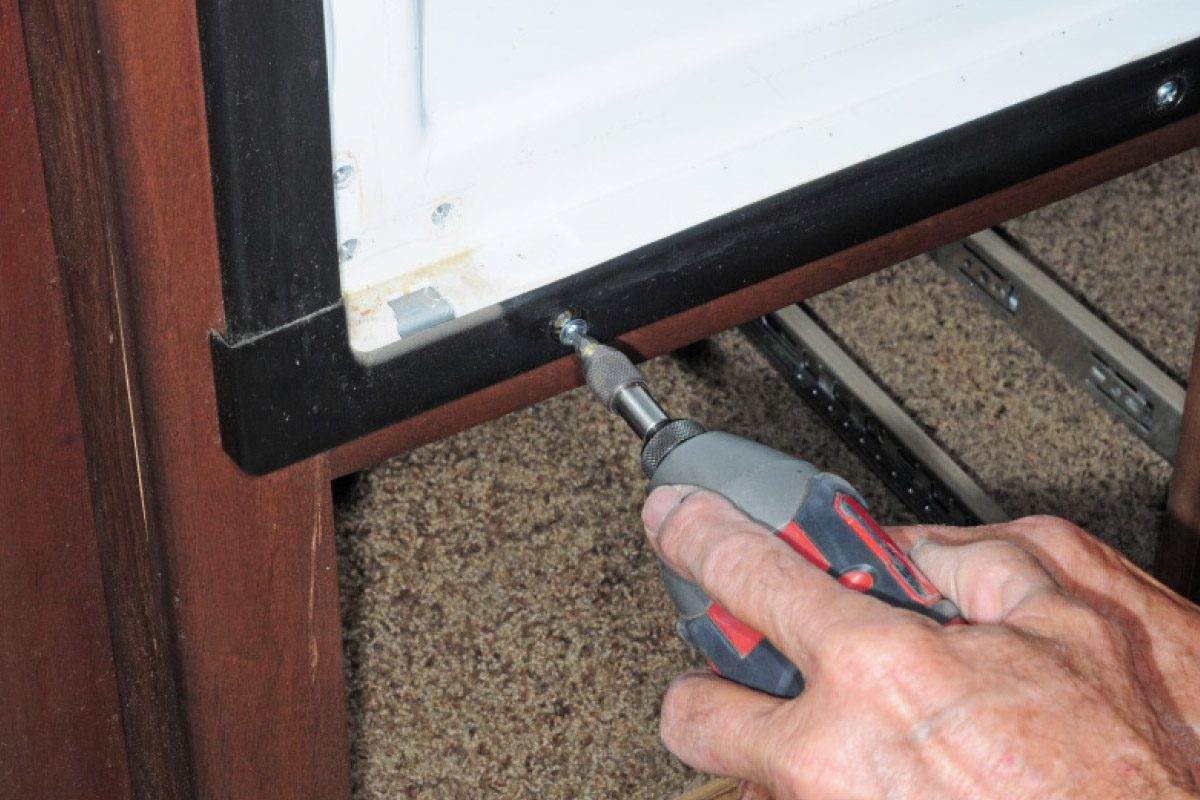
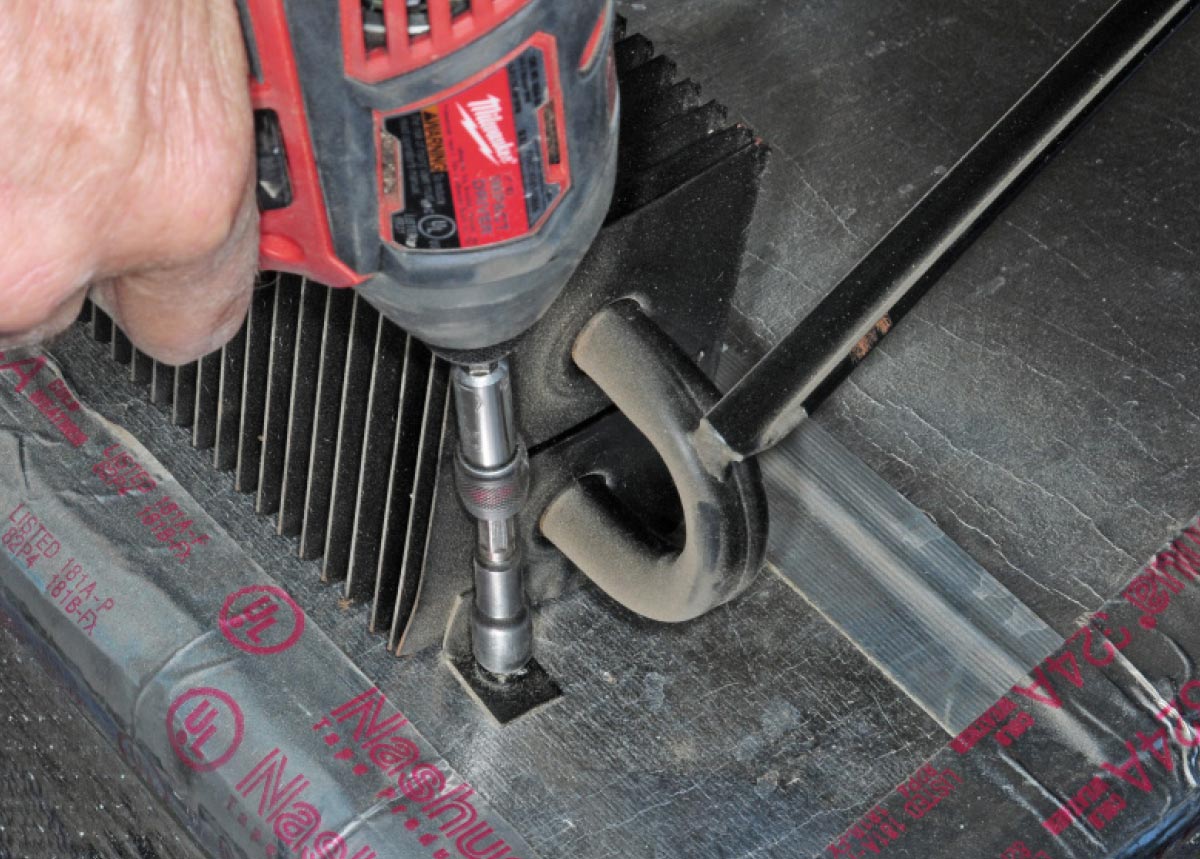
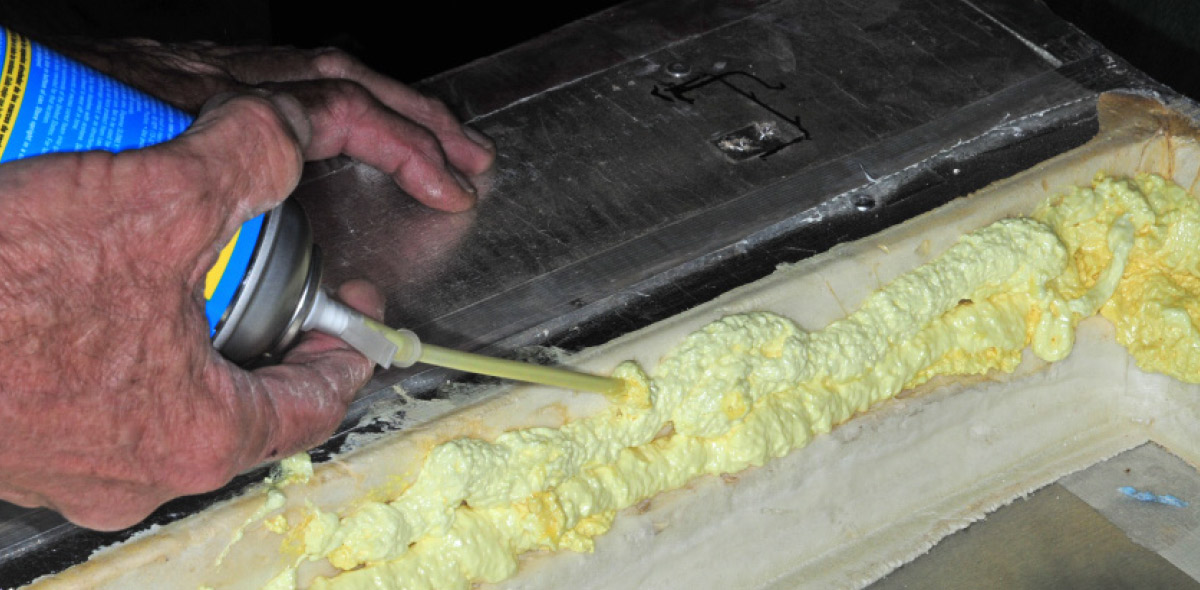
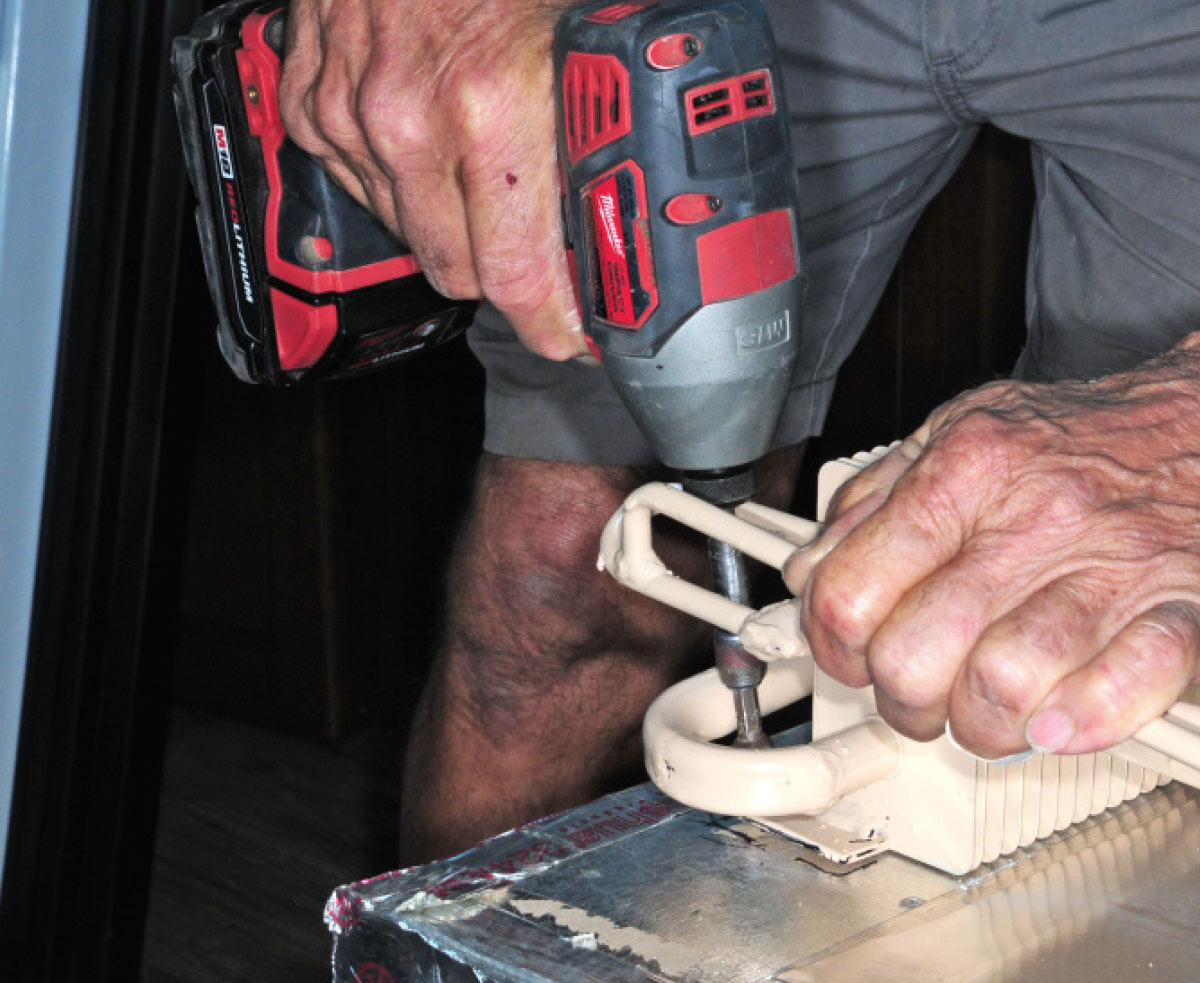
To prevent air leaks, run two beads of expanding foam around the sides of the cavity where the foam pack on the cooling unit will come in contact with the sides. Quickly drop the cooling unit into the cabinet, align and install the screws. Be sure that the foam pack is seated completely into the cabinet. Lift the refrigerator and install all of the screws into the freezer plate and the evaporator fins; install the screws in series, tightening them with minimum torque until the cooling unit has been pulled tightly up against the freezer plate. Lay the refrigerator back down on the blocks and install all of the screws that hold the cooling unit to the cabinet.
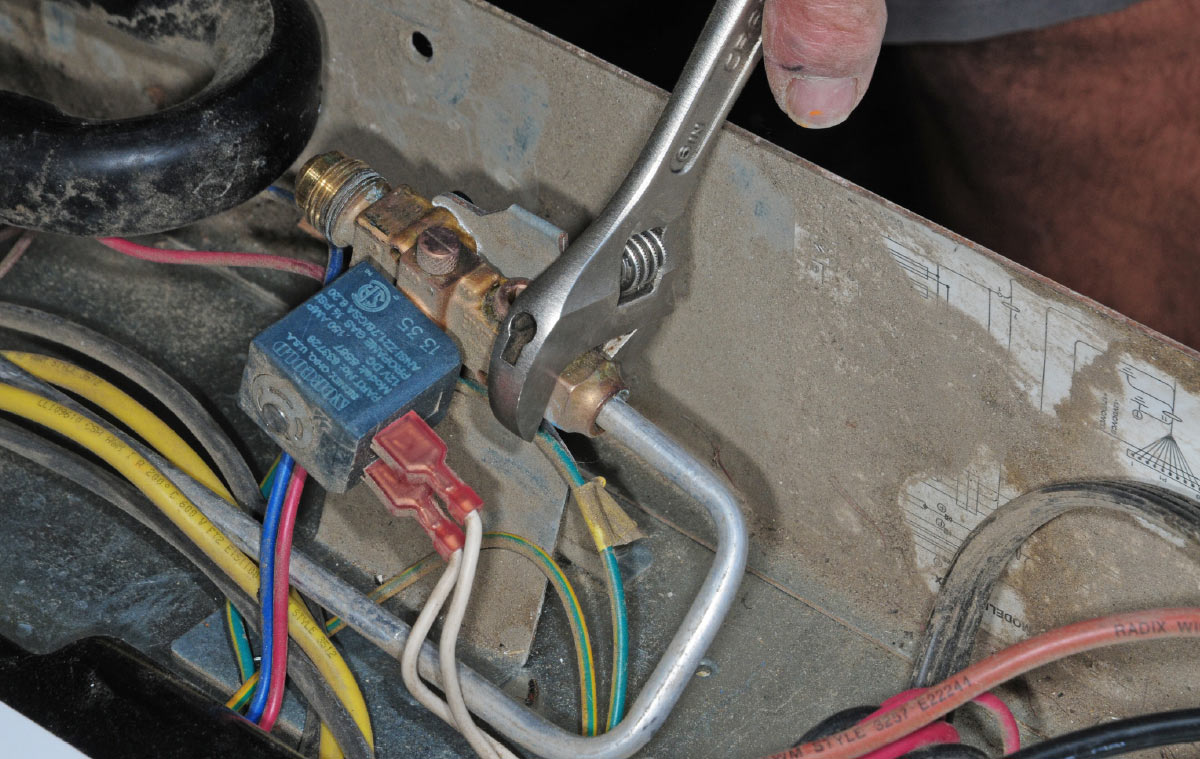
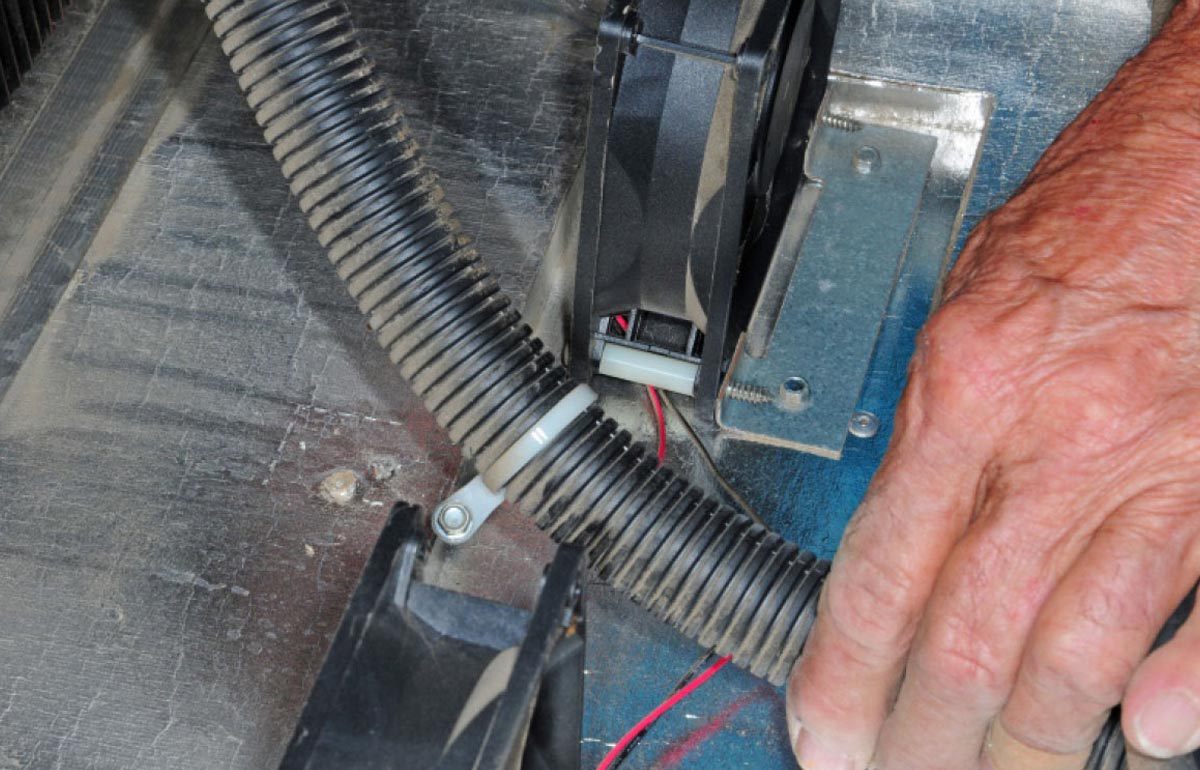
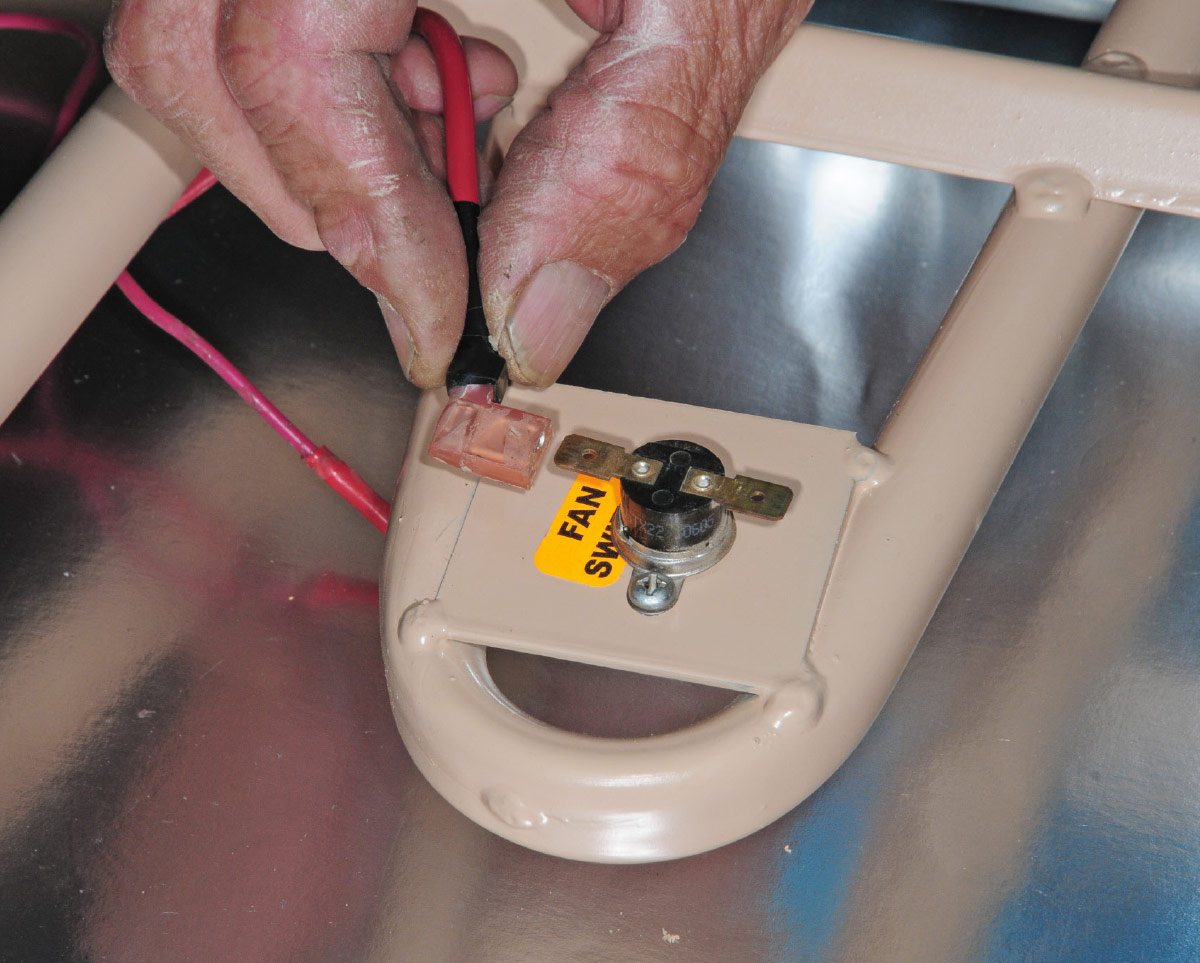
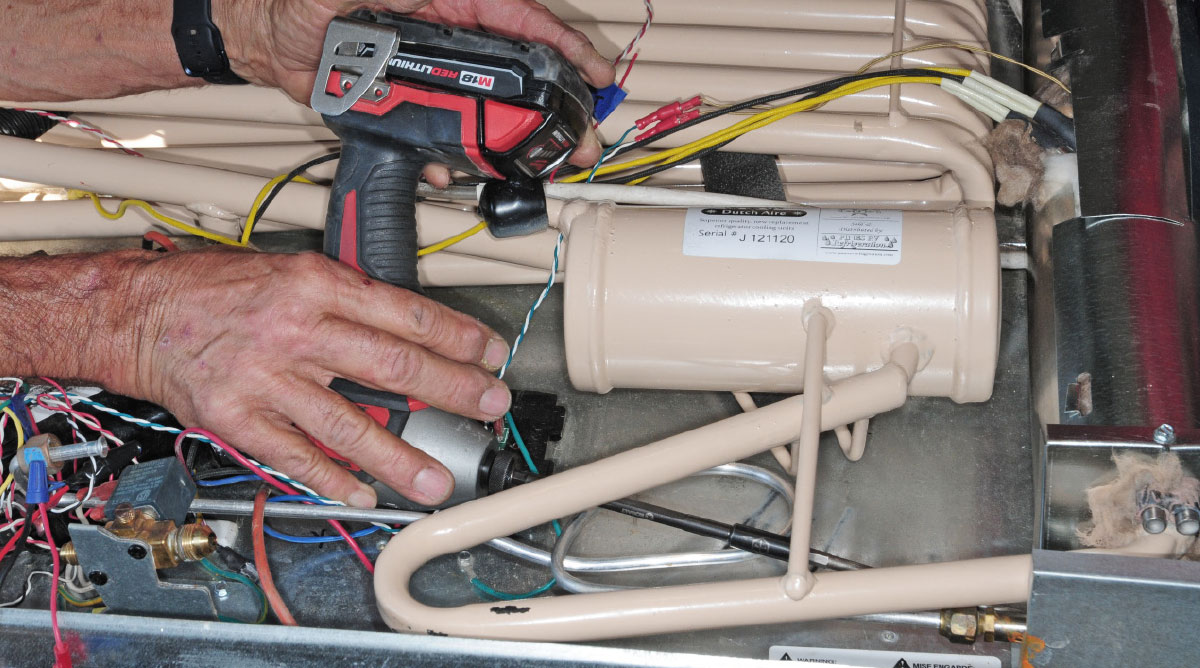
Apply aluminum sealing tape around where the foam pack is installed into the cabinet for added insurance against air intrusion. Install all components, including any optional fan kits, by basically reversing the removal process. Keep in mind that the thermal cut-off switch is in a different location on Dutch Aire cooling units, as are the fans. Inspect the cabinet opening and interior for any problems with insulation coming loose before reinstalling the refrigerator. Slide the refrigerator into the cabinet and reverse the removal process. Do not forget to check the LP-gas line for leaks with a leak-check solution. A propane leak down and pressure test and adjustment using a manometer is recommended.
After installation, the refrigerator can be started immediately — just make sure that your rig is level.