

f you’re new to RVing, or perhaps have considered moving up to a larger trailer, you’ve probably thought about a fifth wheel and may have wondered how these larger models differ from their travel trailer counterparts. Fifth wheels typically represent a much larger investment in both the trailer and the tow vehicle, so it’s a good idea to learn about what equipment is required to tow them.
Prepping the Truck
It wasn’t long ago that a fifth wheel represented the ultimate commitment in towing. Unlike a travel trailer hitch — which simply slides into a receiver already on the tow vehicle — a fifth-wheel hitch required that a structure first be fabricated and attached to the truck’s frame for mounting the hitch. So, in addition to the cost of the hitch itself, there were often significant labor charges involved — and hopefully the technician you trusted with the job did it correctly. Later, aftermarket kits were made for various models of trucks to simplify the process. Still, sometimes the truck bed had to be disconnected and raised for the installation.
Finally, the “Big Three” automakers (Ford, General Motors and Fiat Chrysler) recognized that preparing a truck for fifth-wheel towing was not only very inconvenient for its customers but also costly, and began offering “fifth wheel ready” packages with all the structural work already completed at the factory level. Later, factory-installed “puck” mounting systems emerged with the holes already drilled in the bed and sockets incorporated into the frame rails designed to accept unique fasteners. These have become the go-to choice in fifth wheel set-ups — in fact, industry sources estimate that half of all Ram 2500 and 3500 trucks are ordered from the factory with a puck mounting system because it simplifies the hitch installation tremendously. Just line up the hitch in the truck bed, lock the fasteners in place and you’re good to tow.So, if you anticipate purchasing a new truck to haul a fifth wheel, it will be worth your while to opt for a fifth-wheel ready model.
Hitch Types
Some truck manufacturers also offer models already outfitted with a fifth-wheel hitch, which may be a consideration if you just want to finance the whole thing, connect the trailer and head down the road. However, it’s still a good idea to shop the variety of hitch systems available to make sure you select the one that best fits your individual needs. Fifth wheel hitches continue to evolve and range from the basic up to high-end models that may incorporate air bags, high-density foam cells or other features designed to make towing smoother and more comfortable. Still others can be quickly broken down in different sections, making installation/removal easier for one person.
Unlike travel trailer hitches, which are broken out into classes, fifth-wheel hitches are simply designated by the maximum weight of the trailer (gross trailer weight) they are designed to tow. A 16,000-pound (or “16K”) hitch is rated for up to 16,000 pounds gross trailer weight; a 20K hitch is designed for a gross trailer weight of up to 20,000 pounds, and so on. Because you won’t necessarily know the weight of your trailer when it’s full of fresh water, LP-gas and supplies, it’s always a good idea to base your hitch purchase on the trailer’s gross vehicle weight rating (GVWR) and purchase the next-highest-rated model. For example, if your trailer has a GVWR of 18,000 pounds, go with a 20k hitch. It won’t cost much more and will you give you added capacity. Also, consider the future: You may want to trade for a larger fifth wheel, which may require a higher-rated hitch.
In most cases, fifth wheels are pulled by full-size, heavy duty (3/4 or 1-ton) trucks with 8-foot beds, so there is adequate room for the front of the trailer (called the “cap”) to clear the cab of the truck when navigating a sharp turn (around 90 degrees). However, a fifth wheel can also be towed by a heavy-duty truck with a 6-foot bed using the right equipment. For short-bed applications, hitch manufacturers have designed an automatic sliding or “slider” hitch, which moves rearward when the truck and trailer reach a certain turn angle. Automatic sliding hitches are more costly, but much cheaper than repairing your truck and trailer after the front cap and cab crash into one another. More on this later.
Another option for short bed trucks is a pin box extension mounted on the trailer, which bolts to the existing pin box structure. These incorporate a locking wedge that prevents the fifth wheel hitch from turning; instead, the extension features a rotating turret that moves the pivot point 22 inches rearward. Essentially, it performs the same function as an automatic sliding fifth wheel hitch — it’s just a different way of doing things and costs about the same. Pin boxes are also available in different weight ratings and some even offer a suspension system of some kind to absorb road shock. Just make sure that the hitch you own (or are considering) is compatible with a pin box extension, because not all of them are.
Another option that’s out there are gooseneck adaptors. Gooseneck hitches are a heavy-duty option for cargo and livestock trailers. Goosenecks are more challenging, as a rule, to connect than fifth wheels because of the precise positioning needed for the connection. While there are gooseneck adaptors of various kinds on the market, as a rule, they should be approached by RVers with extreme caution. Gooseneck adaptors change the stress factors on the trailer frame and have been connected to fifth-wheel frame and sidewall fractures which will not be covered under many RV manufacturer warranties. Those interested in using a gooseneck adaptor must contact their trailer and chassis manufacturers to get the OK to use a gooseneck adaptor before installing one.
Adjusting Trailer Height
Both the pin box on the trailer and the fifth wheel hitch are adjustable for height, which can be particularly important on taller heavy-duty trucks. If the trailer is in too much of a “nose up” position when hitched, it can limit the amount of clearance between the lower, front section portion of the trailer (the part above the hitch saddle) and the bed rail/tailgate of the truck. This can cause interference problems on steep driveways or other road undulations. Such a position also shifts an abundance of trailer weight to the rear axle, possibly overloading it and the tires on that axle. Also, the rear portion of the fifth wheel can drag on the ground when negotiating driveways and dips in the road.
When correctly adjusted, the truck and trailer should be level and there should be a minimum of 6 inches between the fifth wheel cabover and the truck bed rail. If, on the other hand, the truck is still too tall for the trailer (i.e., a lifted four-wheel-drive vehicle towing a toy hauler), there are still some options. The truck can be lowered through different wheel/tire combinations, suspension adjustments, or both — or the trailer can be raised. So called suspension “flip kits” place the trailer’s leaf springs above the axles instead of below them, netting a lift of several inches. A common misconception is that raising the trailer will make it top heavy or change its handling characteristics, but from our experience, a few inches won’t make an appreciable difference. Where there is a possible concern is the overall height of the trailer (which includes air-conditioning units, satellite antennas or anything else mounted to the roof). While there is no federal height requirement, most states have height limits starting at 13 feet, 6 inches, and as high as 14 feet, according to the Federal Highway Administration. Some exceptions are granted for lower clearance on particular local roads that may have low bridges, but those are marked. As a general rule, it’s best to stay below 13 feet, 6 inches in overall height.
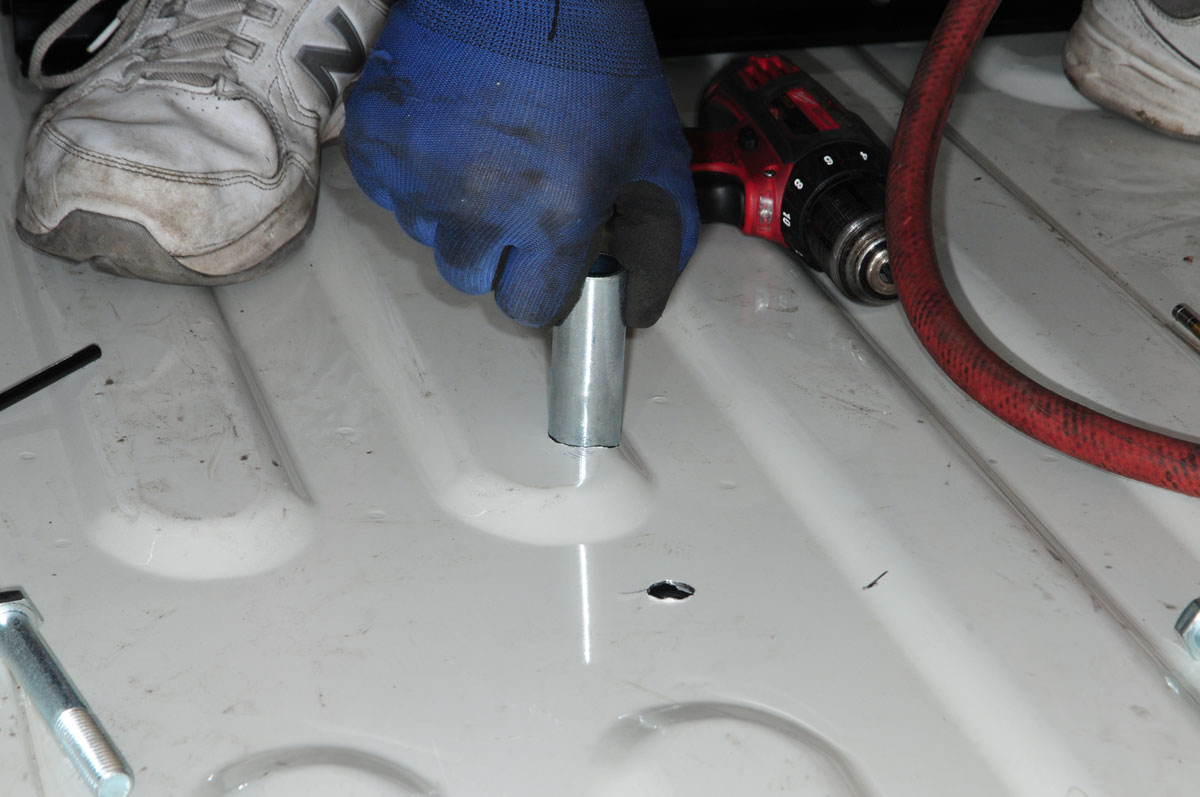
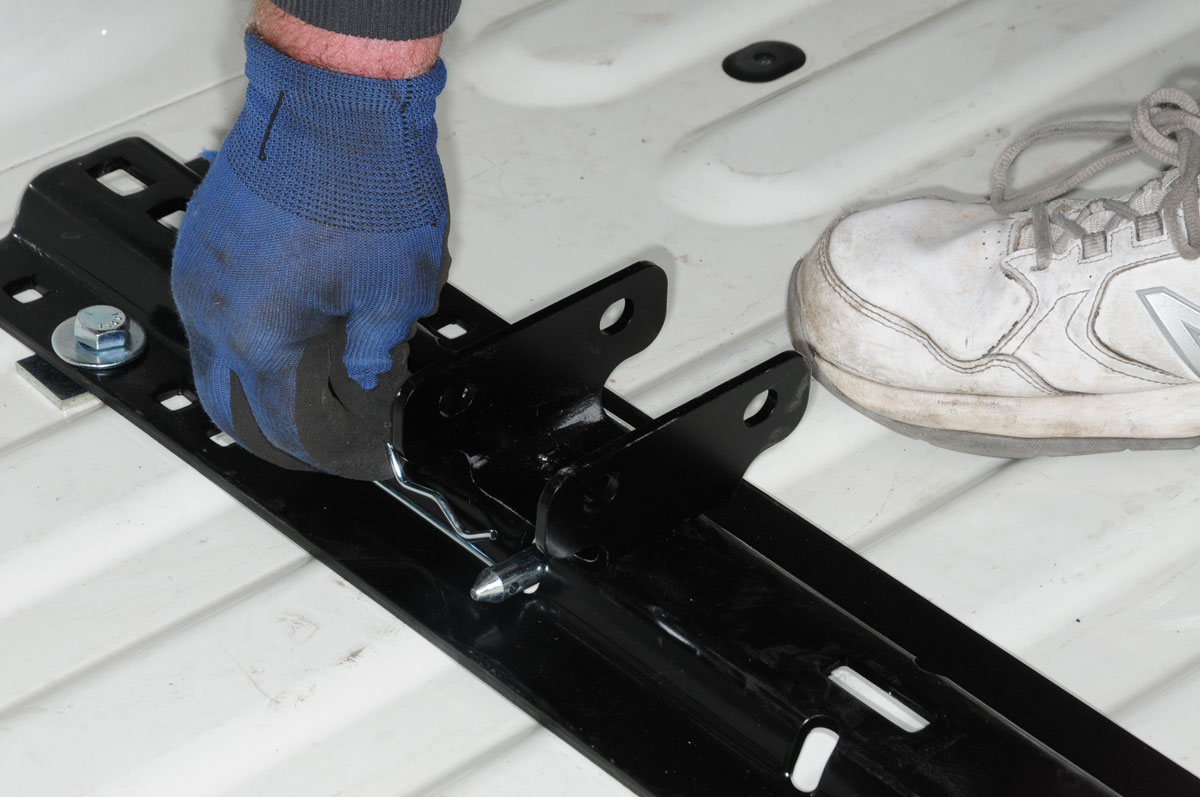
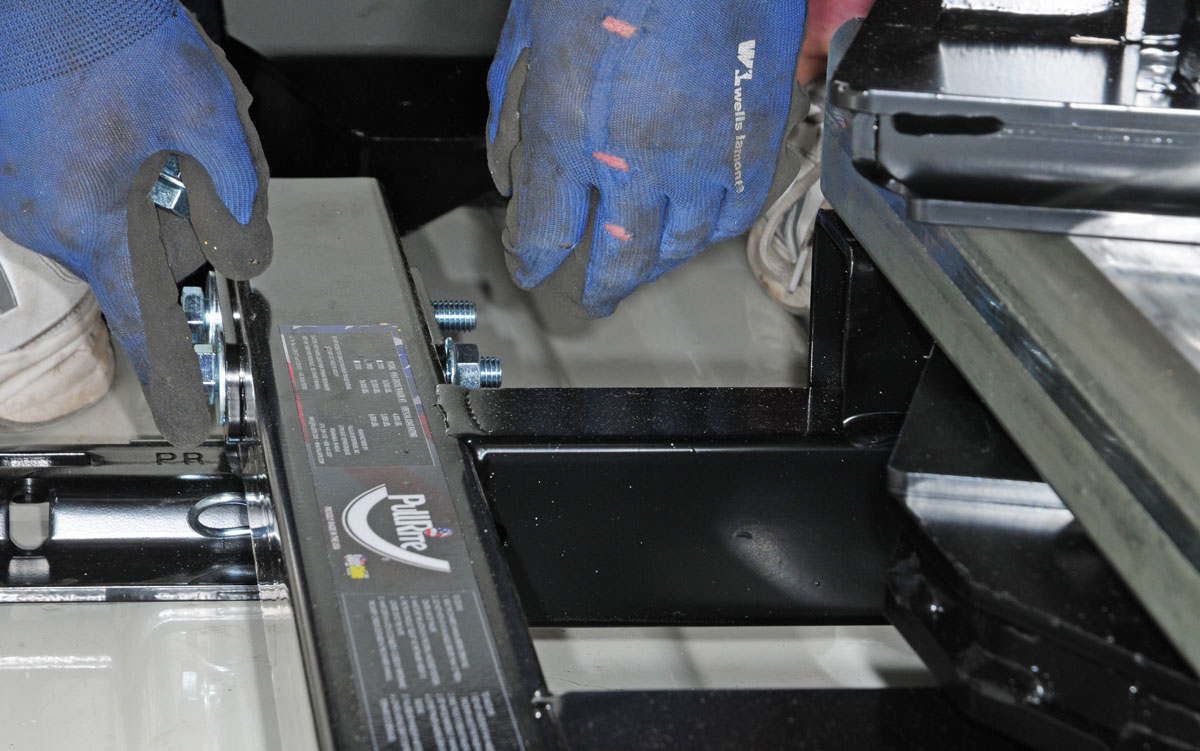
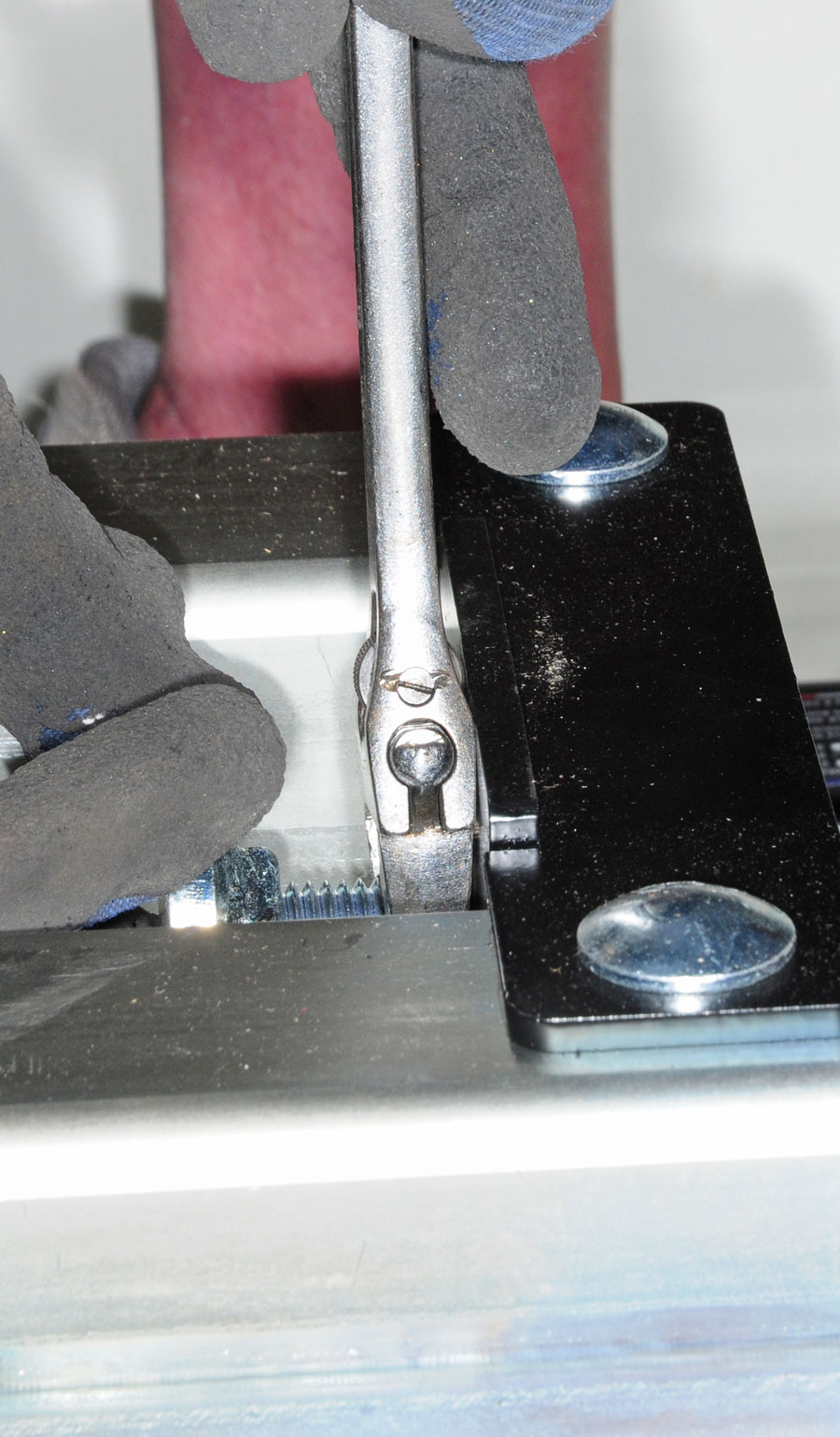
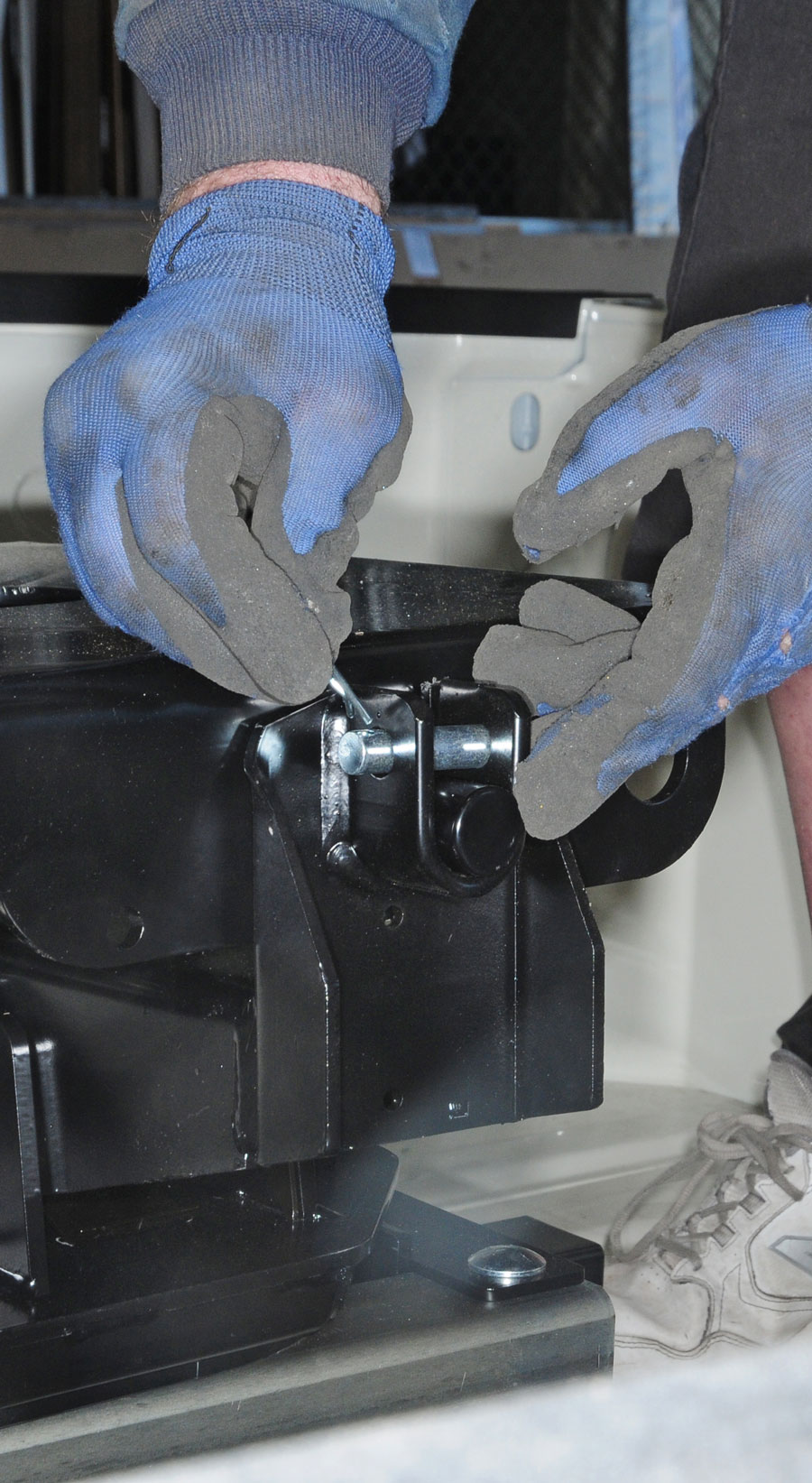
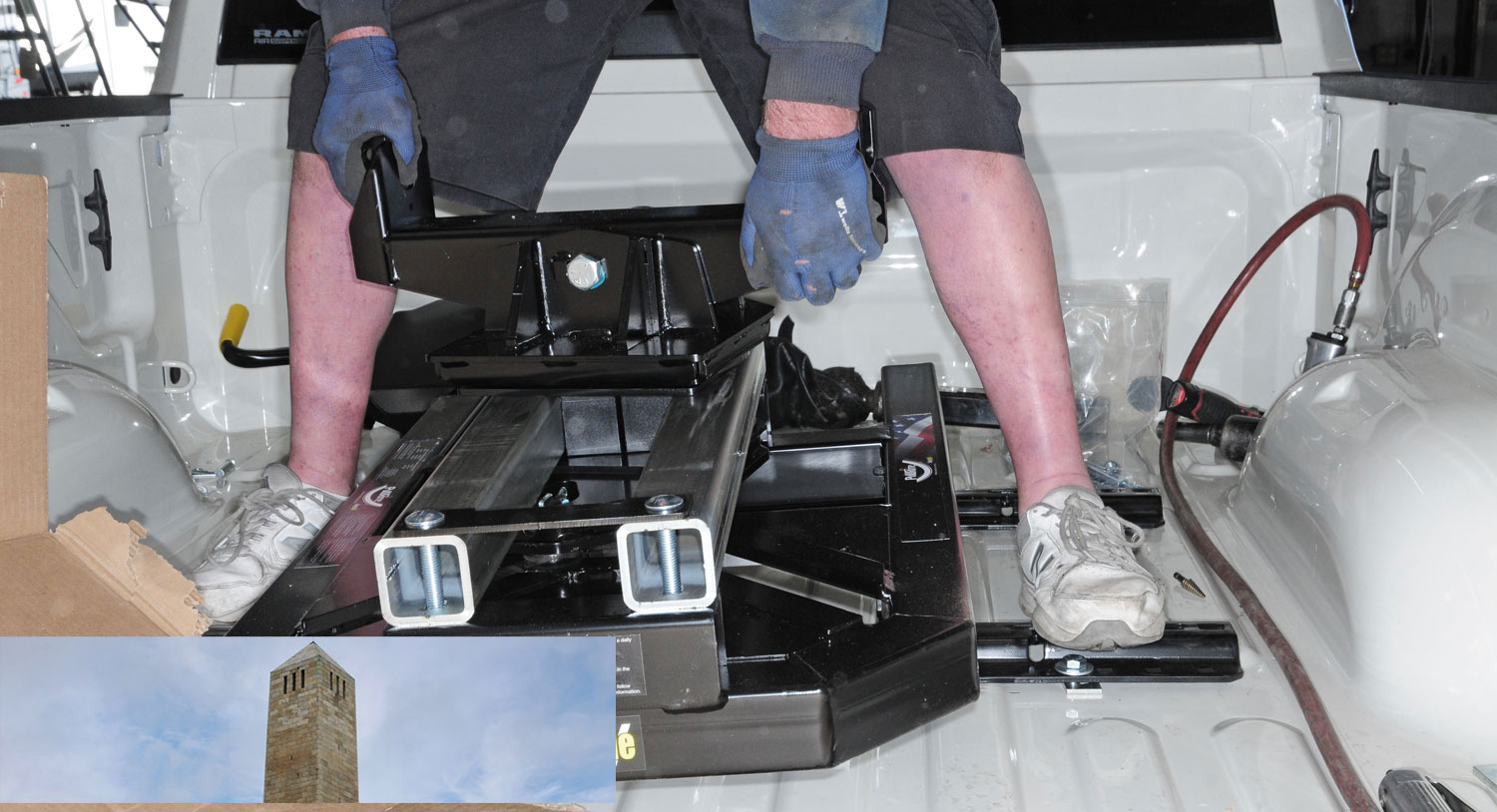
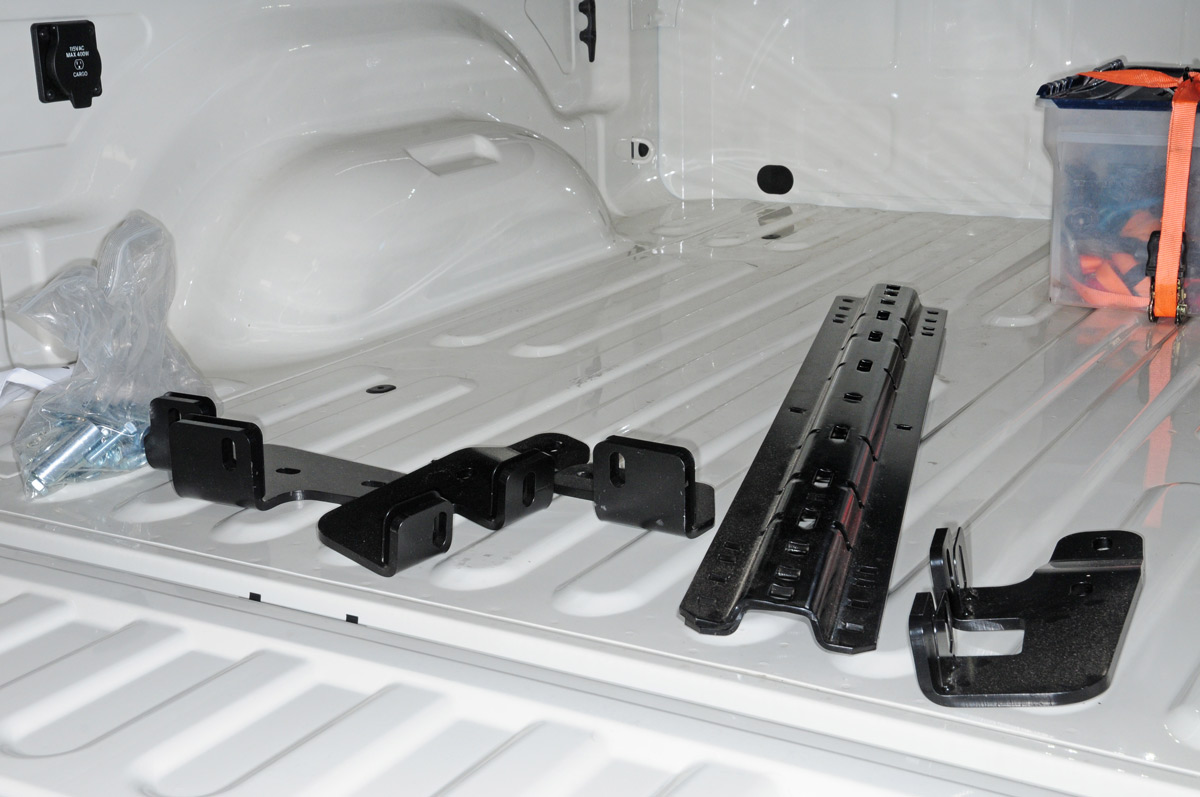
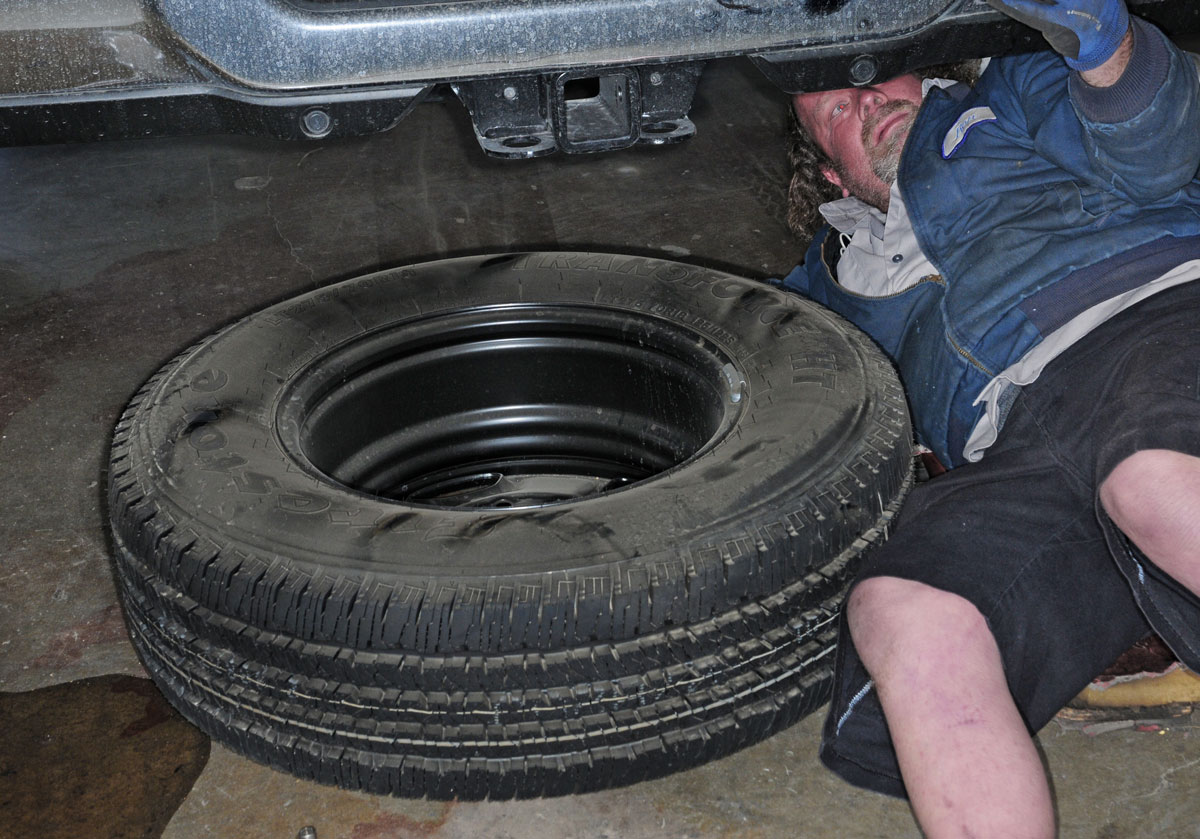
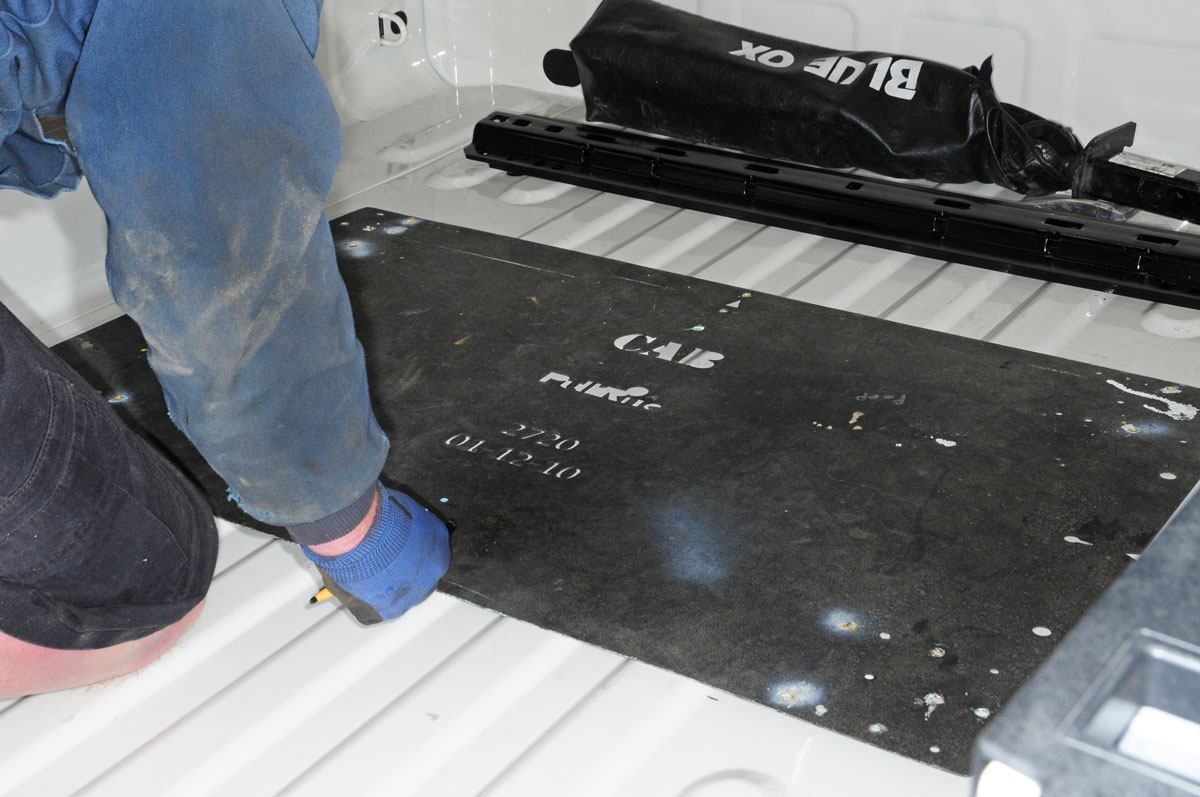
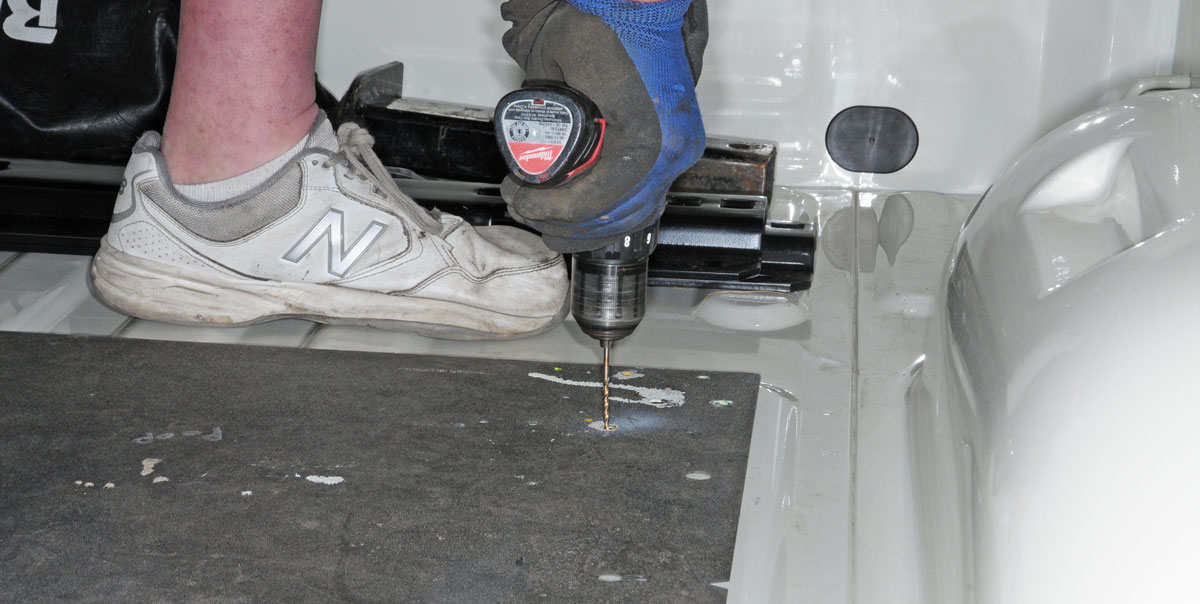
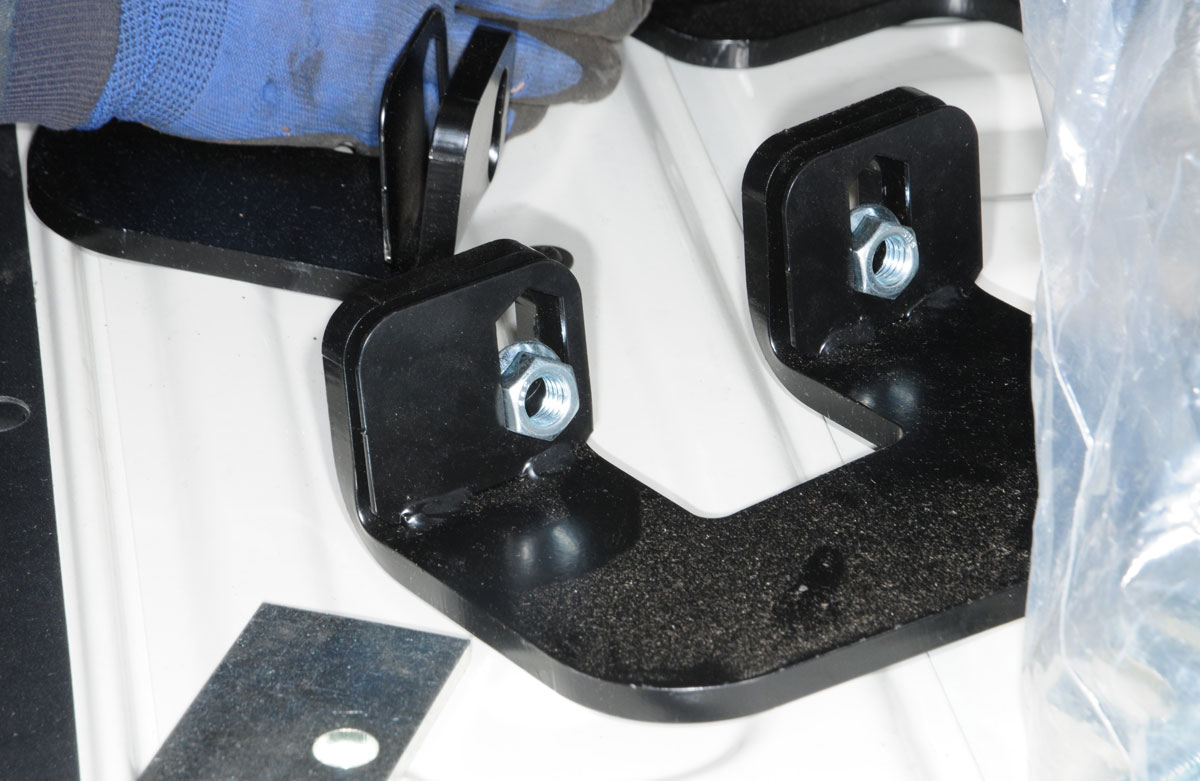
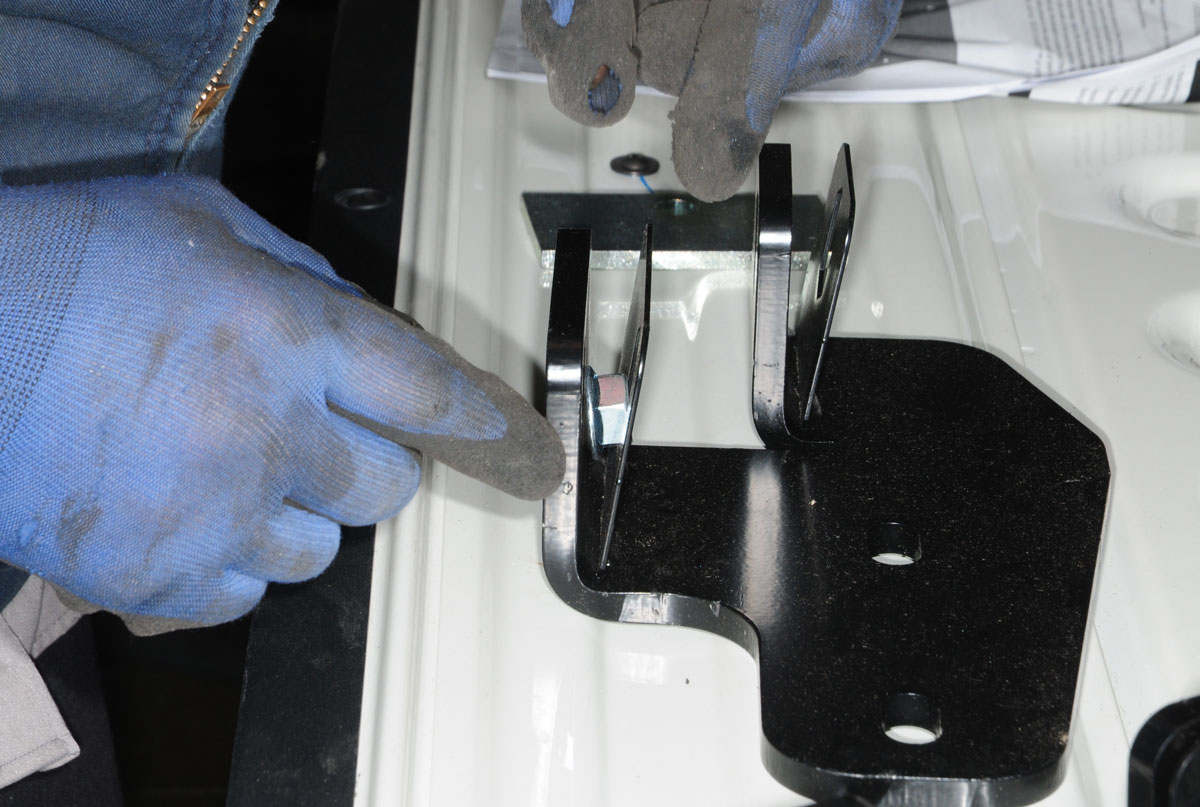
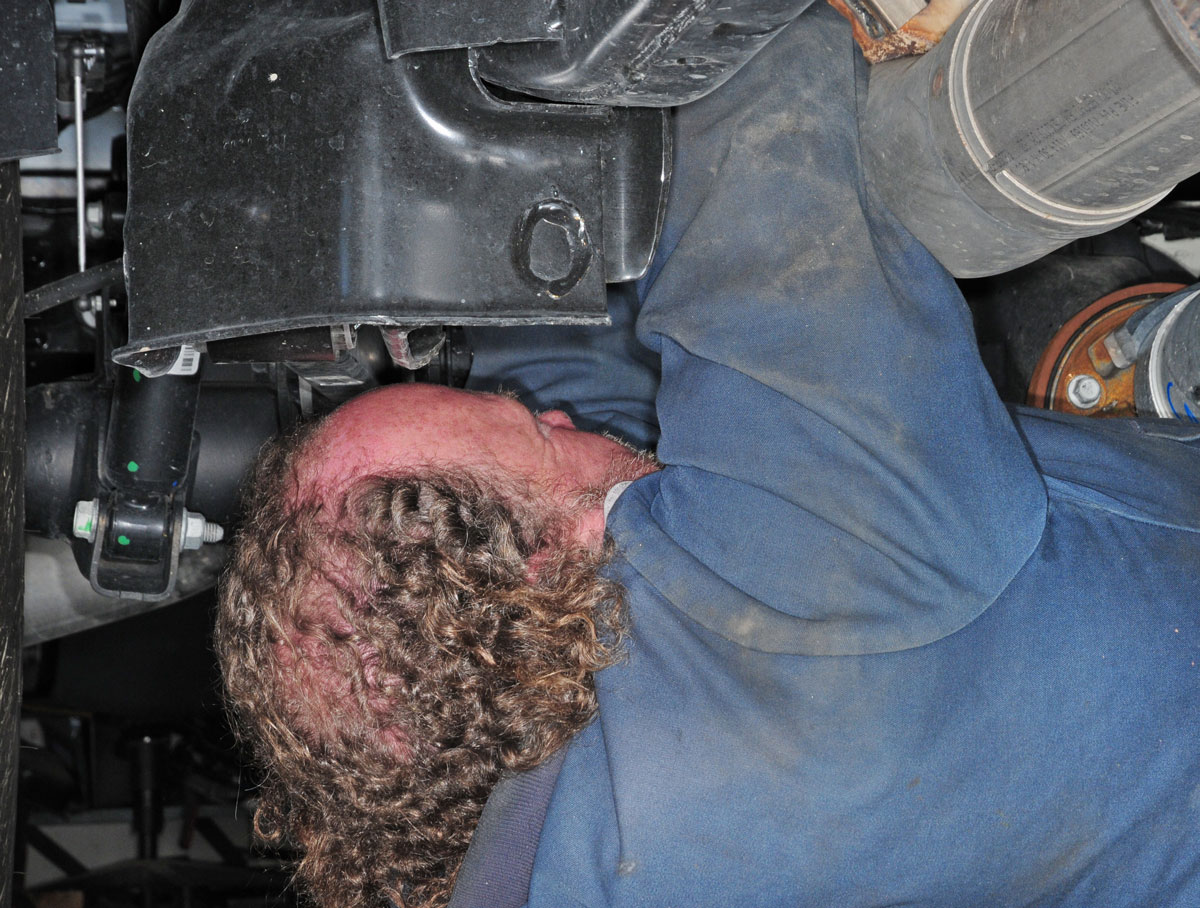
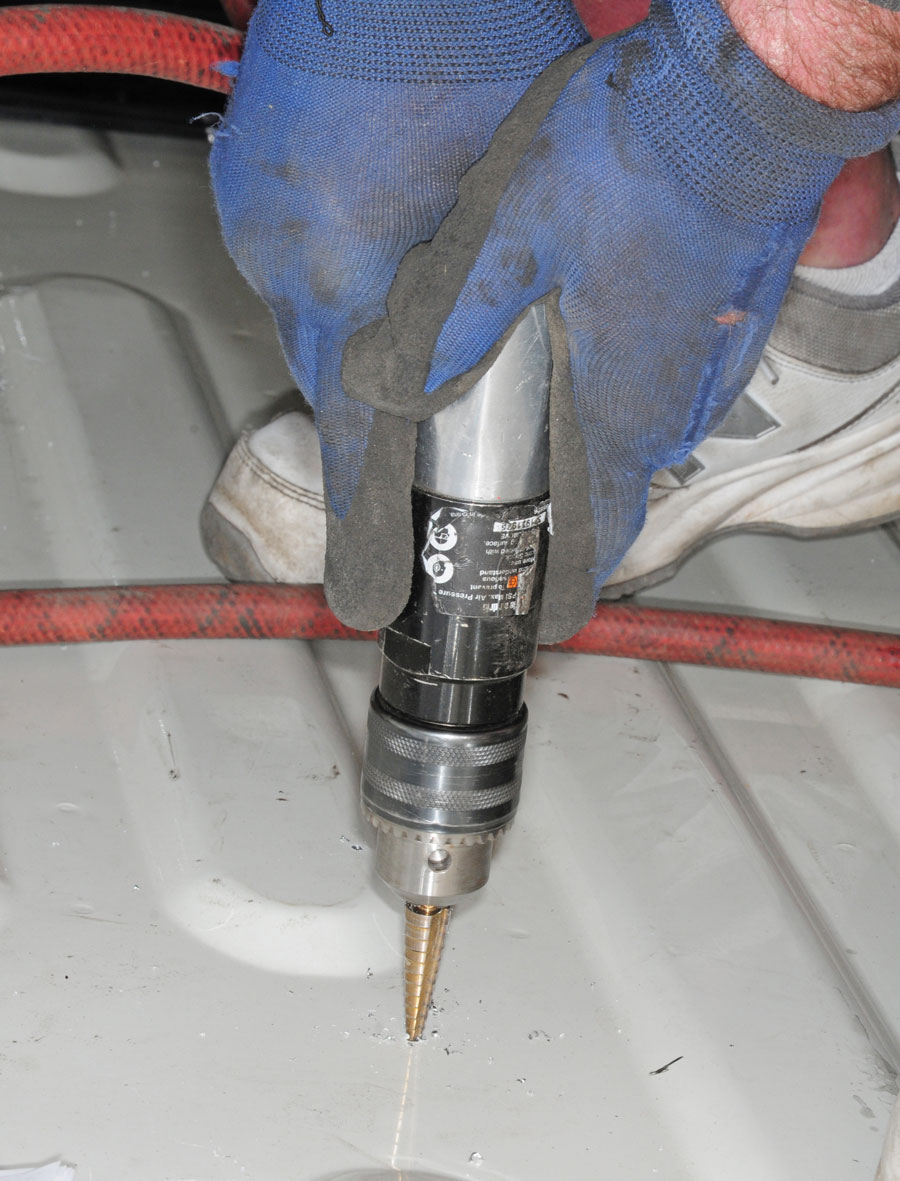
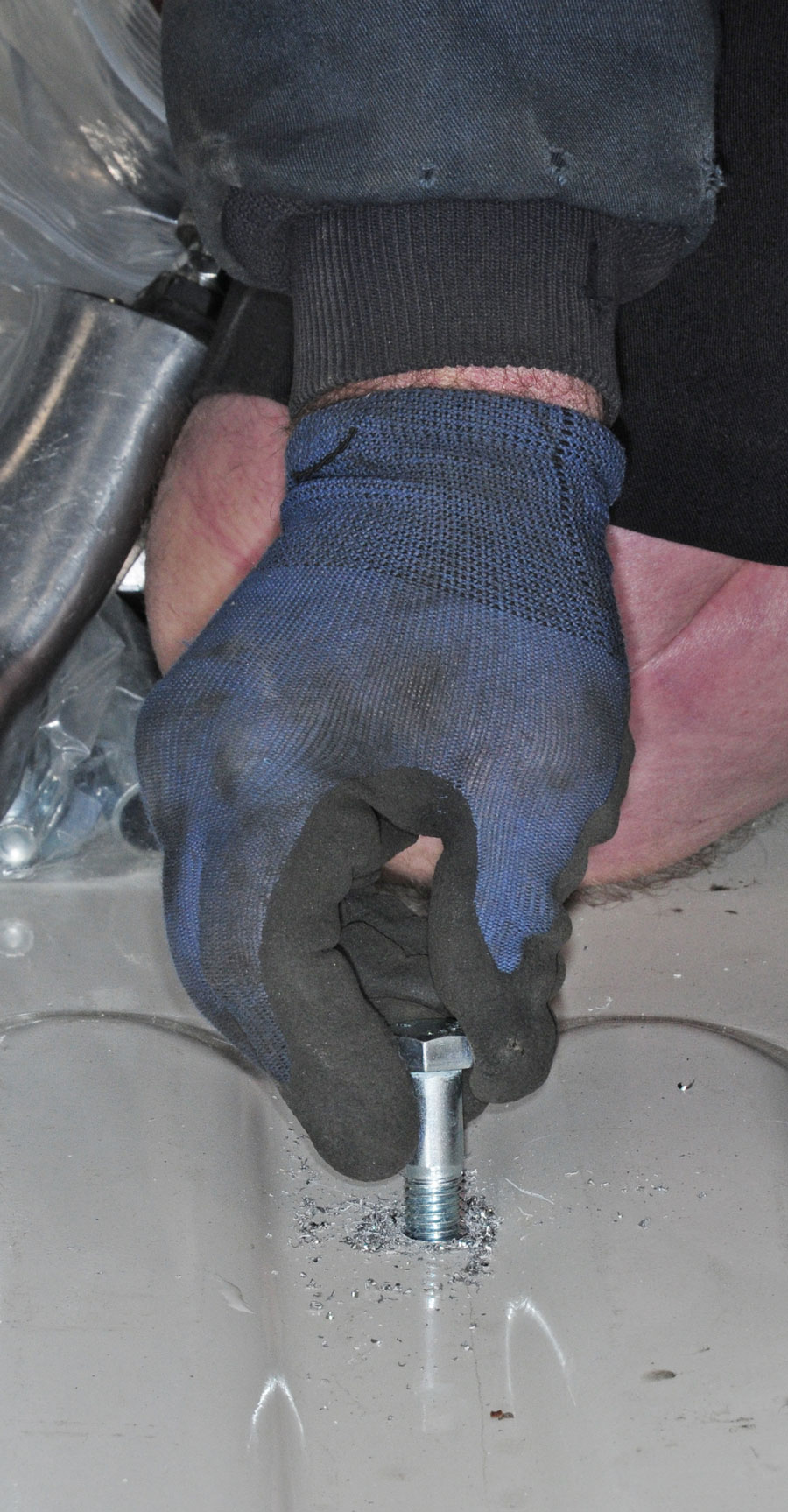
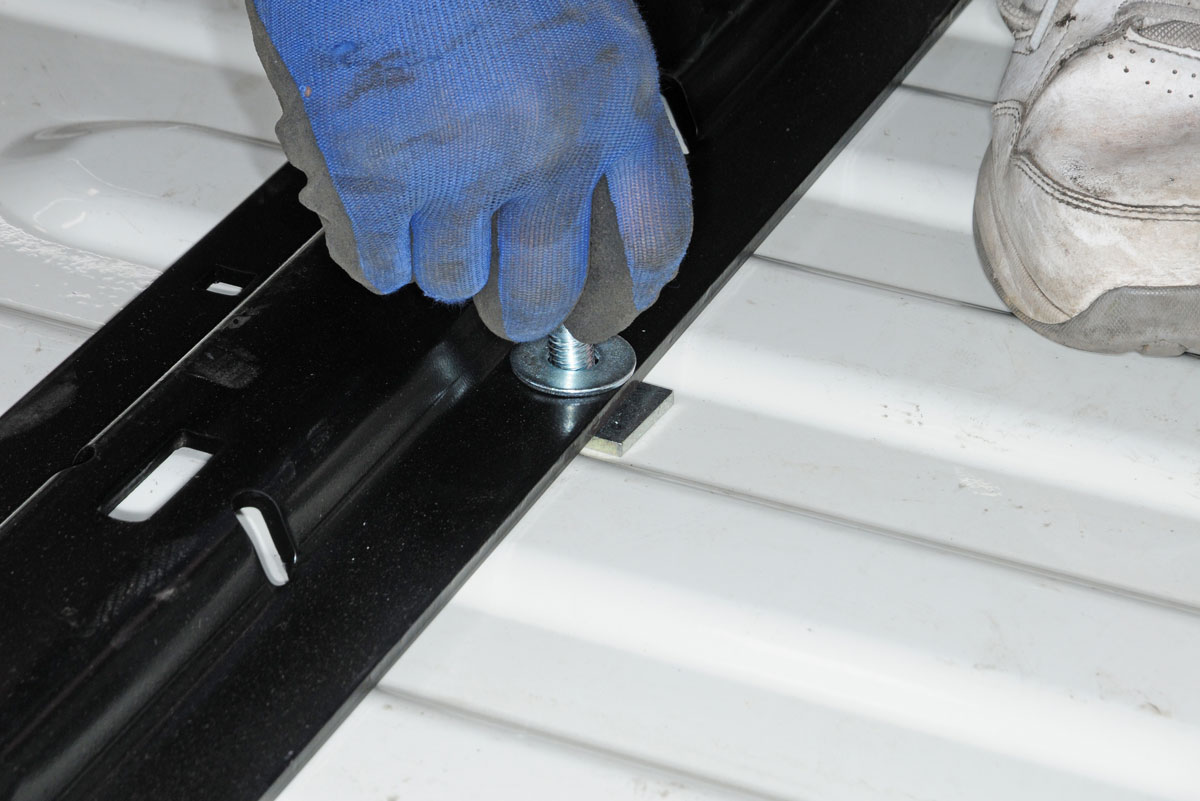
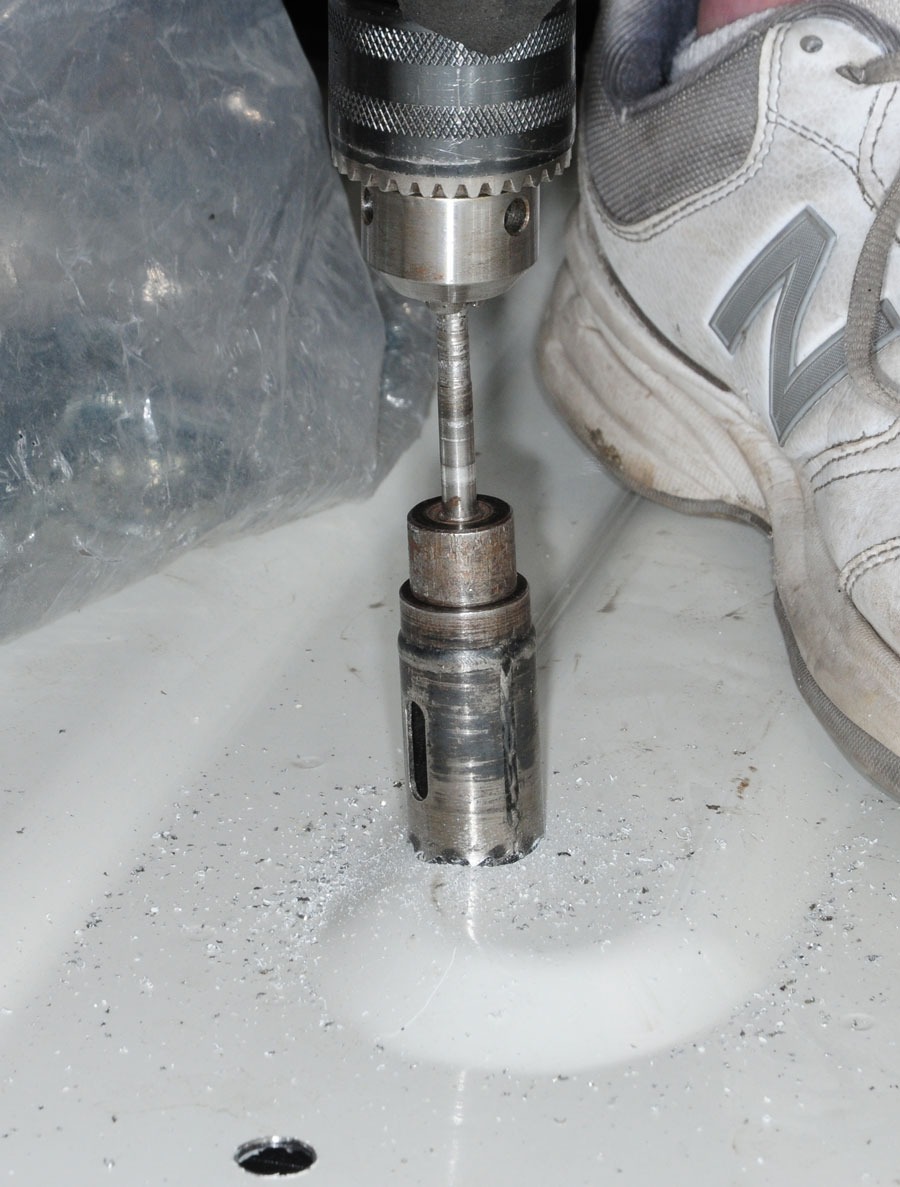
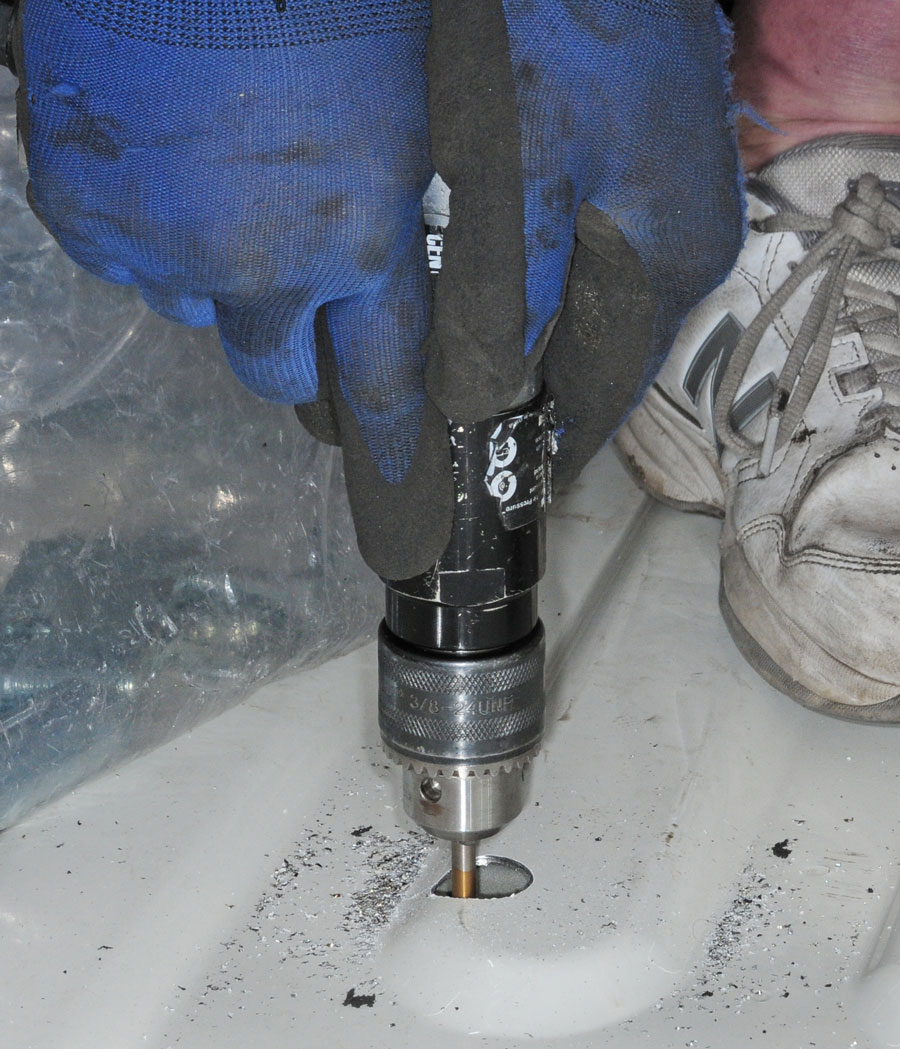
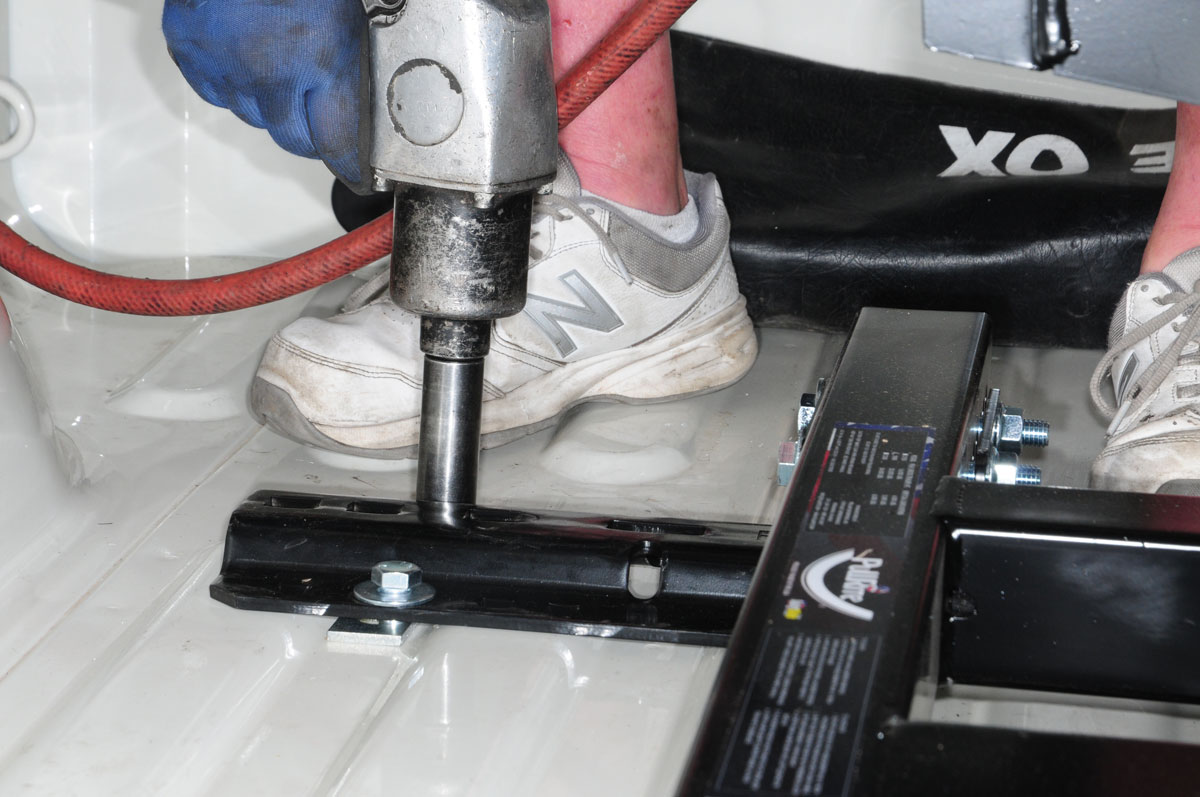
If you own a ¾- or 1-ton truck that was not prepped for fifth-wheel towing, there’s no need to purchase another truck. A fifth-wheel subframe can still be installed on your existing truck, after which you can install the fifth-wheel hitch system of your choosing. Such was the case with a certain 2021 Ram 2500 short-bed pick up, which we followed during installation of a fifth-wheel hitch. The owner ordered the truck without fifth-wheel prep, then later decided to enter the fifth-wheel fray. The frame brackets and mounting rails were installed at Mike Thompson’s RV Super Stores, Colton, Calif., by a highly qualified mechanic, so the truck was ready for just about any fifth-wheel hitch.
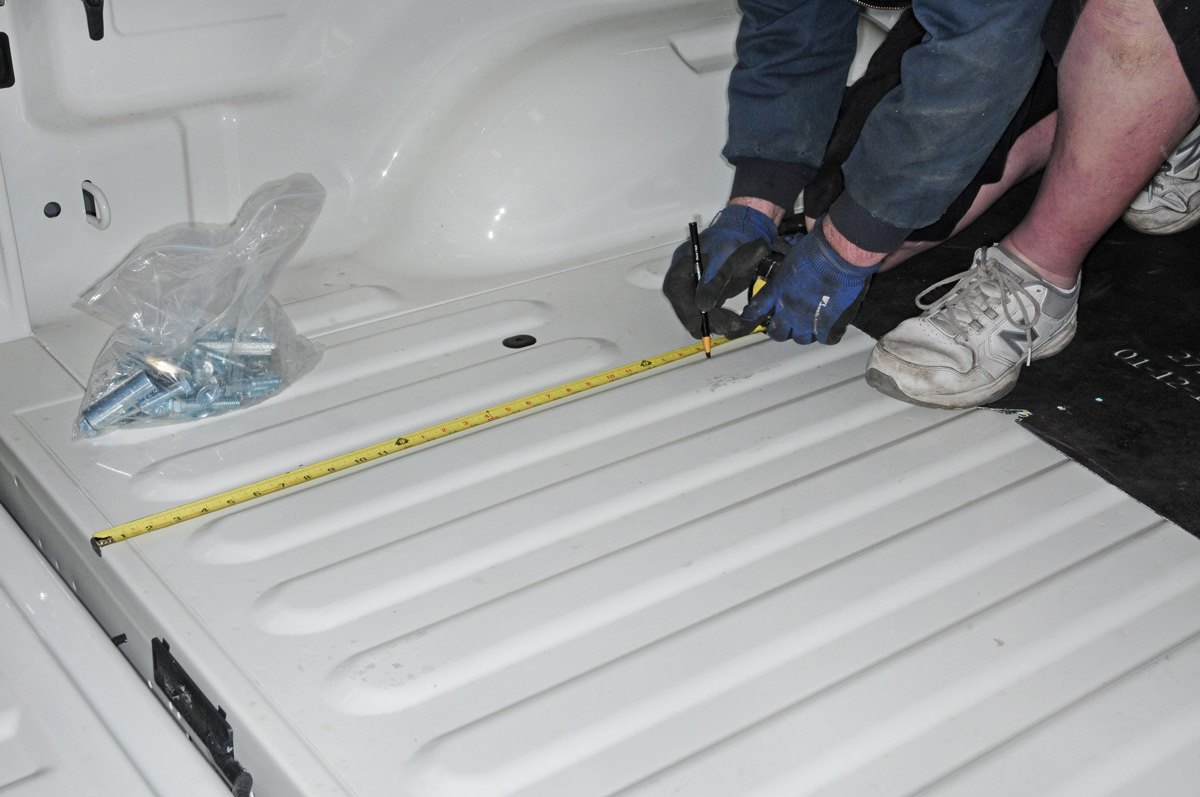
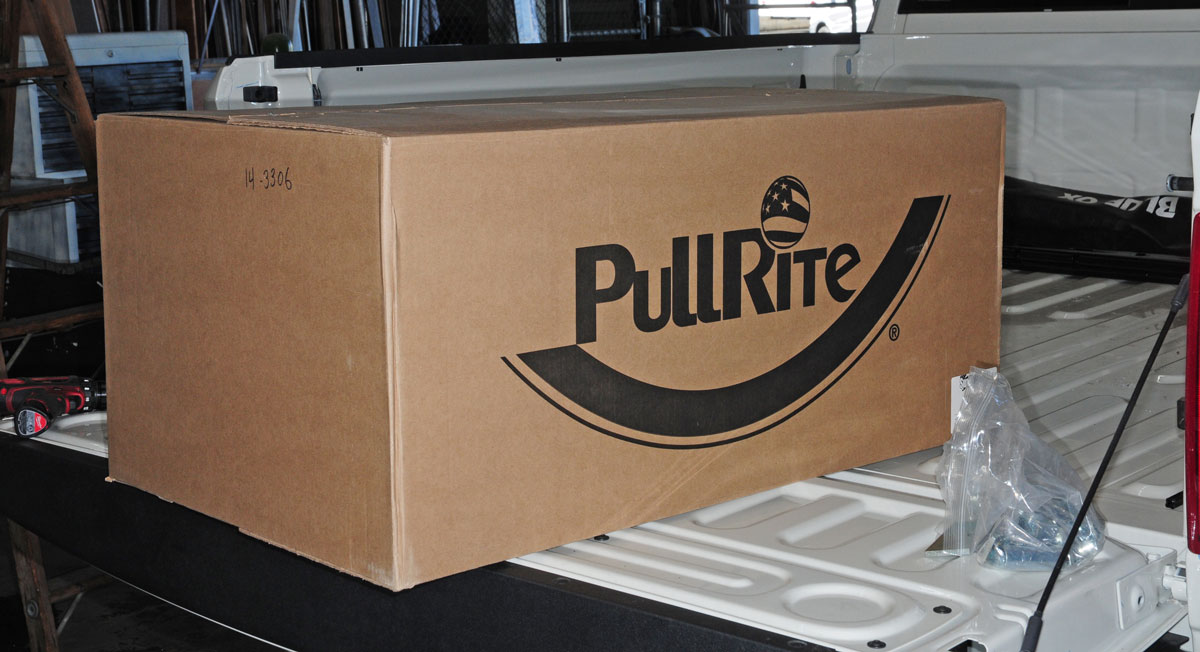
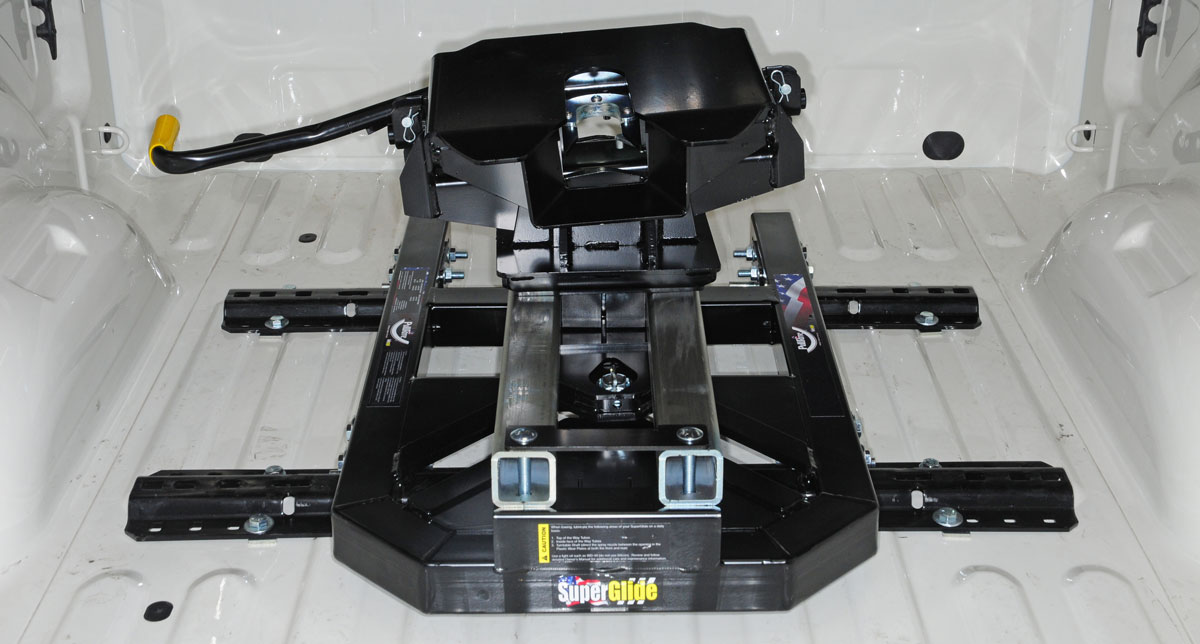
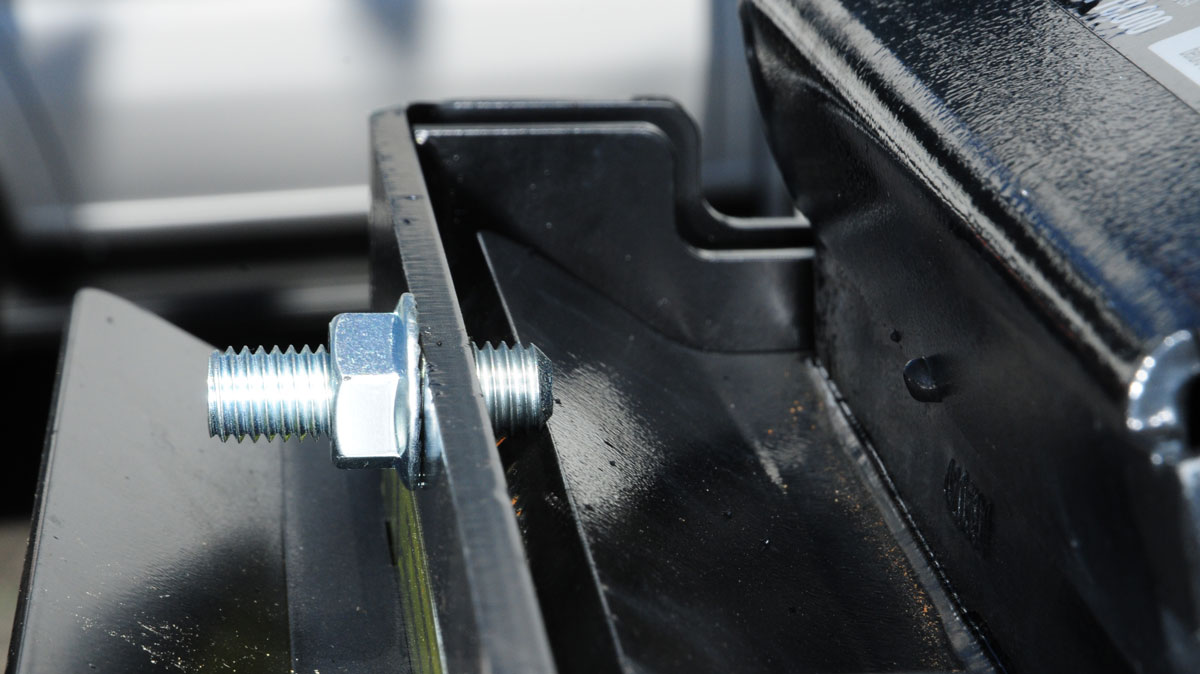
Since this is a short bed truck, the owner chose the performance and convenience of an automatic sliding hitch by PullRite. PullRite wrote the book on automatic sliders and its line of SuperGlide hitches is rated to tow up to 16,000, 20,000 or 24,000 pounds. While universal rails are available for just about any truck, PullRite’s 20K Industry Standard Rail Custom Mounting Kit (part #2746; $499) was installed before affixing the company’s 20K SuperGlide automatic sliding hitch (part #2900; $1,899). PullRite makes installation easier by providing all necessary brackets, hardware and instructions, and even offers a template to make determining the hitch location easier.


(909) 318-2175
mikethompson.com
Pulliam Enterprises, Inc./PullRite
(800) 443-2307
pullrite.com