
ew Orleans, Louisiana, is one of the most eccentric and vibrant cities in North America. Known for its amazing food, live music and warm southern hospitality, festivals abound in New Orleans, including the French Quarter Festival, Satchmo Summer Fest, and Mardi Gras — the greatest “free show” in the world. And yes, you should attend Mardi Gras at least once.
But while the city is alive with plenty of glitz, music and fun watering holes, there are numerous historical and cultural points of interest that are worth visiting during your RV travels.
In the winter of 2019, my husband and I were planning a trip across the southern United States, with stops in many of the major cities, including Phoenix, Houston, New Orleans and Atlanta, to name a few. I own a “Passport To Your National Parks, Collector’s Edition” book, which lists pertinent information and maps on national parks, national battlefields, national monuments and more. It was in the Passport book that I discovered Jean Lafitte National Historical Park and Preserve.
As I soon learned, New Orleans history plays an important part in the establishment of the Jean Lafitte National Historical Park and Preserve. The city was founded by the French in 1718 by the governor of French Louisiana, Jean Baptiste Le Moyne; located at the mouth of the Mississippi River, New Orleans became the busiest port city in the Gulf of Mexico. During this time, a French pirate and privateer named Jean Lafitte became known for his smuggling in the area. Men who worked for Lafitte were called Baratarians, because the waterways they used for smuggling — essentially swamps and bayous — were located in the Barataria. Merchants and planters often came to the Barataria and purchased goods from these smugglers. In the 1760s, France ceded Louisiana to Spain; it reverted back to French control in 1803 and was later sold to the United States through the Louisiana Purchase. Jean Lafitte, for his part, later traded his pirate life to become a patriot who fought heroically for the U.S. in The Battle of New Orleans.
Jean Lafitte National Historical Park and Preserve actually consists of six physically separate sites, covering nature, preserves and swamps and New Orleans history, including the War of 1812 and the aforementioned Battle of New Orleans. One of the park’s six sites is located in the heart of New Orleans in the French Quarter. The Jean Lafitte Historical Park and Preserve Headquarters and French Quarter Visitor Center has exhibits that highlight south Louisiana culture, nature and history. Admission is free, but there is no parking available.
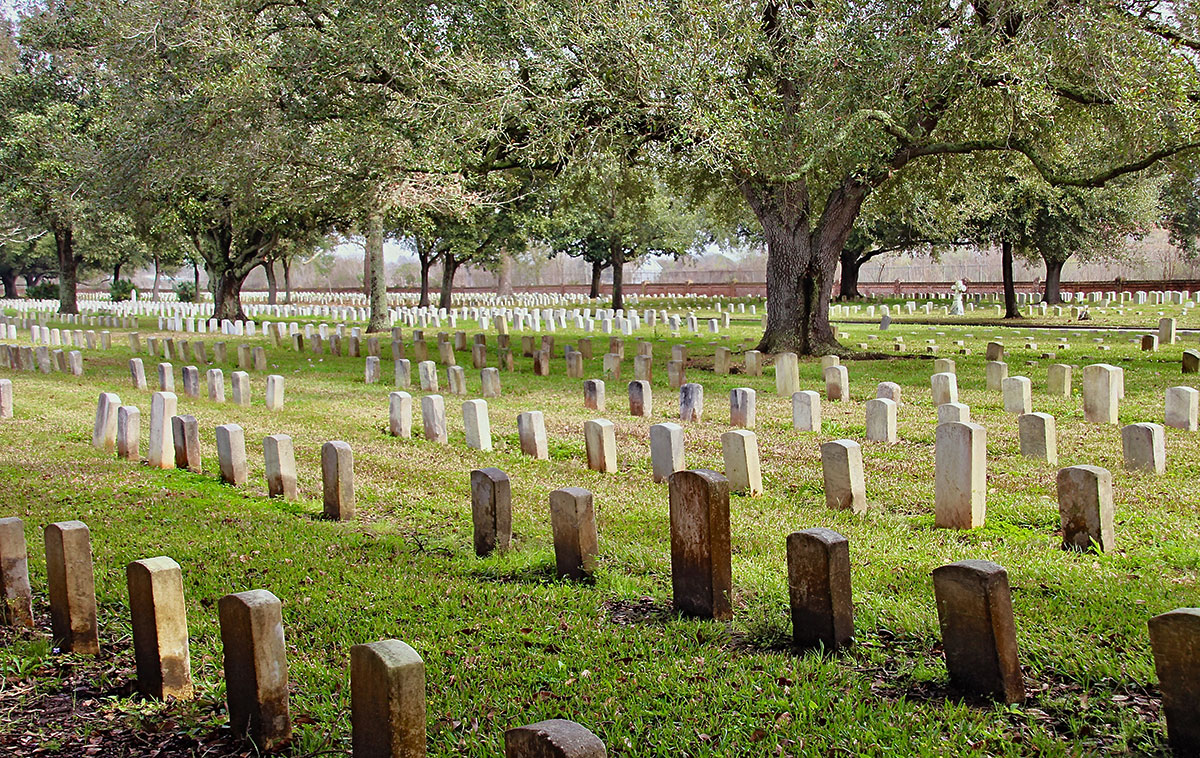
Chalmette National Cemetery also sits adjacent to this site. Established in 1864 near the end of the Civil War, the cemetery was first called Monument Cemetery until its later distinction as a national cemetery. This resting place holds the remains of Civil War casualties and veterans, as well as those soldiers from the War of 1812 to the Vietnam War. More than 15,000 soldiers are interred here, laid in rows between the Live Oak Trees, that have stood here almost as long. An audio tour is available.
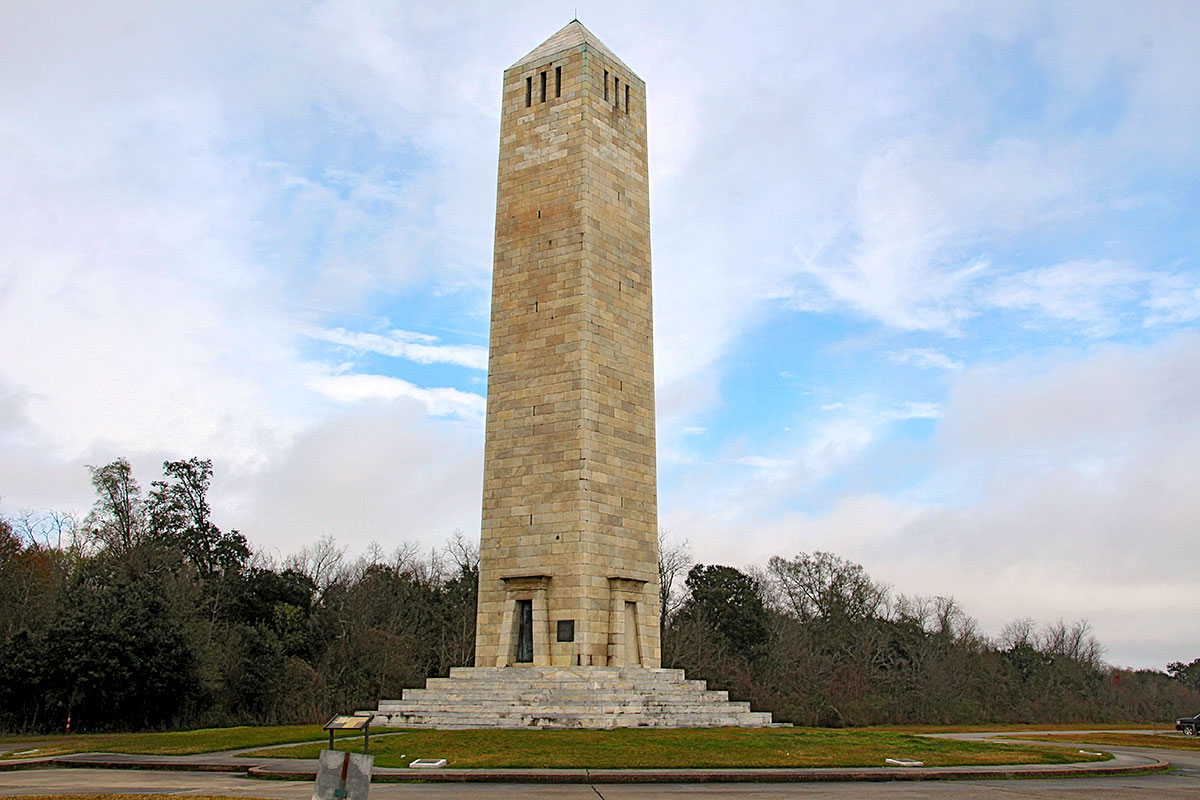
The Chalmette Battlefield visitor center is located at One Battlefield Road in Chalmette, Louisiana. A large parking lot can accommodate anything from cars to RVs and admission is free. If you don’t have a car to drive out to the battlefield, you can hop on the Creole Queen paddlewheel boat from downtown New Orleans. A 2.5-hour narrated cruise departs the Outlet Collection at Riverwalk on Poydras Street and cruises to the battlefield park. Cost for the Creole Queen boat ride to the battlefield is $36 per adult roundtrip or $53 per person including lunch.
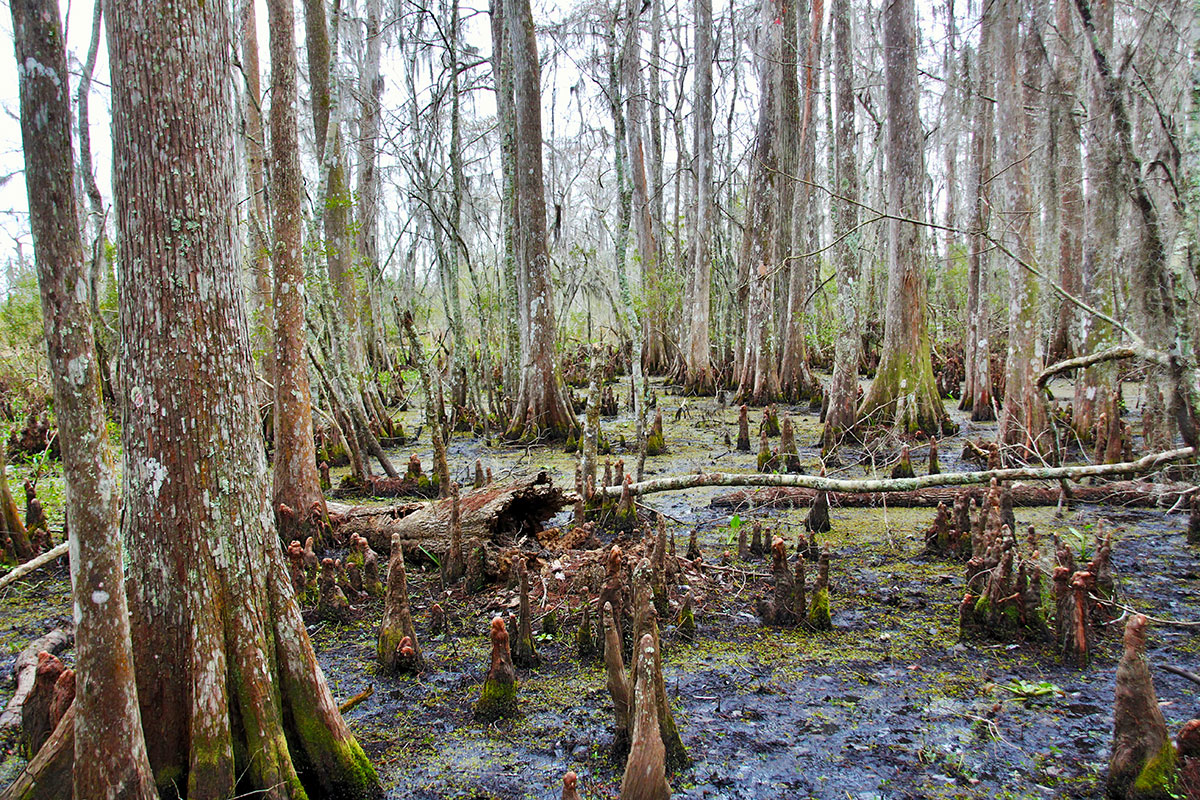
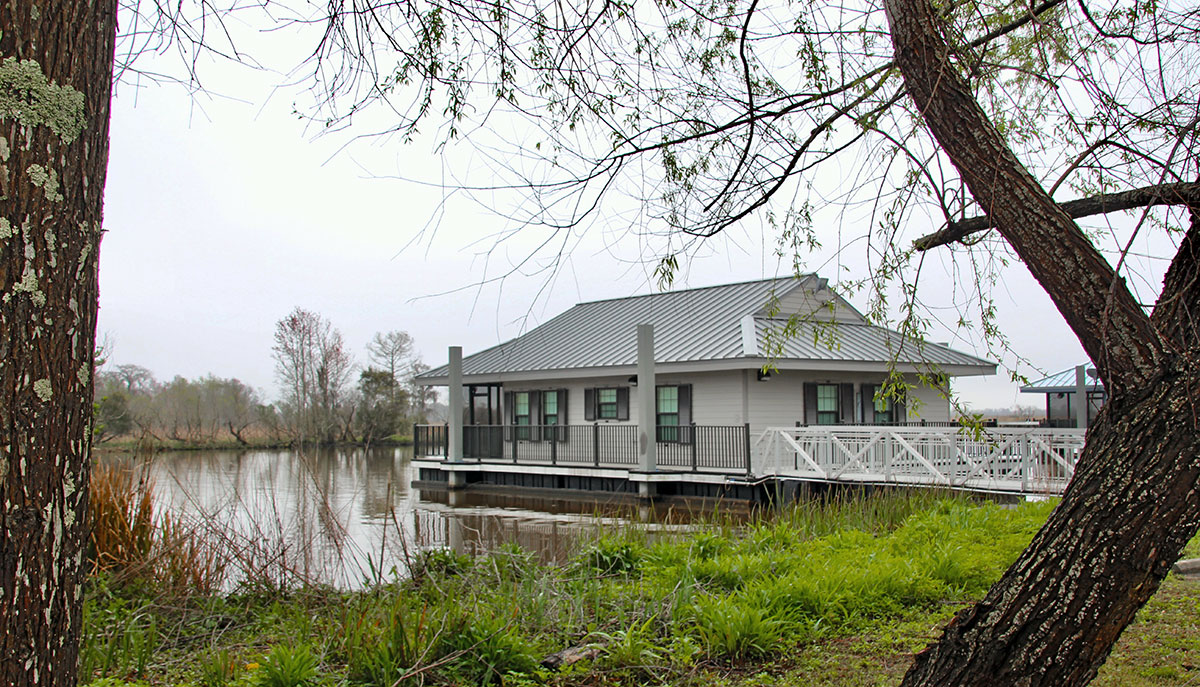
While visiting New Orleans and the Jean Lafitte National Historical Park and Preserve, we camped at the very nice Bayou Segnette State Park in Westwego, Louisiana. A 20-minute drive to the French Quarter of New Orleans, this park sits southwest of the city on the west bank of the Mississippi River. Interestingly, while the park is not far from the urban center of New Orleans, it features access to amazing swamp and marsh wetlands. The park offers a wealth of activities ranging from birding and wildlife viewing to hiking, boating, kayaking and canoeing. Fishing is also a very popular activity in this park, and it offers saltwater- and freshwater-fishing opportunities. It also has a wave pool, open Tuesday through Sunday, with daily entrance fees costing between $8 and $10.