

t can be argued that an RV’s greatest enemy is water. RV owners are always deeply disappointed and surprised when they’re told by a service provider that the damage they’re seeing is from a leak, which is not covered by warranty or insurance, and will cost thousands of dollars to repair.
Just about all RV manufacturers limit their liability when it comes to leak damage. Some RVs even have stickers reminding the owner that the roof and body seals must be inspected and maintained at least every 90 days.
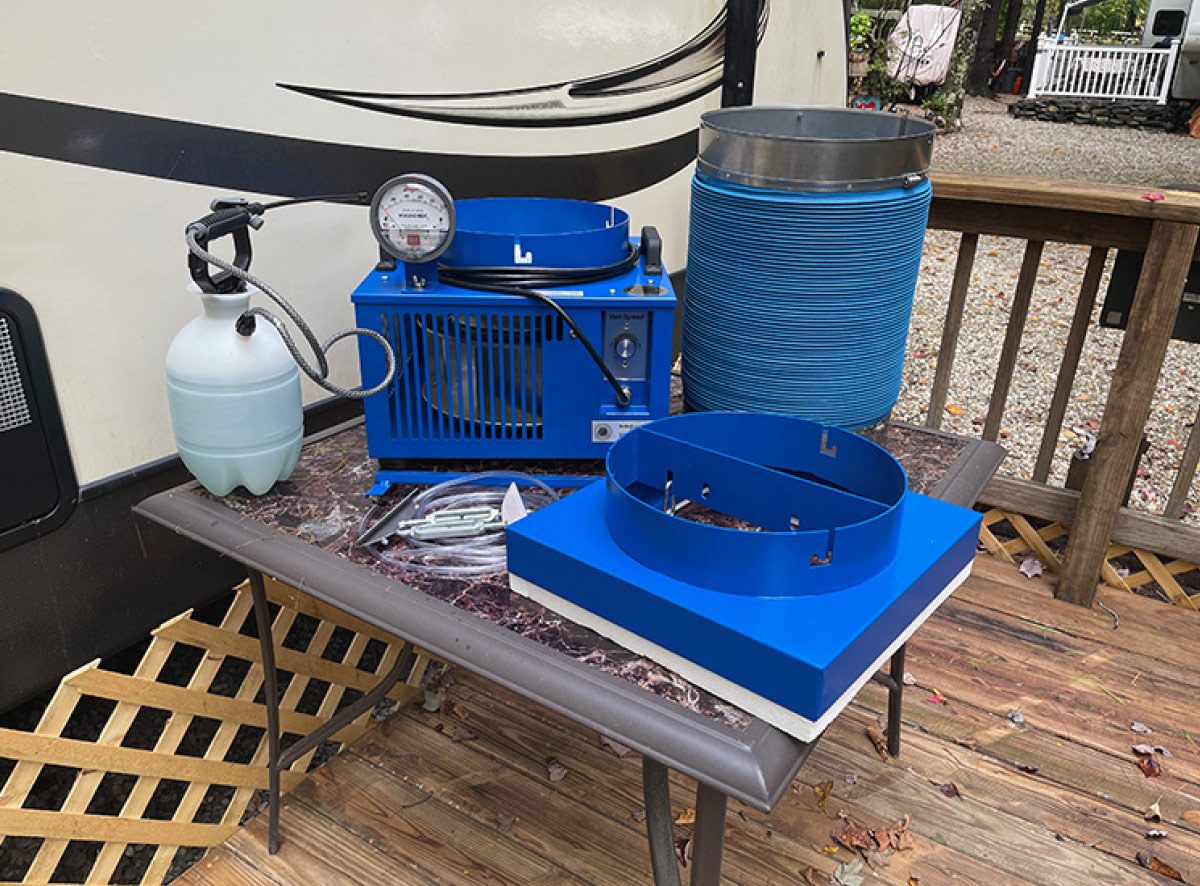
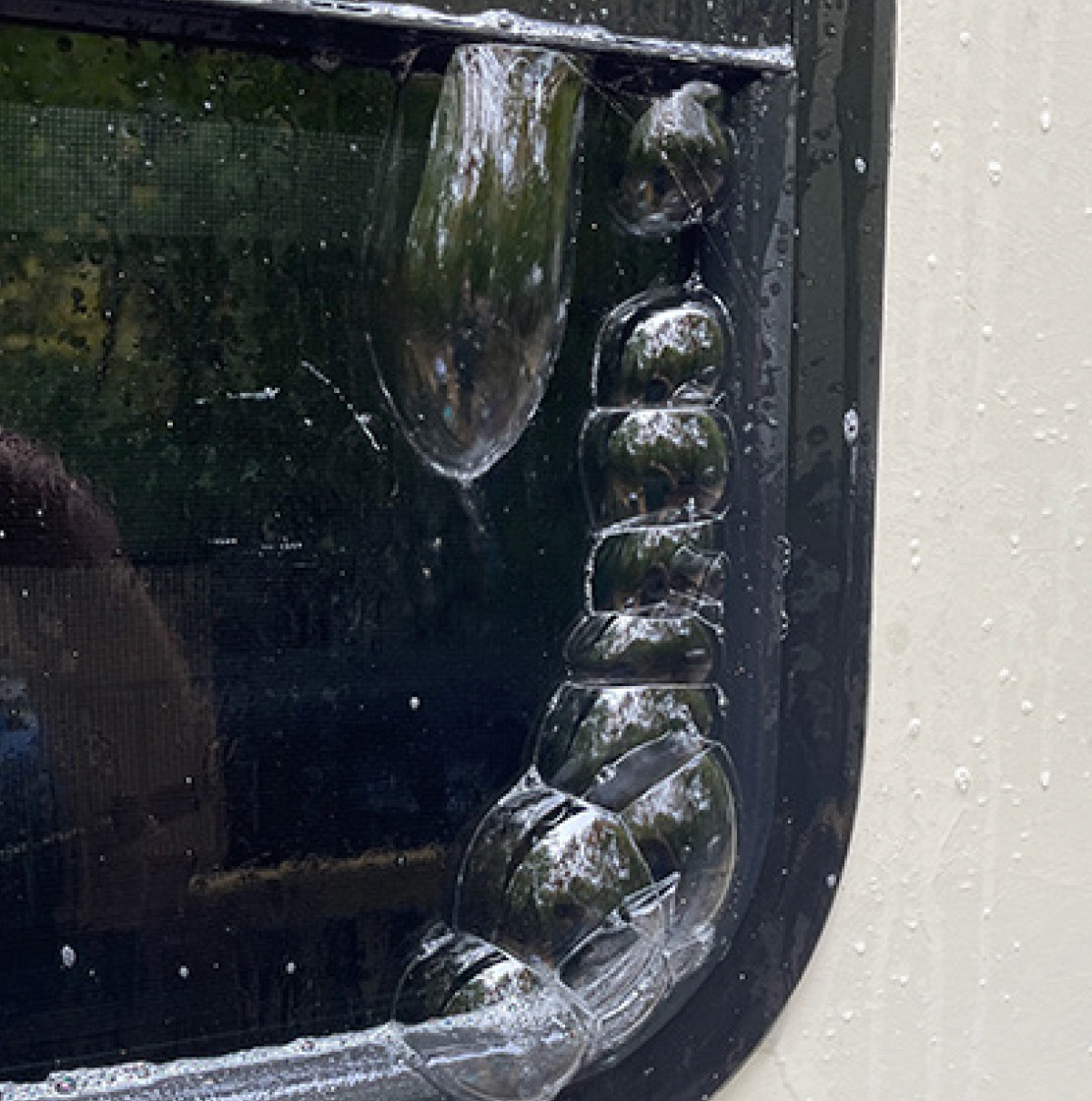
If climbing atop the roof of your RV and examining virtually every square inch inside is not how you want to spend an afternoon, one of the easiest ways to find leaks on an RV is with a Sealtech RV leak-testing unit. The compact system pressurizes the interior of the RV body and, with the use of a soapy solution on the exterior, creates bubbles where there are leaks. While no RV is airtight, your service provider can make a judgement call as to extent of the leak and whether it will lead to damage — or if repairs are needed.
Either way, keeping your RV sealed up is essential for a long and healthy service life. Depending upon the size of the RV, the process takes only 1-2 hours and will cost $200-$400. Go to sealtechleaktesting.com to find a Sealtech testing location nearest to you (or during your journey).