

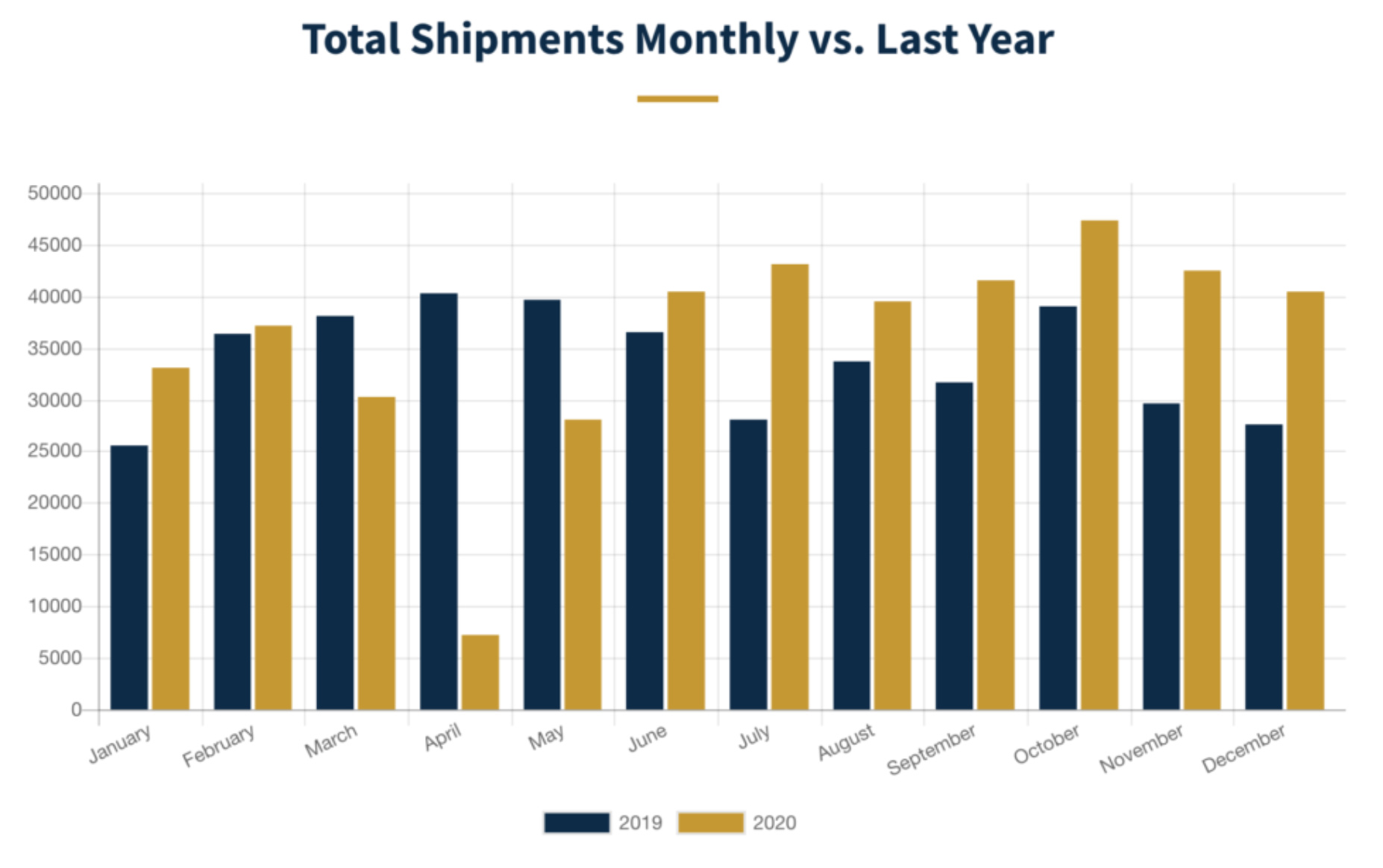
Both numbers were very nearly off the charts in 2020.
According to the RV Industry Association, a strong December pushed wholesale shipments to 430,412 for the year — the third-highest annual total on record.
And, while final registration numbers for the year weren’t available as this issue of RV Enthusiast went to production, 2020 was nonetheless shaping up as perhaps the best year ever recorded for new RV sales. According to Statistical Surveys Inc., a Grand Rapids, Mich.-based company that follows new RV registrations, there were 29,355 RVs registered in North America in November 2020, bringing retail registrations to 486,097 through the first 11 months of the year.
A simply average year — December registrations have averaged approximately 16,000 during the past few years — would vault 2020 retail registrations beyond 500,000. According to data compiled by Statistical Surveys, the best previous year for RV sales was 2018, when 495,183 new registrations were recorded.
What’s behind the skyrocketing popularity of RVing? In a word, coronavirus. The pandemic fueled people’s changing perceptions of travel. Media outlets across the country touted the benefits of RV travel, where families could enjoy an active outdoor lifestyle while also controlling their environment. But you already knew that, or you wouldn’t be reading RV Enthusiast!

According to KOA personnel, that’s the most since the early days of KOA in the 1960s and ‘70s.
Anyone contemplating a visit to a KOA park should go to KOA.com to discover all of the parks in the KOA system. Several years ago, the company began branding each park as KOA Journey, KOA Holiday and KOA resort to give travelers an idea of the type of sites and amenities each park offers.
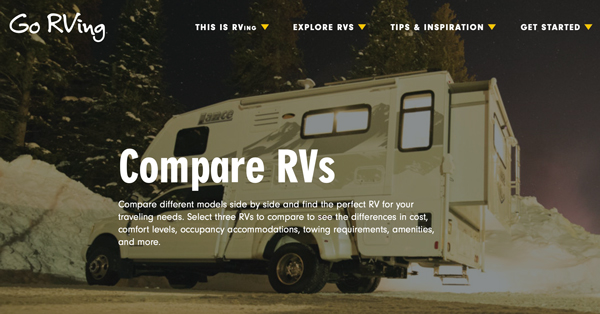
Enthusiasts new to the lifestyle can increase their knowledge quotient by selecting up to three RV types to compare the differences in cost, comfort levels, occupancy accommodations, towing requirements, amenities and more. There’s even an easy way to locate campgrounds by state!

The first of these, Jan. 18, has already passed. The five remaining days should be on everyone’s radar:
- April 17: First day of National Park Week
- Aug. 4: One-year anniversary of the Great American Outdoors Act
- Aug. 25: National Park Service birthday
- Sept. 25: National Public Lands Day
- Nov. 11: Veterans Day
Established in 1916, the National Park Service oversees more than 400 sites, including 63 national parks. That list now includes New River Gorge National Park, which was reclassified in December. Previously, it was a national river. For additional information and to find a national park by name, state, activity or topic, go to: nps.gov.

The short films, part of the company’s new Portable Parks series, run about six minutes each and highlight each park’s features. Episodes available on the Airstream website (airstream.com) include tours of Yellowstone National Park, Grand Canyon National Park, Everglades National Park and Arches National Park.
In tandem with the short videos, filmed both from the air and ground, the website also includes information on camping at each location. For the Grand Canyon segment, for example, the supporting information includes information on five campgrounds in the vicinity.
Among the key findings from the survey:
- 76% of respondents said they plan to travel more than they did in 2020.
- 60% of respondents said they plan travel more than they did in 2019 before the pandemic.
- More than two-thirds of Americans (69%) do not feel safe getting on a plane.
- 56% of total respondents said they do not feel safe staying at a hotel.
With people hesitant to fly, but so many itching to travel, this begs the question: How will they do it? The short answer: RVs.
- A vast majority of respondents (99%) said they feel safe traveling in an RV.
- 53% are planning to only travel using RVs this year.
- Of people planning to travel by road, 61% plan to travel over 500 miles, and 34% plan to travel moderately far, within 100-500 miles.
- The most popular states visited in RVs were California, Florida, Arizona, Texas and Oregon.
- 57% of respondents said they would take their children on RV trips.
- 71% of total respondents said they would take their pets RVing.
- 23% of respondents reported they are fully remote for work.