

he resiliency of the RV lifestyle is astonishing. While the country — and the world, for that matter — have been plagued with episodes of bad news during the past few years, people have flocked to dealers’ lots in droves to buy new and used RVs. The other day I drove past a local RV dealership and the lot was crawling with potential buyers looking at new motorhomes and fifth wheels. Obviously, buyers are still motivated.
One can only surmise that the RV lifestyle is a great way to escape the constant bombardment of bad news and instill a little happiness into our lives during stressful times. We have endured a nasty pandemic (which has subsided, thankfully), crippling supply shortages, economic hardships, labor shortages, skyrocketing fuel prices, vehicle service issues, difficulty making RV park reservations (and when available, big increases in daily rates), runaway inflation and, now, a war in eastern Europe that will continue to impact the world for a long time. Yet people are still partaking in the RV lifestyle.
How do we make sense out of all this? For one, balance is needed in one’s life — humans cannot survive on bad news alone, so there must be an outlet to counter daily stress. Getting out on the road and spending time in RV parks and in natural surroundings is good for anyone’s soul. Some will ask, “What about the issues related to expensive fuel and difficulty finding places to stay?” There are solutions — but RVers will have to change the way they pursue the lifestyle.
Unless owners look to boondocking — which is becoming easier and more wildly popular every day as the RV industry embraces advanced technology and offers more efficient appliances and systems — they will have to plan way in advance. I, too, really miss being spontaneous, but those days are ending rapidly. My wife, Lynne, and I dropped the ball this year and procrastinated making plans for the summer, with the expected result: Most of the RV parks we want to visit are sold out. Shame on us. But we’ve learned our lesson and are currently making plans for the summer of 2023. Fortunately, we’re well equipped with efficient appliances and an extensive solar system, so we can boondock for long periods of time.
There is no doubt that owners are planning shorter trips, staying closer to home and capturing most of the weekend RV-park reservations. This is not a new scenario: Back in the 1970s, the infamous gas crises also scared RV enthusiasts into staying closer to home. Owners are again adopting similar strategies while getting over the next fuel-cost hump.
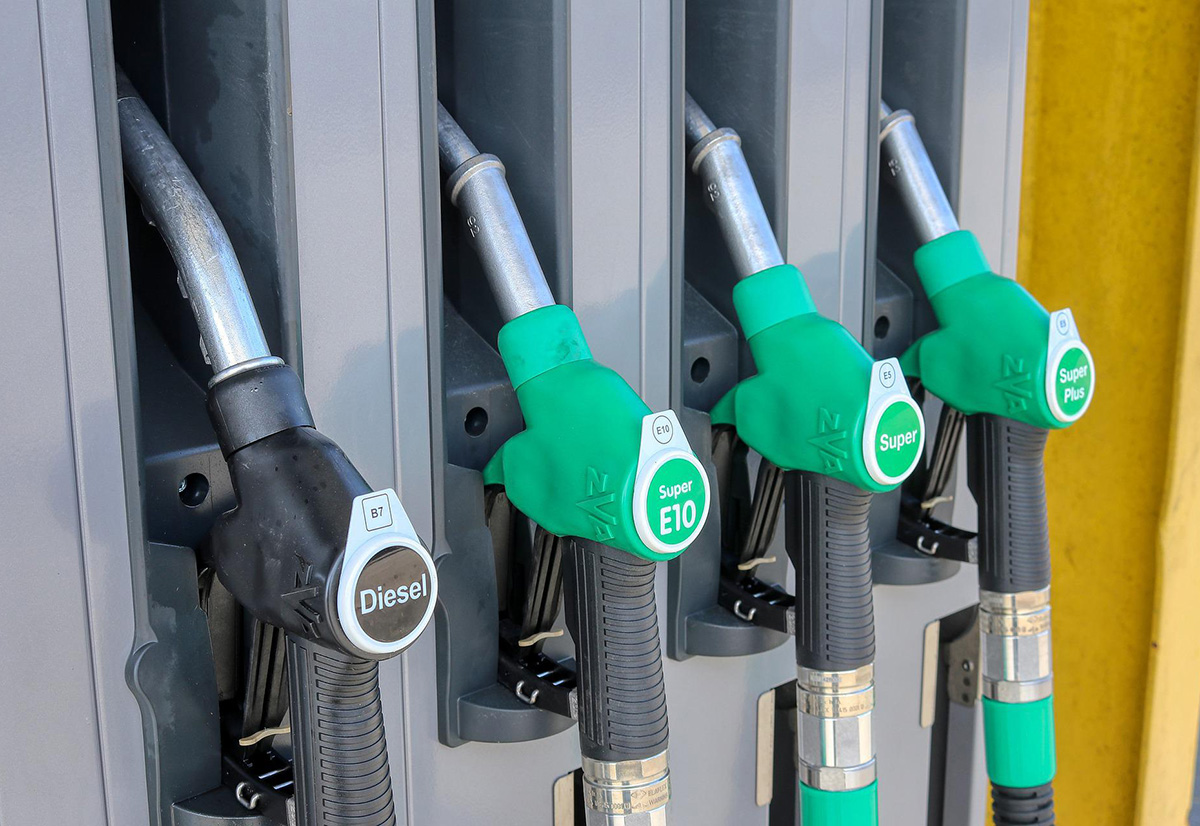
But don’t let higher fuel costs keep your rig in the driveway. Granted, looking at the posted prices at fuel stations can be pretty frightening and overwhelming — unless you do a little math. The naysayers sometimes exaggerate future fuel prices, always looking at the glass as half empty — but (at the risk of being labeled “cavalier”) I believe fuel increases can be handled with good planning and maybe an adjustment in daily lifestyle habits.
I’ve run a few financial scenarios and this summer we’ll probably limit our travel to around 5,000 miles. Figuring on 10 mpg while towing and the price of diesel at $5.75 (on average at presstime) the additional cost (versus last year’s average of $3.35) to stay on the road this summer can be amortized at $100 extra per month on an annual basis. If the price of fuel hits $7 a gallon (national average), then the extra amortized expense will be $152 per month. I submit that RV owners will not mothball their rigs and will figure out ways to reduce other costs (there goes the good wine) to allow for the extra fuel expense.
Reality suggests that the RV landscape in the U.S. will start to look more like Europe over the next decade. Europeans have been paying high fuel prices for a long time and fuel economy is a big factor influencing RV design. The popularity of Class B and smaller Class C motorhomes and trailers supports further development of more fuel-efficient RVs. Creative space utilization, strategic slide-out placement and technology make it possible to be a lot more comfortable in smaller RVs — and let’s not forget how improvements in tow-vehicle fuel economy will impact RV-lifestyle affordability. Surely, advancements in electric vehicles (think range) will also play pivotal roles in how RVers tow trailers.
Yes, there will likely be a change in mindset on how RVers live in — or should I say “live outside” — of their rigs. We started our RV adventure in a homemade van conversion and then moved up to a 13-foot Cardinal travel trailer. Like many enthusiasts, our RVs of choice kept growing in length over the years and morphed into more feature-rich accommodations, culminating in a fifth wheel suitable for fulltiming. The possibility of leaving our fifth wheel on our winter RV lot and moving to a more diminutive second RV will allow us to return to the freedom of spontaneous summer travel — to include boondocking and visits to public facilities. And we’re not alone in our thinking.
We’re just too spoiled to go back to our roots; happily, the current (and future) RV industry offerings will make it possible to continue to wander without compromise.