

Photos by the author
s anyone who owns an RV knows, the pandemic that fueled a rediscovery of the camping lifestyle has also intensified a few shortcomings that have plagued the industry for years. The inability of finding a last-minute site at a popular campground is one perennial angst chart-topper for weary travelers — and being able to locate a service shop that can provide emergency RV repairs is another. While dealers, suppliers and the industry itself are addressing a shortage of service technicians, most repair facilities nonetheless have an appointment schedule oftentimes stretching for months into the future.
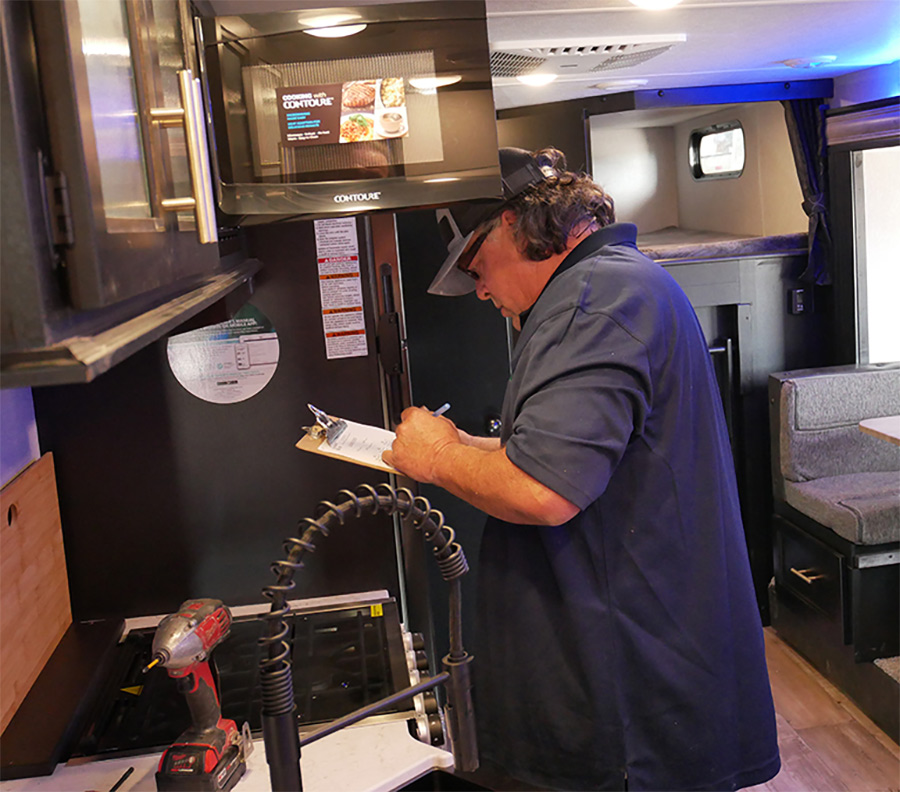
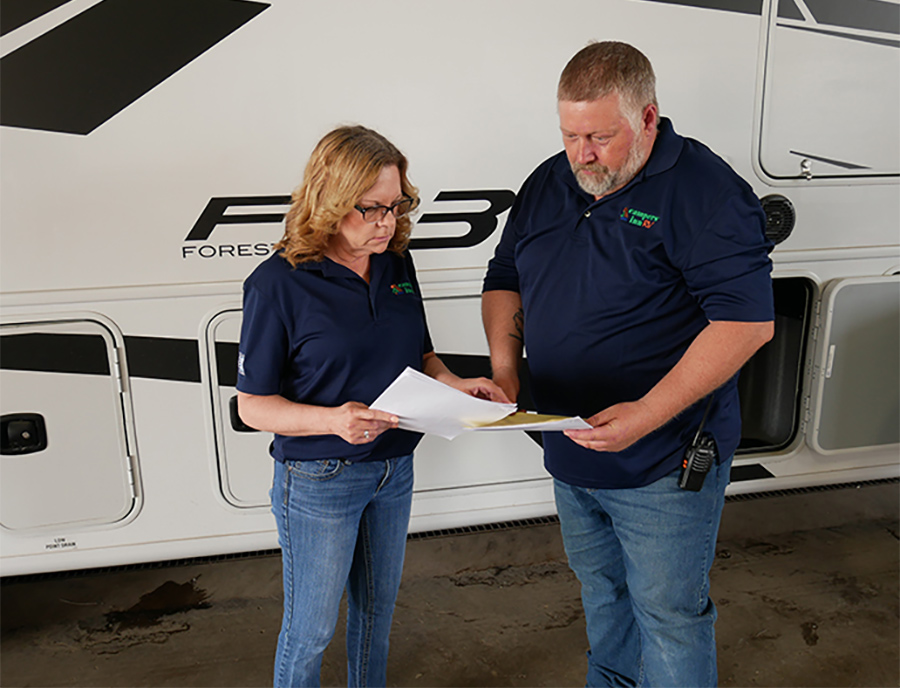
With more than two dozen dealerships along the east coast and as far inland as Ohio, Campers Inn RV obviously sells a lot of RVs — and every one of them, said Destiny Tolliver, inventory manager for the Florida-based retailer, is put through a thorough PDI before they ever meet with a potential customer. That places a lot of stress on the service departments. To alleviate this, Campers Inn established a Quality Center last November in Elkhart County, Indiana — the home of the RV industry — to put units through the PDI process before they are transported to the individual store locations.
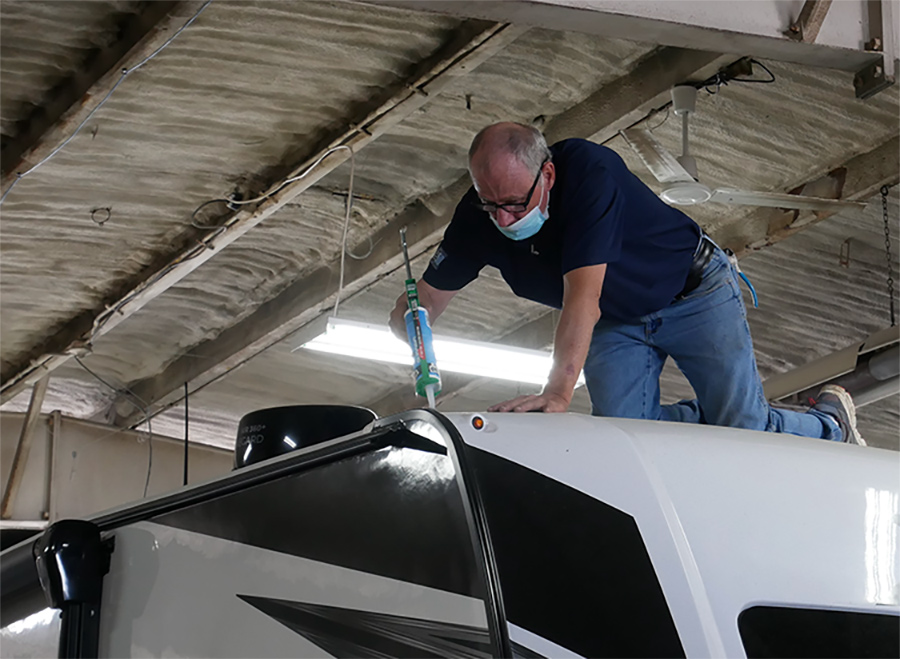
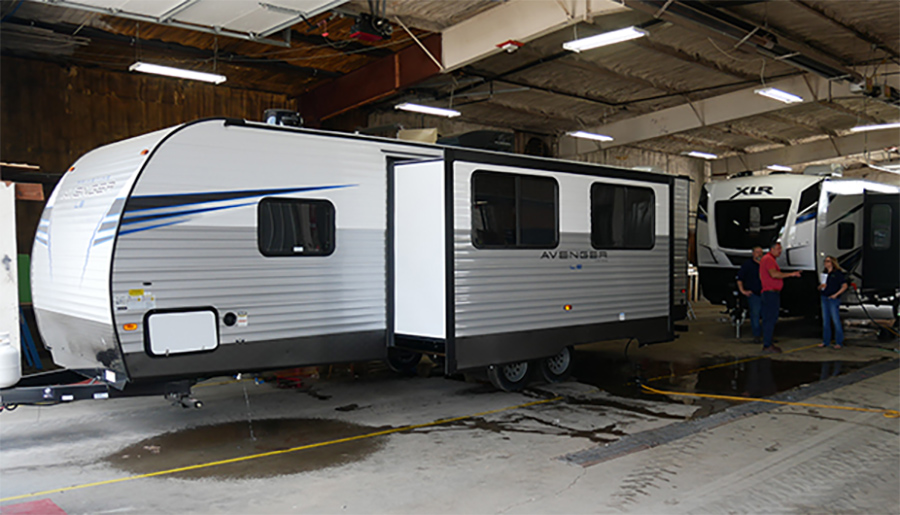
Although not every RV ordered by Campers Inn goes through the Quality Center — inventory sent through the facility tends to be higher-volume units that require fast turnover at the dealership — the location is able to process an impressive number of RVs. With deep service bays capable of accommodating two RVs per bay, the center can PDI as many as 10 units at a time.
As Chris Bellamo pointed out, the center’s proximity to the industry’s manufacturers isn’t coincidental — “We had a couple of options when we decided to set this up, and Elkhart made total sense for us” — but has nothing to do with any perceived impression of units being built at a lesser quality standard as the pandemic fuels the desire for more people to embrace the RV lifestyle.
As he noted, however, sometimes a small production oversight can create a larger problem. A little sliver of wood overlooked in the manufacturing process means nothing if left behind a cabinet, for example, but can result in a major repair if left behind when roofing materials are applied to the top of the RV. That’s when the center’s proximity to the manufacturers pays dividends.
For example, during a recent visit to the center by RV Enthusiast, a technician was seen replacing the freshwater tank in a travel trailer, the result of a pinhole leak being discovered during a pressure test. Had the unit been shipped directly to the dealership before the manufacturing defect was discovered, it might’ve sat for weeks while the replacement part was shipped and installed. Instead, the suspect part was removed and replaced the same day.
“That’s another reason it makes sense to have the center near the manufacturers,” Bellamo said. “We’re able to rectify a lot of warranty issues that we might’ve seen at the end-user timeframe — it allows us to fix a lot of things right there in Indiana, actually saving the companies and ourselves time and money. There’s been less downtime and manufacturers have been absolutely outstanding in response to any needs that we’ve had there.”
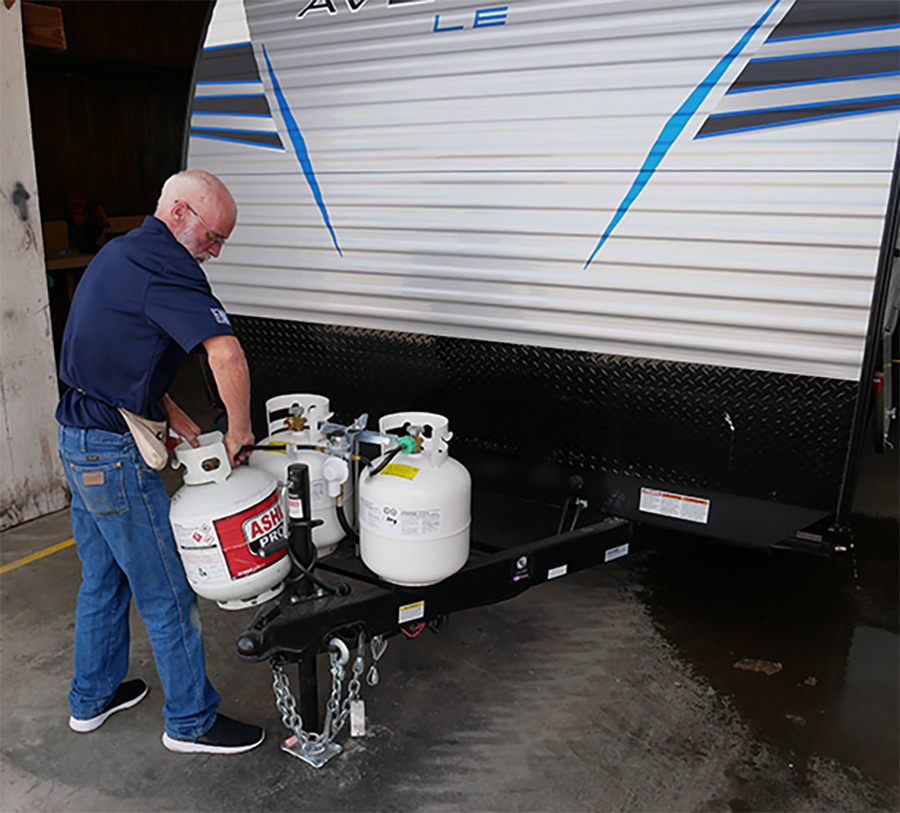
That water-pressure test, by the way, is just one of nearly 200 individual inspections on the center’s checklist which was developed in consultation with Campers Inn’s manufacturing partners. It ranges from the mundane — checking entry doors, screen doors and baggage doors for latching, weatherstripping, locks and more and adjusting as necessary — to more involved processes such as the water pressure test, LP-gas pressure checks and even flood-level testing (a gravity test to ensure the P-traps, drains and plumbing system going into the holding tanks is functioning correctly).
The lengths Campers Inn goes to during the center’s PDI also was evident when, while RVE was on the premises, a delivery service dropped off four barrels of pink RV antifreeze at the facility. Every unit that goes through the facility, said Bellamo, is winterized “because we don’t know when the owner will begin to use it, so we deliver it completely protected.”
The center is currently staffed with 10 associates, including Service Manager Dale Kidd and Office Manager Jolene Dunithan. Many of the technicians were former factory assembly workers, Bellamo said, and are familiar with RV construction — and all of them are going through the technician training program at the RV Technical Institute, the technical academy founded by the RV Industry Association to address the shortage of certified RV service technicians. Level One certification at the institute is designed for a pre-delivery inspector technician.
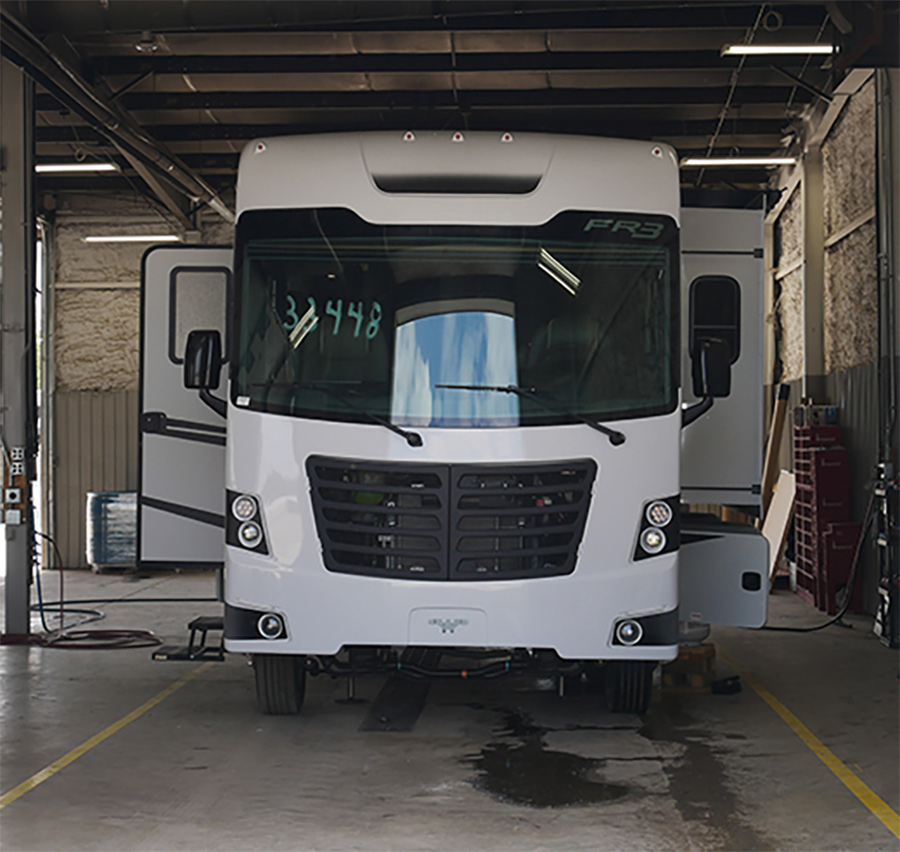
“Currently, we use shuttle drivers to return a unit to the manufacturer should a larger repair be necessary,” said Bellamo. “We want to reduce that lost-time element and make those repairs on-site to keep the process moving and downtime to a minimum.”
Bellamo pointed out that in the relatively short time the center has been in operation “our bonds with our manufacturers are growing significantly, which not only helps our new-unit pipeline but also on the service support side to keep all of our VIP’s and future customers on the road.”
“Campers Inn is excited to have this opportunity to work hand in hand with the best manufacturers in the industry,” he added. “Our main focus is to take a great product and make sure it is of the highest quality and safest experience for all our customers and families that are looking for their ‘away.’”

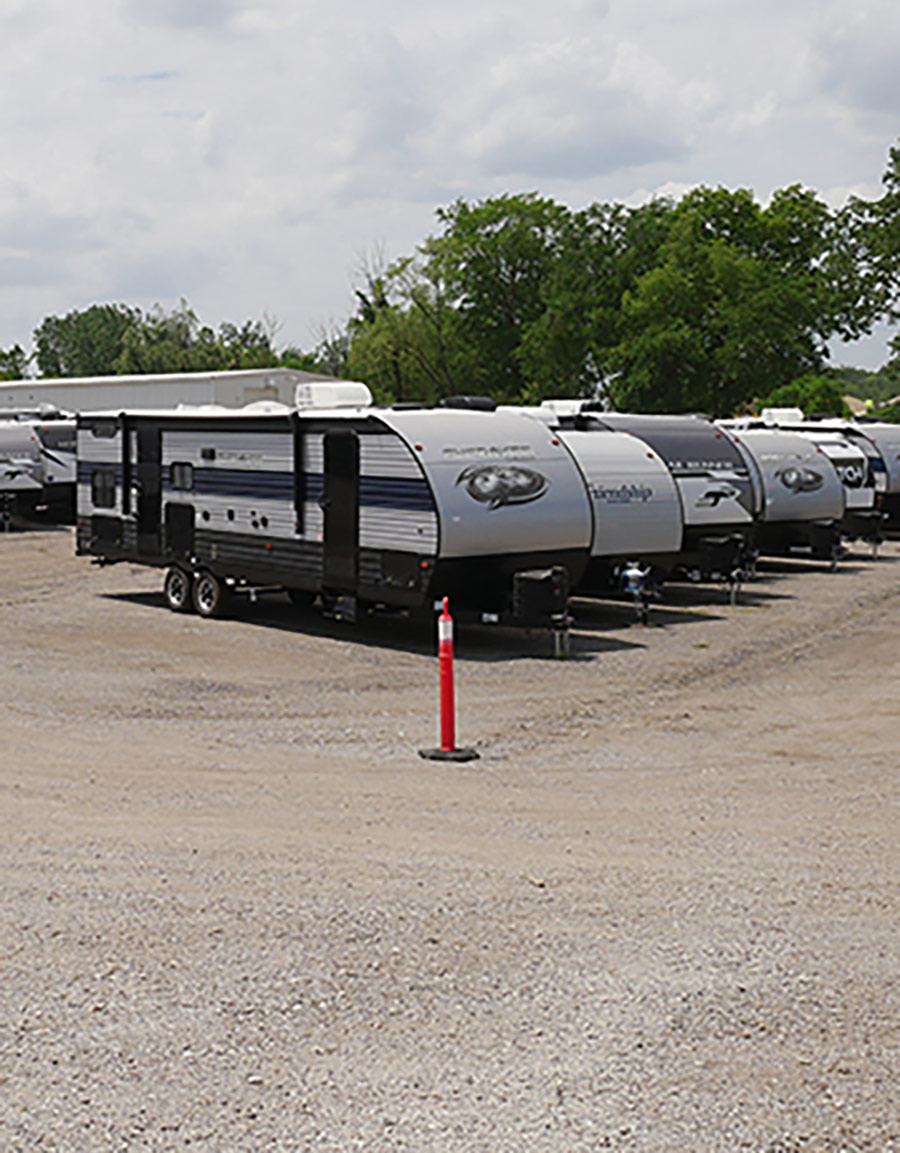
“Our company has grown significantly during the past few years,” Bellamo said, “and we’ve seen the need to have inventory on standby. Having the center in Goshen (Indiana) allows us to build up an array of quality products. If, in the future, we run into an inventory shortfall like we’ve seen during this pandemic, it will make it easier for us to get that inventory out to the stores that are in need of it a lot faster.”