

Signals,
Action!
hen planning to tow a vehicle behind a motorhome, keep in mind that you’re essentially turning it into a trailer as far as the law is concerned. It must have an emergency breakaway, its own functioning brake system and lights that work in concert with tow vehicle (in this case, your motorhome) so that drivers behind your dinghy vehicle know when you’re braking, turning, or just have the running lights on.
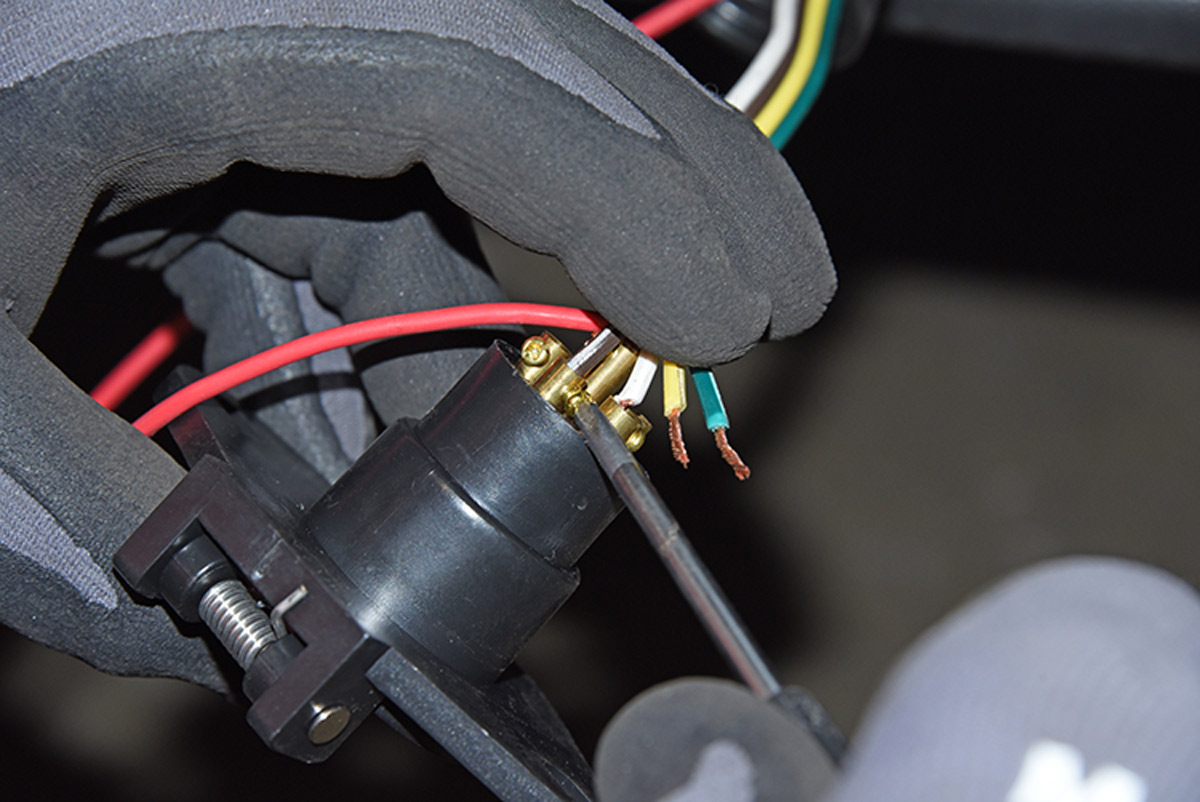
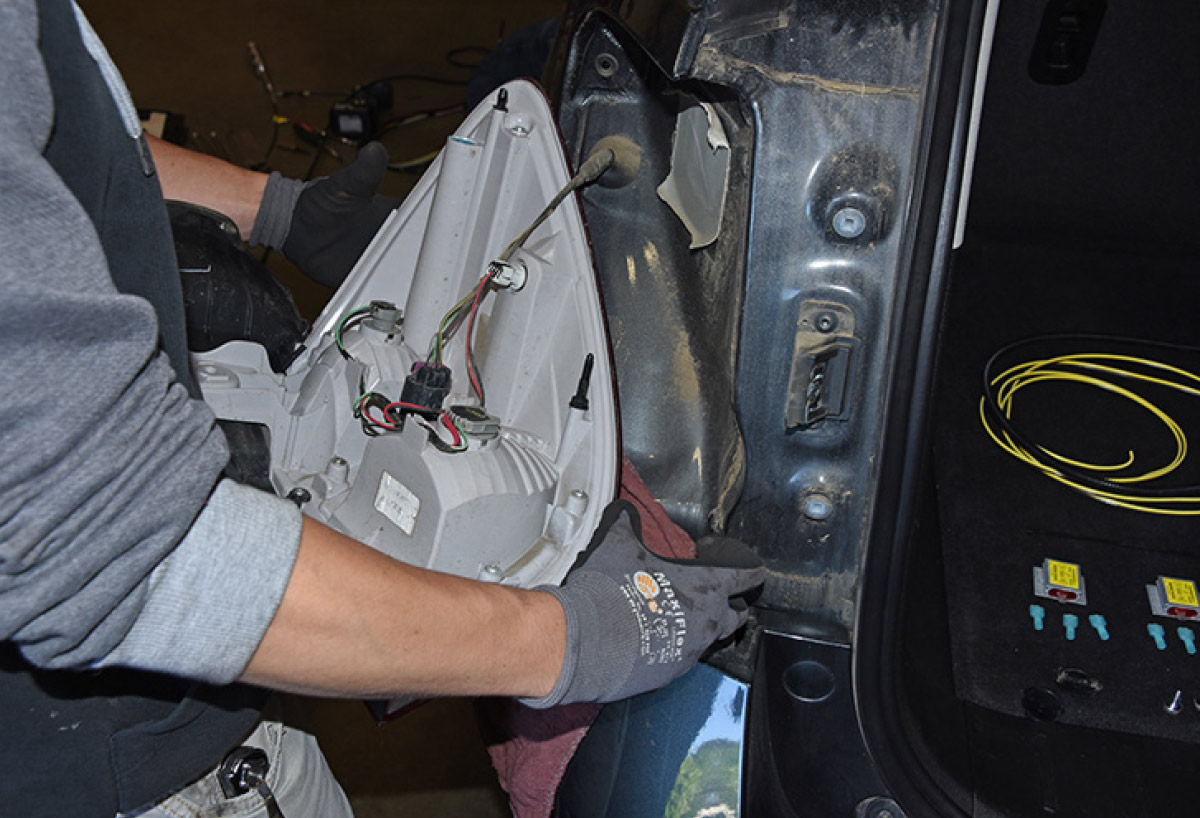
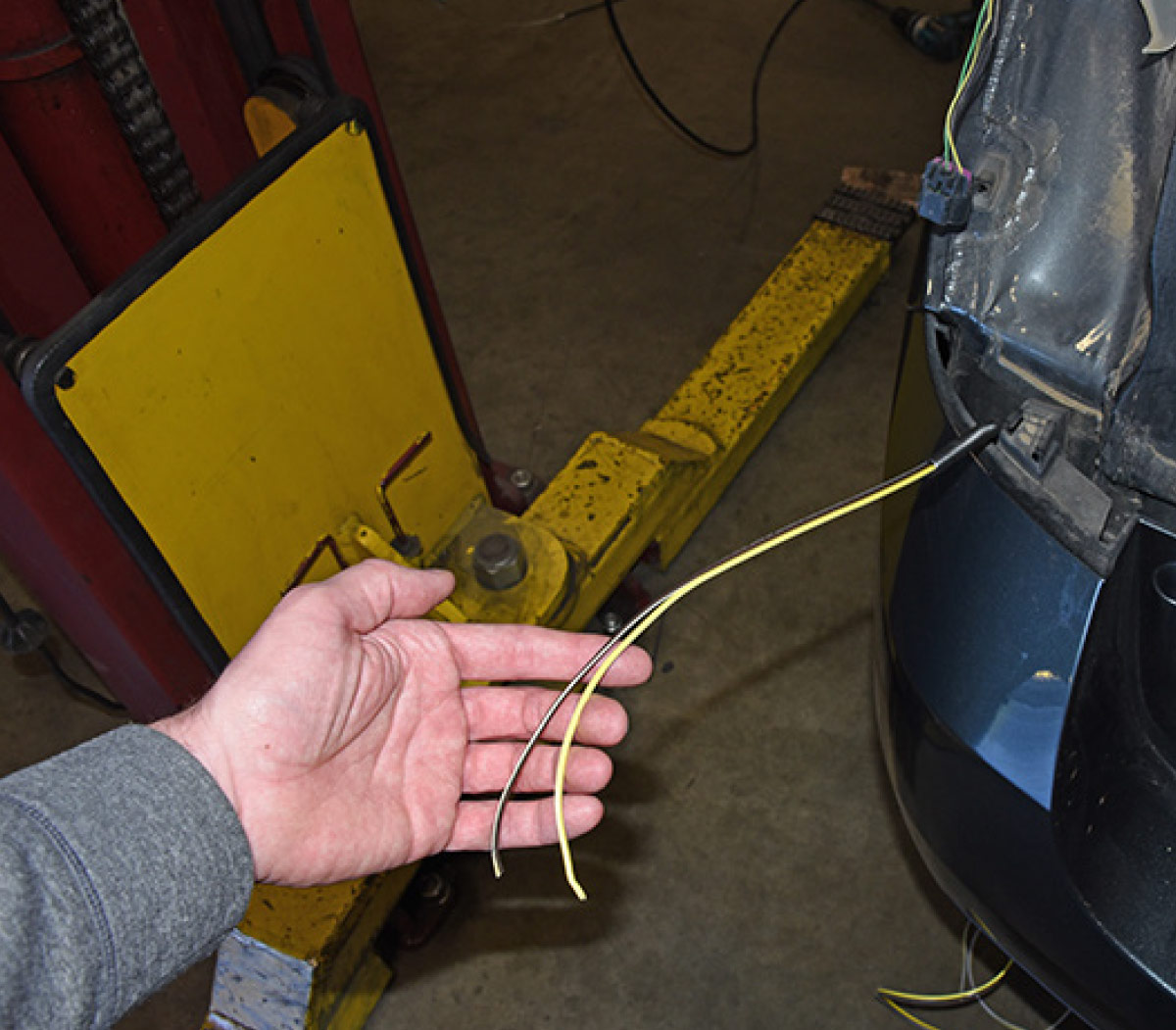
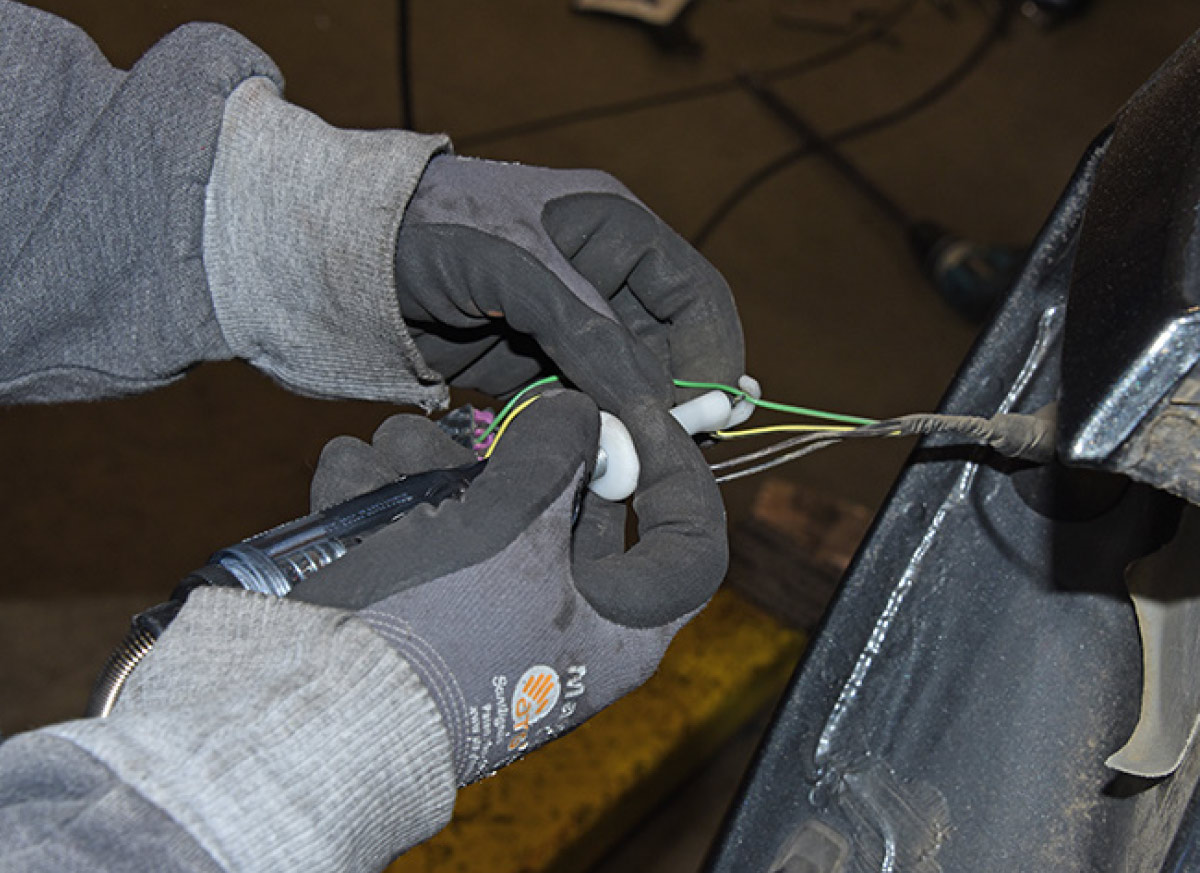
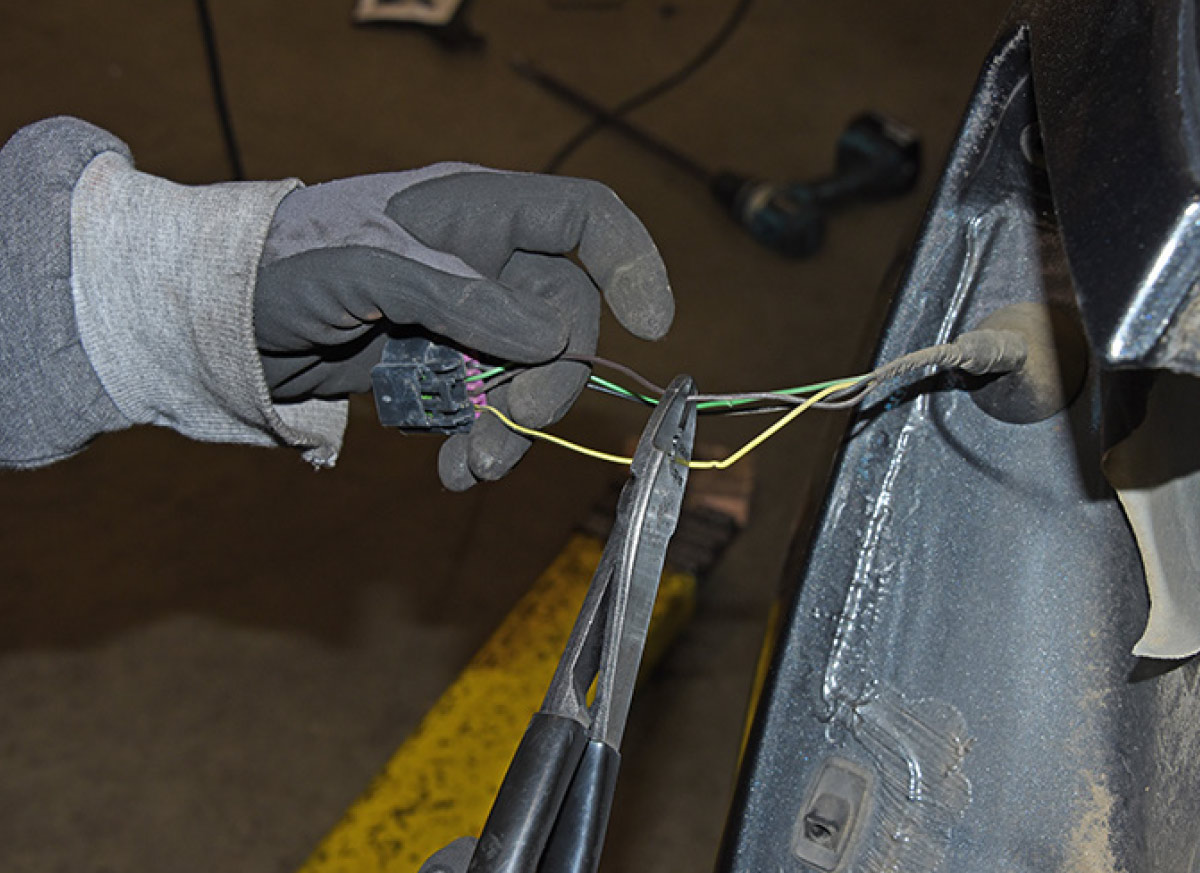
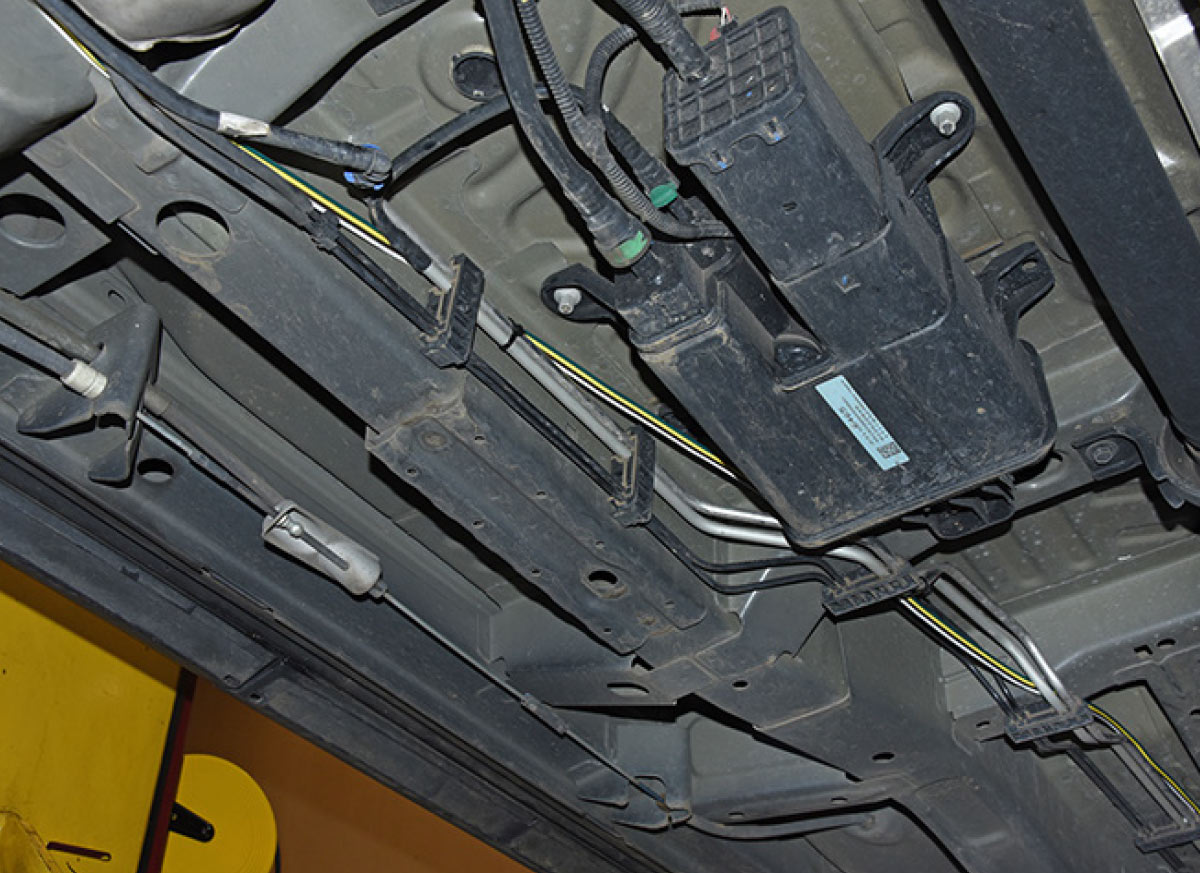
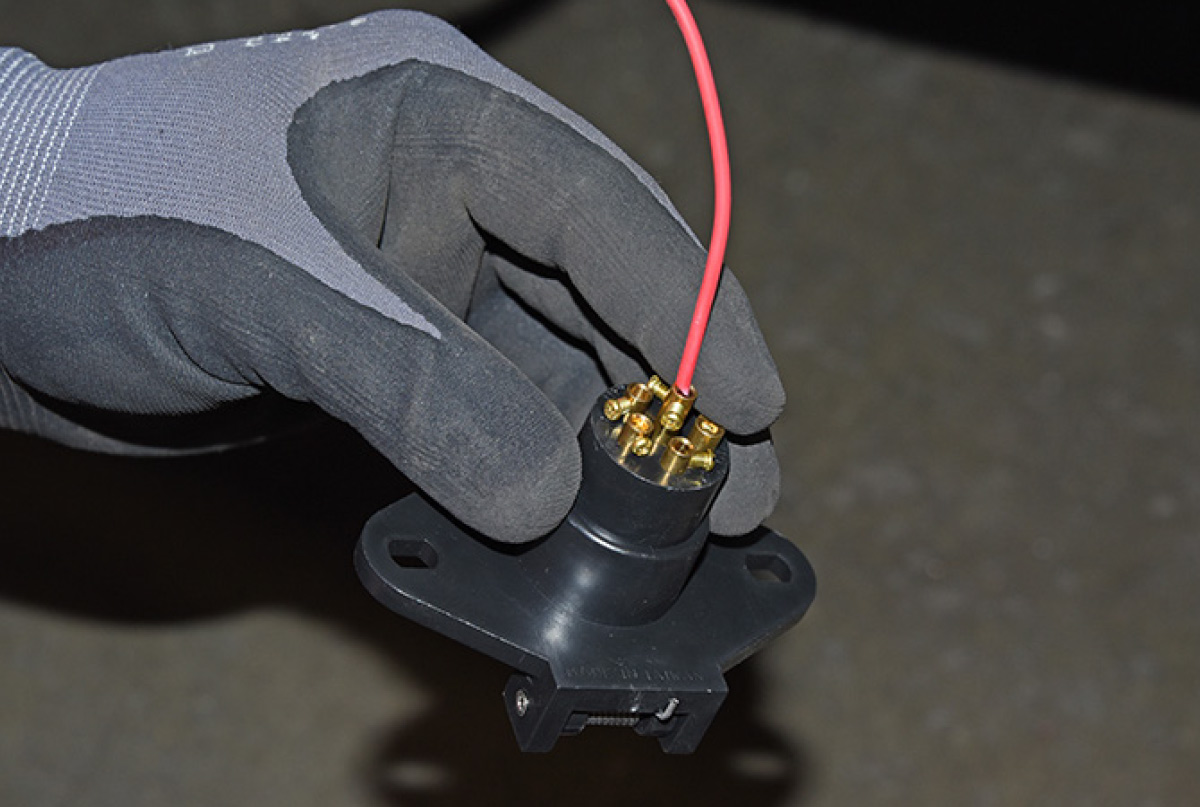
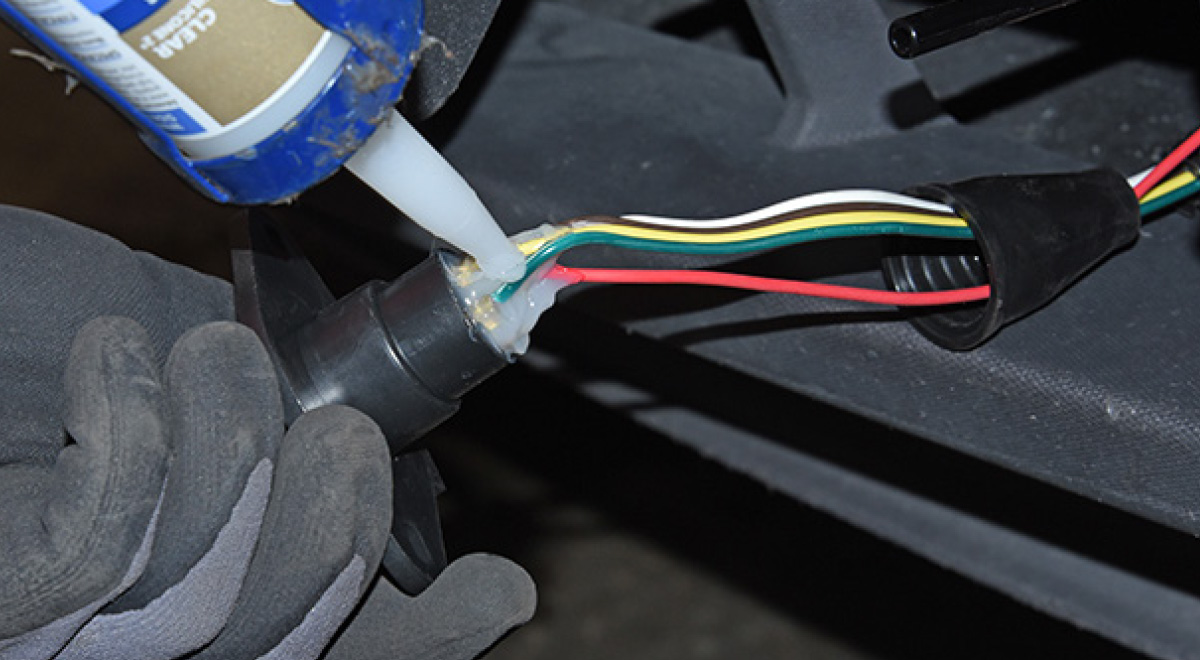
Unlike a trailer, which already has a wiring harness designed to plug into the tow vehicle (seven or four pin), a car, truck or SUV does not — the electrical system in the dinghy vehicle must be modified so that can be plugged into the motorhome’s electrical system when it’s time to tow. This same harness may also be used to operate a supplemental braking system and/or to keep the dinghy vehicle’s battery charged with the addition of a charge line (more on that later).
Thankfully, dinghy towing is such a common practice today that there are ready-made kits that enable an electrical connection to the motorhome without having a degree in electrical engineering. These can be divided into three basic types: Prefabricated application-specific harnesses that plug and/or splice into the dinghy’s electrical system; universal towed-car wiring kits; and so-called “bulb and socket” systems. Obviously, a plug-and-play prefabricated harness would be the easiest way to go — if one is available for your vehicle. Companies like Blue Ox (blueox.com/recreational-commercial-flat-towing/towing-accessories/ez-light-wiring-kits/), Demco (demco-products.com/rv-towing/towed-connectors) and Hopkins Towing Solutions (hopkinstowingsolutions.com/products/vehicle-wiring-kits/) all offer fit lists that make it easy to find out. If not, a universal wiring kit can be made to fit almost any vehicle by splicing into the existing electrical system.

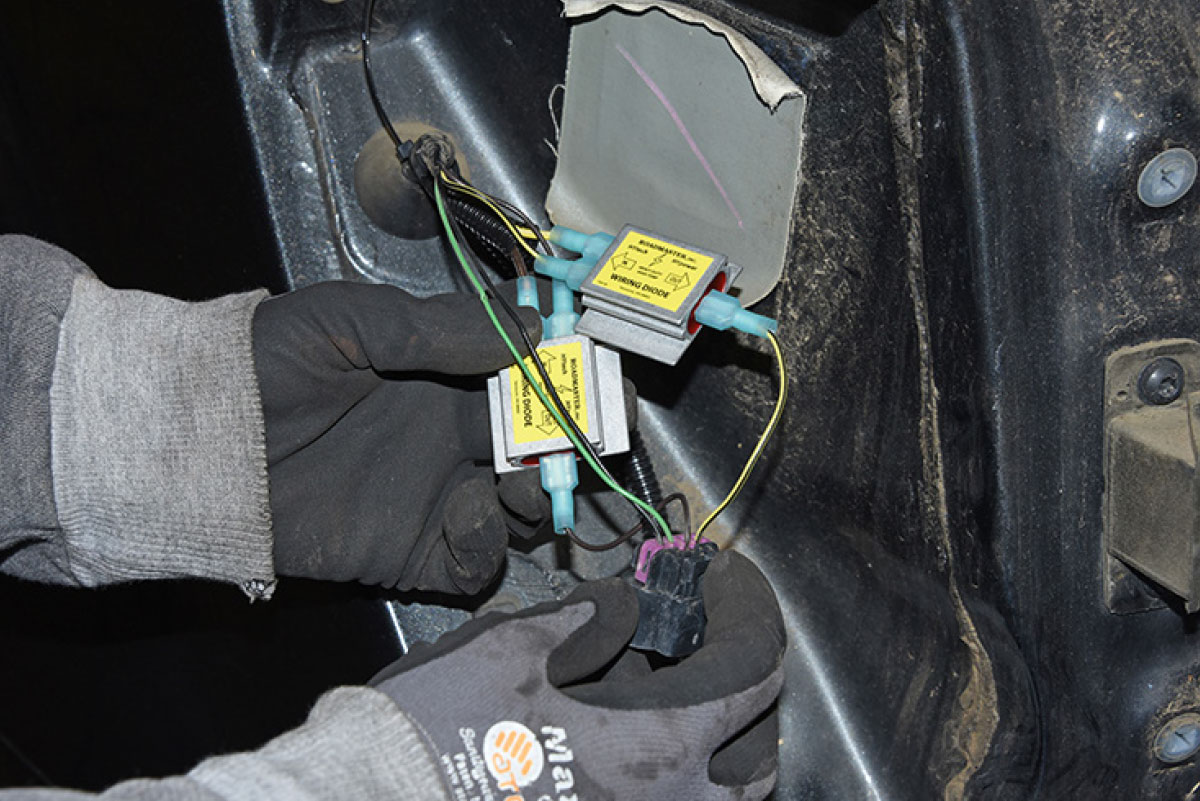
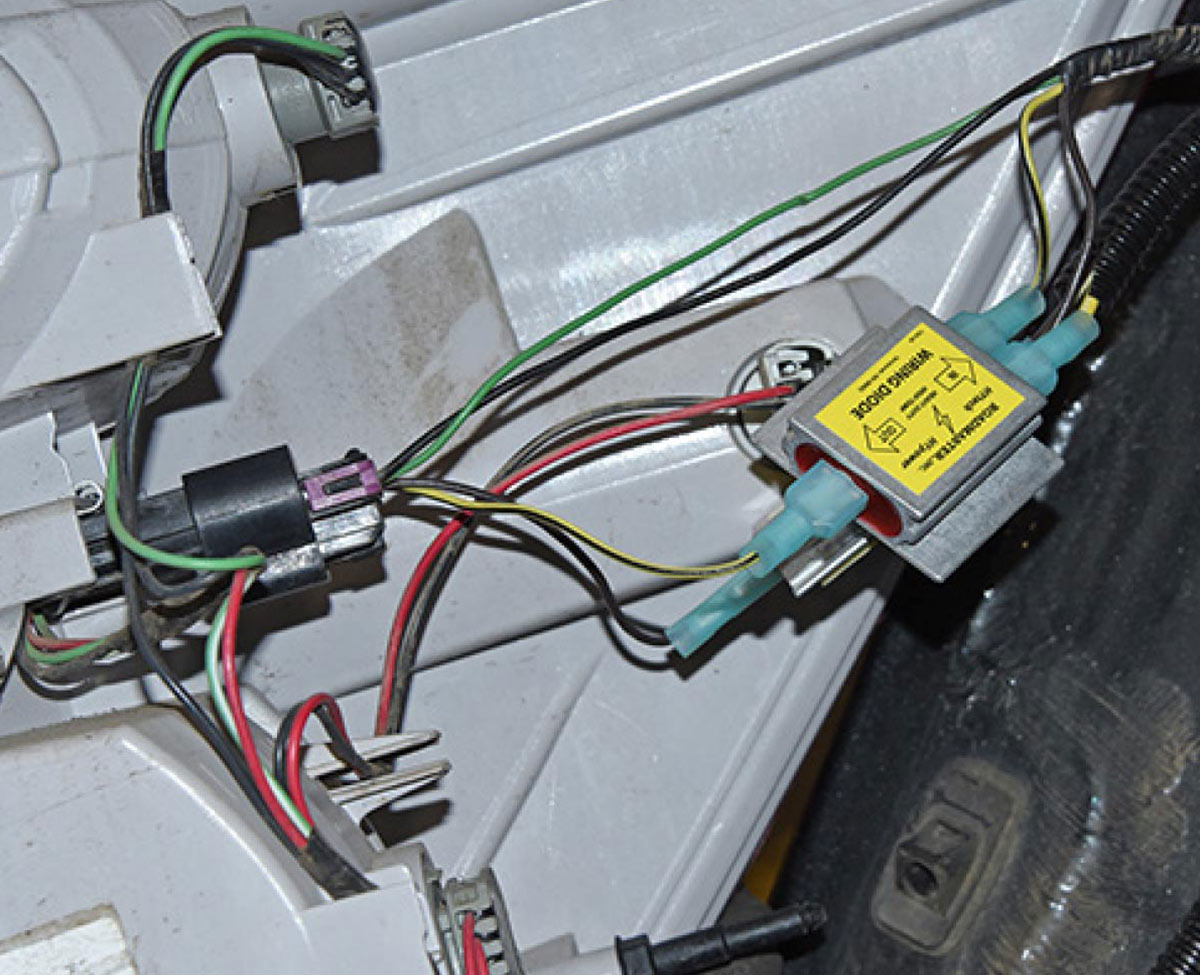
As we alluded to earlier, each wiring solution will include a wiring harness that is routed from a receptacle located on the dinghy vehicle to another receptacle on the motorhome when you’re ready to tow. In some cases, wiring kits that incorporate the vehicle’s electrical system may also include one-way diodes, which prevent electrical “backflow” from the motorhome’s electrical system to the dinghy (and vice-versa), which can cause damage to both vehicle systems. Companies like Blue Ox, Demco, Hopkins Towing Solutions and Roadmaster all offer viable choices.
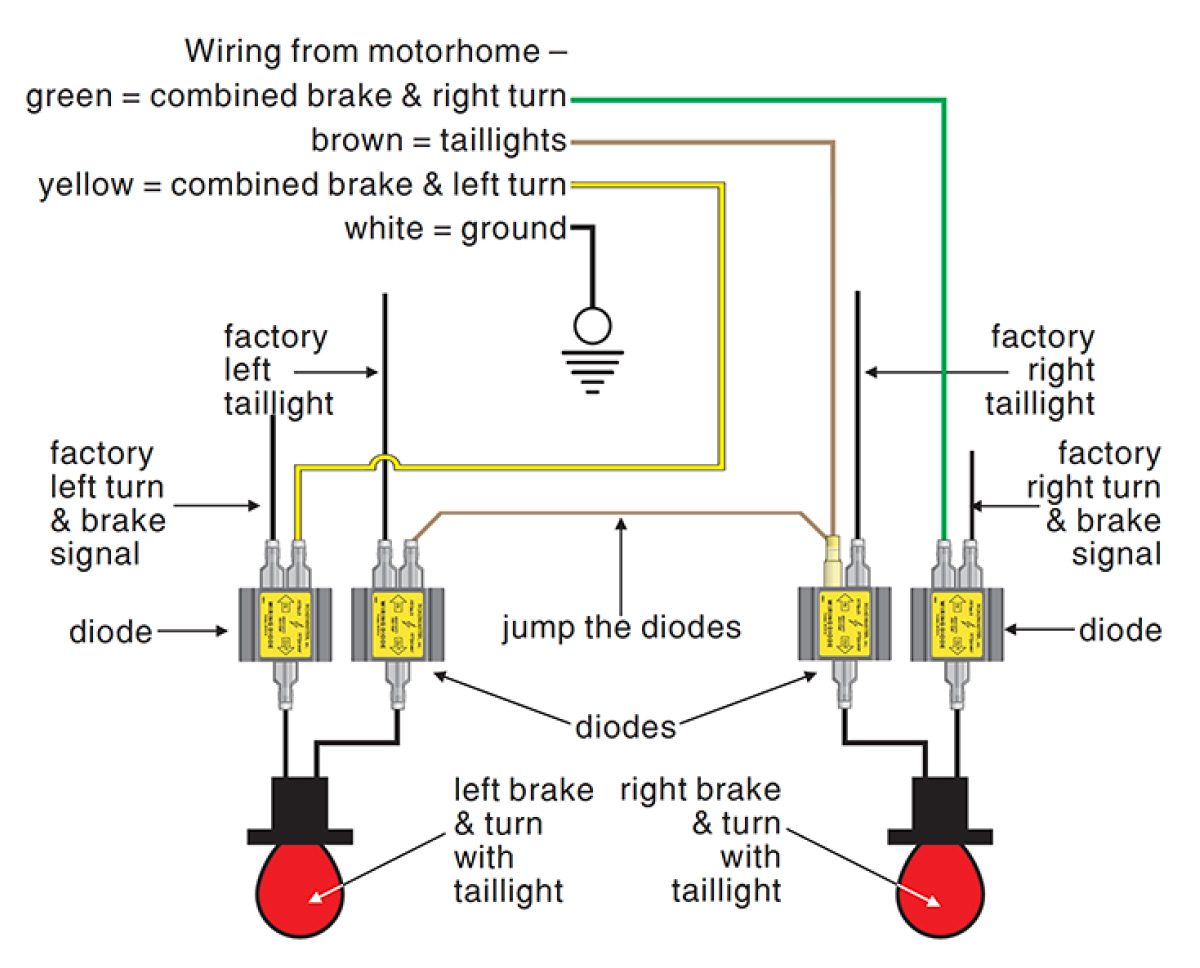
As you’ve likely surmised, not all vehicle electrical systems are the same — so check your vehicle owner’s manual (most are available online if you can’t locate one) for the required towing practice. Some vehicles require that specific fuses be removed or that the negative battery cable be disconnected before towing, which is not only a hassle, but may create other problems as well. For example, if the vehicle’s electrical system is not energized, the dinghy vehicle’s supplemental braking system may not work and its power brake system will not function to its fullest potential. On the other hand, if the key is left in the accessory (“ACC”) position, the electrical system may be energized — but the battery will be dead when you get to your destination. Accessory items like a battery disconnect, fuse bypass or charge line kit may solve these problems (see the “Dinghy Accessories Guide” elsewhere in this issue for specific examples).

Making any dinghy vehicle safe and legal for travel has never been easier, but when in doubt, always contact the manufacturer of your choice for advice, specifics and recommended accessories to make sure you get the job right the first time.







(800) 228-9289
blueox.com
Demco Products
(866) 543-3626
demco-products.com
Hopkins Towing Solutions
(800) 835-0129
hopkinstowingsolutions.com
Roadmaster, Inc.
(800) 669-9690
roadmasterinc.com