


The new Happijac camper jacks on our 2005 Lance made a big difference in strength, appearance and lifting capacity.

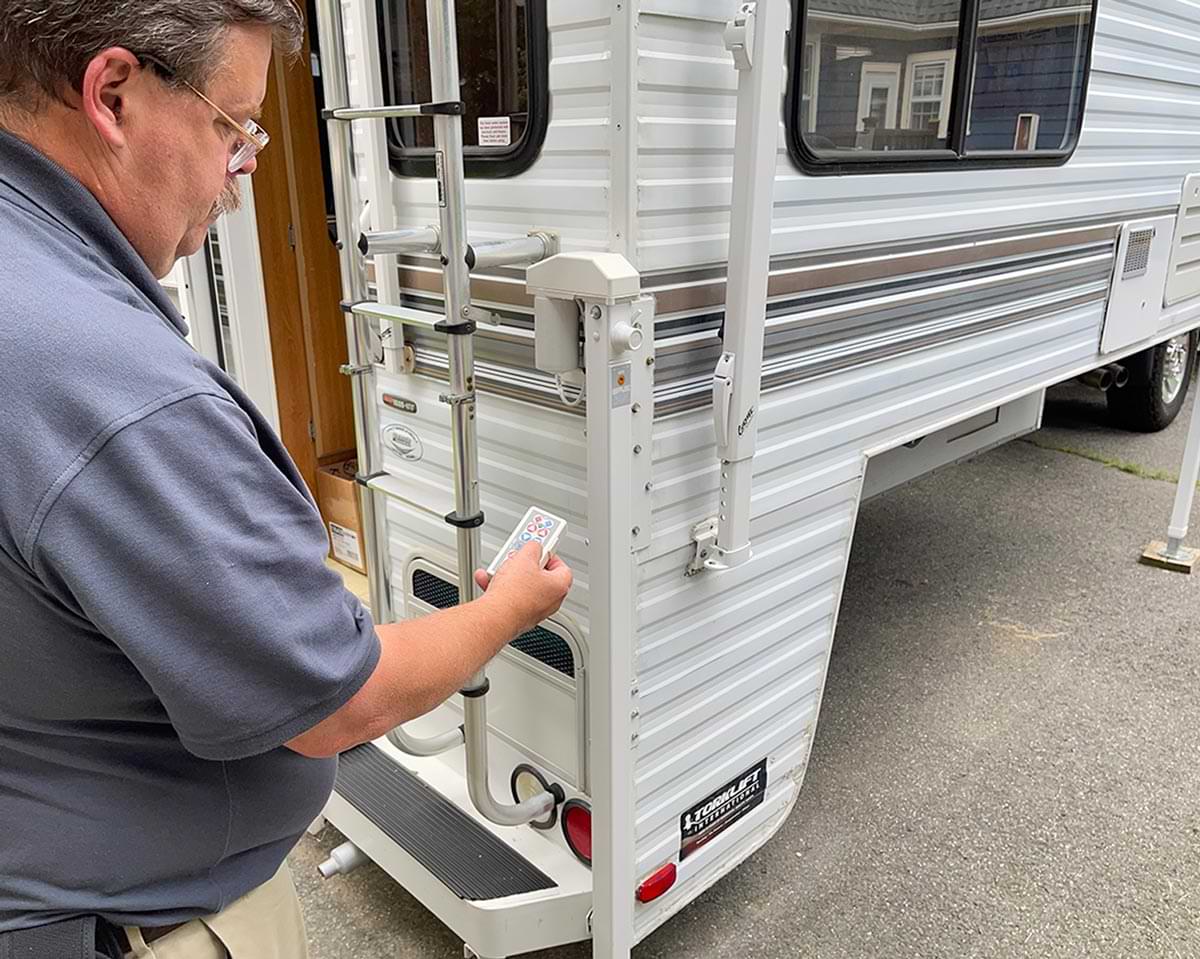
et’s be clear from the outset: corner jacks on a truck camper aren’t the coolest items on an RV enthusiast’s “must have” list. They are, however, among the most practical — especially if you have an older but much-loved truck camper with electric or manual corner jacks that have seen better days and are in need of an upgrade.
That was the scenario confronting us with our 2005 Lance makeover project — and we can tell you that, yes, it can be done, it’s worth it, and you can do it yourself at home.
A Weekend Project
The Lance Lite 1025 has had a hard life, which required a lot of work to bring it back into service. Fortunately, water and structural damage was not as big a problem as it could have been, but the systems were mostly in need of upgrading — including the jacks.
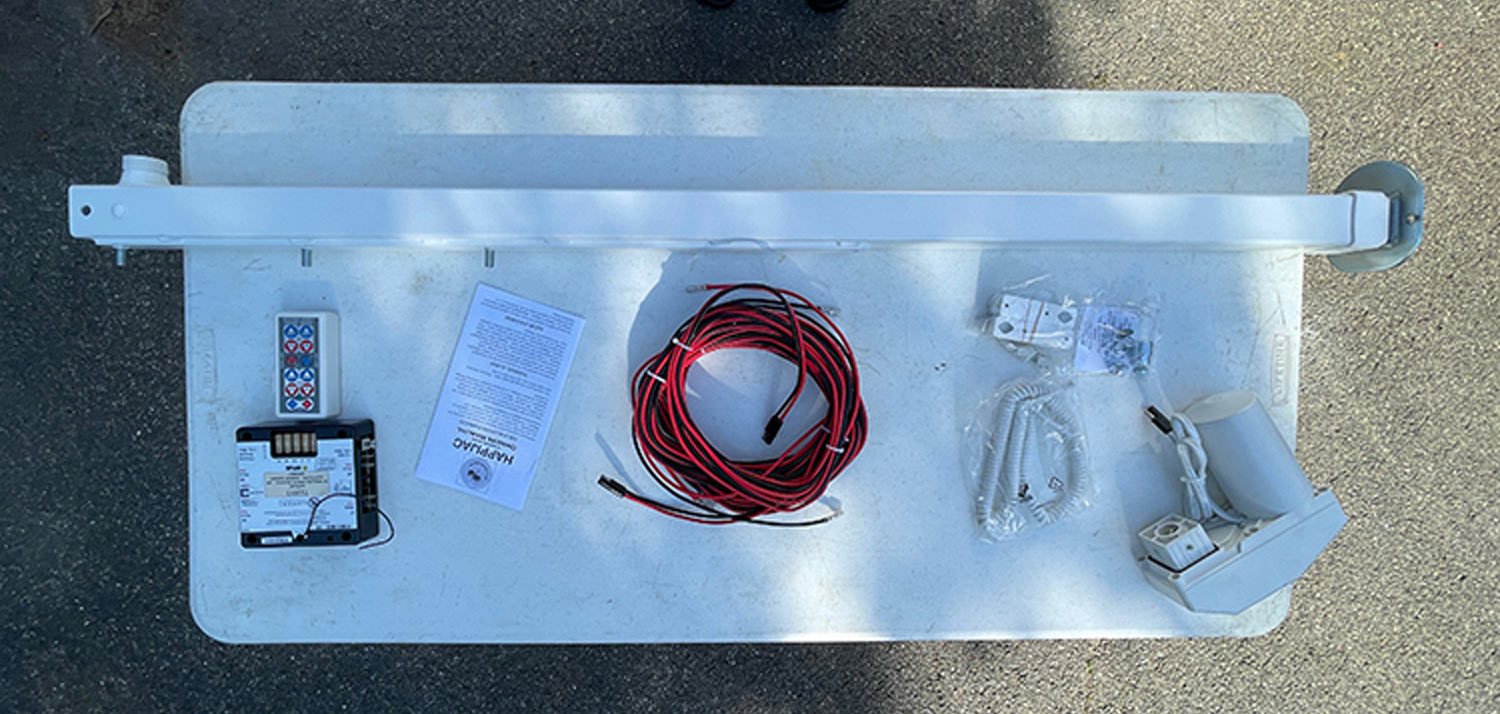
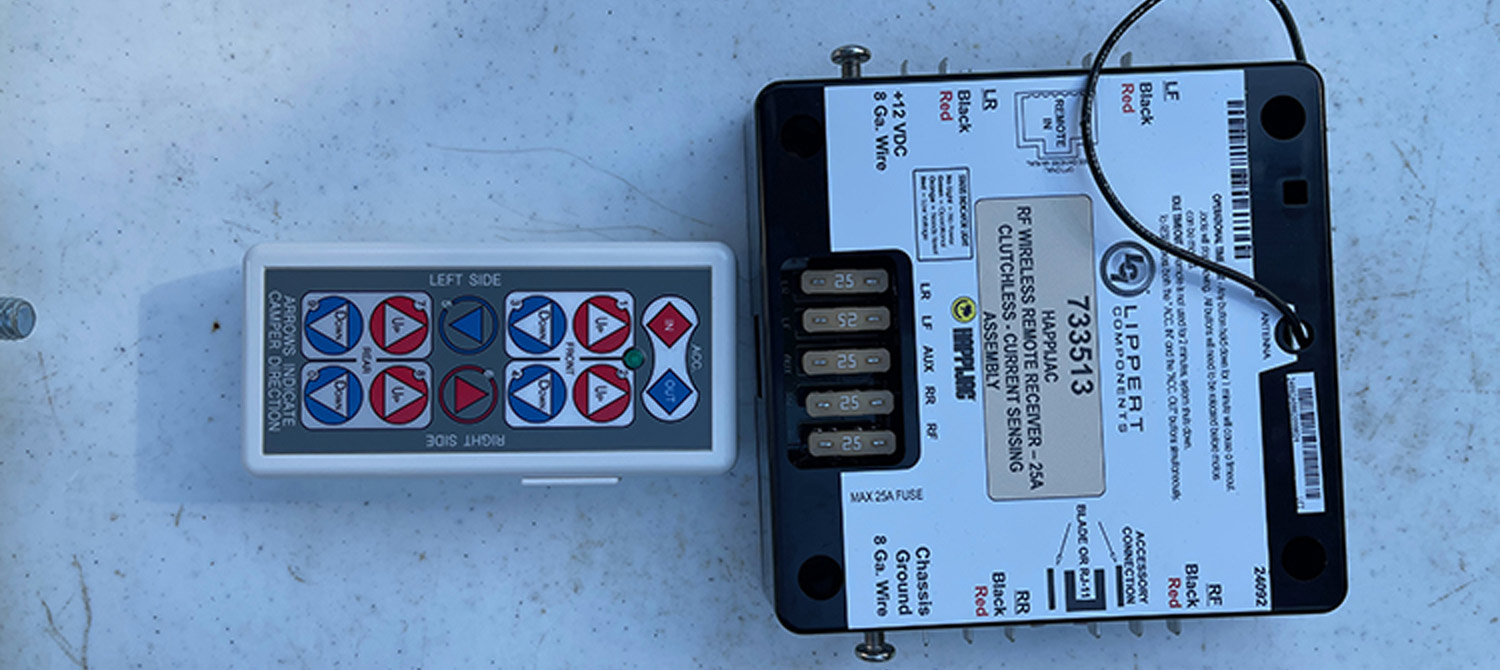
The system from Happijac is sold ala carte instead of as a complete kit. Lippert can help identify the right jacks, motor and wiring kits, controller, remote and mounting hardware (not shown).
At the time of the Lite 1025’s manufacture, Lance was using Atwood remotecontrolled power jacks for this application. With the use of a handheld wireless remote, it was possible to raise and lower the camper without moving from side to side; you could even adjust the jacks from the cab, if so desired. But the controls were getting fidgety and, while the Atwood jacks (which are no longer manufactured) were okay for their day, our 2017 F-350 truck was too high for the jacks to be able to lift the camper to clear the bed for loading and unloading. We had to stack wood under the jacks to get it high enough, which was at times a pain.
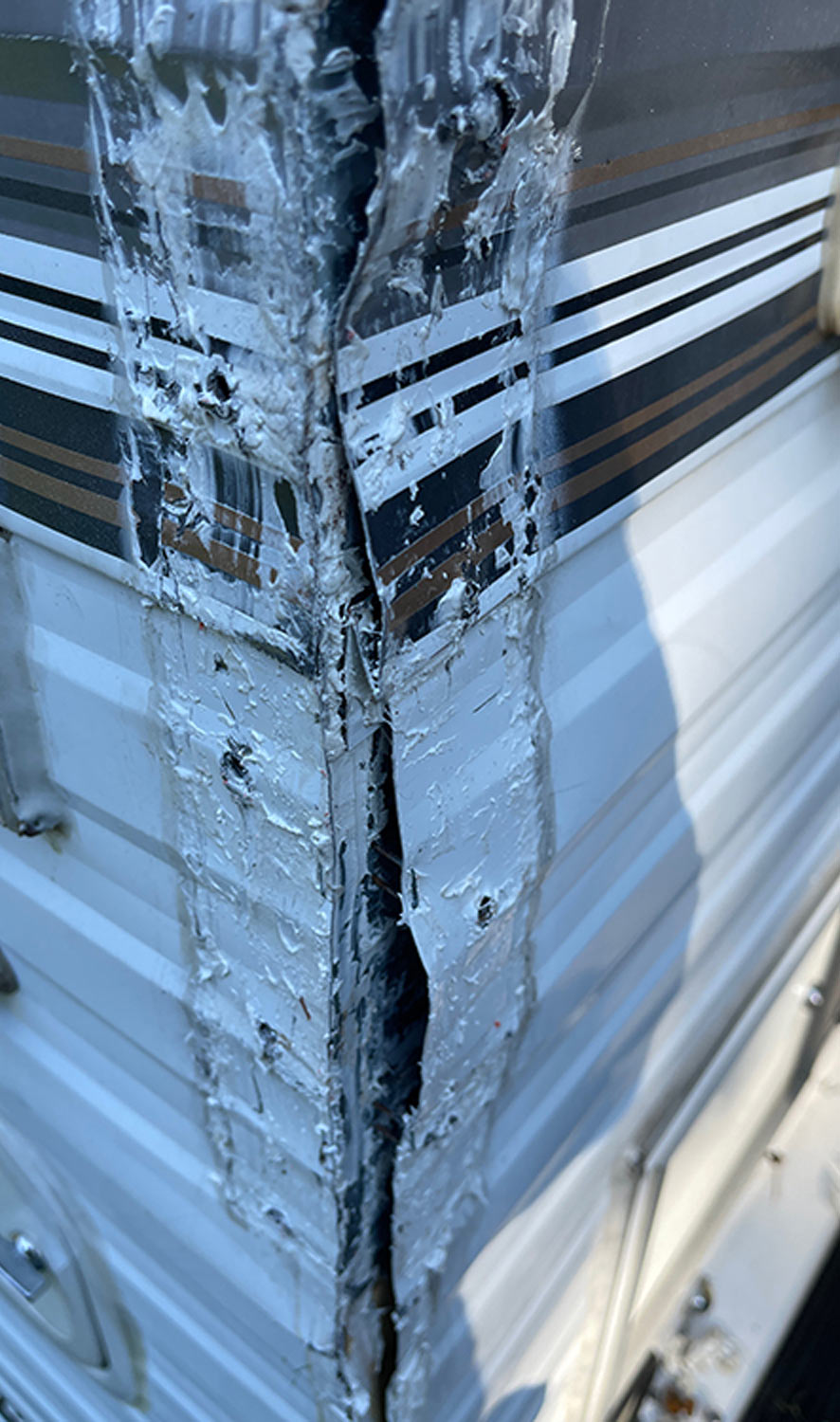
The old jacks were removed and, because the new brackets were a different design, the vertical corner moldings were removed and the corners opened up to inspect the structure for any damage.
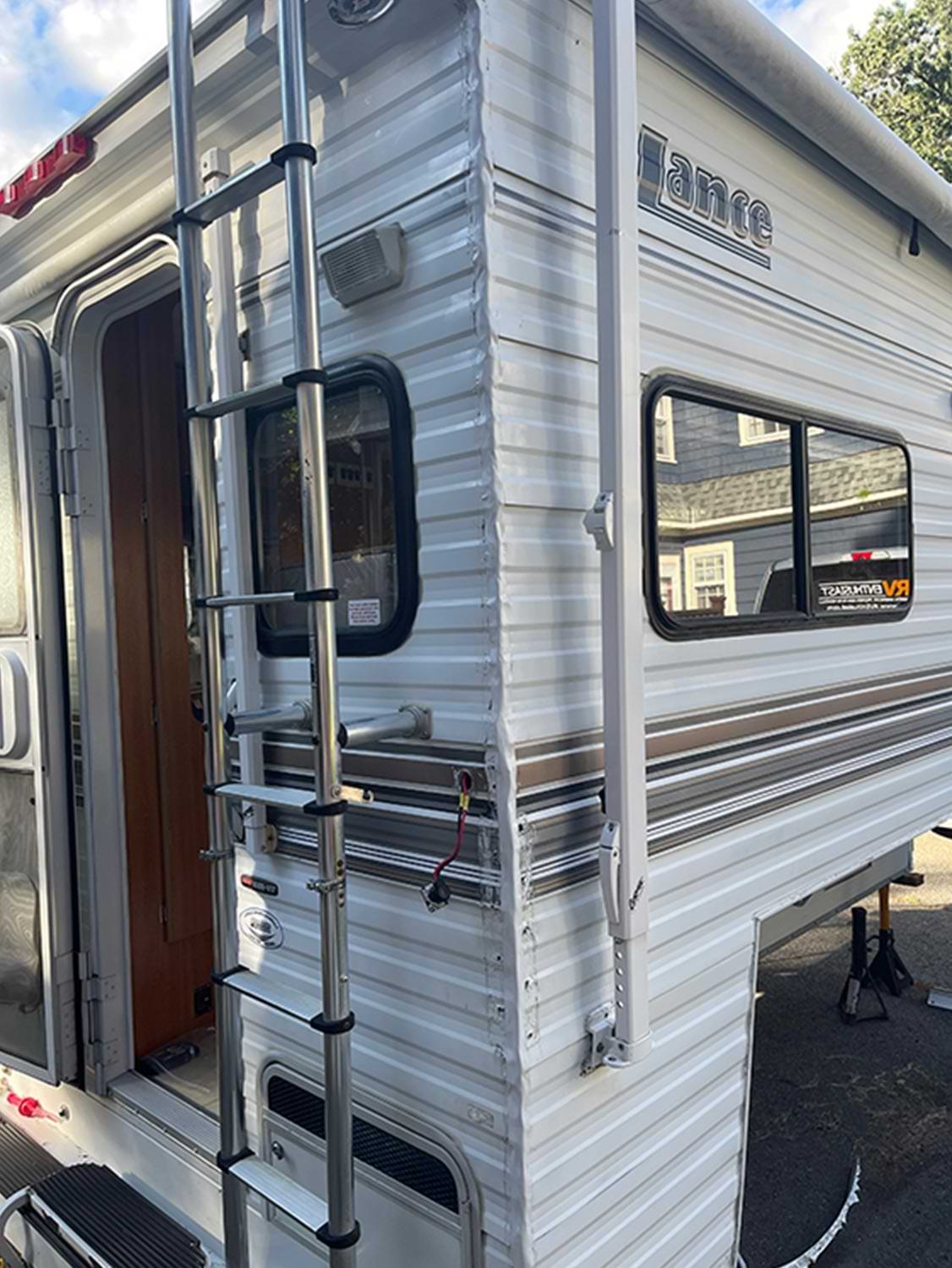
To bring new life to the camper, we partnered with Lippert and earmarked its Happijac 4820 power camper lift system (happijac.com/jacks/4800-jack/) for the Lance. We appreciated the look and features of the Happijac 4820 system. The diminutive motor casing and 2-inch square tubing are attractive and had much less of an aesthetic footprint on the camper than the original Atwood system.
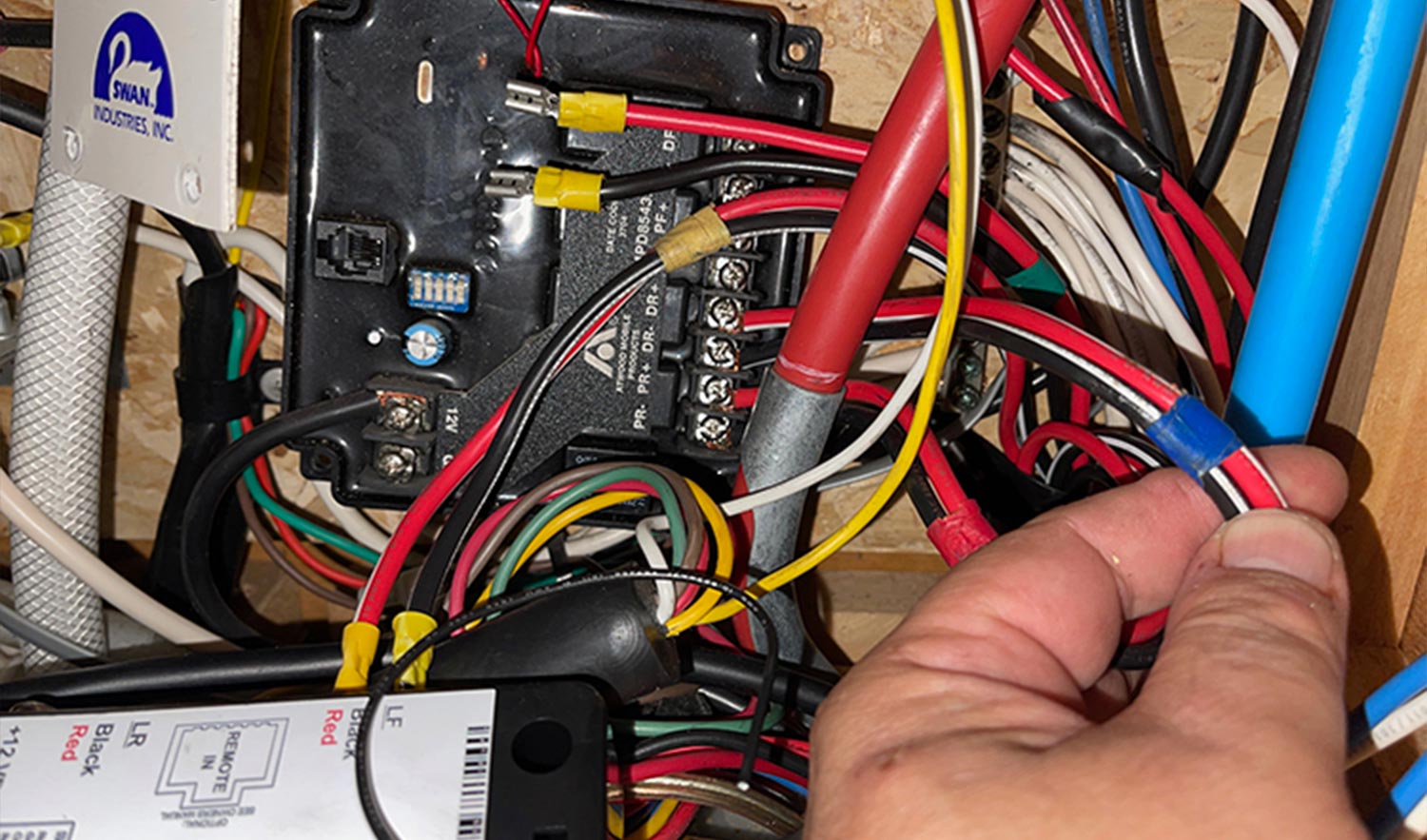
While there are bolt-on replacements available for the Atwood jacks, we wanted the features of the new Happijac system, which is what Lance is using on new models. On our older truck camper, this meant replacing two rear corner moldings and custom-cutting new ones. There was also a wiring exercise necessary to make the connections compatible with the new system.
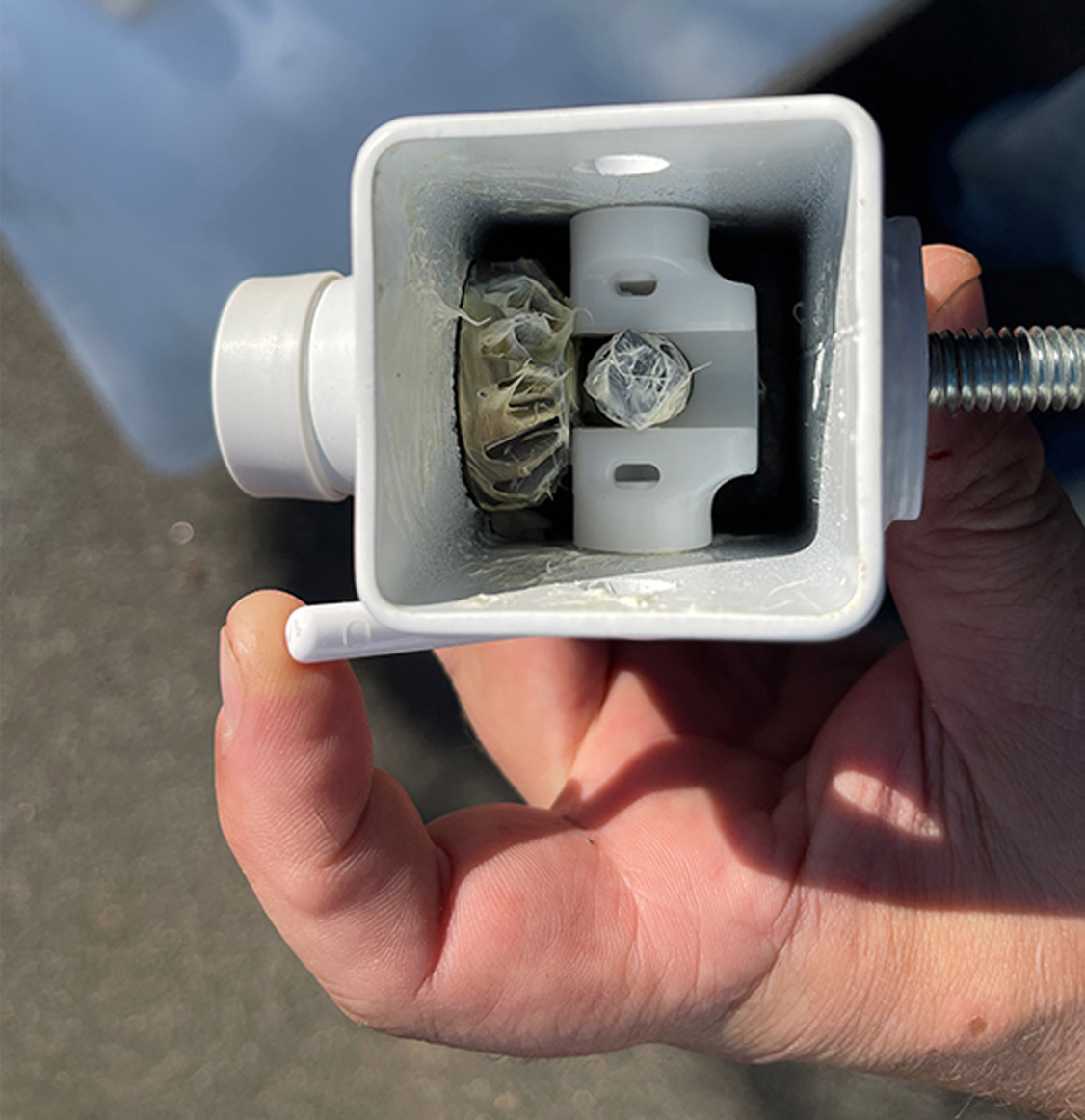
Happijac utilizes an Acme screw or a heavy-duty ball-screw mechanism in its jacks, depending on the model. Externally, there is no difference between them. Both utilize a square tube, an oval foot, have an override bolt and feature a quick-drop function, if used without the motor upgrade. The 4820 system we installed has a lifting capacity of 2,800 pounds per jack, which is ideal for a camper with multiple slideouts — and admittedly overkill for the project model. Nevertheless, the 36 ½-inch lift, combined with a 51-inch outer tube, gives us great lifting clearance for getting the old camper onto the F-350.
The attractive design also allows for a very quiet, smooth and precise operation. The manual drive is easily accessed, if needed, and field repairs are as straightforward as can be thanks to easy component access.
The attractive design also allows for a very quiet, smooth and precise operation. The manual drive is easily accessed, if needed, and field repairs are as straightforward as can be thanks to easy component access.
Because camper jacks are so customizable based on the application, all the components are sold ala carte. Dually brackets, as well as nicely made matching powder-coated installation brackets are available.
Removal of the Old System
The first step was to lower the camper securely onto jack stands. You must ensure that the ground surface for the jack stands can handle the weight and is relatively level; we used 2 x 4-inch lumber between the stands and the camper. Also, the battery should be disconnected, as well as the shore power for the duration of the project.
For this modification, the brackets and exterior connections were replaced, which also requires removing and replacing the rear corner molding on each side. All four jacks were removed, which were simply unplugged and unbolted followed by removal of the brackets, plugs, moldings and other hardware. We cleaned off all the old sealant and made repairs as needed.
There really isn’t a magic bullet for installing the new jacks. Since the new jacks have a different design and dimensions than the originals, we first assembled one for test fitting and to ensure the structure where the jacks would attach was good to go. Fortunately, the structure was sound, so no major structural repairs were needed.
Corner jacks on any camper are subject to quite a bit of stress, especially when loading on to a truck. The original jacks were functional, but the mounts had been bent because someone had backed into the camper too forcefully — many times, I suspect. The original Atwood jacks were also attached to the rear bumper but the Happijac model only uses two corner wall brackets, so the Lance bumper tabs were abandoned.
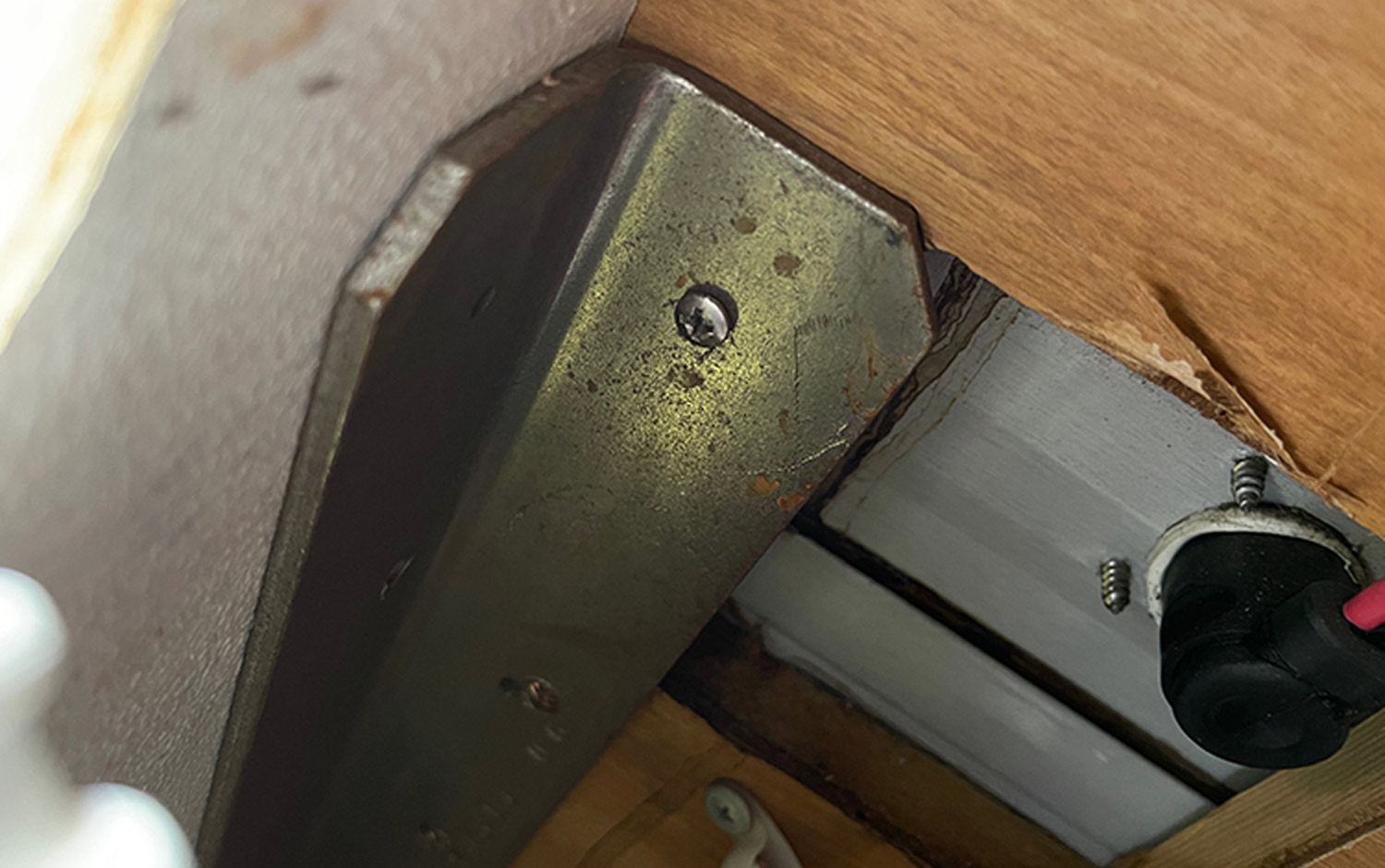
The front jacks were mounted with the motors against the front wall and happily there was adequate space between the cab of the truck and the camper. At an earlier date, rubber truck bumpers had been added to the lower front area where the camper meets up to prevent damage, which helped here as well without noticeably shifting the center of gravity back. The front jacks originally had interior and exterior steel brackets; the interior units were retained, drilled and the holes tapped as needed, to give more support. Unlike the rear jacks, the front jacks don’t have lower brackets for support, so the corner must be braced solidly.
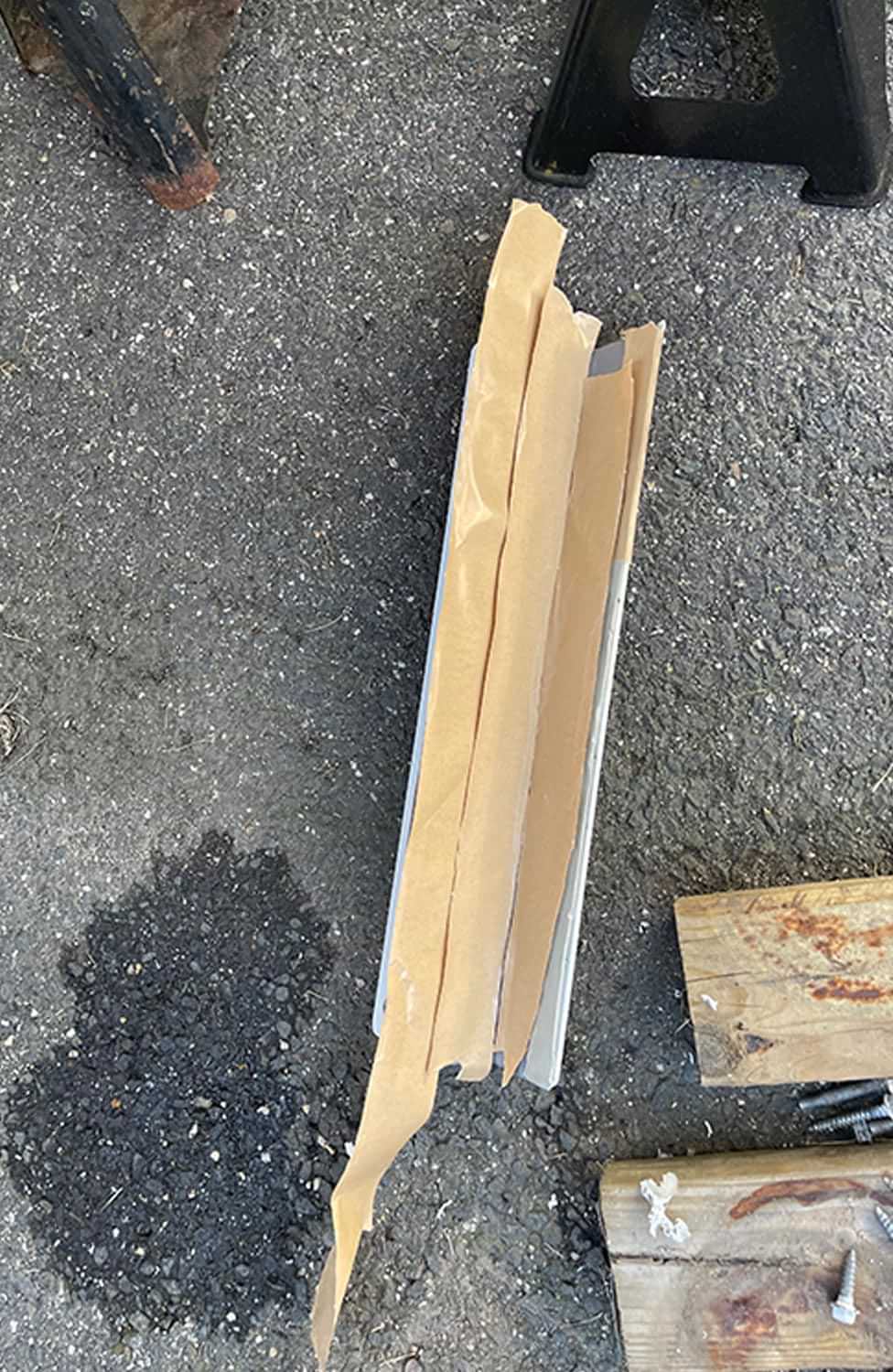
Once all the jacks were installed, we turned our attention to replacing the rear corner moldings. Enlisting help at Tim’s RV in Erving, Massachusetts, and reaching out to an RV surplus warehouse, matching molding was procured, cut to size and installed appropriately.
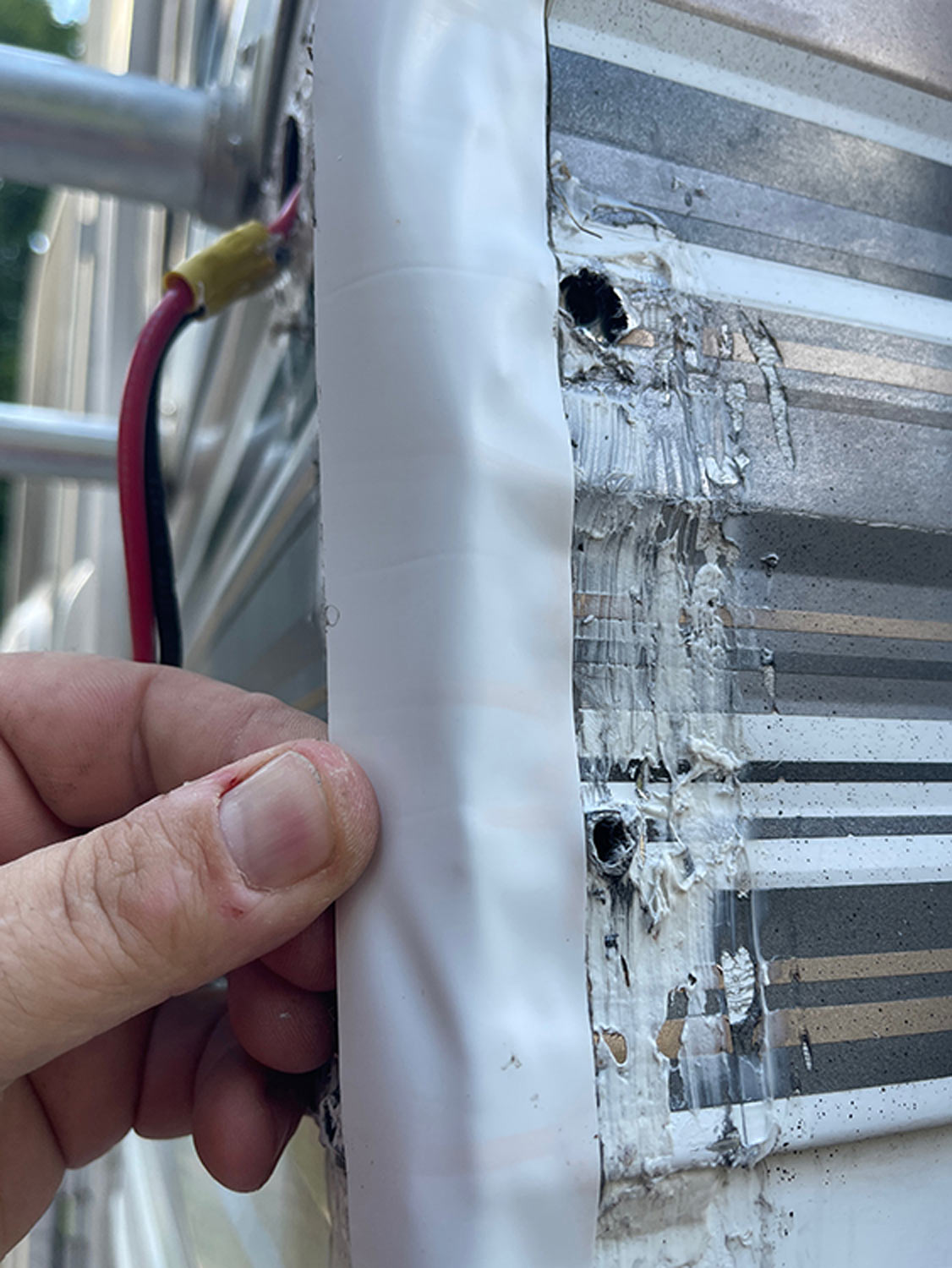
I can’t emphasize enough the importance of properly bolting and sealing everything in place. The brackets and corner molding were secured to the wall with butyl sealant (primary seal), then the outer seams were sealed with Proflex RV by Geocel (there are other products that will also work well). Eternabond tape was used to seal the corner gaps in the siding; another option would be Dicor Seal-Tite corner tape.
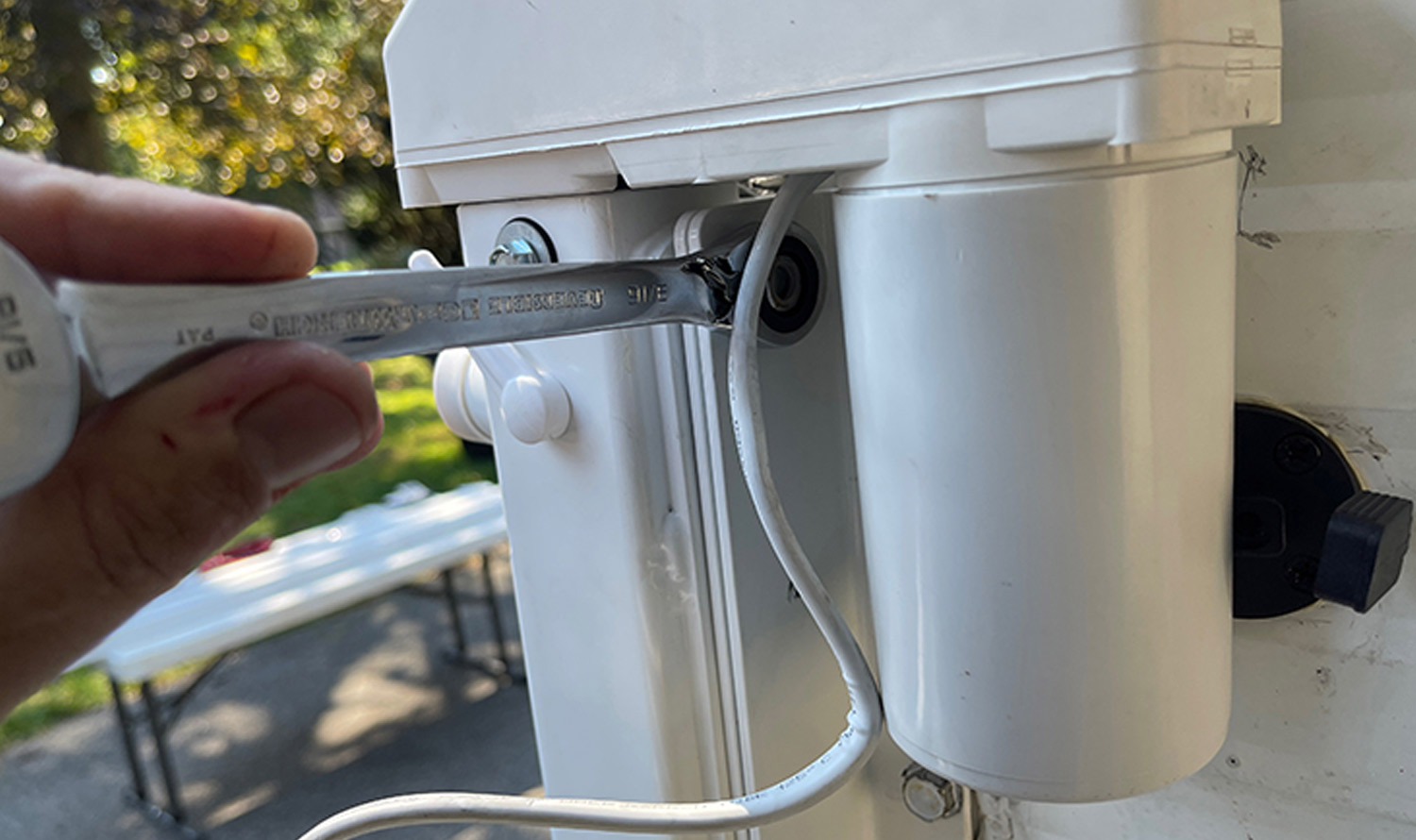
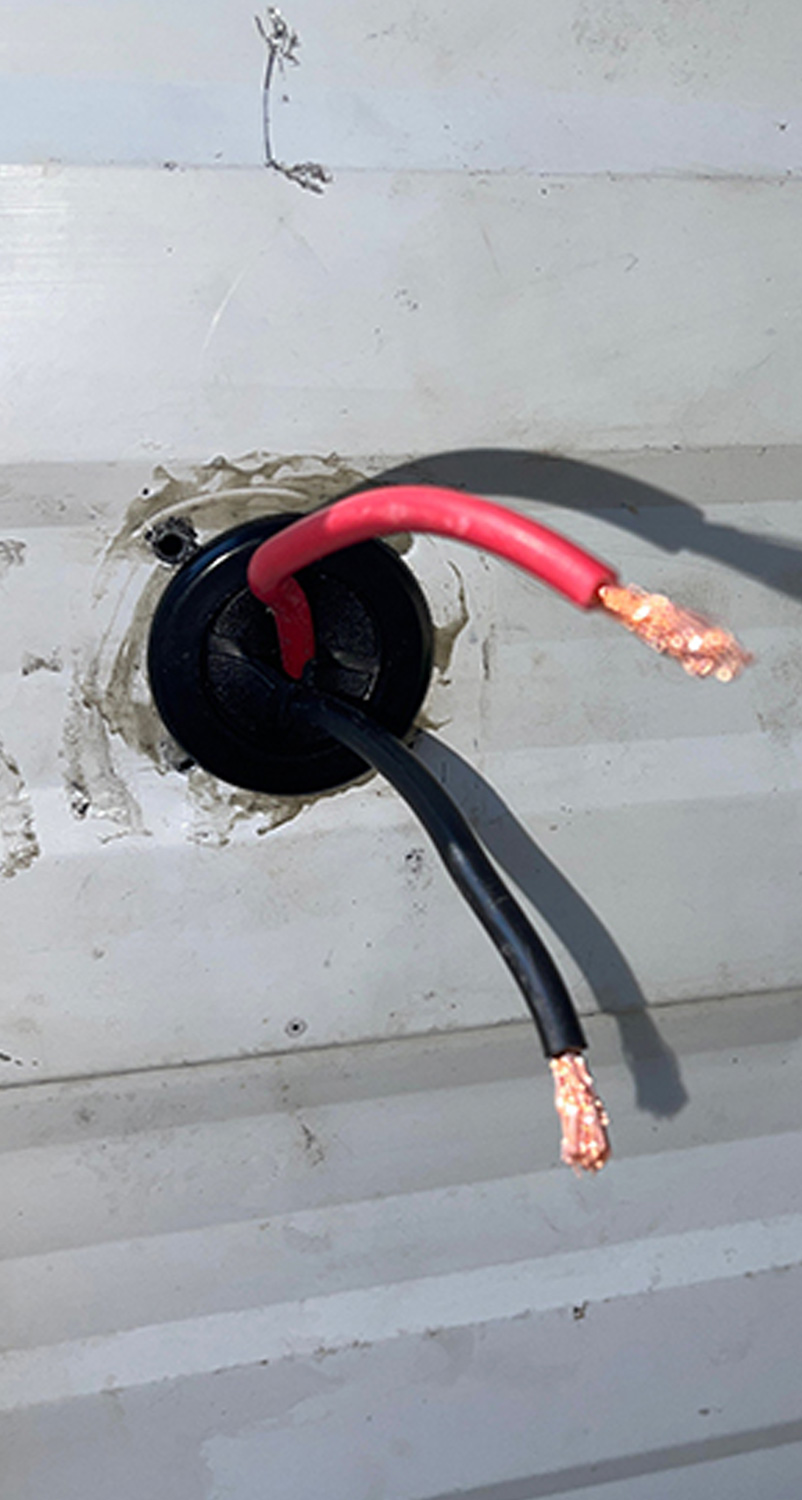
The original wiring was fine for this project, but the ends needed to be replaced. We sourced weatherproof wall connectors from Amazon (Lixintian 10 AWG SAE Connection Extension Cable; $13.99) to maintain ease of use and utilize the existing holes. Unfortunately, the motors blocked the holes, so we inserted cable grommets, cut the Happijac cables and connected them to the wiring harnesses in the wall. Happijac uses waterproof connectors and a white plastic cable box mounted on the sidewall for security and looks, which are included in the wiring kit.


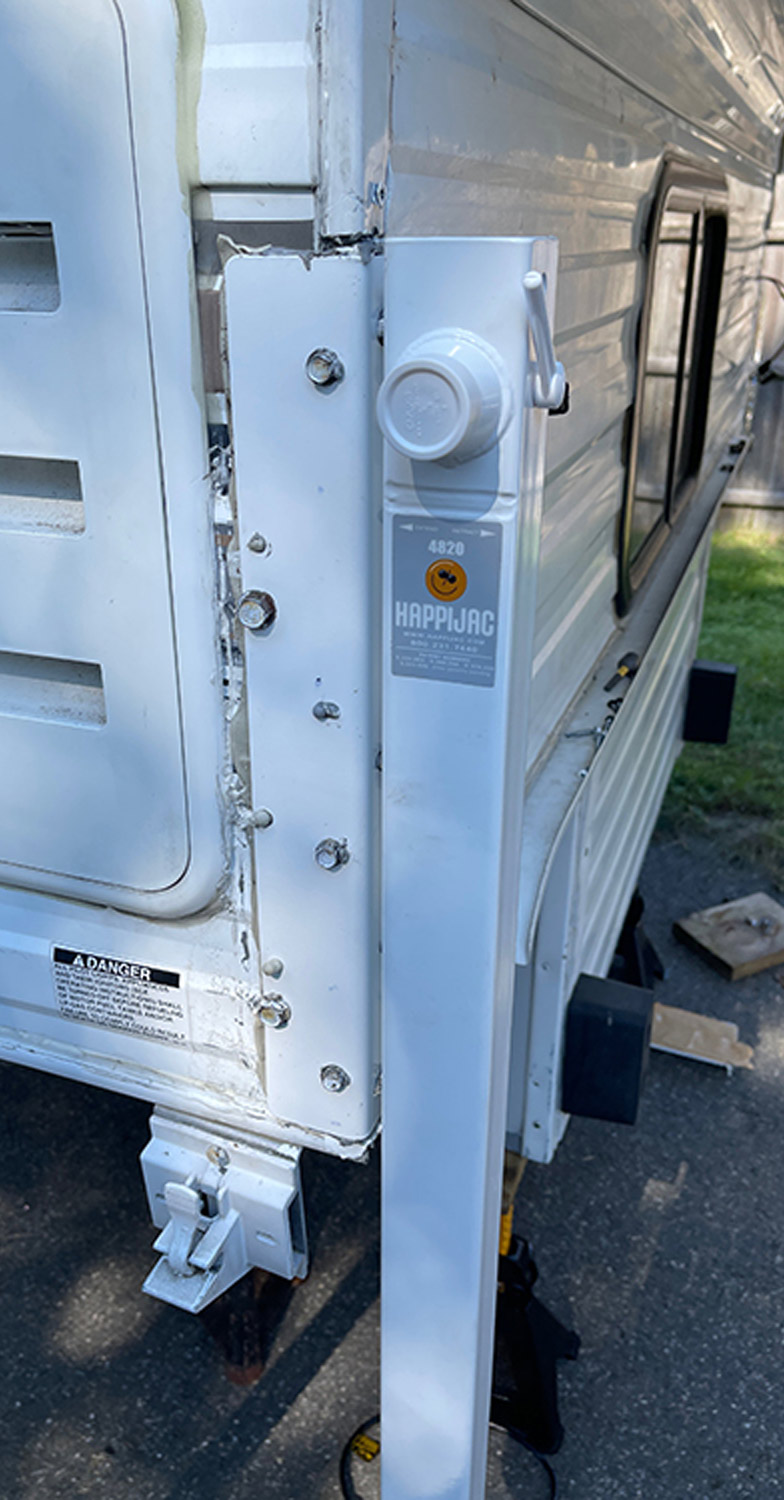

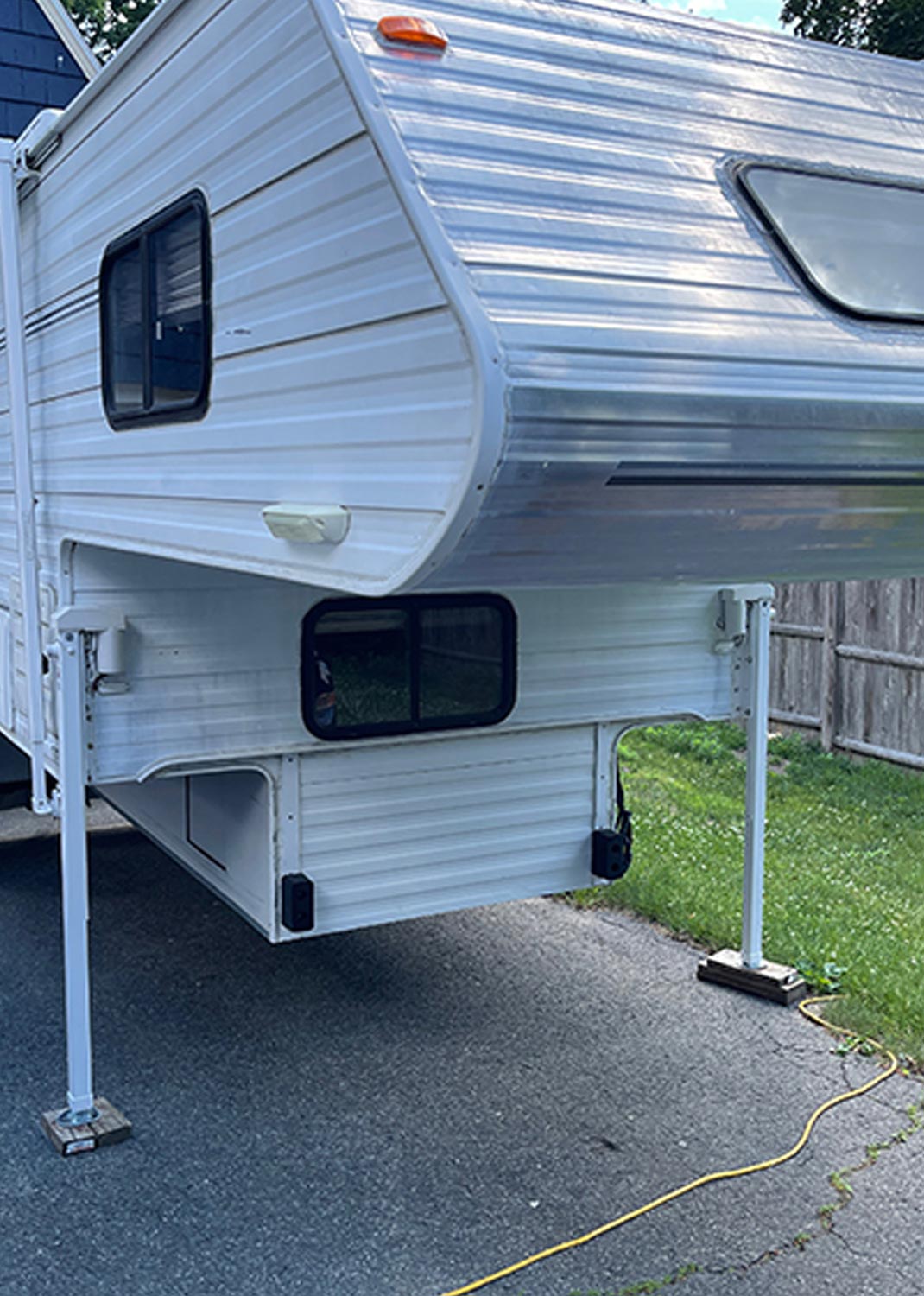

Like the front, the rear jacks blend in nicely, without taking up a bunch of real estate on the rear of the unit. The new jacks have a longer throw, which now makes it possible to mount the camper on the taller Ford F-350 truck.