
Photos by Chris Hemer and Chris Dougherty
lideout room extensions are marvelous additions to any RV. They provide the open space that designers crave when creating floorplans that exude exceptional livability and, for owners, can transform a rectangular box into a comfortable and well-appointed studio apartment.
They also can be somewhat problematic if not maintained properly. The sheer nature of slideout design makes them susceptible to moisture intrusion, which can lead to sidewall and floor damage. Think about it for a moment: In order for a slideout to move in and out, it needs to be smaller than the hole in the wall. That means rubber seals are needed to fill the gaps, preventing water and debris from entering the interior.
Photos by Chris Hemer and Chris Dougherty
lideout room extensions are marvelous additions to any RV. They provide the open space that designers crave when creating floorplans that exude exceptional livability and, for owners, can transform a rectangular box into a comfortable and well-appointed studio apartment.
They also can be somewhat problematic if not maintained properly. The sheer nature of slideout design makes them susceptible to moisture intrusion, which can lead to sidewall and floor damage. Think about it for a moment: In order for a slideout to move in and out, it needs to be smaller than the hole in the wall. That means rubber seals are needed to fill the gaps, preventing water and debris from entering the interior.
A common solution is to attach a wiper seal that also acts like a squeegee when the slide out is extended or retracted, along with a set of bulb seals that close off any gaps when the slideout flange is tucked up against the sidewall in either the extended or retracted positions. The combination usually works well, but intense sun exposure will eventually damage the rubber compound of the seals, leading to tearing and general disintegration. Such was the case on our fifth wheel that resides in the desert of the Southwest for half the year, taking a constant direct hit from the sun.
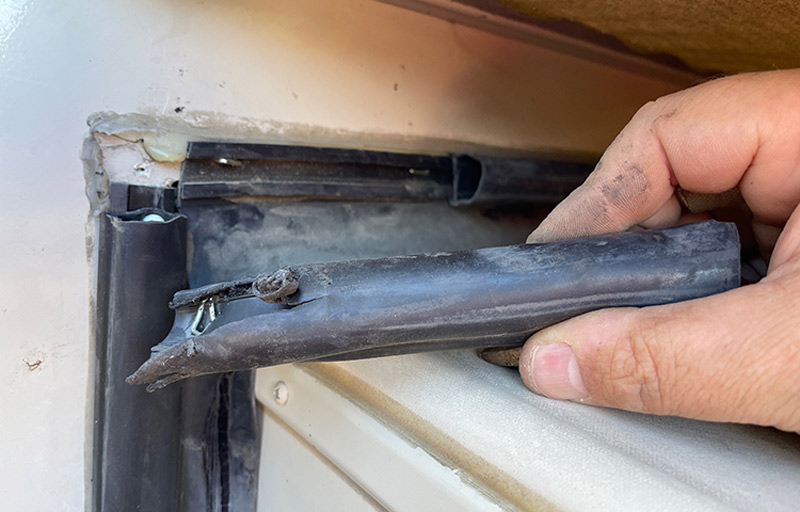
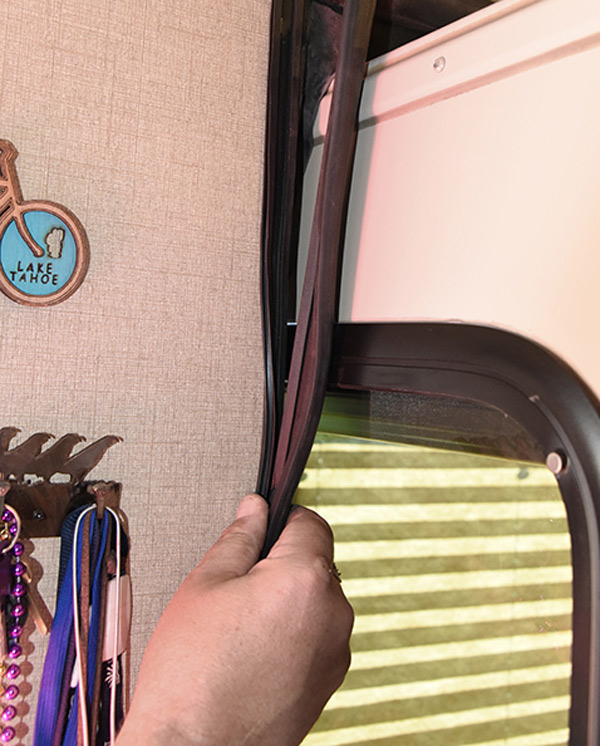
Once the deterioration begins, the bulb seal, in particular, will shred — peeling away from the sidewall. The fix is not difficult, but you have to determine the type of seals that are used for your RV. Fortunately, the wiper seals on this fifth wheel were in good shape, so all we needed to do was replace the bulb seals.
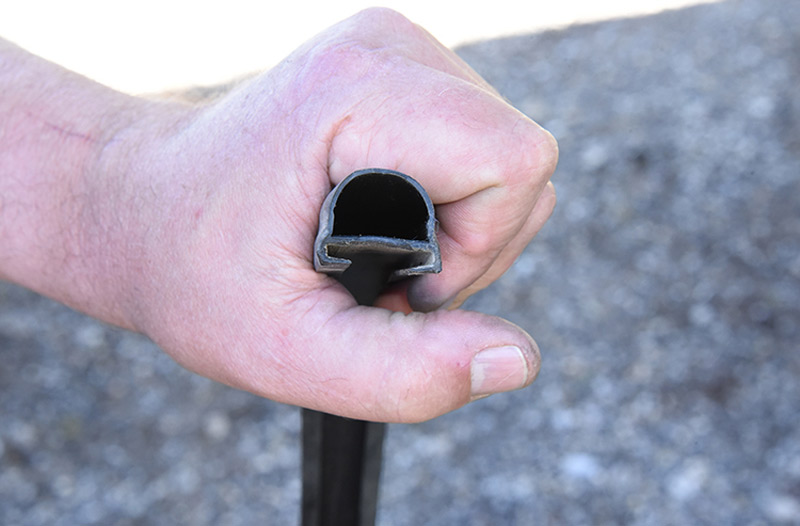
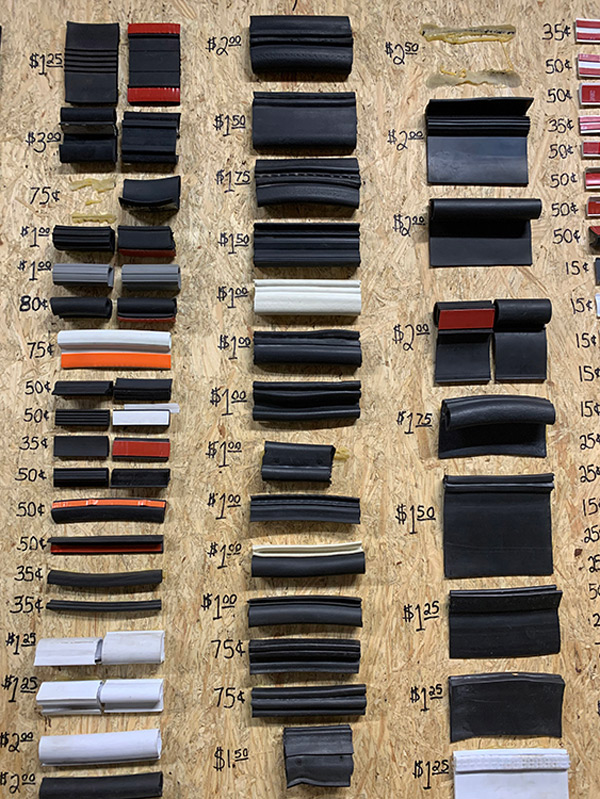
For this project, a bulb seal molded to a H-configured mounting track was required. Some manufacturers use a different mounting track, and there’s also a bulb seal that can be taped to the surface, but the bulb seal for this project seems to be the most prevalent. Normally, this stuff is readily available, but it became a little scarce post-pandemic as suppliers were scrambling to meet builder demand. We finally found enough bulb seal to complete the job at Bontrager’s Surplus Inc. in White Pigeon, Michigan. The search was worth the time: We paid only $50 for the material, which was around a third of the price at conventional supply stores and online — when the material was in stock. (See “Parts Unknown,” elsewhere in this issue, for more information on obtaining hard-to-find items — or even new stuff for other projects.)


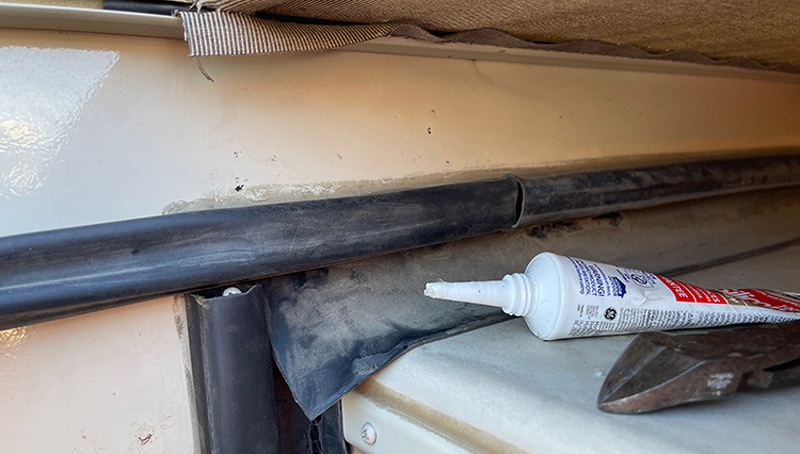
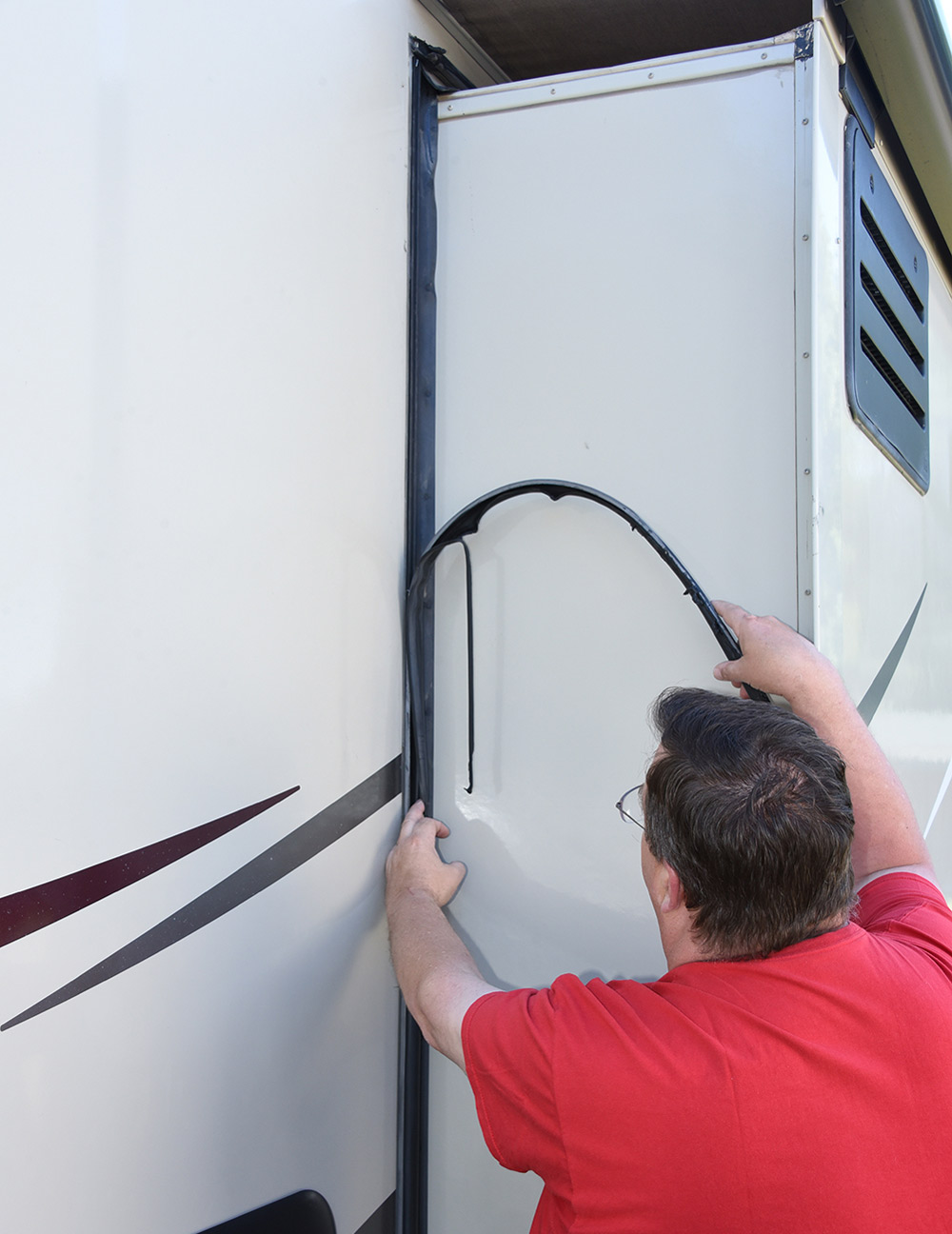
It was easy to identify the areas that were damaged by sun exposure, which typically starts with a small hole or crack and then spreads throughout the length of the bulb seal. Rather than attempt to patch up only the affected areas, we decided it was best to replace the majority of the bulb seals at the same time. The only areas left alone were under two of the three slide-out toppers that protect the rubber from the sun. The ends on the third slide were exposed to the sun and deteriorated, so rather than remove the topper, we cut off a portion of the damaged seal and added a short length of new material, gluing the two together with high-quality, black RTV silicone. This is not the preferred repair procedure, but it works well if you’re on the road (as we were) and don’t have a second person to help remove the slide-out topper.
The general process begins by freeing the ends of the damaged bulb seal, which can be held in place with a screw, staple or sealant; a screw in one end was used for this fifth wheel. Once free, the bulb seal is simply pulled away from the mating H-track or slid off from below or the side, depending on vertical or horizonal positioning. It only takes a few minutes for this part of the project. New material was attached to the tracks on the sidewall, and the end was secured with the existing screw in the same hole. In about an hour, the bulb seal was replaced around all three slideouts.
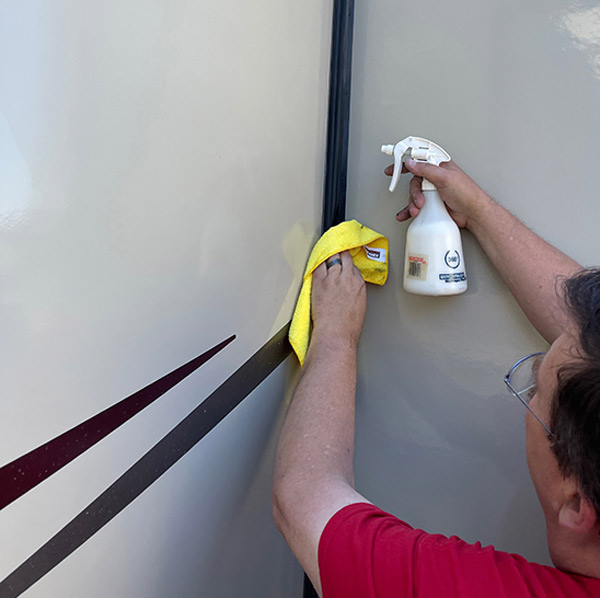
Although a bulb seal is fairly resilient, longevity can be extended dramatically by following a few simple maintenance procedures. Inspect the integrity of the seal on a regular basis and keep the rubber clean using soap and water. Treating the surface with a petroleum-distillate-free protectant will shield the rubber from harsh UV exposure. Aerospace 303 is an excellent product for this purpose and it’s readily available at RV parts stores and online. Applying 303 at least twice a year will greatly extend the life of the bulb seal — and restore the luster of the rubber.
Many RVers love to park under trees, but fail to remove the fallen leaves and twigs before retracting the slides. Failing to do so can lead to bulb/wiper seal damage. Slide-out toppers help, but they too must be brushed off before rolling up, especially if the fabric is rolled into a protective box.
Not only is it nice to know that the interior of the fifth wheel will be well protected from the elements, replacing the bulb seal also restores the exterior aesthetics impacted by hanging pieces of unsightly, torn-up rubber. Don’t forget to treat the wiper seal at the same time.