


ne of the best inventions in the RV industry ever is the slide-out room extension. It’s not arguably one of the best; it is. Pioneered by Newmar Corp.’s Mahlon Miller, the power slide-out room, or “slideout” as we call it in RV land, completely revolutionized RVs and the available floorplan choices manufacturers can build. With the push of a button, an RV’s floorspace can increase by as much as 50%.
The first slideouts in the 1990s were more rudimentary than most contemporary counterparts, but that basic technology is still in use today. The design used by Miller, for example, was a rack-and-pinion system incorporating large cog wheels with round pins or lugs that maintained the room’s alignment while an electric motor pushed and pulled the room. Those cog wheels are still in use in some modern Newmar motorhomes, by the way. The rooms were frequently large and heavy, some requiring aftermarket supports to help stabilize them, although those supports actually defeat the design of the seal system and can cause damage.
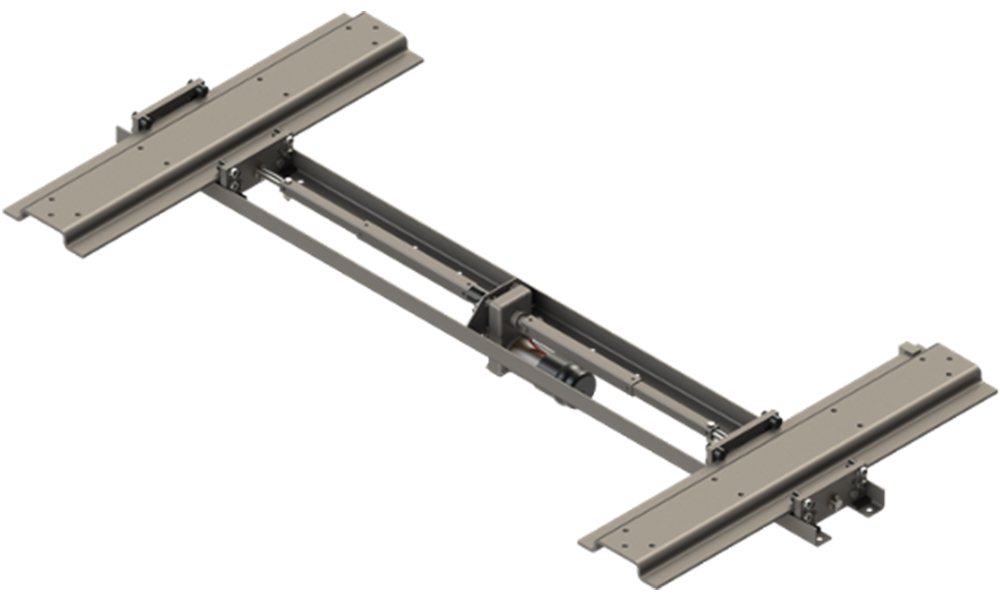
Later, hydraulics were engaged to move the slideouts in motorhomes equipped with hydraulic leveling, a technology that would eventually work its way into the fifth-wheel market. Other types of mechanisms have been developed, including cable drive, in-wall gear driven and screw drive systems. In some models, like the Nomad fifth wheels of the 1990s, manual crank slideout rooms were standard!
Modern slideout rooms can be as simple as some of those older models, or very complex, computer controlled affairs. Many RVs have in-wall slide systems by Schwintek that are computer controlled, using Hall-effect motors to count rotations to ensure the room is deploying correctly. Newmar has been using a system that moves the room horizontally and vertically to ensure a near-perfect, tiled flat-floor slide. Some manufacturers are incorporating a slideout within a slideout design, effectively doubling the size. The cable-driven Accu-Slide system by BAL has been popular for years.
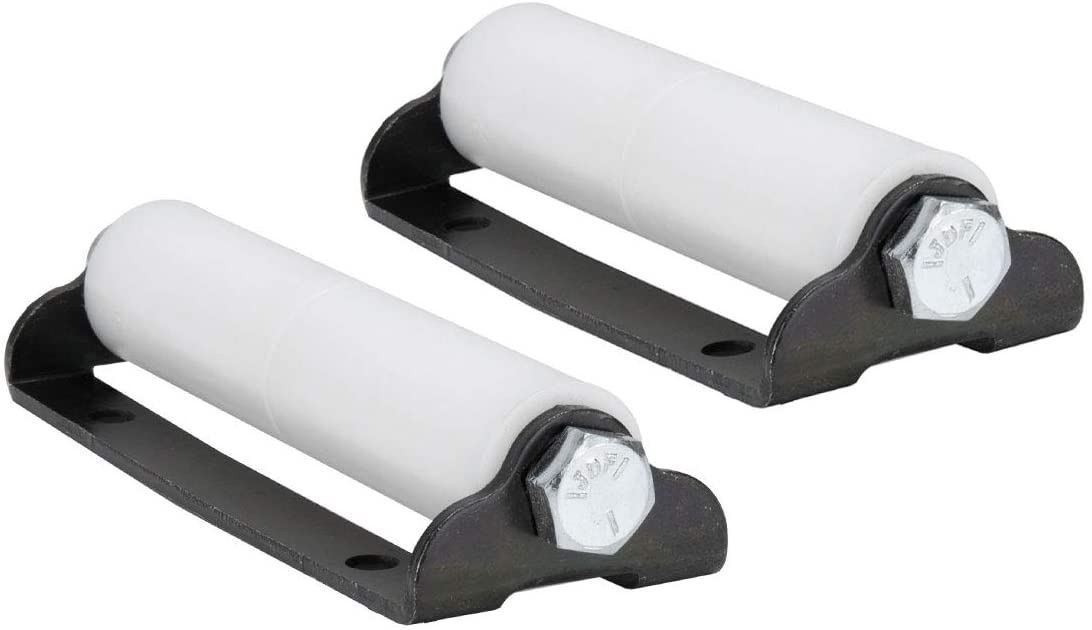
In its simplest form, a slide room is a box within a box, with stop flanges on both the inside and outside that meet bulb seals to keep the weather out. The box is built, in most cases, similarly to the RV body, with walls, floor and roof. The room sits on glide material or wheels to make it extend and retract easier. Wiper seals work to keep excess moisture out of the wall area and wipe down the sides and top of the box as the room is retracted…with varying success.

While each system and RV may have its own specific instructions as provided by the manufacturer (read your owner’s manual) there are some things that apply, generally, to all RVs with slideouts.
- Always check around the outside and inside for obstructions before operating slide rooms. Use a spotter if needed. If you don’t have slide toppers and are under trees, you may need to clear the roof before retracting the slide.
- Operate the slideouts when the rig is comfortably level. This means level the RV first, then extend the slideouts. The reason is that most slide rooms are not supported on the ends, only the floor. So, if the room is moved when the vehicle is off-level front to back, the room shifts to that direction, rubbing directly on the seal on that side and causing stress. If the vehicle is off-level from side to side, the slideout mechanism will have more stress either opening or closing the room. (Gravity: It’s not just a good idea, It’s the law!)
- Listen carefully to all slide systems as they operate. Listen for straining, breaking wood, etc., and if you hear something, stop and investigate before continuing. Things like entry doors, cabinet doors and loose items in the rig can open/fall and get caught in the slide. Mechanical devices like slide rooms need to move freely, so check around them if possible before extending or retracting.
- With most rooms, press and hold the slide button until you hear the room come to a stop, then release. The room should be firmly closed, but don’t over stress the room.
Exceptions: Lippert’s Schwintek In-Wall slide: Press and hold the button until you hear the motor stop, then release. The computer determines when to turn off the motor.
Also, certain slideout systems in motorhomes may automatically extend the room, or have other operational requirements like moving the driver’s seat, setting the parking brake, starting the engine, etc. Check the owner’s manual for specific instructions.
- Never support the outside of a slideroom. Slideout jacks are a leftover from the early days of slideouts, are unnecessary and can even cause damage. Slideouts are designed to be cantilevered out the side wall of the RV — this is what keeps the seals compressed. When you put ground supports under the slide, not only does it weaken or break the seal, allowing water and outside air in, it can stress or break the mechanism — and supports have been known to break through the floor of the slide. Also, if the RV levelers settle into the ground, the weight of the RV can come to bear on the room and those supports, causing a lot of damage.
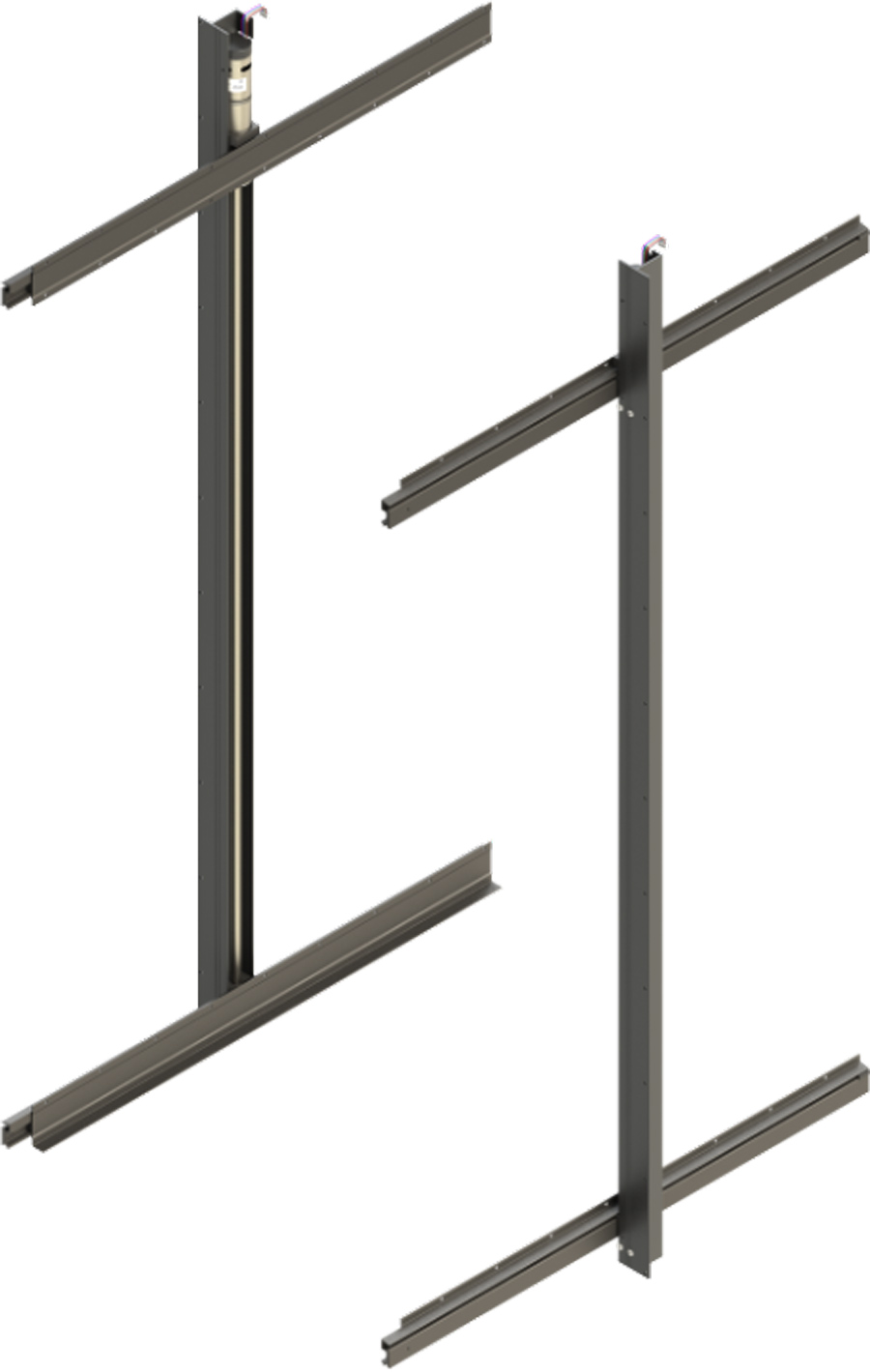
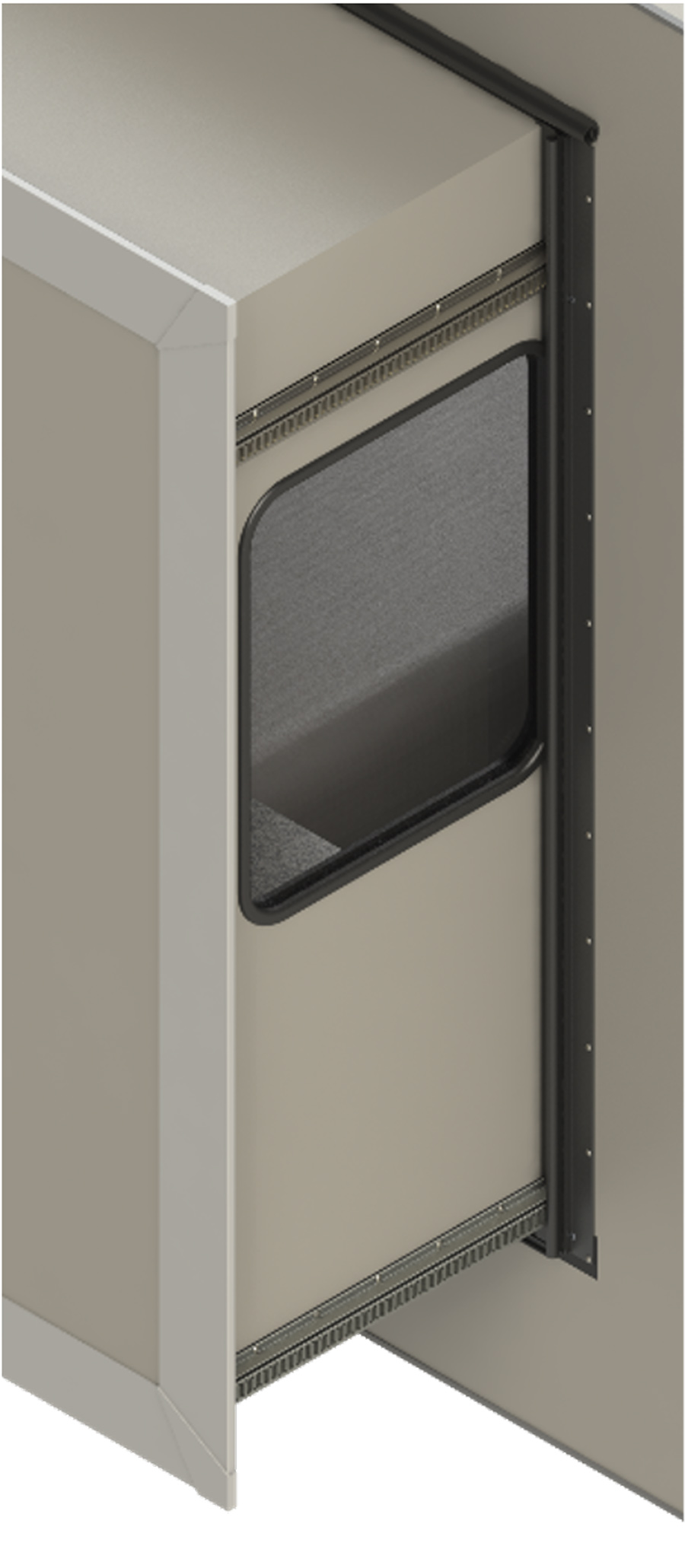
RV slideouts traditionally need very little maintenance, and some, like the Lippert In-Wall, actually need no maintenance unless they’re not operating correctly. Always follow the maintenance instructions for the system in your RV or have a certified technician service the slides annually.
- Listen to the slide operate, and if it’s catching, straining or making a great deal of noise, it will need to be looked at.
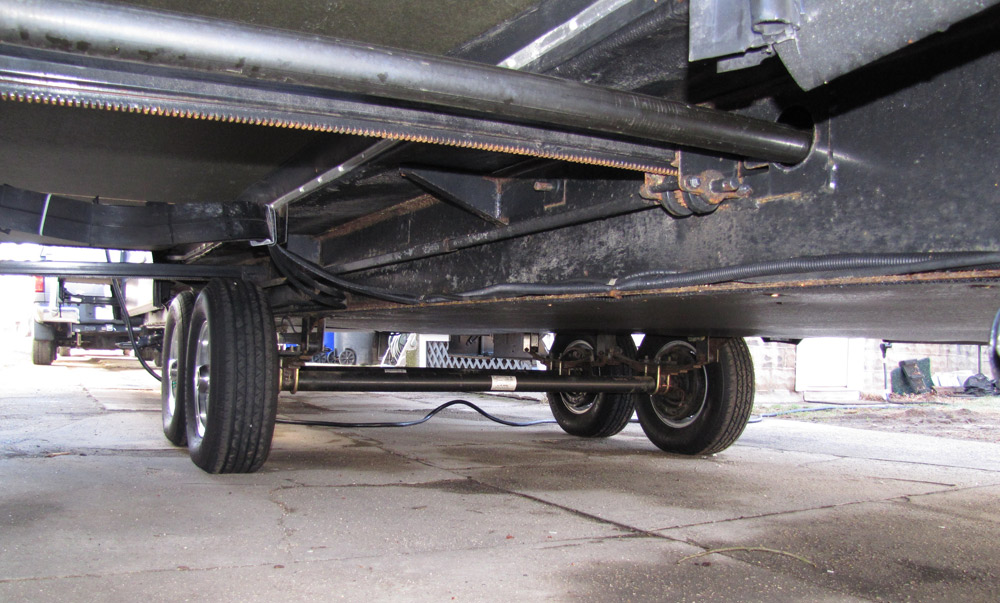
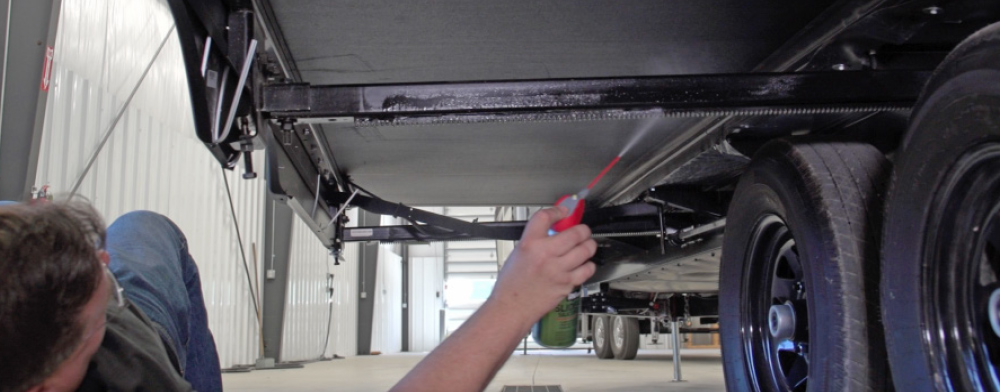
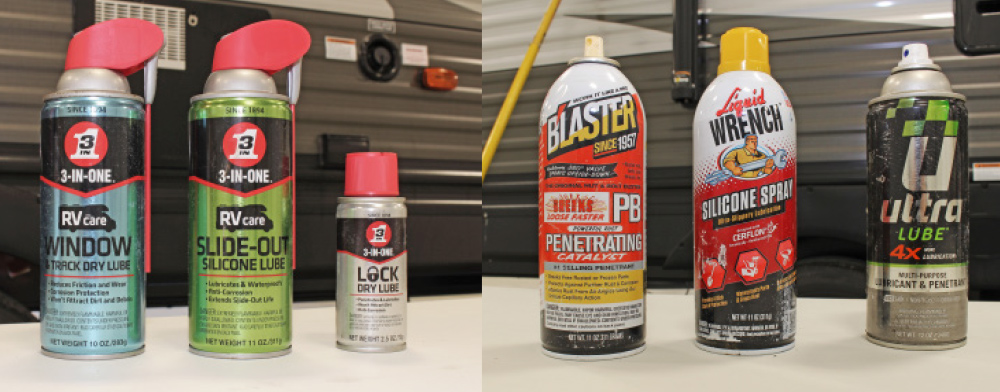
- In-floor slide systems should be kept clean, rust free and painted. While cleaning road grime may take care of problems, using an RV slideout lubricant will help keep things working easily and squeak-free. Silicone or dry lubes are best; don’t use anything that can attract dirt and dust. Once clean, spray slide arms and moving gear parts with the lubricant. If rust has set in, judicious use of a rust-freeing lubricant like WD-40 or PB Blaster may be needed.
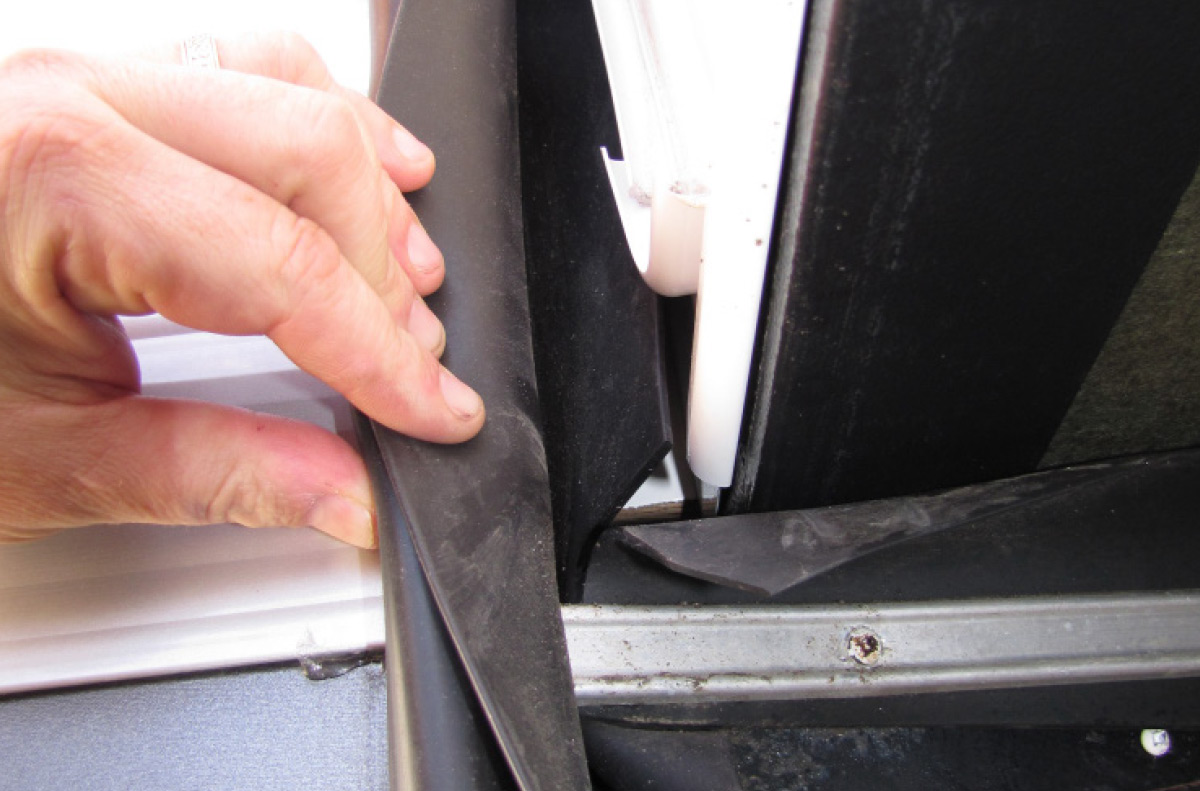
- Look for rub marks on the room, damaged seals and broken parts. Look for metal dust or shavings on In-Wall slide tracks that might indicate the room isn’t adjusted or working correctly. On BAL Accu-Slide systems, occasionally examine the cables for fraying and tightness when the room is fully open and fully closed. A light lubricant can be used on inside moving parts like the pullies and bicycle chain. Heavy rubbing on the slide frame or other
surfaces may require adjustment. - Keep the base rollers, or the slide surface under a flush-floor slide, clean and lightly lubricated. Use a light silicone or dry lube for the neoprene slide surface. If the rollers turn freely, they may not need lubrication, but they have been known to freeze up. Lube from the outside with the room partially retracted.

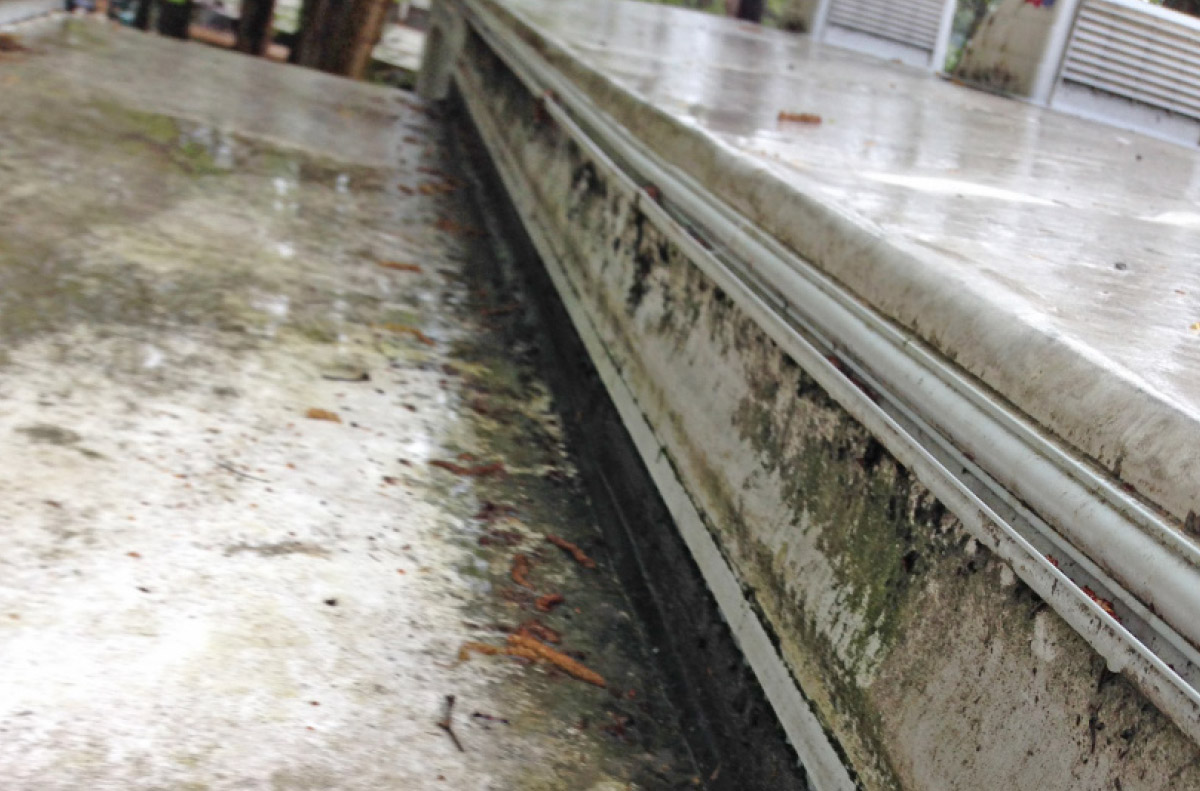
- Slide out seals should be kept clean and treated with a slideout seal treatment that helps protect them from UV degradation. Look for tears in the wiper seals and failures of the attachment points to the RV. Thetford’s Slide Out Rubber Seal Conditioner (https://amzn.to/3eafr4Z) is one option.
- Many slideout rooms will flex when not fully extended or retracted. Over time this will lead to sealing problems that can cause leaks and rot. Always examine the slide boxes for any sign the seals on the roof or trim have come loose or are cracking and repair immediately. Standing water and detritus like pine needles can just about guarantee damage over the long term (another reason why slide toppers are a good idea). It’s also good practice to check behind furniture or in the back of cabinets from time to time to make sure there’s no moisture or water. Any signs of leaks anywhere in an RV must be dealt with as soon as possible.

- Lastly, if your RV came with slideout locks or locking bars, be sure to use them; they are intended to remove stress on the room box and the mechanism. As you drive, the weight of the room shifts, sometimes toward the outside, which can cause damage within the walls of the box. Also, all the weight shifts to the mechanism, and that can cause damage to the mechanism or it’s attachment points on the room itself. If the room can move, the seals unseat, which can let in road noise, dirt and water. If your RV doesn’t have slideout locks or locking bars, then the design is theoretically built with that stress in mind.
Now you know the basics of slideouts and the technology behind the design and function, which can help you use the system more effectively — and if something isn’t right, you’ll have a leg up on fixing it.
lci1.com
(We highly recommend the LCI app for smart devices. It’s free in the Apple and Android app stores.)
BAL Accu Slide
balrvproducts.com/products/oem/accuslide/index.shtml
Thetford
thetford.com/products/cleaning-products/rv-care/
3-in-One
3inone.com/products/#rv
Carefree of Colorado
carefreeofcolorado.com/rv-products/rv-awnings.html
PB Blaster
blasterproducts.com/product/pb-blaster-penetrant/
Liquid Wrench
liquidwrench.com
Ultra-Lube
https://amzn.to/3xbV6oy