

—Dean Capo
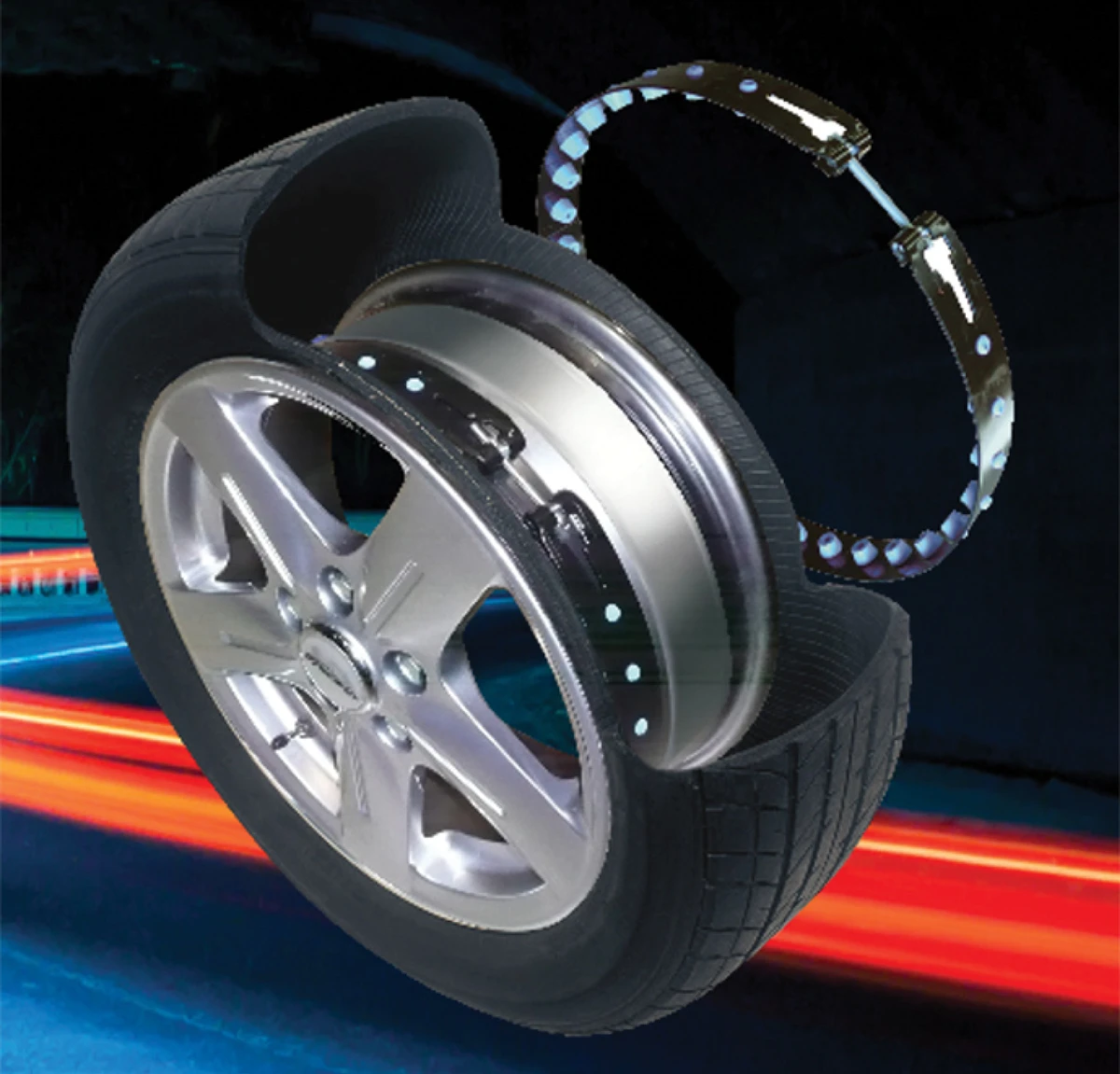
The Tyron safety bands (www.tyron-usa.com) really do improve the safety in the event of a front-tire blow out. They are not cheap, but since they only go on the steering axle, you’re just talking about two wheels. Blowouts can affect steering, braking and traction, as well as handling. With a heavy motorhome, it’s not uncommon to experience rapid deflation of the tire, which can send the motorhome off the road.
Tyron safety bands are installed in the center well of each wheel, which prevents the tire bead from coming off the wheel during a blowout or deflation. When the tire comes off the wheel, handling diminishes — and if the tire comes apart, you’ll be looking at quite a bit of collateral damage to the wheel well and other nearby areas, like the fuel filler and other trim.

—Jim Anderson
Jim, I can relate to what you’re going through. The materials and price can differ quite a bit. There are three basic choices — EPDM, PVC and TPO — and they all vary in price. I prefer the TPO because it won’t oxidize as easily as the EPDM, which came on your rig. TPO will not bleed black stains as readily and, more importantly, it is more tear-resistant than the others. The prep and process to lay down a new roof is labor-intensive and is quite extensive, especially considering the the labor rates nowadays. It’s also important that the installer use the proper glue and self-leveling sealant around the vents, seams and other accessories on the roof.
You should also consider replacing the roof with one that is more durable and likely be the last one you’ll ever have to install. There are a few companies competing in this space, like RV Armor (rv-armor.com), that offer complete renovation and lay down material that offers superior service.
—Jason Siblie
Although the price of lithium iron phosphate batteries has come down considerably, they are still expensive. If you amortize the cost over a longer period of time, however, the cost can be justified — and the performance is much better. Most lithium batteries are good for at least 10 years. After 10 years of use/charging cycles, there is still roughly about 75% of the battery capacity remaining. The real bonus, though, is the ability to discharge almost completely while retaining the necessary voltage to operate your appliances and accessories. Open (flooded) cell and most AGM batteries should only be discharged to 50% before recharging. Lithium units are capable of handling several thousand more charging cycles than other batteries.
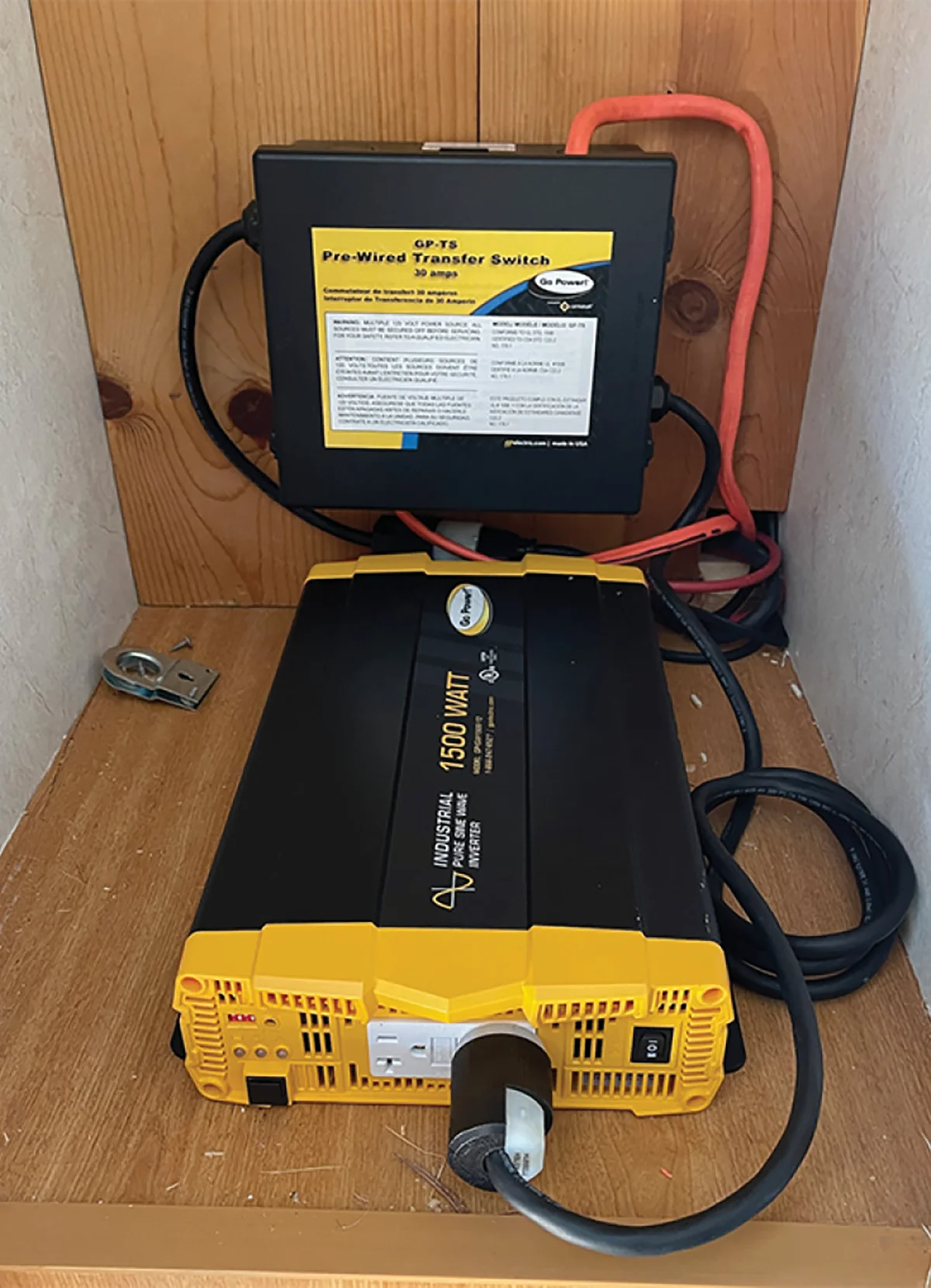
Lithium batteries charge at a different rate, so you may need to replace the power converter; most people looking to boondock will install an inverter/charger that can handle the lithium batteries. If you already have solar panels, make sure the charge controller can accommodate lithium batteries. If you do not have solar and you’re going to add a system, you’ll need roughly 200 watts per battery to be minimally effective. Of course, the more wattage the faster the batteries are going to charge — and this also will be more effective on cloudy or rainy days.
As far as safety goes, all lithium batteries come with a battery management system (BMS), which safely regulates discharge and conditioning. With a good solar system and lithium batteries, you will enjoy your boondocking far more than if you were just depending on a generator.
If price is a concern, consider the ODYSSEY line of absorbed glass mat (AGM) batteries. By using patented Thin Plate Pure Lead (TPPL) technology, the company is able to fit more plates inside the case — and the added surface area creates more power and ample cranking power even at very low Depth of Discharge (DOD) situations (up to 400 cycles at 80% DOD). According to ODYSSEY, the batteries deliver twice the overall power and three times the life of conventional flooded lead acid batteries. They are also extremely temperature-tolerant (with an operating range from -40°F (-40°C) to 140°F (60°C).

—Gerard Daniels
Gerard, this is a great question. It’s pretty rare that you see one of the valves leaking around the packing nut, but it does happen from time to time. No, there are no packing nut replacements available that I know of — and more importantly, I would not suggest trying to repair a gas valve because you can make things worse. My suggestion is to replace the valve, which should be done by a competent technician certified to work on LP-gas systems.
While you’re at it, take the time to check the propane regulator — it should be replaced every five years, whether it looks good or not, for safety’s sake. Pay close attention to the vent on the regulator; the newer two-stage regulators have side and bottom vents, so be sure that you get the correct one. While you’re changing the regulator, carefully inspect the neoprene hose that runs from the regulator to the fixed gas pipe attached to the motorhome. Be sure to check all fittings that been changed with your leak detector before calling it “good.” And to be even safer, have a technician perform a LP-gas leak-down test, which should be done every year or anytime the system has been opened.
Bill Gehr