

ometimes little things can make a big difference. Over the years I’ve discovered simple solutions to situations that usually rear their ugly heads in the most inopportune times — and have the potential of impacting any trip. The Internet (and, specifically, Amazon) has made it easy to find things that can be used in unorthodox ways to solve problems and improve the longevity of items that can create big snags when they fail. Here are three of them.
Pinned Down
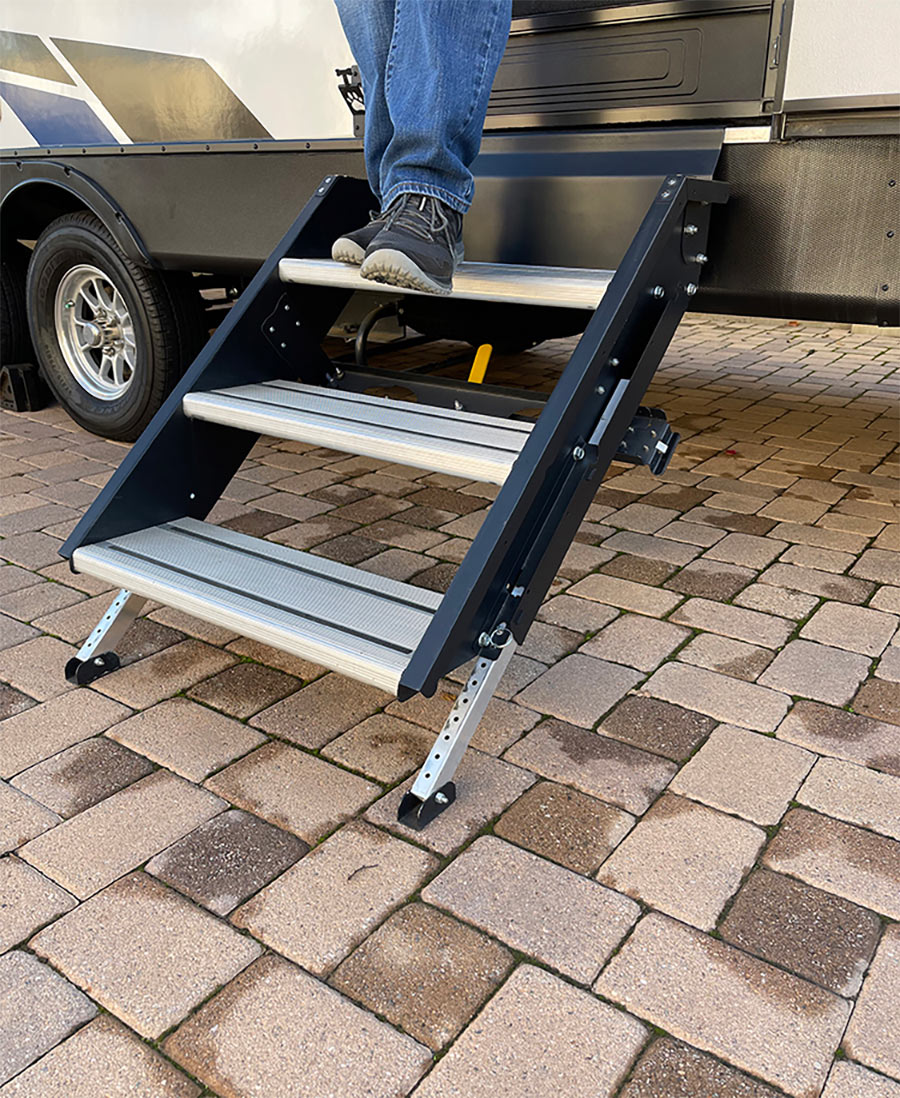
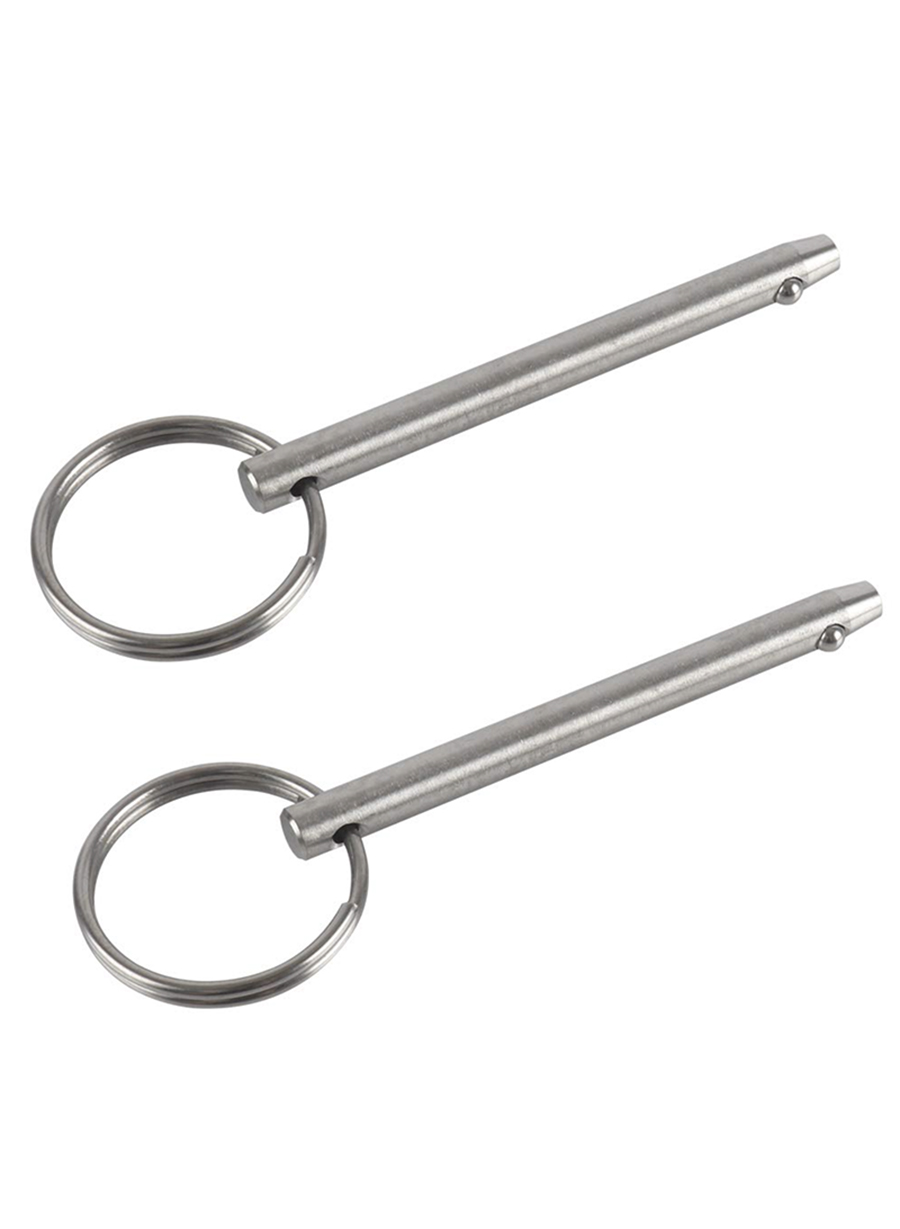
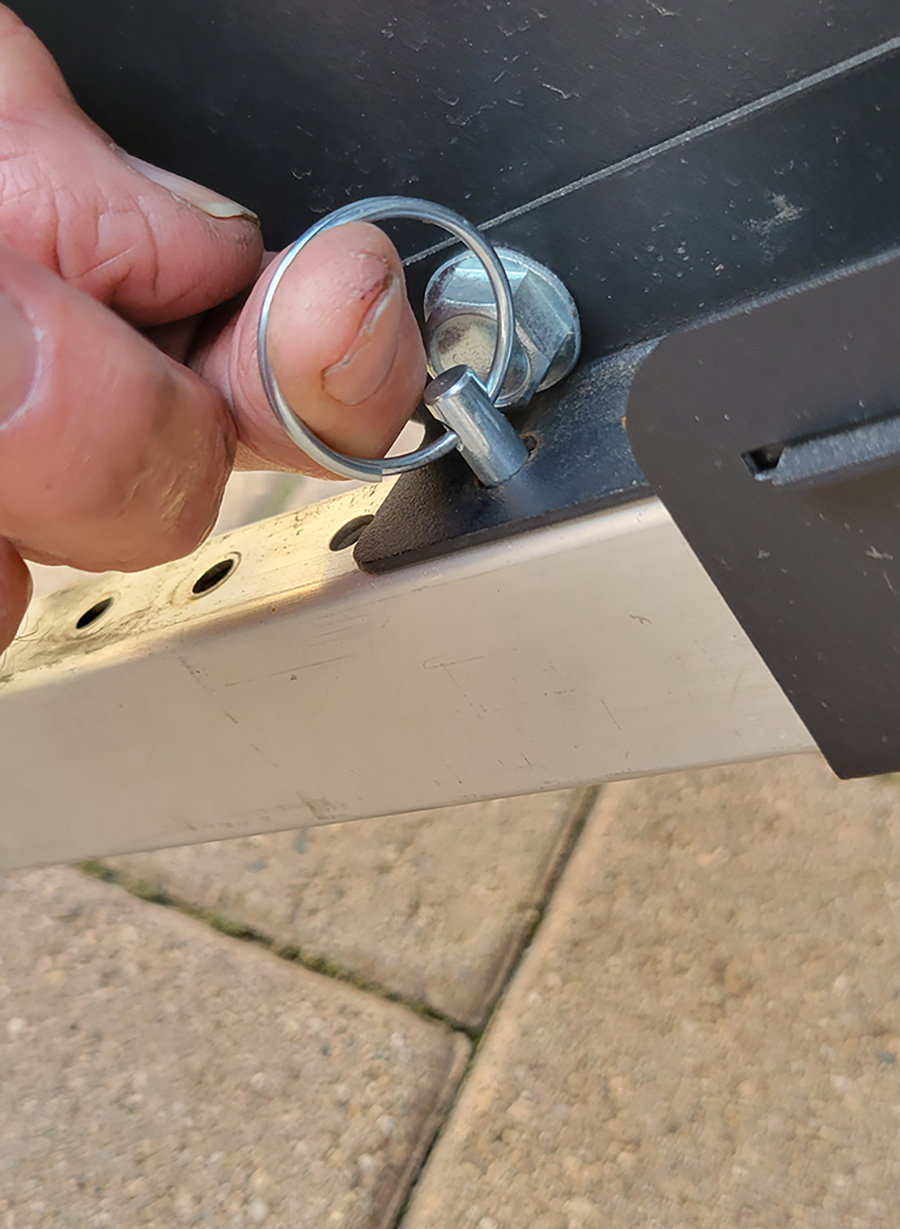
Entry steps that fold down from the doorway and provide solid contact with the ground have revolutionized how we get in and out of our RVs. Beyond the additional support these steps provide — and the improved safety factor — the adjustable legs make it easy to stabilize the steps on uneven terrain. The pins that hold the step assembly in place on Lippert’s Solid Step system do a great job of immobilizing the inner braces — but grabbing on to the end to remove can be difficult for those with short (or soft) fingernails. Replacing these pins with a counterpart with a spring-loaded ball-and-grab ring provides a much better grip.
While spring-loaded ball pins are common, Amazon sells a ¼-inch-diameter pin that’s 3 inches long (2.4-inch effective length) that fits perfectly. Just search Amazon for “2 Pack Quick Release Pin” and you should find the product listed ($8.99). These pins are designed for boat Bimini tops and are made of marine grade 316 stainless steel.
Pulling the pins with the grab rings makes it much easier to adjust the legs without reaching for a flat blade to get a good grip.

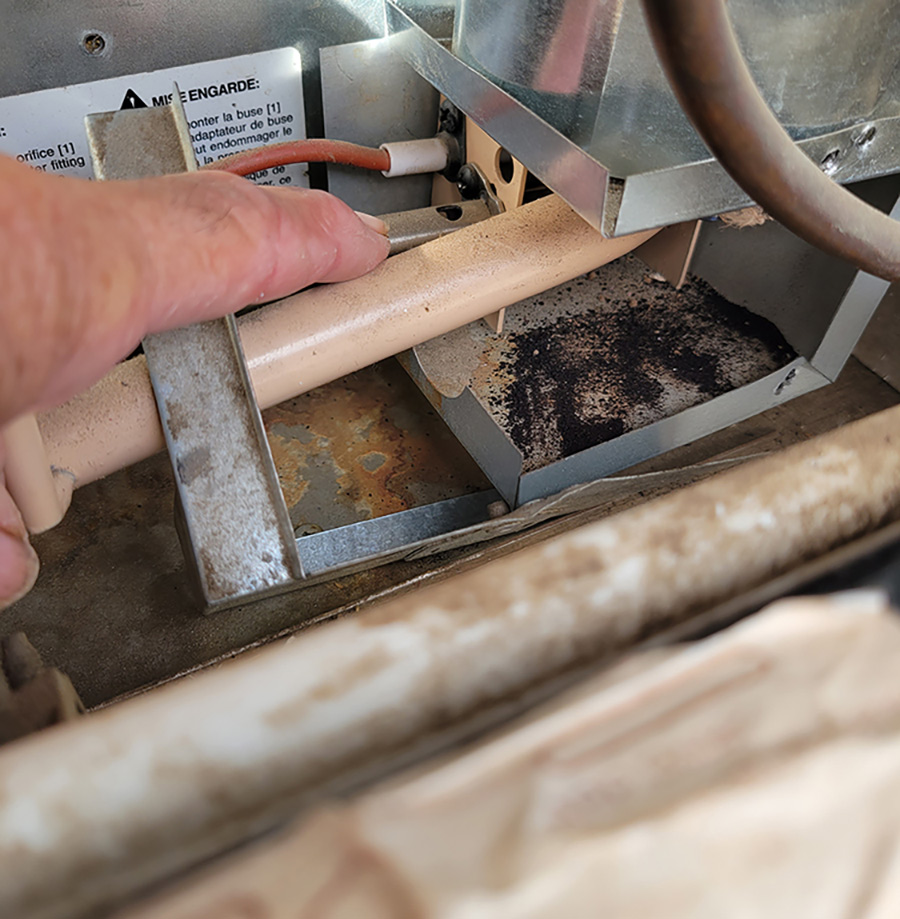
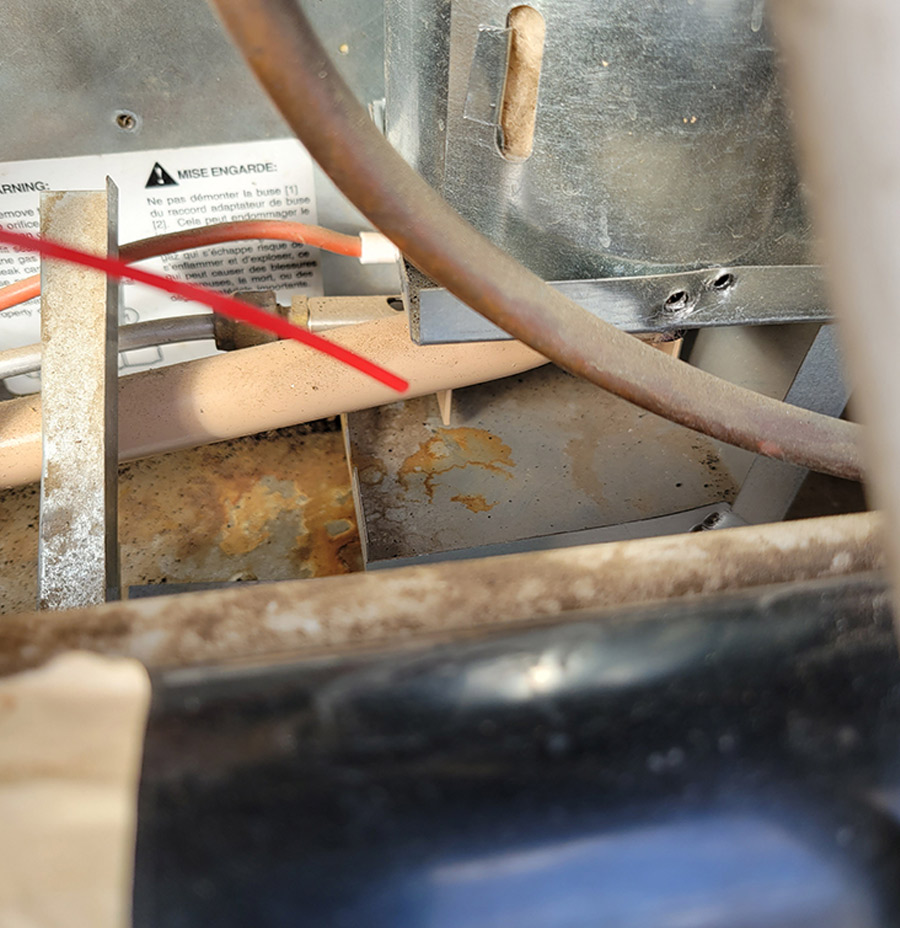
Over time, rust that builds on the inside of the burner tube in the back of an absorption RV refrigerator can impact performance — and it’s hard to access all the nooks and crannies with a brush to remove the offending accumulations. Compressed air will do the job, but not everyone has a compressor onboard — and failure to reduce pressure can cause damage.
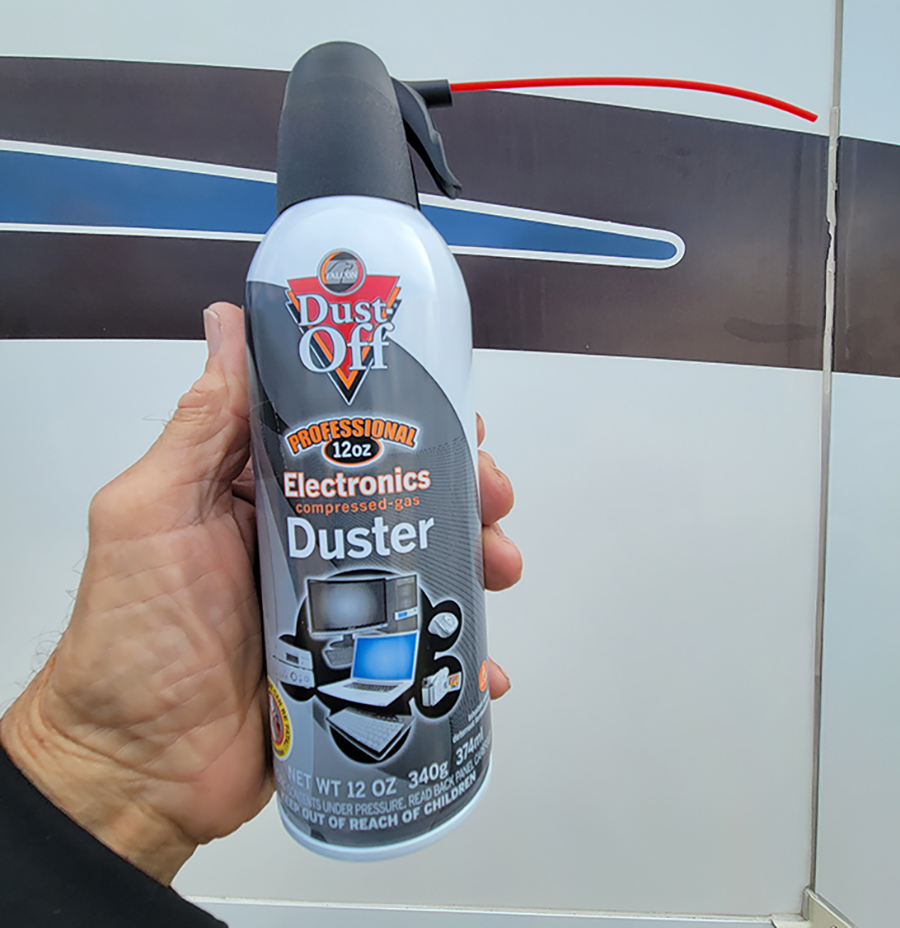
Canned air is the fast and easy solution.
Compressed air, packaged in a can and earmarked for cleaning electronic devices and keyboards, can be directed into the burner tube once the cover — accessed via the ventilated panels on the sidewall — is removed. The straw-type nozzle can be pinpointed directly at any rust build-up, which will be blown away from the area quickly. Falcon Dust-Off Electronic Duster, one such product, is well-known within the electronics community and can be purchased at Amazon for $7.39 a can. It’s actually rather expensive air, based on the 3.5-ounce size of the can, but it’s convenient and you won’t use that much at a time. There are other canned air products on the market which are less expensive, but we’ve had good luck with Dust-Off.
An added benefit: You’ll likely find many other uses for canned air in small areas around the RV.

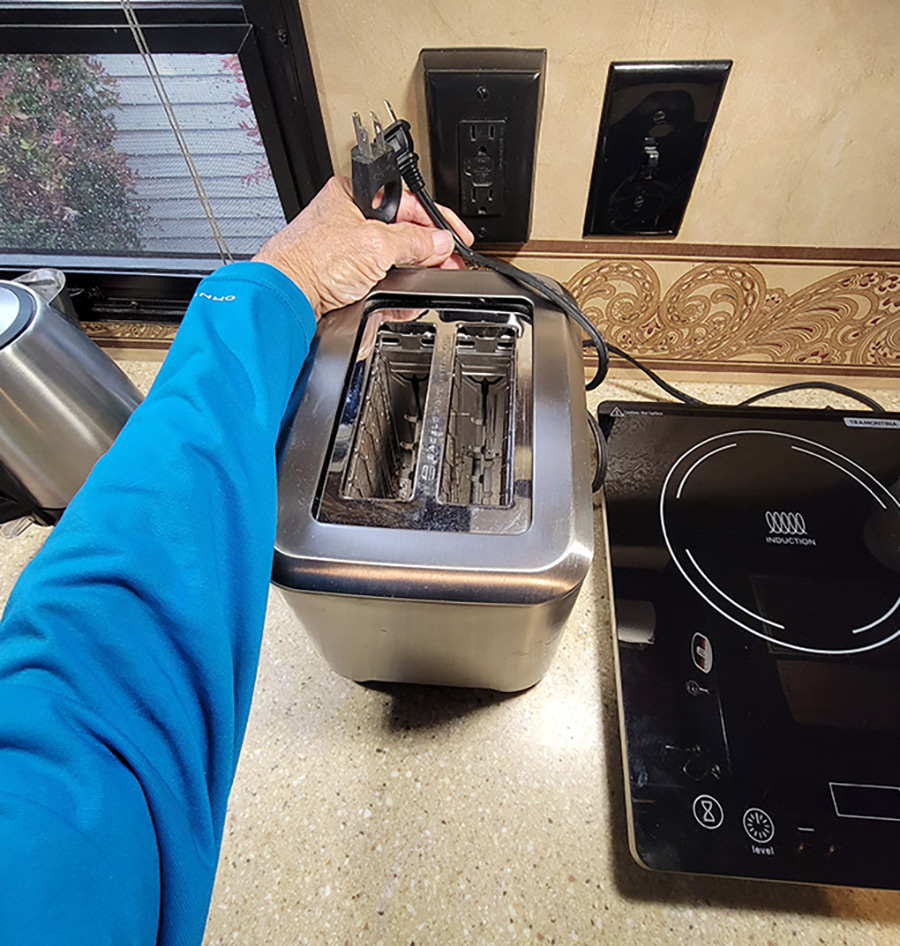
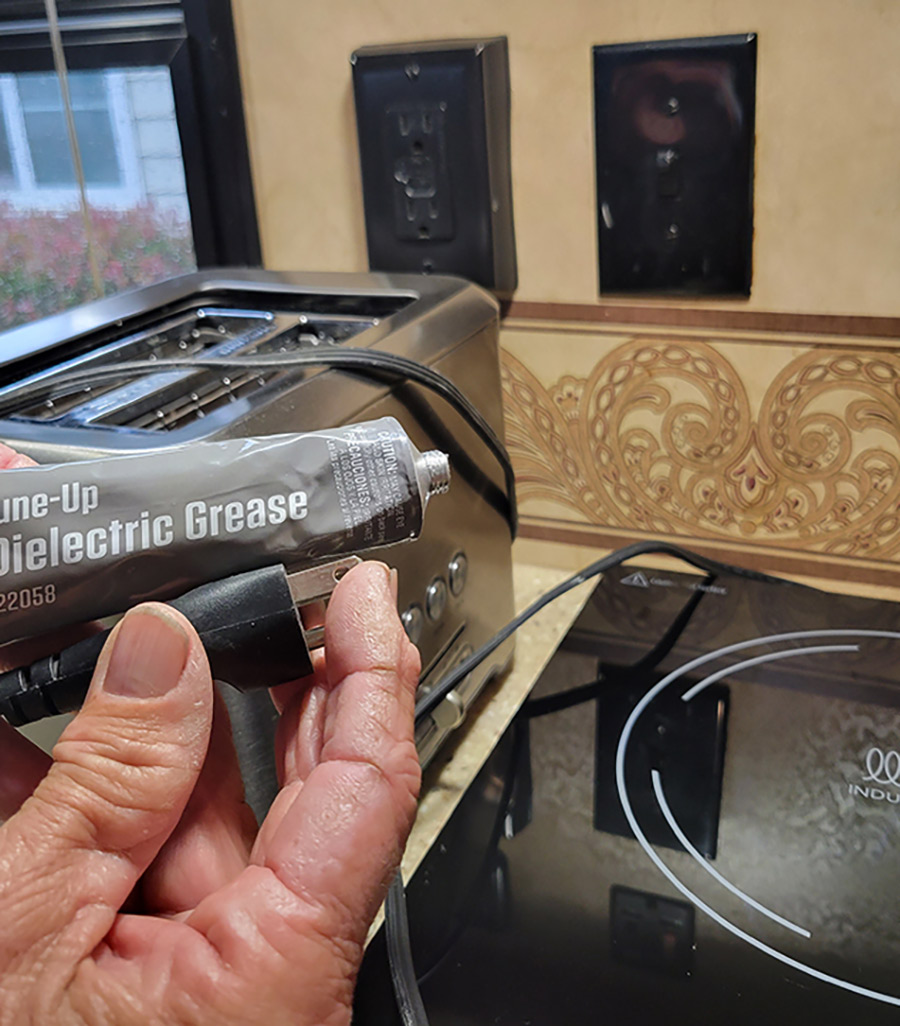
Plugging in an appliance or accessory to a 120-volt AC outlet is so common that most of us never even think about the process. Over time, though, the prongs can wear due to metal-to-metal contact — and result in a bad connection or arcing. This is more of a problem when the appliance is connected and disconnected from an outlet on a constant basis (common when RVing). Protecting the plug blades is as simple as applying a thin coating of dielectric grease.
Among car buffs, Permatex Tune-Up Dielectric Grease is a household product used to repel dirt, salt and corrosion — and it works well to help protect common 120-volt AC plugs as well. Amazon sells the dielectric grease for $8.99 and it comes in a 3-ounce tube.
Dielectric grease can be used for several electronic applications and makes using household plugs work smooth as silk while preserving the integrity of the connection.