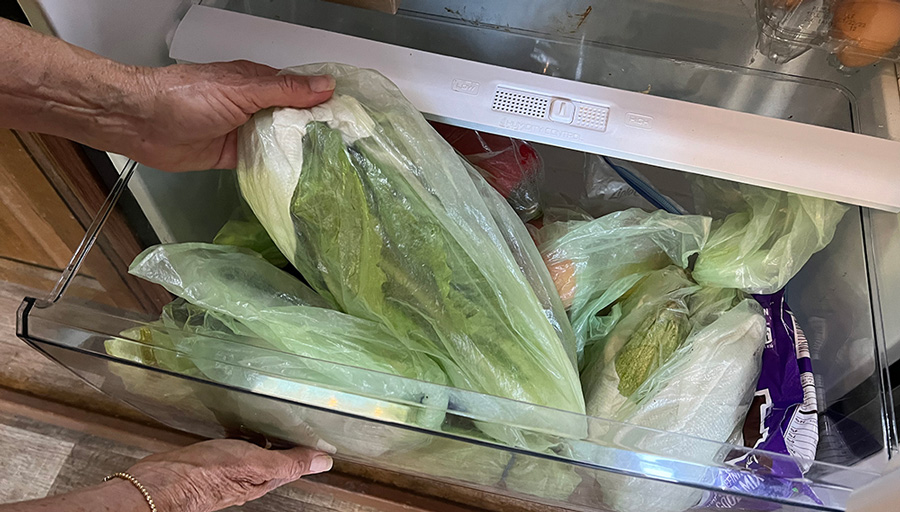


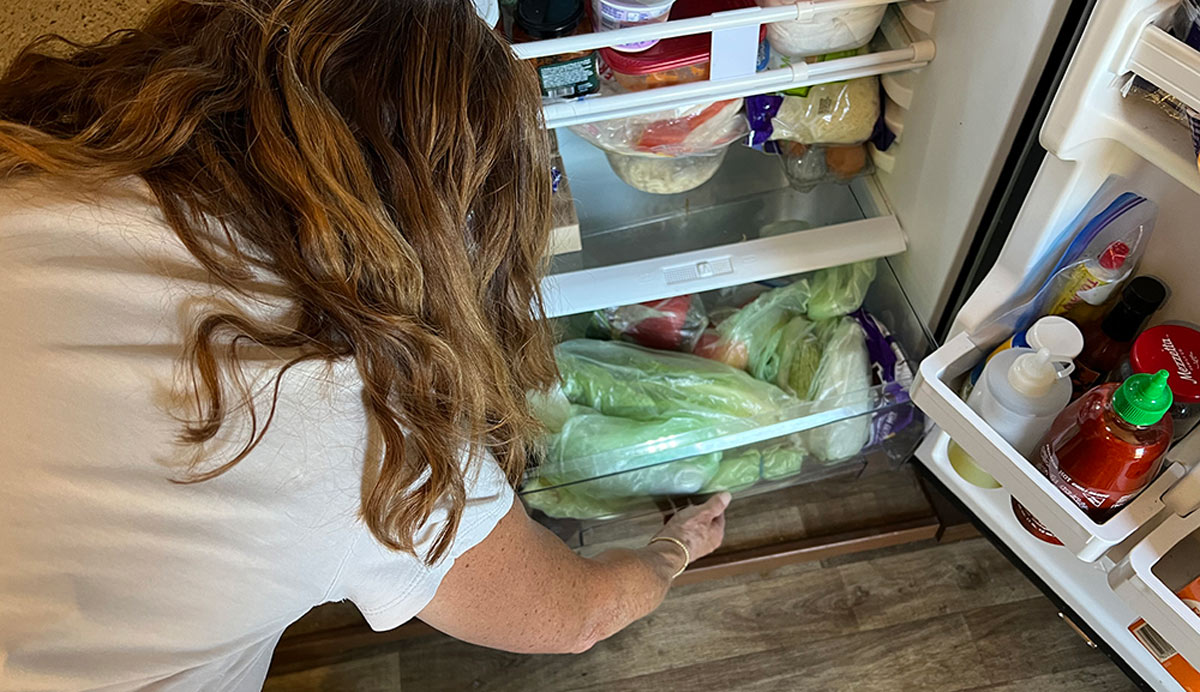
toring fruit and vegetables seems like a simple enough proposition, but for most RVers, there is a certain amount of spoilage that translates into a waste of money and more runs to the grocery store to replenish the refrigerator. The Internet is chock-full of products designed to store food, including the more common plastic bags and containers (which, at the least, may help you stay organized). Most containers, however, are bulky and take up precious space in the smallish confines of a typical RV refrigerator.
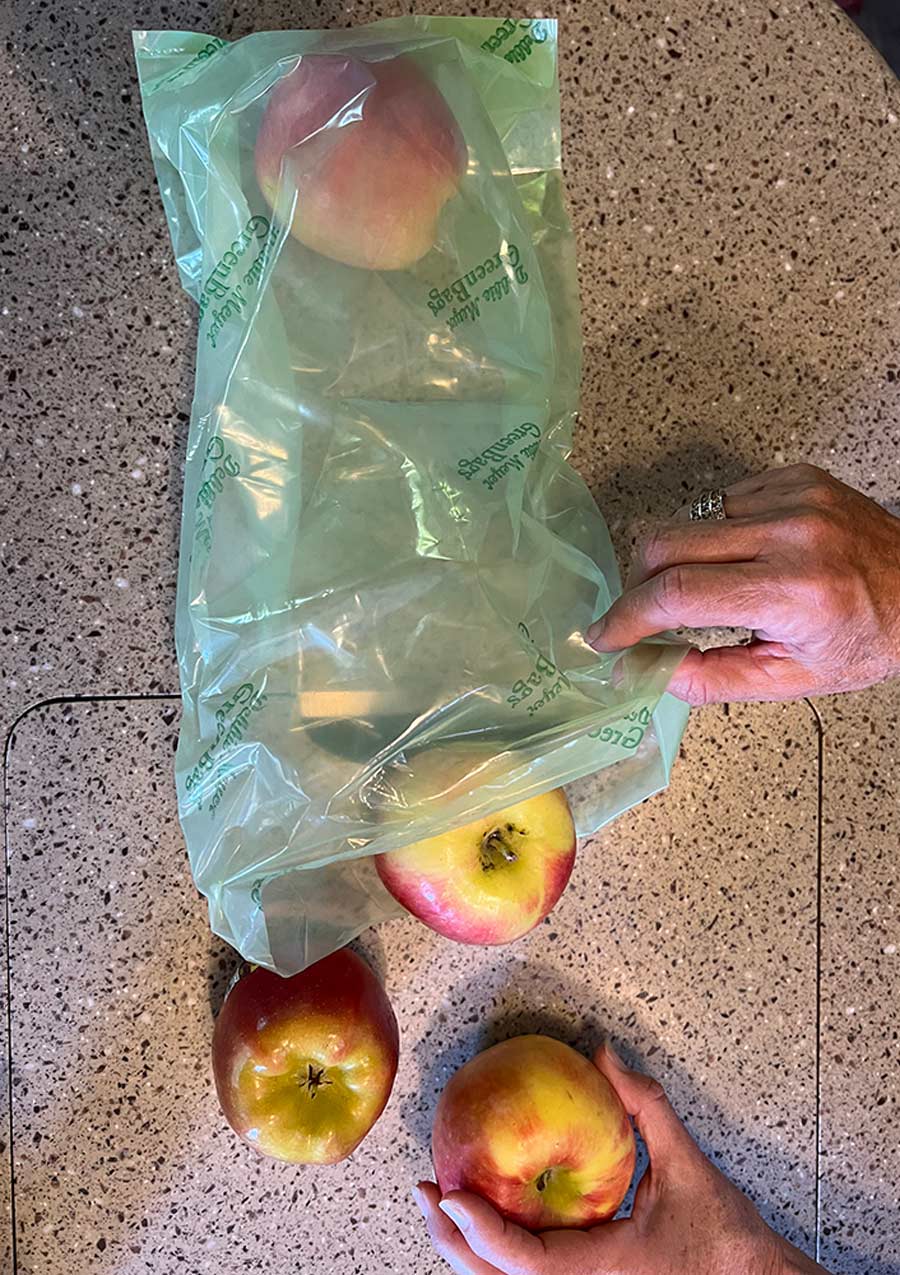
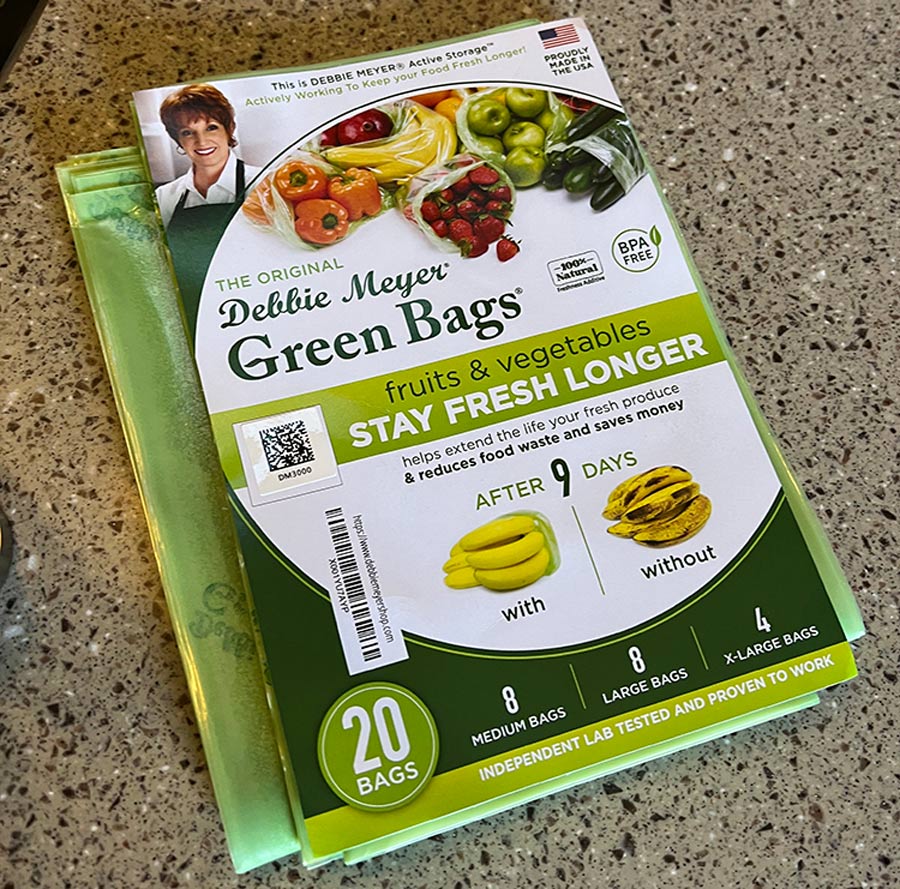
My wife, Lynne, discovered the solution to spoiled produce many years ago — special green storage bags designed to prolong the life of fruit and vegetables. The first ones were marketed without much hype, and we were told that they were invented in Japan. Nowadays these bags are marketed under the Debbie Meyer Green Bags moniker and are readily available on the Internet (debbiemeyershop.com).
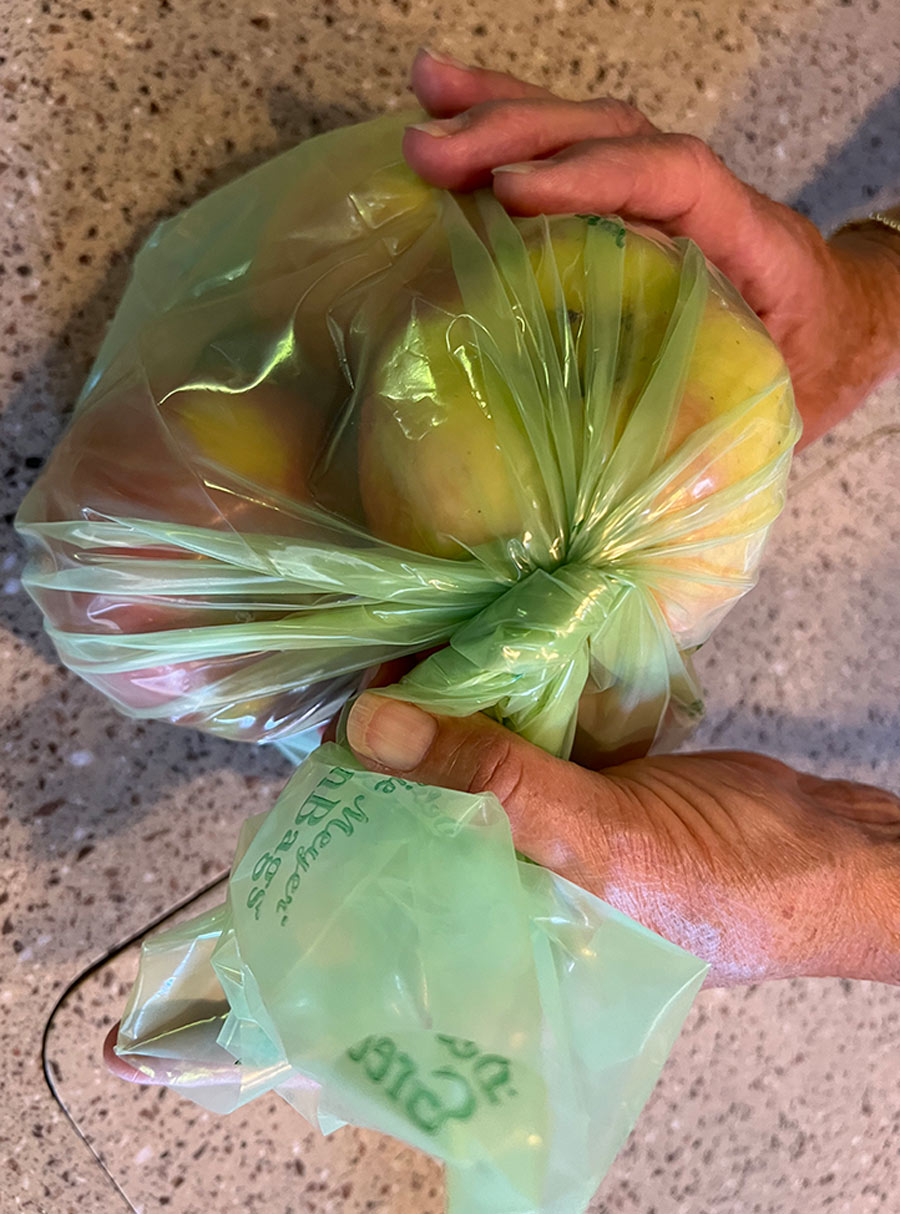
It’s hard to imagine how bags can make such a difference in produce longevity, but they extend freshness for many days — and in some cases, even weeks. Fruit and vegetables release ethylene gases as they ripen naturally, which promotes aging and spoilage. The bags somehow absorb these gases, thereby isolating the produce during storage which prevents premature spoilage. While the bags can be used to store produce inside the refrigerator on a shelf, the big side benefit is the ability to compress filled bags into the limited space in the refrigerator’s crisper drawer. There’s no doubt that storing produce in bags is more space efficient than using containers.
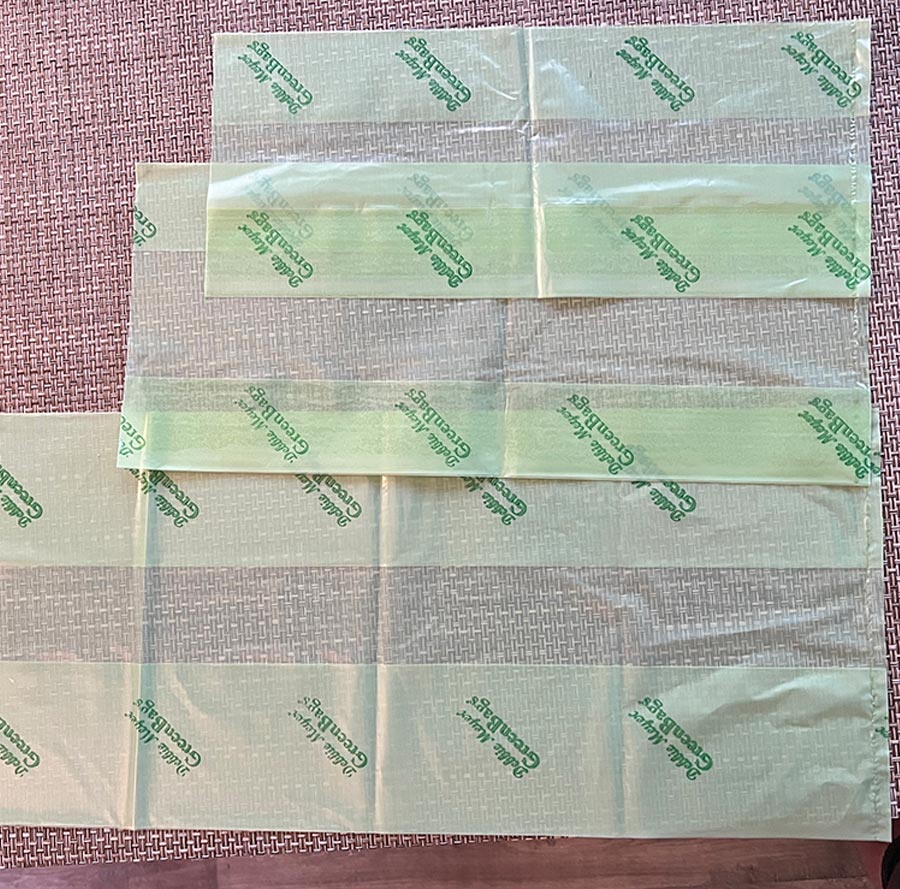
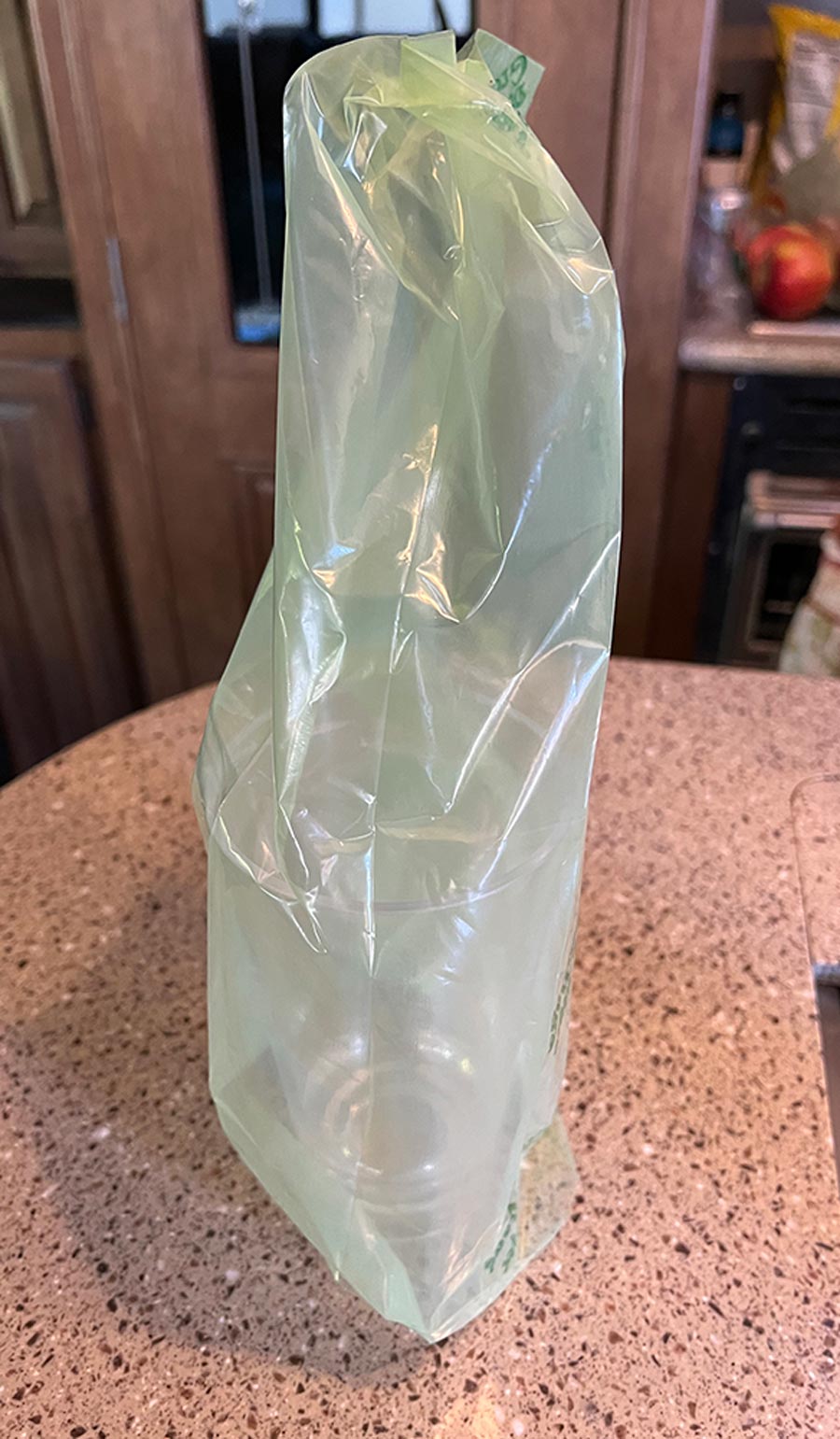
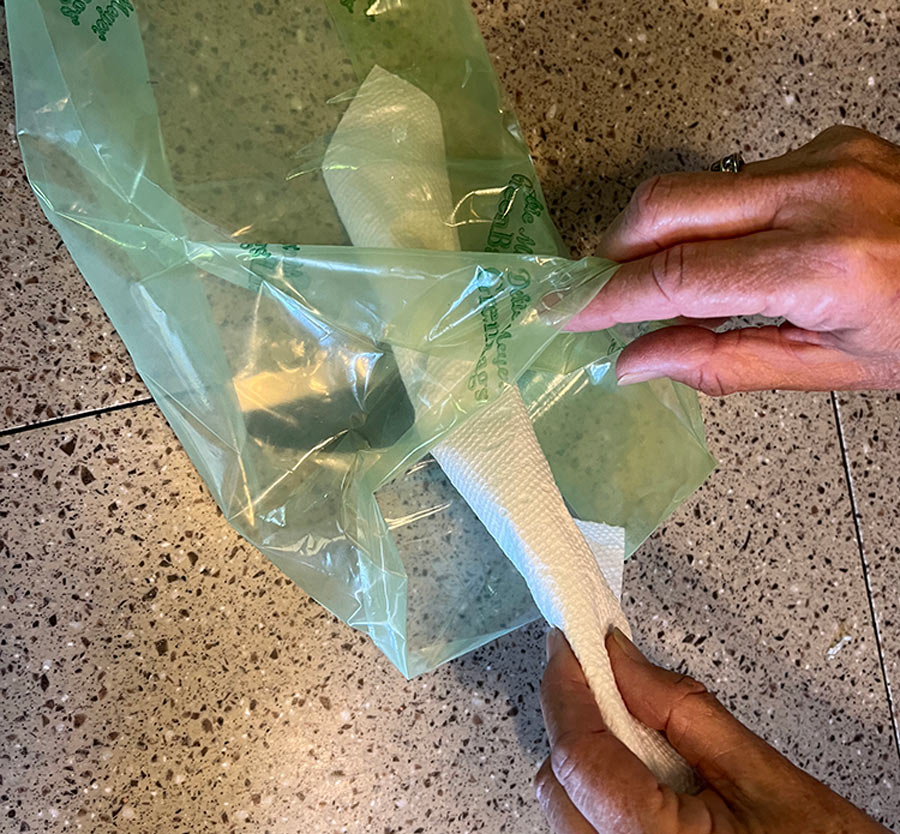
Know that the bags will naturally collect moisture and should be wiped out with a paper towel as needed. As a matter of fact, we wash the bags and place them over a cup or similar item and allow them to air dry. While the instructions on the Debbie Meyer bags suggest the bags can be used several times, we’ve had some of our bags for the better part of a year and they still work fine.
Debbie Meyer Green Bags are available in 20-, 32- and 40-bag packages; we bought the 20-bag version on Amazon for $11.99, which includes eight medium, eight large and four X-large bags. The larger bags are best for romaine lettuce, squash, cucumbers, apples and other similar size produce; the smaller bags are good for berries, etc. The company claims that bananas will last nine days, but we’ve yet to test that claim because we eat them too fast.
The Green Bags are strong enough to withstand quite a bit of tossing around on the counter and in the refrigerator’s crisper drawer. They are BPAfree and made in the U.S. Based on today’s prices for produce, Green Bags are a great investment; in our household we rarely see deterioration of fruits and vegetables — unless, alas, they end up on the bottom of the drawer and we forgot they were there.