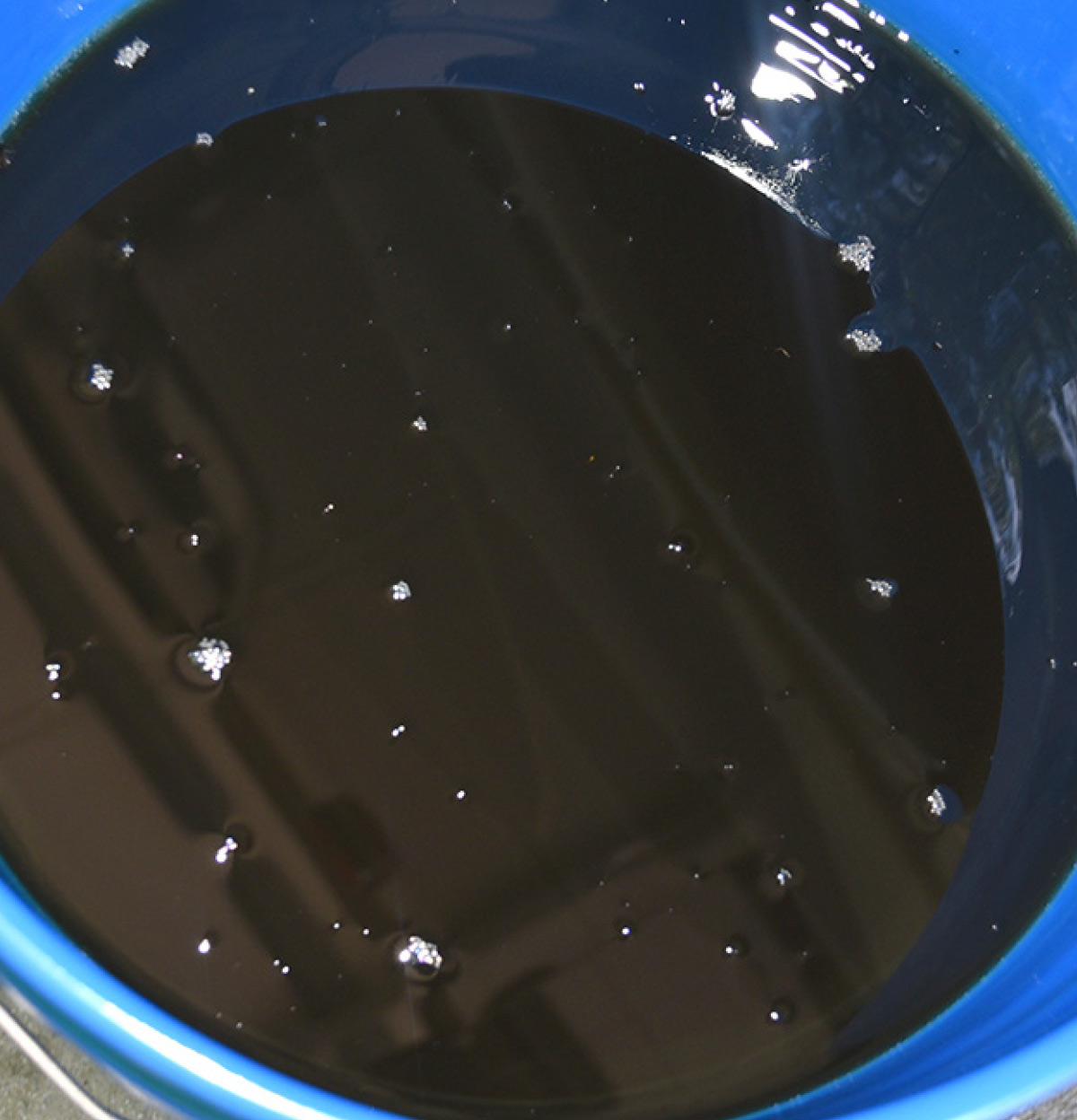


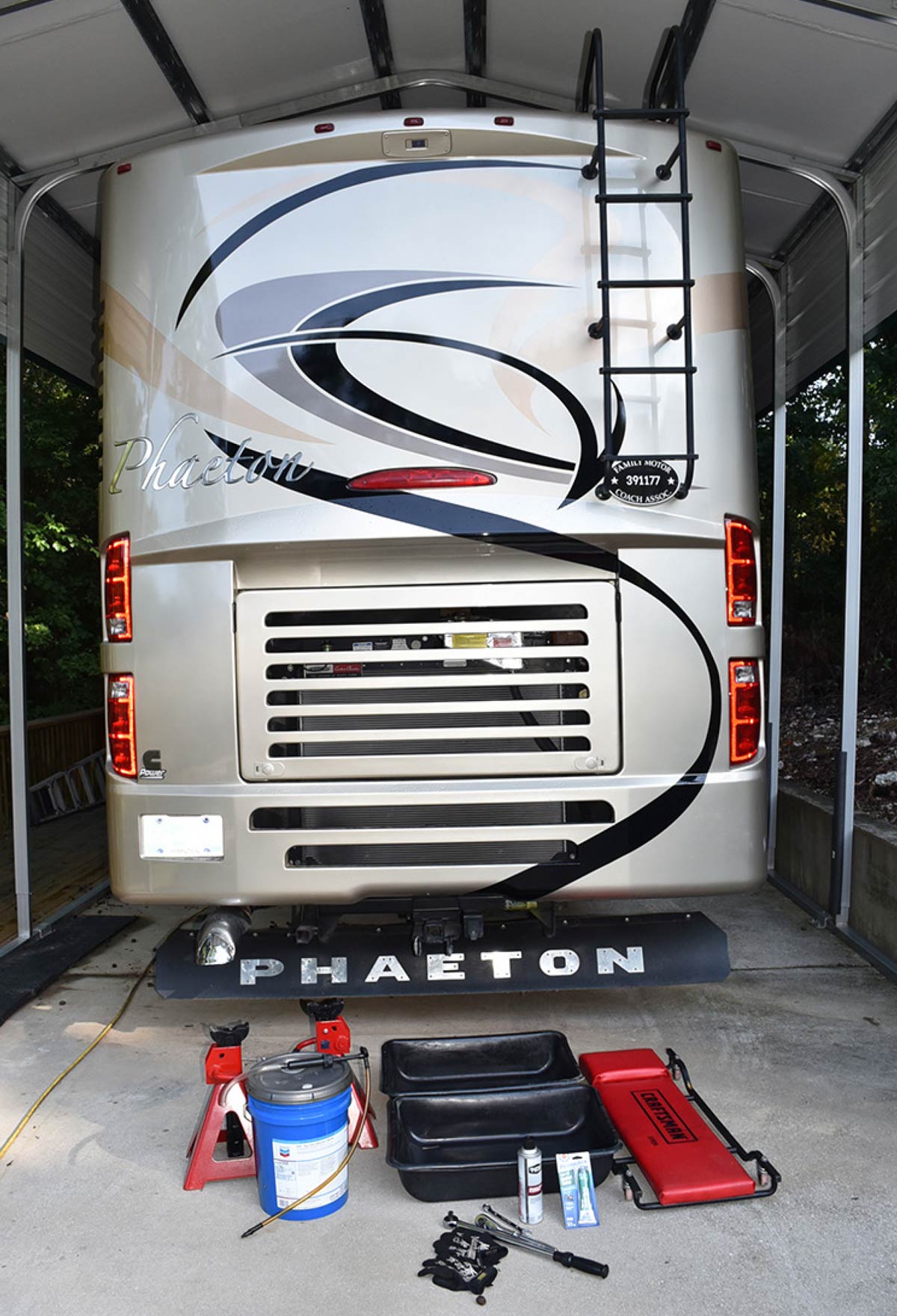
erhaps one of the most overlooked maintenance items in a RV or a tow vehicle is the rear differential. In any rear-wheel-drive vehicle, it is the rear differential that accepts the engine output and converts it to rotational force sufficient to propel the motorhome/tow vehicle forward. Not surprisingly, transferring this force can build up a lot of heat, which is why the large ring-and-pinion gear inside the differential is partially submerged in gear oil — that oil is there to not only lubricate the gears but also to cool them and prevent corrosion. And much like an engine, that oil will eventually break down and need to be replaced.
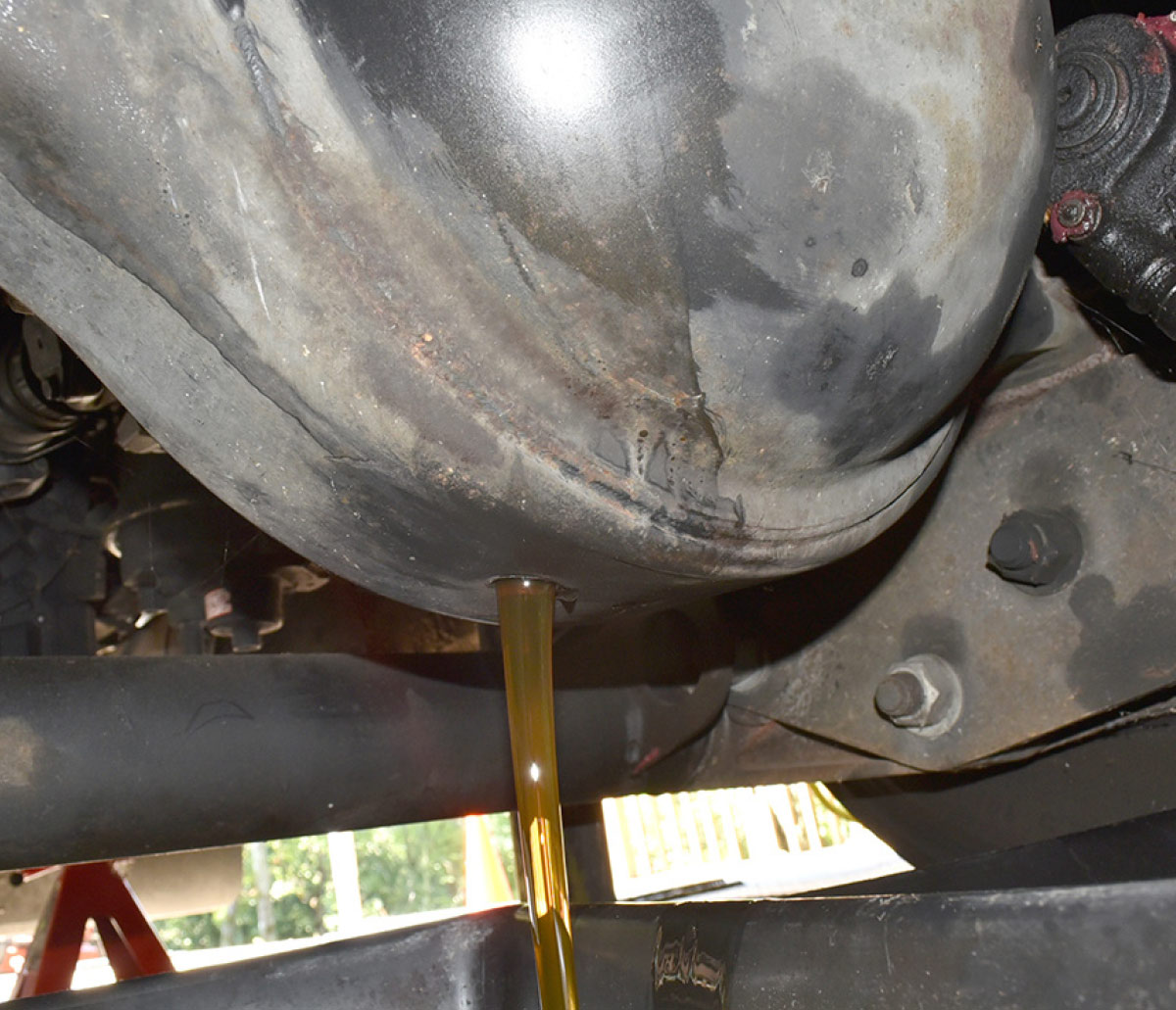
The process of changing gear oil is one of the simplest of all the maintenance items on a motorhome or a tow vehicle, yet many people are afraid to perform it themselves. Granted, simple doesn’t always mean easy — but with only two wrenches required and two oil plugs, there really isn’t much to this chore in terms of complexity. The only real challenge to doing this yourself is the volume of fluid that has to be handled. In the case of this Freightliner Class A motorhome, the rear differential holds 17 quarts. That’s almost five gallons, and capturing and refilling the oil is the only difficult part of the entire operation. Fortunately, most trucks and SUVs have a much smaller differential; therefore, it’s a lot easier project to undertake.
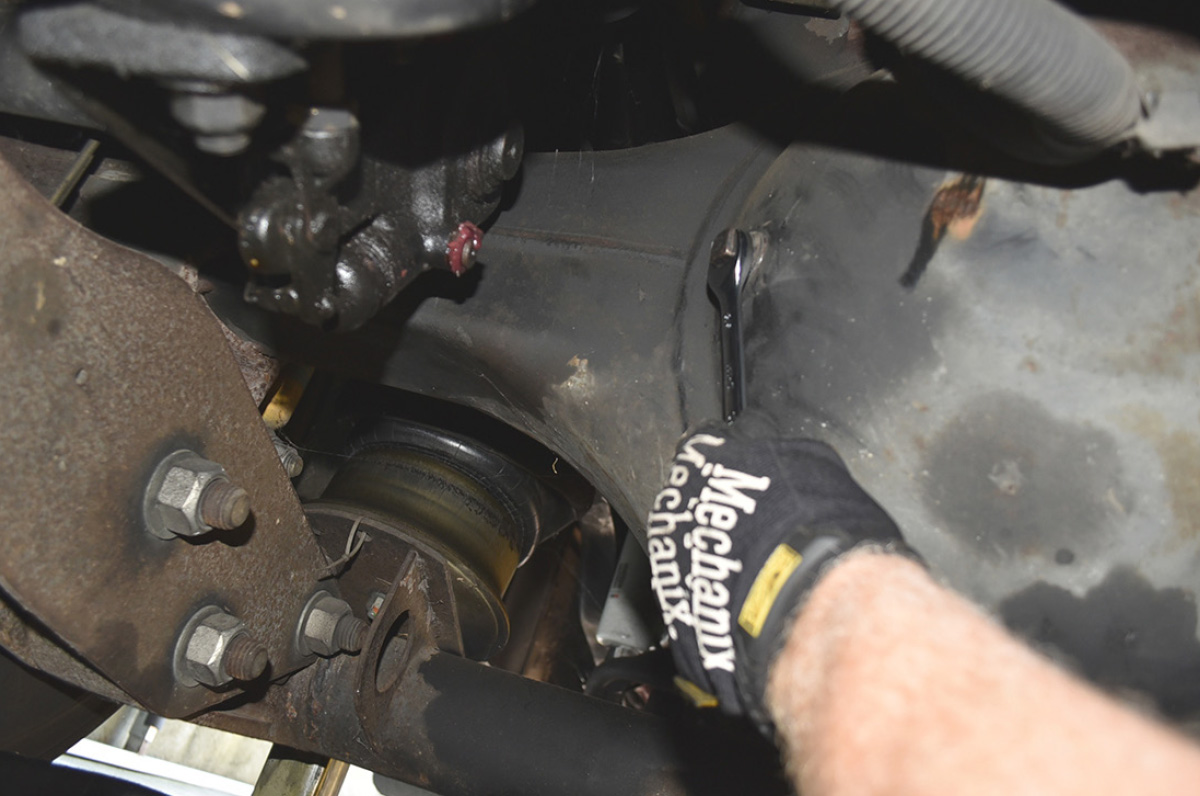
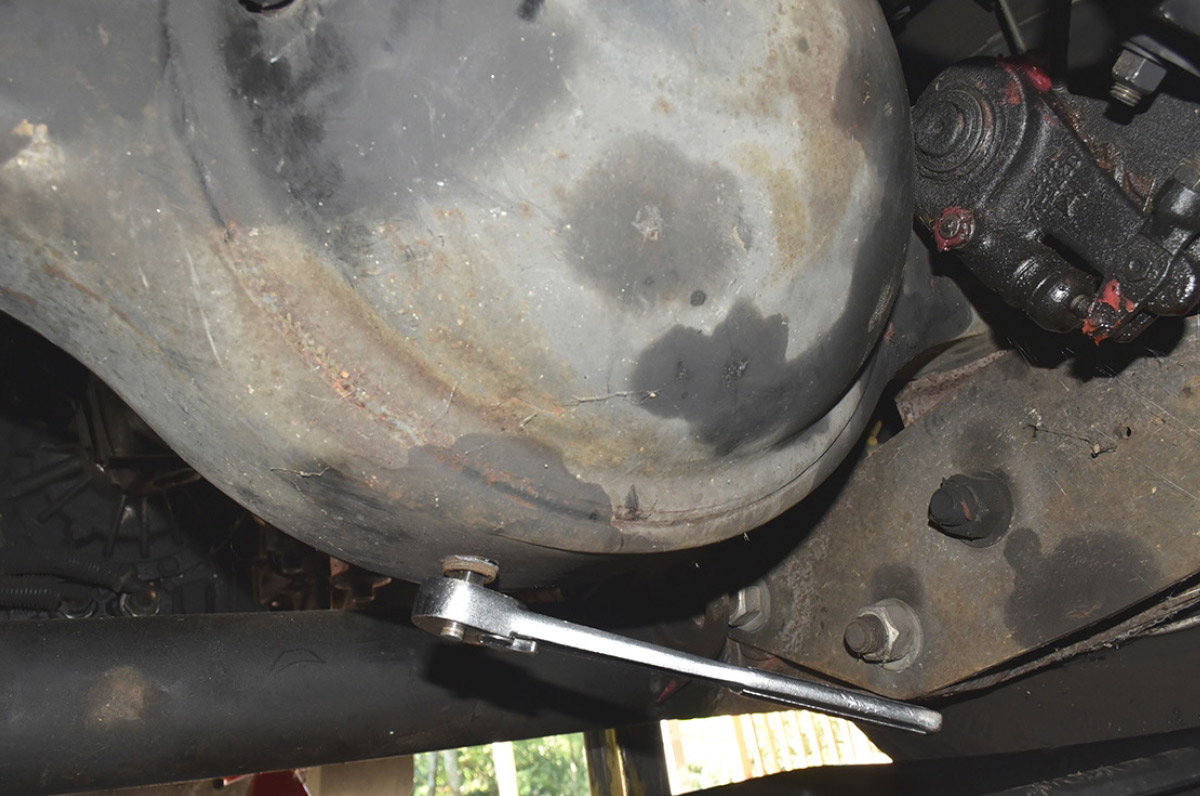
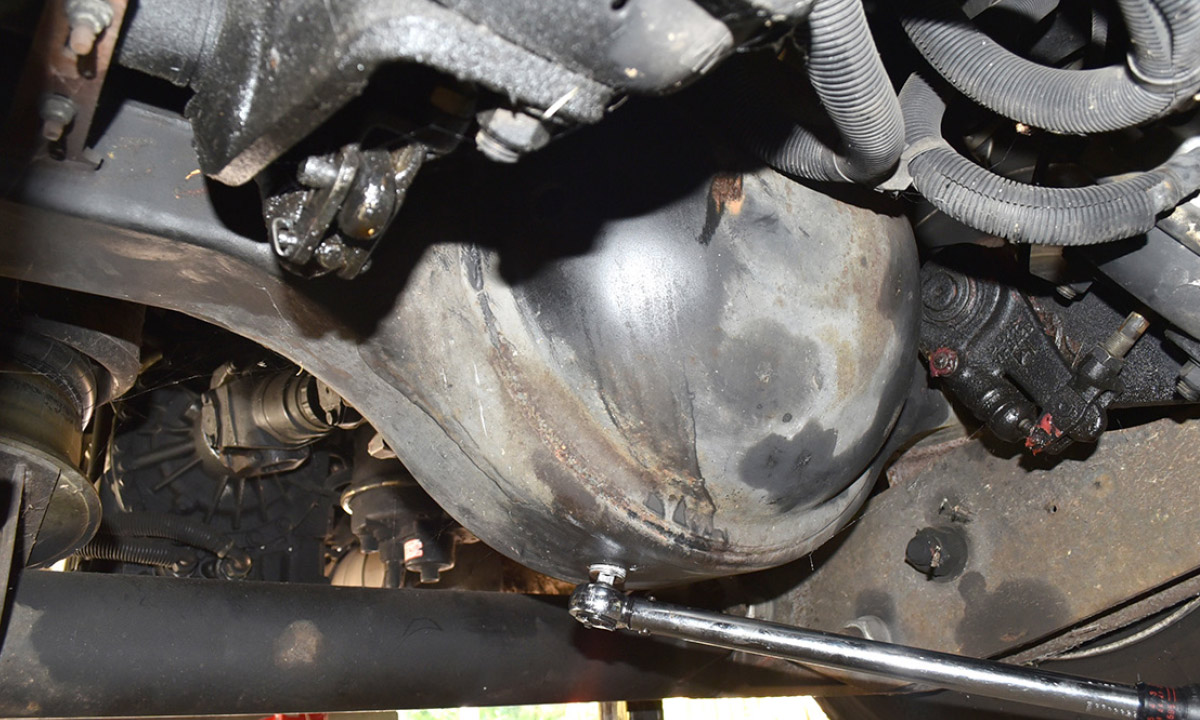
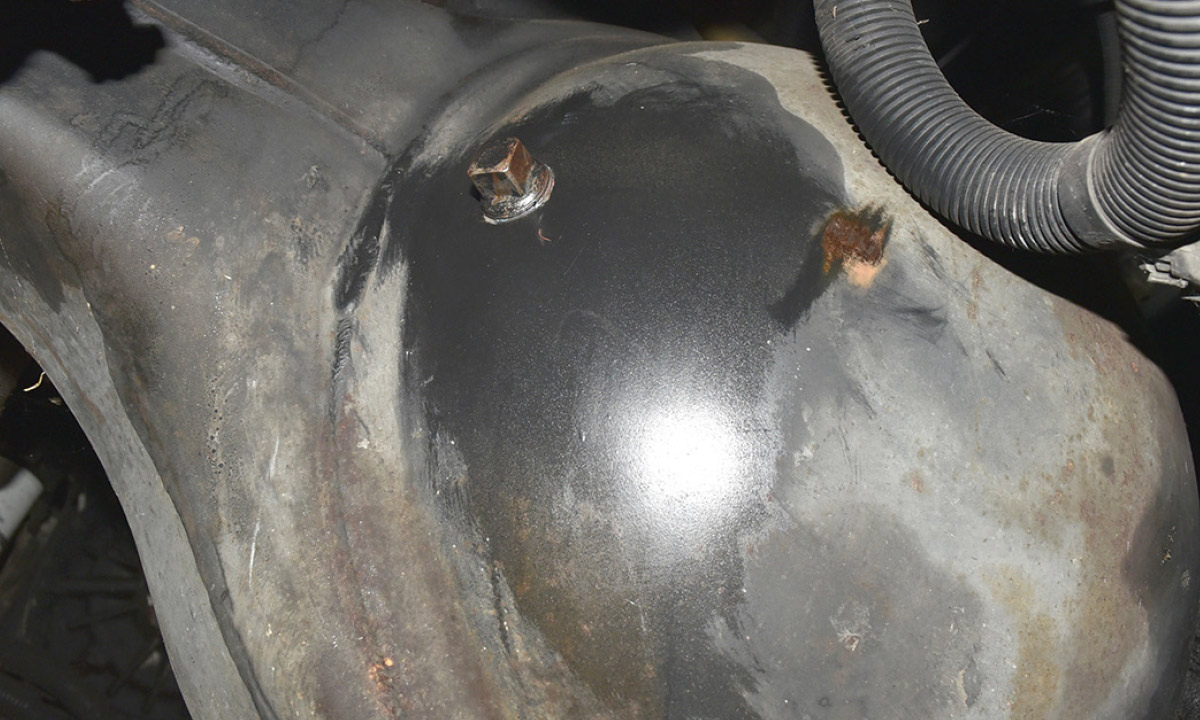
On this chassis, the Meritor 19-145 rear axle used here has a drain plug and a separate fill plug, so there are only two plugs that must be removed, cleaned and reinstalled. If you have a typical pick-up truck or SUV, your model may or may not have a drain plug. Some models do, some don’t. In the case of those that don’t have a drain plug, you may have to remove the differential cover to drain it and then refill it through a fill plug located on the upper part of the differential. If your vehicle requires the differential cover to be removed, it’s a good idea to replace that gasket as well after opening it. Otherwise, the basic process here is the same for most rear-wheel-drive differentials (four-wheel-drive vehicles have both a front and rear differential).
The service interval on differential oil changes varies widely depending on the manufacturer, type of differential and its service usage. A typical automobile not used for towing may have very long service intervals. However, if you are towing a trailer then you likely fall under the “severe use” category, and the manual will have much more frequent drain intervals. Check the manual on your vehicle and follow it closely regarding the service interval.
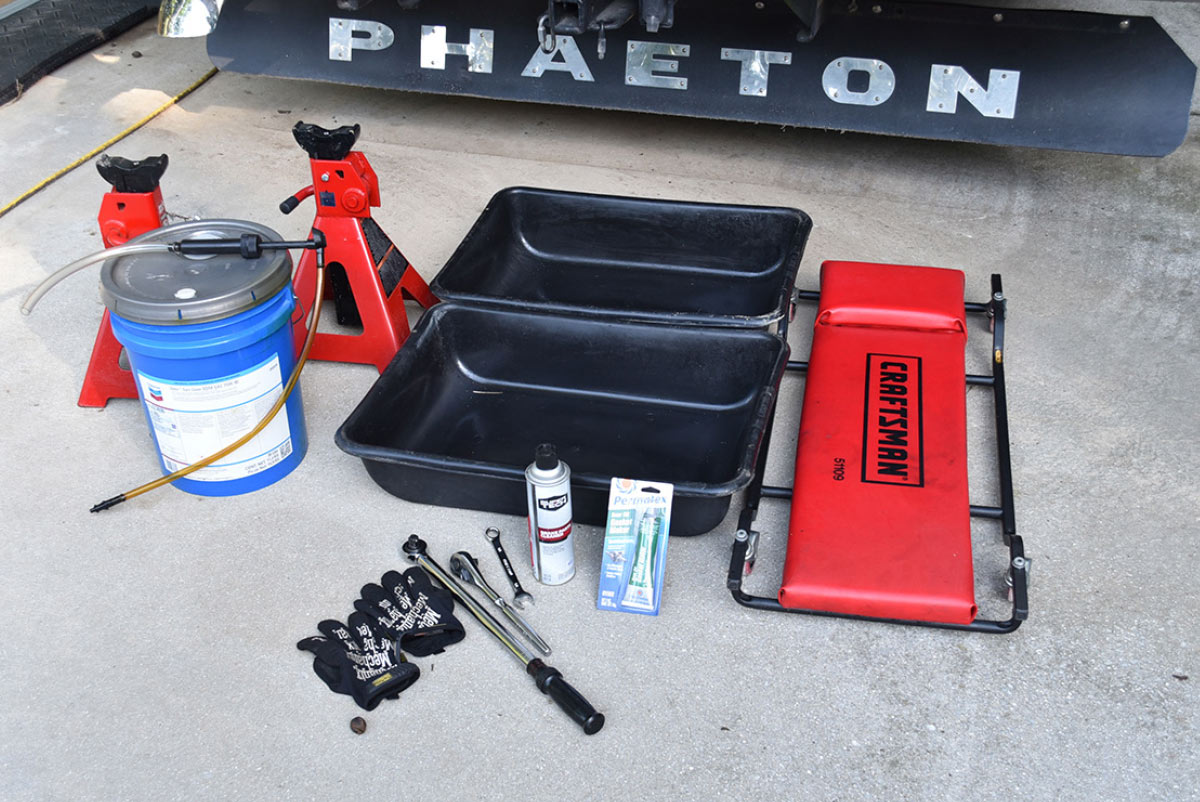
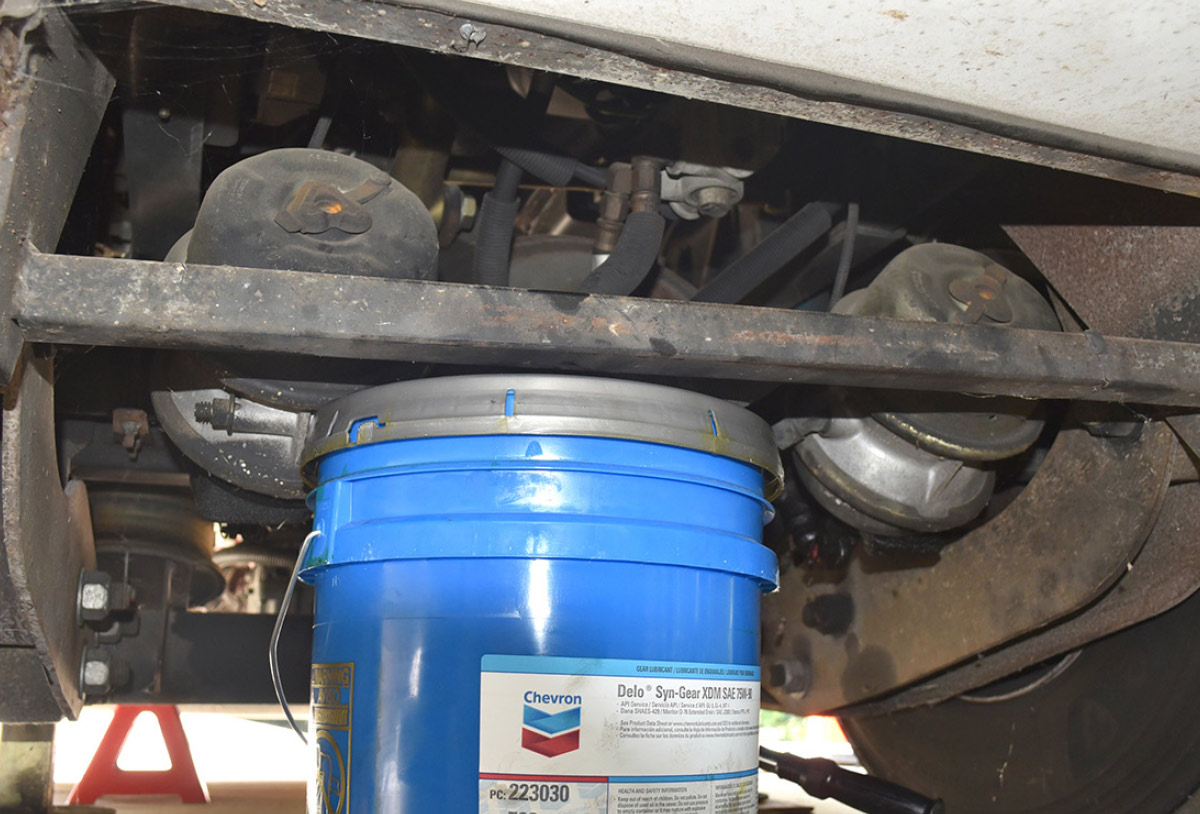
For this motorhome’s rear differential, the suggested drain interval is a maximum mileage of 50,000 miles or annually if you use a conventional petroleum-based oil, or a maximum of three years or 250,000 miles if you use one of the O76-N approved extended-drain-interval synthetic oils. The latter is the approach we took, and we purchased Chevron Delo 75W-90 XDM full synthetic oil. Chevron makes a wide range of heavy-duty lubricants for construction and commercial vehicles, and we know buying a major brand like this ensures that the oil is high quality and does in-fact meet all the specs advertised. We purchased it at a local petroleum supplier in a 5-gallon tub for just over $200. If you have a large differential, buying a 5-gallon tub is a much more economical option as opposed to buying quarts or gallon jugs — just know transferring the large volume of oil from the tub to the rear axle is a bit of a challenge and it is more difficult than squirting multiple bottles or one-quart easy-dispensing bags of oil. Using a hand transfer pump, it took us approximately 30 minutes to transfer the 17 quarts from the tub to the rear axle. To make this even more difficult, it is a tight area under the coach so there is very little room to operate the pump while lying on your back.
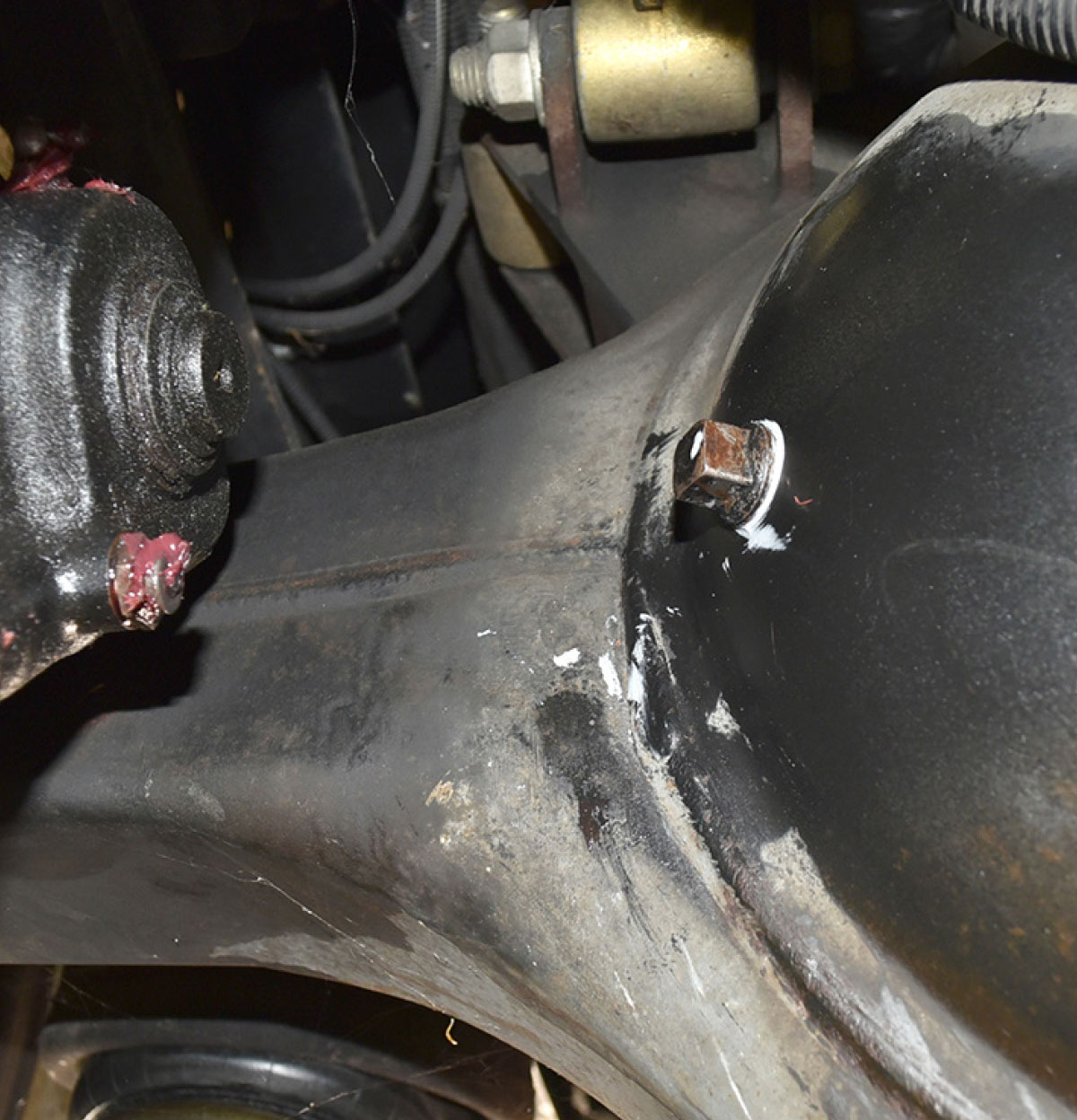
If you have ever serviced a rear differential before and experienced a weeping drain plug, you know what a bother that can be because there is no way to fix it other than to remove it (all the fluid comes out), apply some thread sealant and reinstall it. To avoid this potential problem, we purchased a Permatex sealant called Gear Oil RTV (Room Temperature Vulcanizing) Gasket Maker made specifically for use on differential covers, etc. In our application we didn’t have to remove a cover, but we used a small amount of this RTV on the drain and fill plug threads to prevent weeping later. If you must remove the differential cover to drain the fluid in your application, you can use this same product to reinstall the cover and prevent leaks there as well.
If you are working on the differential of a diesel-pusher motorhome there is one big difference from every other vehicle: the location of the fill plug. Since a diesel-pusher engine is located behind the rear axle, the differential fill plug will most likely be on the front side of the axle — meaning it is facing the front of the motorhome, not the back. On most all other vehicles — including gas Class A, B and C motorhomes as well as trucks and SUVs — the removable cover and/or the drain and fill plugs will be accessible from the rear of the vehicle.
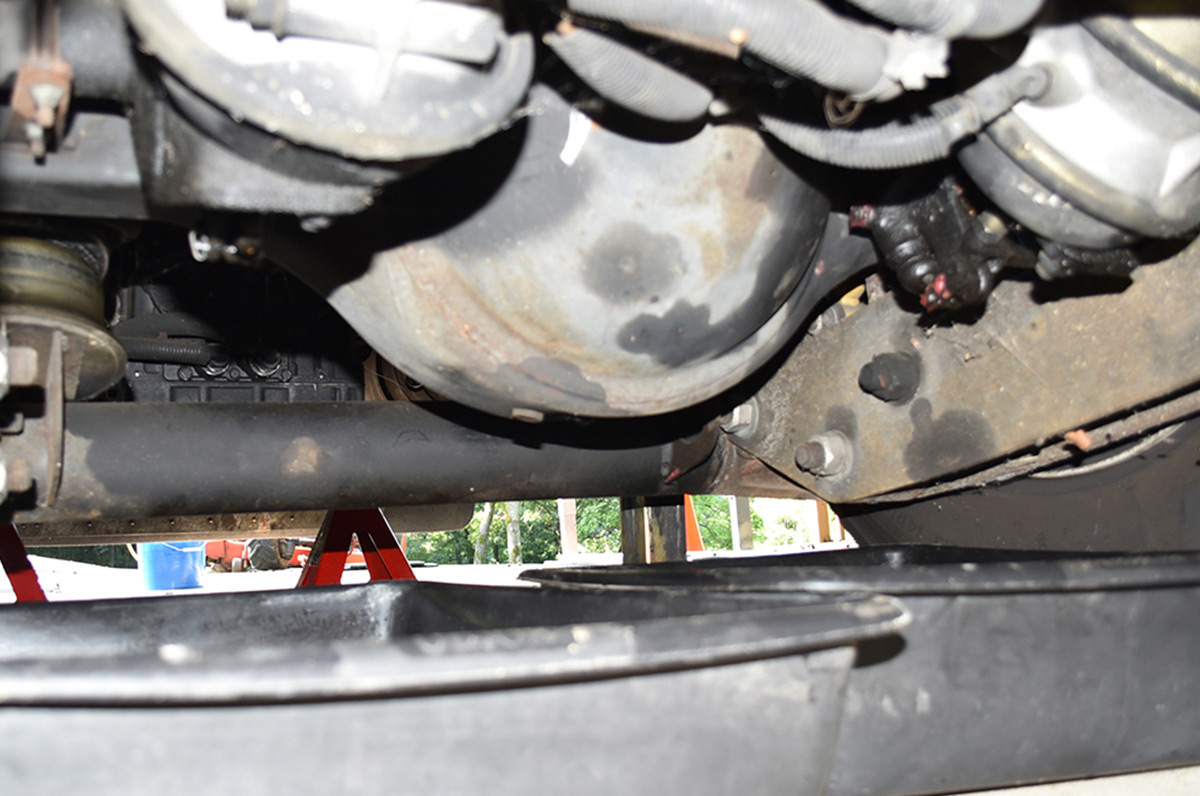
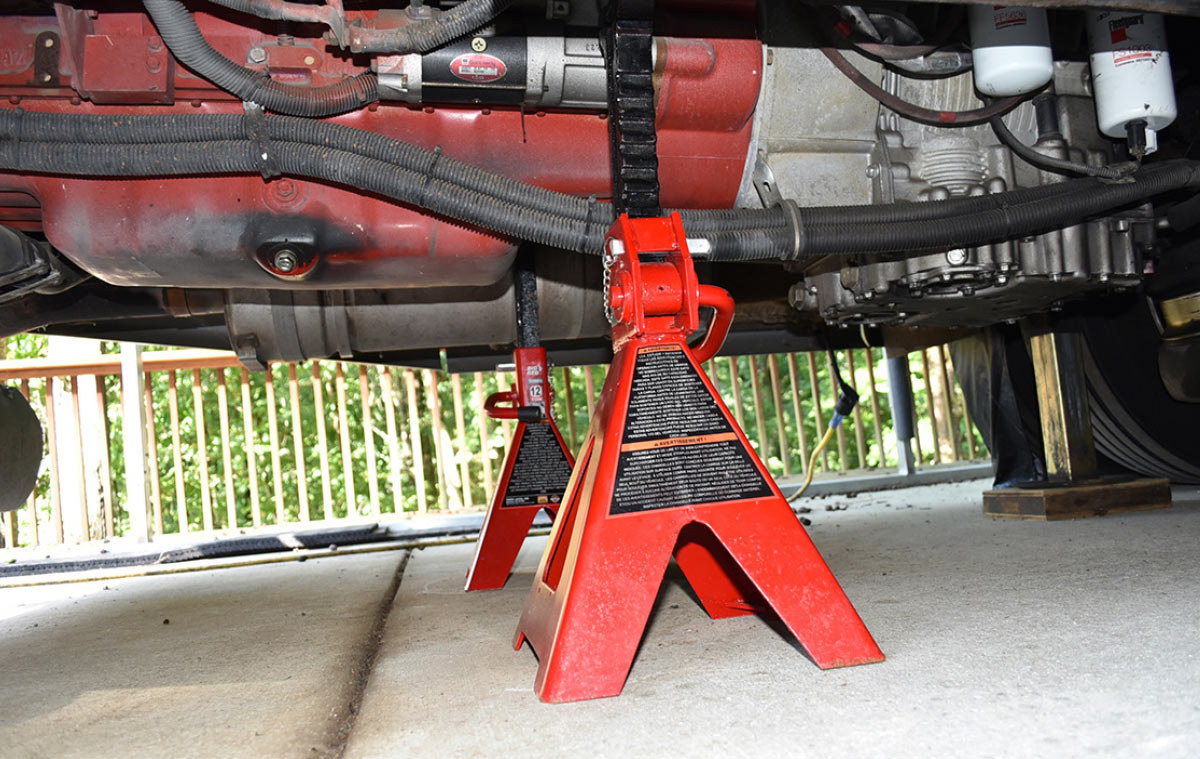
The first is safety jacks. Do not get under any vehicle that is supported only by the motorhome leveling jacks. In our case we raised the coach with the built-in jacks, then placed a pair of large stationary jacks under the frame of the motorhome. The frame is the only place that you should use for this. These jacks have a capacity more than the total weight of the rear axle of the coach, so we were safe should the coach jacks fail.
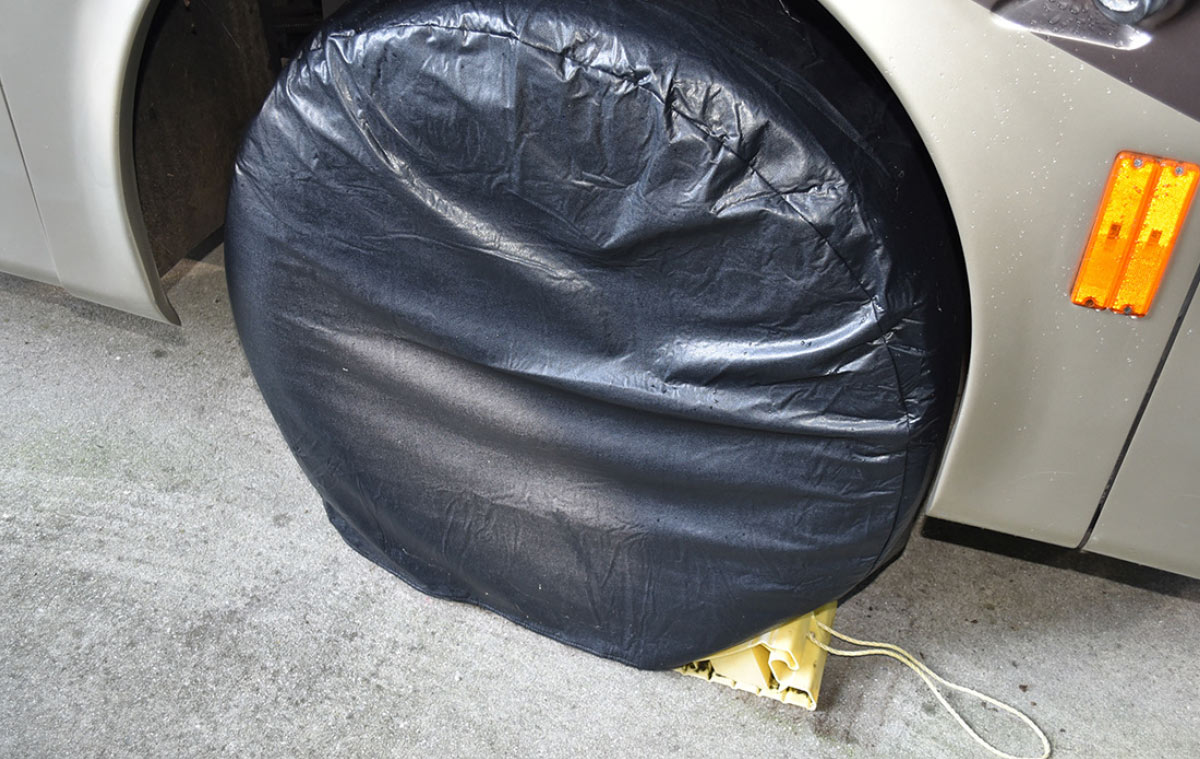
The next important item is wheel chocks. Ideally the vehicle should be parked on a level surface, but that is not always possible. To prevent the vehicle from rolling once raised, we also chocked the rear tires on both sides, and we are careful not to raise the rear tires off the ground and we set the emergency brakes. If you are working on a SUV or truck, you may be able to access the rear differential without raising the vehicle. If you do have to raise it, however, make sure it is safe and that there is no chance of it rolling. Other personal protective items you should use are safety goggles and we like to wear gloves to keep the oil and dirt off our skin. Your safety is your personal responsibility, so make sure you work in a safe manner for your situation.
Now, let’s take a step-by-step look at servicing the rear differential on this Tiffin Phaeton with a Freightliner chassis.