


Photos by author
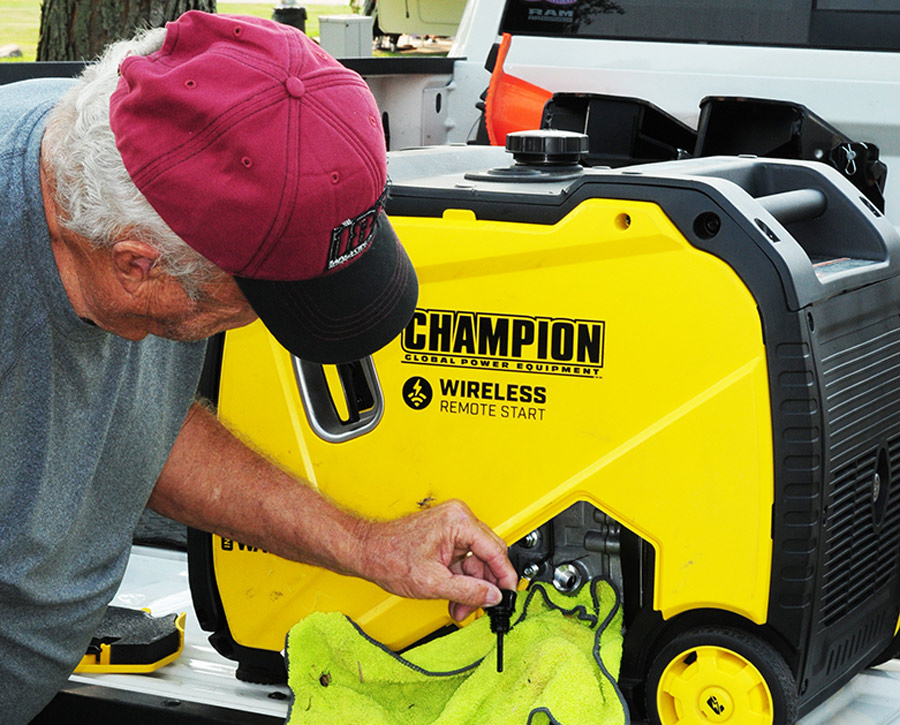
here’s no denying that Mother Nature is capable of throwing a curveball on occasion. Sometimes these occurrences are oddities — like snow in Florida — while other instances they have a very real impact. One such impact was the recent winter cold weather snap in Texas. I recently had an extended conversation with tech support from Champion Power Equipment, during which they said the company had been inundated with calls about generators not starting during the Texas winter power outage.
On a less-critical level, this same thing is happening now when so many RV owners are taking their travel trailers out for the first time in more than a year. And to a large extent, the problems can be traced to poor maintenance.
Generators Need TLC
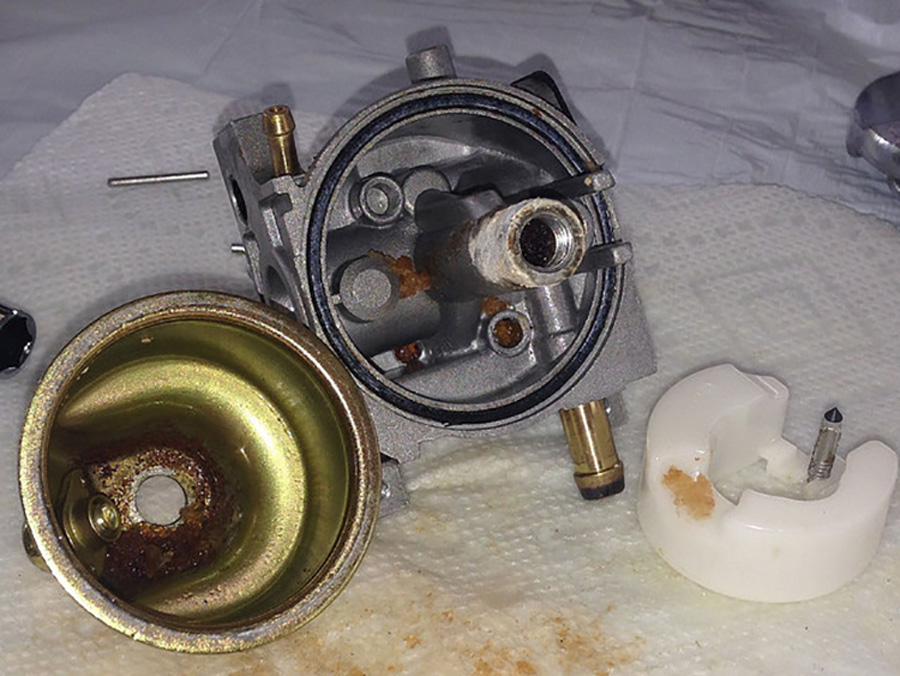
What’s the common thread here? Well, according to tech support, many of these generators have sat unused with gas in their tank for two years or more. What then happens is the gasoline evaporates out of the tank and carburetor, turning into a varnish. And no amount of carb cleaner is going to fix that. Fortunately, it really doesn’t take a whole lot of effort to maintain your AC genset.
For starters, it’s always best to run your generator’s fuel tank dry at the end of the season before you store it — and be sure to add a fuel stabilizer such as Sta-bil anytime you refill it with gasoline. It’s cheap insurance that will help stop the frustration the next time you need your generator.
Oil is important, too.
Another common problem, according to Champion tech support, is many generator owners never bother to change the oil. So long as they can see there’s oil in the crankcase, it must be OK, right? Wrong! Most manufacturers recommend an oil change every 100 hours of operation. Make sure you have extra oil and the tools to change it.
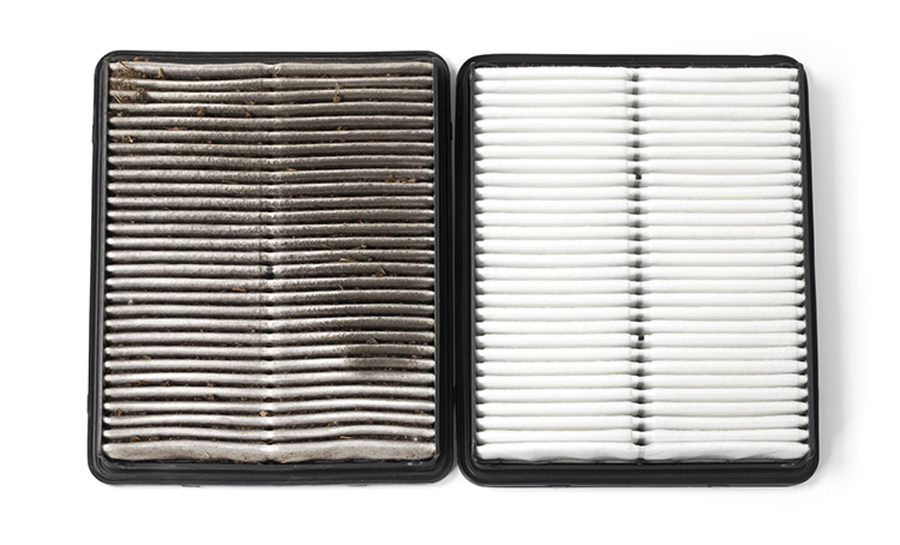
Lastly, your generator will have some sort of air cleaner that needs to be changed or cleaned regularly. Of course, how often you need to do this depends on number of hours run and how dirty the filter happens to be. That said, most manufacturers recommend changing the air filter every 200 hours or operation or at least once a year — more often if it’s in a dusty environment.
Cummins Onan recommends running a generator under a 50% load once a month. You should run any generator at least once a season (every three months). Running the air-conditioner in your RV is a good load; a 1,500-watt portable electric heater works as well. Just don’t leave it unattended.
Every generator manufacturer has a maintenance schedule in their owner’s manual. If you’ve lost your manual, you can download the PDF and print out the maintenance page for reference.
Residential Emergency Use
It’s one of the most frequent questions I hear: Can I use my generator to power my house in an emergency?
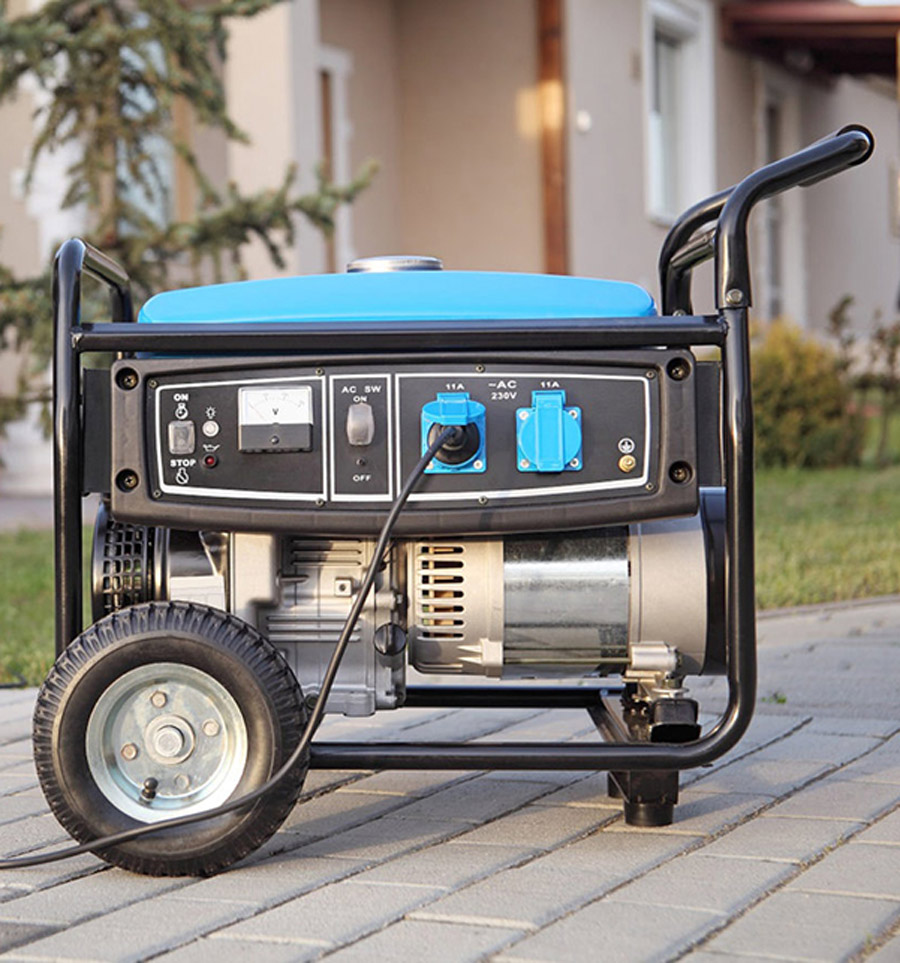
Well, it depends. If you’re talking about a portable generator like I covered in Part 1 of this series, you just need two things: The appropriate dogbone adapter (most generators 3kW and higher have a twist-lock outlet of some kind) and a way to plug it into your house’s electrical system. The first part is easy — you probably have dogbone adapters a’plenty from camping. But connecting any generator into your house power panel can be fraught with danger.
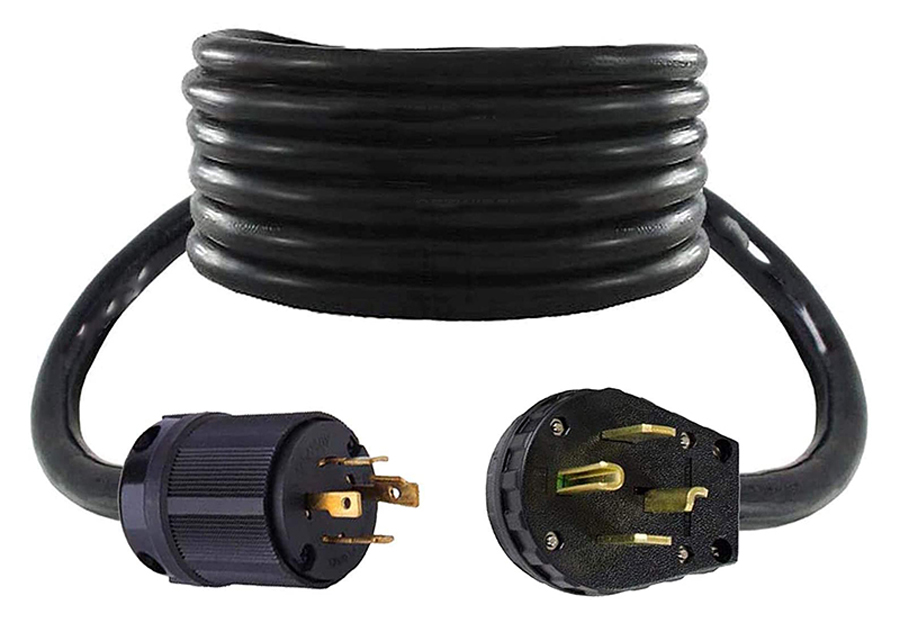
The reason for this is simple. Let’s suppose that a tree has come down near your house, shredding the powerlines feeding your home’s transformer. That transformer steps down the 7,000 to 11,000 volts coming into it from the local substation. If you don’t have a disconnect and use a male-to-male generator cord to plug into a dryer outlet in your house, that 120 or 240 volts from your generator will be stepped up to 7,000 or more volts on the electric lines in your neighborhood, many of which could be lying on the ground. Then anyone touching a power line that’s supposed to be off could be killed.
You need a generator disconnect.
The time to install this is now, before you have an extended power outage. These generator connections come in three basic flavors; to determine which one you can use for your house, you’ll need to contact your local electrical inspector. And please, hire an electrician to pull a permit and install this for you — it’s way too easy to get killed by messing with live electricity.
What most residences probably need is a generator manual transfer switch. They typically come in a kit which includes a weatherproof twist-lock inlet you mount on your house, and a box of 6 or 10 switches you can use to select between generator or grid power. To install it you’ll mount this box close to your house service panel, then select which circuits you want to power in an electrical shutdown. You can select the circuits for your refrigerator and freezer, as well as your microwave oven, lighting, well pump, etc. Note that you’ll only be able to power your 240-volt AC well pump if you have a generator outputting 240/120-volt AC split-phase power to begin with.


So, hooking up big power-hungry appliances in your house like the electric clothes dryer is a no-no. The same goes for an electric oven, which could easily use 10kW or more on its own. However, using the microwave oven is fine, as are all your lighting and general outlet power. I’m able to run my dad’s whole-house air-conditioner/heat pump from his Honda EU7000 generator as long as he doesn’t go crazy with other high-energy appliances at the same time, like the electric water heater.
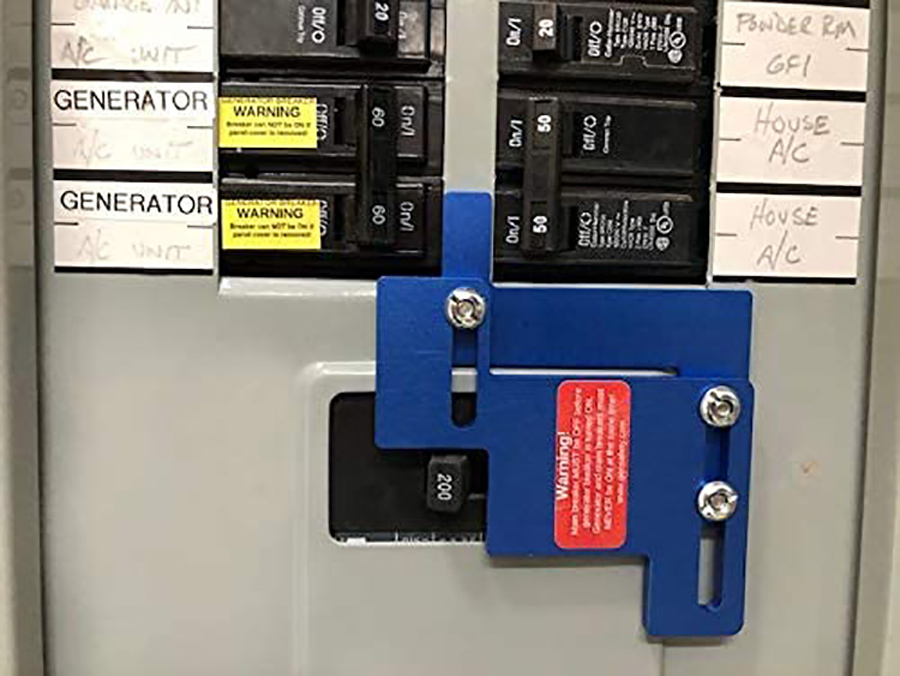
Depending on your local inspector, you may not be able to install a Generator Circuit Breaker Interlock. But the principle is simple: There’s some sort of slide bar that forces you to turn off the main circuit breaker, which disconnects your house from the electrical grid. That allows you to flip on the 30-amp/2-pole breaker from your generator to power the house panel. To reverse the action when the power comes back on you’ll then need to turn off your generator circuit breaker, move the interlock slide, then turn the main breaker back on.
Be aware, however, that many states and counties will not allow this unless your portable generator is capable of powering everything in your house at once — and that’s not likely.
Whole House Generators
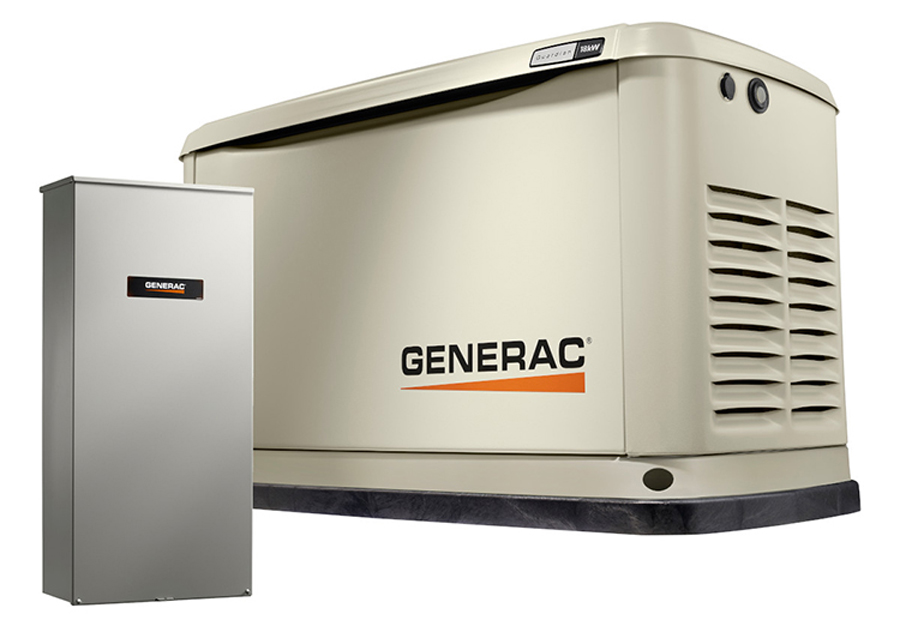
If you installed a pad-mounted whole-house generator, then you already have an Automatic Transfer Switch (ATS). Just like in your RV, it will sense when the generator is running due to automatic startup when it senses a grid outage and, after so many seconds to make sure the power is stable, it will energize a large relay to power your house from the generator. After grid power has been restored for a few minutes, many of these ATS units will switch back to outside power and shut off your generator. But some transfer switches will require manual switching back to grid power.
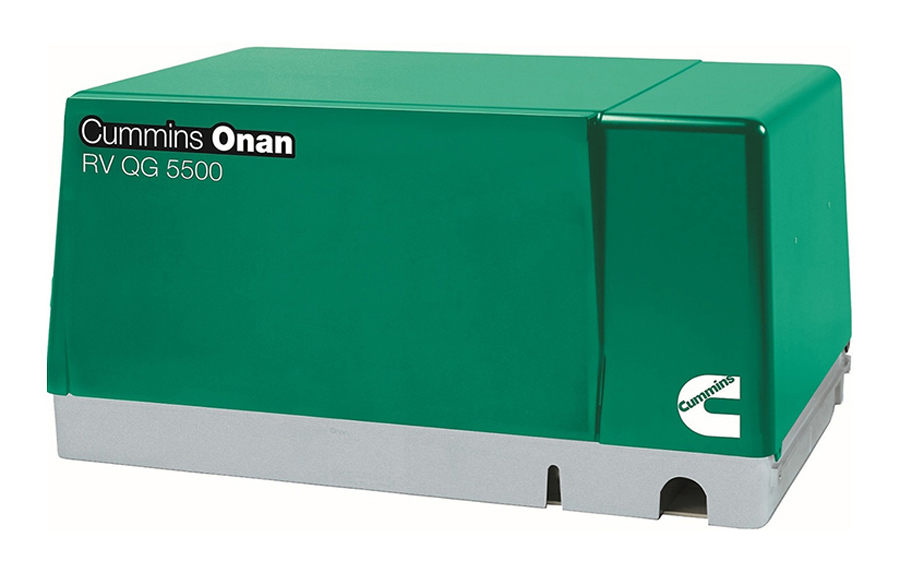
Well, here’s the sad story about that idea. While the 5kW to 7.5kW portable generator you have can output split-phase 120/240-volt AC power that your home needs for many appliances (with modification), virtually every built-in RV generator I’ve looked at doesn’t make 240 volts. Nope, it will have two separate circuit breakers on the two windings (such as 30/30 or 50/50 amps), but the generator windings are wired “in-phase” instead of “split-phase.” So, if you measure between the two hot lines from a built-in RV generator, you’ll find 0 volts instead of the expected 240 volts.
This kind of power doesn’t play nicely with your home electrical system, since many branch circuits used to be wired with a common neutral. That makes it possible for your RV generator to overheat and burn-up neutral conductors inside of your house. No inspector is going to allow you to connect your RV’s built-in generator to your house — and no generator manufacturer is going to show you how to rewire your RV generator to make split-phase 240/120-volt power.
However, it’s still possible to run a few extension cords from your RV in through a window of your house to power important things like your refrigerator, freezer, microwave oven and WiFi router for your computer. But please, be careful to position any generator (be it a portable or one built into your RV) at least 20 feet from the house window you’re feeding the extension cords through. Carbon monoxide is colorless, odorless — and deadly. Installing a CO detector in your house is a great idea since virtually anything that burns hydrocarbon fuel can create this deadly CO gas.