

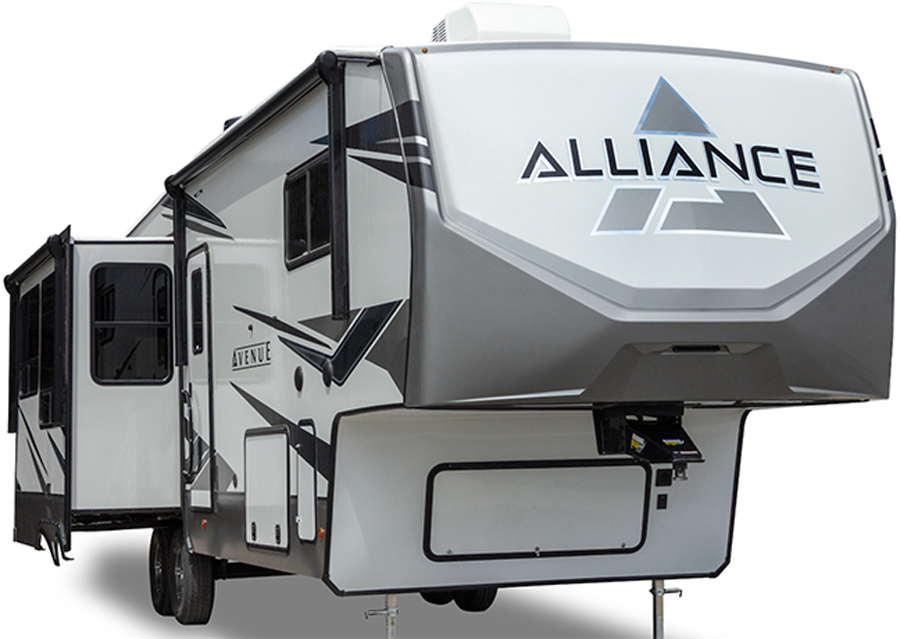

According to Alliance General Manager Ab Saleh, the company spent “considerable” time engaging with RVers to crowdsource the design of the Avenue.
With lighter weights ranging from 9,000 to 12,000 pounds, the Avenue offers towability by a larger segment of the tow vehicle market. The initial lineup will consist of four floorplans, with plans to expand the lineup over the course of 2021.The suggested retail price for the Avenue fifth wheels range from $65,000 to $80,000, with product starting to hit dealers’ lots later this summer. For more information, visit alliancerv.com.
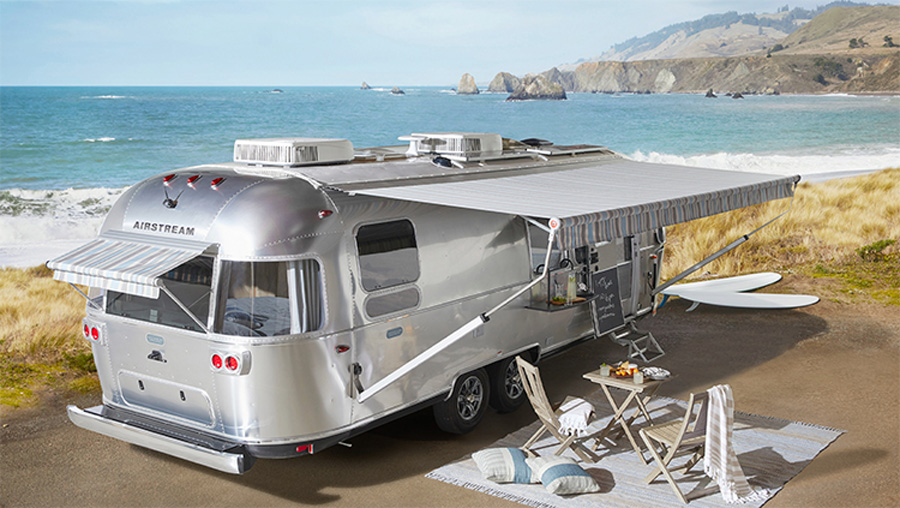
So, Airstream combines the two in its latest collaboration, the Pottery Barn Special Edition Travel Trailer.
Built around a 28-foot Airstream International platform, the iconic trailer includes a specially outfitted interior based in large part upon Pottery Barn designs. The ultra-plush sofa and dinette, for example, were inspired by the Big Sur collection, while all seating is covered in durable and easy-to-clean Performance Boucle fabric. The dinette table was inspired by the Benchwood Dining collection and features oak hardwood, and window coverings utilize Emery Linen Curtain fabric. Belgian Flax Linen bedding is used in the sleeping quarters.
According to Airstream President and CEO Bob Wheeler, the two companies began working on the trailer concept and the licensing agreement between the two allows each firm to co-develop products for use in the trailer.
Creating “designer” special editions is nothing new for Airstream. For many years, Airstream has produced a special edition in conjunction with Tommy Bahama (it’s currently offered within the company’s Interstate Class B lineup). The Pottery Barn Special Edition will be available at Airstream dealers nationwide, with an MSRP of $145,500.
Because the pandemic has forced the temporary suspension of its tours, Fleetwood RV has produced five videos that allow viewers to take a self-guided tour of the manufacturer’s facilities. Filmed at the company’s 480,000-square-foot manufacturing headquarters in Decauter, Ind., the “behind-the-scenes” video tour delivers a peek into a few of the steps involved in manufacturing a Class A motorhome and introduces some of the engineers, managers, welders and technicians who design, manufacture, and assemble the various elements of a Fleetwood RV.
The factory tour videos deliver a top-to-bottom look at Fleetwood RV and cover the foundation, lamination process, cabinet shop, assembly, and paint process. To watch the factoy tour videos, visit FleetwoodRV.com. Select the “About” tab, click on “Factory Tours” and provide an email address.

Truma North America is looking to change that impression as the company is set to supply the U.S. RV market with its Truma Aventa rooftop air-conditioners.
The German-engineered Aventa is, according to Truma representatives, the perfect balance of cooling and humidity, creating comfort while minimizing noise in a modern, energy-efficient, low-profile design.
The Aventa will be offered in two models: The Eco model offers 13,500 BTU/h cooling capacity, while the Comfort models offer 15,000 BTU/h cooling capacity. Both models will be offered in black and white. Compatible with ducted and non-ducted systems, the Truma Aventa comes standard with many advanced features, including automatic cooling mode, dehumidification mode, night mode, air circulation mode and three manually selectable cooling mode fan speeds.
“We entered the North American market with premium heating and water heating products,” said Gerhard Hundsberger, president and CEO of Truma North America. “A top-tier air-conditioner to complement our heating systems was the natural next step. The introduction of the Aventa gives us the capability to provide year-round comfort systems.”
According to the Black Book RV Market Commentary for August, the values of used RVs sold at wholesale auctions rose across the board again in June. The average selling price for a towable was $23,654 (average model year: 2015), while the average selling price for a motorized unit was $69,157 (average model year: 2010).
One year ago, those numbers were $18,331 and $51,574, respectively.
For buyers of used RVs, there may be a respite coming. According to Eric Lawrence, principal automotive analyst, specialty vehicles, for Black Book, the month-over-month increases “were less than we have been seeing.”
As quoted by leading industry trade journal RVBusiness, Lawrence said “It’s likely that supply is finally catching up with demand, especially on the new side, where factories are producing record numbers of vehicles every month. Auction volume dipped once again, probably due to dealers holding onto their trade-ins.”
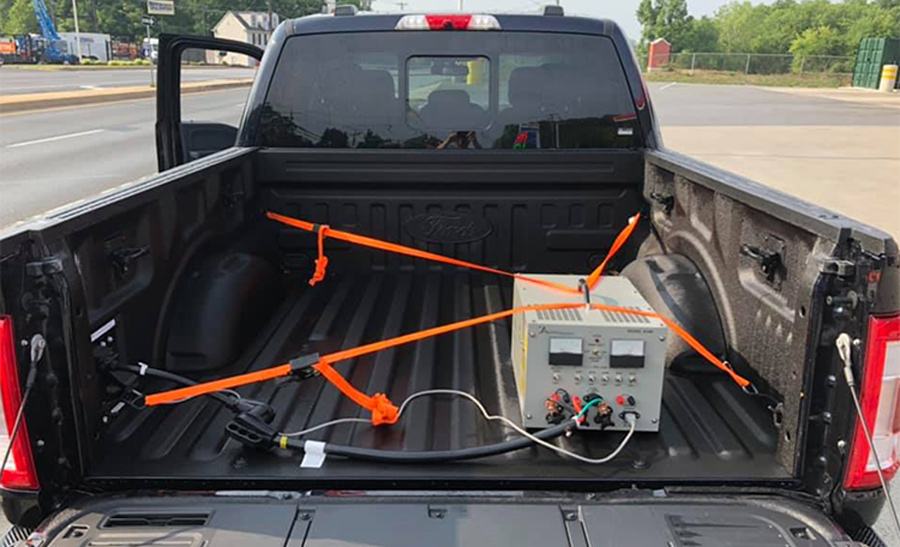
Another intriguing aspect of the new Ford pickup is the inclusion of Pro Power Onboard. Unless we’re pulling a trailer that’s already equipped with a generator, most of us carry a portable unit capable of powering 120-volt AC appliances when we’re not hooked up to a pedestal at an RV park or campground. With Pro Power Onboard, the PowerBoost F-150 is the generator. A standard 2.4kW inverter converts direct current (DC) from the high-voltage battery to standard alternating current (AC), so you can power up a total of 2,400 watts simultaneously through two 120-volt, 20-amp AC outlets in the driver’s side rear of the bed. Optional is the 7.2kW inverter, which includes four 120-volt 20-amp AC outlets and one 240-volt 30 amp outlet — that’s enough juice to power up your roof air conditioner.
Now, RV electrical guru Mike Sokol has verified the capabilities of the onboard generator. Sokol, a frequent contributor to RV Enthusiast and moderator of the RVElectricity online forum, started the Go Green RV forum recently on FaceBook — and has been working with various manufacturers to test their e-rides. Sokol fitted an F-150 with equipment to monitor the performance of the truck’s largest Pro Power Onboard system and, in a post to his Go Green RV site, confirmed that the F-150 PowerBoost Hybrid “will power its built-in generator with a 7,000-watt load while driving down the road at 70 mph. And it only seemed to impact the gas mileage by less than 0.5 mpg.
“With the appropriate breakaway inlet connector on the front of your RV,” he added, “it would easily power a 30- or 50-amp RV shore power connection allowing you to run your trailer air- conditioners, refrigerators and anything else that’s safe to power in your travel trailer while towing it, or boondocking.”
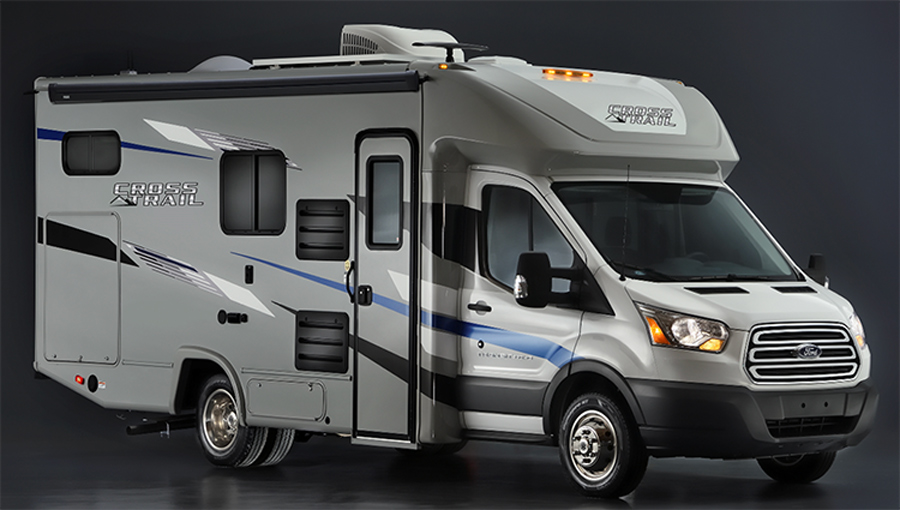
Now, the company has transformed its popular Cross Trek motorhome with a host of functional, storage-centric floorplans and equipment focused on the “adventure RVer” — and have rechristened it the Cross Trail.
The Cross Trail is currently available in eight floorplans: two known as Cross Trail Transit units (20XG and 21XG, both built on the 11,000-pound GVWR Ford Transit platform and powered by a 3.5-liter EcoBoost) and six known as Cross Trail XL and built on either the Ford E-350 or E-450 chassis. Both are powered by Ford’s new 7.3-liter V8. Cross Trail XL coaches feature wheelbases from 158 to 220 inches, GVWRs of 12,500 to 14,500 pounds and up to two slideouts.
Upgrades to the Transit include an extra-large kitchen counter, 3-way refrigerators, Wi-Fi Ranger, interior and exterior TV, 3,000-watt inverter and Renogy Empowered hybrid electrical system designed to operate every coach appliance and accessoryfrom battery power, including AC.
The Cross Trail XL, meanwhile, features 2-inch-thick Azdel composite vacuum-bonded sidewalls, 4000 Lamilux color-infused fiberglass finish, seamless Thermofoil countertops, Wi-Fi Ranger, a 4,000-watt Onan generator and is prewired for rooftop solar and sidewall portable solar panels. Select models also offer oversized rear cargo storage, with options including up to 380 watts of roof solar and an exterior entertainment center. For more information, visit coachmenrv.com.
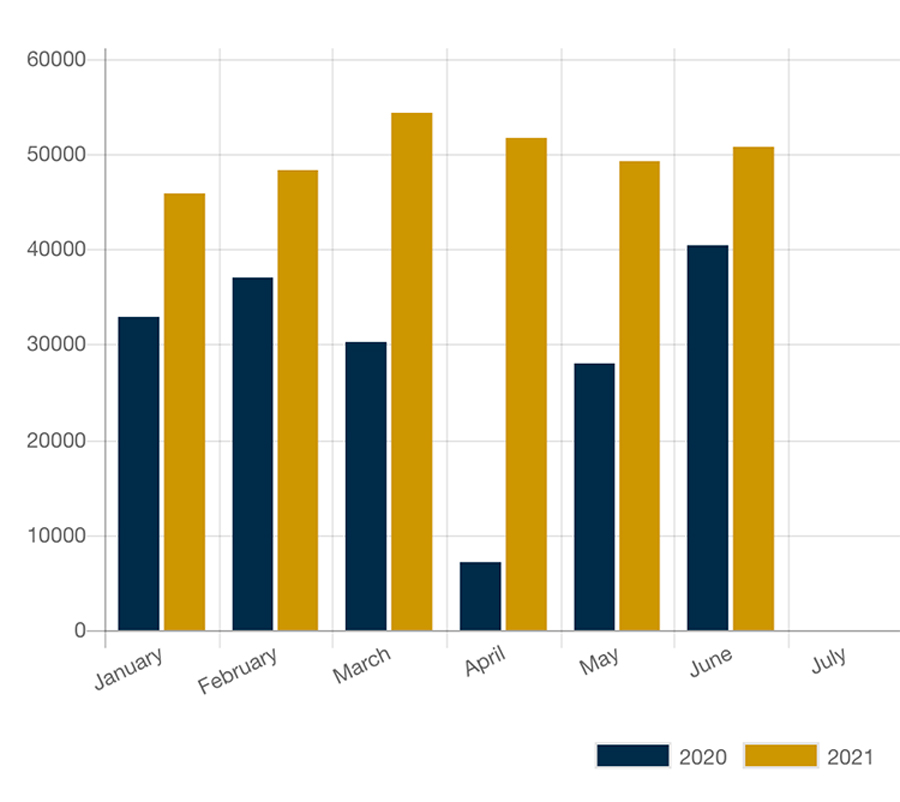
With things opening up in 2021, the outdoor hospitality arena is poised for even greater things. According to the RV Industry Association, June shipments to dealers totaled 50,706 units — an increase of more than 25% compared to last year. It also marked the fourth consecutive quarter that monthly shipments set a record — with the second quarter of 2021 (April-June) establishing a new high-water mark for any quarter.
Through June, the industry has shipped 300,267 units to dealers — a 70.5% increase versus last year’s performance.
And yes, these numbers only detail wholesale shipments — but many of these units have already been purchased. Keep in mind that while the industry shipped 420,000+ last year, there were 515,819 units sold according to industry analyst firm Statistical Surveys.
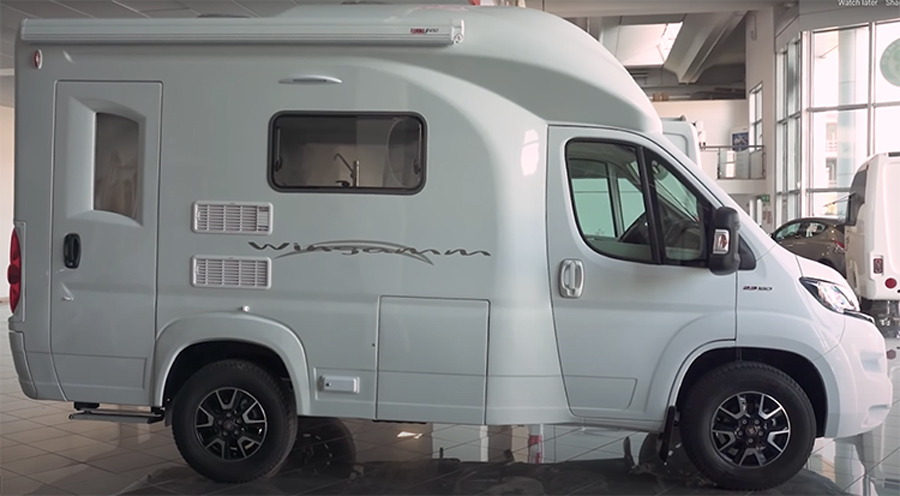

Now, we’re about to see the two combine. Stellantis, a leading global automaker headquartered in The Netherlands — and the folks who brought the Fiat Ducato van to the U.S. as the rebadged Ram ProMaster — is bringing the Oasi 540 from its Italian subsidiary Wingamm, stateside.
As reported in the online source Gear Patrol, having the ProMaster chassis NHTSA-certified means the company can add its “houses” to the certified underpinnings.
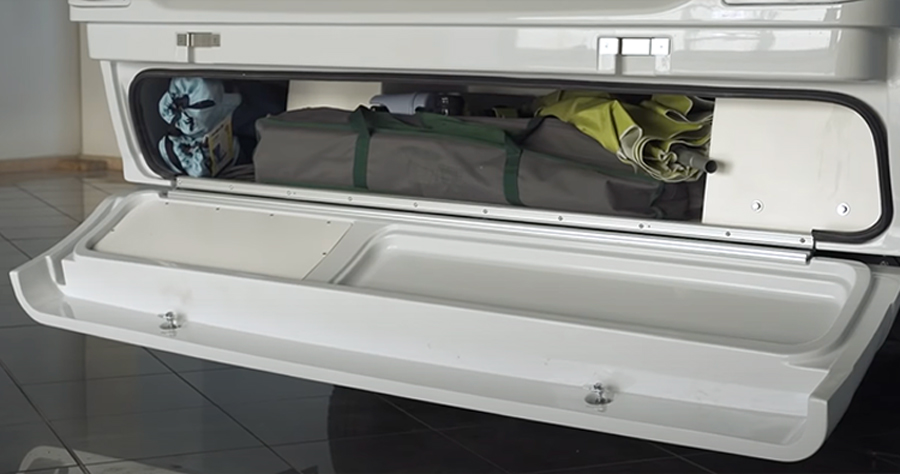
The Oasi 540 — so-named because it’s 5.4 meters long (212 inches, or about 17 ½ feet) — is built with a number of unique exterior storage bays; even the rear bumper area slides out to accommodate things like folded camp chairs. The bed, meanwhile, drops down from the ceiling.
The Oasi 540’s diminutive size means it doesn’t need a lot of horsepower — the 2.3-liter engine will be available in 140-, 160- and 180-hp versions, hooked up to a 9-speed automatic transmission.
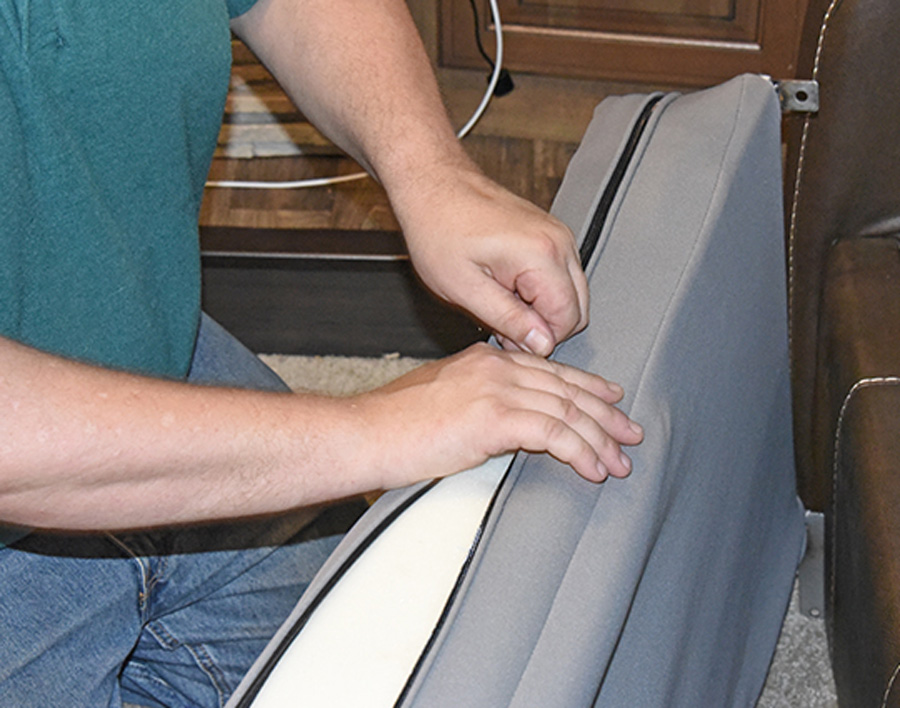
Now, you can add one more shortage: foam.
Granted, it doesn’t sound like a big deal — until you realize that the current nationwide foam shortage is causing bottlenecks in the supply chain for everything from mattresses and furniture to insulation. In an RV, foam is the difference between comfort and, well, let’s not consider the alternative.
According to a recent report by USA Today, the shortage began when February’s winter storms temporarily shut down production at all five U.S. plants (in Texas and Louisiana) that produce the main chemical — propylene oxide — needed to make foam. The plants have since come back online — but the shortage remains as the companies work their way through the backlog.