

Squatters Not Welcome
[maghub_sidebar]
big silver truck in a parking lot with a hitch
Squatters Not Welcome
Watching the rear end of a truck dip when a fifth-wheel trailer is hitched is disconcerting — especially after shelling out big bucks for a heavy-duty tow vehicle that’s supposed to handle the weight. Sumo-Springs are maintenance-free and designed to provide a better attitude.
By Bill Gehr / Photos by author
T

ow vehicle suspensions take a beating and, in many cases, simply don’t have enough “oomph” to carry the load of a hitched trailer without rear-end sag. Overload springs are claimed to be “bulletproof” and are supposed to take care of the squatting, but they often don’t do the job — and can result in a harsher ride.

Air springs are another alternative (as is the adjustable coil-spring RoadActive Suspension featured elsewhere in this issue) but air springs (also called air bags) can sometimes suffer from problems related to bracket failures when overloaded — and air pressure must be maintained to prevent damaging the bags. In all cases, suspension add-ons will not increase axle weight ratings.

SuperSprings International (supersprings.com) has been a major player in this arena for many years. Its SumoSprings are designed to offer suspension support without maintenance of any kind and are simple to install.
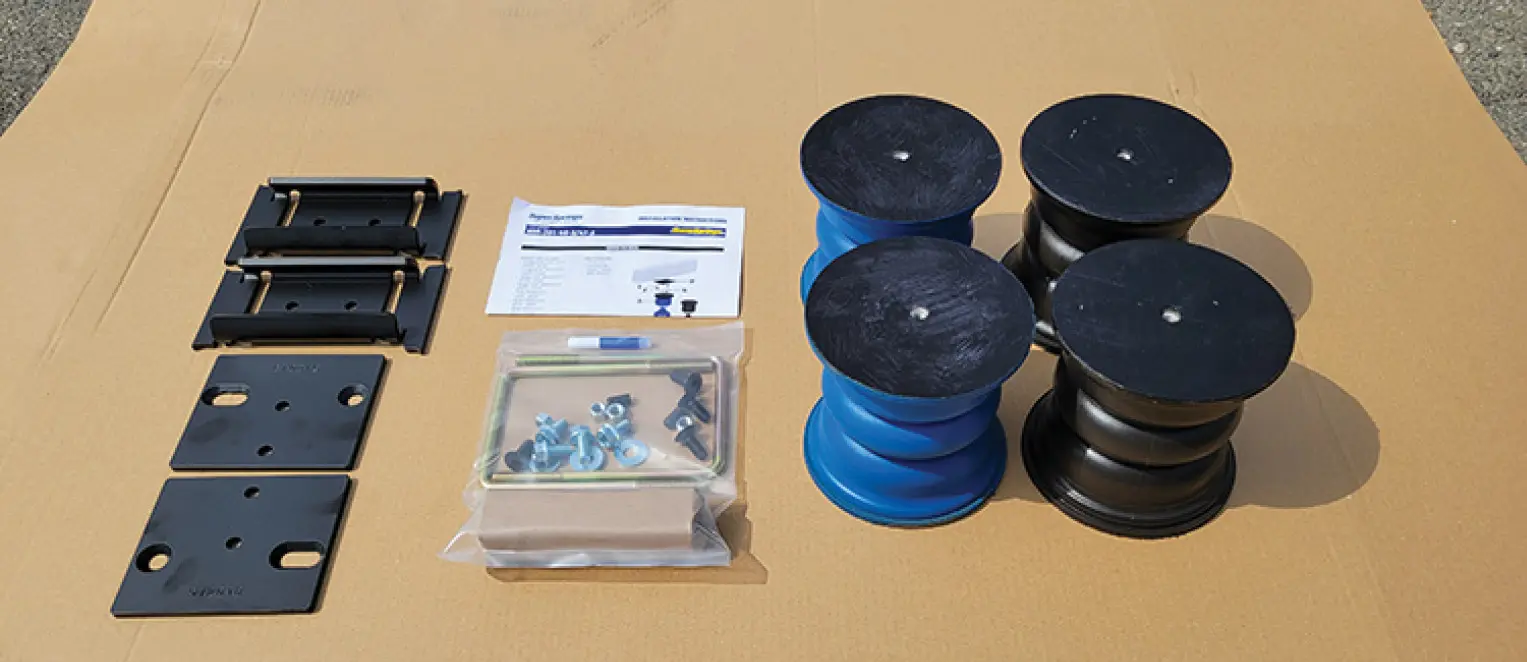
blue SumoSprings
We decided to run the softer SumoSprings (blue) in the front based on earlier experience with the heavier version. The kit is simplistic with very few parts needed. The blue springs for the front provide 800 pounds of capacity at 50% compression; the rear (black) are the heavier of the two, rated at 5,000 pounds at the same compression level.
These springs are not made of rubber but use micro-cellular polyurethane “blocks” to decrease rear-end sag and vibration while stabilizing sway and softening harsh rebounds. Invented in 2005 when the U.S. Border Patrol contracted SuperSprings to come up with a way to soften the ride of its patrol trucks, SumoSprings have, according to the company, been installed in 3,000 of these trucks with no warranty issues or returns.

These springs are progressive and have a very soft initial engagement. As weight is added, the polyurethane stiffens, which provides more “push back” for greater support and control. The progressive characteristics make it possible to provide the suspension boost without altering the factory ride when the truck is unloaded. The springs and steel brackets are handmade in the U.S. and the micro-cellular polyurethane material comes with a lifetime warranty. Plus, every SumoSpring is inspected and weighed by the company’s quality control department. There are no moving parts and the SumoSprings are not affected by heat or freezing temperatures.
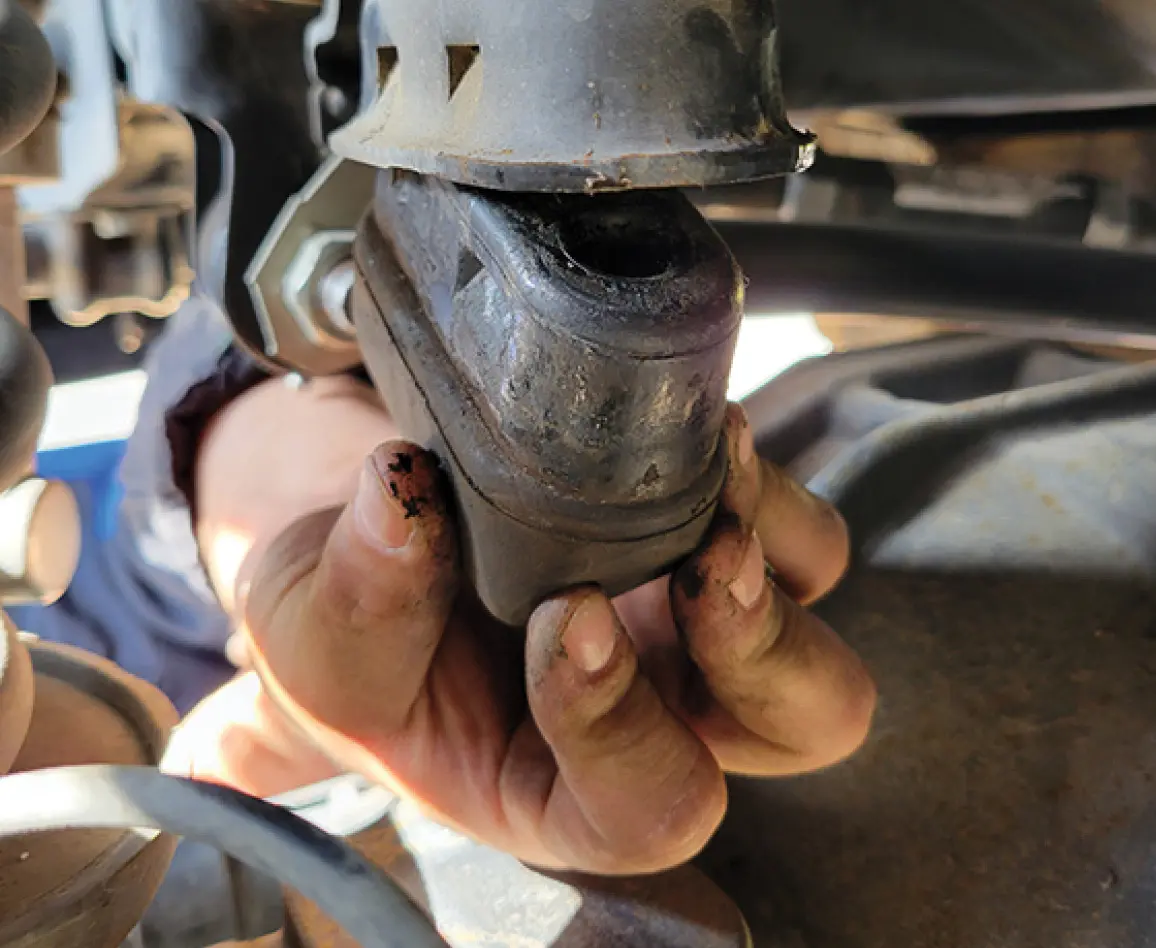
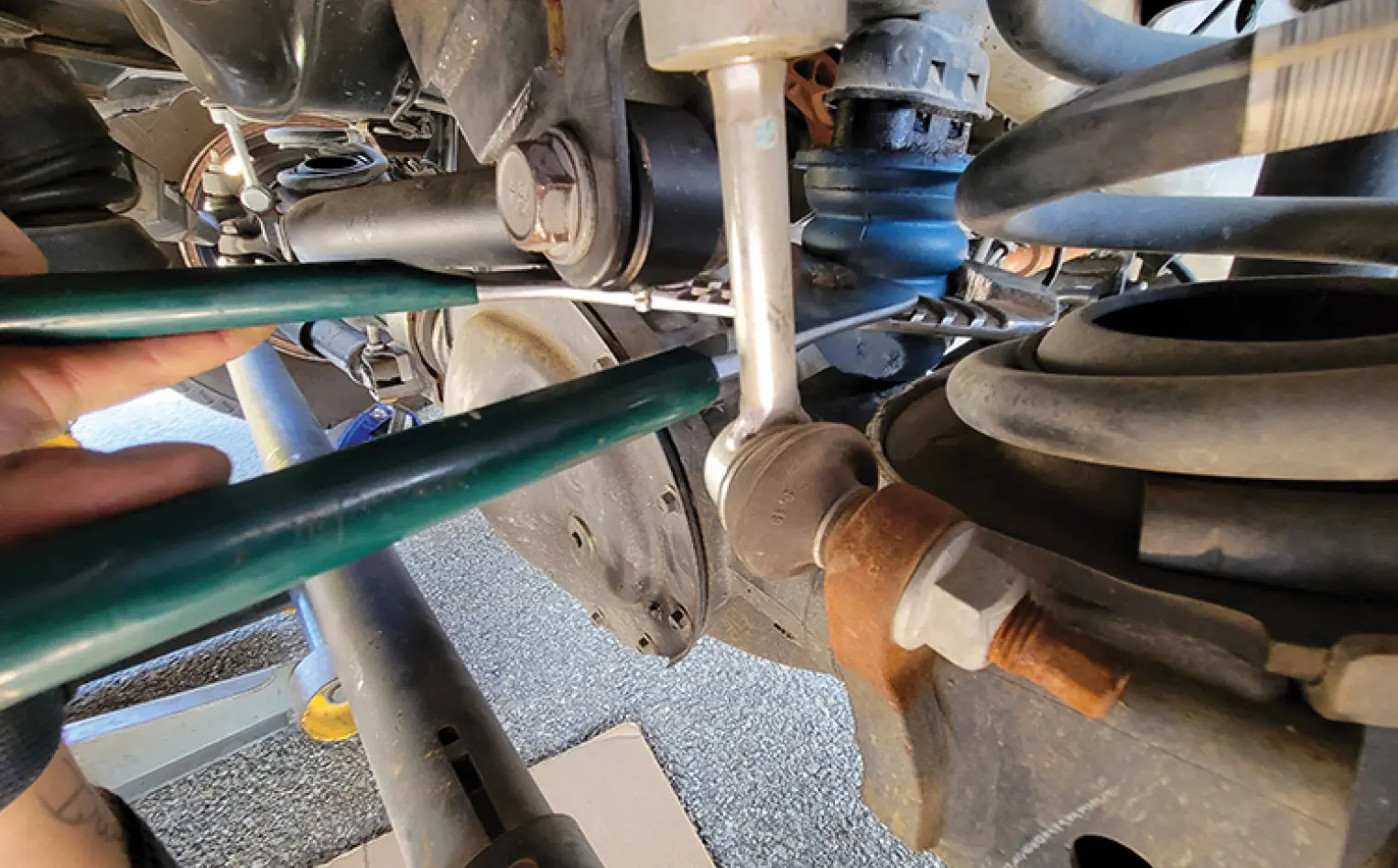
removing the original bump stop from the frames
The first step for installing the front springs was to remove the original bump stop from the frame on both sides the truck. A screwdriver was used to release the edge of the bump stop, which then came out by hand.
large offset pliers used to hold the SumoSpring base
A large offset pliers was used to hold the SumoSpring base steady on the plate that was already on the axle housing. The front end was then lowered to force the spring cone into the bump-stop bracket. It’s too dangerous to hold the spring by hand during this step.
soapy water being applied to the SumoSprings
Soapy water was applied to the portion of the SumoSpring that was designed to press fit into the bump-stop bracket. This made it much easier to seat the SumoSprings. Lowering the truck will press-fit the end of the SumoSpring into each bracket.
tabs on either side of the rear-spring brackets
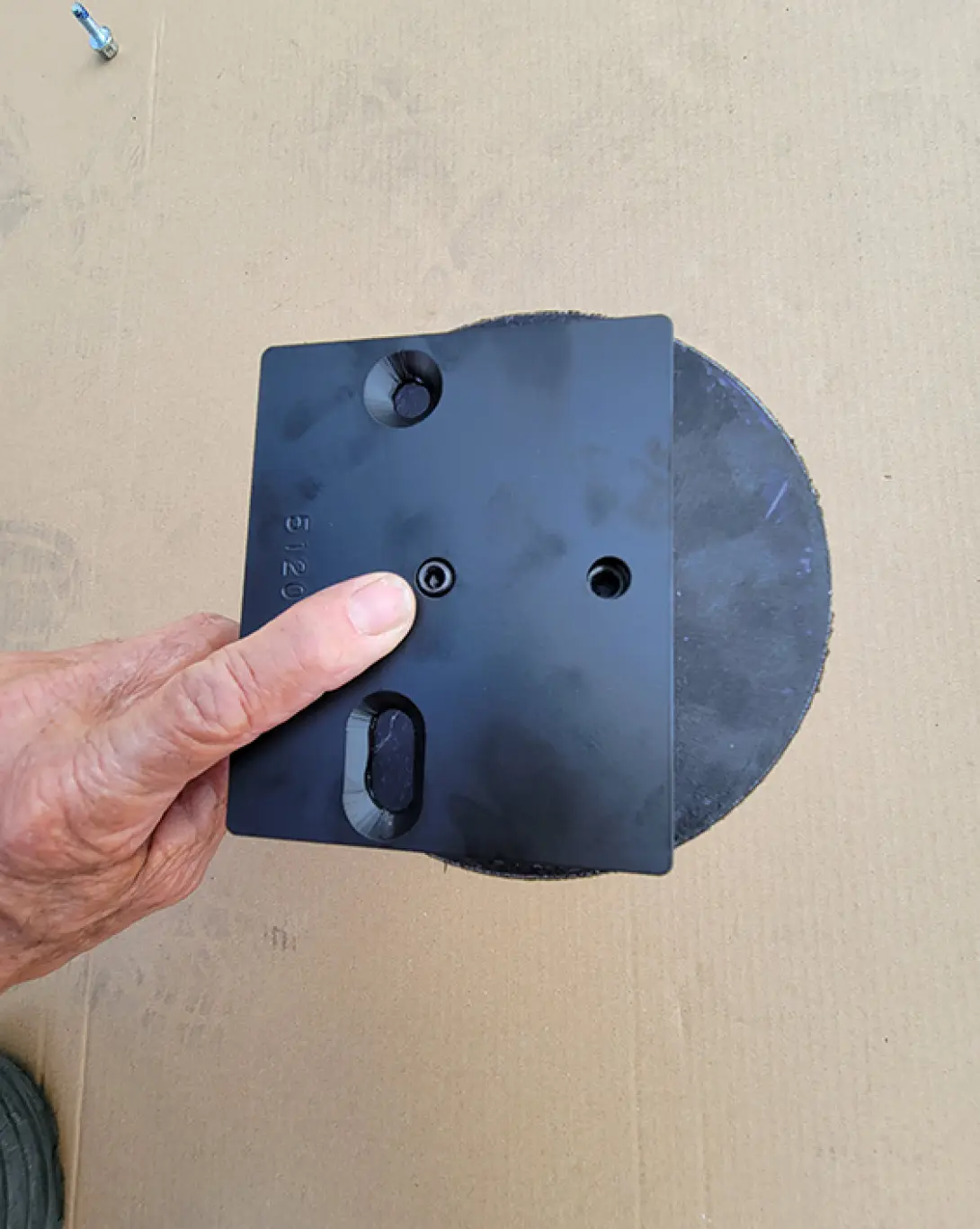
The tabs on each side of the rear-spring brackets are different and must be seated exactly on the SumoSprings.
There are two densities available for pickup trucks: front and rear. Within those parameters, your application may also provide a choice of spring capacities. For this project, the SumoSprings were slated for installation on a 2017 Ram dually. For the rear, kit number SSR-301-40-2 ($631.99) offers 3,000 pounds of support at 50% compression; the other (SSR-301-47-2; $641.99) pushes the capacity to 5,000 pounds. There also are two kits available for the front of this truck — one that provides 800 pounds of support at the same 50% compression level (SSF-302-40; $221.99) and the other moves that figure to 1,200 pounds (SSF-302-47; $257.99). The company’s website offers spring recommendations based on truck year, model and drivetrain.

We elected to install the heavier kit in the rear, since the truck is used primarily to tow a fifth wheel with a 3,200-pound kingpin weight and is fitted with a 40-gallon fuel tank and a toolbox in the bed, plus the weight of the hitch. The truck also sags in the rear and is driven extensively over rough roads.

For the front, we ended up going with the lighter, 800-pound-capacity kit over the heavier version in order to soften the ride somewhat when hitting speed bumps or other undulations in the road when driving solo. We determined (from an earlier use) that the heavier SumoSprings were too stiff and allowed the front end to “pogo” more than desired.
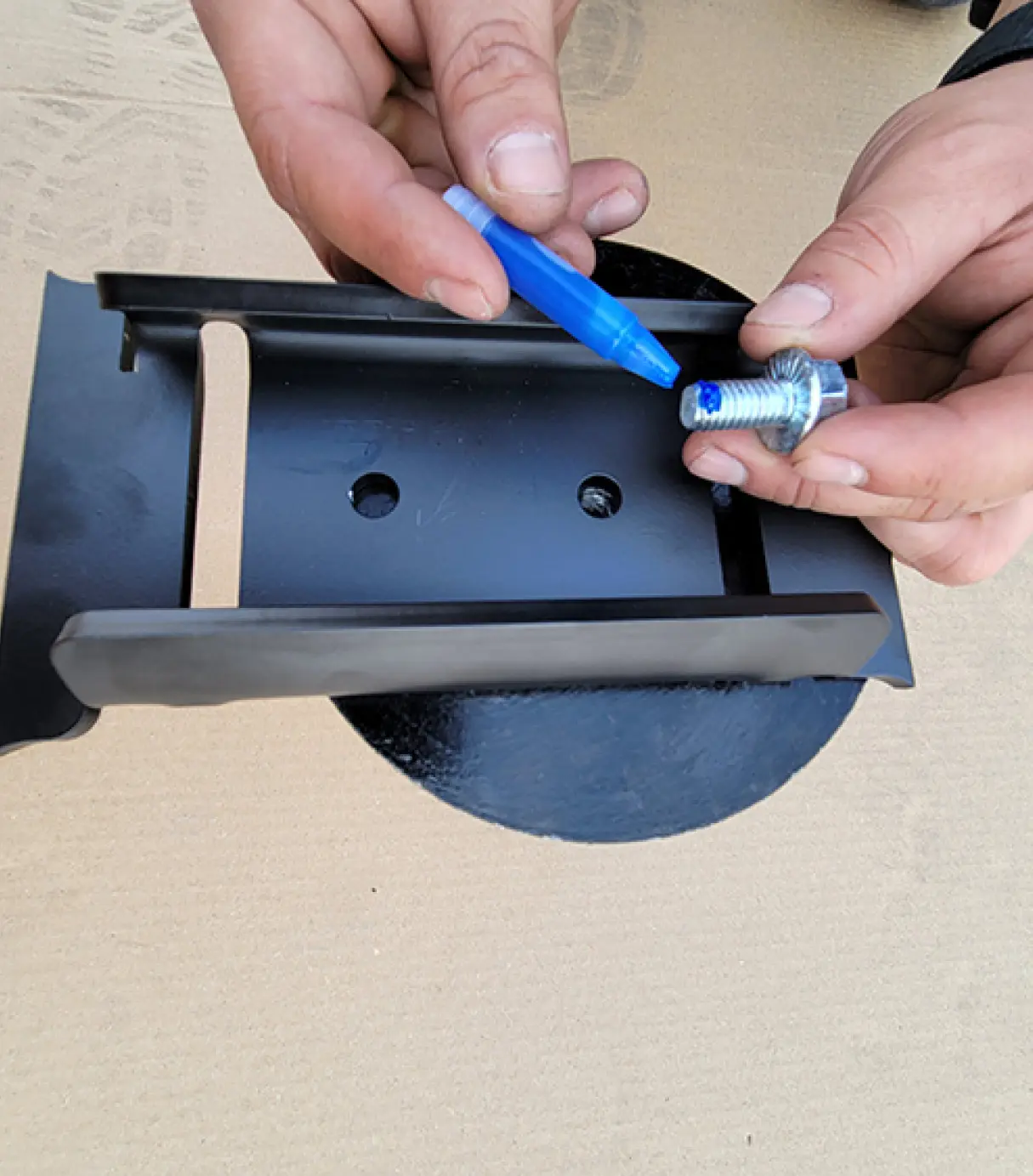
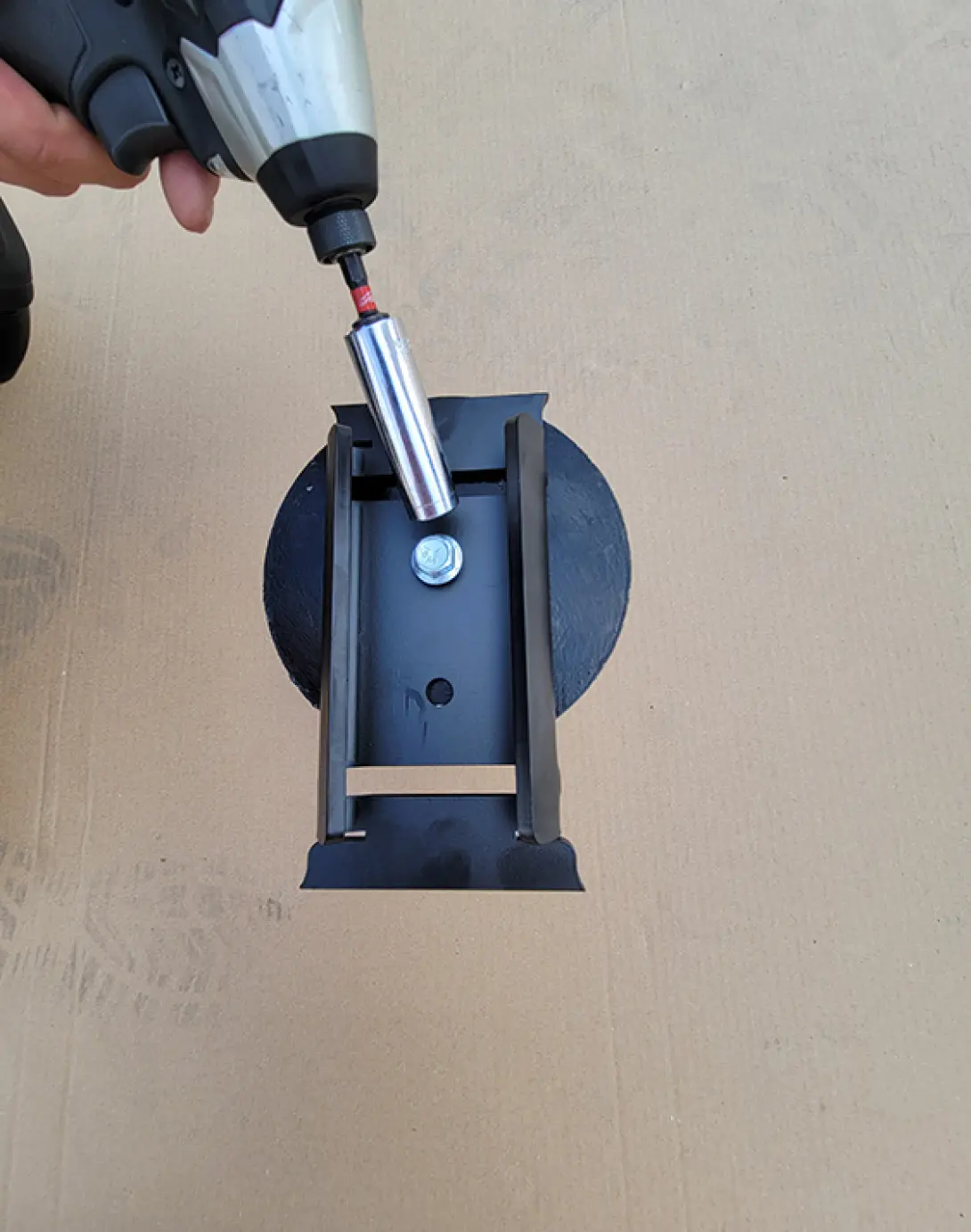
Blue Loctite being applied to bolt
bracket is U-bolted to the axle housing
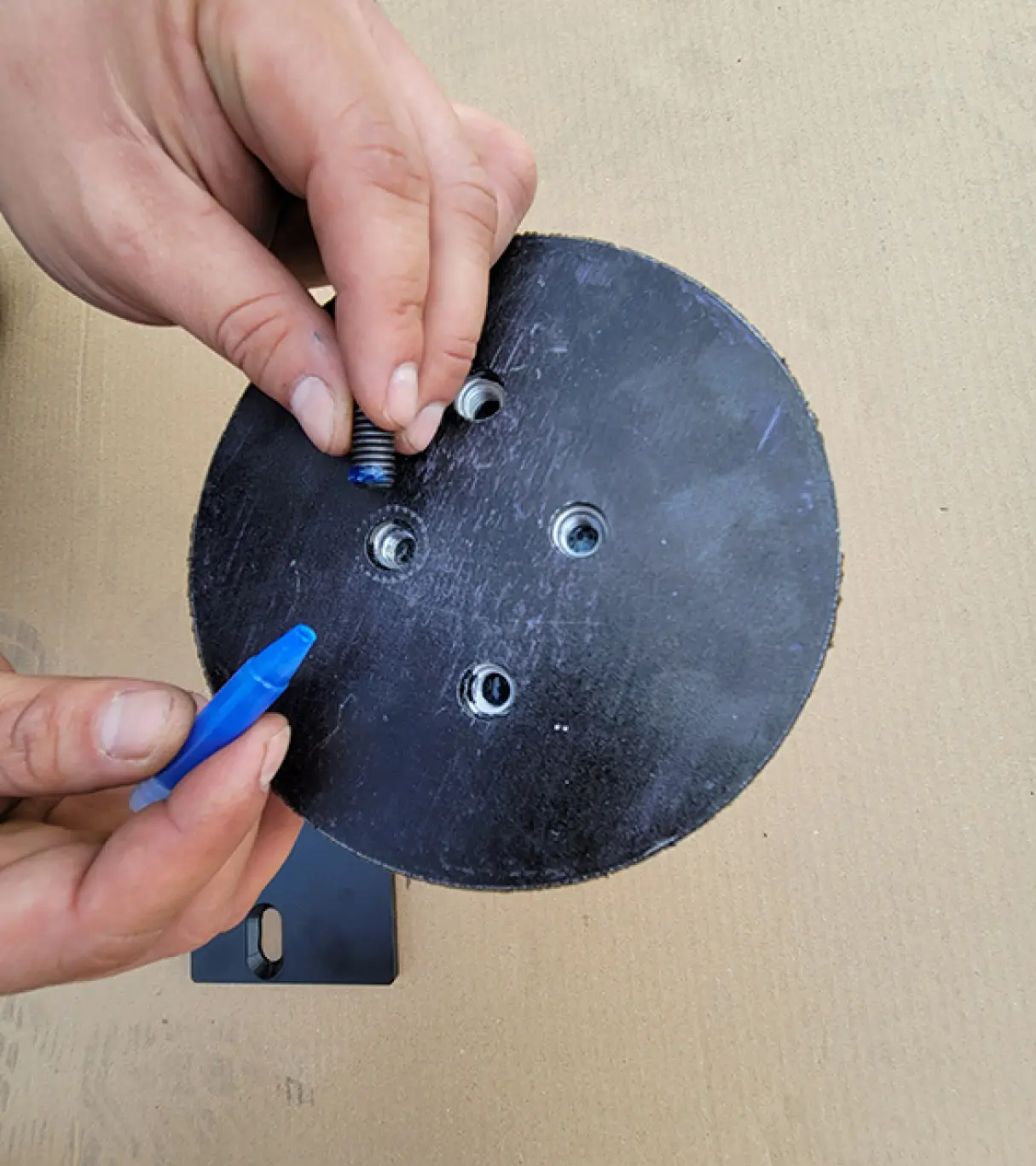
Blue Loctite, supplied with kit, was applied to the bolt used to attach the bracket to the bottom of the spring. The bolt was at first snugged just enough to allow the bracket to rotate. This bracket was later U-bolted to the axle housing.
Allen set screw is coated with Loctite and screwed into top of the spring
set screw serves as a positioner when attaching the spring to the top bracket
An Allen set screw was coated with Loctite and then screwed into the top of the spring. This set screw must be set flush with the top of the bracket that will be installed on the frame in order to prevent the spring from rotating. The set screw also serves as a positioner when attaching the spring to the top bracket, which was not visible during the installation.
Installing the Springs
The front springs were very easy to install because they are designed to fit in place of the bump stops that already exist on the frame to keep the suspension from bottoming out. The first part of the process was to jack up the front of the truck to unload the suspension; the tires do not need to be lifted off the ground. Jack stands were placed for safety. Next, the bump stop on each side was initially pried away from the frame with a large screwdriver. These bump stops simply fit into a bracket without bolts or screws to hold them in place. Once lifted, the bump stocks were removed by hand.

Positioning the SumoSprings in the original holes vacated by the bump stops was a simple press-fit operation. It’s best to spray soapy water on the springs to start the fit in the bracket; we used a 3-foot-long piece of 2 x 4 lumber to hold it in place on each side. The weight of the truck, when lowered, pressed the spring into the bracket. A few words of caution: Do not attempt to hold the spring in place by hand (use a large offset pliers) while the truck is being lowered — if the jack slips it could be very dangerous. If you do not have somebody who can lower the jack while you watch the process, you can use a pry bar to maneuver the SumoSpring into the bracket. The total install time for the front was about 45 minutes.
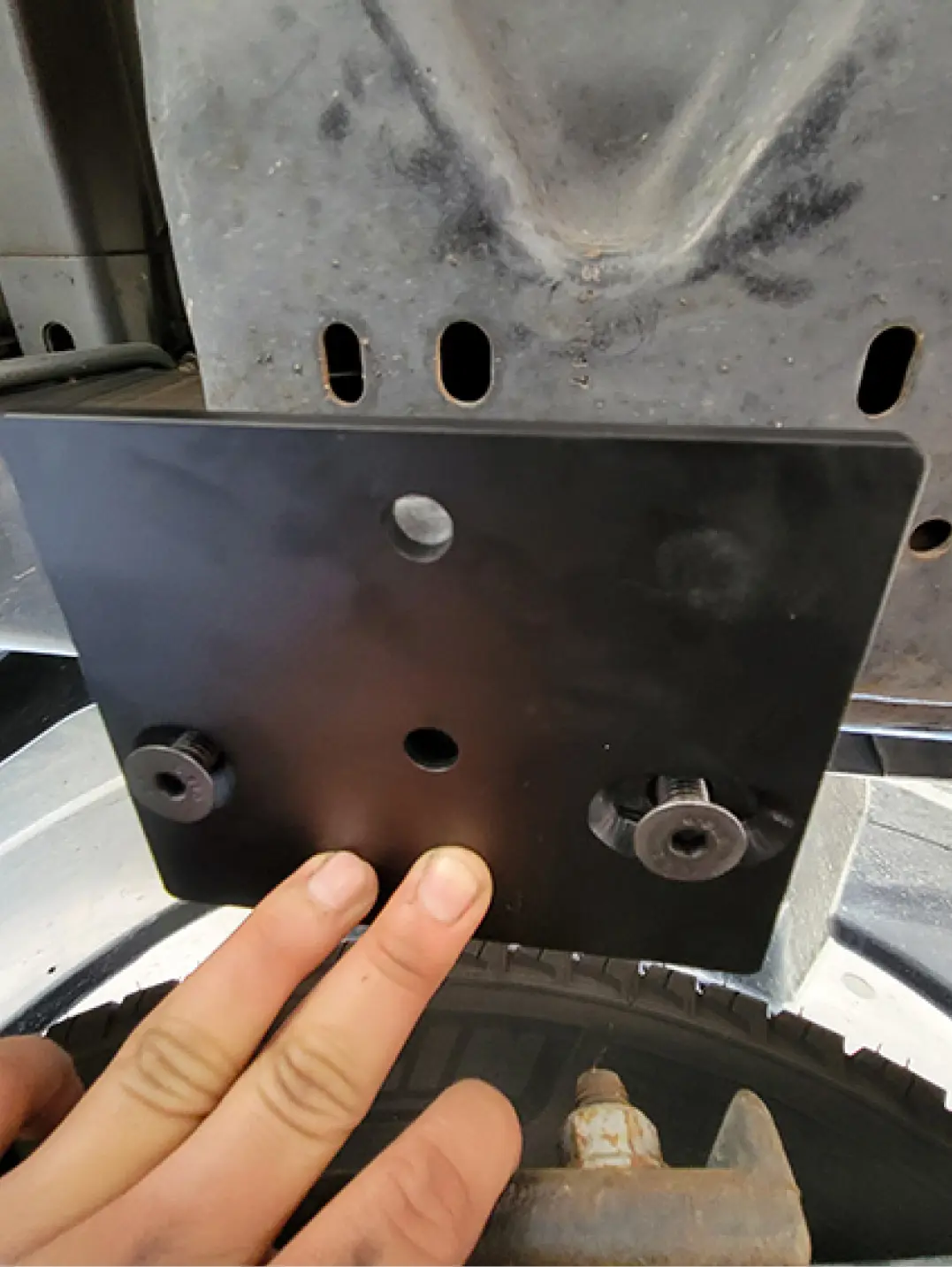
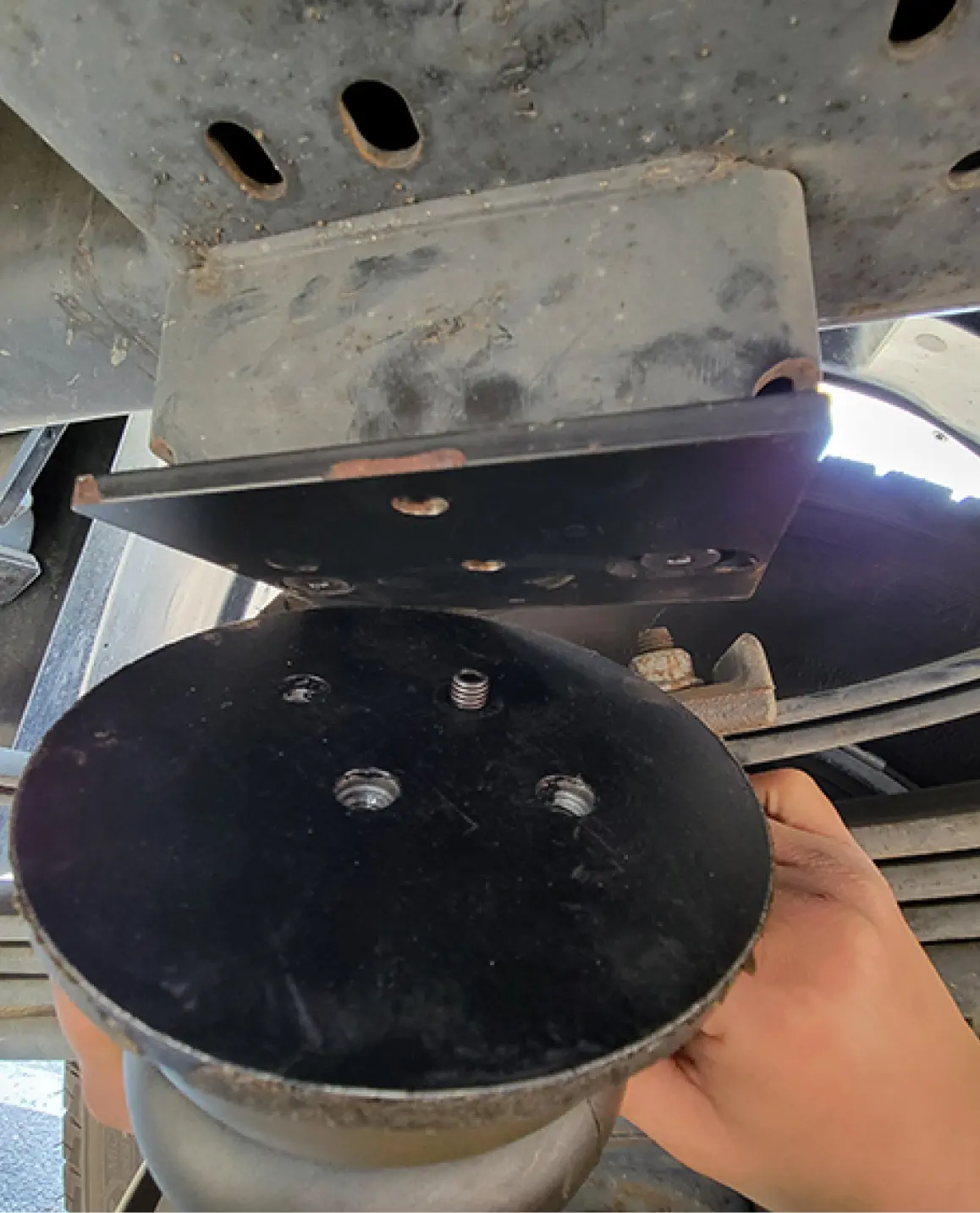
two countersunk bolts for the top bracket were coated with Loctite and threaded into existing holes used to secure the factory bump stops that were previously removed
Two countersunk bolts for the top bracket were coated with Loctite and threaded into existing holes used to secure the factory bump stops that were previously removed.
the Allen set screw was oriented into the top bracket for proper positioning
The Allen set screw was oriented into the top bracket for proper positioning. A single bolt (also with Loctite) was installed through the bracket and into the spring.
The rear SumoSpring was a little more complicated. We first blocked the front wheels and raised the rear so the tires were barely touching the ground. And, of course, we placed jack stands under the frame. For some reason the factory bump stops were missing, which shortened the job, but that’s an anomaly, so plan on removing the ones on your truck. Next, the brackets were assembled for both sides and installed with the included bolts, nuts and Allen set screws.

There are no special tools required, just a couple of wrenches and maybe a ratchet and socket, depending on the truck model. Note that there may be parts that are in the way of the installation. For example, a gas-powered truck has a narrow tab on both sides. Just follow the installation instructions for any work-around. Figure on an hour or so to get this part done.
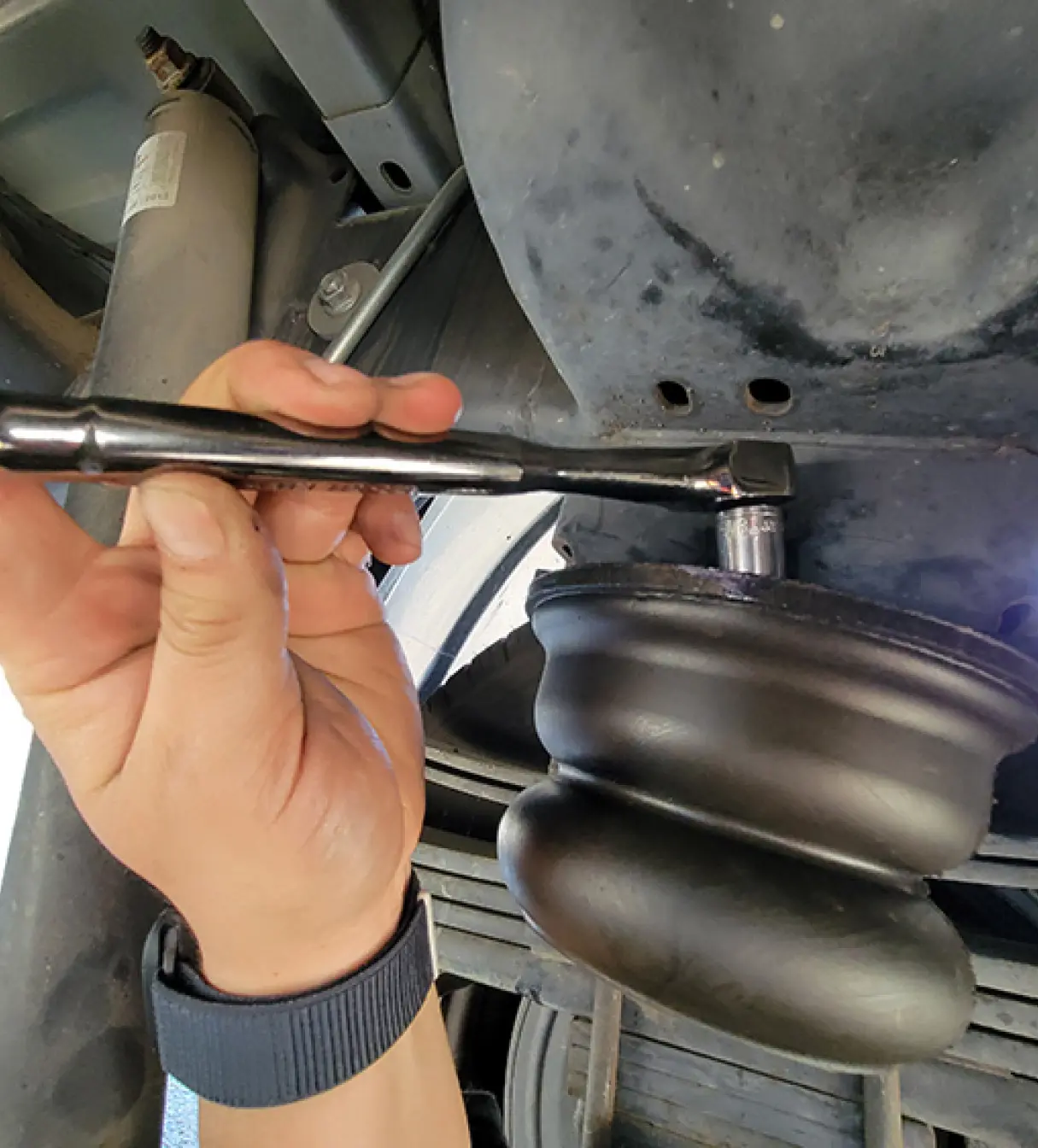
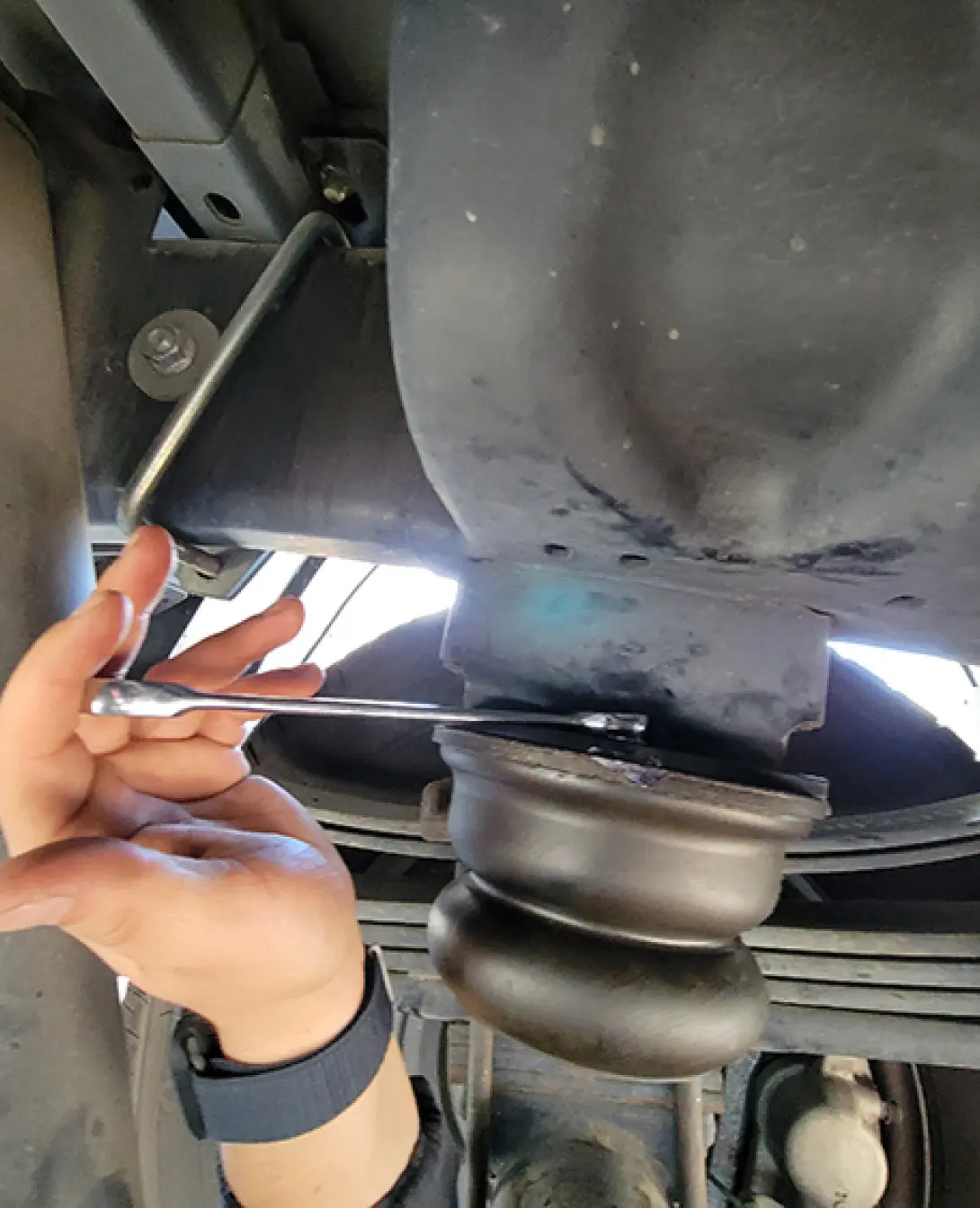
ratchet and socket that are too big for the available clearance to tighten center bolt
ratcheting wrench that fits perfectly
At first a ratchet and socket were too big for the available clearance to tighten the center bolt. A ratcheting wrench fit perfectly and made the job much quicker than using a standard open-end wrench.
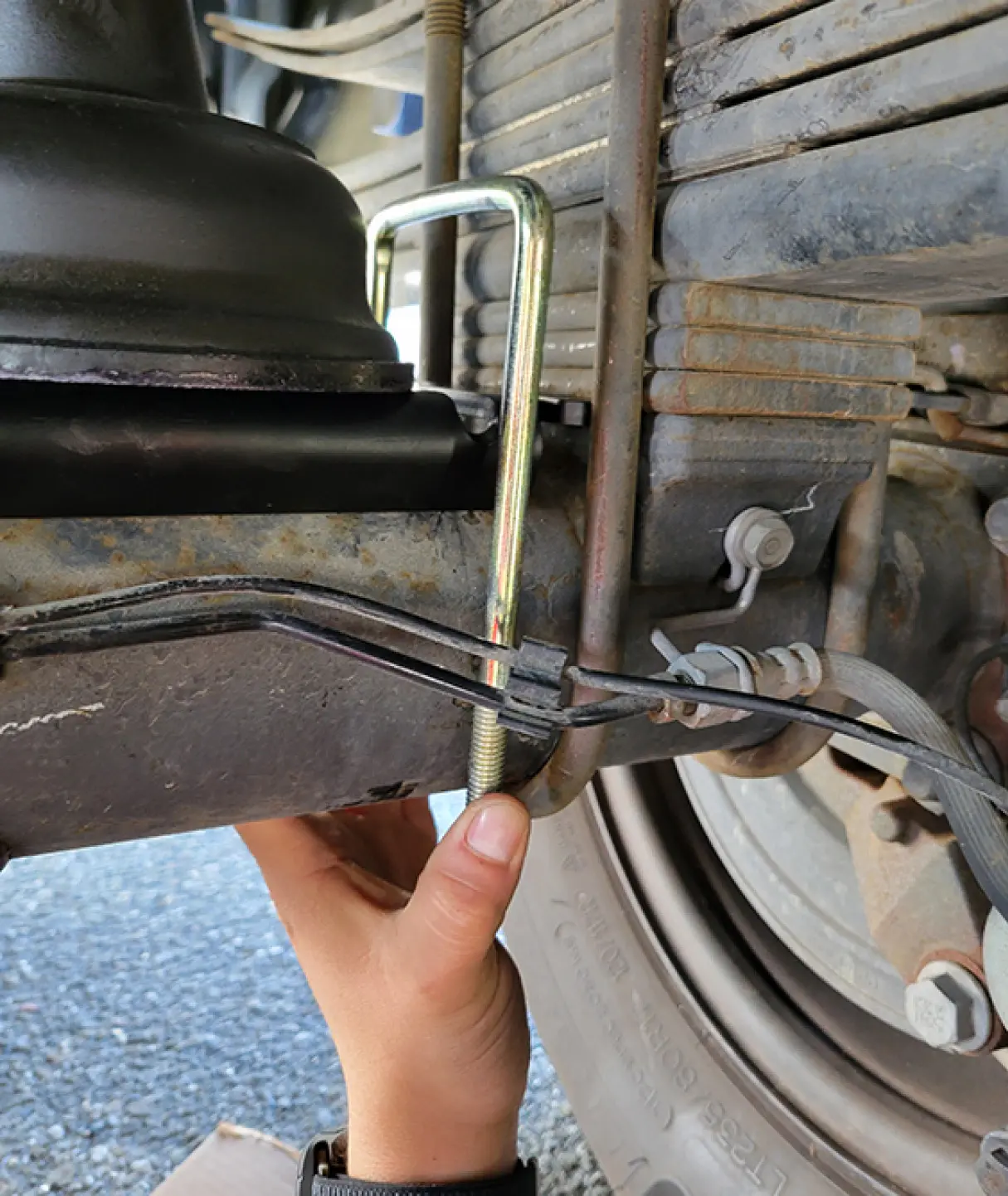
a U-bolt positioned over the bottom bracket and axle housing
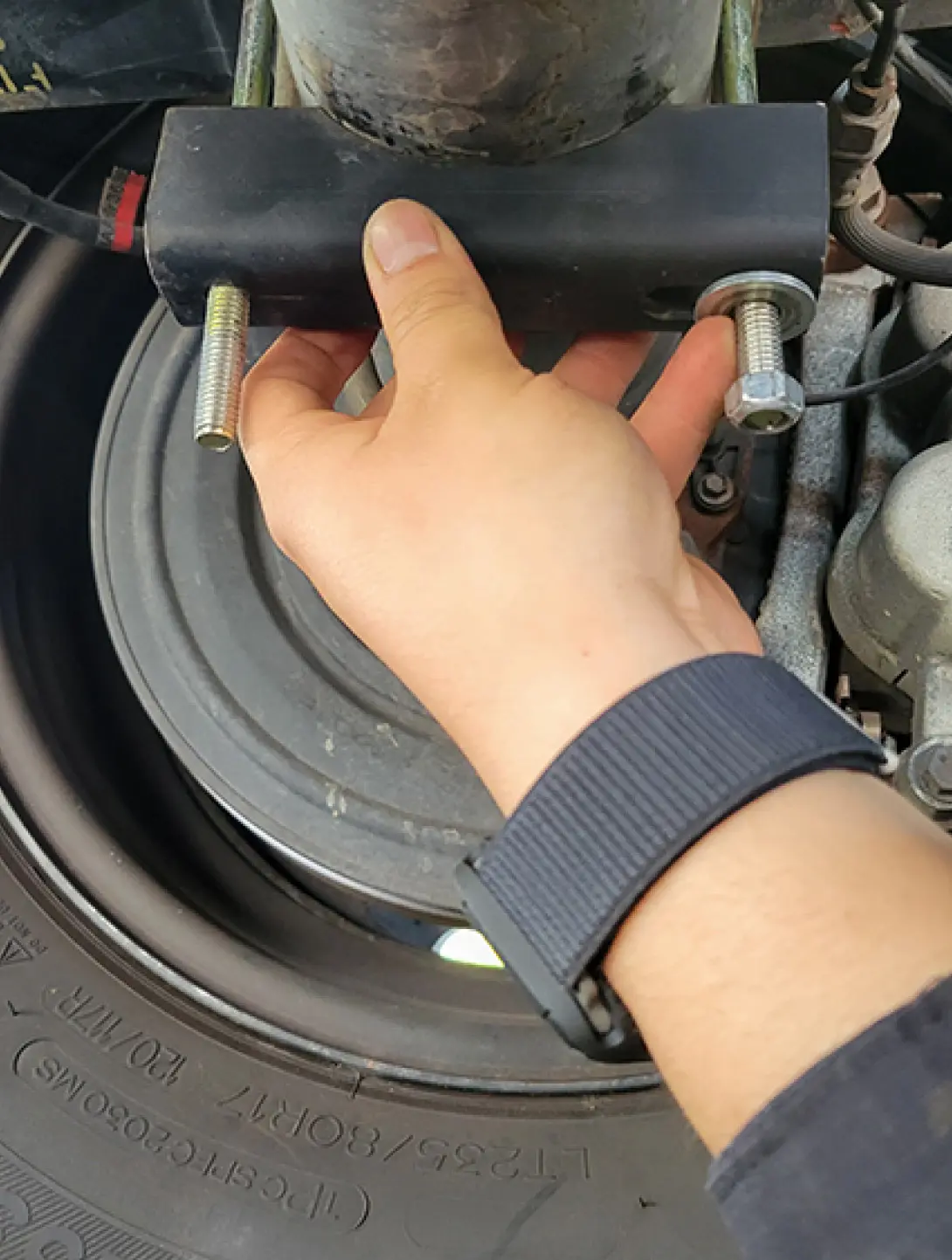
saddle bracket was then located on the U-bolt and lock nuts were threaded on and snugged enough to allow the SumoSpring to rotate by hand
Once the top bracket and upper portion of the spring were installed, a U-bolt was positioned over the bottom bracket and axle housing. The saddle bracket was then located on the U-bolt and lock nuts were threaded on and snugged enough to allow the SumoSpring to rotate by hand.
The Test Drives
After the installation, the truck was tested solo and while pulling the fifth wheel. We did not notice any degradation in ride quality while driving solo on smooth roads after the installation. We did notice, however, a major reduction in the jarring and rocking effect while turning over dips at street intersections. Rather than throwing the driver and passengers wildly from side-to-side, the truck minded its manners with the SumoSprings installed. Overall, the lighter springs were a better fit for this truck (mitigating most of the aforementioned pogo effect), and the front end was not that impacted when towing a fifth wheel.

Our first objective was satisfied as the truck resisted squatting and the front of the fifth wheel returned to level. The truck’s rear axle was not overloaded with the fifth wheel hitched, so we can only speculate that the stock Ram springs are on the puny side for a 1-ton truck.
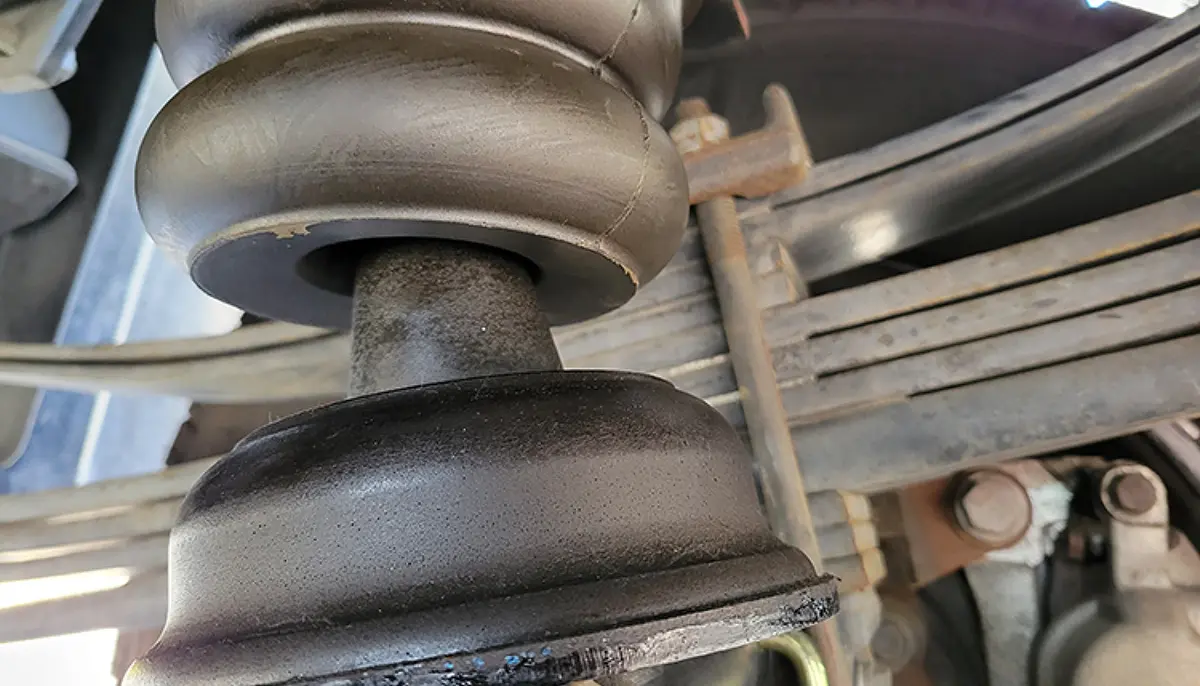
 bottom spring section was rotated on the axle housing until the cone fit perfectly into the top half of the spring
The bottom spring section was rotated on the axle housing until the cone fit perfectly into the top half of the spring. When set properly, the U-bolt were tightened. Job done.
Handling while towing resulted in a noticeable curtailment of wallowing on some roads. Rougher roads presented less-than-stellar handing before the SumoSprings reduced the bumpiness enough to take the edge off the harshness and make it more comfortable for the driver and passengers. Chucking was not a major issue for this truck, except on certain roads where the SumoSprings reduced the pushing-and pulling-effect enough to claim success with that aspect of the installation, as well.

Civilizing the ride quality of a dual-rear-wheel pickup truck is a tall order, and most owners just get used to the bouncing and hammering of the suspension. The SumoSprings took a big bite out of the harshness, but don’t expect the ride to rival a half-ton pickup. The fact that the project truck now rides level with the fifth wheel attached is a big deal in itself. Too many owners grapple with this issue and are often falsely accused to overloading the rear axle. In our minds, the “attitude adjustment” alone was worth the investment in SumoSprings — improvements in handling were just icing on the proverbial cake.