



riving screws into RV paneling or a cabinet structure for the first time seems to present few issues. For the most part they will hold tight — but remove and replace the screw a few times (or add some weight) and the wood turns to sawdust as the hole becomes stripped and enlarged.
Window shades are especially vulnerable after multiple tugs on the material to pull them down — and forget about hanging heavy stuff on hooks. There are a few remedies that have been tired for years, such as stuffing a toothpick into the hole and re-setting the screw so the threads get a bite. This works, but not always, especially if the screw is holding something that sees heavy usage or is under tension. Of course, you can always use glue, but that’s not the best way to go unless you want the screw to be permanent.
A trick we found years ago is to use a self-drilling drywall anchor.


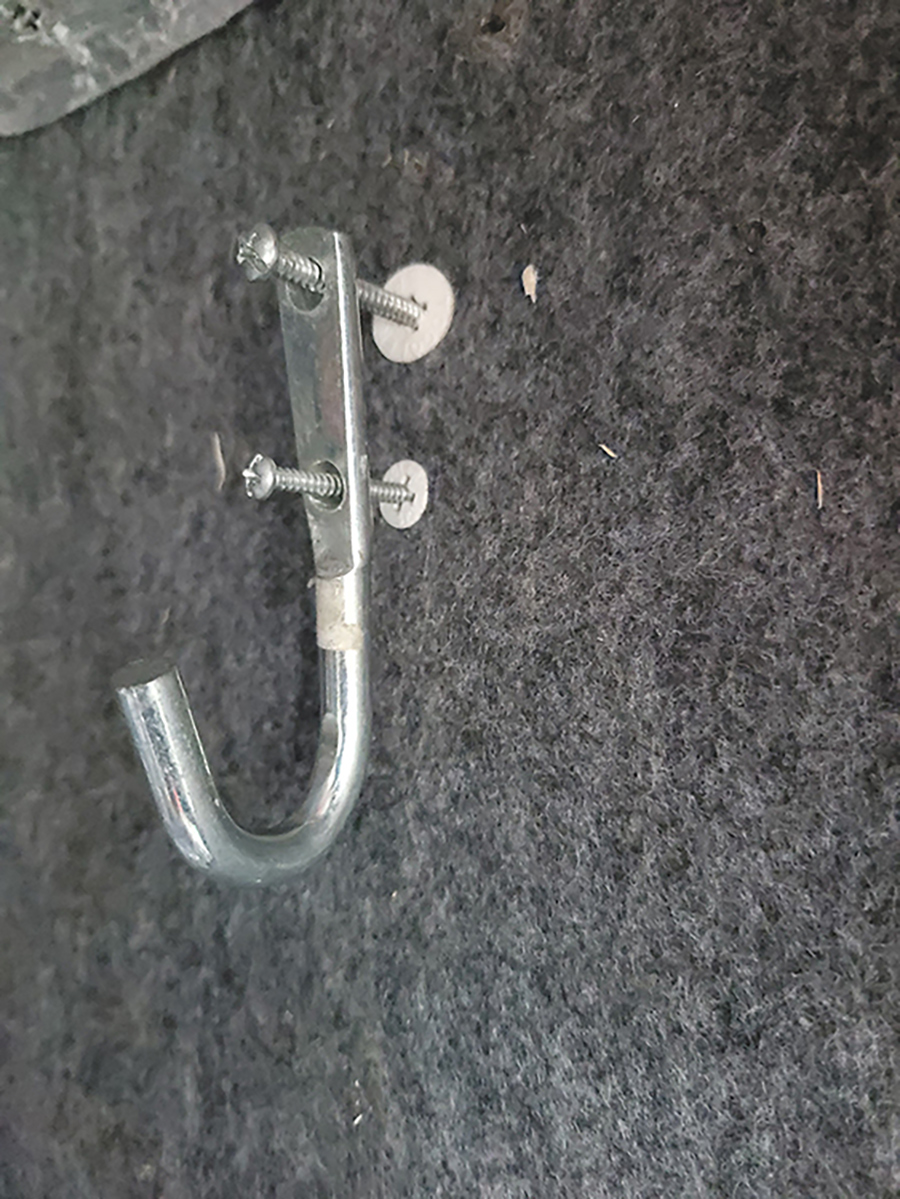
It’s important that you use the right size anchor for the job, based on the screw size and weight-holding capability. Also, you’ll have to determine the thickness of the wall to make sure the anchor won’t penetrate an exterior panel. Anchors are available in various lengths.
Once you seat the anchor, the provided screw can be driven into the center. Doing so expands the anchor, providing enough grip for holding brackets, hooks, hinges or anything else up to the rated capacity. We usually get the ones that are rated for 50 pounds, which is more than enough to support projects in an RV. A metal version works best if it’s being driven into a stud. A box of six anchors sells for only a few bucks and is available in any hardware or home improvement store and, of course, online.
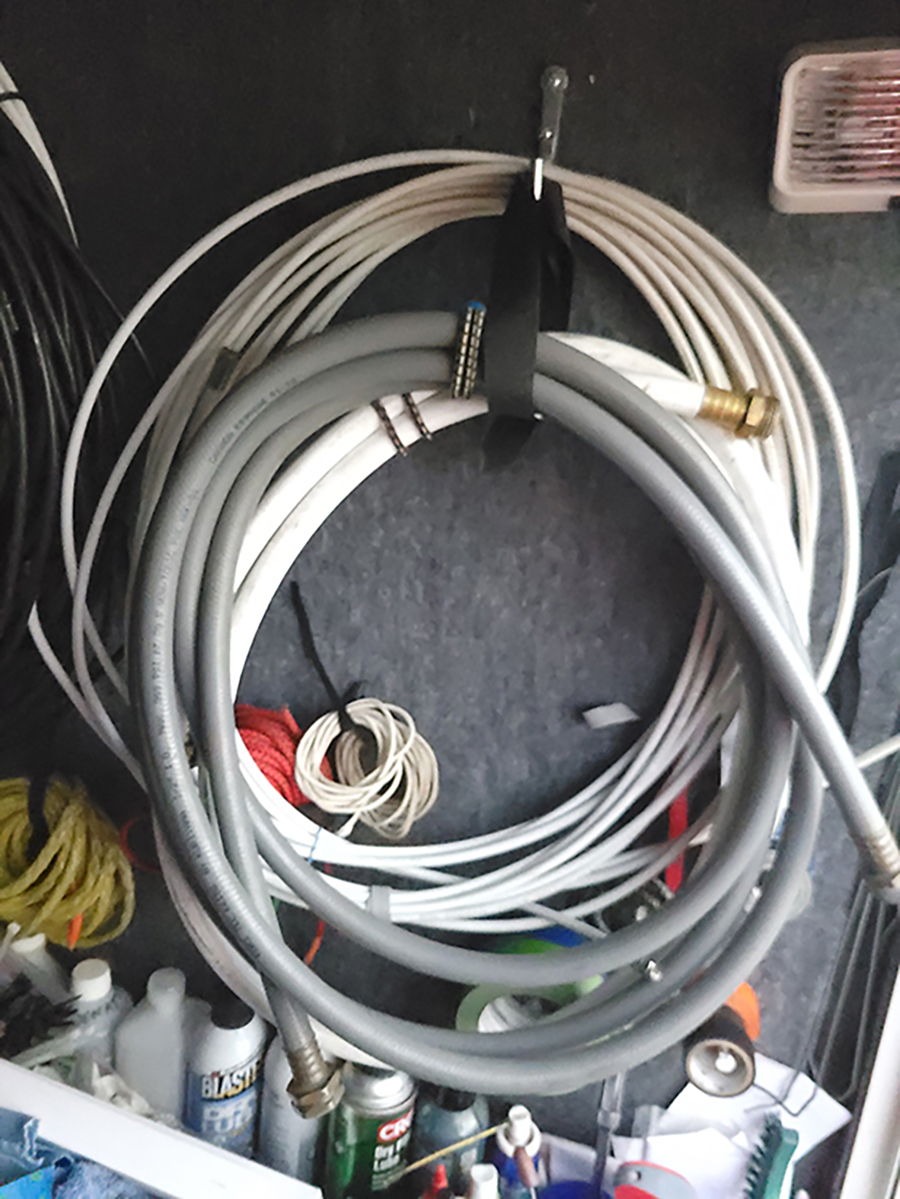
We found these anchors to be a valuable asset when hanging hooks on the fabric-covered divider walls in a fifth wheel storage compartment. While hook-and-loop fasteners will sometimes adhere to the fabric, the result is not normally long term. Anchors provide a much more solid base for screwing in hooks for holding cables, hoses and cords against the storage divider wall; using screws alone eventually will work their way loose.
Keep a box of these anchors on hand; you never know when you’ll need to fix a stripped screw hole.
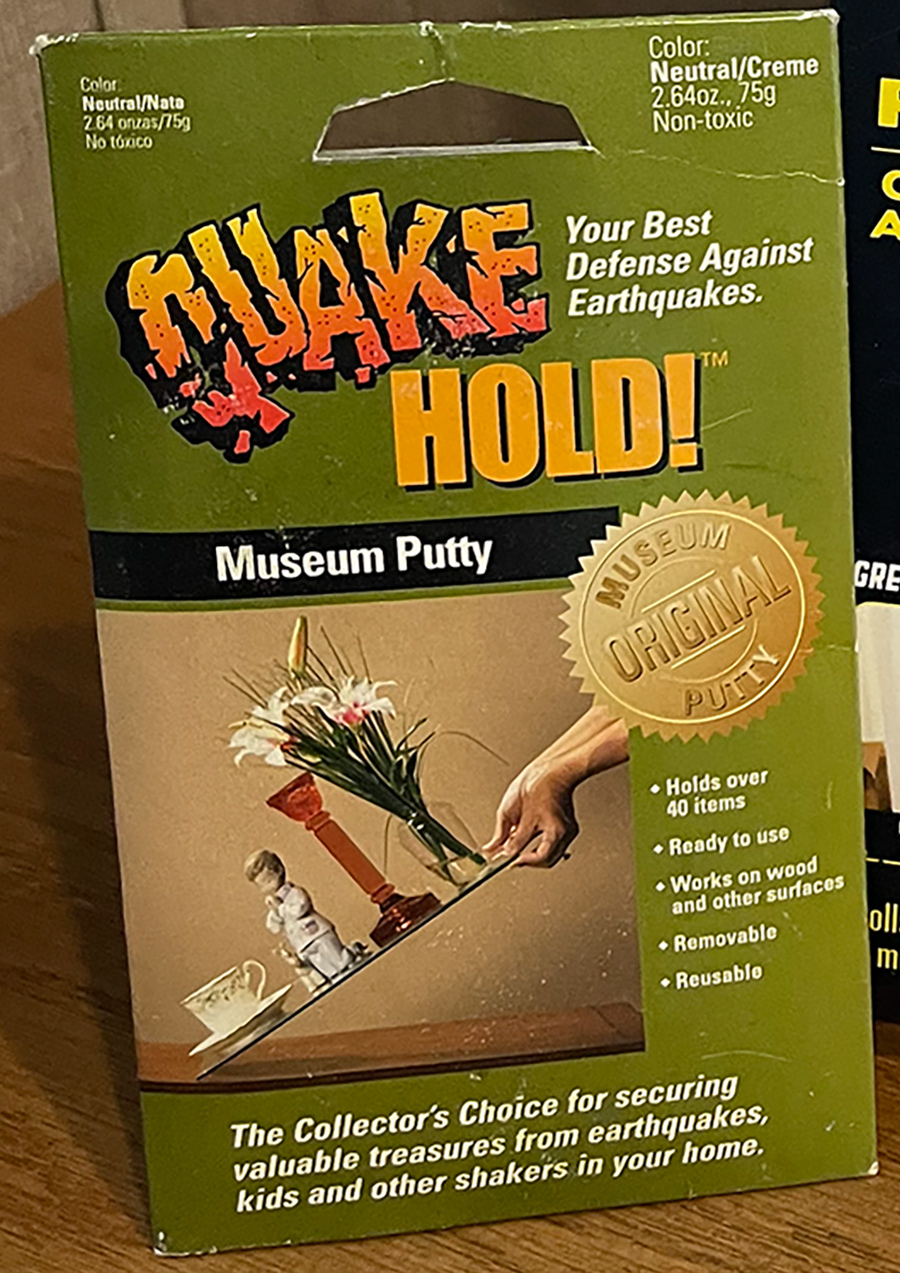
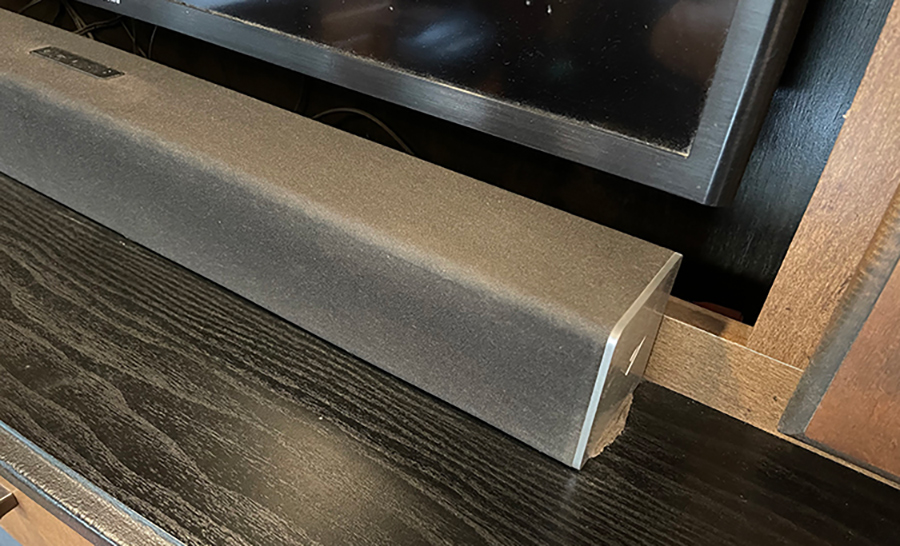
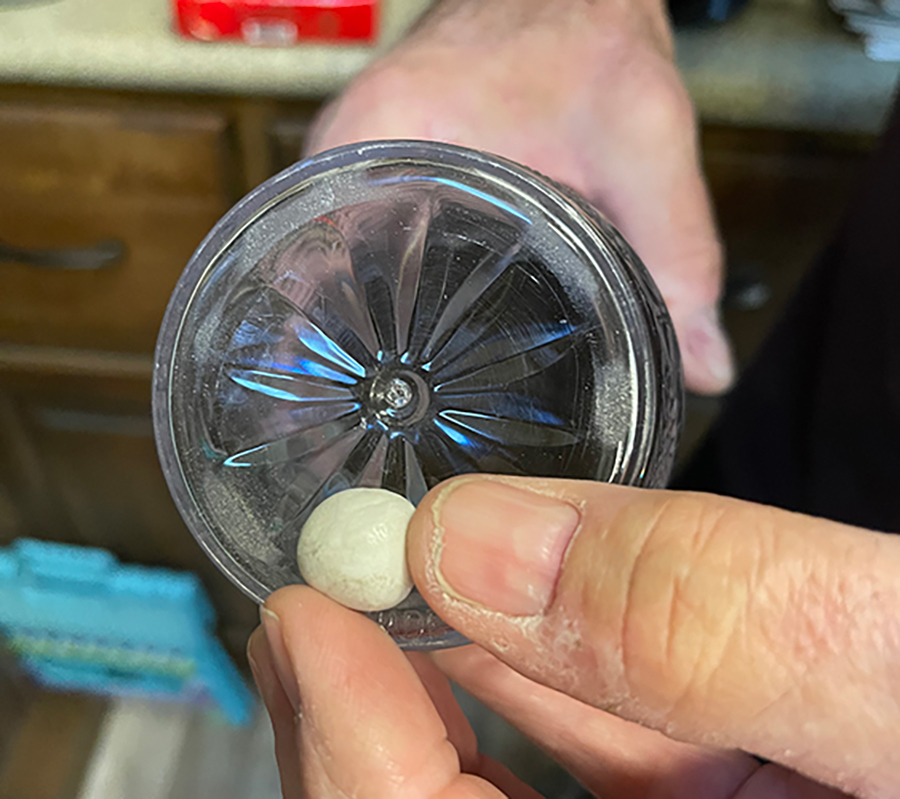
Quake Hold is available for a variety of purposes, but we’ve been using the Museum Putty grade for as long as we can remember. The putty feels like the stuff kids play with and is non-toxic. To use, simply tear off a small amount of putty and roll it into a ball. Strategically place the ball(s) on the item you want to hold and press down until the putty squishes out. Trim the putty, and you’re done. The putty will never dry and can be removed easily from the surface when desired. After a while you’ll find dozens of uses for this stuff and chuck the glue and screws. Quake Hold (quakehold.com) is available online and at just about any hardware store, and sells for $4 for a 2.64-ounce package. Amazingly, the putty lasts a surprisingly long time.