

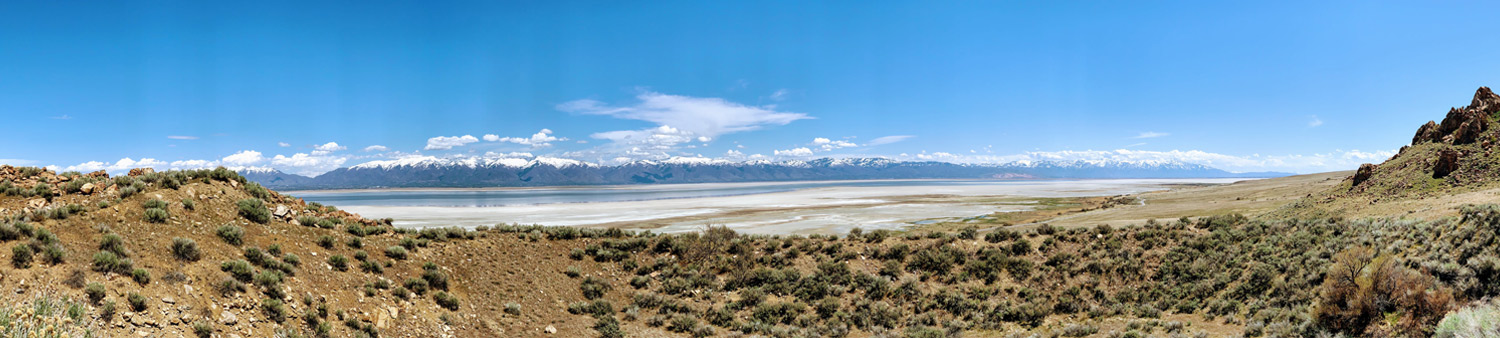
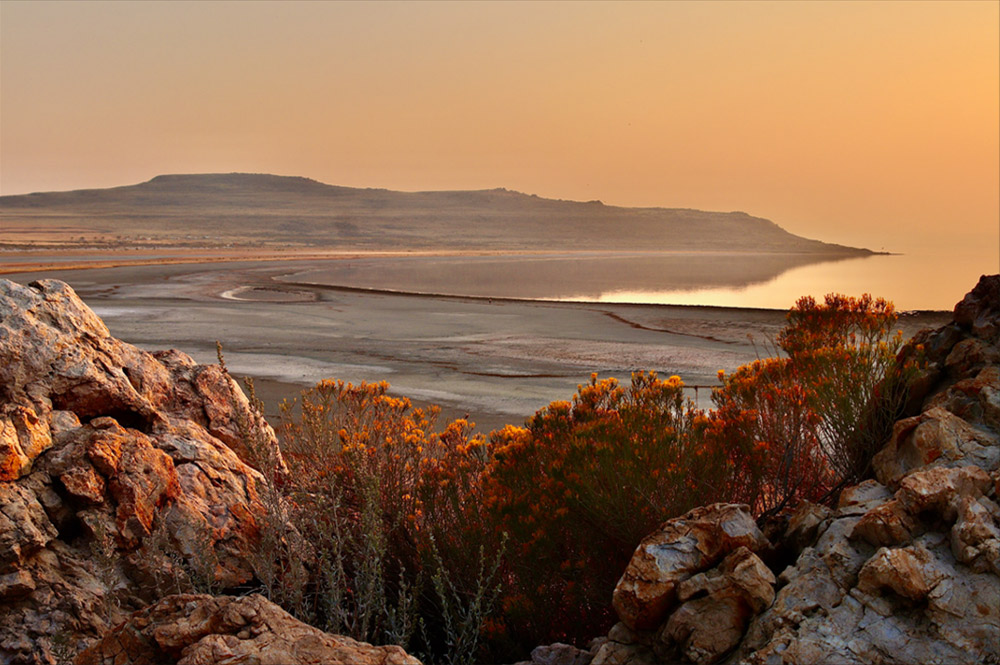
oondocking is gaining in popularity every day, and there’s a little-known camping spot on Antelope Island in Utah that is a must see. This island is one of 17 on the Great Salt Lake, ranging from small to large, in all corners of the lake. In fact, the number of islands actually varies, depending on the elevation of the lake’s surface. This area is a closed basin, which means there is no drainage outlet for the lake — yet water depth can vary as much as two feet a year. Because of this great range of water levels between years, what may be considered an island in a high-water year may be considered a peninsula in another, or an island that appears in a low-water year may be not be visible in a high-water year. Antelope Island is the largest island in the Great Salt Lake and the only island with reservable primitive campsites.
The history of Antelope Island is quite interesting, and signs of early inhabitants can still be seen on the island today. Thousands of years ago, the area’s native Ute people inhabited Antelope Island, later followed by settlers from the Mormon Church. Fielding Garr established a ranch on the island in the late 1840s and brought the Mormon church’s cattle to the ranch. The ranch later bred horses and became a sheep ranch. Several original buildings of the Fielding Garr Ranch still stand on the island, and visitors can take a self-guided tour of the ranch during daylight hours. There is no charge to tour the ranch, though a donation is requested for the tour guide booklet. It is well worth the stop, and it will take approximately 90 minutes to tour the buildings and the ranch.
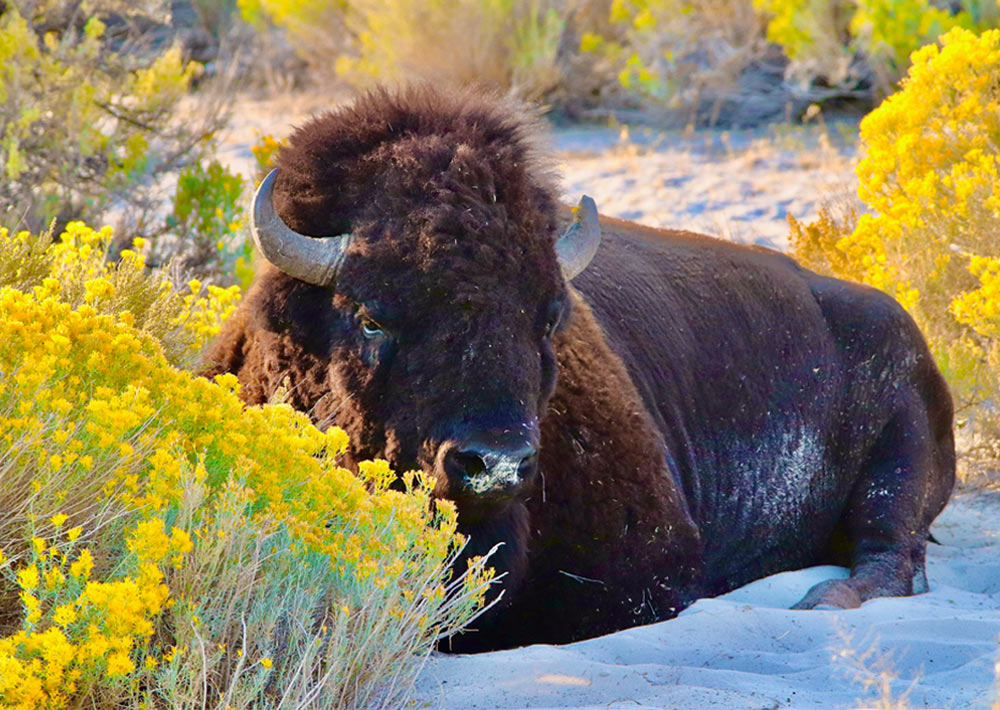
Wildlife abounds on Antelope Island and offers some great opportunities for photography enthusiasts. A herd of 700-plus American bison roam Antelope Island and can often be seen resting in campsites, crossing the island roads or gathering along the shoreline of the Great Salt Lake. Each October, cowboys on horses will assist park personnel in rounding up Antelope Island’s bison and guiding them into corrals. The bison receive vaccinations and health screenings and will either be released back onto the island or later sold at auction. Members of the public can apply to be riders in this bison roundup, and applications are usually taken one month prior to the roundup. The island and campgrounds are open during this annual event, and the public is welcome to view the roundup each year.
Other wildlife found across the island include pronghorn antelope, bighorn sheep, coyote, red fox, bobcats, mule deer and thousands of raptors, waterfowl and songbirds. I was thrilled to spot a red fox crossing our path as we entered the island, and to find bison resting in the campsite adjacent to ours in Bridger Bay campground. As I hiked and explored the island during our three-day stay, I also captured sightings of pronghorn, coyote, mule deer, burrowing owls, dozens of birds and waterfowl with my digital camera.

If you are a hiker, there are dozens of trails to follow on the island. AllTrails, a fitness and travel mobile app and website, is a great resource to hikers, mountain bikers and runners. AllTrails lists 13 great hiking trails on this island. The Antelope Island Visitors Center will also provide maps and personnel will recommend trails. In addition to hiking, visitors can swim in the lake, which is actually several times saltier than the ocean, making the water extra buoyant for people to easily float on its surface. The Bridger Bay Day-Use Area is a popular place to spend part or all of a day, to go swimming or simply to enjoy the sandy beach. Be sure to stop at the Island Buffalo Grill and try a buffalo burger or enjoy your own picnic lunch under shaded picnic tables at Bridger Bay Beach.
While we spent three days on Antelope Island, it really was not time enough time to explore all that there was to do at this remote destination. Antelope Island is an amazing outdoor destination for adventurers and our memories of this fascinating island will grow with each return visit.
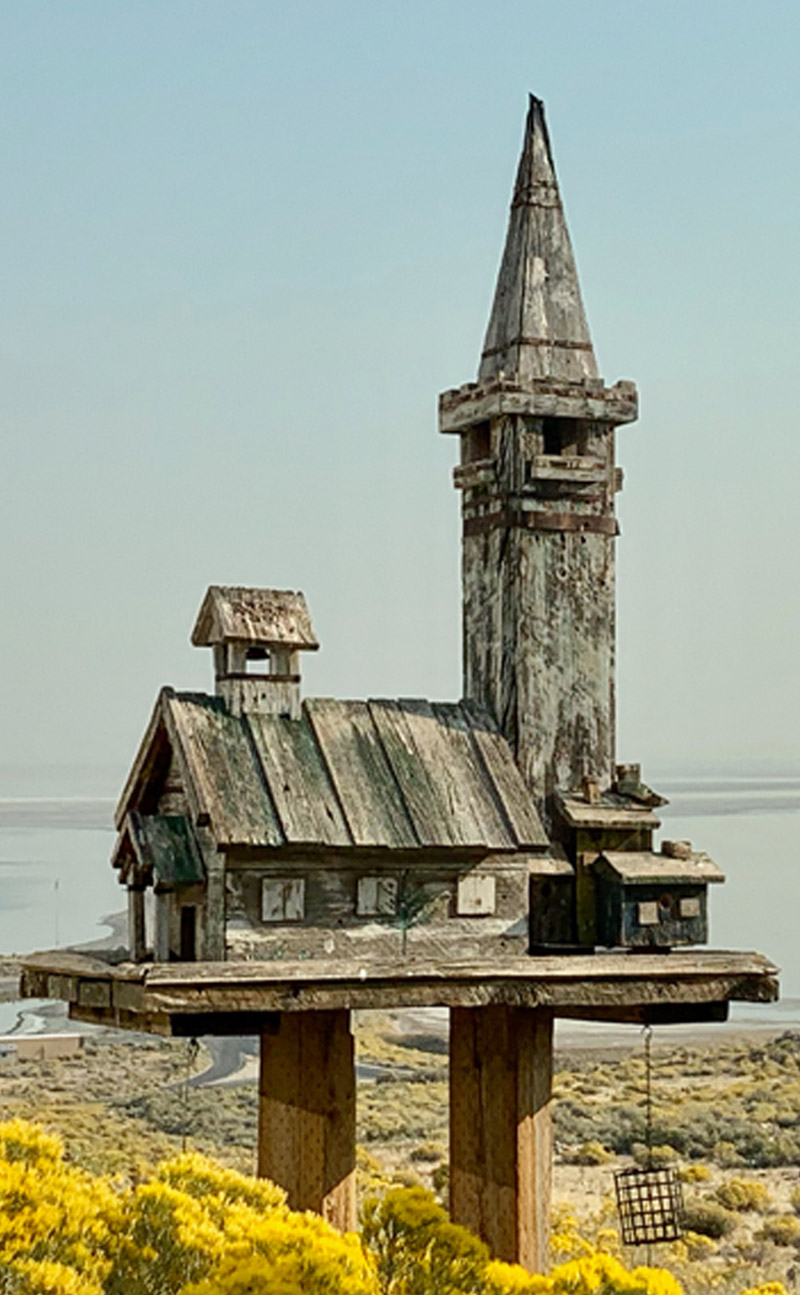
If you are a hiker, there are dozens of trails to follow on the island. AllTrails, a fitness and travel mobile app and website, is a great resource to hikers, mountain bikers and runners. AllTrails lists 13 great hiking trails on this island. The Antelope Island Visitors Center will also provide maps and personnel will recommend trails. In addition to hiking, visitors can swim in the lake, which is actually several times saltier than the ocean, making the water extra buoyant for people to easily float on its surface. The Bridger Bay Day-Use Area is a popular place to spend part or all of a day, to go swimming or simply to enjoy the sandy beach. Be sure to stop at the Island Buffalo Grill and try a buffalo burger or enjoy your own picnic lunch under shaded picnic tables at Bridger Bay Beach.
While we spent three days on Antelope Island, it really was not time enough time to explore all that there was to do at this remote destination. Antelope Island is an amazing outdoor destination for adventurers and our memories of this fascinating island will grow with each return visit.
Antelope Island is located north of Salt Lake City. From Interstate 15, you will take Exit 332 (Antelope Drive) and head west for approximately 15 miles to the causeway, which takes you out to Antelope Island. There is a ranger station at the entrance to the causeway, where you will either pay a $10 fee per car or check-in for your campground reservation. The causeway is 7 miles in length and is only open between the hours of 9a.m. – 6p.m. (hours vary seasonally).
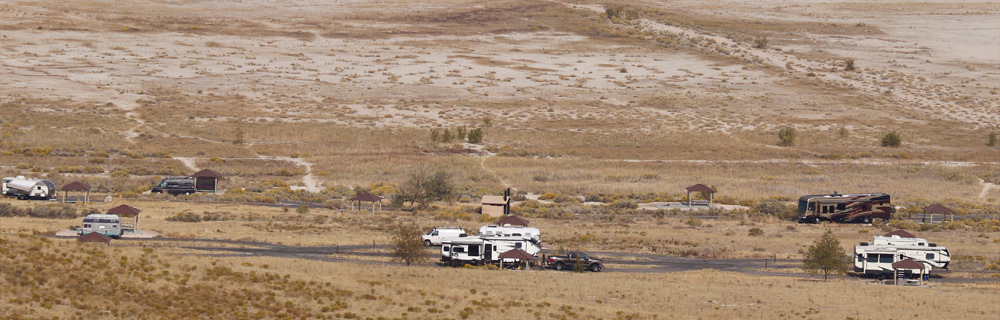
After doing more research on Antelope Island, I was surprised to discover that there are four campgrounds on the island: Ladyfinger Campground is tent camping only; Lakeside Campsite provides group camping only and is a popular area for family reunions and large groups; White Rock Bay Campground (20 sites) is the smaller of the two campgrounds that can accommodate self-contained RV’s; and Bridger Bay Campground offers 26 primitive sites. No shade is available at Bridger Bay, but sites do include picnic tables and fire pits/grills. Campsites are half-circle pull-throughs up to 90 feet long and can accommodate RVs up to 45 feet.
No amenities are offered at any of the campgrounds on Antelope Island. However, water is available at Bridger Bay Beach. A dump station is also available at the Visitor Center. Generators are allowed to be run during daytime hours and fires are allowed in designated fire pits only. Site fees range from $20/night at Bridger Bay Campground to $40/night at White Rock Bay Campground. The causeway fee of $10 is included in the campsite reservation, which can be made up to four months in advance by going to https://utahstateparks.reserveamerica.com.